Best Chicken-Free Dog Food 2026
Chicken is one of the most common food allergens in dogs, causing skin issues, digestive problems, and chronic ear infections. We've curated 143+ chicken-free formulas featuring alternative proteins like lamb, salmon, beef, duck, and venison.
Understanding Chicken Allergies in Dogs
Chicken allergies in dogs are an immune system overreaction to proteins found in chicken. When a sensitized dog eats chicken, their immune system mistakenly identifies chicken proteins as harmful invaders and mounts an inflammatory response. This causes the classic allergy symptoms: itchy skin, ear infections, and digestive upset.
Why are chicken allergies so common? It's largely due to exposure. Chicken is the most widely used protein in commercial dog food—it's affordable, palatable, and provides complete protein. However, repeated exposure to any protein can lead to sensitization over time. Dogs who've eaten chicken-based food their entire lives are more likely to develop an allergy than dogs with varied protein diets.
Finding truly chicken-free food requires careful label reading. Chicken can hide under various names: "poultry," "poultry fat," "meat meal," "animal digest," or "natural flavors." Even trace amounts can trigger reactions in highly sensitive dogs. Look for foods that explicitly state "chicken-free" or list only named alternative proteins. When in doubt, contact the manufacturer to confirm their cross-contamination prevention practices.
Signs of chicken allergy
- • Itchy skin, especially ears, paws, and rear
- • Chronic or recurrent ear infections
- • Digestive upset (vomiting, diarrhea, gas)
- • Red, irritated skin or hot spots
- • Excessive licking, scratching, or chewing
- • Hair loss or dull coat
Hidden chicken ingredients
- • Chicken fat (sometimes in "poultry fat")
- • Chicken meal or chicken by-product meal
- • Chicken liver, hearts, or broth
- • "Poultry" or "meat" (may contain chicken)
- • "Natural flavors" or "animal digest"
- • Cross-contamination in manufacturing
How to Choose Chicken-Free Dog Food
Step 1: Read Every Ingredient
Check the full ingredient list, not just the first few items. Chicken can appear anywhere as fat, meal, broth, or flavoring. Look for foods with clearly named single proteins like "lamb," "salmon," or "beef"—avoid vague terms like "poultry" or "meat."
Step 2: Consider All Poultry
Some chicken-allergic dogs also react to turkey, duck, or other poultry due to similar protein structures. If starting an elimination diet, choose a non-poultry protein like fish, lamb, venison, or beef. You can test poultry individually later if needed.
Step 3: Watch for Improvement
After switching to chicken-free food, allow 8-12 weeks for symptoms to fully resolve—skin issues take time to heal. Keep a symptom diary to track progress. If symptoms don't improve, your dog may have additional food sensitivities or a non-food-related condition.
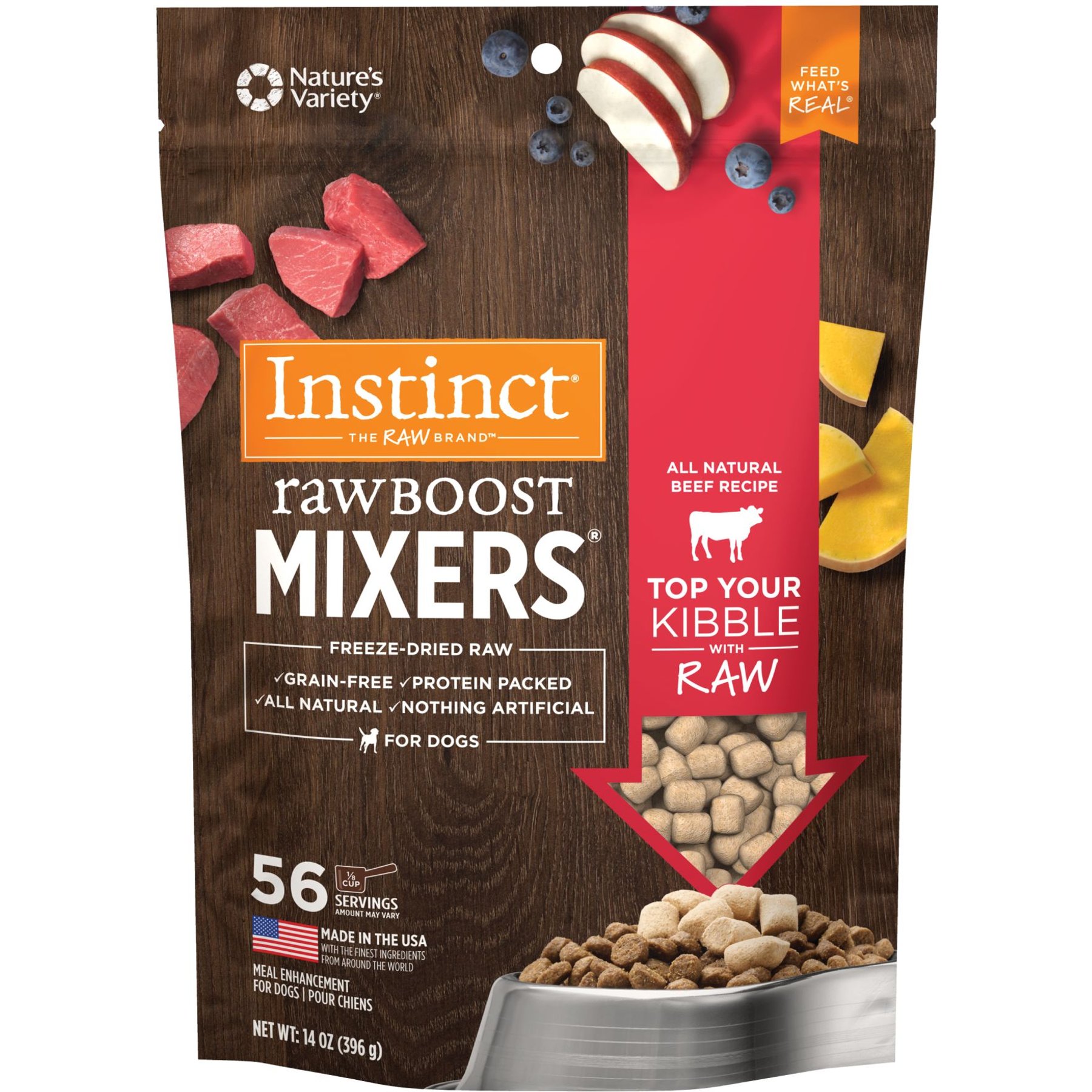
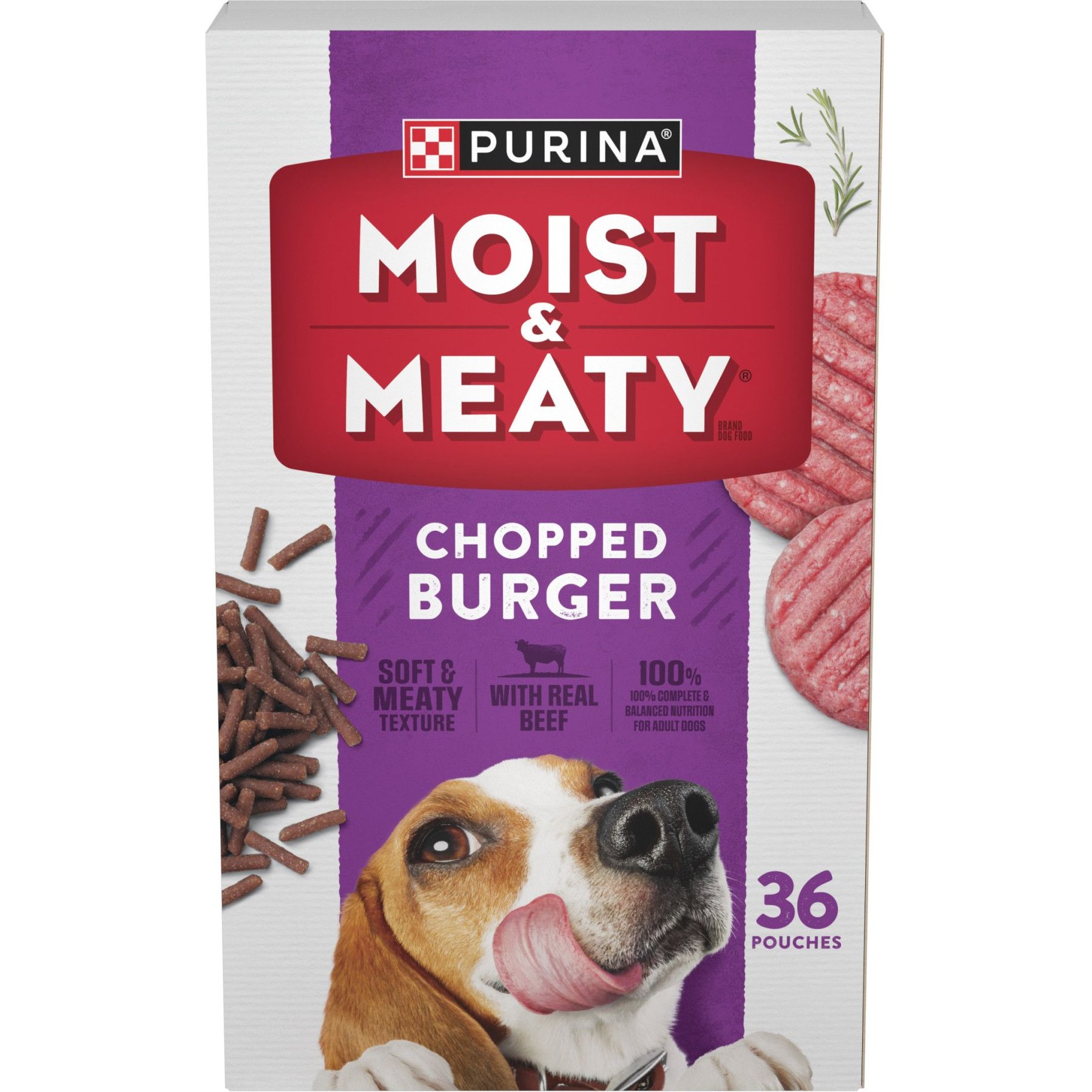
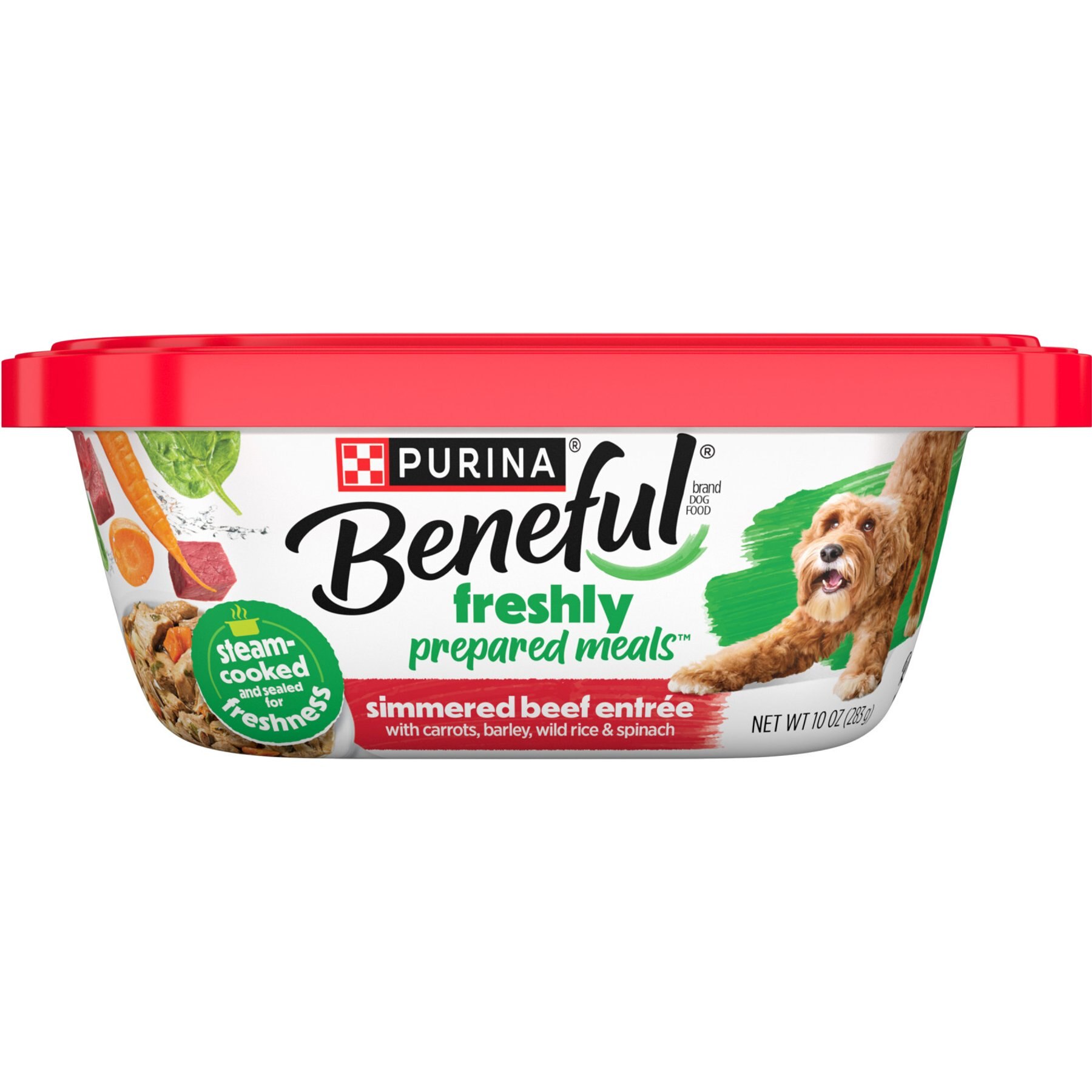
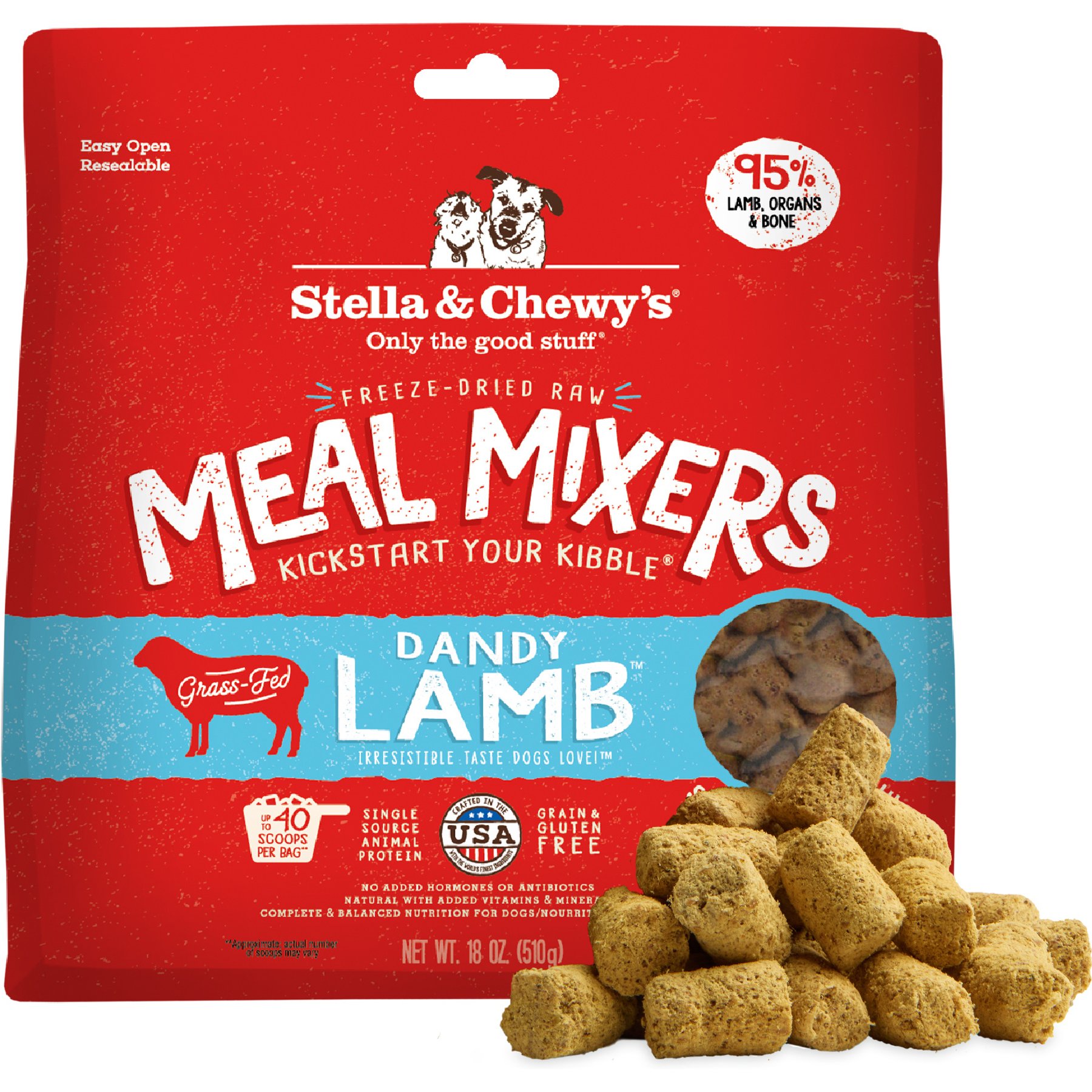
Top-Rated Chicken-Free Dog Foods




Frequently Asked Questions
How do I know if my dog is allergic to chicken?
Common signs of chicken allergy include chronic itchy skin (especially ears, paws, and rear), recurrent ear infections, skin redness or hot spots, digestive issues like vomiting or diarrhea, and excessive licking or scratching. Symptoms typically appear within hours to days after eating chicken. The only way to definitively diagnose a food allergy is through an elimination diet trial supervised by your vet—blood and skin tests are unreliable for food allergies.
Is chicken the most common dog food allergen?
Chicken is among the most common food allergens in dogs, accounting for about 15% of food allergy cases. However, beef is actually the most common at around 34% of cases. The reason chicken allergies seem so prevalent is that chicken is the most widely used protein in commercial dog food, increasing exposure and sensitization opportunities. Other common allergens include dairy, wheat, and egg.
Do I need to avoid chicken fat and chicken meal too?
If your dog has a true chicken allergy, you should avoid all chicken-derived ingredients including chicken fat, chicken meal, chicken by-products, chicken liver, and chicken broth. Some highly allergic dogs may also react to chicken fat, though it contains less protein than whole chicken. Read ingredient lists carefully—'poultry fat' or 'animal fat' may contain chicken unless specifically stated otherwise.
Will my dog also be allergic to turkey and other poultry?
Not necessarily, but cross-reactivity is possible. Dogs allergic to chicken may also react to turkey (most common), duck, or other poultry due to similar protein structures. However, many chicken-allergic dogs tolerate duck or turkey without problems. If you're eliminating chicken, consider starting with a non-poultry protein like fish, lamb, or venison to completely rule out poultry cross-reactivity.