Best Salmon Dog Food 2026
Salmon is a nutritional powerhouse packed with omega-3 fatty acids (DHA and EPA) that support healthy skin, shiny coat, brain function, and joint health. We've analyzed 446+ salmon-based formulas to help you find the best for your dog.
Understanding Salmon-Based Dog Food
Salmon stands out among dog food proteins for its exceptional omega-3 fatty acid content. The two most beneficial omega-3s—EPA (eicosapentaenoic acid) and DHA (docosahexaenoic acid)—are found abundantly in salmon and provide anti-inflammatory benefits throughout the body. These essential fatty acids must come from diet since dogs cannot produce them internally.
The health benefits of salmon-based dog food are extensive. EPA supports skin health by reducing inflammation that causes itching and flaking, while also lubricating joints to ease arthritis symptoms. DHA is crucial for brain development in puppies and cognitive function in adult and senior dogs. Studies show DHA-supplemented diets improve trainability in puppies and may slow cognitive decline in aging dogs.
Salmon also serves as an excellent novel protein for dogs with food allergies to common proteins like chicken and beef. Since most dogs haven't been exposed to fish proteins extensively, salmon is less likely to trigger allergic reactions. For dogs with both skin allergies and the inflammatory skin conditions that result, salmon provides a double benefit: avoiding allergens while delivering anti-inflammatory omega-3s.
Benefits of salmon
- • Rich in omega-3 fatty acids (DHA, EPA)
- • Supports healthy skin and shiny coat
- • Anti-inflammatory for joint health
- • DHA supports brain development and cognition
- • Novel protein for dogs with chicken/beef allergies
- • High-quality, highly digestible protein source
What to look for
- • Whole salmon or salmon meal as first ingredient
- • Wild-caught or quality farm-raised sources
- • Added fish oils for extra omega-3s (EPA/DHA listed)
- • Omega-3 to omega-6 ratio disclosed on label
- • Avoid formulas heavy on plant-based fillers
- • AAFCO complete and balanced statement
How to Choose Salmon Dog Food
Step 1: Check Salmon Placement
Look for "salmon" or "salmon meal" as the first ingredient. "Salmon meal" is actually more protein-dense since water has been removed. Avoid foods where salmon appears far down the list or where plant proteins like pea protein rank higher than fish.
Step 2: Verify Omega-3 Levels
Quality salmon foods often add extra fish oil for boosted omega-3 content. Look for EPA and DHA amounts in the guaranteed analysis or supplemental information. For skin and coat benefits, higher is generally better. Some foods list total omega-3 content per cup.
Step 3: Consider Your Dog's Needs
For allergies, choose single-protein salmon formulas without chicken or beef. For joint support in senior dogs, look for added glucosamine alongside omega-3s. Puppies benefit from DHA-enriched formulas for brain development. Active dogs may need higher protein salmon foods.
Top-Rated Salmon Dog Foods
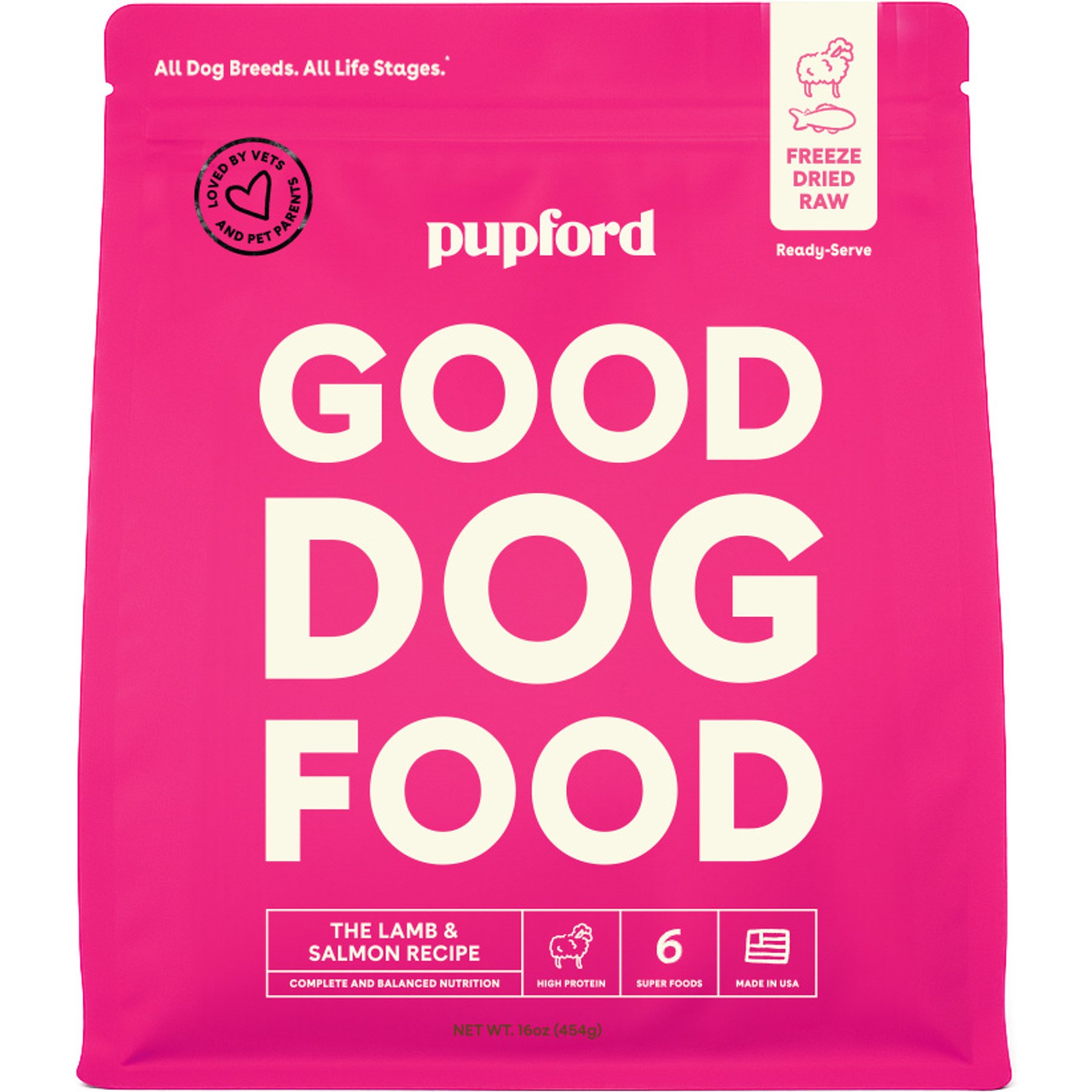
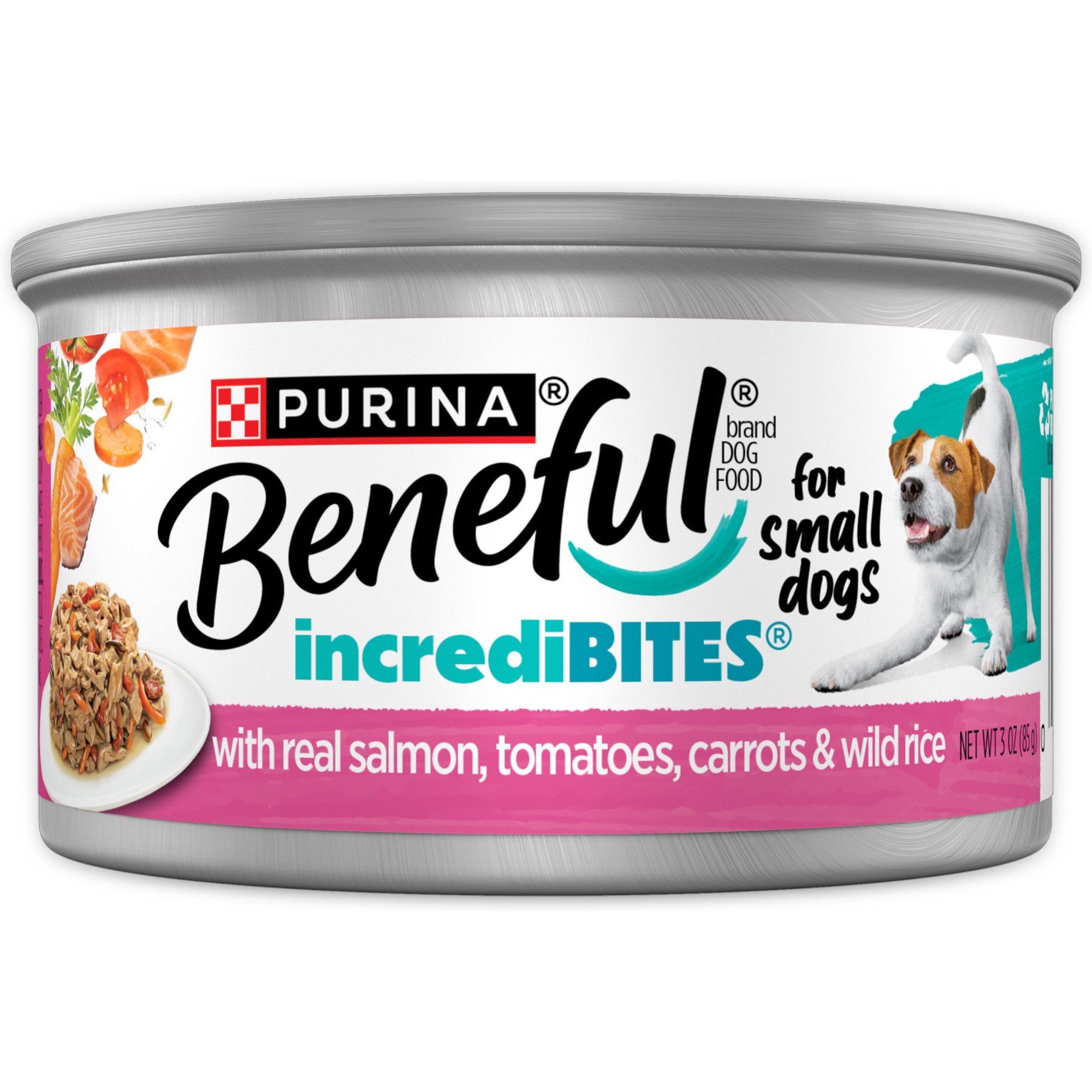

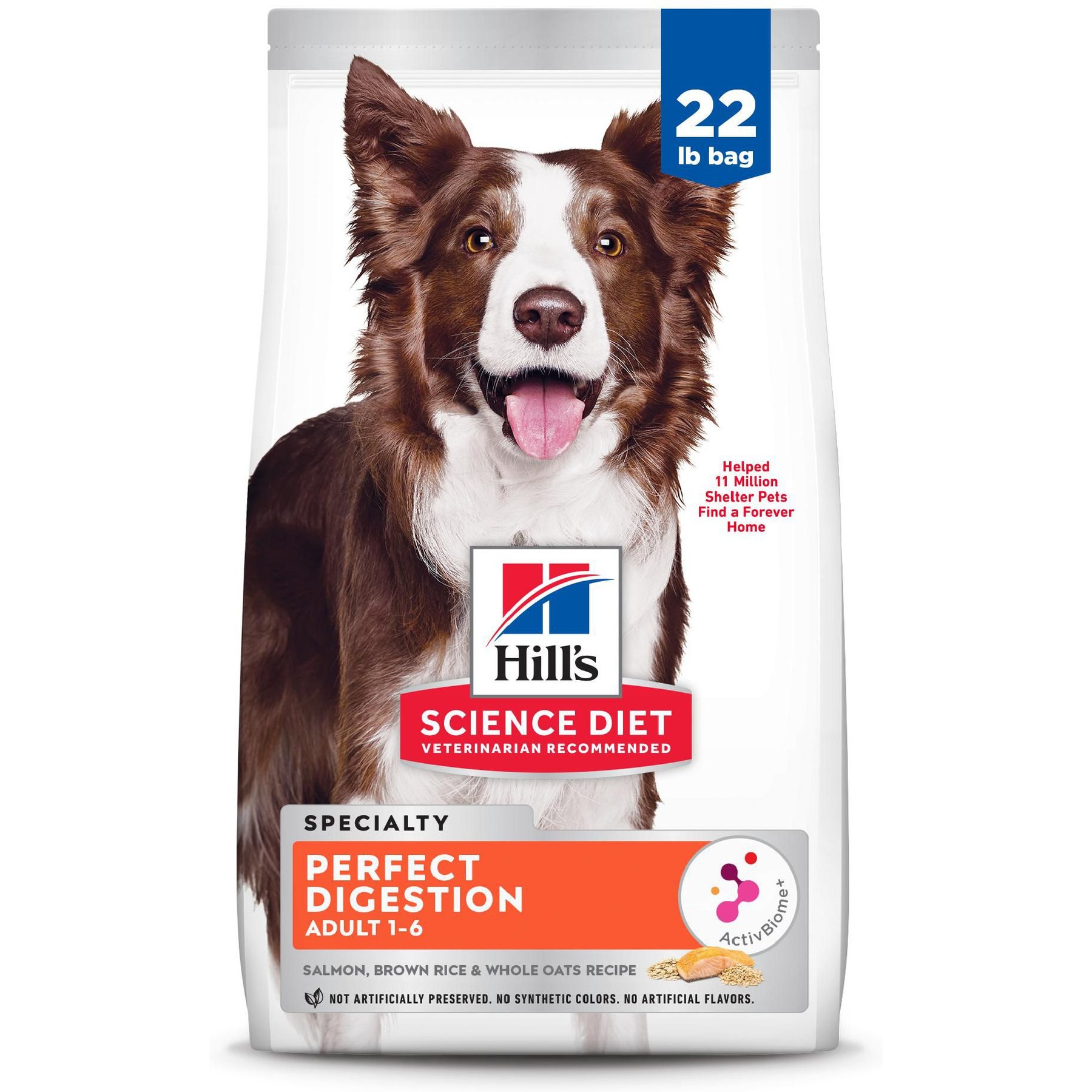

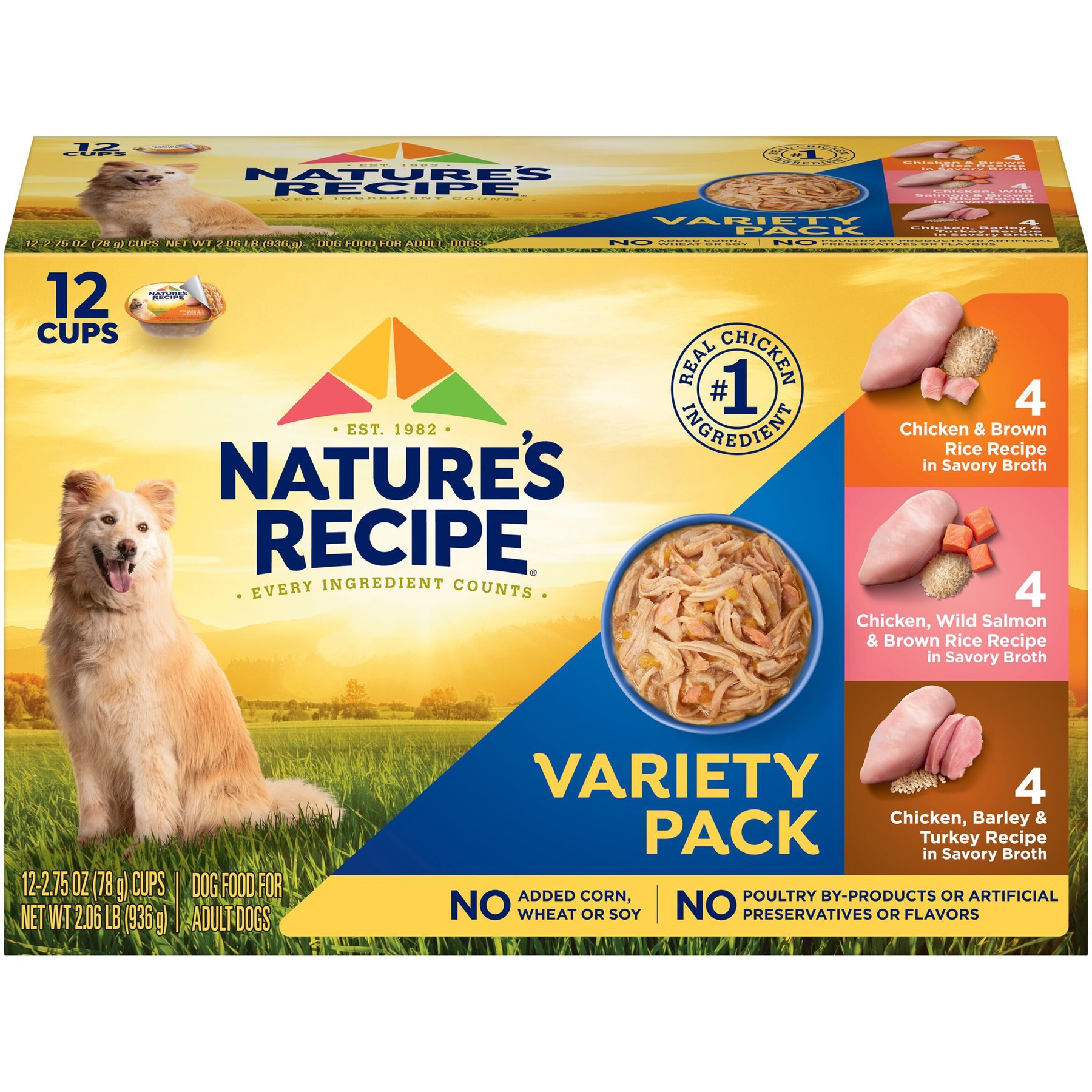

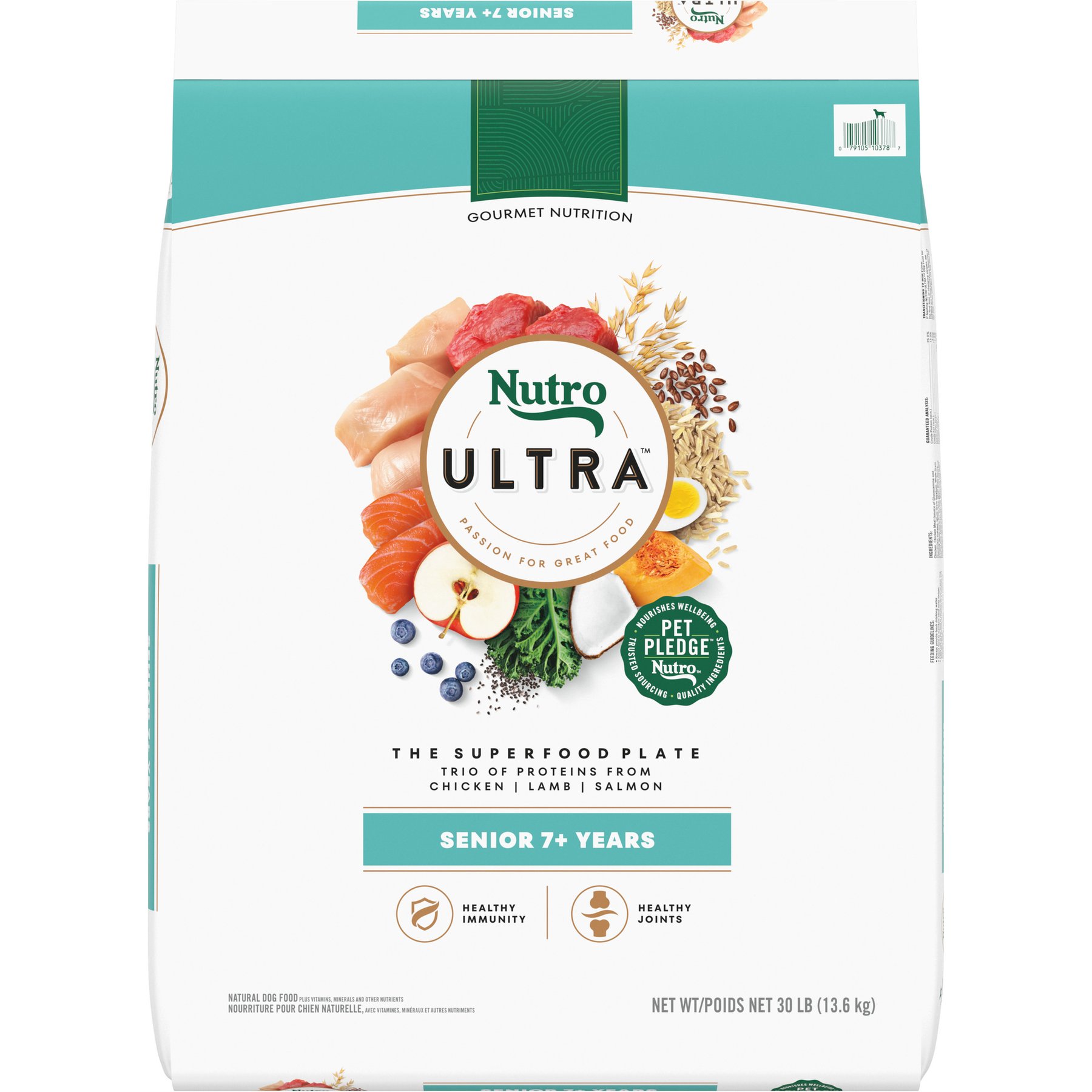
Frequently Asked Questions
Is salmon dog food good for dogs with allergies?
Yes, salmon is often recommended as a 'novel protein' for dogs with chicken or beef allergies because most dogs haven't been exposed to it extensively. Fish proteins are structurally different from common allergens, reducing cross-reactivity risk. However, if your dog has eaten salmon-based foods before, it may no longer be 'novel' and could potentially cause allergies in sensitized dogs.
What's the difference between wild-caught and farm-raised salmon?
Wild-caught salmon typically has higher omega-3 levels and eats a natural diet, but may contain trace environmental contaminants. Farm-raised salmon is more consistent and often lower in contaminants due to controlled environments, but may have slightly different fatty acid profiles. Both are safe and nutritious for dogs—quality dog food manufacturers test for contaminants regardless of source.
How much omega-3 does my dog need from salmon food?
Dogs benefit from approximately 20-55mg of combined EPA/DHA per pound of body weight daily for skin and coat health, with higher amounts (up to 100mg/lb) for joint issues. Most salmon-based dog foods provide adequate omega-3s, but check the guaranteed analysis for specific amounts. If your dog needs therapeutic doses for joint health or skin conditions, additional fish oil supplements may be recommended.
Can dogs eat salmon every day?
Yes, dogs can safely eat salmon-based dog food daily as their primary diet. Commercial salmon dog foods are formulated to be complete and balanced for everyday feeding. However, you should never feed raw salmon due to salmon poisoning disease (a parasitic infection fatal to dogs if untreated). Always choose cooked salmon or properly processed salmon dog food.