Best Dog Food for Sensitive Stomach 2026
Digestive issues like vomiting, diarrhea, and gas affect many dogs—often due to food intolerances or bacterial imbalances. We've analyzed 370+ sensitive stomach formulas featuring probiotics, limited ingredients, and highly digestible proteins to help restore your dog's gut health.
Understanding Sensitive Stomachs in Dogs
A "sensitive stomach" in dogs typically manifests as recurring digestive problems: vomiting, diarrhea, excessive gas, gurgling sounds, or decreased appetite. Unlike occasional upset from eating something bad, sensitive stomachs involve chronic or frequent digestive issues that require dietary management.
The causes vary widely. Food intolerances (different from allergies) occur when dogs have difficulty digesting certain ingredients like lactose, high fat, or specific proteins. Gut microbiome imbalances from antibiotics, stress, or poor diet can disrupt digestion. Some breeds like German Shepherds, Great Danes, and Irish Setters are genetically predisposed to digestive sensitivity.
The solution involves switching to easily digestible, limited ingredient foods that support gut health. Look for foods with added probiotics, moderate fat levels, and highly digestible protein sources. Most dogs show improvement within 2-4 weeks of switching to an appropriate diet—though some may need longer elimination trials to identify specific triggers.
What to look for
- • Probiotics and prebiotics for gut health (look for live cultures)
- • Highly digestible proteins (chicken, fish, eggs, lamb)
- • Limited ingredient formulas with fewer potential triggers
- • Moderate fat content (under 15% for sensitive dogs)
- • Soluble fiber like pumpkin, beet pulp for regularity
- • No artificial colors, flavors, or preservatives
Feeding tips for sensitive stomachs
- • Transition to new food slowly over 10-14 days
- • Feed 2-3 smaller meals instead of one large meal
- • Avoid table scraps, fatty treats, and rawhides
- • Keep feeding times consistent (same time daily)
- • Use slow-feeder bowls if dog eats too fast
- • See your vet if issues persist beyond 2 weeks
How to Choose Sensitive Stomach Dog Food
Step 1: Check the Protein Source
Start with a highly digestible, single-source protein. Chicken, lamb, salmon, and eggs are typically easy to digest. Avoid foods with multiple protein sources until you identify what your dog tolerates. Novel proteins may help if common proteins cause issues.
Step 2: Look for Digestive Support
Prioritize foods with added probiotics (live cultures with CFU counts listed), prebiotics (chicory root, FOS), and digestive enzymes. Fiber sources like pumpkin and beet pulp promote healthy digestion. Avoid high-fat foods that can worsen symptoms.
Step 3: Start Simple, Then Adjust
Begin with a limited ingredient formula and give it 3-4 weeks before evaluating. Keep a diary of symptoms and bowel movements. If one food doesn't work, try a different protein source. Consider adding a probiotic supplement if the food alone isn't enough.
Top-Rated Dog Food for Sensitive Stomachs

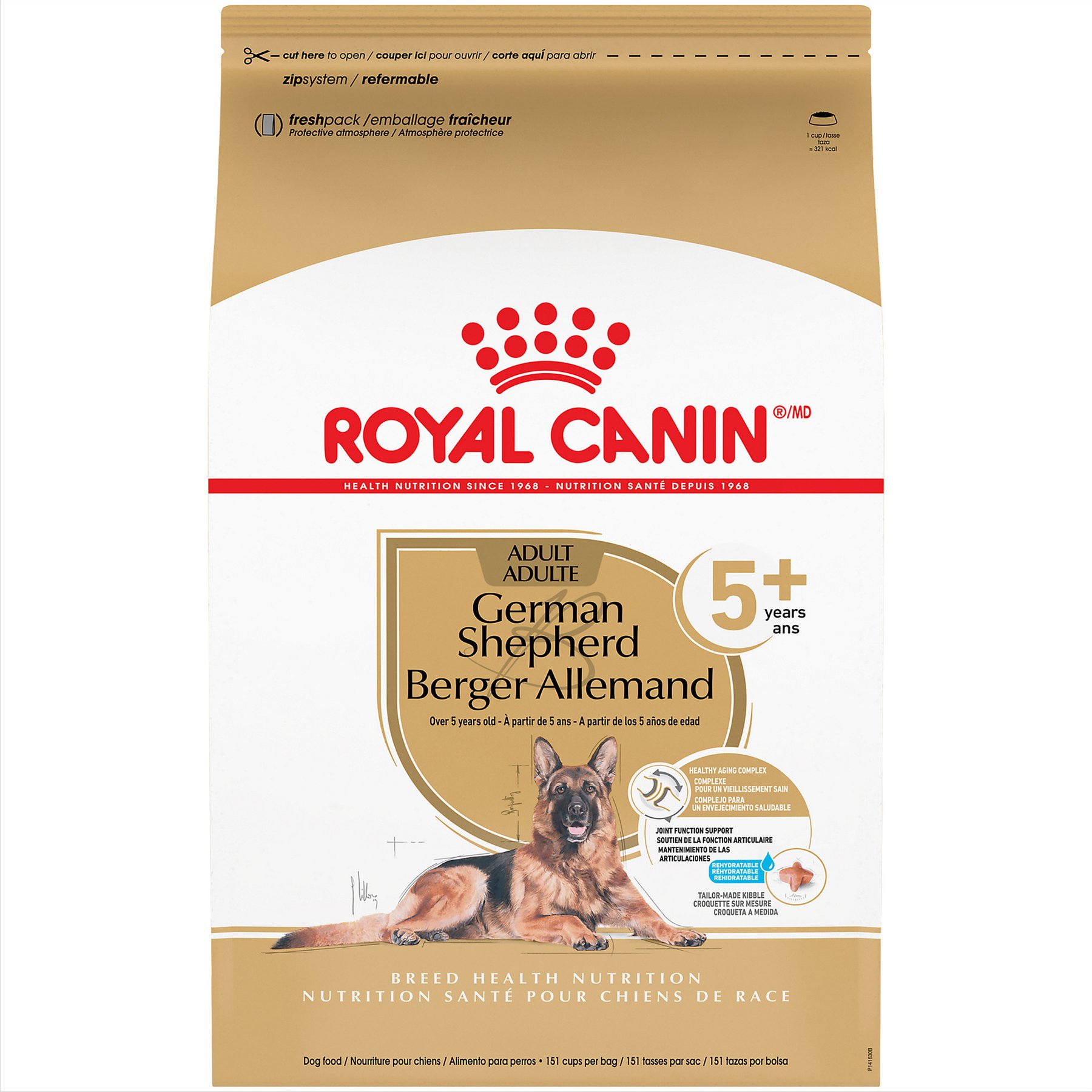
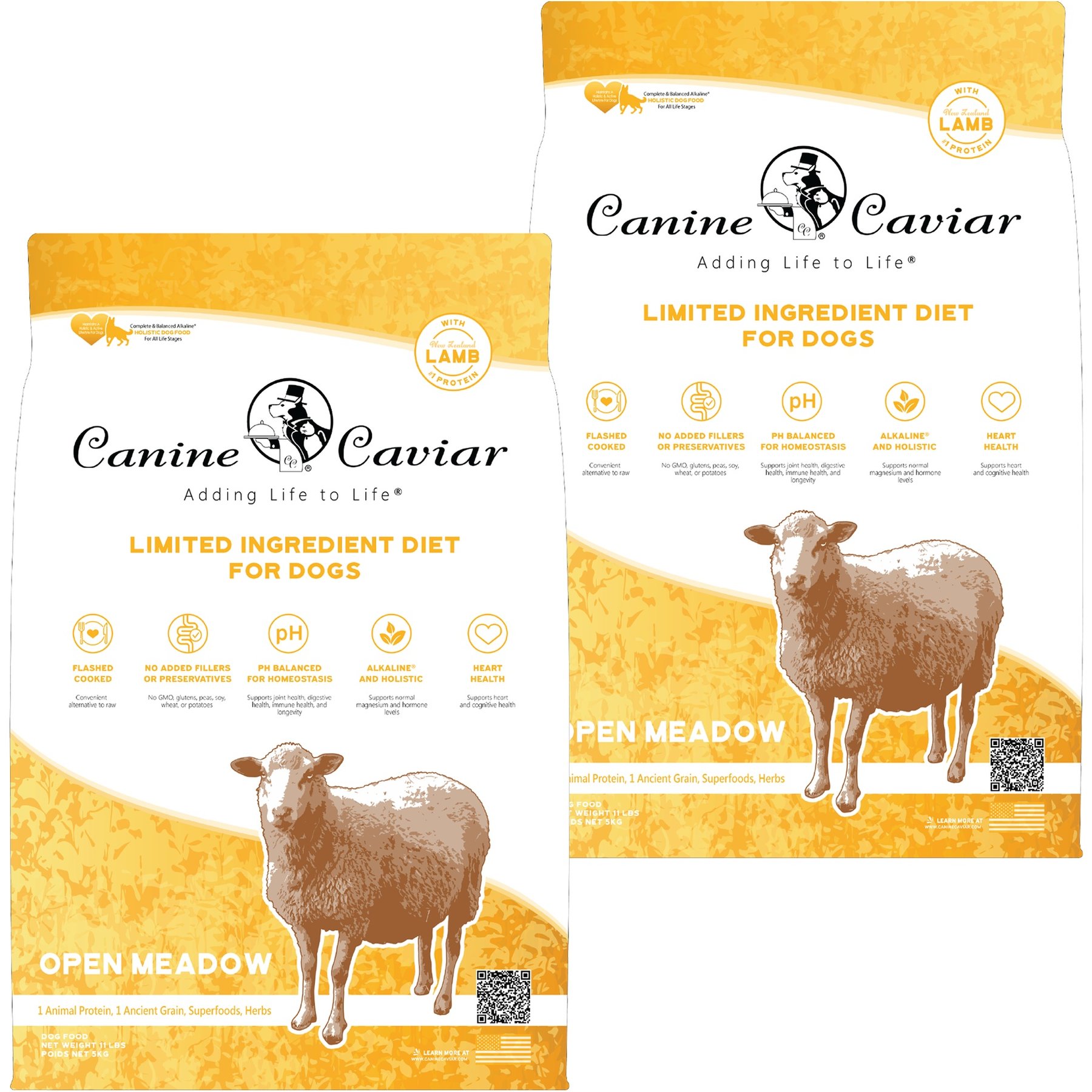

Frequently Asked Questions
Why does my dog have a sensitive stomach?
Sensitive stomachs in dogs can be caused by food intolerances, dietary indiscretion (eating things they shouldn't), bacterial imbalances in the gut, pancreatic insufficiency, or inflammatory bowel disease. Rapid food changes, stress, and certain medications can also trigger digestive upset. If symptoms persist beyond a week, consult your veterinarian to rule out underlying health conditions.
How do I transition my dog to sensitive stomach food?
Transition slowly over 10-14 days—longer than typical food changes. Start with 25% new food and 75% old food for days 1-3, then 50/50 for days 4-7, then 75% new for days 8-10, before switching fully. For dogs with severe sensitivity, extend each phase to a full week. Adding a probiotic supplement during the transition can help.
Are probiotics in dog food effective?
Yes, probiotics can significantly improve digestive health by restoring beneficial gut bacteria. Look for foods containing guaranteed live probiotics like Lactobacillus acidophilus, Bifidobacterium, or Enterococcus faecium with CFU counts listed on the label. Prebiotics (fiber sources like chicory root or beet pulp) feed these beneficial bacteria and are equally important.
Should I feed my dog with a sensitive stomach wet or dry food?
Both can work well—the key is finding highly digestible ingredients. Wet food has higher moisture content which can help dogs stay hydrated and may be gentler initially. Dry food is often more convenient and can help with dental health. Many owners find success combining both. Start with whatever your dog tolerates best and adjust from there.