Best Dog Food for Large Breeds 2026
Large breed dogs need specialized nutrition to support their joints, manage healthy growth, and prevent obesity. We've analyzed 86+ large breed formulas focusing on glucosamine, controlled calcium, and quality protein for dogs 50+ pounds.
Understanding Large Breed Nutrition
Large and giant breeds (dogs over 50 pounds at maturity) face unique health challenges that proper nutrition can help prevent. Joint problems affect up to 70% of large dogs, with hip dysplasia, elbow dysplasia, and arthritis being most common. These conditions are influenced by both genetics and nutrition—especially during the critical growth phase.
Large breeds also have slower metabolisms per pound than small dogs, making them prone to obesity if overfed. They're susceptible to bloat (gastric dilatation-volvulus), a life-threatening condition where the stomach twists. Feeding practices and food choice can help reduce this risk.
For puppies, controlled growth is essential. Growing too fast puts stress on developing bones and joints. Large breed puppy formulas have carefully balanced calcium (0.7-1.2%) and phosphorus to support steady, healthy growth rather than rapid weight gain that can cause permanent skeletal damage.
What to look for
- • Glucosamine and chondroitin (look for mg amounts listed)
- • Omega-3 fatty acids (EPA/DHA) for joint inflammation
- • Controlled calcium (1.0-1.5%) and phosphorus levels
- • Moderate fat content (12-16%) to prevent obesity
- • High-quality animal protein (chicken, beef, fish) first
- • L-carnitine for metabolism and muscle maintenance
Feeding tips for large breeds
- • Feed 2-3 meals daily instead of one large meal
- • Use slow-feeder bowls to prevent gulping and bloat
- • Avoid exercise 1 hour before and after eating
- • Keep puppies on large breed puppy food until 12-24 months
- • Monitor weight monthly—large dogs hide extra pounds
- • Schedule regular vet checks for hip/joint assessment
How to Choose Large Breed Dog Food
Step 1: Prioritize Joint Support
Look for foods with glucosamine (400-500+ mg/kg) and chondroitin listed in the guaranteed analysis, not just "added." Omega-3s from fish oil (EPA/DHA specifically) provide anti-inflammatory benefits. For dogs with existing joint issues, additional supplements may be needed.
Step 2: Check Calorie Content
Large breed foods should have moderate calorie density (300-380 kcal/cup typically). Higher calorie foods designed for active dogs are fine for working large breeds, but most pet dogs need the lower range. Obesity dramatically worsens joint problems.
Step 3: Match Life Stage
Use large breed puppy formula until fully grown (12-24 months depending on size). Adult large breed formulas from 2-6 years. Senior large breed formulas after 5-6 years (large breeds age faster). Each stage has specific nutrient needs.
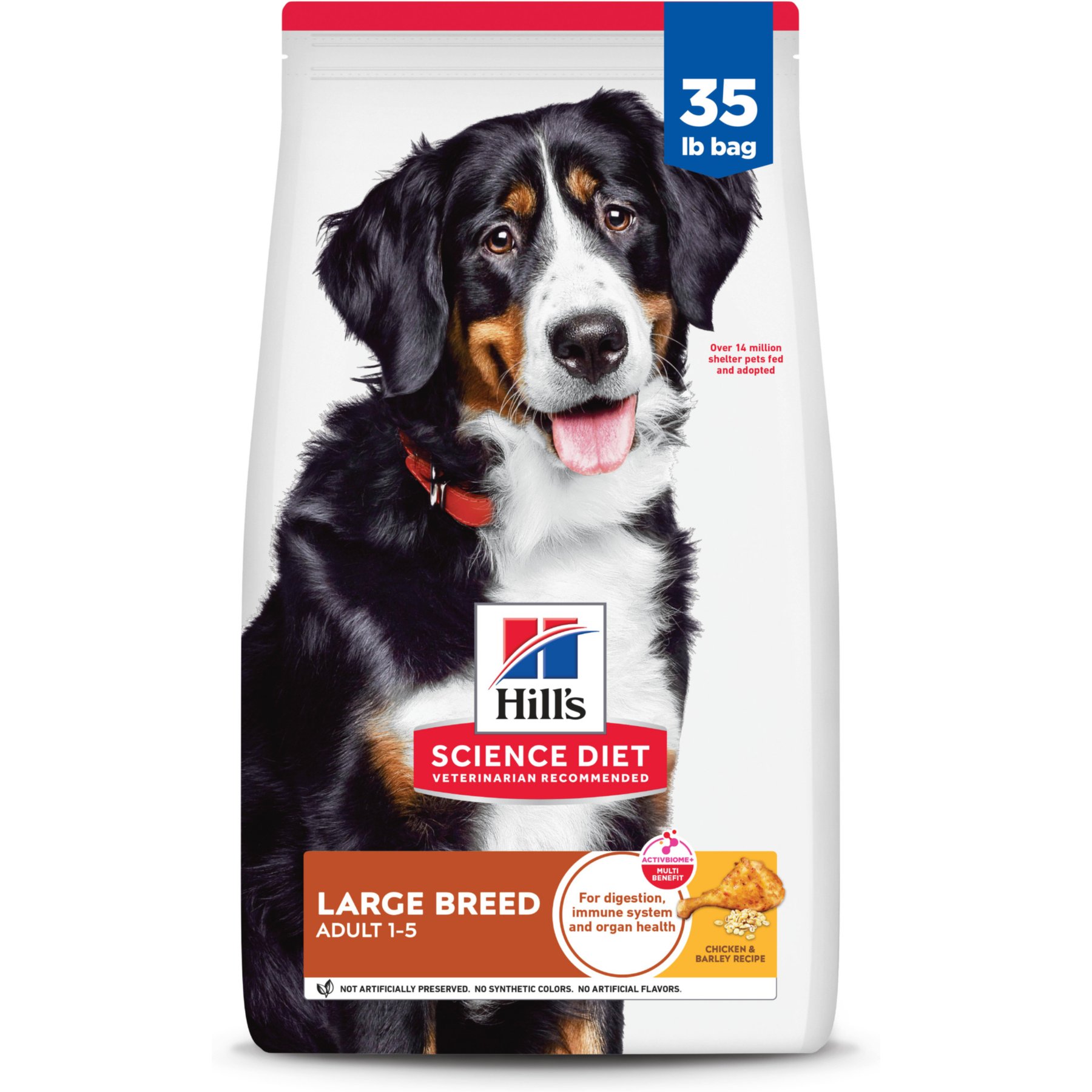
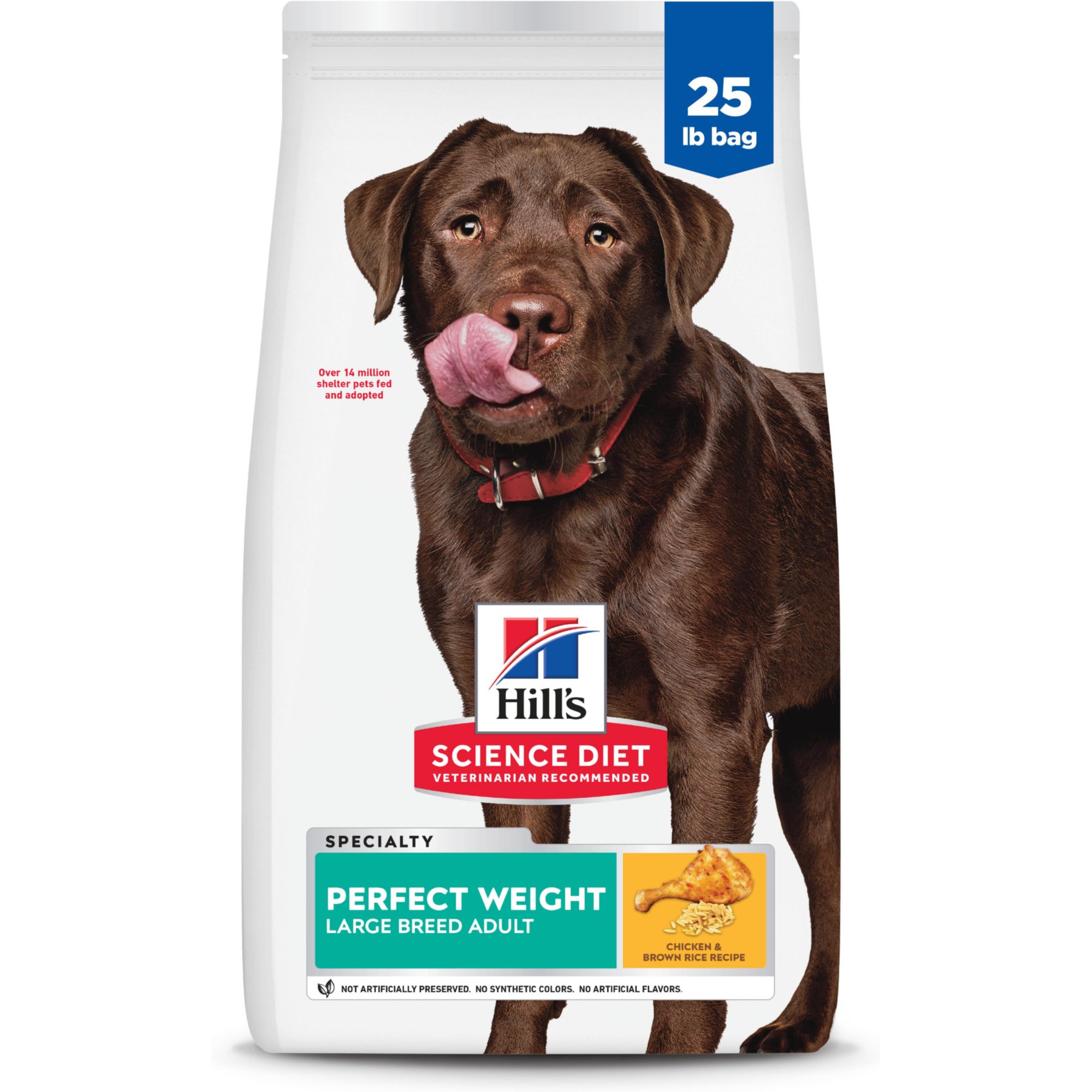
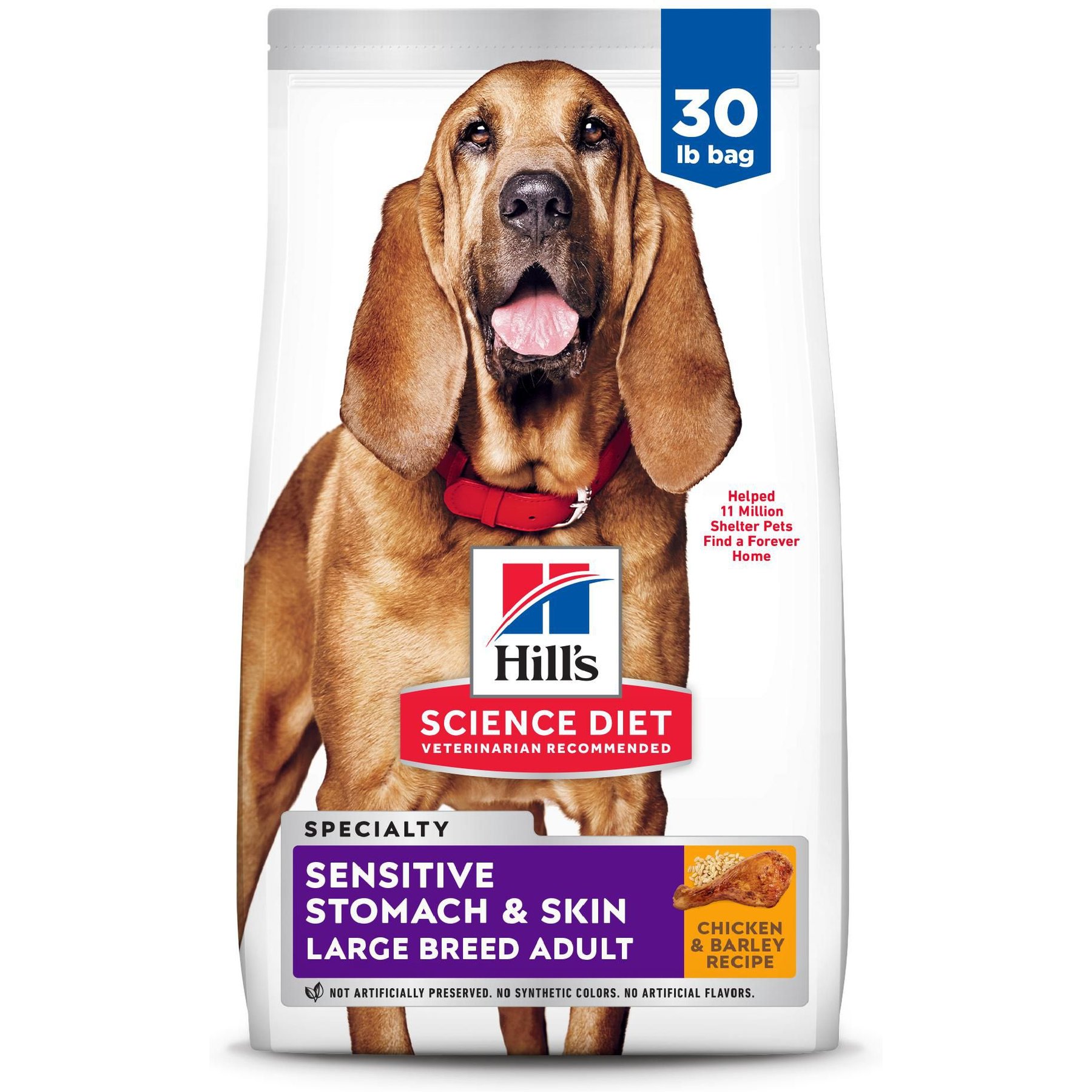
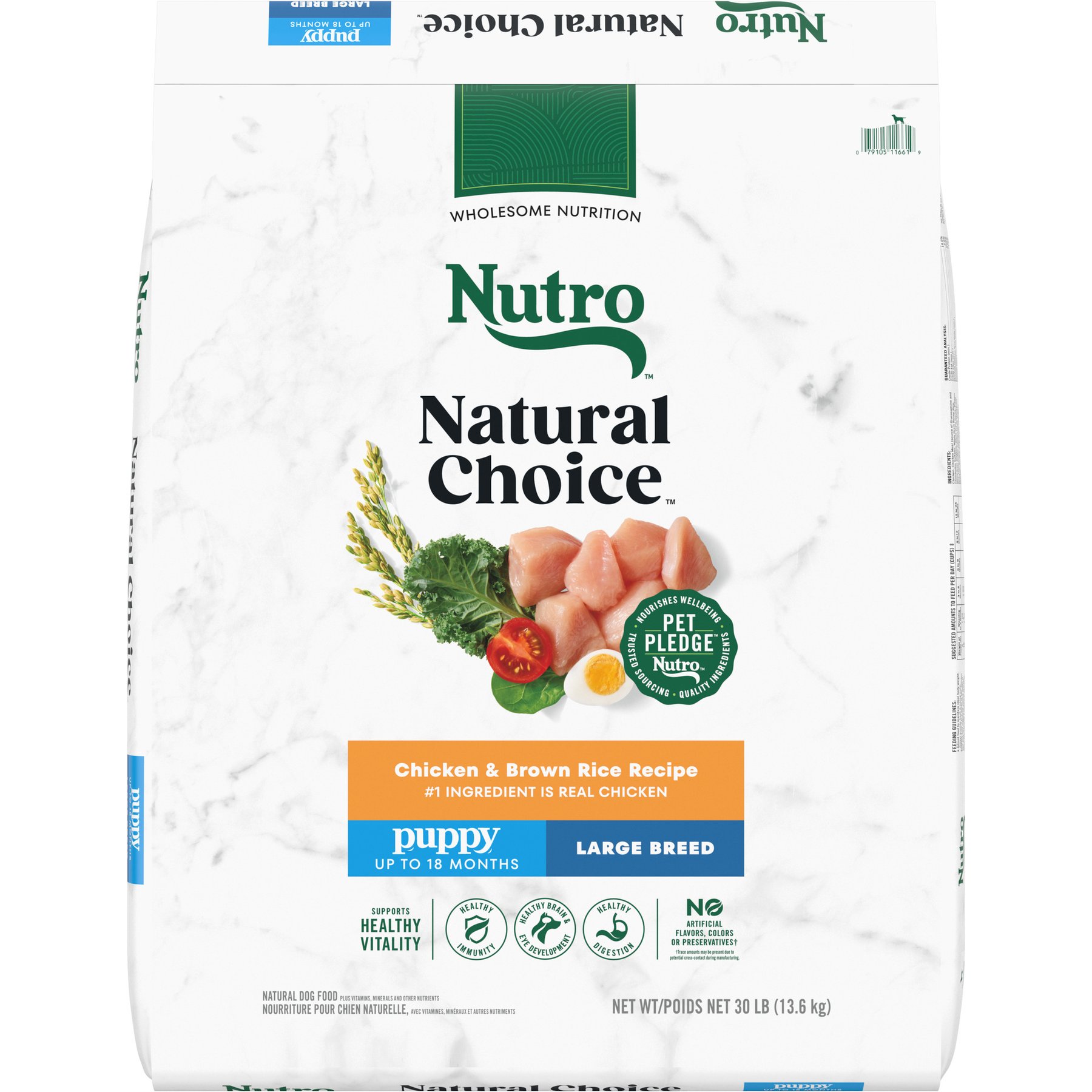
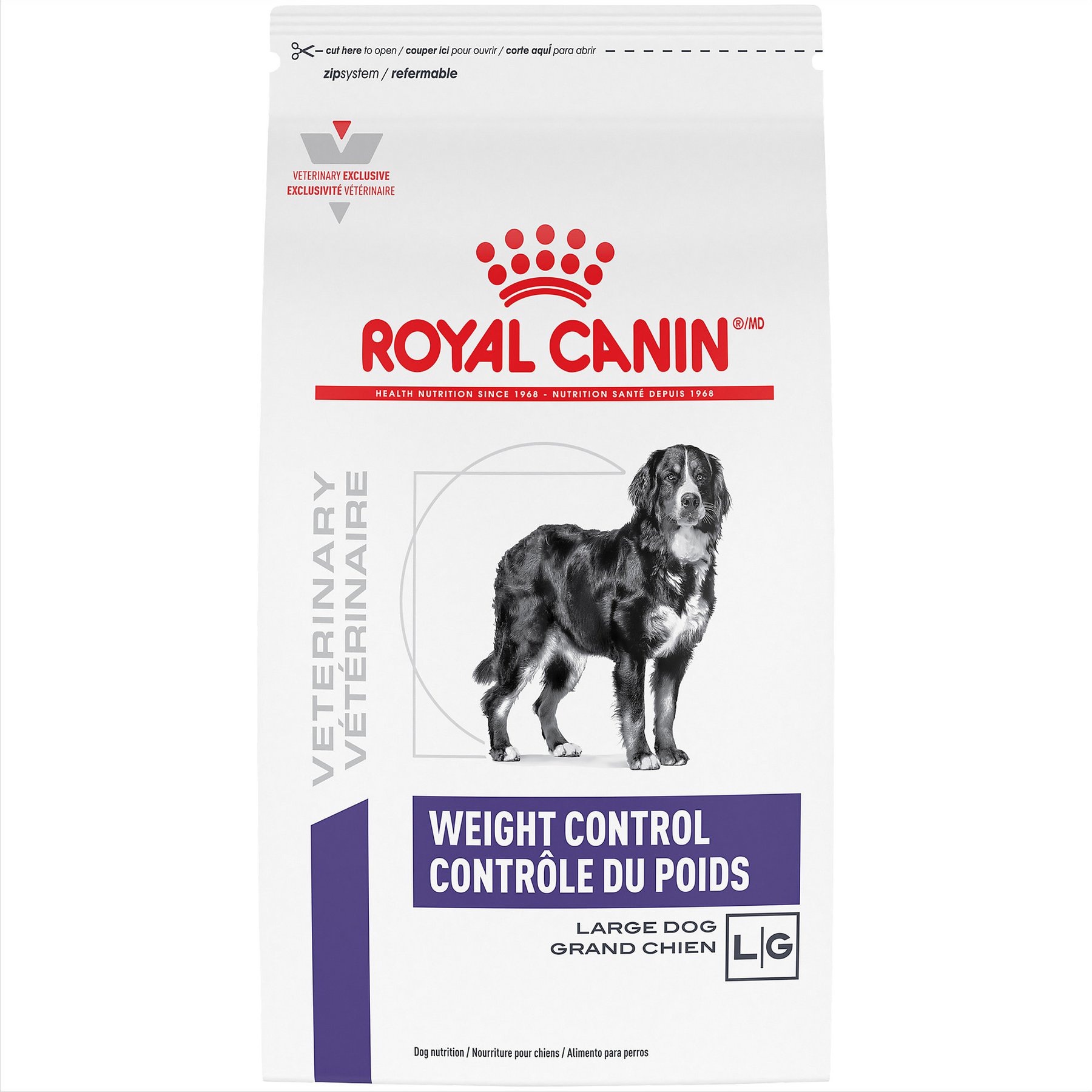
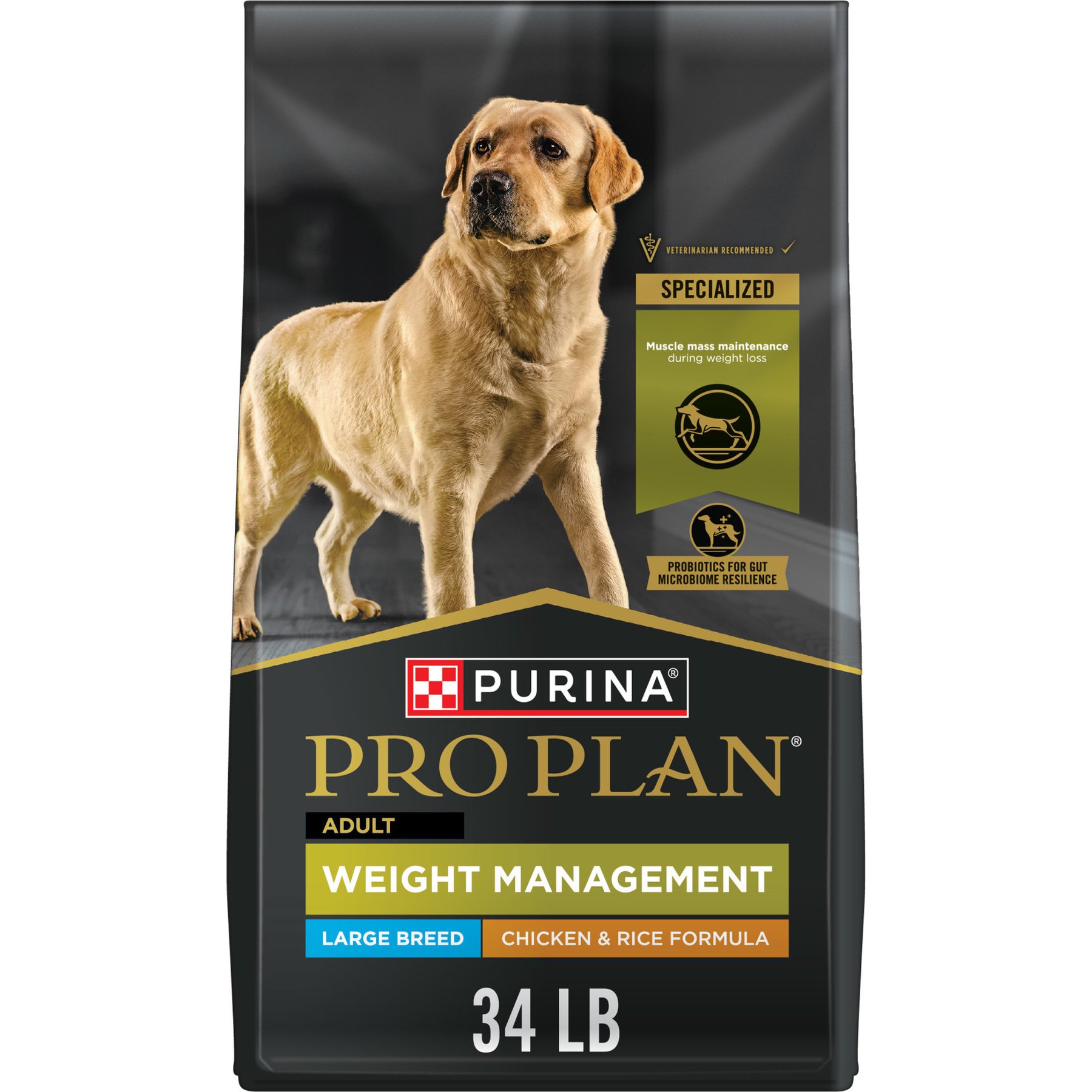
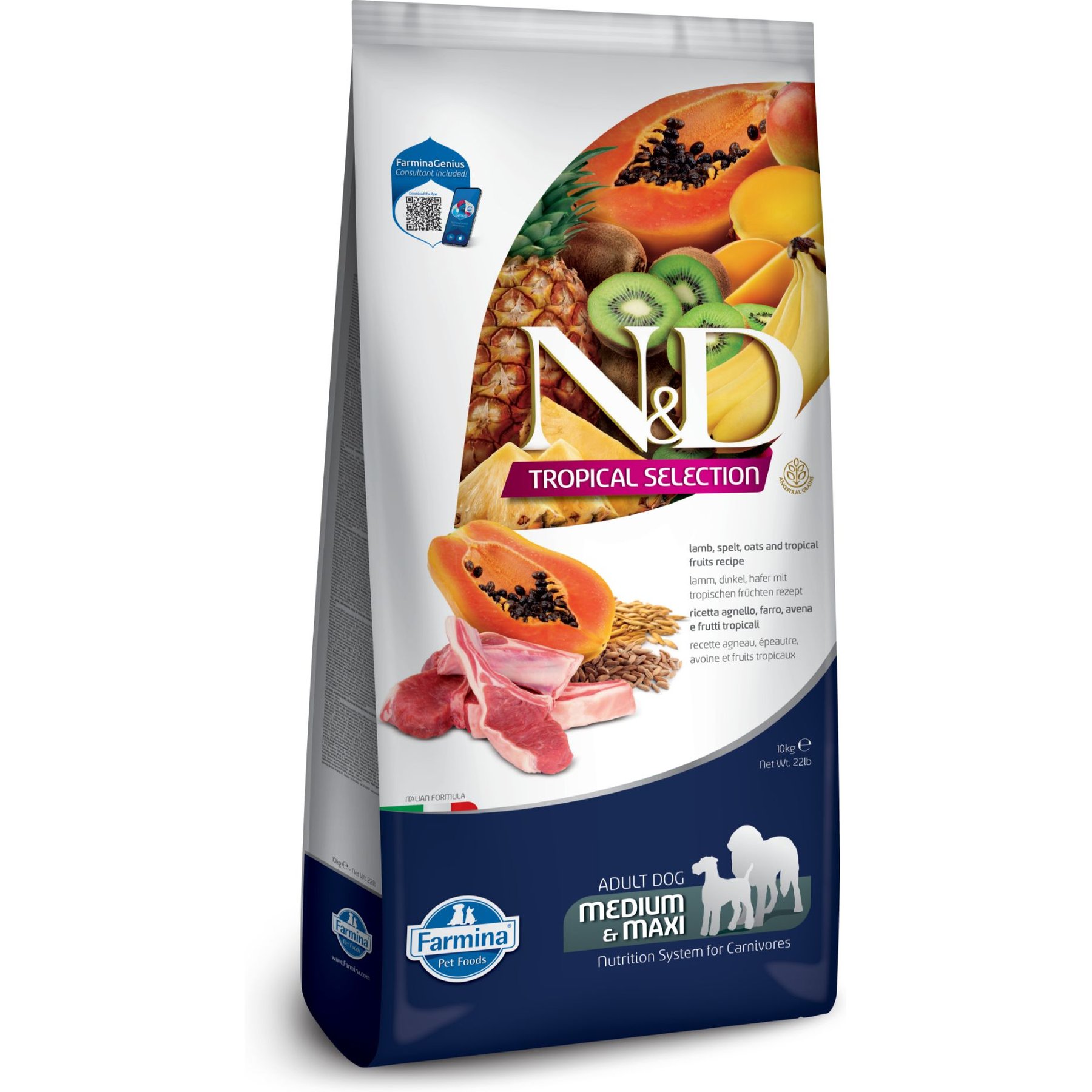
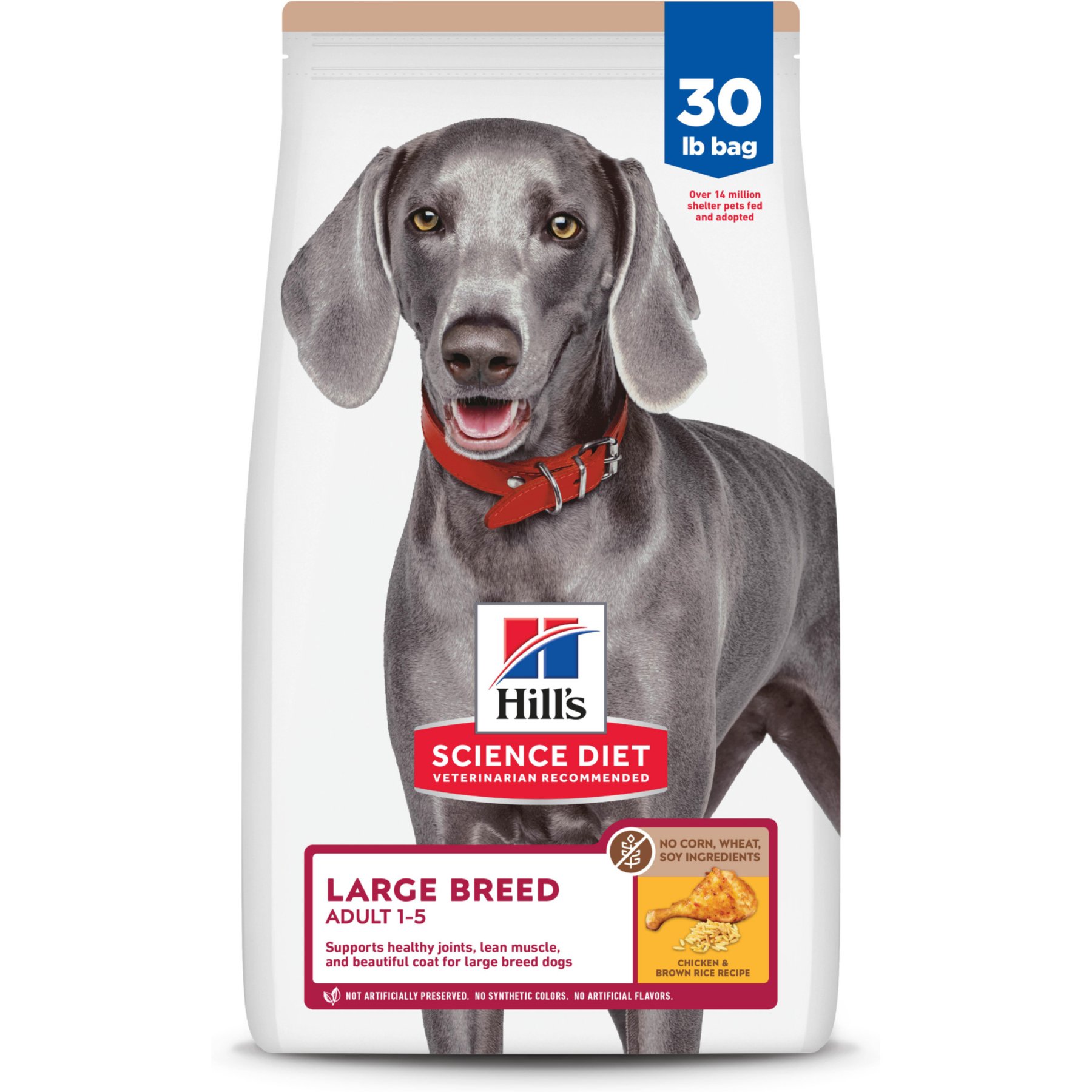
Top-Rated Dog Food for Large Breedss




Frequently Asked Questions
Why do large breed dogs need special food?
Large breeds face unique health challenges—particularly joint problems like hip dysplasia and arthritis that affect up to 70% of large dogs. They also have slower metabolisms per pound than small dogs and are prone to bloat (GDV). Large breed formulas provide joint-supporting nutrients, controlled calcium for proper bone development, and appropriate calorie density to prevent obesity.
What's the difference between large breed and regular dog food?
Large breed formulas have controlled calcium (typically 1.0-1.5% vs up to 2.5% in regular food), added glucosamine/chondroitin for joints, lower calorie density to prevent rapid growth in puppies, and often larger kibble size. Regular food's higher calcium can cause skeletal problems in large breed puppies, and higher calories can lead to obesity in adult large dogs.
How do I prevent bloat in my large dog?
Feed 2-3 smaller meals instead of one large meal. Use slow-feeder bowls to prevent gulping. Avoid exercise for 1 hour before and after eating. Keep water available but limit large drinks right after eating. Feed from floor-level bowls (raised feeders may increase risk). Large breed formulas with appropriate kibble size encourage slower eating.
At what age should large breed puppies switch to adult food?
Large breeds (50-100 lbs adult weight) should stay on large breed puppy food until 12-18 months. Giant breeds (100+ lbs) should continue until 18-24 months. Switching too early can cause nutritional deficiencies during critical growth periods. Look for adult large breed formulas when transitioning, not regular adult food.