Best Senior Dog Food 2026
Your loyal companion deserves specialized nutrition in their golden years. We've analyzed 51+ senior dog foods to find the best options for joint support, cognitive health, easy digestion, and maintaining healthy weight as metabolism slows.
Understanding Senior Dog Nutrition
As dogs age, their bodies undergo significant changes that affect nutritional needs. Metabolism slows by 20-25%, meaning senior dogs need fewer calories to maintain weight—yet they often need more of certain nutrients like protein to prevent muscle loss and antioxidants to support aging immune systems.
The most common health concerns in senior dogs include joint stiffness and arthritis (affecting up to 80% of dogs over 8), cognitive decline, kidney function changes, and digestive sensitivity. Quality senior foods address these with joint-supporting glucosamine and omega-3s, antioxidants for brain health, controlled phosphorus for kidneys, and easily digestible ingredients.
"Senior" isn't a one-size-fits-all category. A 7-year-old Chihuahua has different needs than a 7-year-old Great Dane. Small breeds age more slowly and may thrive on adult food until 10-12 years, while giant breeds are geriatric by age 6-7. Pay attention to your individual dog's energy, mobility, and body condition rather than just calendar age.
What to look for
- • Glucosamine/chondroitin for joint support (look for amounts listed)
- • Omega-3 fatty acids (EPA/DHA) for joints and cognitive health
- • High-quality, digestible protein to maintain muscle mass
- • Lower calorie density for weight management
- • Antioxidants (vitamins E, C, beta-carotene) for immune support
- • Moderate fiber for digestive regularity
Feeding tips for senior dogs
- • Switch at age 7 (5-6 for large/giant breeds)
- • Smaller, more frequent meals if digestion is an issue
- • Monitor weight closely—adjust as metabolism changes
- • Consider wet food if dental issues make chewing difficult
- • Elevate food bowls for dogs with neck/back stiffness
- • Transition gradually over 10-14 days
How to Choose the Best Senior Dog Food
Step 1: Assess Your Dog's Needs
Consider your dog's specific health profile. Does your dog have joint stiffness? Look for high glucosamine. Weight issues? Choose lower calorie formulas. Kidney concerns? Find controlled phosphorus. Dental problems? Consider wet food. Your vet can help identify priority needs.
Step 2: Check Protein and Fat Levels
Senior dogs need adequate protein (25%+ on dry matter basis) to maintain muscle mass. Avoid very low-protein diets unless prescribed by a vet. Fat should be moderate (10-15%)—enough for palatability and essential fatty acids, but not so high it causes weight gain or digestive issues.
Step 3: Monitor and Adjust
Weigh your senior dog monthly and track body condition. Adjust portions as needed—senior calorie needs can change with seasons, activity, and health. Schedule regular vet checkups (every 6 months for seniors) to catch health changes early and adjust diet accordingly.
Top-Rated Senior Dog Foods
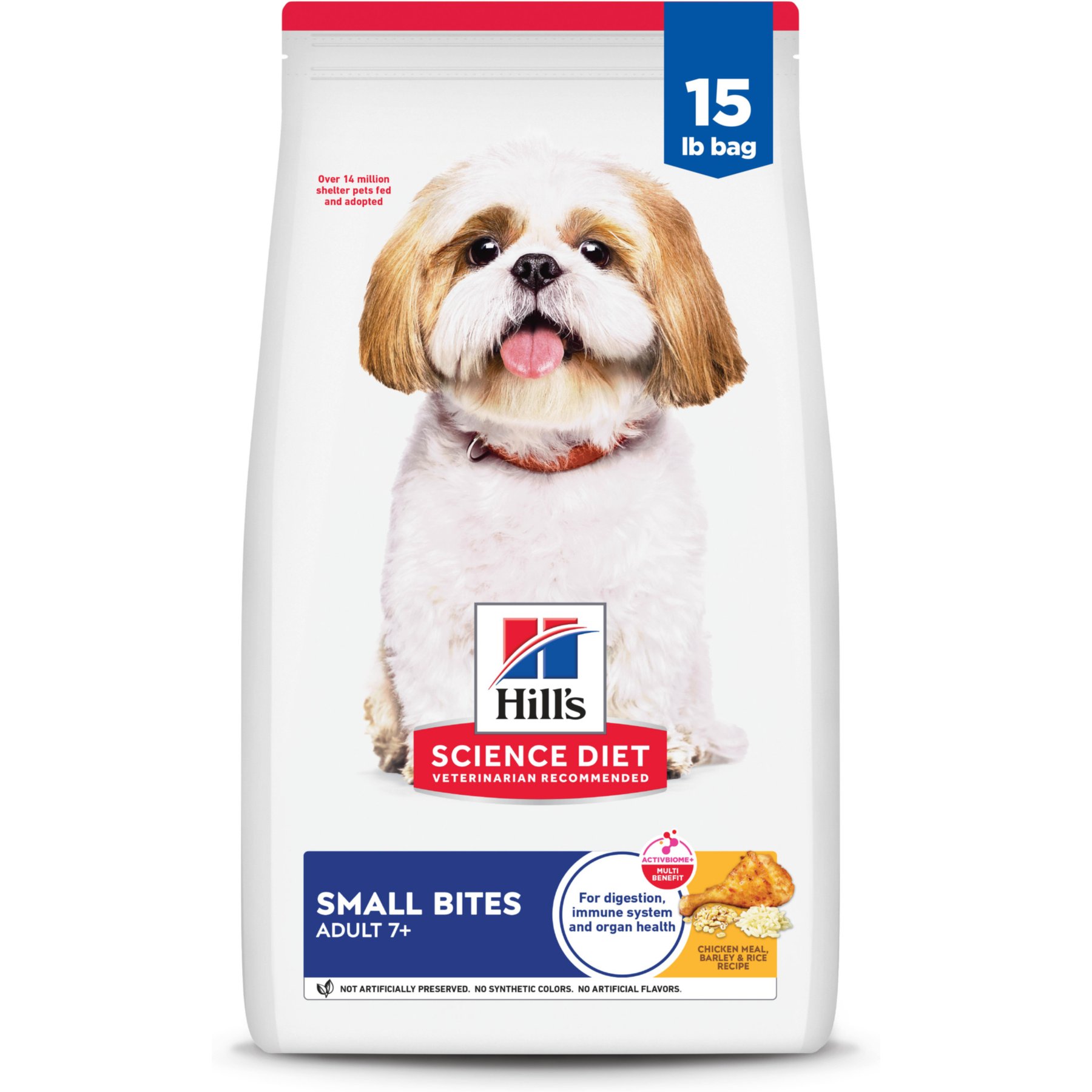
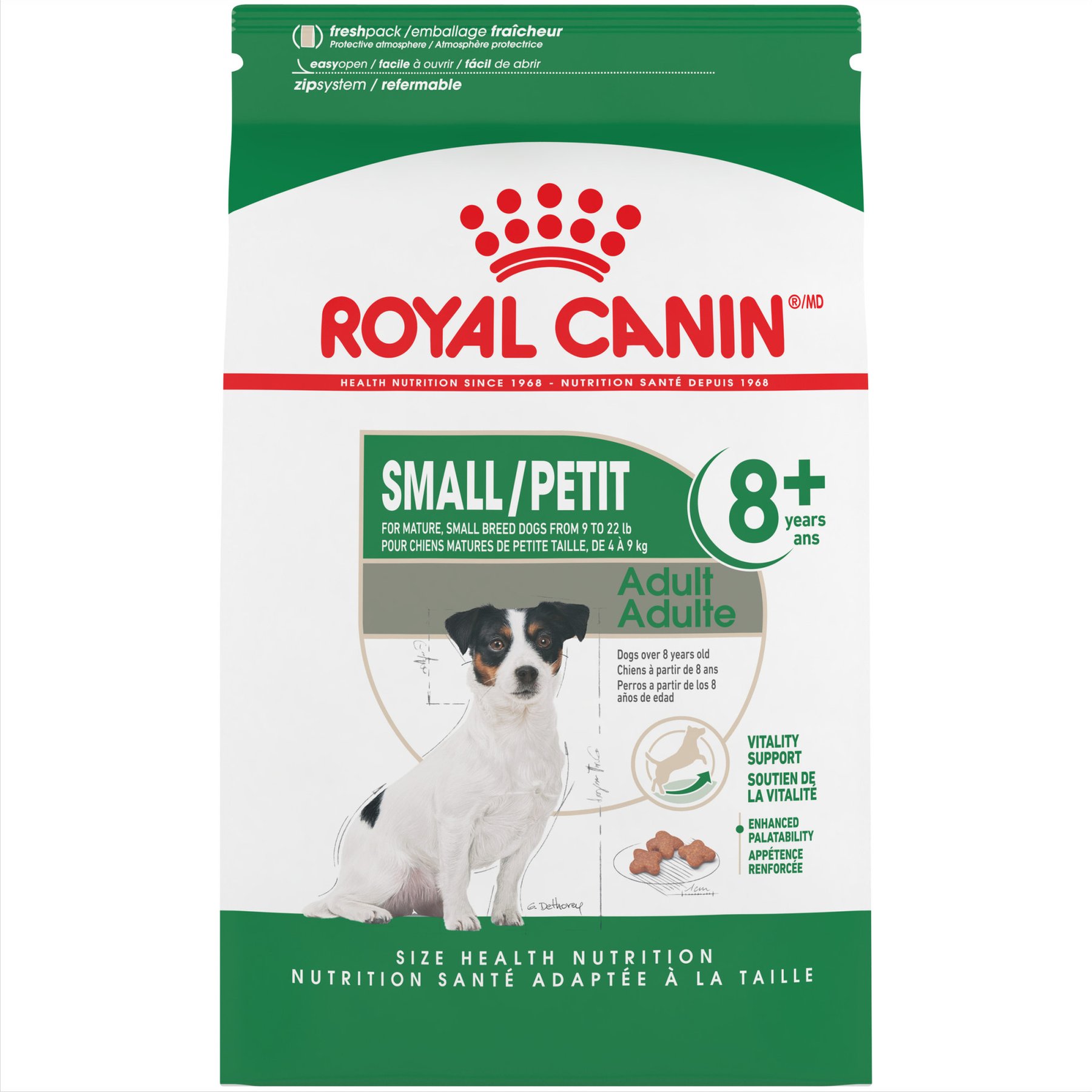
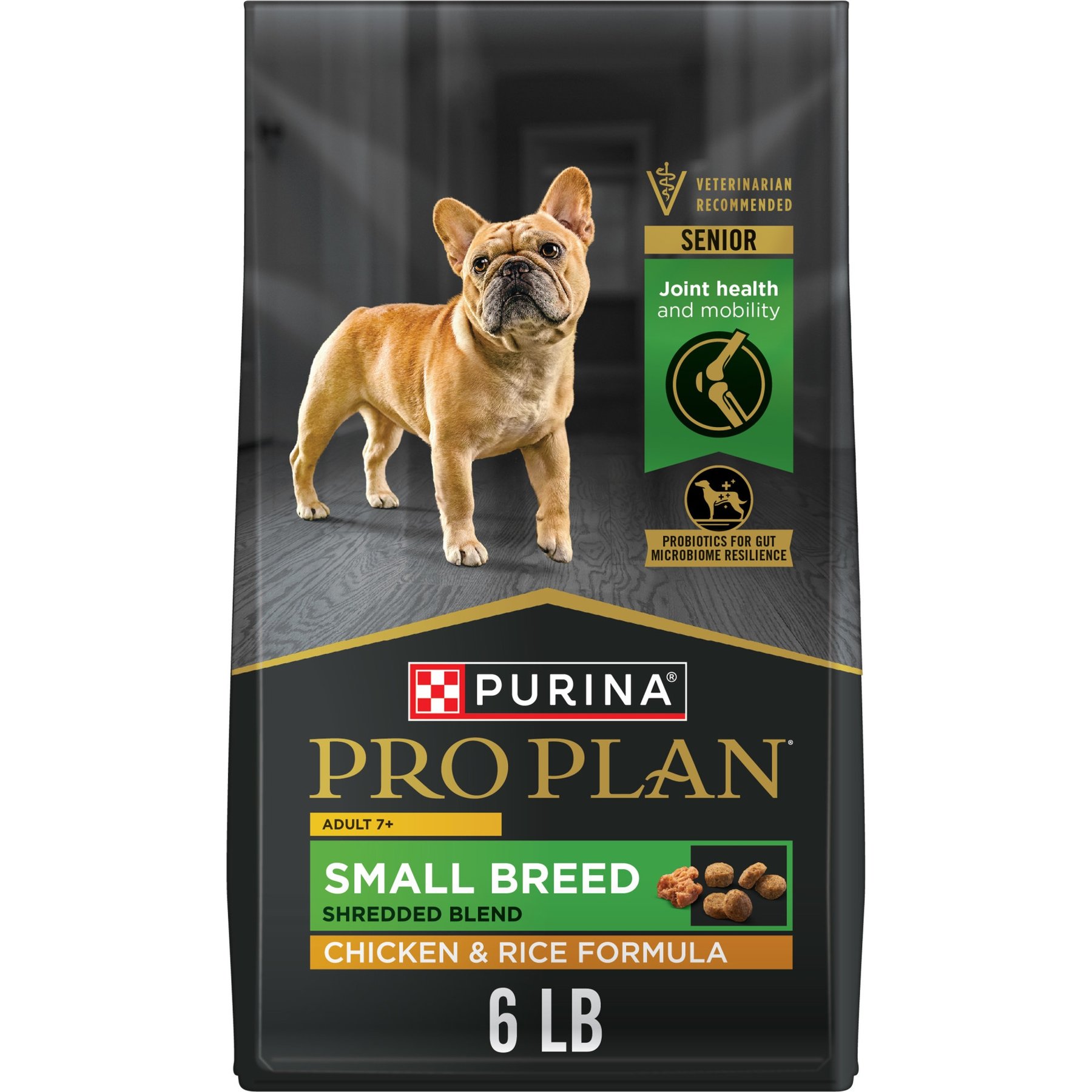
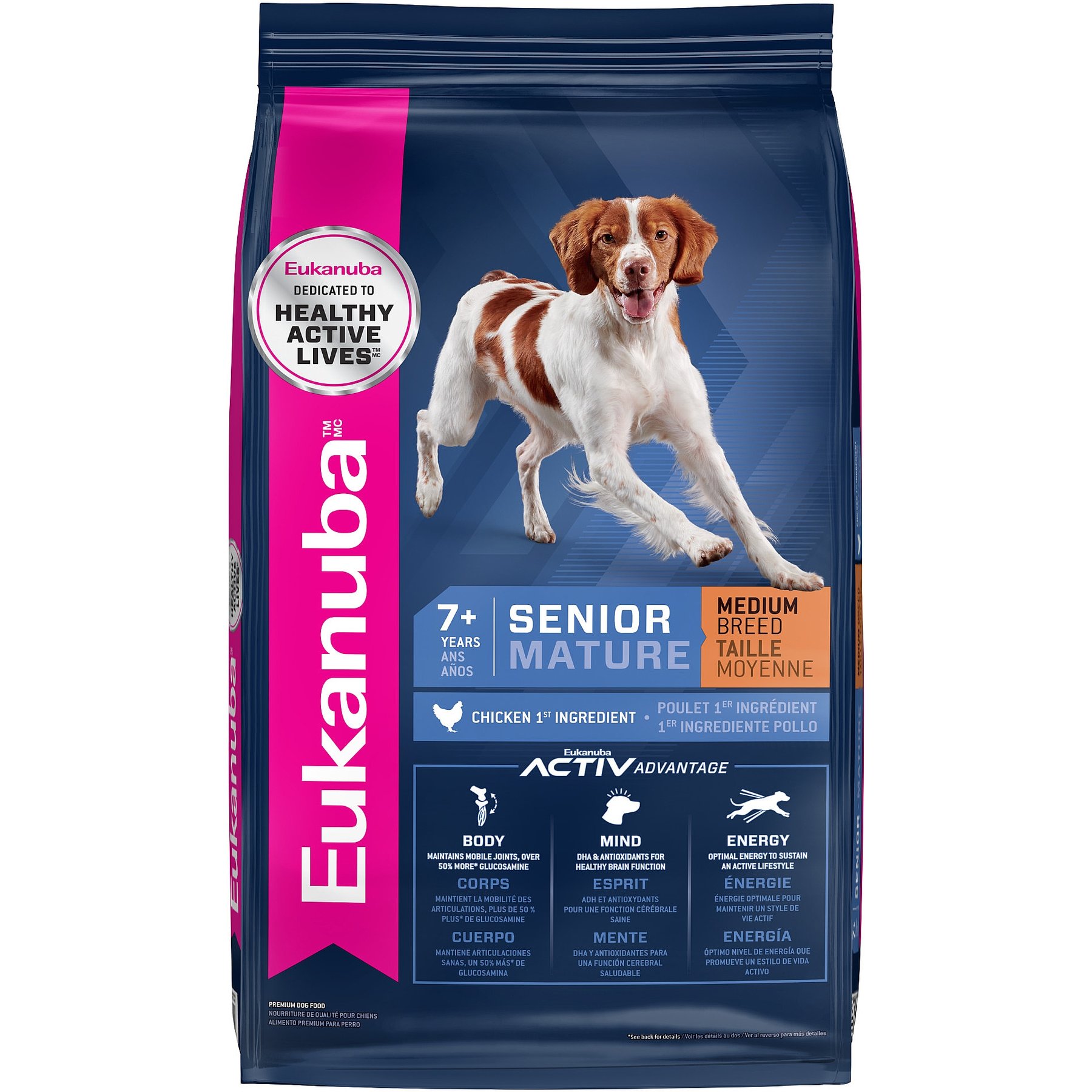


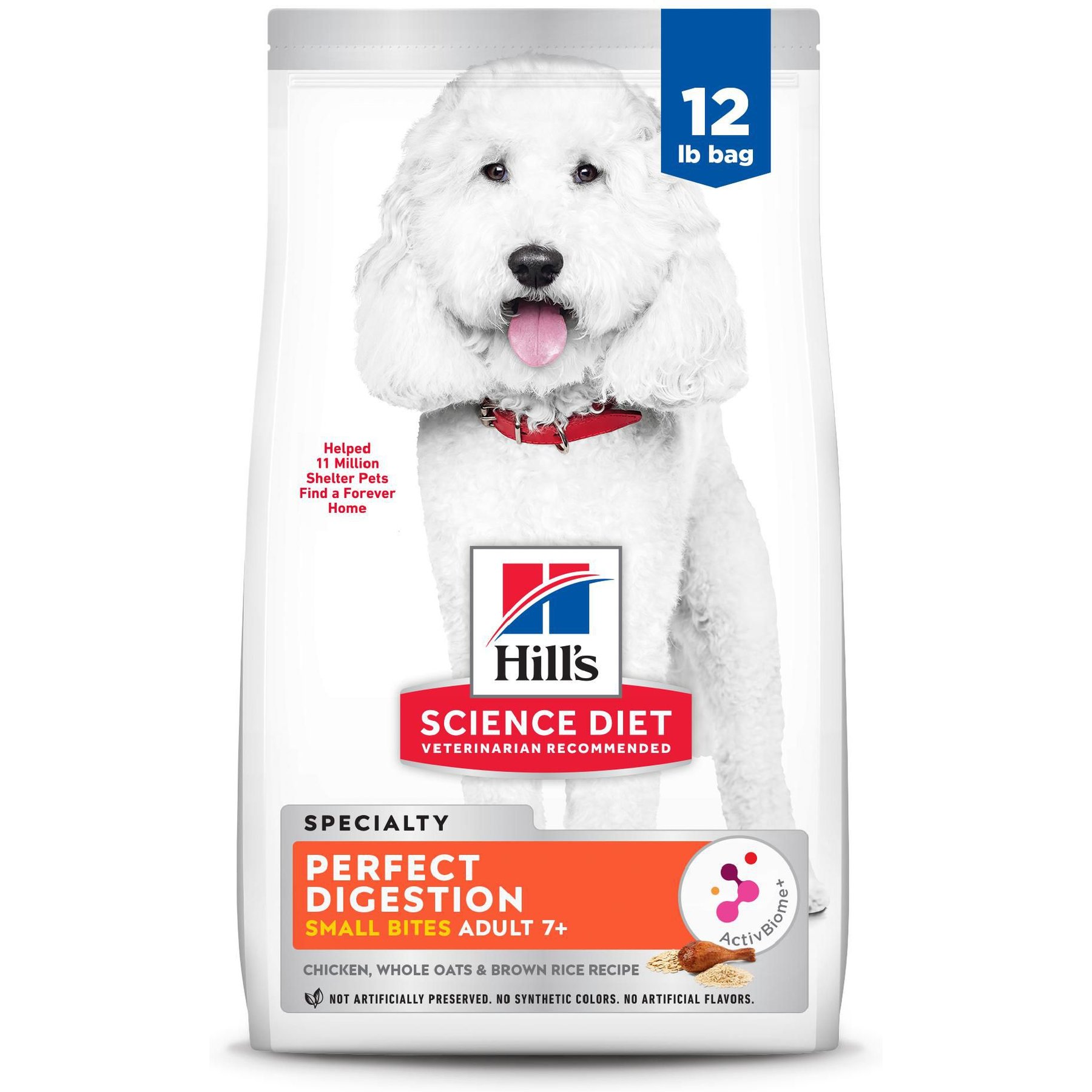
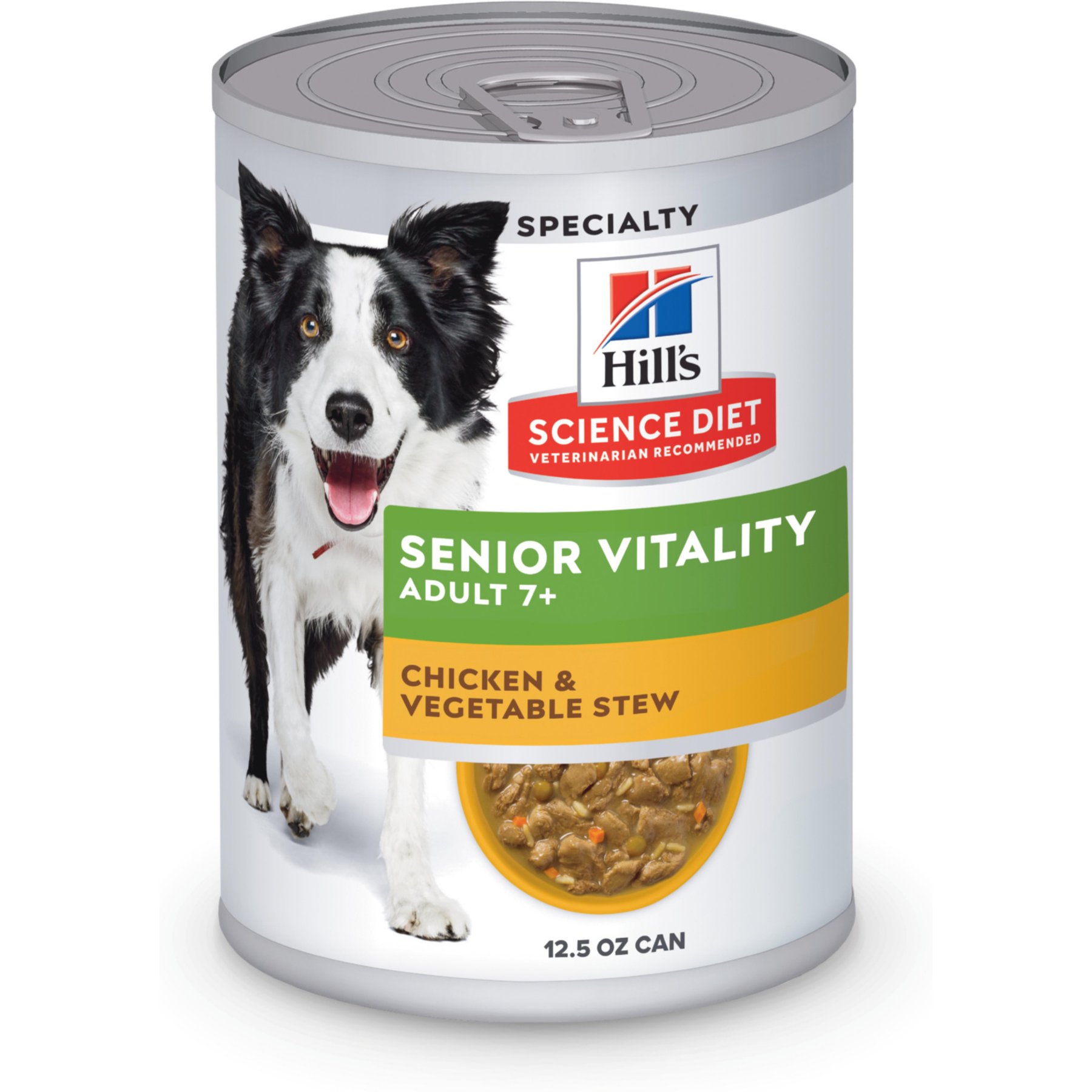

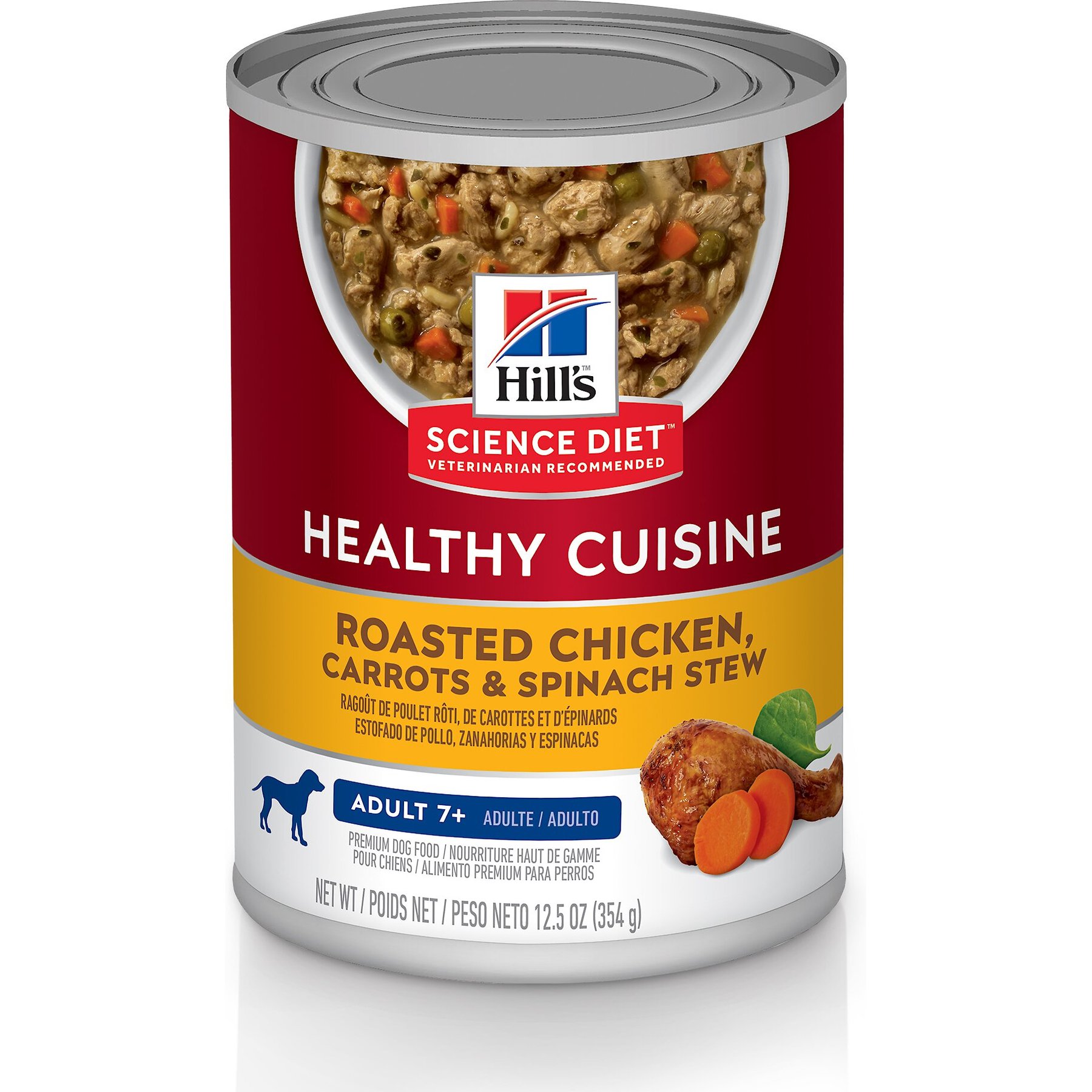
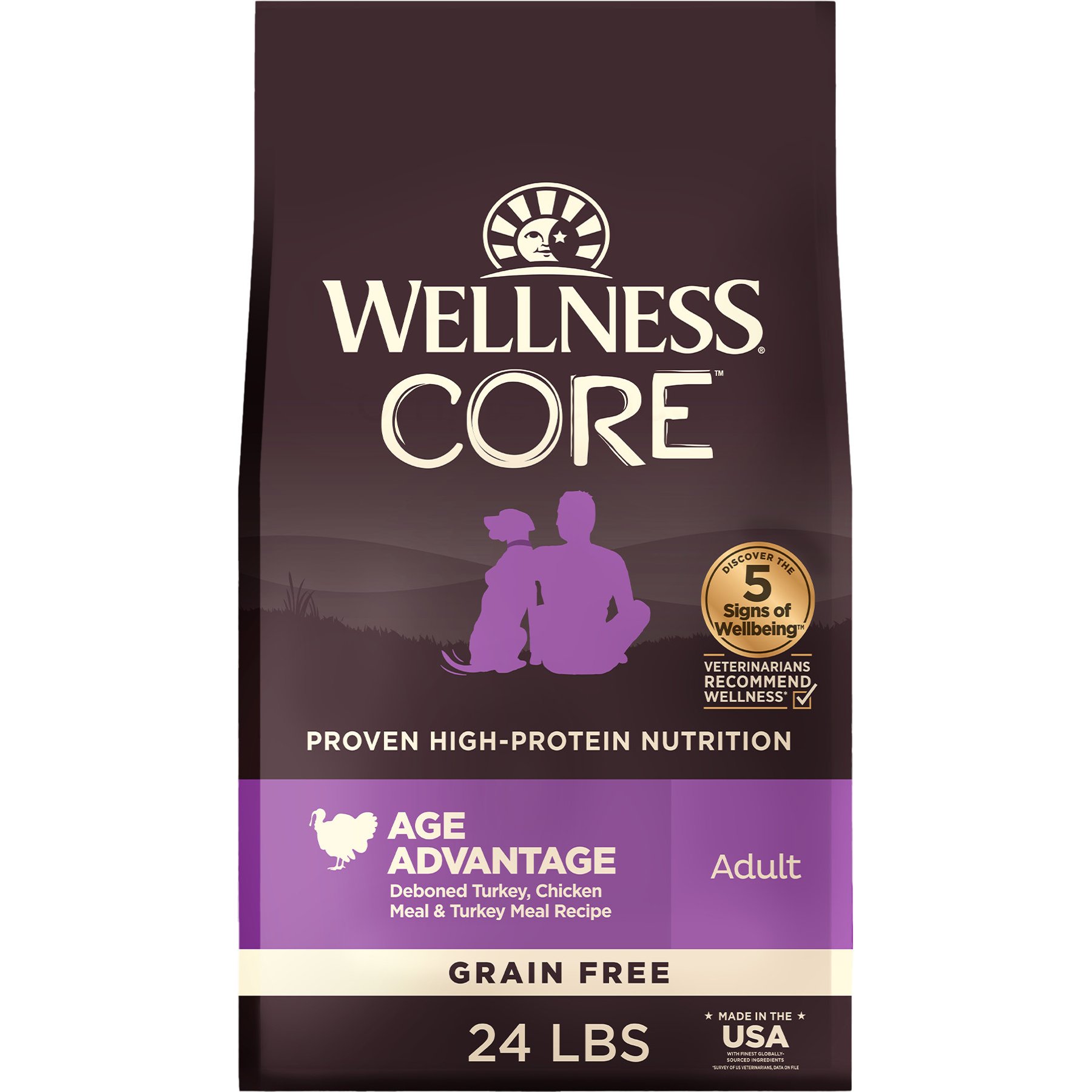
Frequently Asked Questions
When should I switch my dog to senior food?
Most dogs are considered 'senior' around age 7, but this varies by size. Small breeds (under 20 lbs) may not need senior food until 10-12 years. Large breeds (over 50 lbs) age faster and should switch at 5-6 years. Giant breeds may benefit from senior formulas as early as 5 years. Watch for signs of aging like decreased activity, weight changes, or graying muzzle.
Do senior dogs need fewer calories?
Generally yes—metabolism slows 20-25% as dogs age, and they're typically less active. However, some senior dogs actually need more calories if they're losing muscle mass or have increased metabolic demands from health conditions. The key is monitoring body condition: you should feel (but not see) ribs. Adjust portions based on your dog's individual needs, not just age.
Are joint supplements in senior dog food effective?
Glucosamine and chondroitin in dog food can help maintain joint health, but therapeutic doses are often higher than what's in food. Look for foods listing specific amounts (e.g., '400mg glucosamine per cup'). For dogs with existing joint issues, additional supplements may be needed. Omega-3 fatty acids (EPA/DHA from fish oil) also provide anti-inflammatory benefits for joints.
Should senior dogs eat wet or dry food?
Both can be appropriate. Wet food offers higher moisture content (good for kidney health and dogs who don't drink enough), easier chewing for dogs with dental issues, and often higher palatability for picky senior dogs. Dry food is more convenient and can help with dental health. Many owners mix both successfully. Choose based on your dog's specific needs and preferences.