Best Puppy Food 2026
Your puppy's first year sets the foundation for lifelong health. We've analyzed hundreds of puppy foods to help you find formulas with the right protein, DHA, and calcium levels for healthy brain development and bone growth.
Understanding Puppy Nutrition
Puppies have vastly different nutritional needs than adult dogs. During their first year, they're building bones, muscles, organs, and cognitive pathways at a rapid pace—requiring 2-3 times more calories per pound than adult dogs, plus higher levels of protein, fat, and specific nutrients like DHA.
The key nutrients for puppies include: High-quality protein (22-32%) for muscle development, DHA omega-3 for brain and eye development, calcium and phosphorus in proper ratios (1:1 to 2:1) for bone growth, and adequate calories to fuel rapid growth without causing obesity.
Breed size matters significantly. Small breeds mature quickly and have faster metabolisms, needing calorie-dense foods. Large breeds must grow slowly to prevent skeletal problems—too much calcium or calories can cause permanent joint damage. Always choose a formula appropriate for your puppy's expected adult size.
What to look for
- • High-quality protein (chicken, beef, fish) as first ingredient
- • DHA for brain and eye development (from fish oil)
- • Calcium 0.7-1.2% and phosphorus in proper ratio
- • AAFCO statement for "growth" or "all life stages"
- • Breed-size appropriate formula (small, medium, large)
- • Named protein sources (no generic "meat" or "poultry")
Feeding schedule by age
- • 6-12 weeks: 4 meals per day
- • 3-6 months: 3 meals per day
- • 6-12 months: 2 meals per day
- • Transition foods gradually over 7-10 days
- • Monitor weight weekly and adjust portions
- • Keep treats to under 10% of daily calories
How to Choose the Best Puppy Food
Step 1: Know Your Breed Size
Small breeds (under 20 lbs adult): Need calorie-dense food with smaller kibble. Medium breeds (20-50 lbs): Standard puppy formulas work well. Large breeds (50+ lbs): Must have controlled calcium and slower growth formulas. Giant breeds (100+ lbs): Need specialized large breed puppy food through 18-24 months.
Step 2: Check the AAFCO Statement
Look for "complete and balanced for growth" or "all life stages including growth of large size dogs." Feeding trial validated foods are ideal. Avoid adult maintenance foods—they lack the nutrients puppies need for development.
Step 3: Monitor and Adjust
Weigh your puppy weekly and track against breed growth charts. You should feel ribs without pressing hard but not see them. Adjust portions based on activity level and growth rate. Consult your vet if growth seems too fast or slow.
Top-Rated Puppy Foods
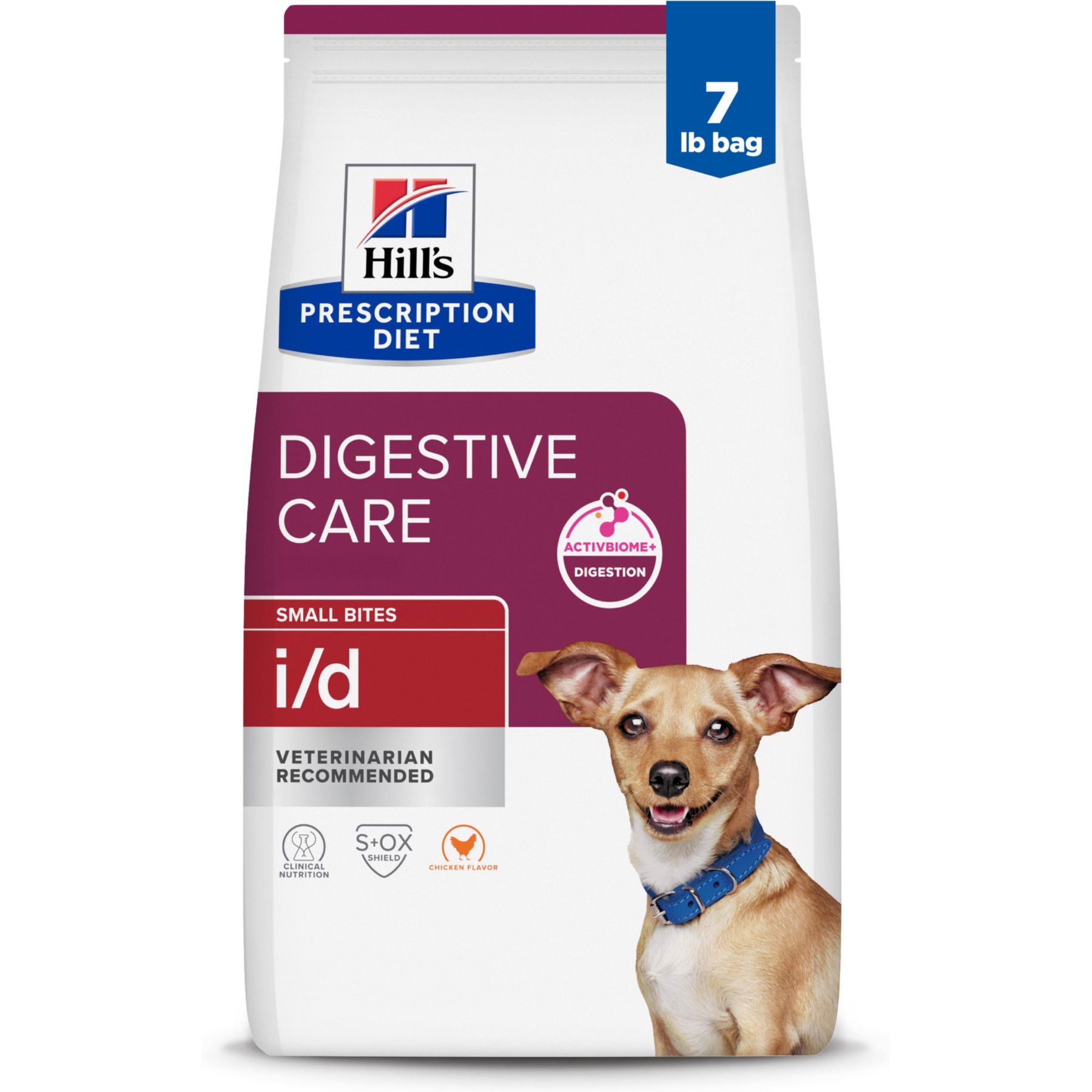

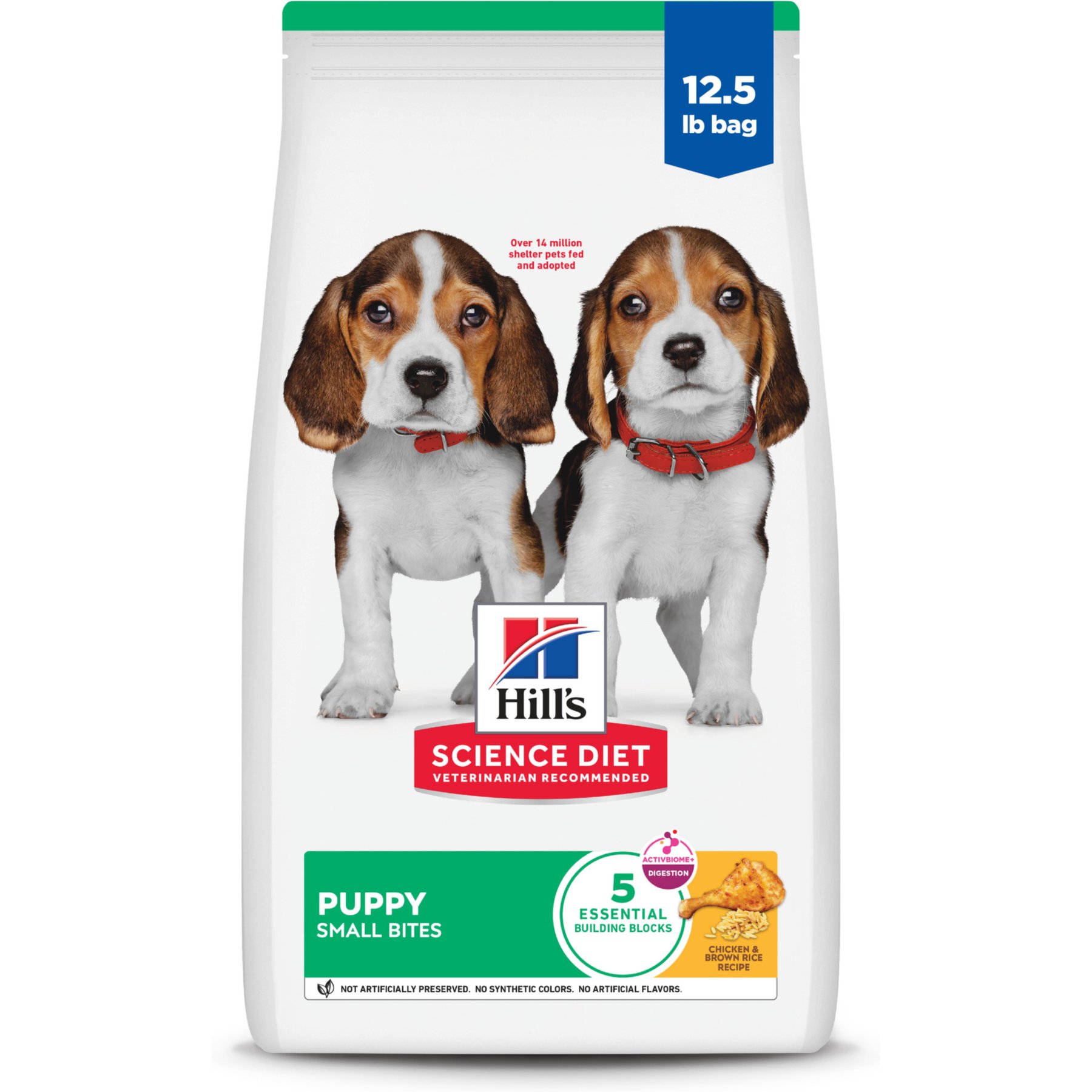
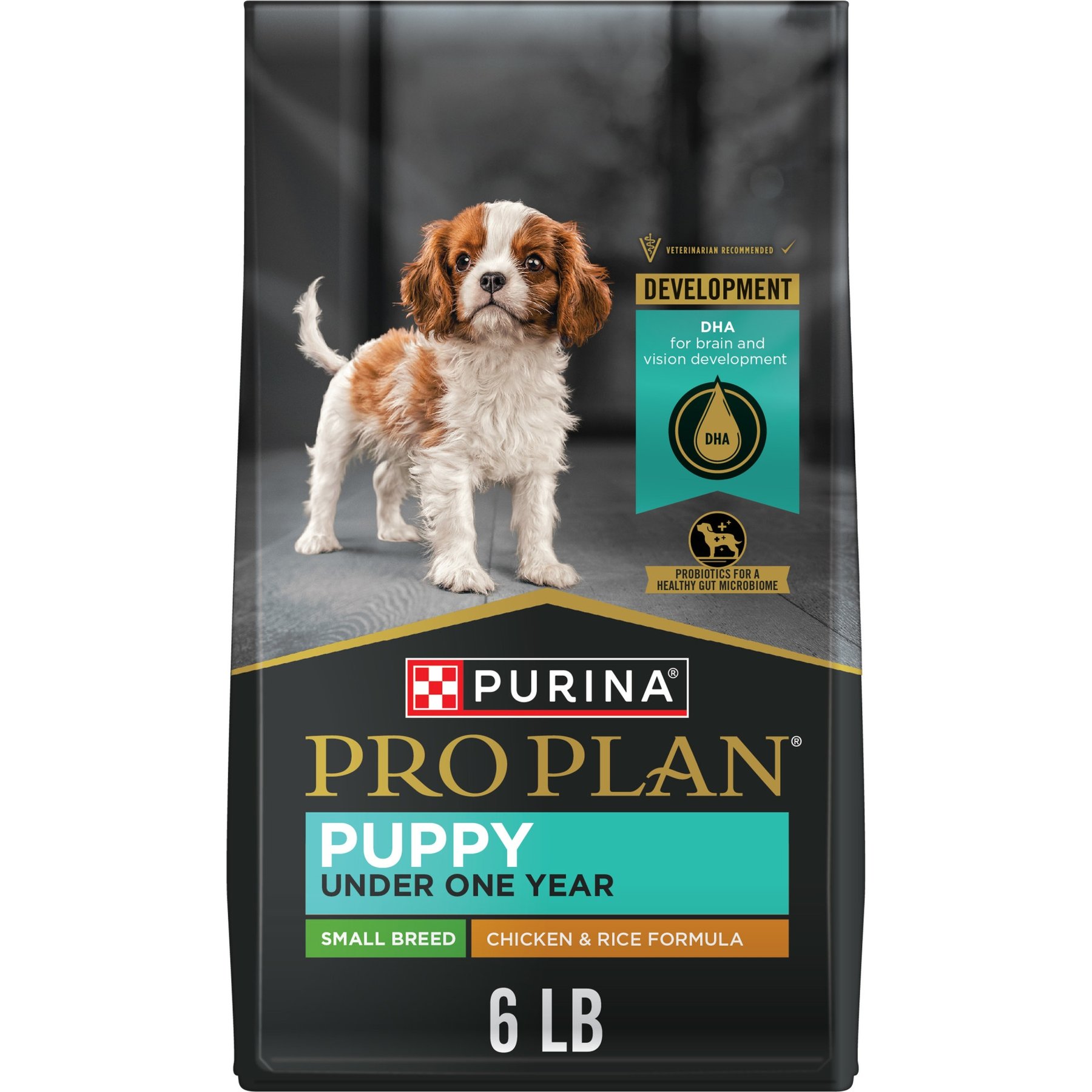
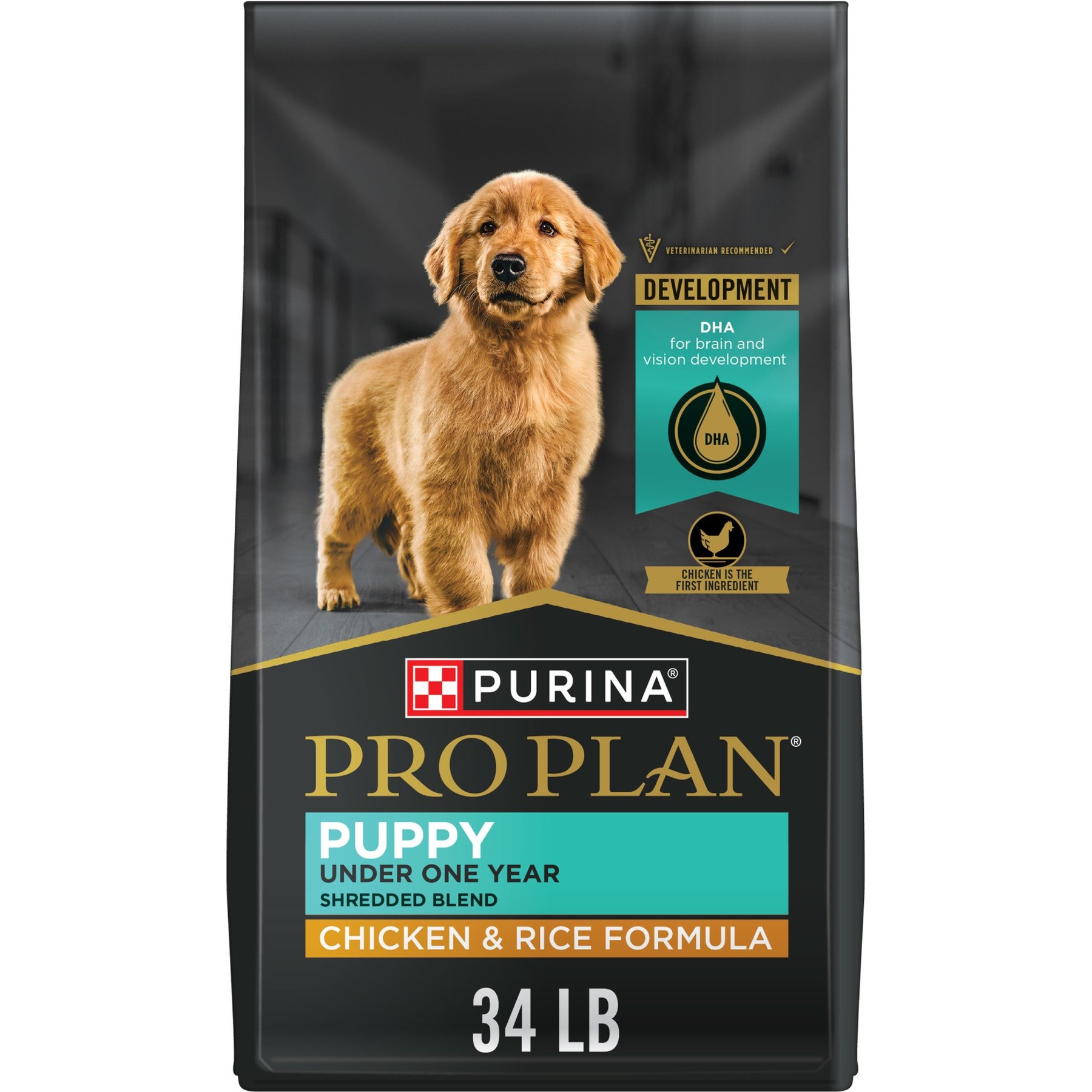
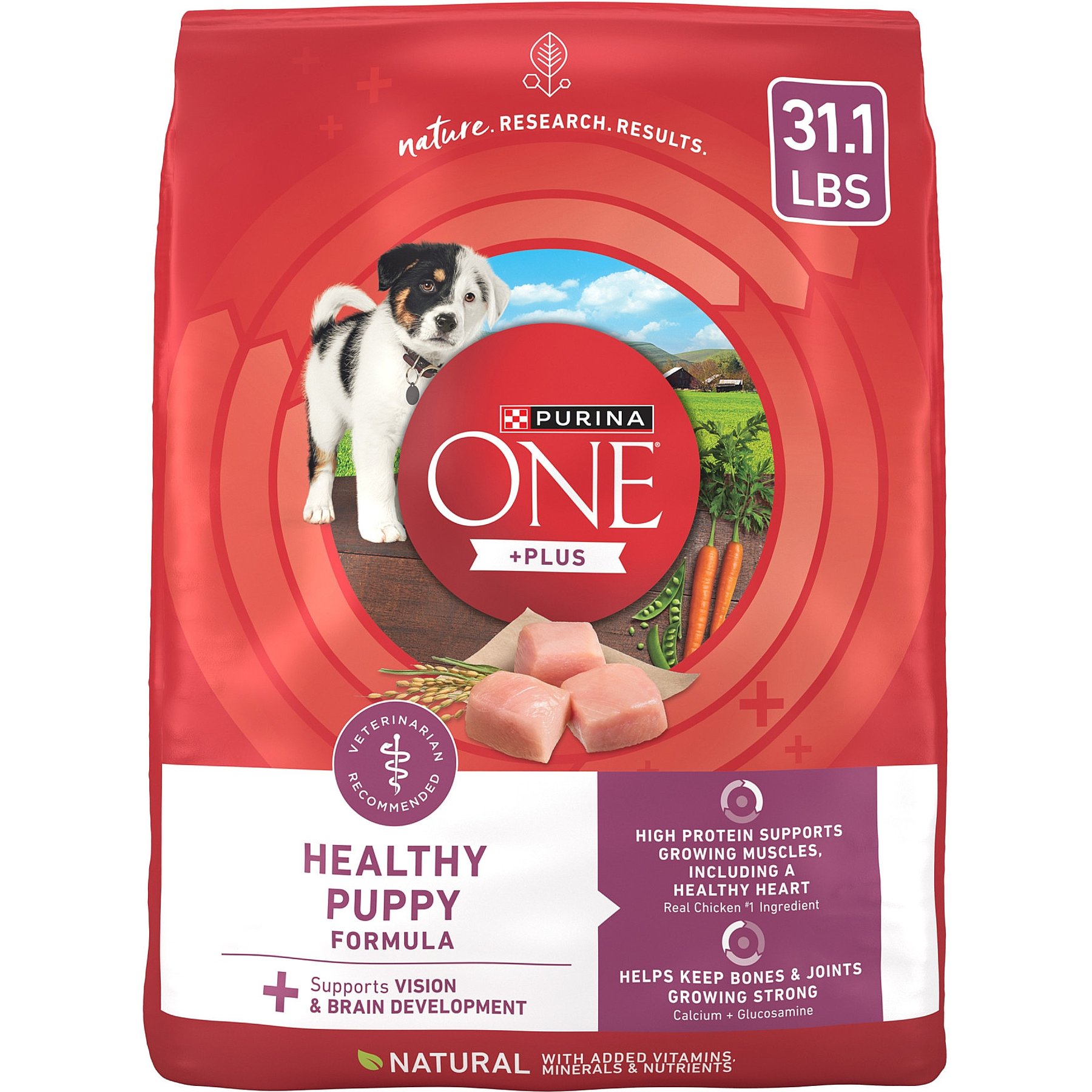
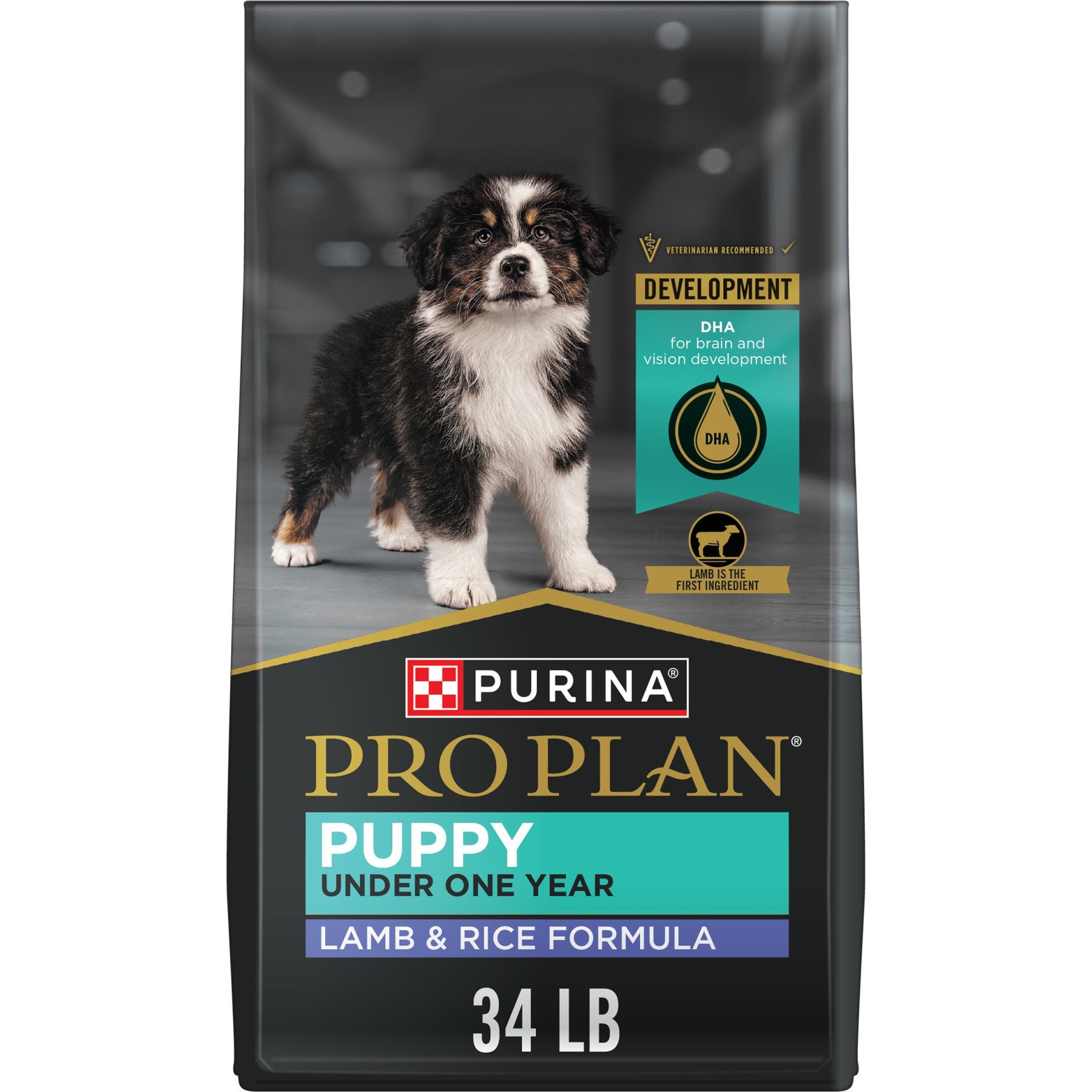
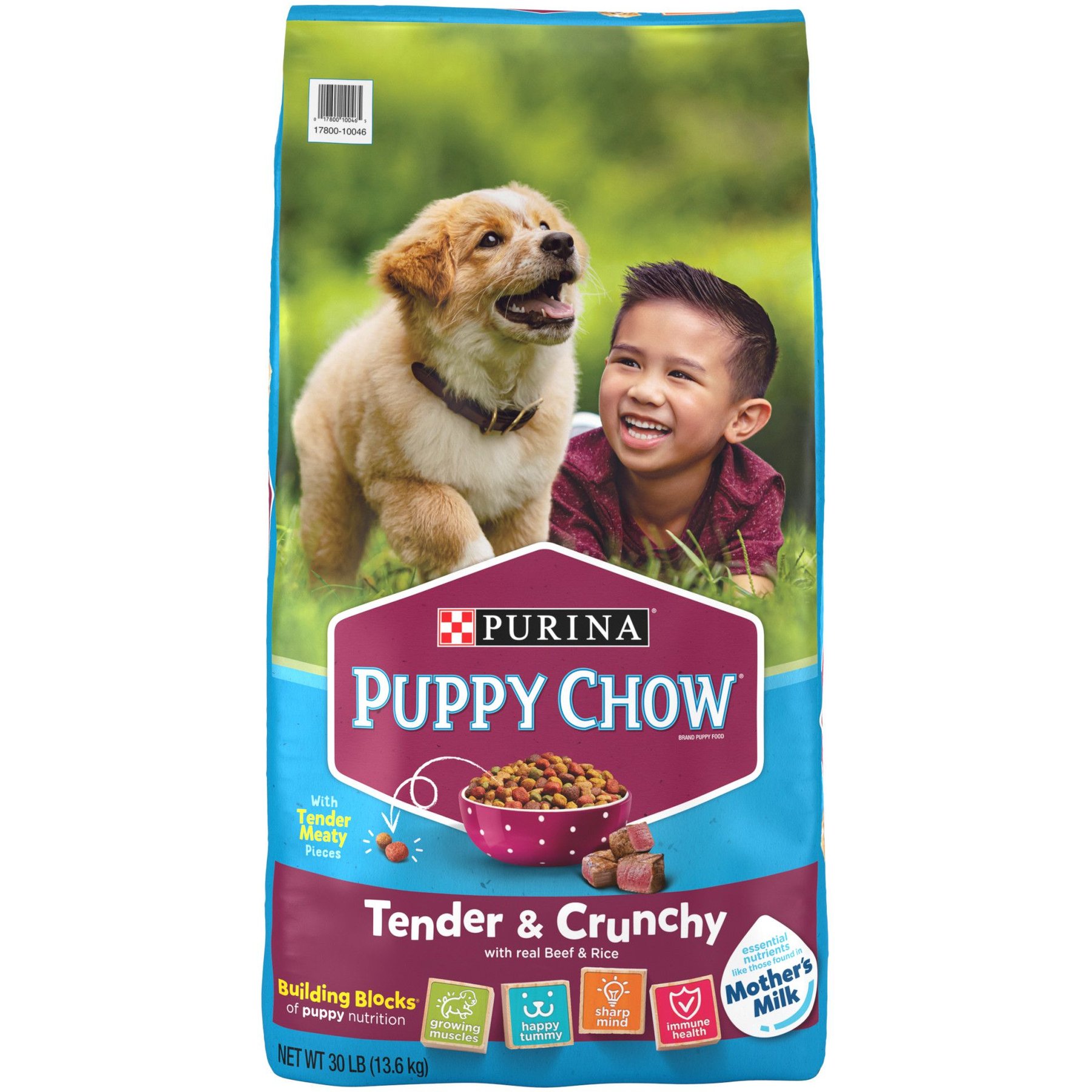
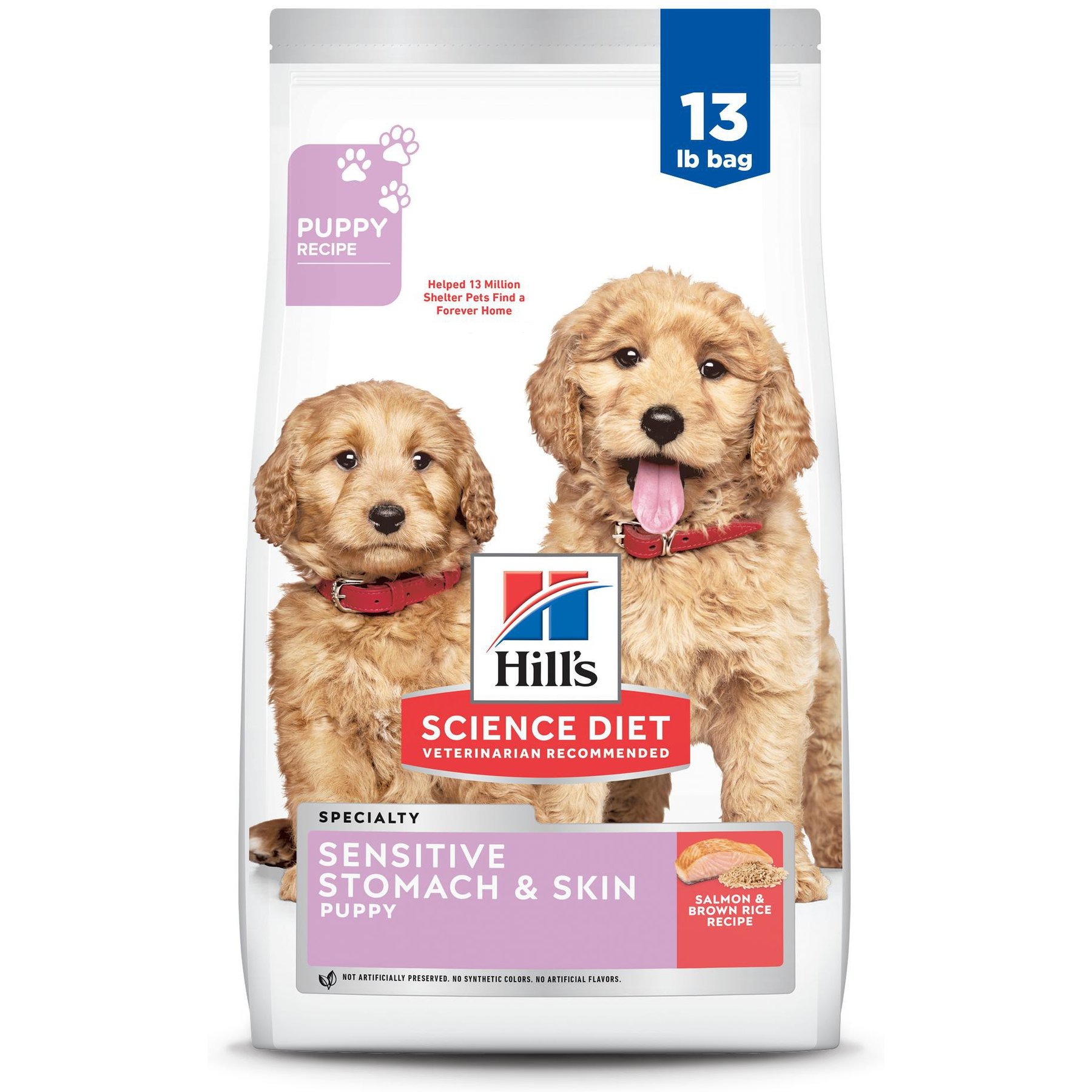
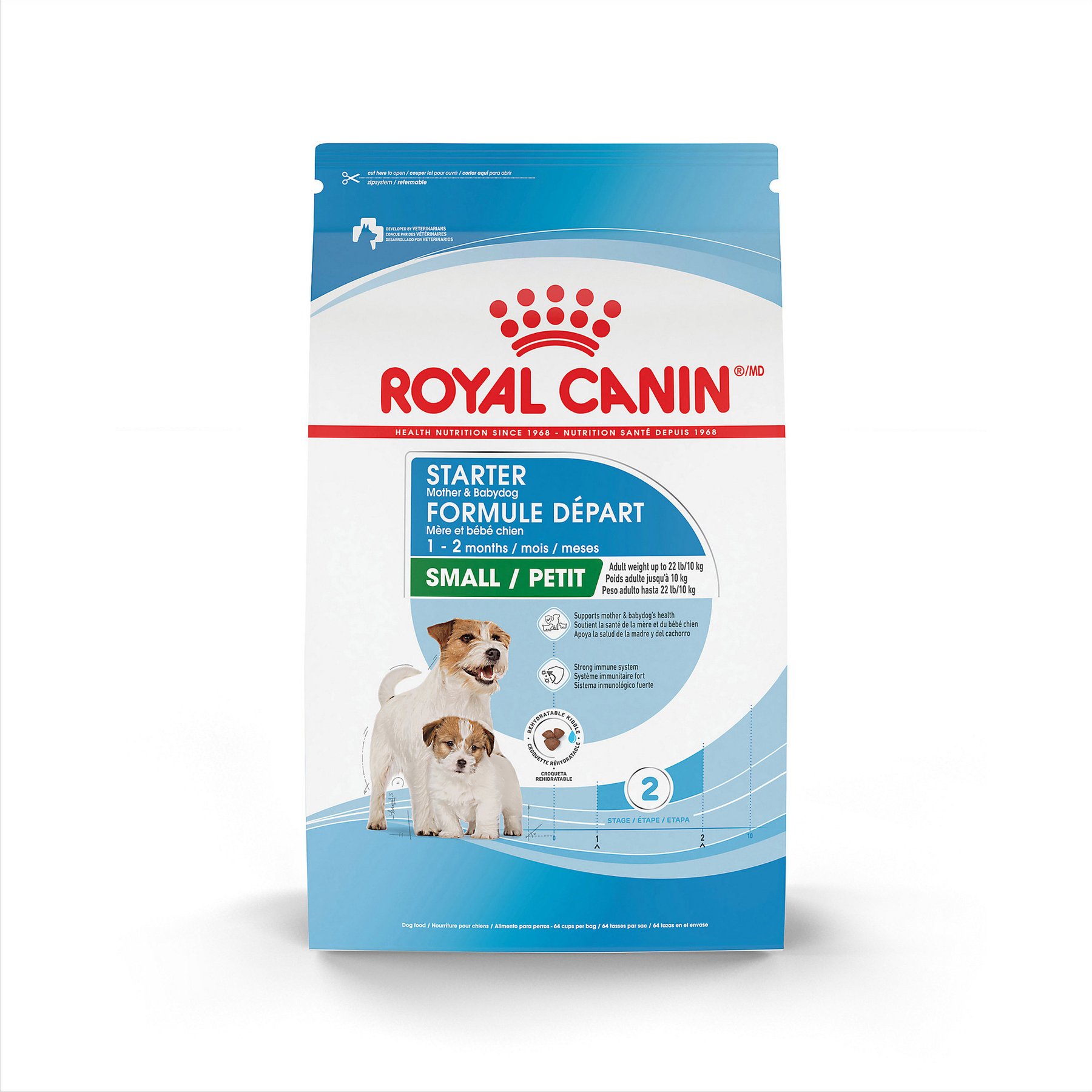
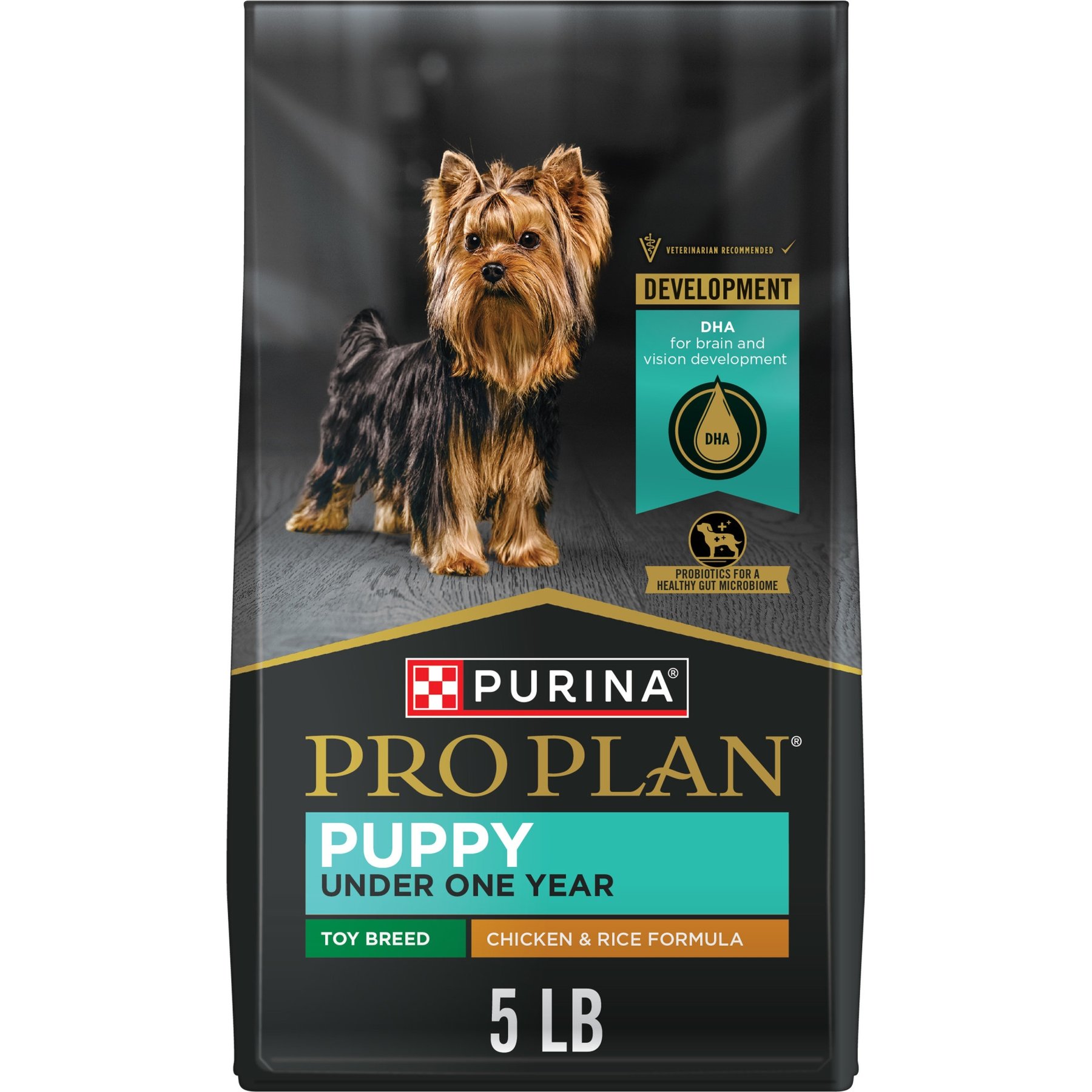
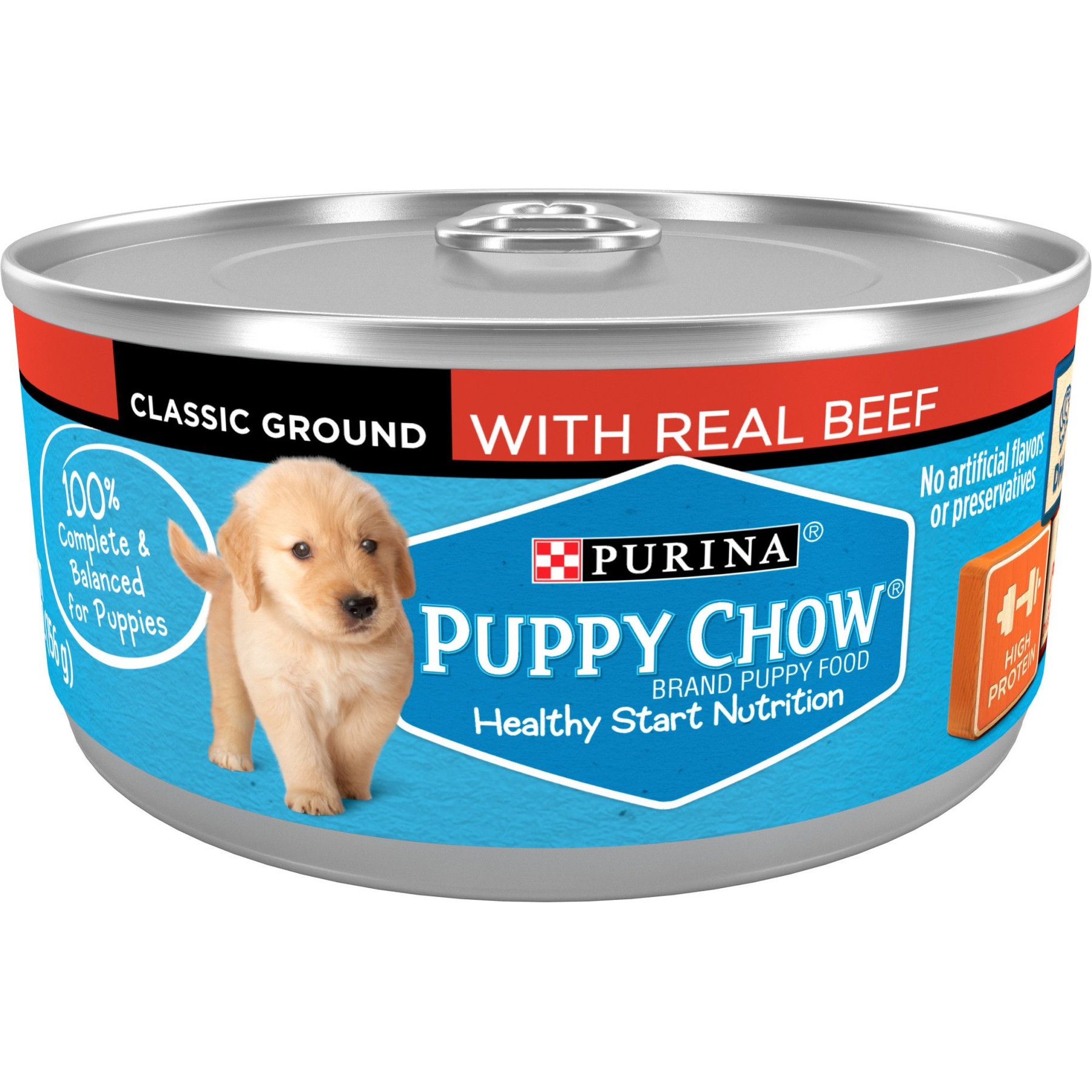
Frequently Asked Questions
When should I switch my puppy to adult dog food?
Most dogs should transition to adult food between 12-18 months. Small breeds mature faster and can switch around 9-12 months, while large and giant breeds should stay on puppy food until 12-24 months to support slower, controlled growth. Look for signs of maturity like adult teeth fully in and reaching expected adult weight. Transition gradually over 7-10 days.
How much should I feed my puppy?
Puppies need 2-3 times more calories per pound than adult dogs. Follow the feeding guidelines on your food's packaging as a starting point, then adjust based on your puppy's body condition. You should be able to feel (but not see) their ribs. Feed 3-4 meals daily until 6 months, then 2-3 meals until adulthood. Use our feeding calculator for personalized recommendations.
Do large breed puppies need special food?
Yes. Large breed puppy formulas have controlled calcium (0.7-1.2%) and phosphorus levels to prevent too-rapid bone growth, which can lead to joint problems like hip dysplasia. They also have slightly lower calorie density. Never feed a large breed puppy regular puppy food—look for formulas specifically labeled 'large breed puppy' with AAFCO approval for large breed growth.
Is grain-free food safe for puppies?
The FDA is investigating a potential link between grain-free diets and dilated cardiomyopathy (DCM) in dogs, particularly those containing legumes (peas, lentils) as primary ingredients. While the research is ongoing, most veterinary nutritionists recommend feeding grain-inclusive diets unless your puppy has a diagnosed grain allergy, which is rare.