Best Lamb Dog Food 2026
Lamb has long been a trusted alternative protein for dogs with sensitivities to chicken or beef. We've analyzed 463+ lamb-based formulas, including the classic lamb and rice combination known for gentle digestion.
Understanding Lamb-Based Dog Food
Lamb earned its reputation as a "hypoallergenic" protein decades ago when chicken and beef dominated dog food formulas. Because most dogs hadn't been exposed to lamb, it served as a novel protein for elimination diets. Today, lamb is more common in commercial foods, but it remains an excellent alternative for dogs with chicken or beef sensitivities who haven't eaten lamb-based diets previously.
Nutritionally, lamb is a high-quality, complete protein rich in essential amino acids. It's particularly high in B vitamins (especially B12 for energy and nervous system function), zinc (for immune health and skin), and iron (for healthy blood cells). Lamb also provides a favorable fatty acid profile with moderate omega-6 content, though it's not as high in omega-3s as fish-based proteins.
The "lamb and rice" formula became a staple for sensitive stomachs because both ingredients are highly digestible. White rice is one of the most easily digested carbohydrates for dogs, making it gentle on upset stomachs. Combined with quality lamb protein, this classic pairing provides complete nutrition while minimizing digestive stress. Many veterinarians still recommend lamb and rice diets for dogs recovering from GI issues.
Benefits of lamb
- • Traditional novel protein for allergy-prone dogs
- • High-quality, easily digestible protein
- • Rich in B vitamins, zinc, and iron
- • Often paired with rice for gentle digestion
- • Good alternative for chicken-allergic dogs
- • Palatable for picky eaters
What to look for
- • Lamb or lamb meal as first ingredient
- • Check that chicken/beef aren't added later
- • New Zealand or Australian lamb often premium-sourced
- • Lamb and rice is a classic easy-digest combo
- • Consider limited ingredient formulas if allergic
- • AAFCO complete and balanced for life stage
How to Choose Lamb Dog Food
Step 1: Check for Single Protein
If using lamb for allergies, ensure it's the only animal protein. Many "lamb" foods also contain chicken fat, chicken meal, or other proteins lower in the ingredient list. For elimination diets, choose foods clearly labeled "single protein" or "limited ingredient."
Step 2: Match Carb to Needs
Classic lamb and rice formulas are great for sensitive stomachs. If your dog has grain sensitivities, look for lamb with sweet potato or peas instead. For weight management, lamb with lower-glycemic carbs may be preferable. Match the carbohydrate source to your dog's specific needs.
Step 3: Consider Quality Sourcing
Premium brands often highlight lamb sourcing (New Zealand, Australian, grass-fed). While not necessary for nutrition, premium sourcing may indicate overall quality commitment. Check for named lamb ingredients ("lamb" or "lamb meal") rather than generic "meat" or "animal protein."
Top-Rated Lamb Dog Foods
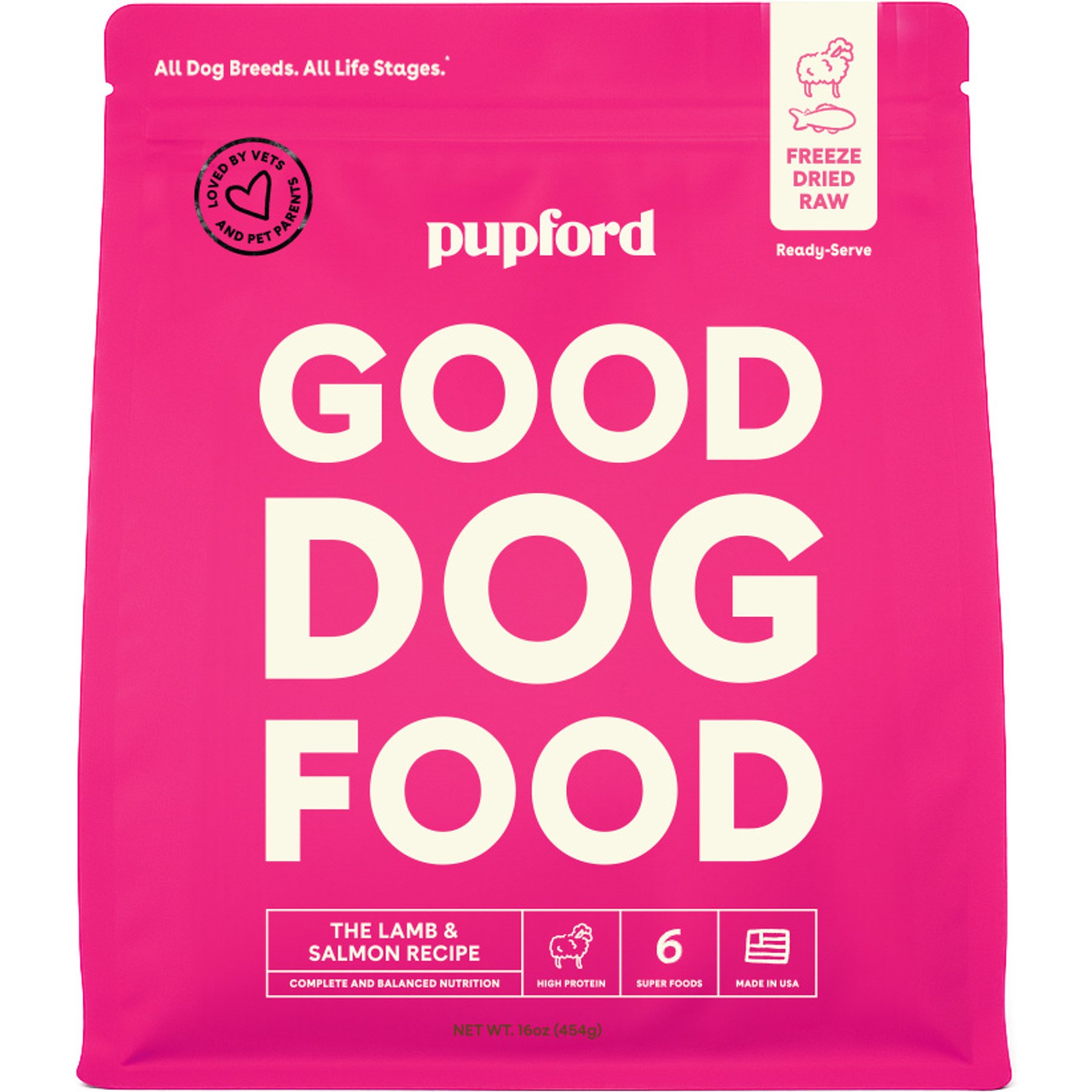
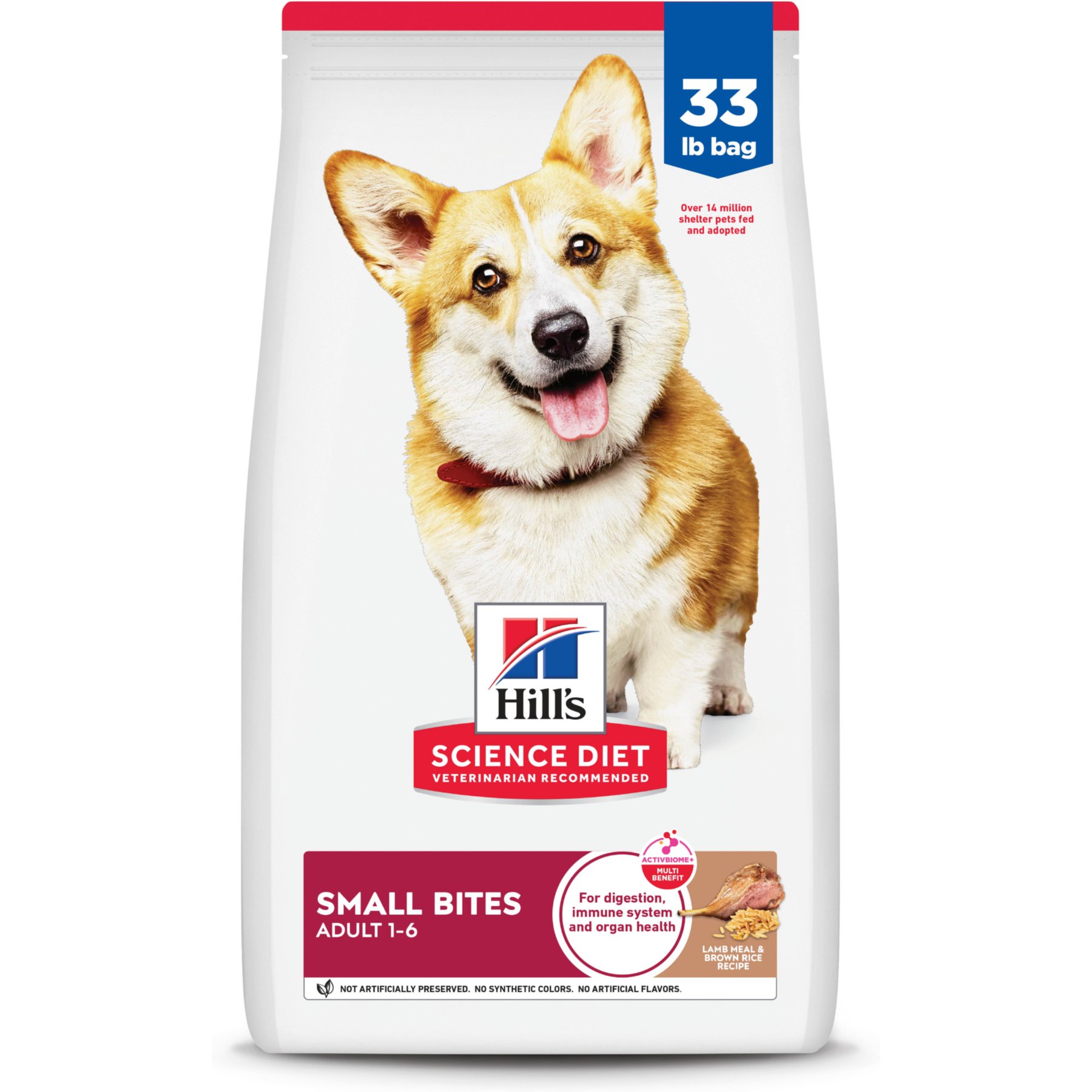
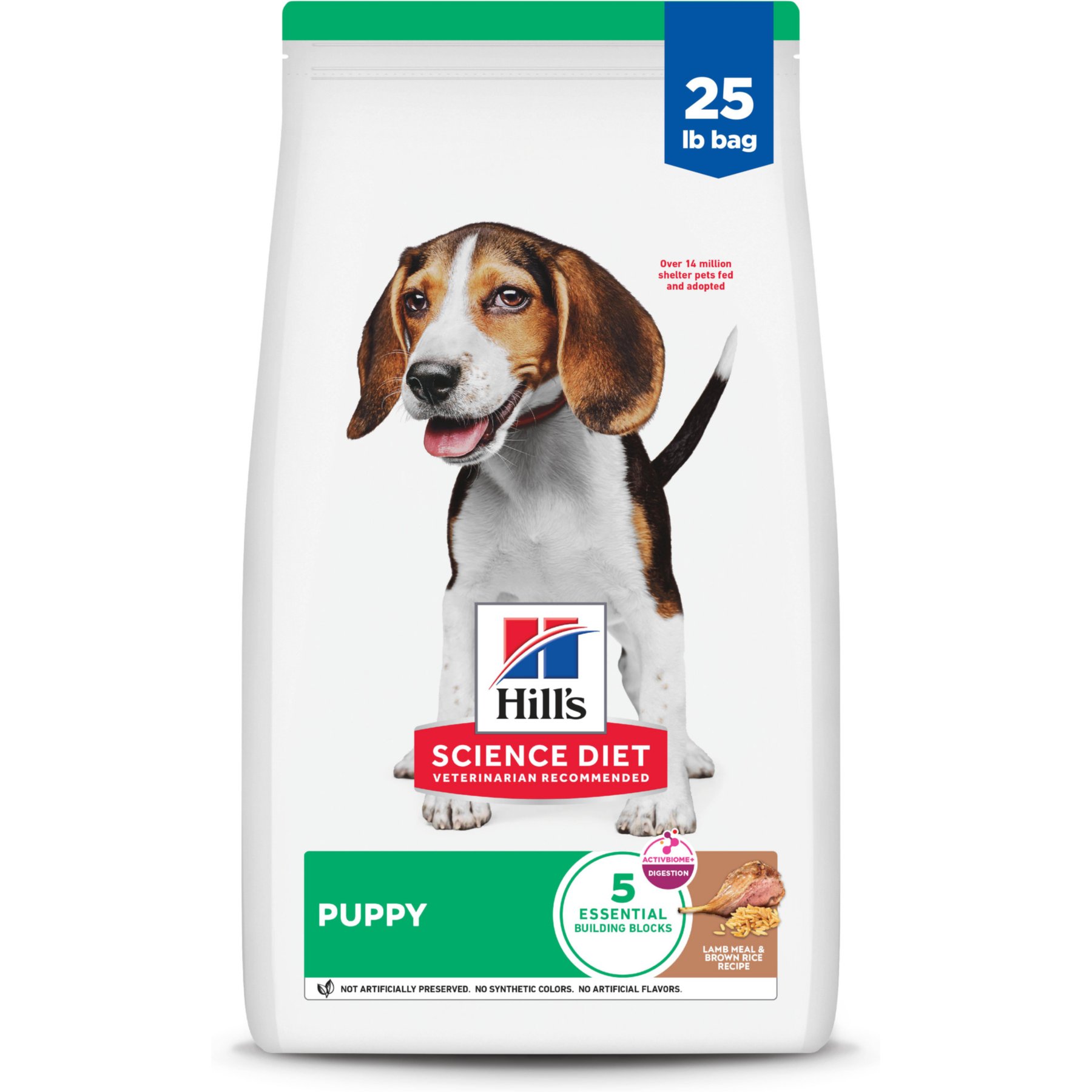
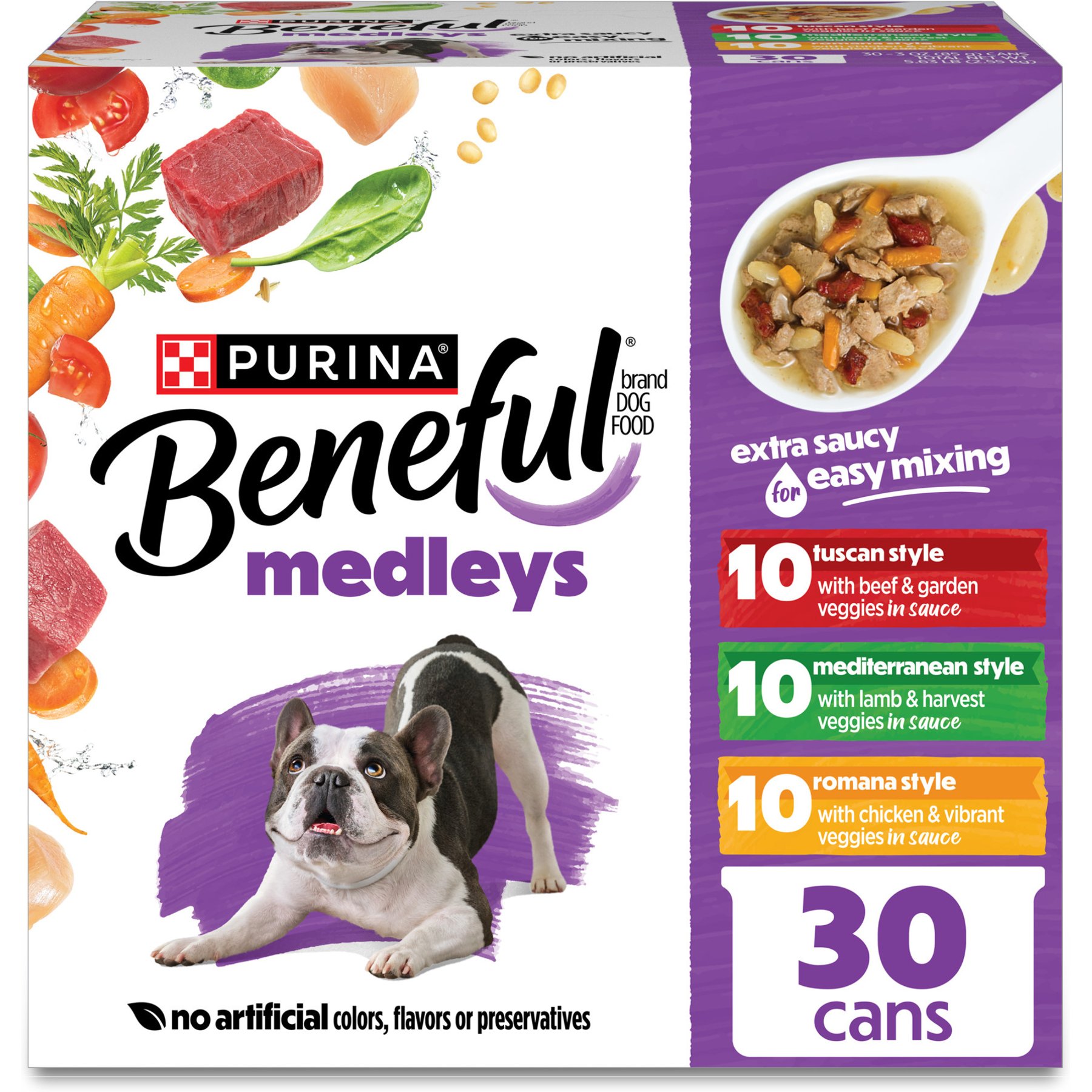

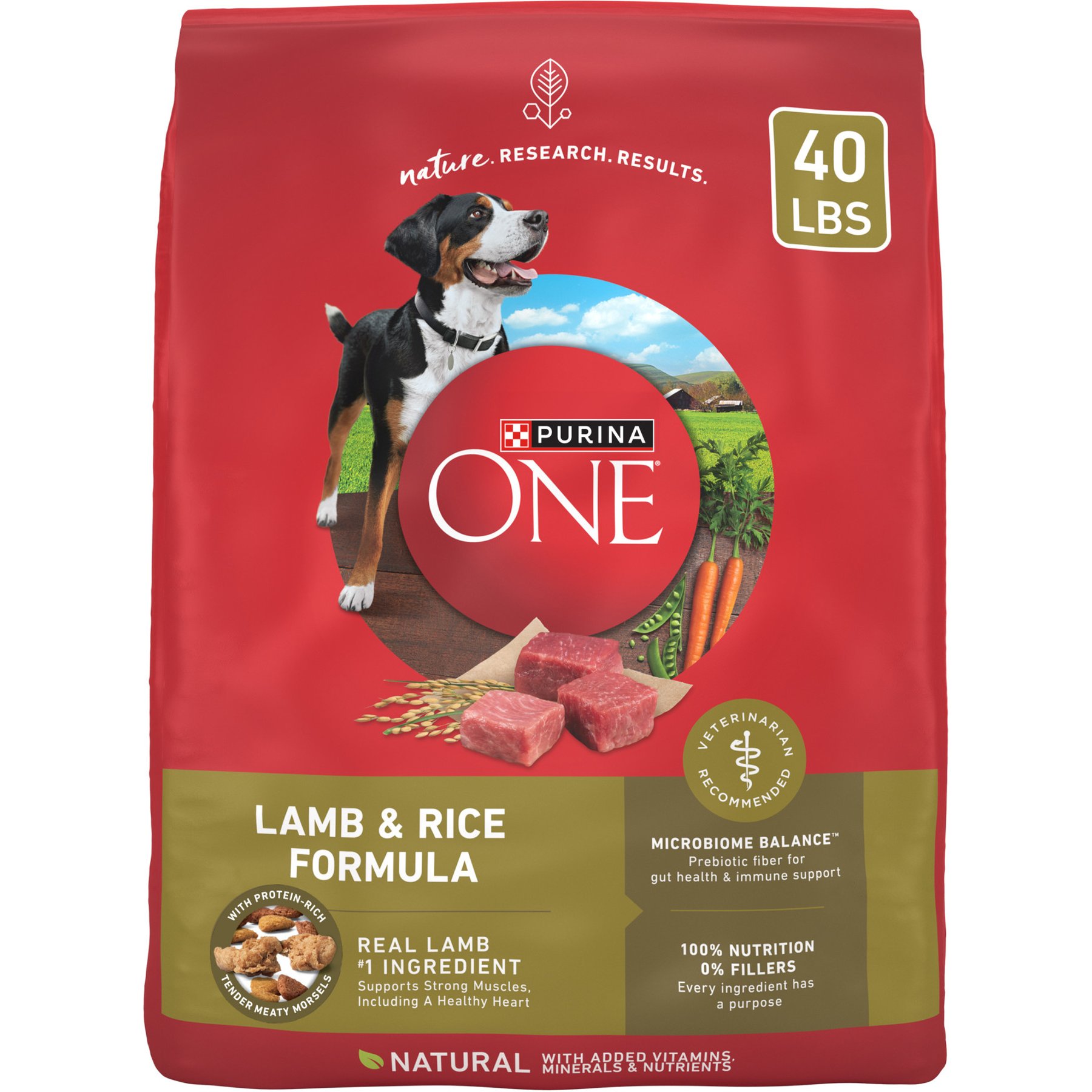
Purina ONE
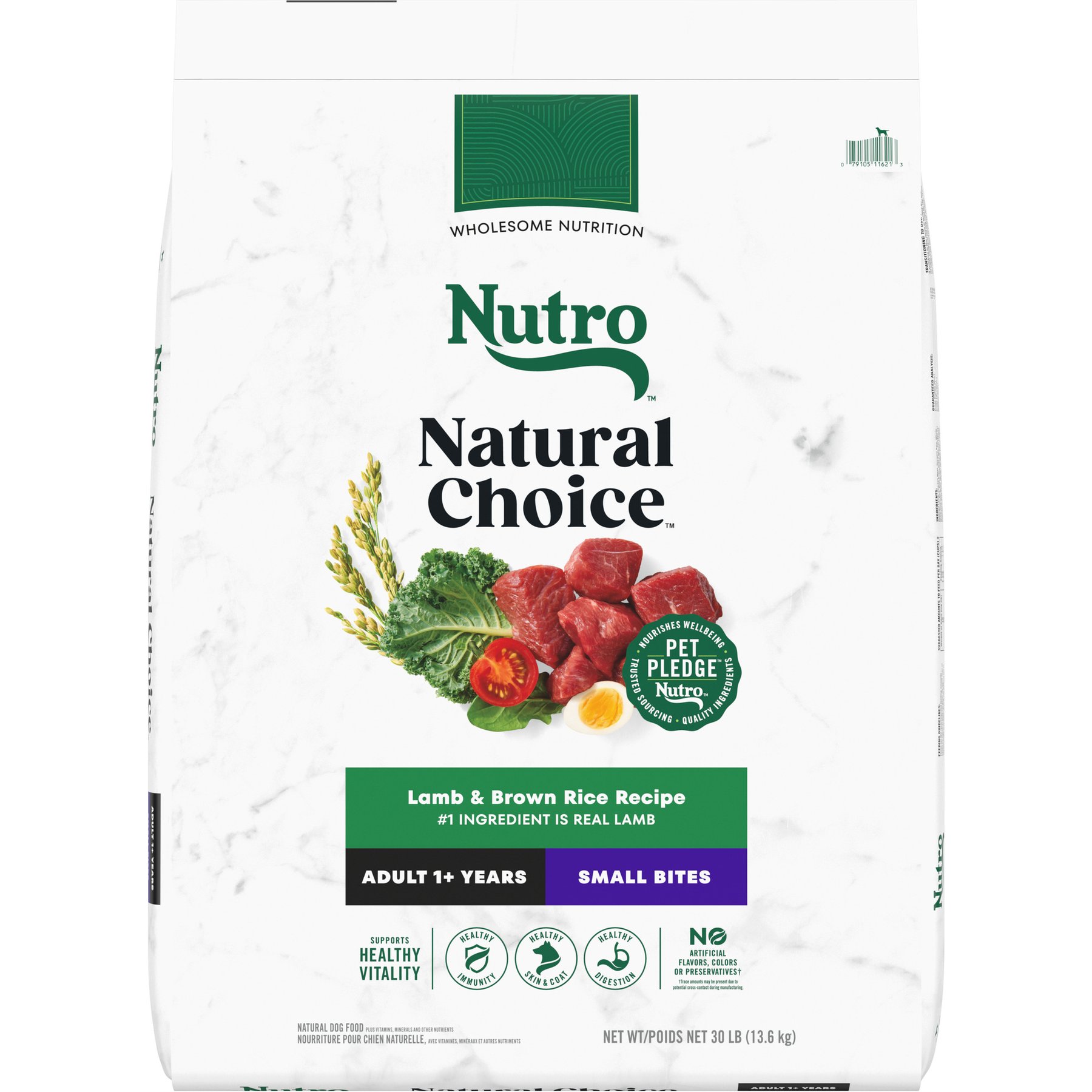
Purina ONE Natural SmartBlend Lamb & Rice Formula Dry Dog Food
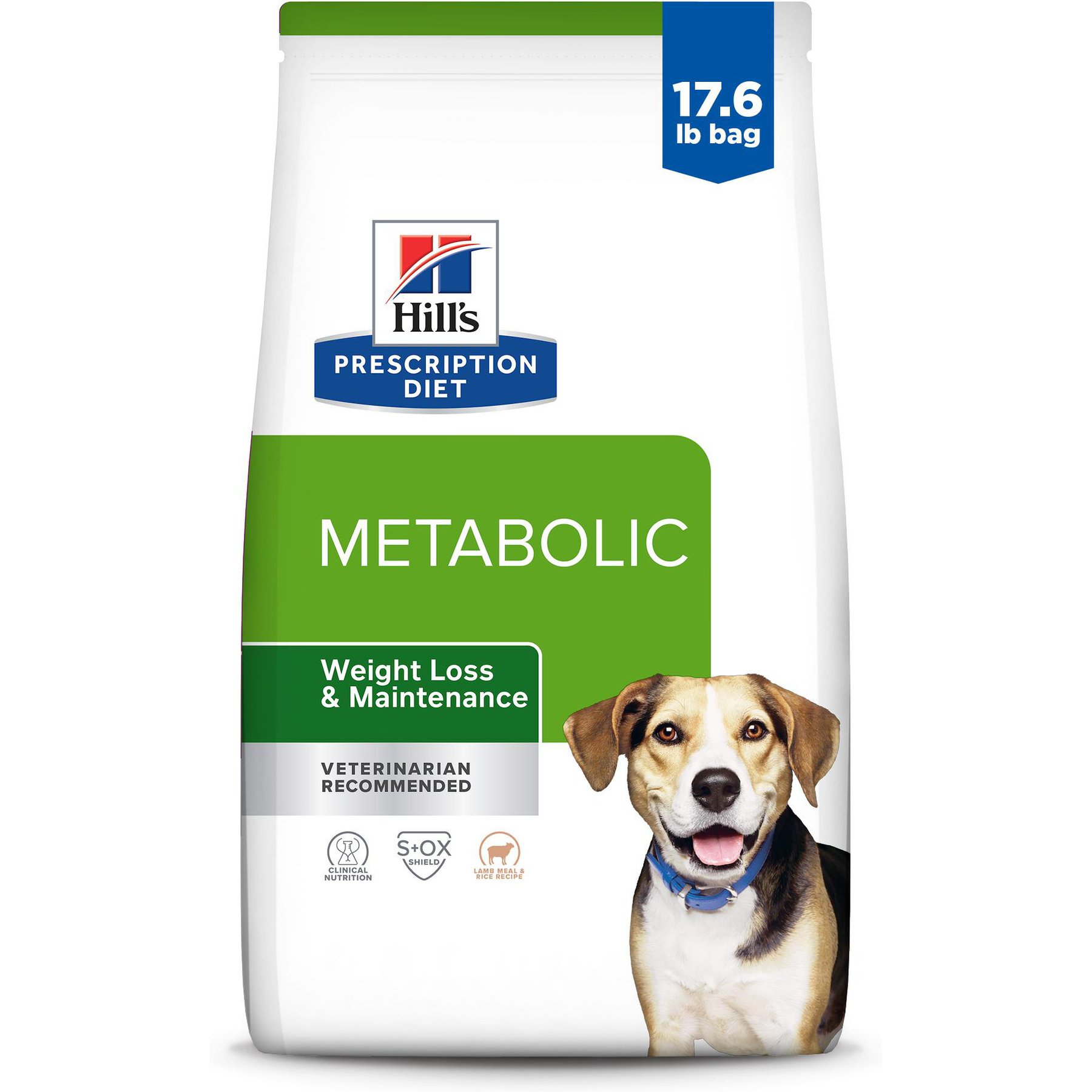

Purina ONE
Purina ONE +Plus Adult Small Breed Lamb & Rice Formula Dry Dog Food

Frequently Asked Questions
Is lamb good for dogs with allergies?
Lamb has traditionally been recommended as a 'novel protein' for allergy-prone dogs because it was less common in dog food than chicken or beef. However, lamb is now widely used, so it may not be 'novel' for dogs who've eaten lamb-containing foods before. For true elimination diets, consider less common proteins like venison, kangaroo, or duck if your dog has already been exposed to lamb.
Is lamb and rice good for dogs with sensitive stomachs?
Yes, lamb and rice is a classic combination for sensitive stomachs. Rice is highly digestible and gentle on the GI tract, while lamb provides quality protein without the common allergens in chicken or beef. This combination has been used for decades in 'sensitive stomach' formulas. However, some dogs may be sensitive to grains—if rice doesn't work, try lamb with sweet potato instead.
What's the difference between lamb and lamb meal in dog food?
Whole lamb includes water weight, so when listed first, much of that weight is moisture. Lamb meal is lamb with the water removed, making it a more concentrated protein source—about 300% more protein by weight than fresh lamb. A food with 'lamb meal' as the first ingredient may actually contain more lamb protein than one listing 'lamb' first. Both are quality ingredients.
Is New Zealand or Australian lamb better for dog food?
New Zealand and Australian lamb are often marketed as premium options due to strict agricultural standards, grass-fed practices, and minimal use of antibiotics and hormones. These lambs tend to have favorable fatty acid profiles from grass feeding. However, quality lamb from any source that meets USDA standards is nutritious for dogs. Premium sourcing may indicate overall brand quality commitment.