Best Dog Food for Small Breeds 2026
Small dogs have big nutritional needs. With metabolisms up to twice as fast as large dogs and stomachs that can't hold much, they need calorie-dense food in appropriately sized kibble. We've analyzed 249+ small breed formulas to find the best options.
Understanding Small Breed Nutrition
Small and toy breeds (dogs under 20 pounds) have unique nutritional challenges. Their faster metabolisms burn calories at nearly double the rate of large breeds per pound of body weight, yet their tiny stomachs limit how much they can eat at once. This creates a need for nutrient-dense, calorie-rich foods.
Common small breeds like Chihuahuas, Yorkshire Terriers, Pomeranians, and Maltese are also prone to specific health issues including dental disease (crowded teeth), hypoglycemia (low blood sugar from long gaps between meals), luxating patellas (knee problems), and tracheal collapse. Quality small breed foods address these with dental-supporting kibble texture, appropriate calorie density, and joint support.
Small dogs also tend to live longer than large breeds—often 12-16 years or more—making long-term nutrition especially important. Starting with the right food early sets the foundation for a long, healthy life.
What to look for
- • Higher calorie density (400+ kcal/cup for most small breeds)
- • Smaller kibble size appropriate for tiny mouths
- • High-quality protein as first ingredient (25-30%)
- • Omega fatty acids for skin, coat, and brain health
- • Dental health support (kibble texture, additives)
- • DHA for cognitive function (small breeds need mental stimulation)
Feeding tips for small dogs
- • Feed 2-3 small meals daily to prevent hypoglycemia
- • Measure portions precisely—small dogs gain weight easily
- • Keep treats under 10% of daily calories
- • Use appropriately sized bowls (shallow, wide)
- • Consider dental chews for oral health
- • Watch for picky eating—common in small breeds
How to Choose Small Breed Dog Food
Step 1: Check Calorie Density
Small breeds need 400-500+ kcal per cup to meet their energy needs in small portions. Compare calories per cup on labels—not just protein percentages. Toy breeds under 10 lbs may need even higher calorie density.
Step 2: Verify Kibble Size
Look for foods specifically labeled "small breed" or "toy breed"—these have appropriately sized kibble. Regular kibble can be difficult for small dogs to chew properly, leading to choking risks and poor digestion.
Step 3: Consider Your Dog's Needs
Active small dogs may need higher fat content. Picky eaters might prefer enhanced palatability formulas. Senior small dogs need joint support. Choose based on your specific dog's age, activity level, and health concerns.
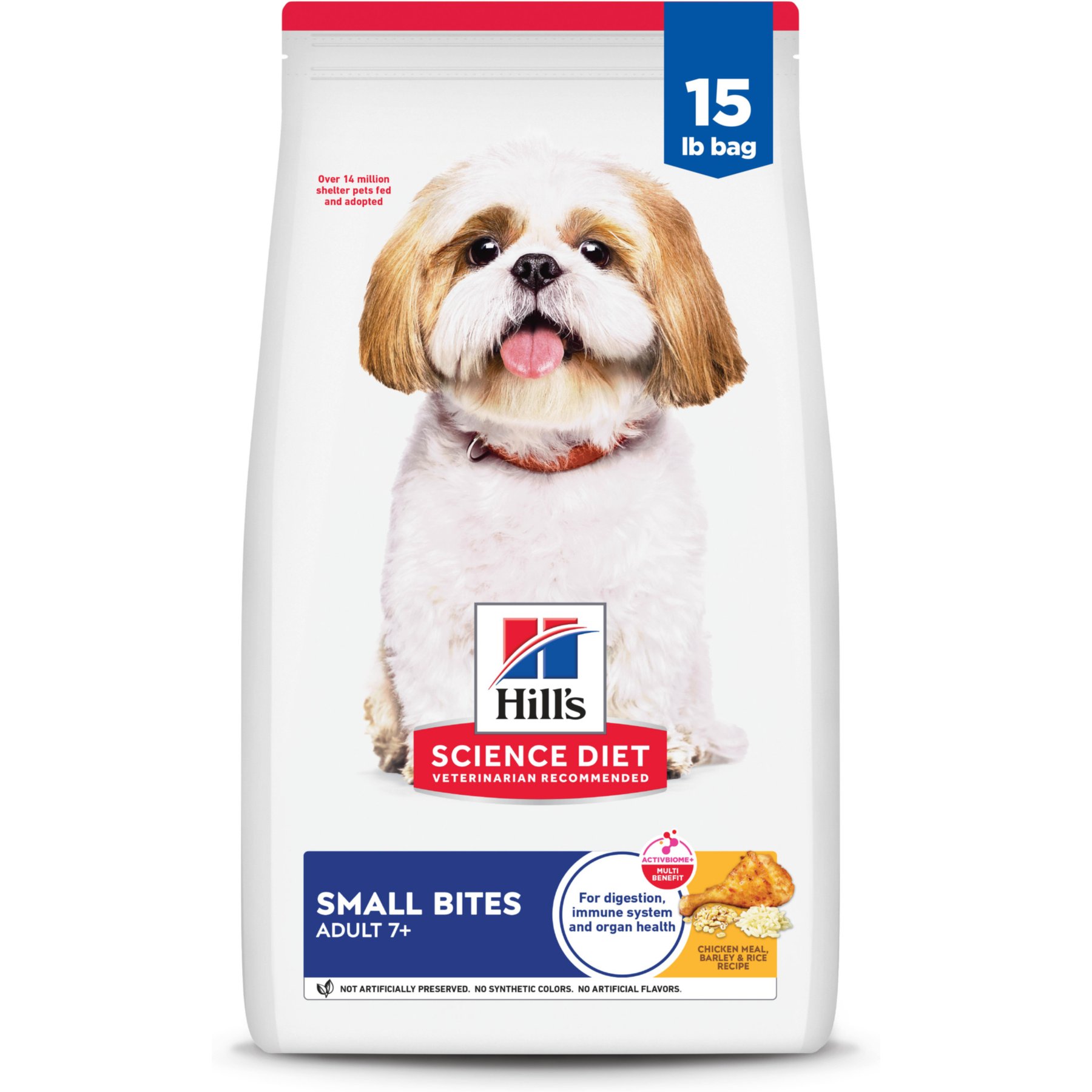
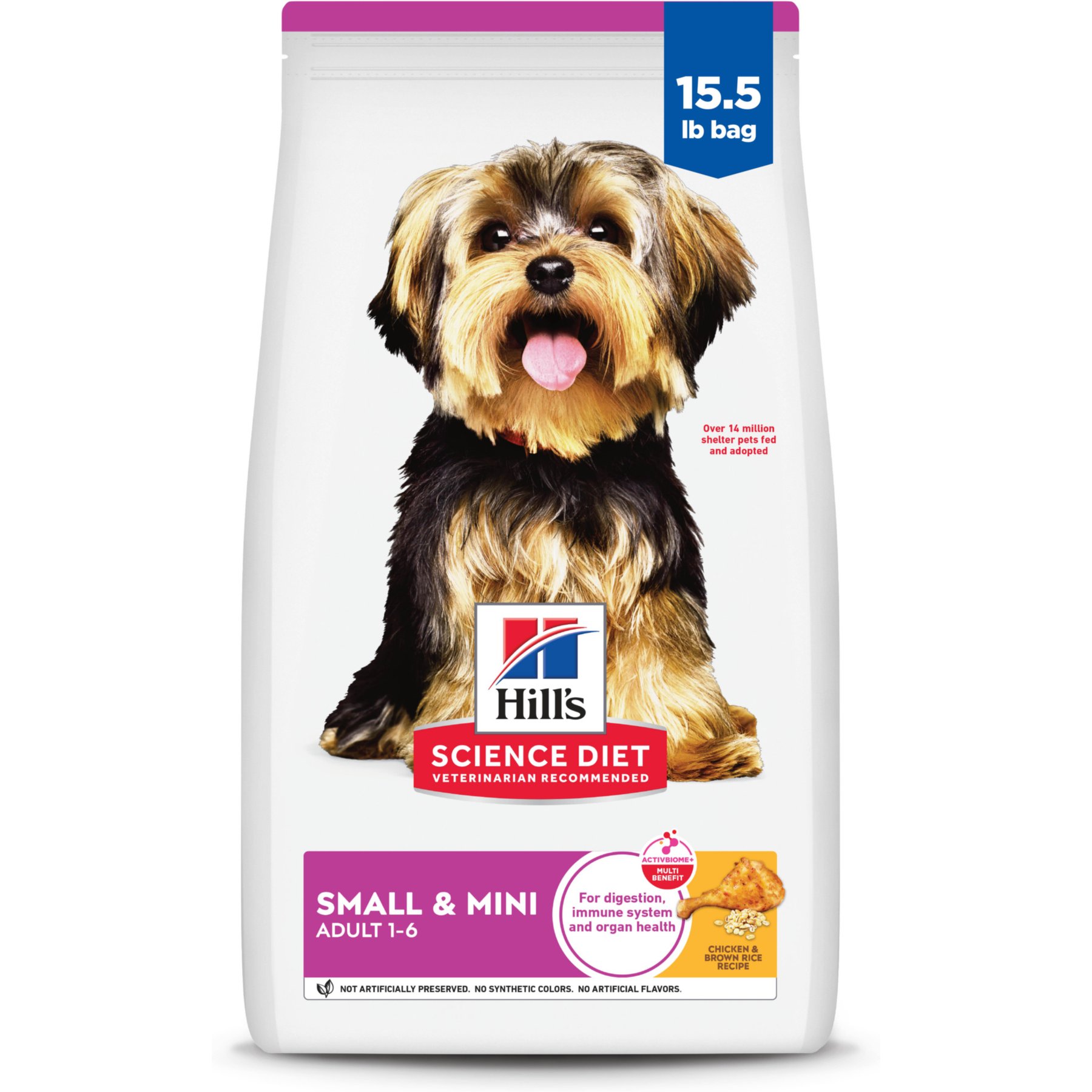
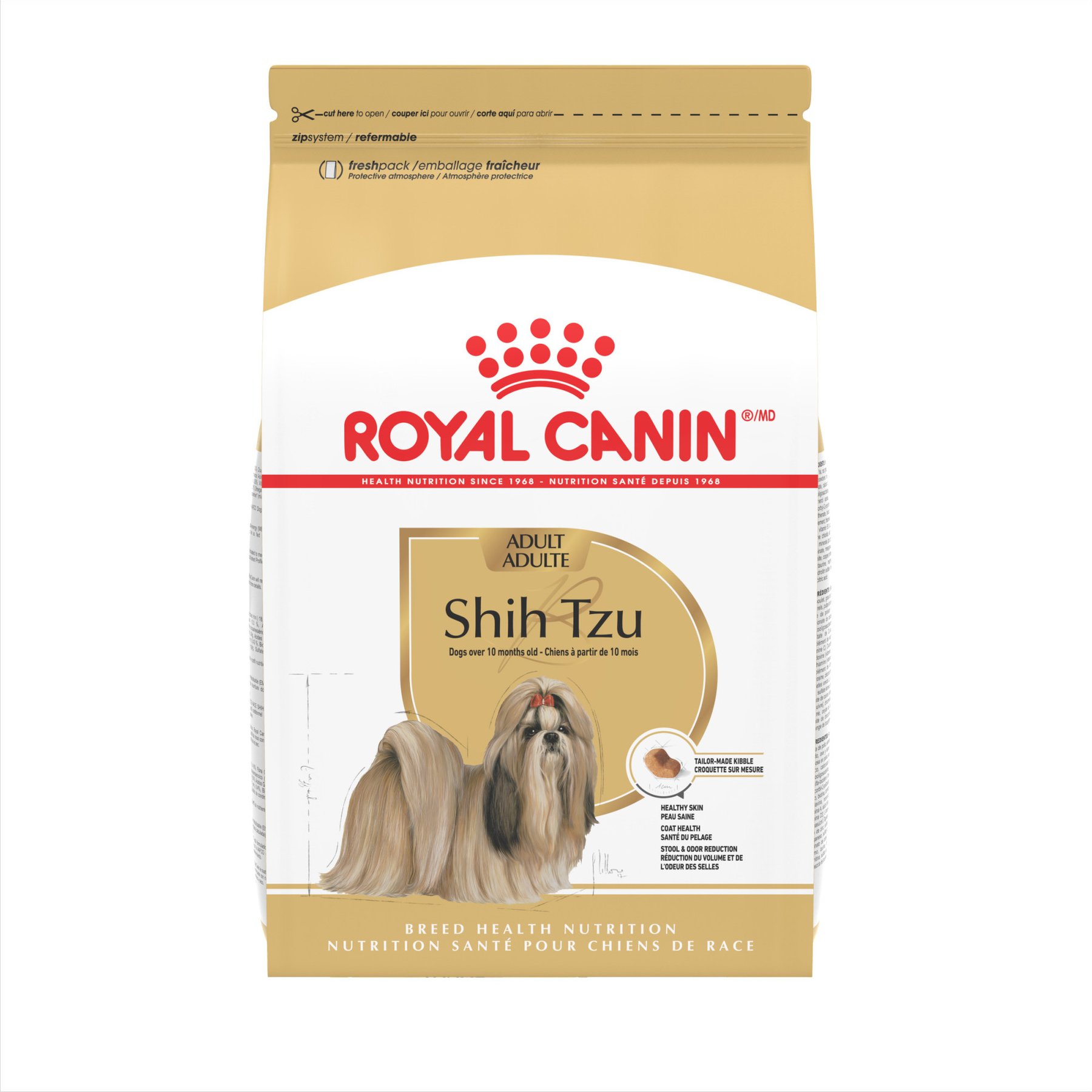
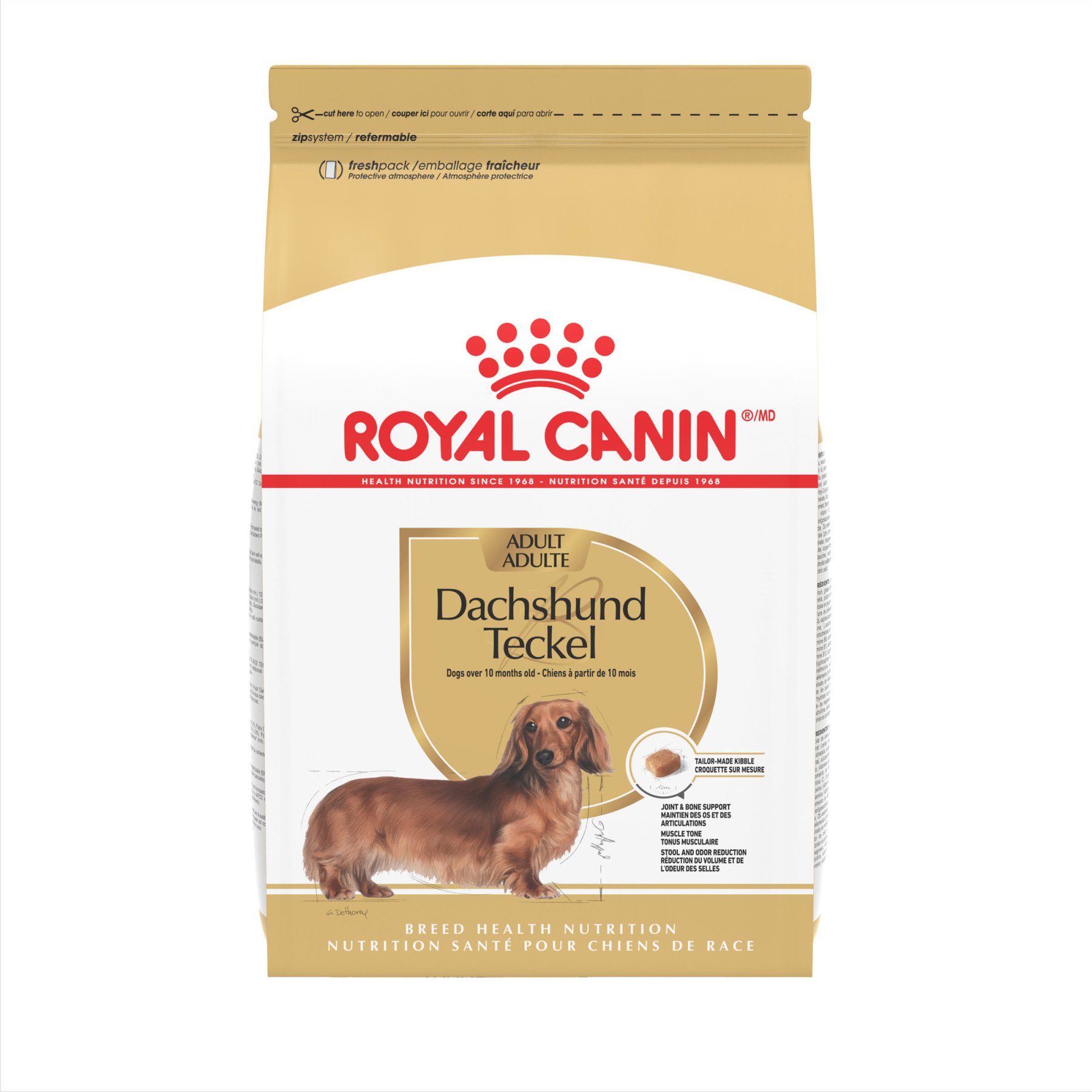
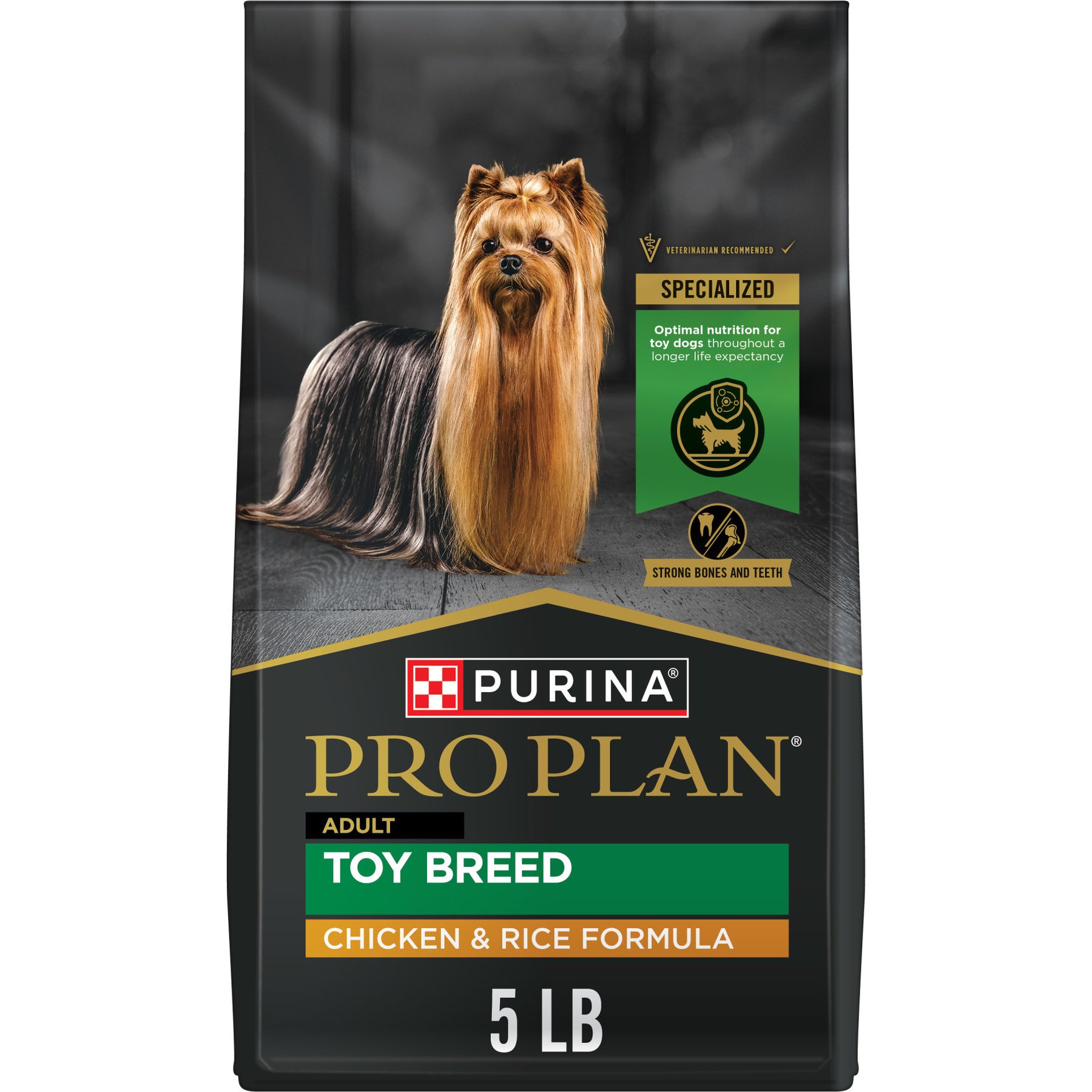
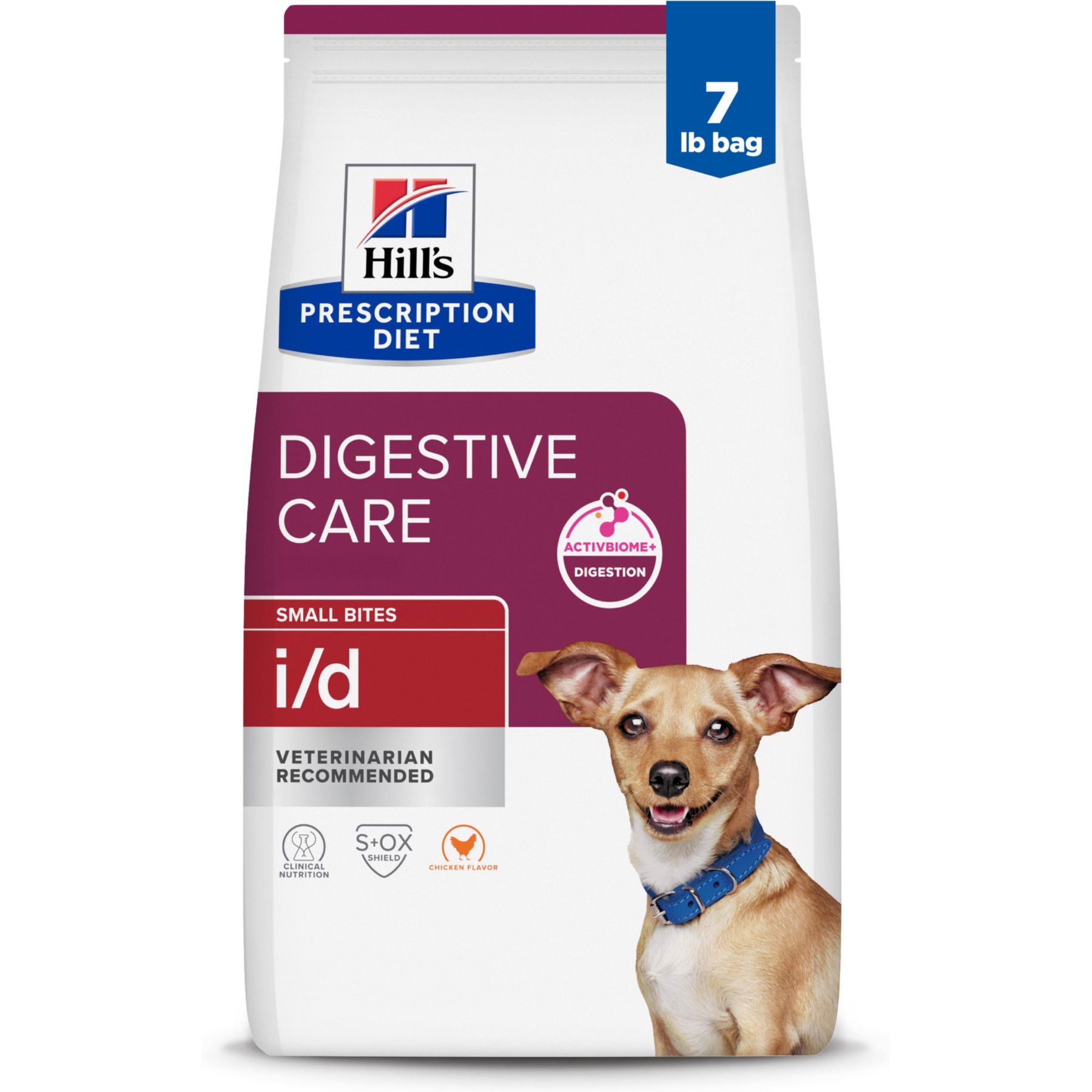
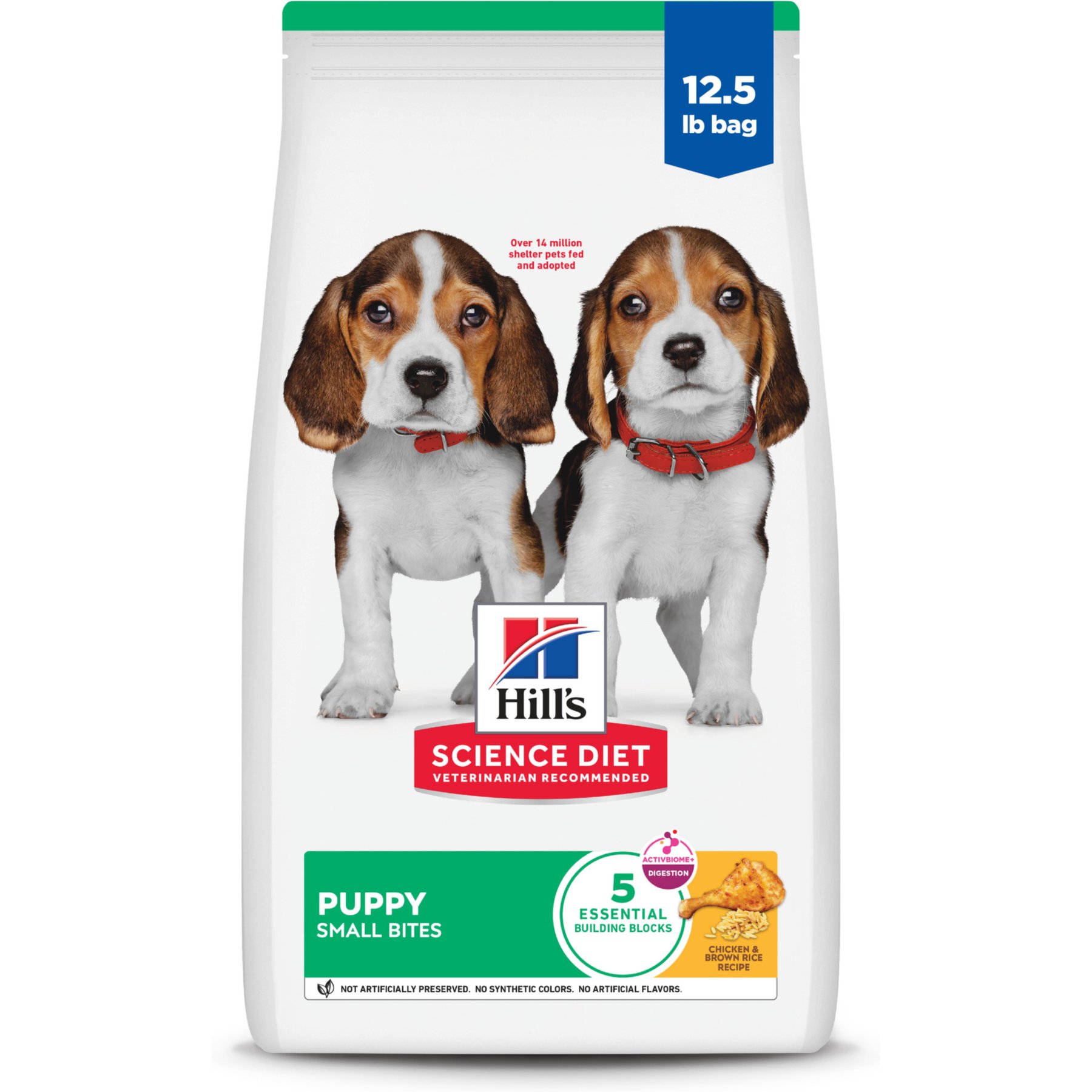
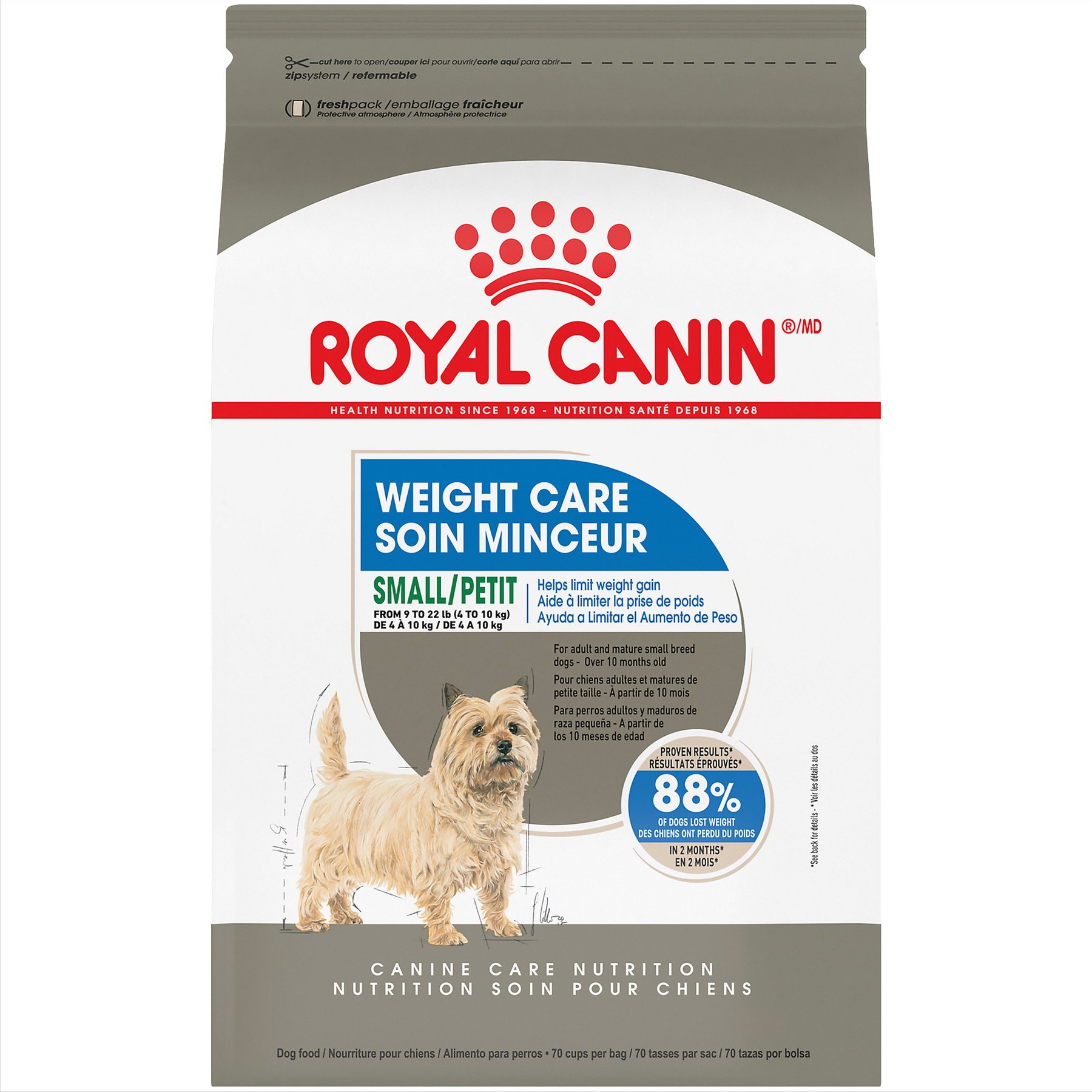
Top-Rated Dog Food for Small Breedss



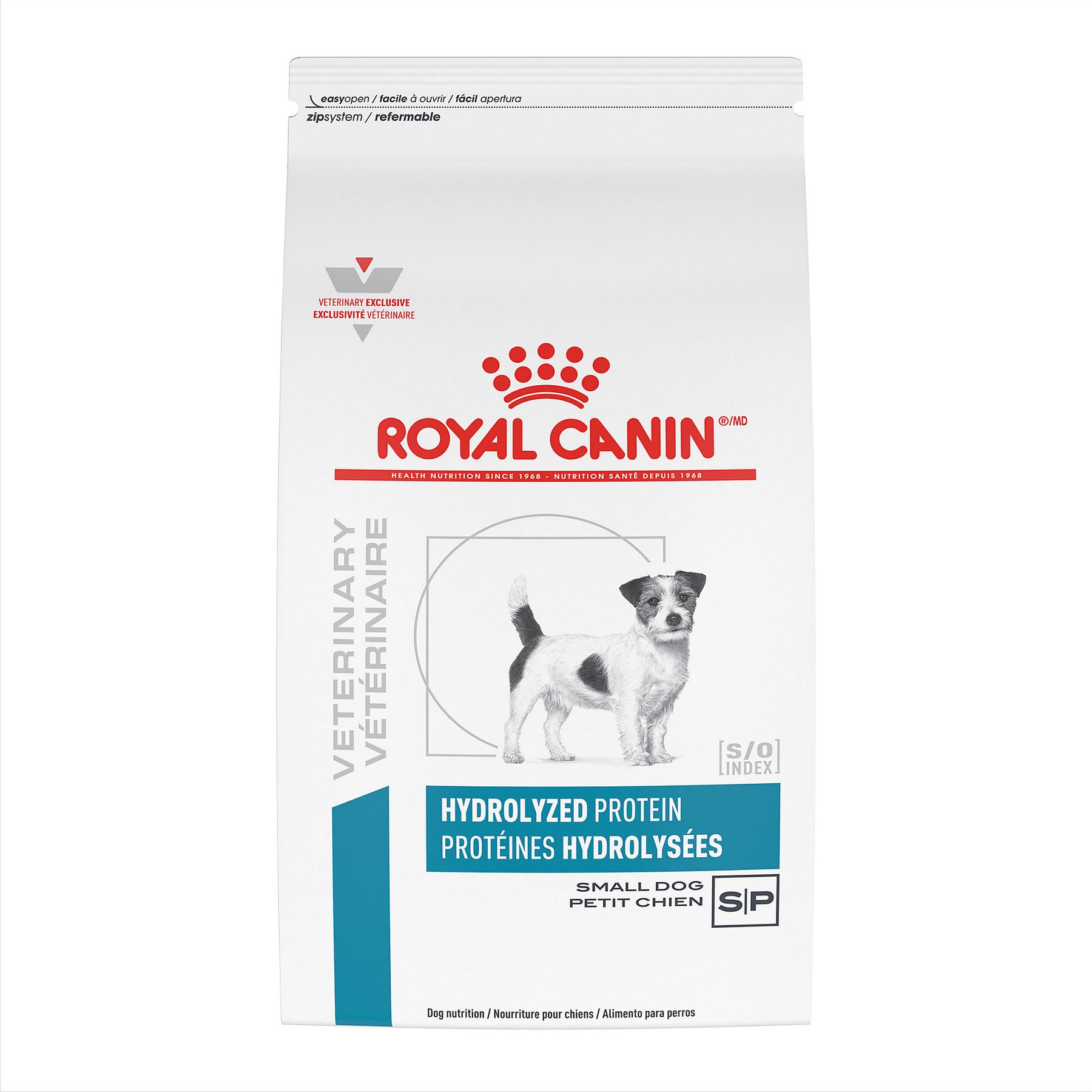
Frequently Asked Questions
Why do small dogs need special food?
Small dogs have faster metabolisms—burning up to twice as many calories per pound as large dogs. They also have smaller stomachs but higher energy needs, requiring calorie-dense food to meet nutritional requirements in smaller portions. Small breed kibble is also sized appropriately for tiny mouths and helps with dental health.
How often should I feed my small dog?
Small dogs, especially toy breeds, should eat 2-3 small meals daily rather than one large meal. Their fast metabolisms and small glycogen reserves make them prone to hypoglycemia (low blood sugar) if they go too long without eating. Puppies and very small breeds (under 5 lbs) may need 3-4 meals daily.
Can small dogs eat regular dog food?
While small dogs can technically eat regular adult dog food, it's not ideal. Regular kibble is often too large for small mouths, and the calorie density may be too low to meet their needs. Small breed formulas provide appropriate kibble size, higher calories per cup, and nutrients tailored to faster metabolisms.
Why are small dogs prone to dental problems?
Small dogs have the same number of teeth (42) crowded into much smaller jaws, leading to overcrowding, tartar buildup, and periodontal disease. By age 3, most small dogs have some dental disease. Look for foods with dental benefits and maintain regular dental care including brushing and dental chews.