Best High-Protein Dog Food 2026
High-protein diets support muscle maintenance, energy, and overall health, especially for active and working dogs. We've analyzed 563+ high-protein formulas with 30%+ protein content from quality animal sources.
Understanding High-Protein Dog Food
Protein is the most essential macronutrient for dogs, providing the amino acids necessary for muscle growth, tissue repair, immune function, and hormone production. While AAFCO sets minimum protein requirements at 18% for adults, many nutrition experts believe active dogs benefit from significantly higher amounts—typically 25-35% protein.
The quality of protein matters as much as quantity. Animal proteins are "complete" proteins containing all essential amino acids dogs need, while plant proteins (pea, potato, soy) are "incomplete" and less bioavailable. A food with 30% protein from chicken is nutritionally superior to 30% protein from plant sources. Always check that named animal proteins rank higher than plant proteins in the ingredient list.
High-protein diets are particularly beneficial for working dogs, athletic breeds, growing puppies, and dogs recovering from illness. Despite outdated concerns, research confirms that excess protein doesn't harm healthy dogs—they simply excrete what they don't use. However, protein quantity should match activity level. A sedentary pet dog may not need the same 38% protein formula that fuels a sled dog.
Benefits of high protein
- • Builds and maintains lean muscle mass
- • Provides sustained energy for active dogs
- • Supports healthy skin and coat
- • More satiating—helps with weight management
- • Essential amino acids for immune function
- • Supports tissue repair and recovery
Who benefits most
- • Active and working dogs (30-40% protein)
- • Athletic and sporting breeds
- • Growing puppies (with proper calcium balance)
- • Dogs recovering from illness or surgery
- • Senior dogs needing muscle maintenance
- • Note: Dogs with kidney disease may need restriction
How to Choose High-Protein Dog Food
Step 1: Match Protein to Activity
Pet dogs with moderate activity do well on 25-30% protein. Active sporting dogs may need 30-35%. Working dogs (sled, hunting, herding) often benefit from 35-40%. Puppies need higher protein (28%+) for growth. Don't overfeed protein if your dog is sedentary—excess becomes calories.
Step 2: Verify Protein Sources
Look for named animal proteins (chicken, beef, salmon, lamb) as the first 2-3 ingredients. Avoid foods where plant proteins (pea protein, potato protein) appear before meat. "Chicken meal" is acceptable—it's concentrated protein. Avoid vague "meat" or "animal" sources.
Step 3: Consider Fat Balance
High-protein foods should have adequate fat (15-20% for active dogs) for energy. Very high protein with very low fat (<10%) can cause issues in some dogs. Active dogs burn fat efficiently. Less active dogs may benefit from moderate protein with lower fat to prevent weight gain.
Top-Rated High-Protein Dog Foods
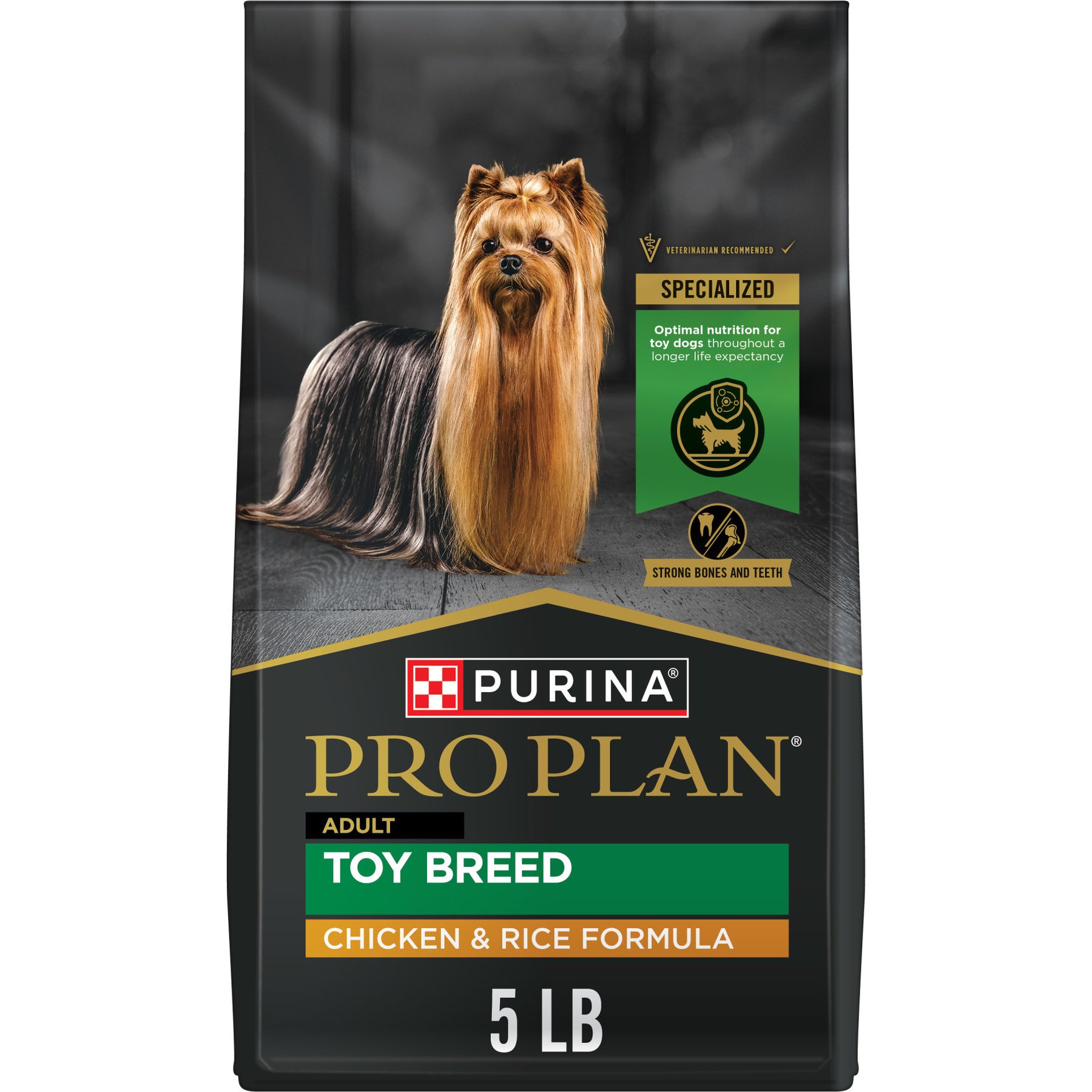
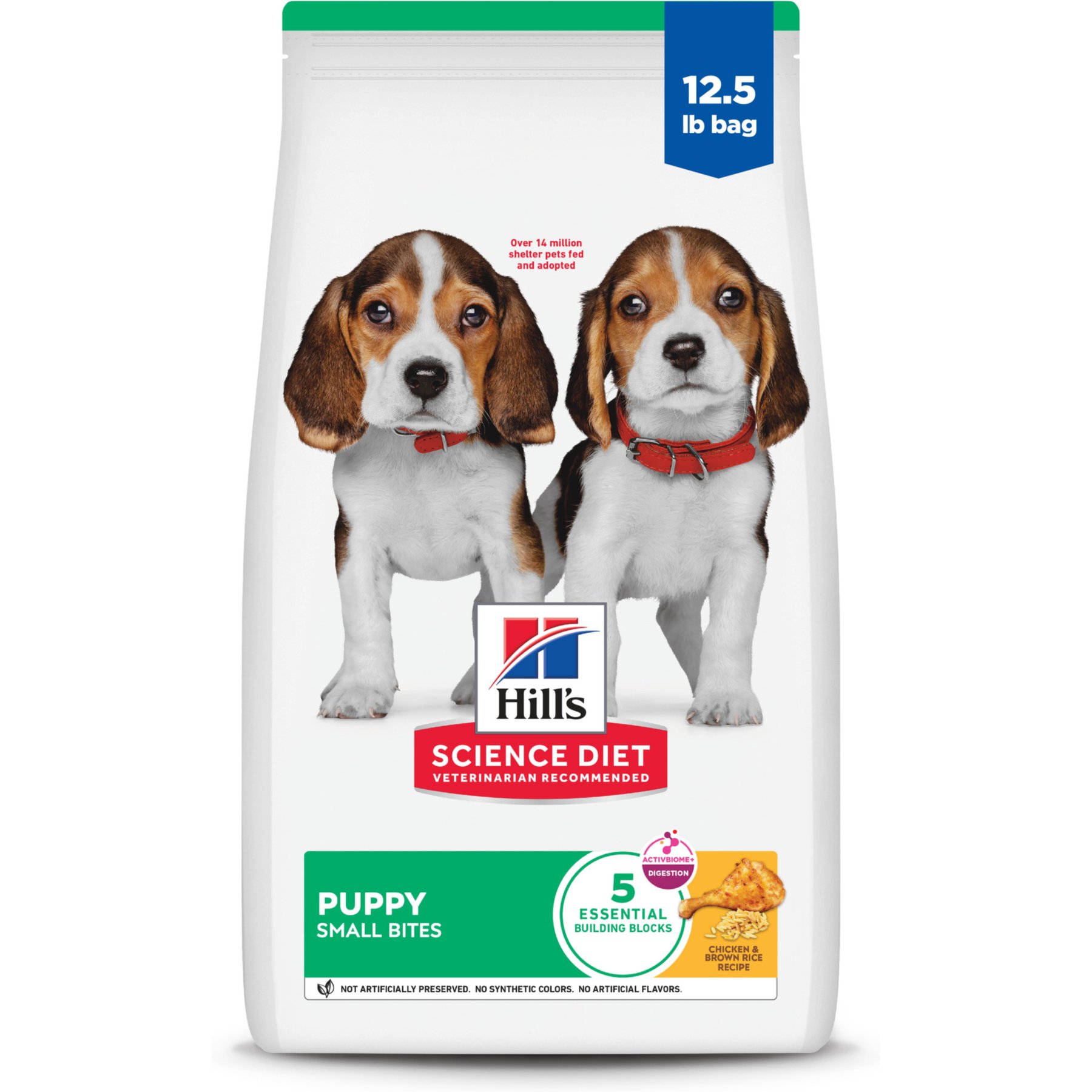

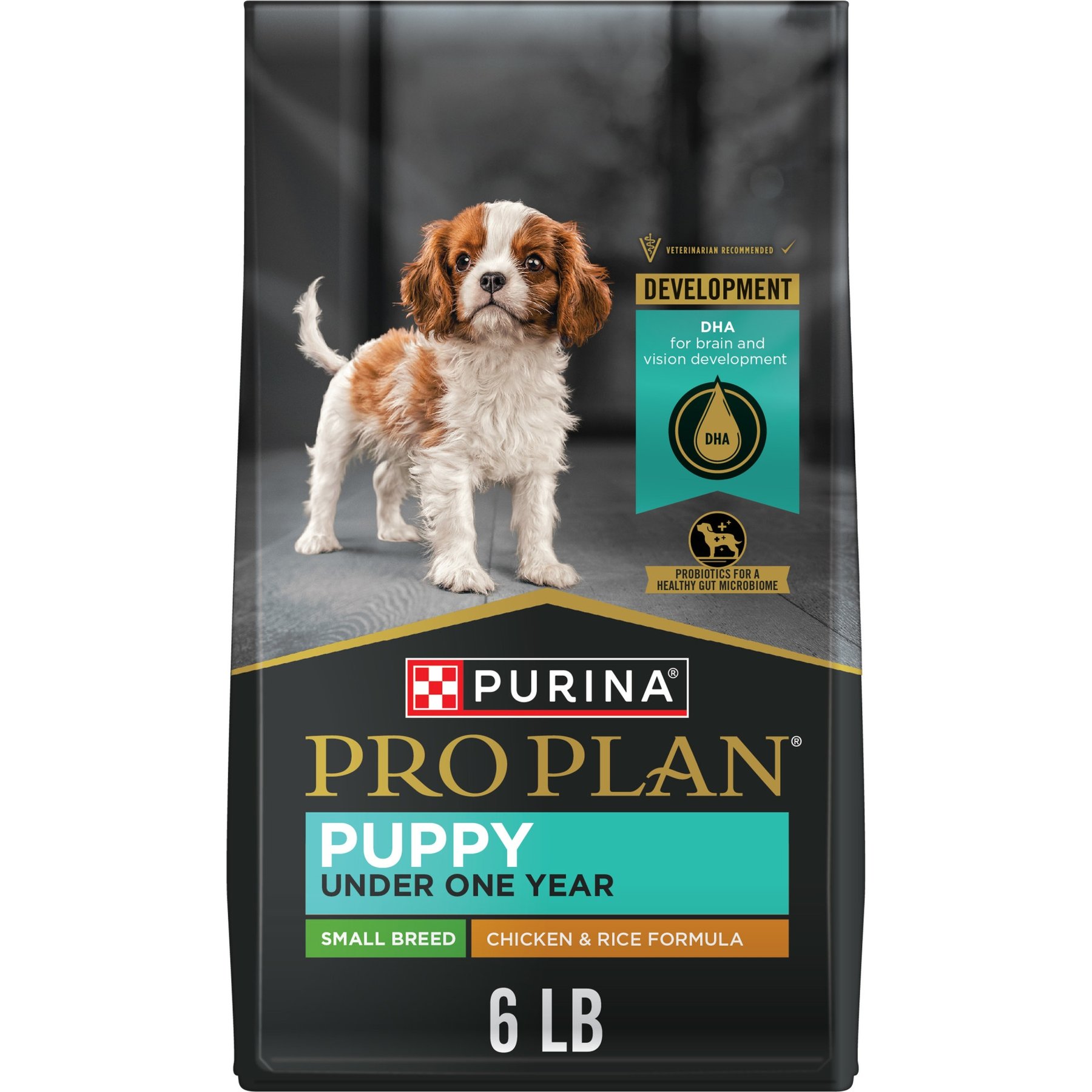


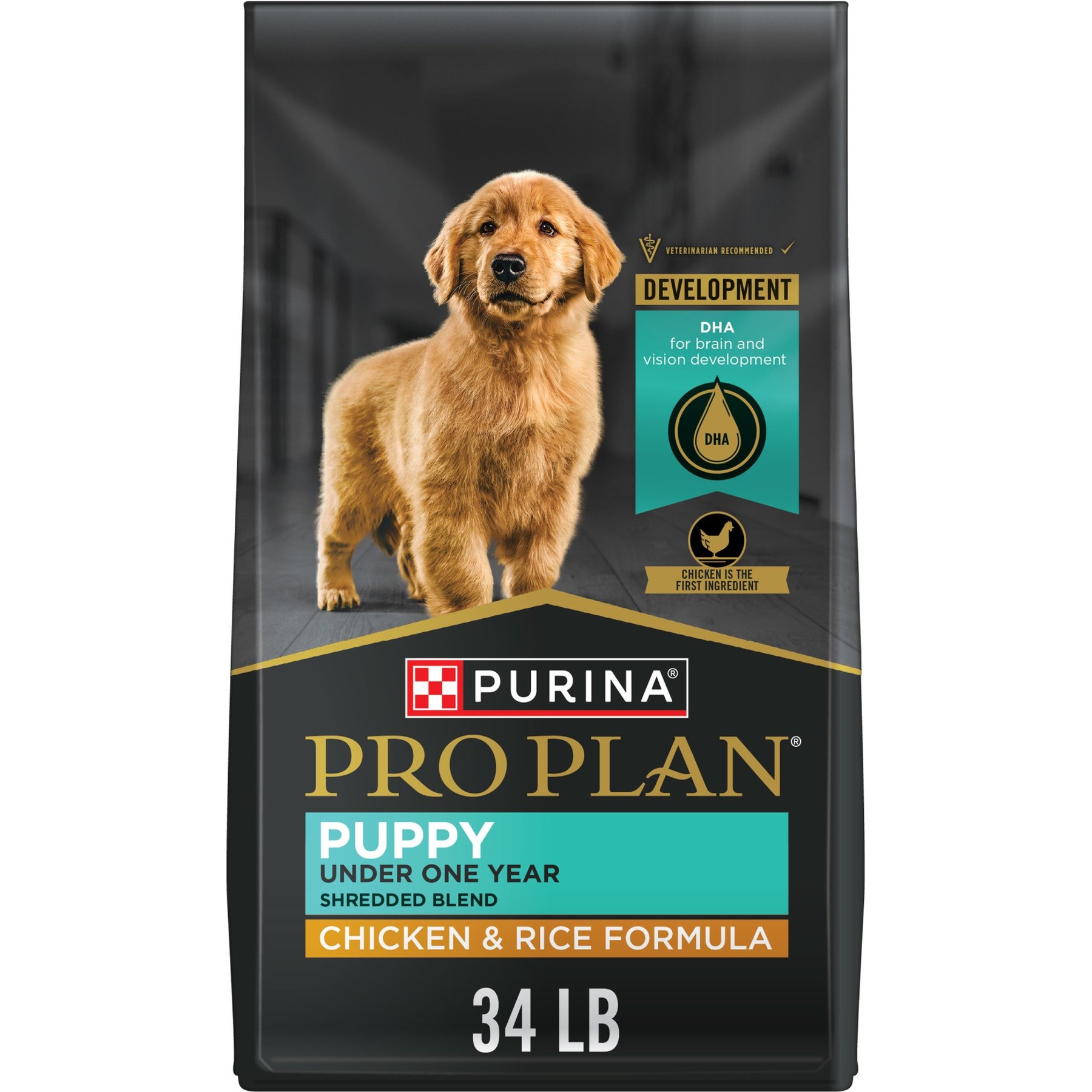
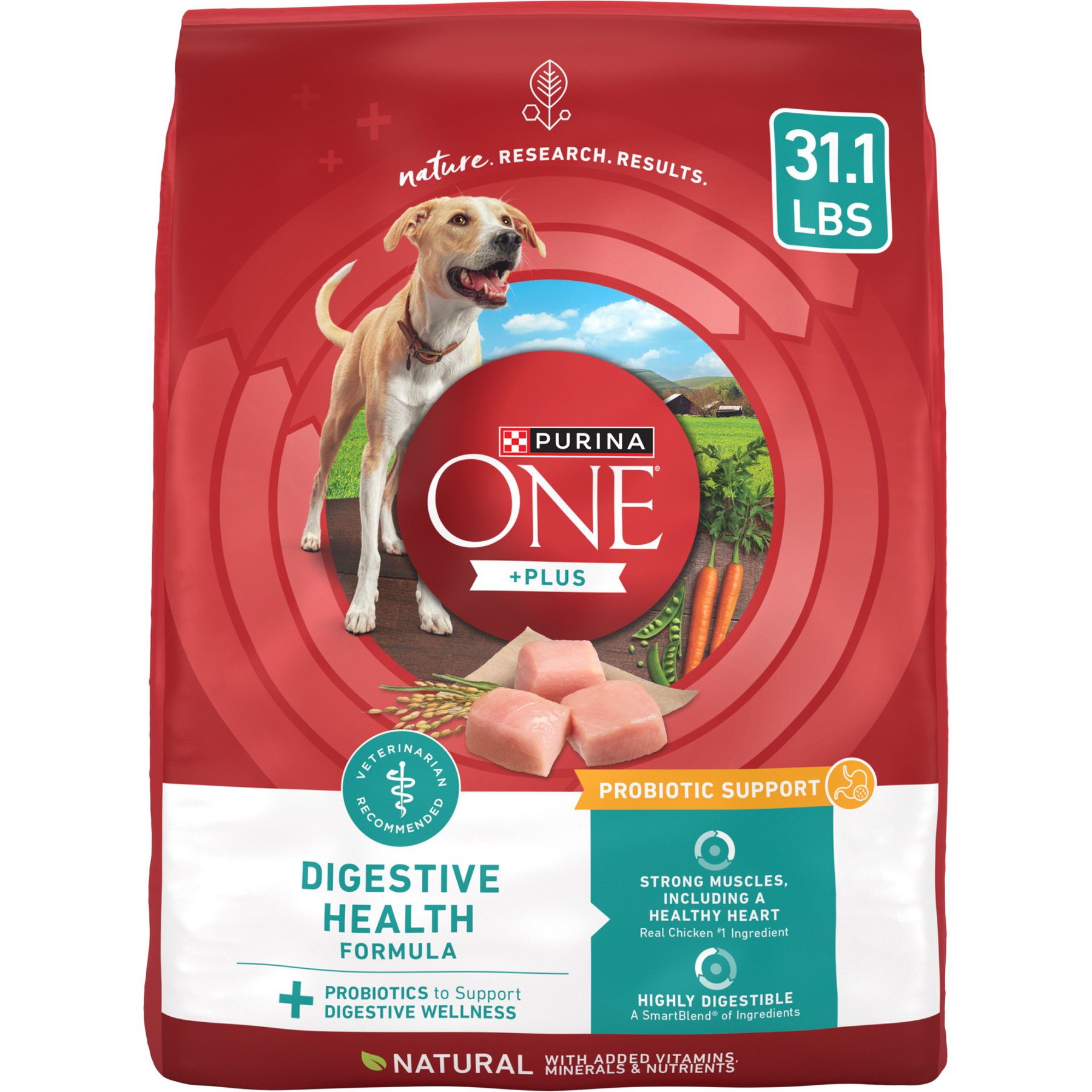
Purina ONE
Purina ONE +Plus Adult Digestive Health Formula Dry Dog Food
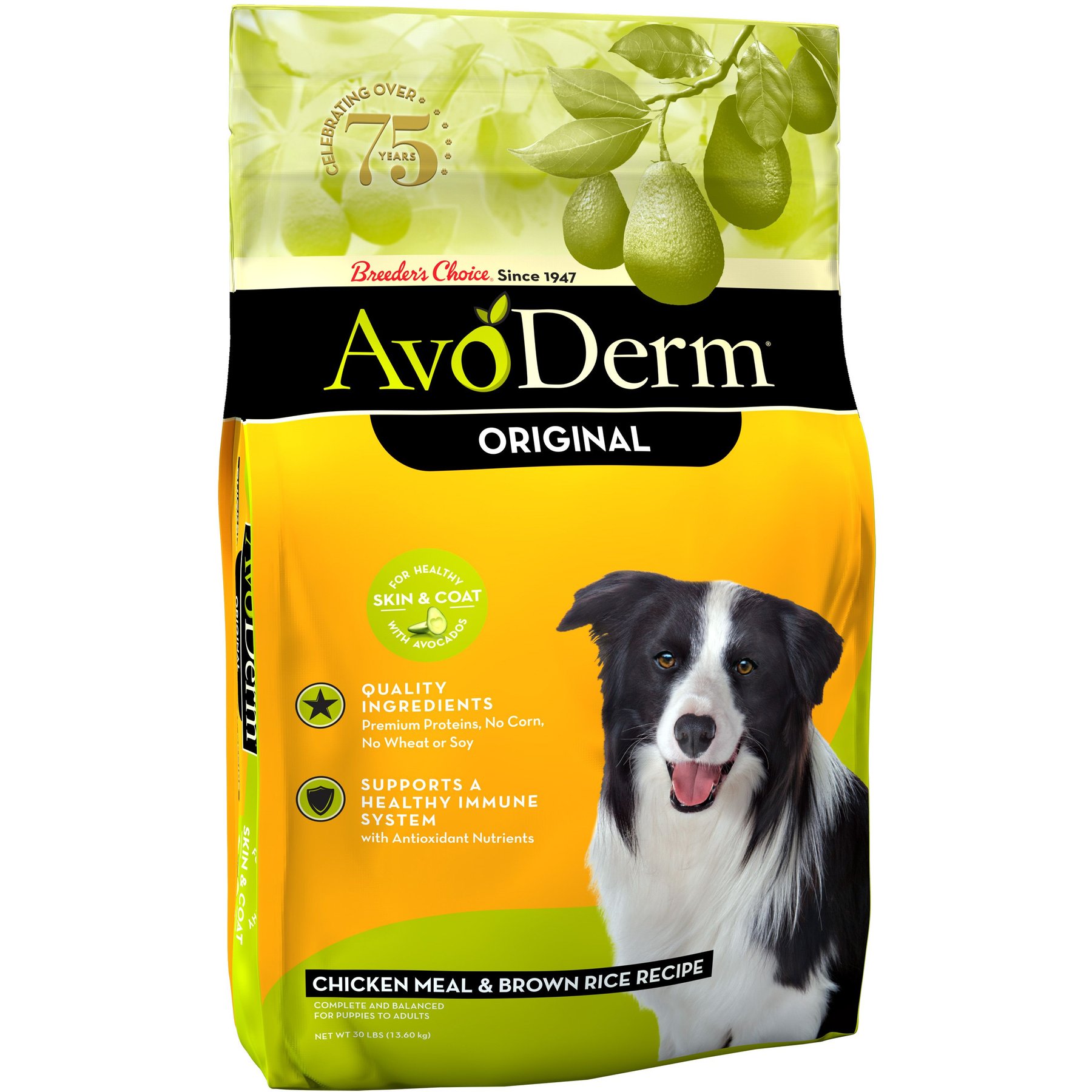
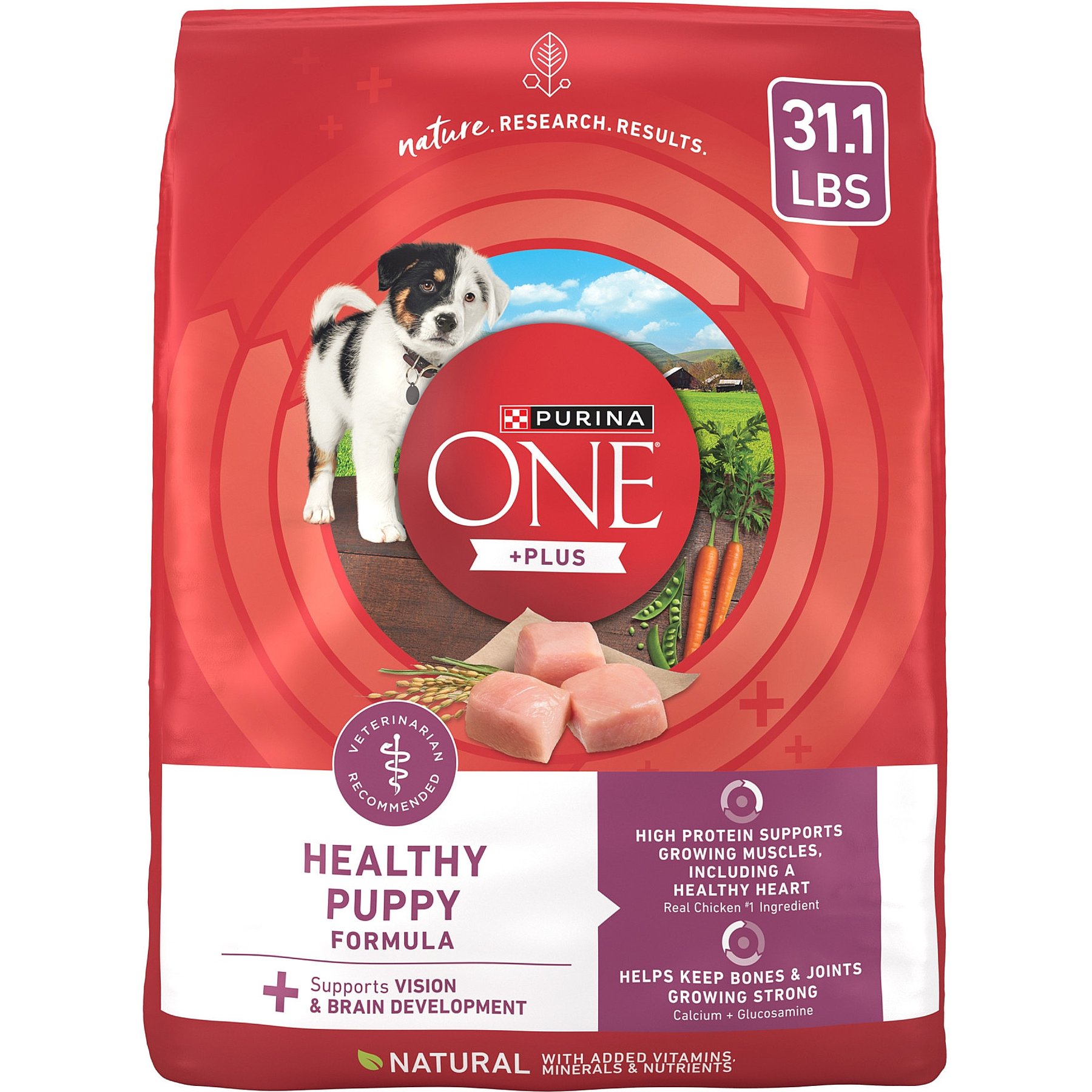
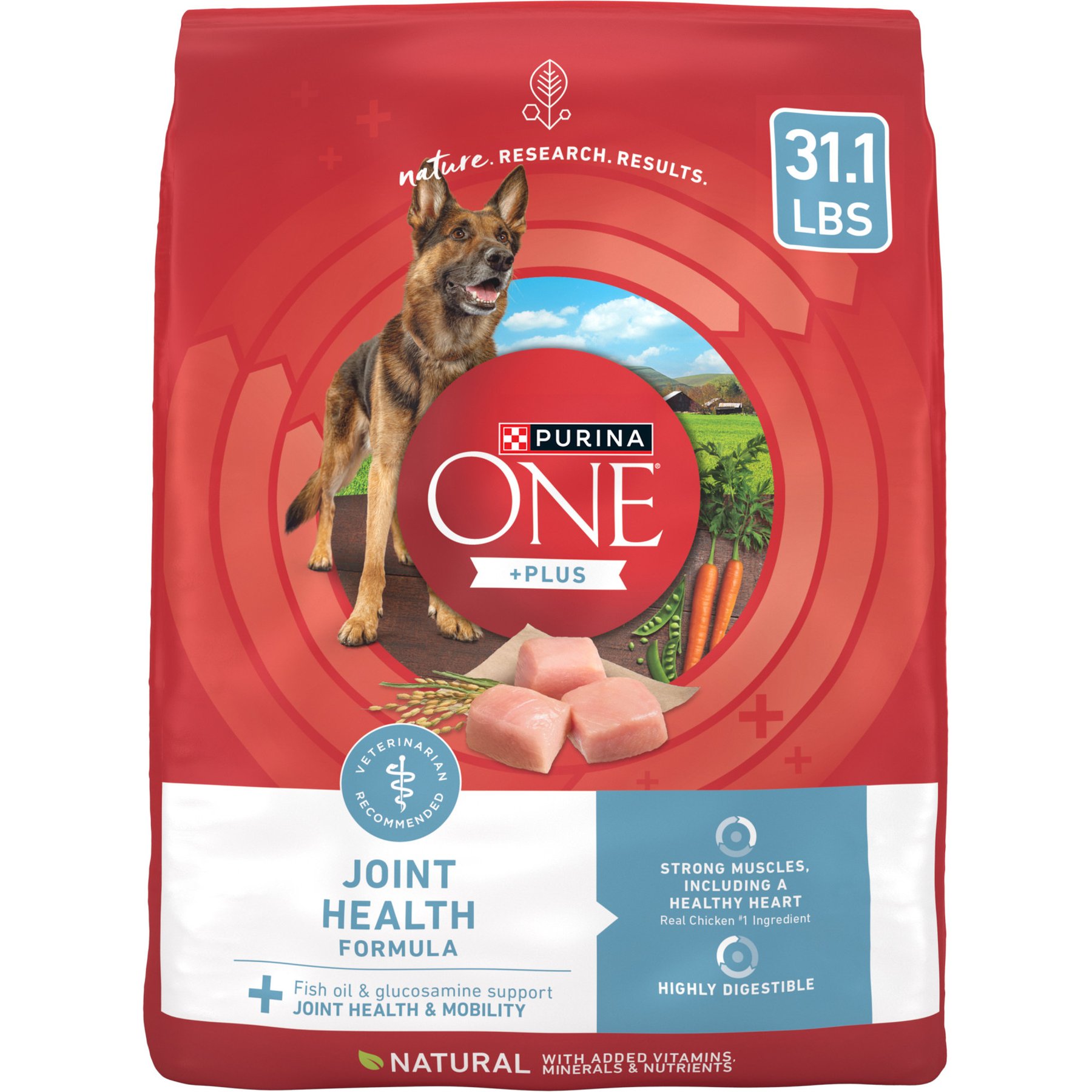
Purina ONE
Purina ONE +Plus Adult Joint Health Formula Dry Dog Food
Frequently Asked Questions
How much protein do dogs really need?
AAFCO minimums are 18% for adult dogs and 22% for puppies, but most quality foods exceed this. Active and working dogs benefit from 25-35% protein, while highly active dogs may do well with 30%+. Most healthy adult pet dogs thrive on 22-28% protein. Senior dogs need adequate protein (25%+) to maintain muscle mass, contrary to outdated advice to restrict protein in older dogs.
Is too much protein bad for dogs?
For healthy dogs, excess protein is not harmful—it's either used for energy or excreted. The myth that high protein causes kidney damage has been debunked. However, dogs with existing kidney disease may need protein restriction under veterinary guidance. Very high protein (40%+) combined with low fat can cause issues in some dogs, as can rapid diet changes.
What's the difference between protein percentage and quality?
Percentage tells you quantity, not quality. A food with 30% plant-based protein isn't equivalent to 30% animal protein—dogs utilize animal proteins more efficiently. Look for named animal protein sources (chicken, beef, salmon) as the first 2-3 ingredients, not 'meat meal' or plant proteins like pea protein ranking higher than meat.
Should I look at dry matter basis protein instead of guaranteed analysis?
Yes, for accurate comparison. Guaranteed analysis shows protein 'as fed' including moisture. Wet foods may show 10% protein but equal 40%+ on dry matter basis. For dry food, multiply protein percentage by 1.1 to estimate dry matter. For wet food, divide protein by (100 - moisture%) then multiply by 100. Our product pages show both calculations.