Best Dog Food for Shiny Coat 2026
A lustrous coat reflects overall health. Foods with optimal fatty acid ratios, quality proteins, and skin-supporting nutrients help your dog develop a beautiful, healthy coat.
Understanding Shiny Coat
A lustrous coat reflects overall health. Foods with optimal fatty acid ratios, quality proteins, and skin-supporting nutrients help your dog develop a beautiful, healthy coat.
Finding the right food can make a significant difference in your dog's comfort and quality of life. We've analyzed foods to help you find the best options for dogs dealing with shiny coat.
What to look for
- • Omega-3 and omega-6 in proper ratio (5:1 to 10:1)
- • Fish or fish oil added
- • Quality animal protein (first ingredient)
- • Biotin for coat health
- • No artificial preservatives
Things to consider
- • Diet is the foundation of coat health
- • Regular grooming distributes natural oils
- • Avoid overbathing
- • Stress affects coat quality
- • Puppies develop adult coat over time
How to Choose Food for Shiny Coat
Step 1: Consult Your Veterinarian
Always work with your vet to understand your dog's specific needs and rule out underlying conditions that may require medical treatment alongside dietary changes.
Step 2: Look for Key Ingredients
Omega-3 and omega-6 in proper ratio (5:1 to 10:1). Fish or fish oil added. Quality animal protein (first ingredient).
Step 3: Transition Gradually
When switching foods, transition over 7-10 days by gradually mixing new food with old. Monitor your dog's response and adjust as needed.
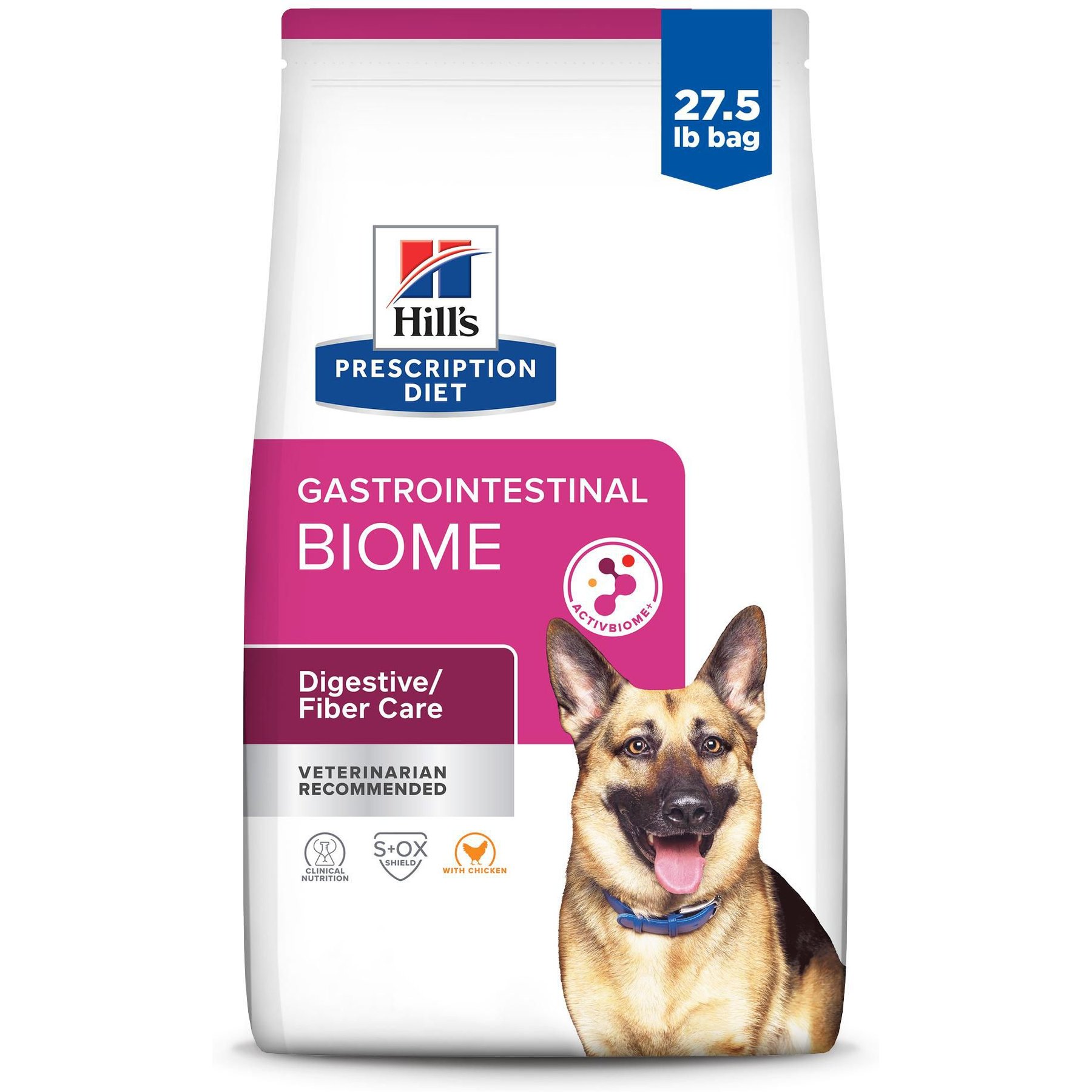
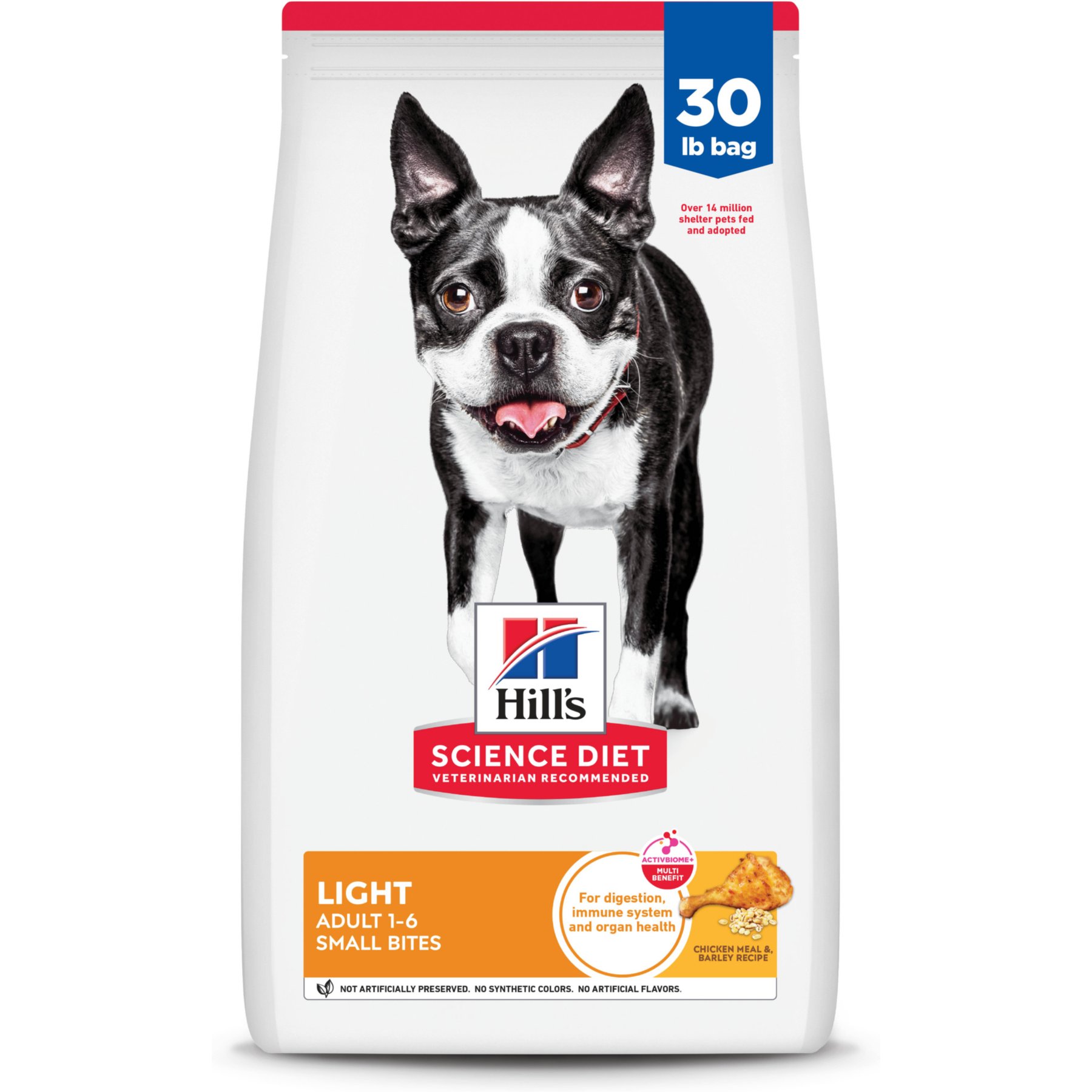
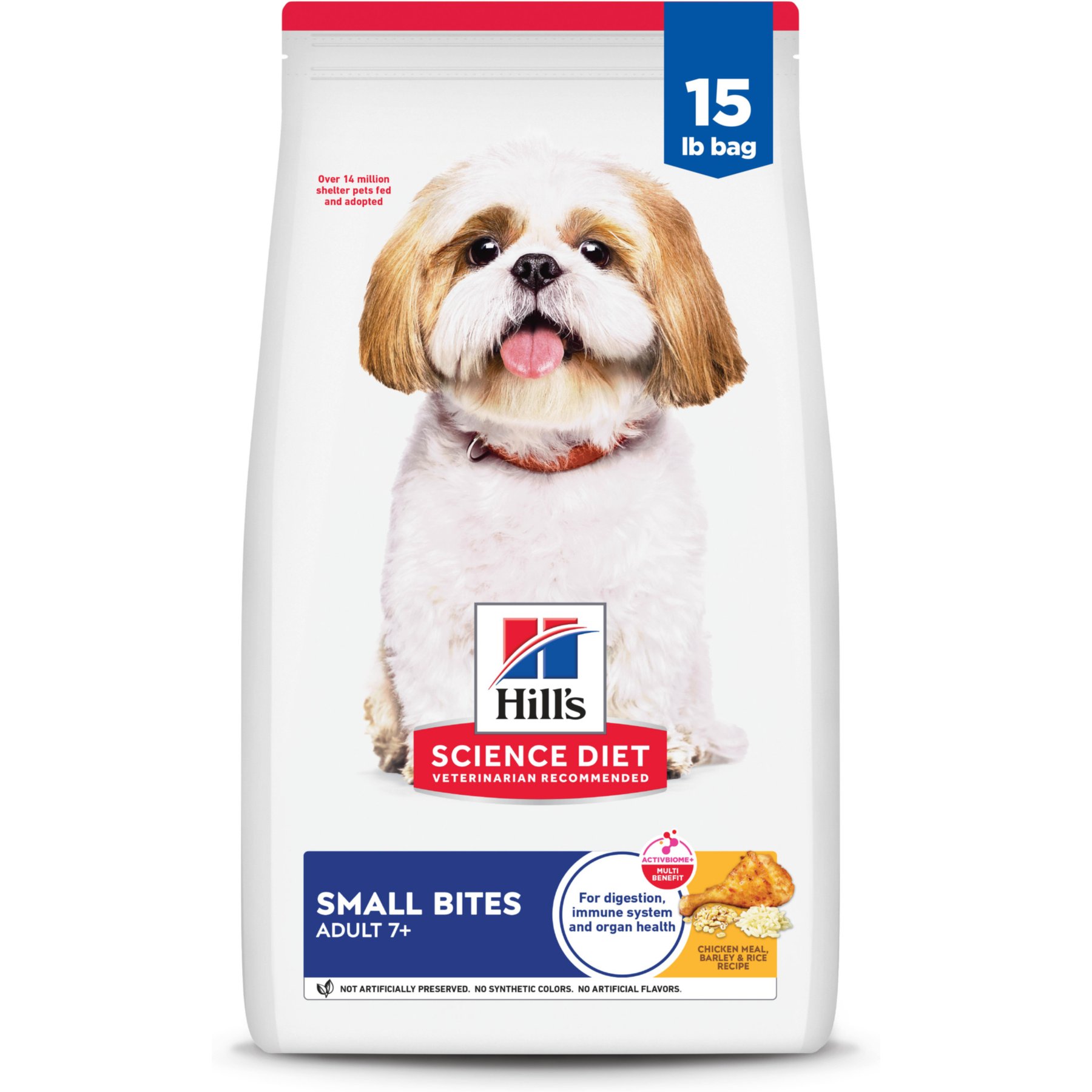
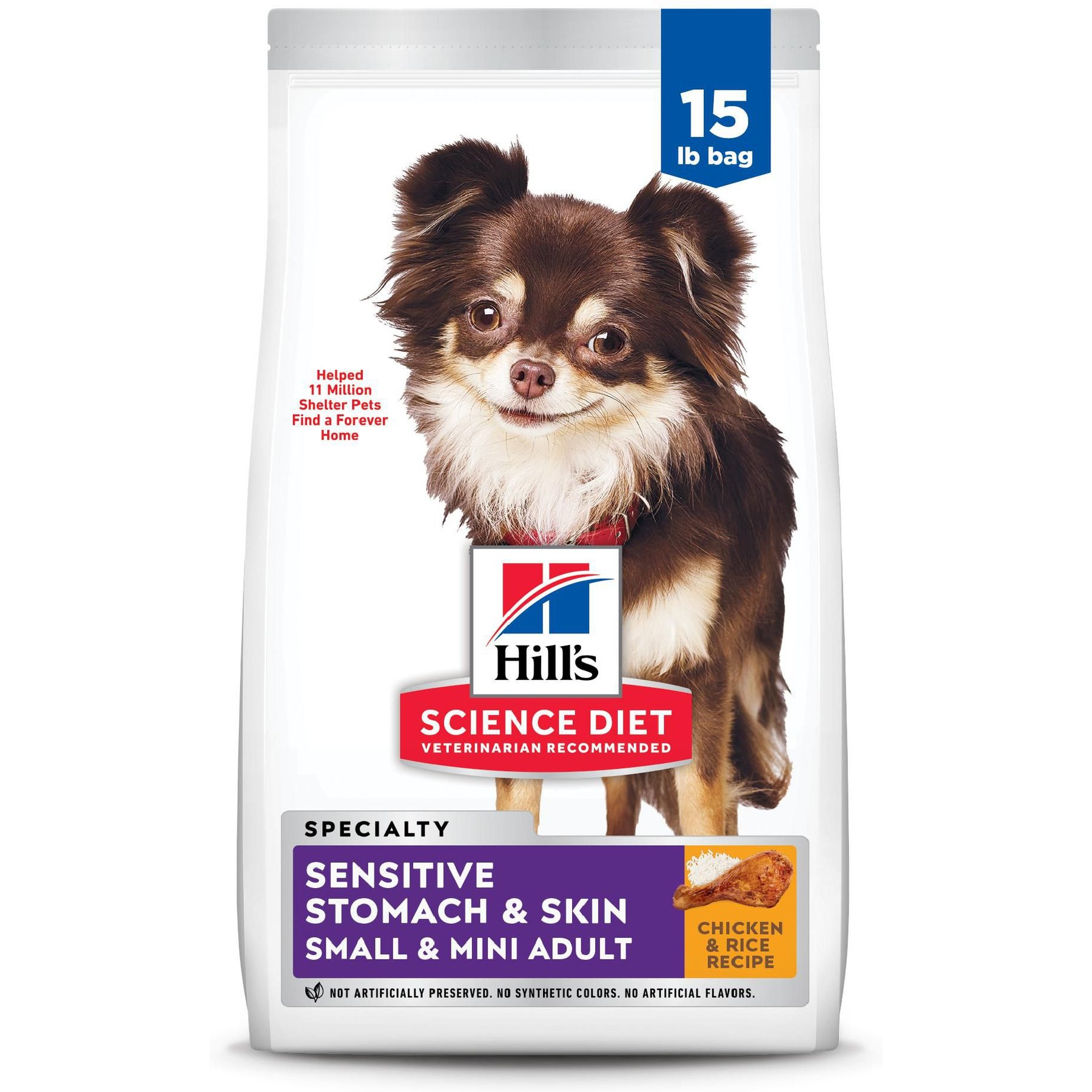
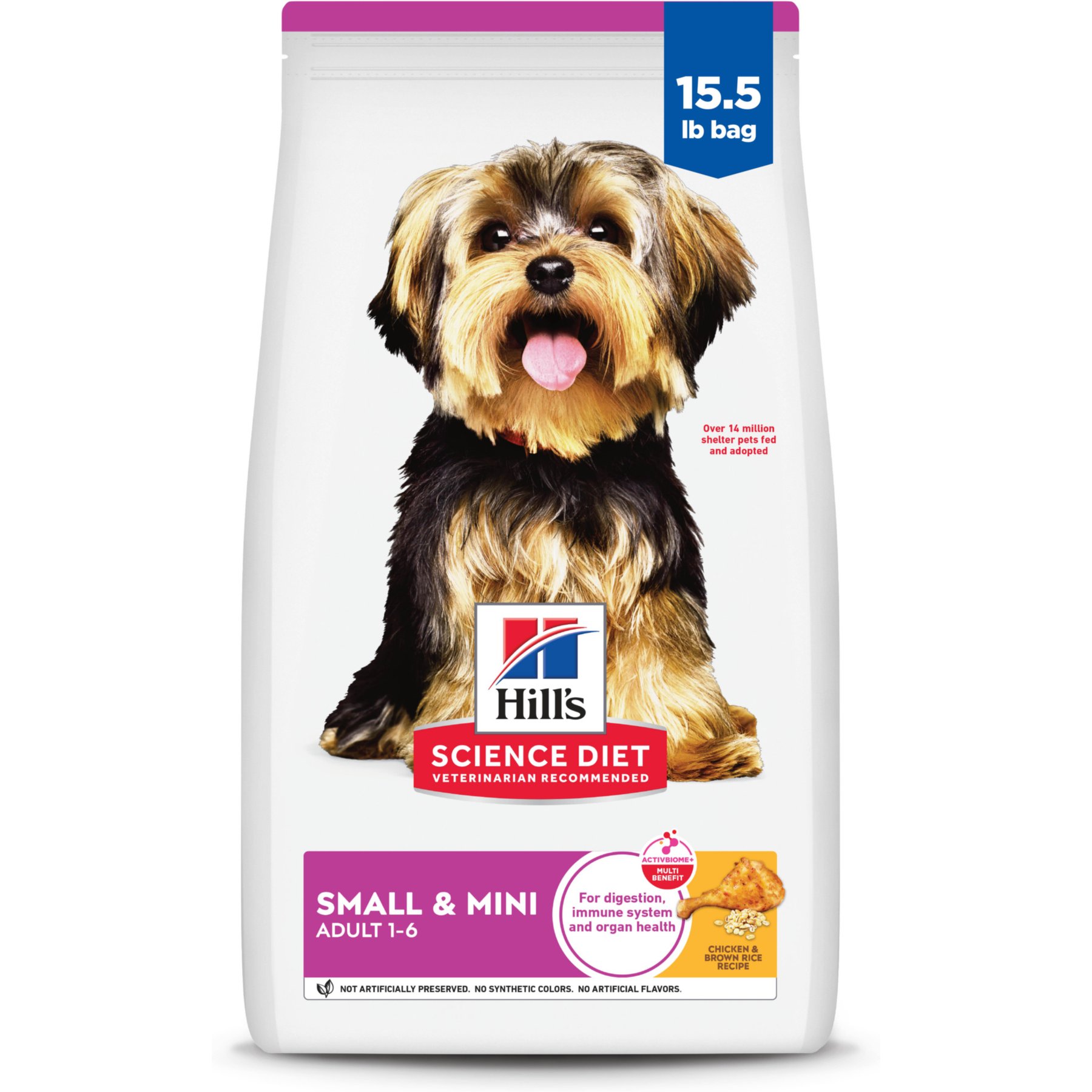
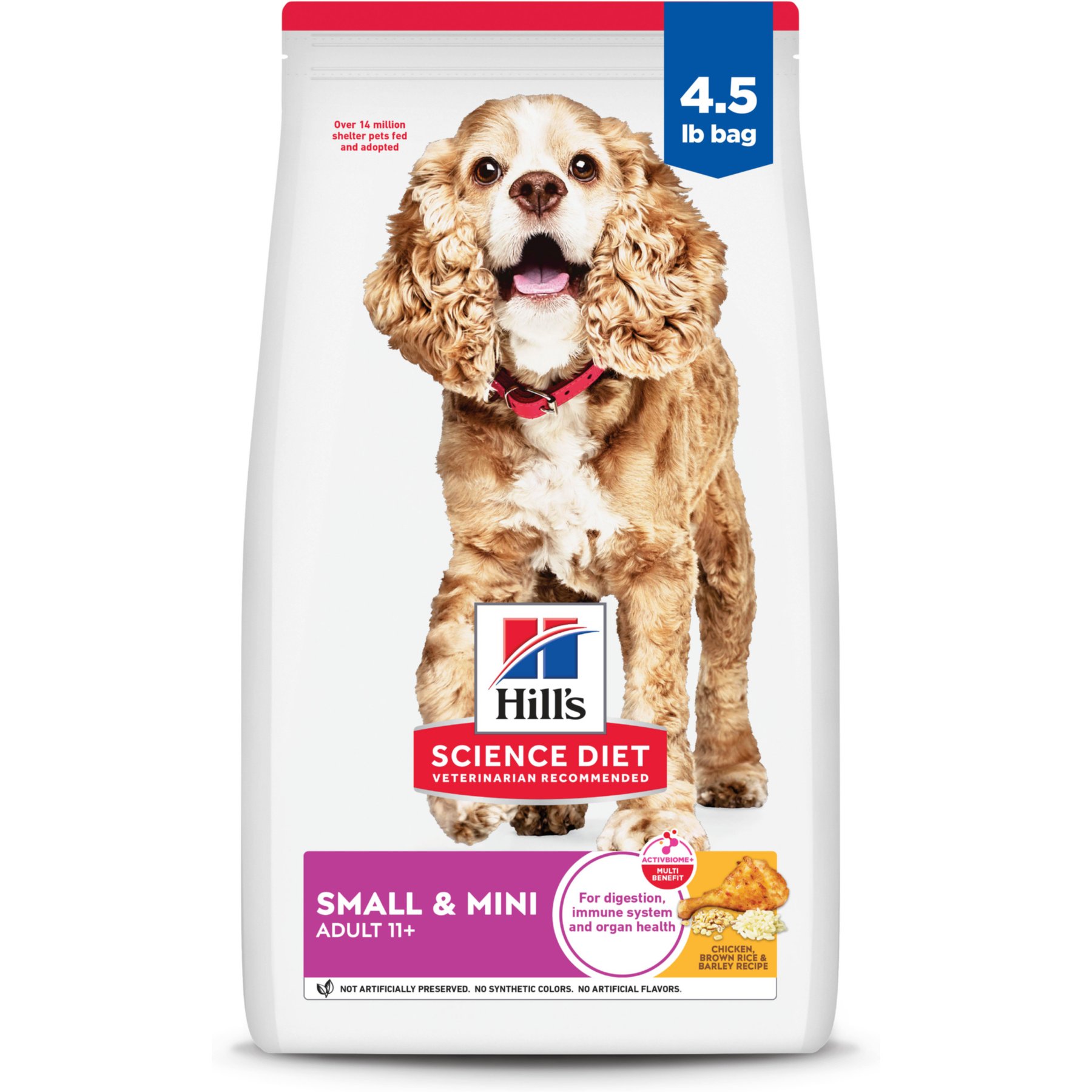
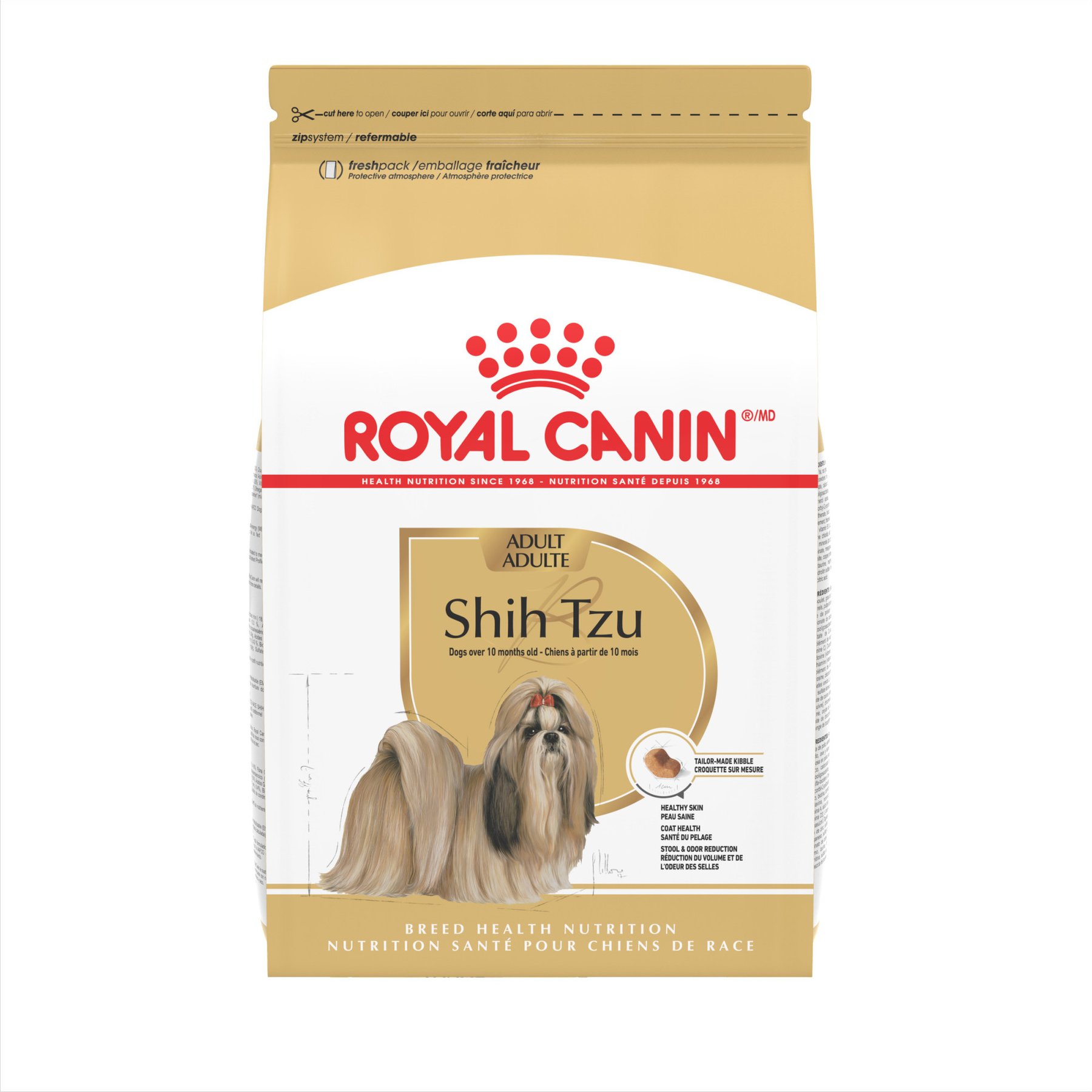
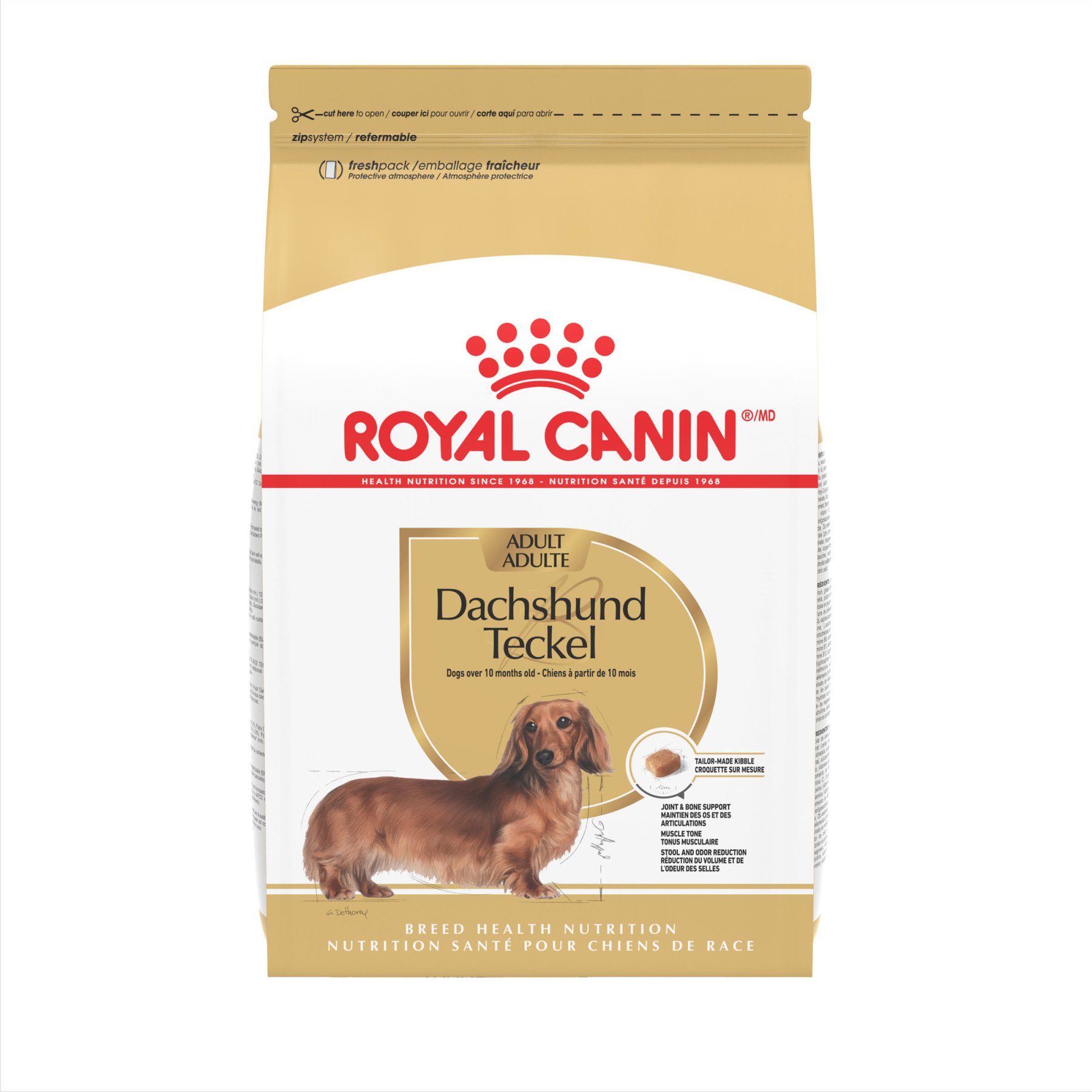
Top-Rated Dog Food for Shiny Coats



Frequently Asked Questions
What makes a dog's coat shiny?
A shiny coat comes from proper nutrition (especially omega fatty acids), good health, and natural skin oils. Quality protein provides the building blocks; fatty acids provide the shine.
How long until diet improves coat?
Coat improvement typically shows in 4-6 weeks, with full results in 2-3 months as new hair grows. Be patient and consistent with nutrition.
Can supplements help coat health?
Fish oil supplements can help if your dog's food is lacking in omega-3s. Look for salmon or fish-based foods as a first step, then supplement if needed.