Best Human-Grade Dog Food 2026
Human-grade dog food is made with ingredients and in facilities that meet human food safety standards—a legally defined term with specific requirements. We've analyzed 121+ true human-grade formulas from brands committed to the highest quality standards.
Understanding Human-Grade Dog Food
"Human-grade" is one of the few legally defined terms in pet food. According to AAFCO, a product can only be labeled human-grade if every single ingredient is edible for humans AND the food is manufactured, packaged, and held according to federal regulations for human food. This means production in USDA-inspected facilities following the same food safety protocols as your own food.
This is distinctly different from standard "feed-grade" pet food. Feed-grade ingredients may come from sources not fit for human consumption—including meat from animals that died of natural causes, expired grocery store meat, or ingredients with higher levels of contaminants than allowed in human food. While feed-grade food can still be nutritious and safe, human-grade represents a higher standard of ingredient quality and facility cleanliness.
Be wary of marketing terms like "human-quality," "restaurant-quality," or "human-worthy"—these have no legal definition. Only "human-grade" has regulatory meaning. Brands making this claim must be able to prove compliance if challenged. If a brand doesn't explicitly state "human-grade," assume the product is feed-grade, regardless of other premium-sounding language.
What "human-grade" means
- • Made in USDA-inspected human food facilities
- • All ingredients are "edible" by AAFCO definition
- • Same safety standards as human food
- • Different from "human-quality" marketing
- • Legally defined term with specific requirements
- • Verifiable if challenged by regulators
Things to consider
- • Higher price point (2-5x premium kibble)
- • Look for AAFCO "complete and balanced" statement
- • "Human-quality" is marketing, not a legal term
- • Fresh varieties may require refrigeration
- • Calculate cost per day, not per bag
- • Doesn't guarantee organic or non-GMO
How to Choose Human-Grade Dog Food
Step 1: Verify the Claim
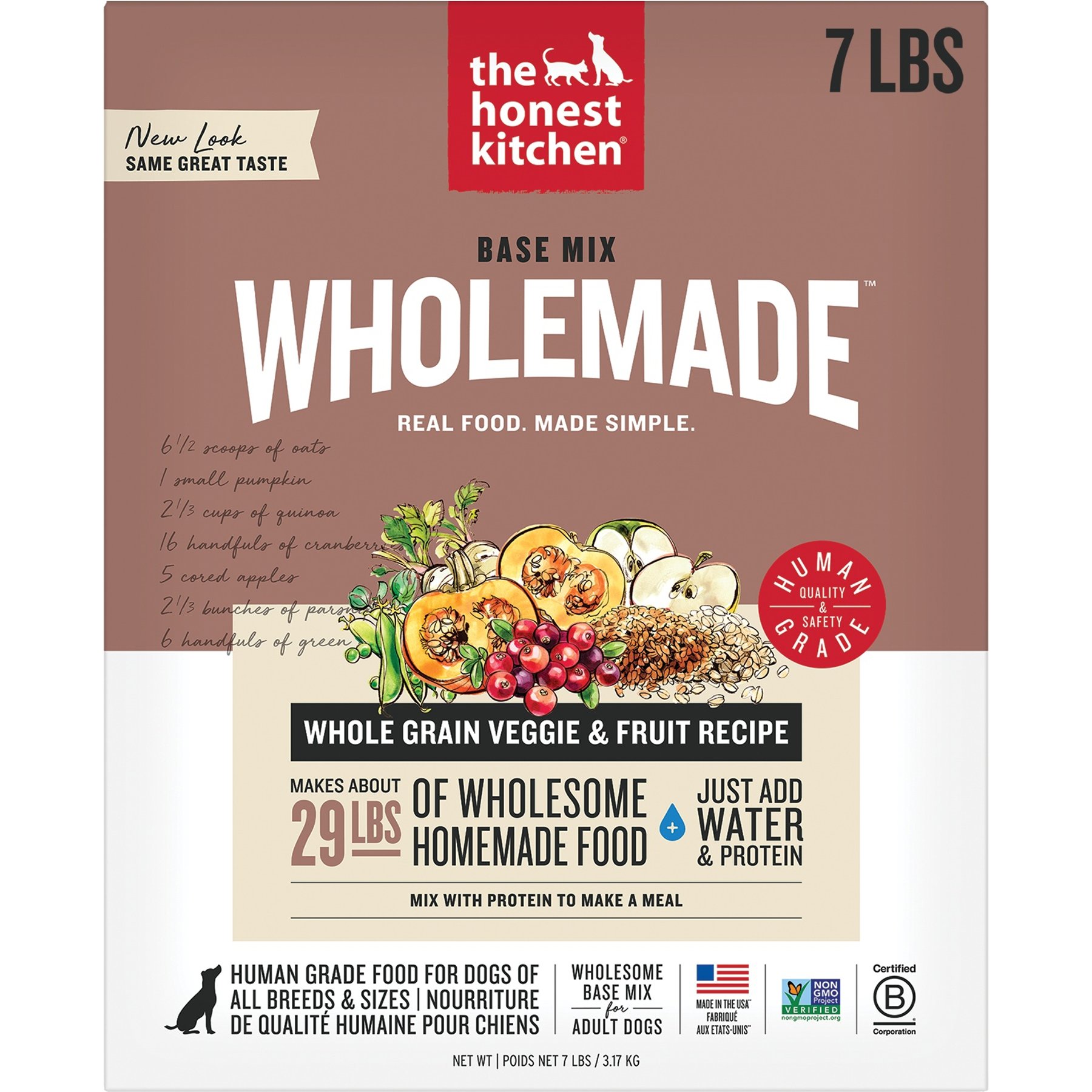
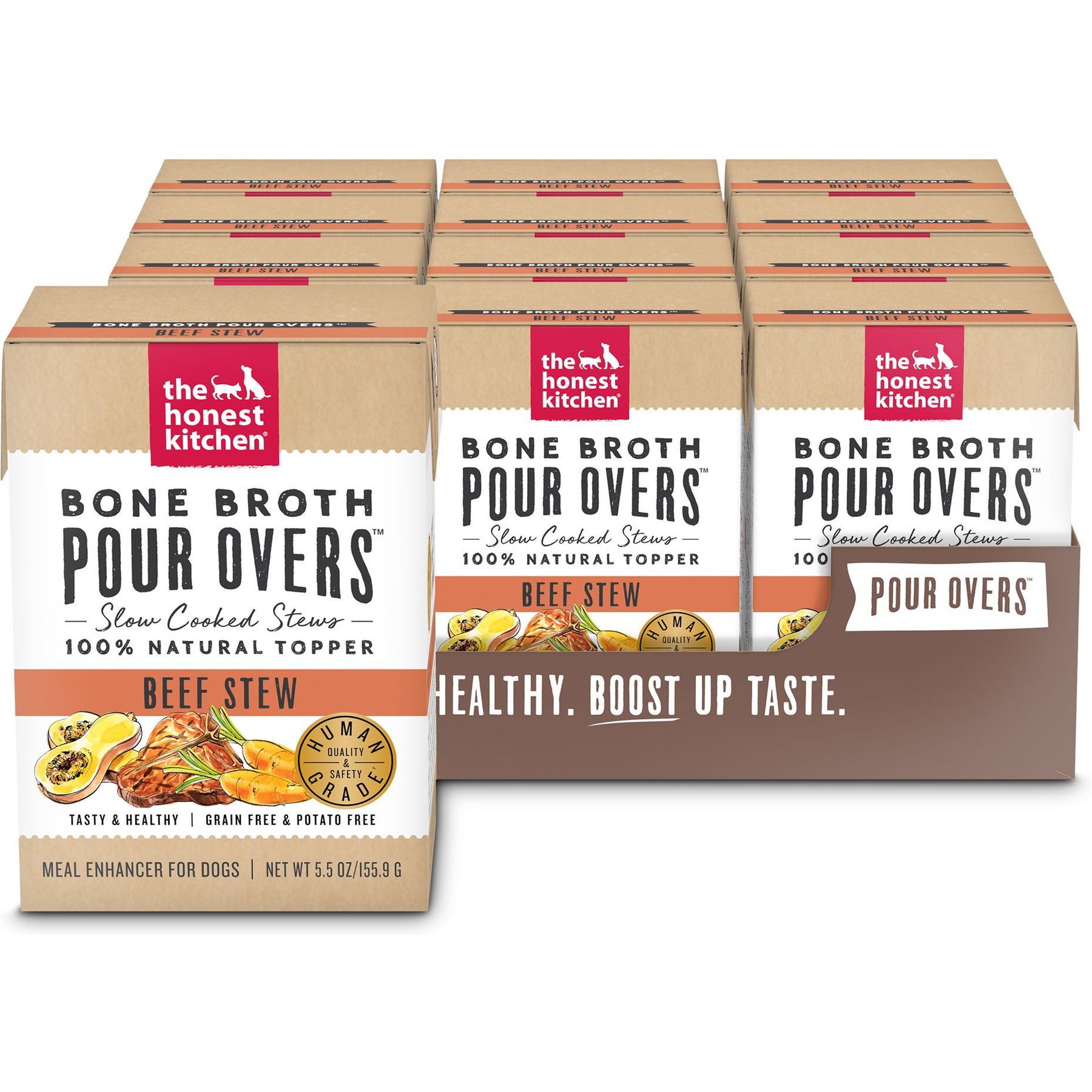
Look for explicit "human-grade" labeling, not similar terms. Check the company website for details about their manufacturing facilities. True human-grade brands are typically proud to explain their certification. Brands like The Honest Kitchen were pioneers in establishing this standard.
Step 2: Check Storage Requirements
Fresh or gently cooked human-grade foods often require refrigeration or freezing. Dehydrated and freeze-dried options (like The Honest Kitchen) are shelf-stable. Consider your lifestyle—fresh food requires more planning but may be convenient with delivery subscriptions.
Step 3: Calculate True Cost
Human-grade food is an investment. Fresh foods cost $3-12+ per day depending on dog size. Dehydrated options may be more economical. Decide if you'll feed human-grade exclusively or as part of a rotation. Many owners use human-grade as a topper or for special occasions.
Top-Rated Human-Grade Dog Foods



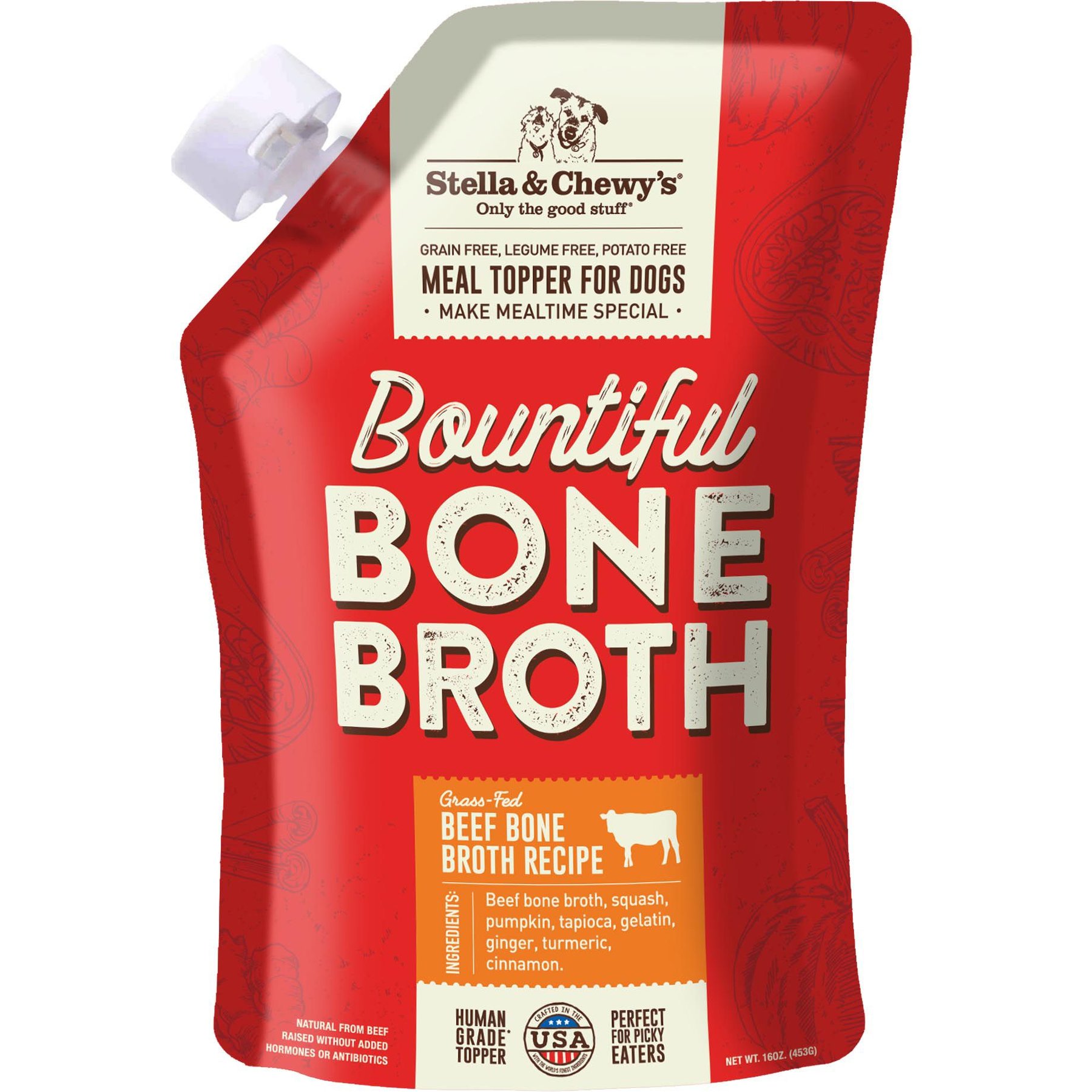
Frequently Asked Questions
What's the difference between 'human-grade' and 'human-quality'?
'Human-grade' is a legally defined term by AAFCO: every ingredient must be edible for humans and the food must be manufactured in a USDA-inspected human food facility following human food safety regulations. 'Human-quality' is marketing language with no legal definition—any brand can use it. Always look for 'human-grade' specifically, not similar-sounding terms.
Is human-grade dog food worth the higher cost?
Human-grade foods cost 2-5x more than premium kibble. Whether it's 'worth it' depends on your priorities. Benefits include higher quality proteins, stricter safety standards, and often fresher ingredients. However, AAFCO-compliant 'feed-grade' foods still meet nutritional requirements. No studies prove human-grade is healthier—it's a quality/transparency preference, not a necessity.
Does human-grade mean organic or natural?
No—'human-grade' refers only to safety standards and facility requirements, not to ingredient sourcing. Human-grade food can contain non-organic ingredients, artificial vitamins, or conventional produce. It simply means ingredients are legally edible for humans. Look separately for organic, non-GMO, or natural certifications if those matter to you.
Why do human-grade foods often need refrigeration?
Many human-grade brands use fresh or gently cooked recipes without heavy processing or preservatives—the same factors that require refrigeration in human food. Shelf-stable human-grade options exist (like The Honest Kitchen's dehydrated foods), but fresh/cooked varieties typically need cold storage. Check storage requirements before purchasing, especially for delivery.