Yorkshire Terriers—affectionately known as Yorkies—are tiny dogs with huge personalities. Despite their petite size (typically just 4-7 pounds), these feisty terriers have specific nutritional needs that support their fast metabolism, silky coat, and overall health.
Nutritional Needs of Yorkshire Terriers
Yorkies are a toy breed with unique nutritional requirements driven by their tiny size and high metabolism. Pound for pound, they need more calories than larger breeds.
Key Nutritional Requirements
- High-quality protein (26-30%): Supports lean muscle despite their small size
- Higher calorie density: Small dogs have faster metabolisms
- Omega fatty acids: Essential for their long, silky coat
- Small kibble size: Their tiny mouths need appropriately sized food
- Easily digestible ingredients: Yorkies can have sensitive stomachs
- Consistent blood sugar support: Toy breeds are prone to hypoglycemia
Common Health Concerns That Affect Diet
Yorkshire Terriers face several health challenges that nutrition can help address:
- Hypoglycemia: Low blood sugar is common, especially in puppies and small adults
- Dental problems: Their tiny mouths crowd teeth; dental-friendly food helps
- Tracheal collapse: Maintaining ideal weight reduces pressure on airways
- Luxating patella: Joint support nutrients help
- Sensitive digestion: Many Yorkies have delicate stomachs
- Coat health: Their distinctive silky coat requires nutritional support
What to Look for in Yorkie Food
Must-Have Features
- Toy breed or extra small breed formula
- Very small kibble size
- High-quality animal protein as the first ingredient
- Calorie-dense for high metabolism
- Omega-3 and omega-6 fatty acids for coat
- Easily digestible ingredients
Beneficial Ingredients
- Chicken, fish, or lamb (quality proteins)
- Fish oil or flaxseed (omega fatty acids)
- Sweet potato (digestible carbs)
- Biotin (coat health)
- Probiotics (digestive support)
Top Recommended Products
Based on our database analysis, these products are excellent choices for Yorkshire Terriers:
Breed-Specific Option
Royal Canin Breed Health Nutrition Yorkshire Terrier Adult
- Rating: 4.77/5
- Specifically designed for Yorkies
- Exclusive kibble shape for Yorkie jaw
- Omega-3 and omega-6 fatty acids for coat
- Supports digestive health with quality proteins
Premium Toy/Small Breed Options
Purina Pro Plan Adult Toy Breed
- Rating: 4.78/5 from 794 reviews
- High-protein formula with real chicken
- Minerals for strong bones and teeth
- Guaranteed live probiotics
- Extra small kibble size
- Made in the USA
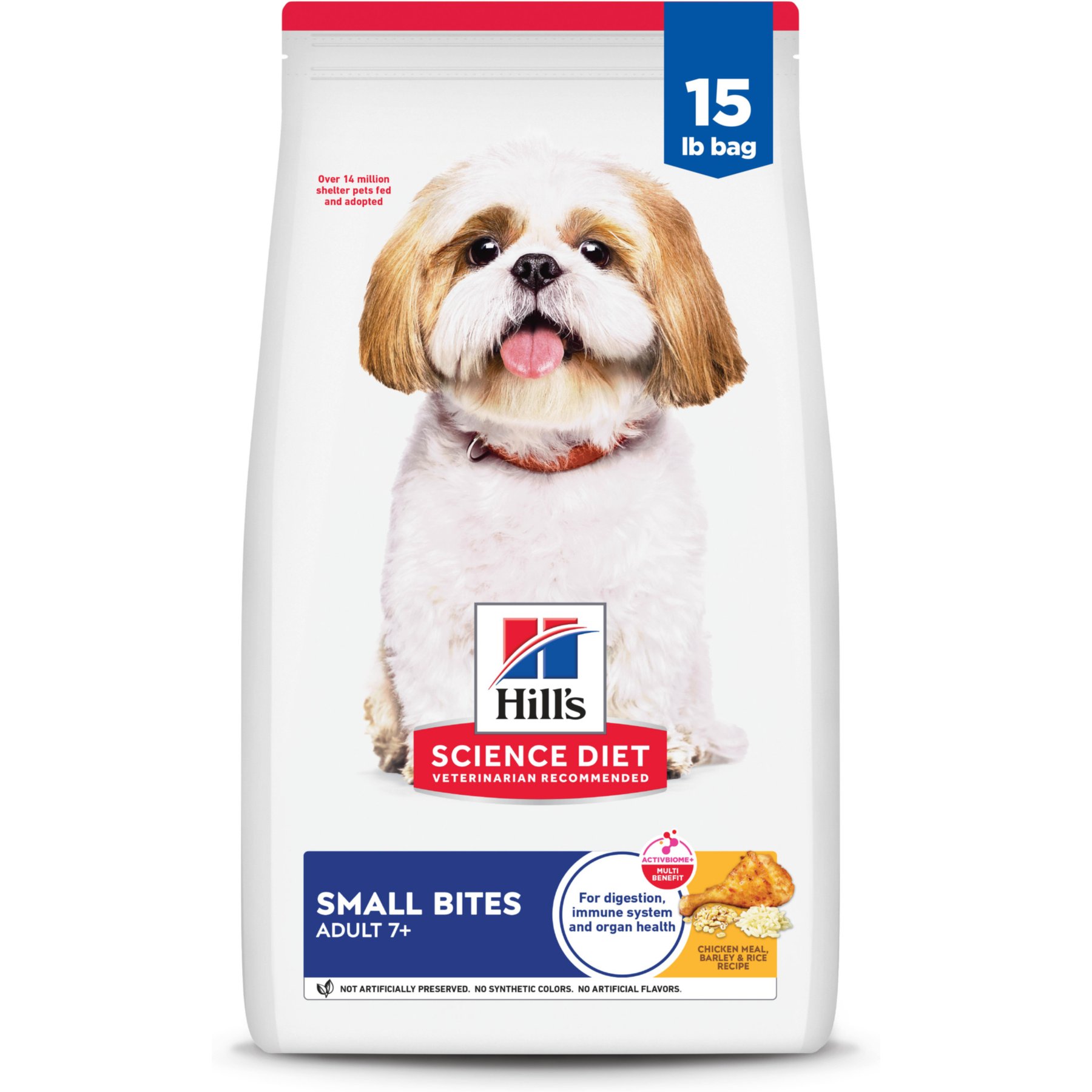
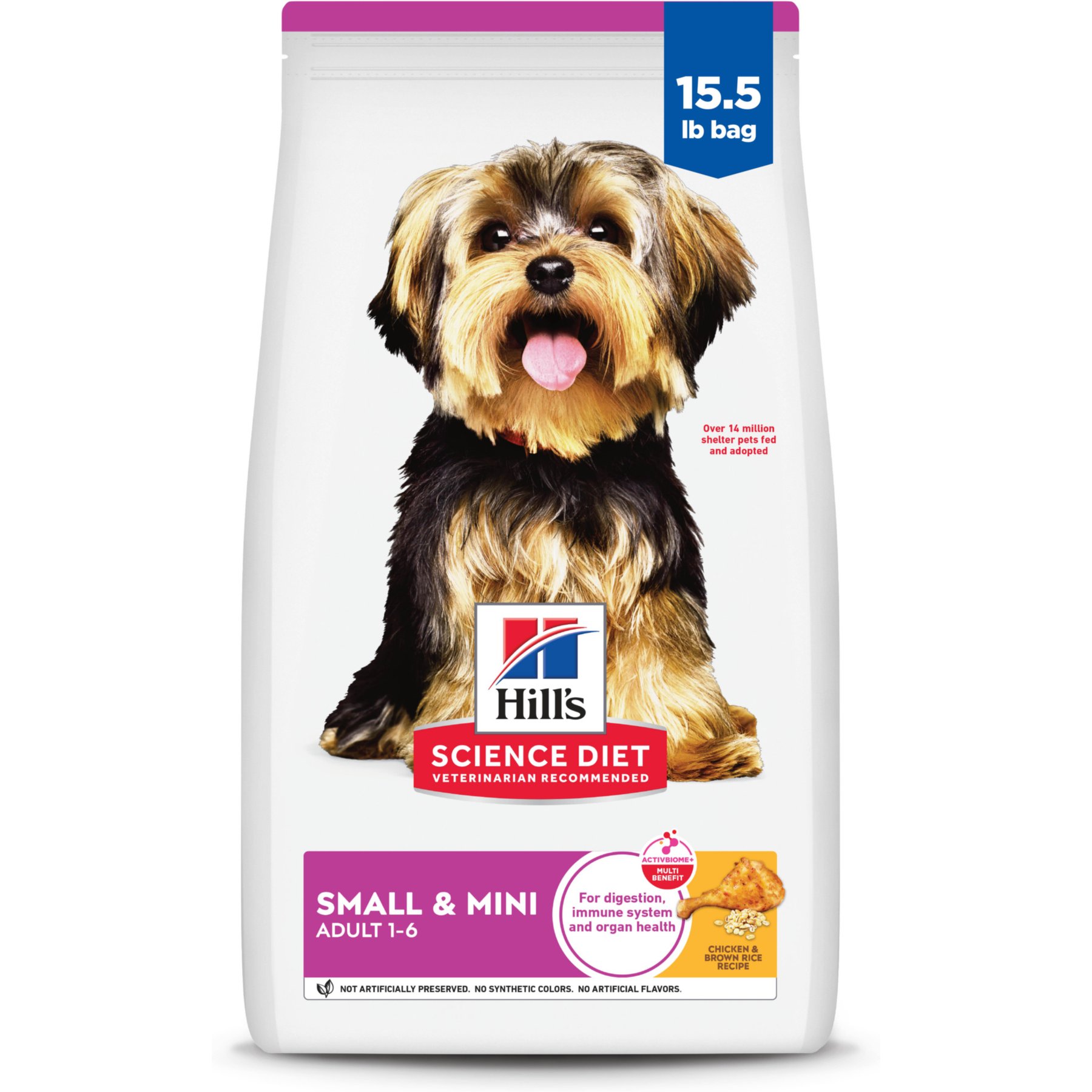
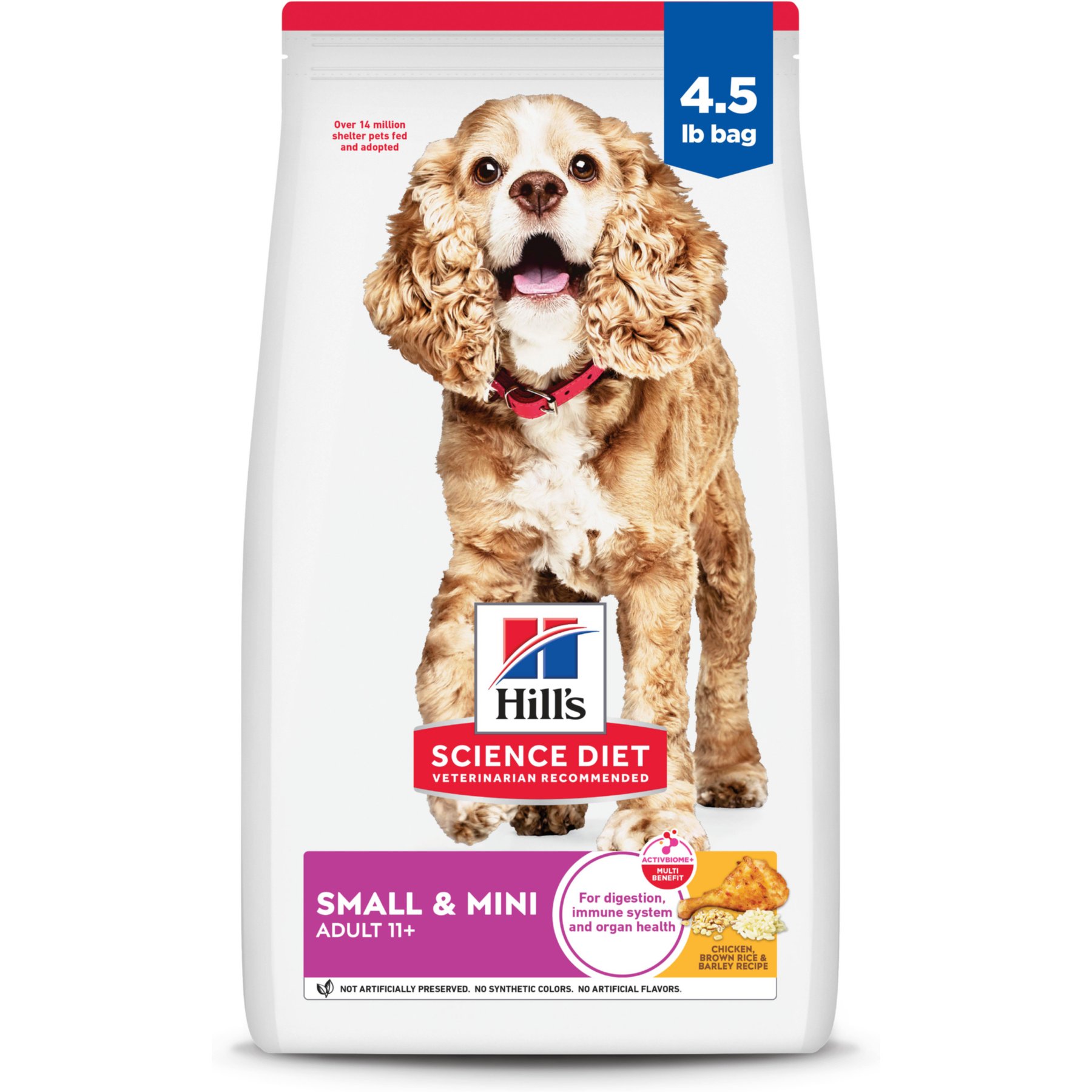
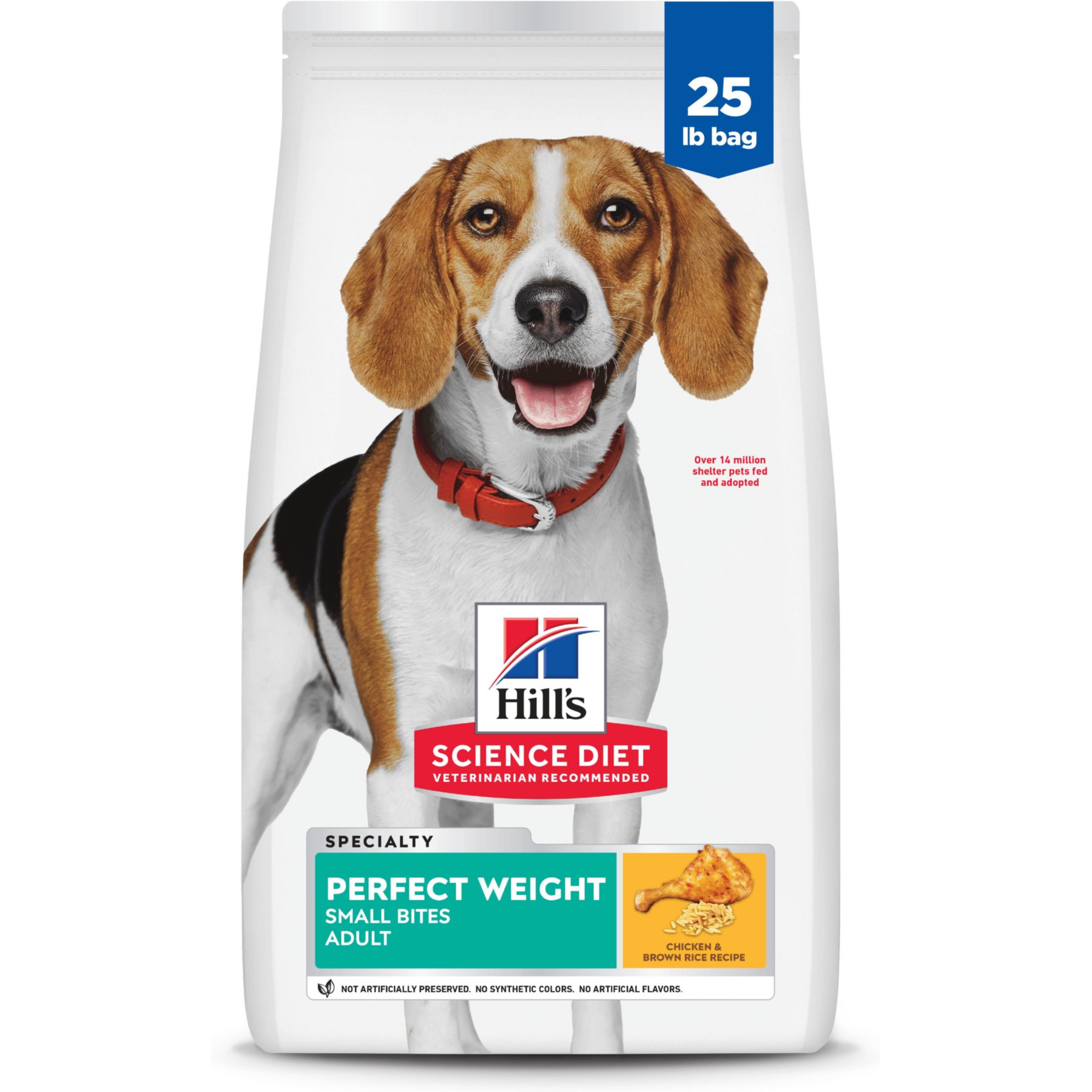
Hill's Science Diet Adult Small & Mini Breed
- Rating: 4.77/5 from over 3,000 reviews
- Easy-to-digest ingredients
- Omega-6 fatty acids for skin and coat
- Small kibble for tiny mouths
- Made with real chicken
Royal Canin X-Small Adult
- For dogs under 9 lbs
- Extra small kibble size
- Supports digestive health
- EPA and DHA for skin and coat
For Sensitive Stomachs
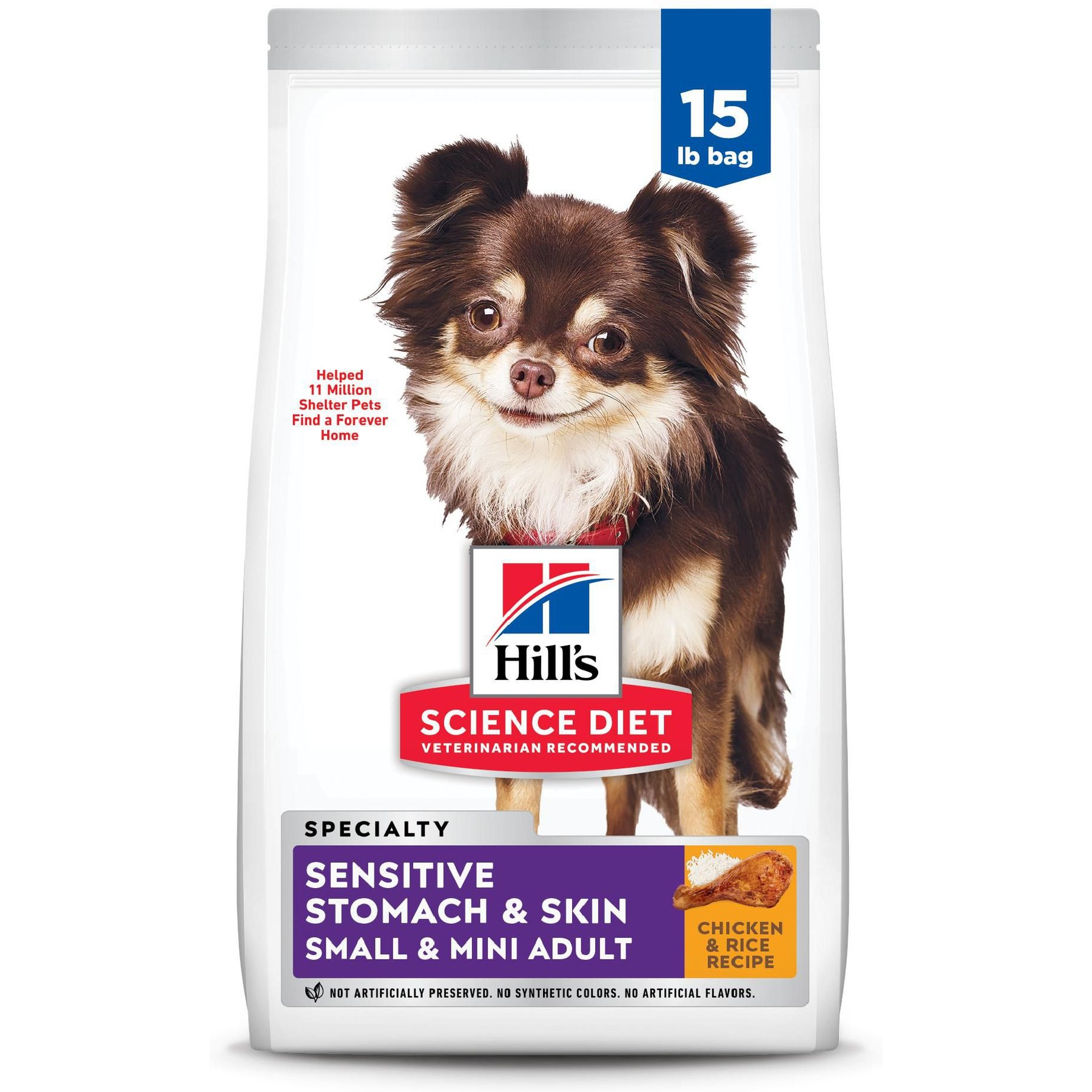
Hill's Science Diet Sensitive Stomach & Skin Small Breed
- Prebiotic fiber for digestive health
- Omega fatty acids for skin
- Easy to digest
- Small kibble size
Feeding Guidelines
| Weight | Daily Amount | Meals Per Day |
|---|---|---|
| 4-5 lbs | 0.25 - 0.33 cup | 2-3 |
| 5-6 lbs | 0.33 - 0.40 cup | 2-3 |
| 6-7 lbs | 0.40 - 0.50 cup | 2-3 |
Note: Yorkies may benefit from 3 smaller meals to maintain stable blood sugar. Very small Yorkies (under 4 lbs) may need even more frequent feeding.
Preventing Hypoglycemia
Low blood sugar is a serious concern for Yorkies, especially puppies and very small adults.
Prevention Strategies
- Feed 3-4 small meals daily (especially puppies)
- Keep food accessible for very small Yorkies
- Never skip meals
- Use calorie-dense food
- Keep Karo syrup or honey on hand for emergencies
Signs of Hypoglycemia
- Weakness or lethargy
- Trembling or shaking
- Confusion or disorientation
- Loss of appetite
- Seizures (severe cases)
Emergency Action: Rub honey or Karo syrup on gums and get to a vet immediately.
Maintaining That Silky Yorkie Coat
Key Nutrients for Coat Health
- Omega-3 fatty acids: Add shine and reduce inflammation
- Omega-6 fatty acids: Support skin barrier
- Biotin: Strengthens hair
- Zinc: Essential for healthy skin
- Protein: Hair is made of keratin protein
Signs of Nutritional Deficiency in Coat
- Dull, lackluster appearance
- Dry, brittle hair
- Excessive breakage
- Dry, flaky skin
- Thinning coat
Coat Care Tips
- Quality nutrition is the foundation
- Regular brushing prevents mats
- Consider fish oil supplement
- Professional grooming helps maintain coat health
Dental Health Considerations
Yorkies are prone to dental problems due to their small mouths and crowded teeth.
Nutritional Dental Support
- Crunchy kibble helps reduce tartar
- Dental-specific formulas available
- Avoid sticky, soft foods primarily
- Supplement with dental chews
Beyond Food
- Regular teeth brushing
- Professional dental cleanings
- Dental toys
- Annual dental exams
Feeding Tips for Yorkshire Terriers
- Small, frequent meals: Prevents hypoglycemia
- Appropriate kibble size: Choose toy or extra small breed formulas
- Consistent schedule: Same times daily
- Quiet feeding environment: Yorkies can be nervous eaters
- Fresh water always: Proper hydration supports all functions
- Room temperature food: More palatable and easier to digest
Life Stage Considerations
Yorkie Puppies (Critical Phase)
- Feed 4-5 very small meals daily until 4 months
- Reduce to 3-4 meals until 6 months
- Transition to 2-3 meals for adults
- Puppy formula until 12 months
- Monitor closely for hypoglycemia
Adult Yorkies (1-8 years)
- 2-3 meals daily
- Toy breed adult formula
- Focus on coat and dental health
- Regular weight monitoring
Senior Yorkies (8+ years)
- May need senior formula
- Dental-friendly options become more important
- Joint support helps aging joints
- More frequent vet monitoring
Wet Food vs. Dry Food for Yorkies
Dry Kibble Benefits
- Supports dental health
- More economical
- Easier to portion
- Longer shelf life
Wet Food Benefits
- Higher moisture content
- Often more palatable
- Easier for Yorkies with dental issues
- May be easier to eat for tiny mouths
Best Approach
Many Yorkie owners use primarily small-kibble dry food with occasional wet food mixed in. This provides dental benefits while adding variety and palatability.
Frequently Asked Questions
How much should I feed my Yorkshire Terrier?
Most adult Yorkies need 150-200 calories daily, depending on size and activity. This typically translates to 1/4 to 1/2 cup of dry food daily, split into 2-3 meals. Use your specific food's guidelines and adjust based on body condition.
Why does my Yorkie seem hungry all the time?
Yorkies have fast metabolisms and may feel hungry between meals. However, overfeeding leads to obesity, which is dangerous for tiny dogs. Stick to appropriate portions, use 3 meals daily if needed, and choose calorie-dense toy breed food to maximize nutrition in small portions.
My Yorkie is a picky eater. What should I do?
Yorkies can be finicky. Try warming food slightly to enhance aroma, mixing in a small amount of wet food, or adding warm water to kibble. Avoid frequently switching foods or feeding table scraps, which can worsen pickiness. If appetite loss is sudden, consult your vet.
Should I give my Yorkie supplements?
A high-quality toy breed food should provide complete nutrition. However, some Yorkies benefit from:
- Fish oil for coat health
- Probiotics for digestion
- Glucosamine for joint support (senior Yorkies)
Consult your vet before adding supplements.
What foods are toxic to Yorkies?
The same foods toxic to all dogs: chocolate, grapes/raisins, onions, garlic, xylitol (artificial sweetener), alcohol, caffeine, macadamia nuts, and avocado. Due to their tiny size, even small amounts of toxic foods can be dangerous for Yorkies.
Related Resources
- Feeding Calculator - Calculate exact calorie needs for your Yorkie
- Small Breed Dog Food - More small breed options
- Dog Food for Skin Allergies - Coat health options
- Dog Food for Sensitive Stomach - Digestive health options
- Compare Dog Foods - Side-by-side product comparison