West Highland White Terriers—affectionately known as Westies—are spirited, confident terriers known for their bright white coats and bold personalities. These charming small dogs have specific nutritional needs shaped by their coat, skin sensitivities, and active nature.
Nutritional Needs of Westies
Westies are a small breed, typically weighing 15-20 pounds. Their white coat and skin sensitivities make nutrition particularly important.
Key Nutritional Requirements
- Moderate protein (22-26%): Supports active terrier lifestyle
- Moderate fat (12-16%): Provides energy
- Omega-3 and omega-6 fatty acids: Critical for skin and coat
- Limited ingredients: Westies are prone to allergies
- Small kibble: For small mouths
- Easily digestible ingredients: Supports sensitive skin
Common Health Concerns That Affect Diet
- Atopic dermatitis: Westies are highly prone to skin allergies
- Westie lung disease: Pulmonary fibrosis
- Craniomandibular osteopathy: Jaw condition in puppies
- Legg-Calvé-Perthes disease: Hip condition
- Luxating patella: Joint support helps
- Addison's disease: Some lines are predisposed
What to Look for in Westie Food
Must-Have Features
- Small breed formula
- Omega fatty acids for skin
- Limited ingredients (for allergy management)
- No artificial colors or additives
- Novel proteins if allergies present
For Skin Health
- Omega-3 from fish
- Limited ingredient formulas
- Novel proteins (fish, duck, venison)
- No common allergens if sensitive
Top Recommended Products
Purina Pro Plan Sensitive Skin & Stomach
- Salmon as first ingredient
- High omega-3 content
- No corn, wheat, or soy
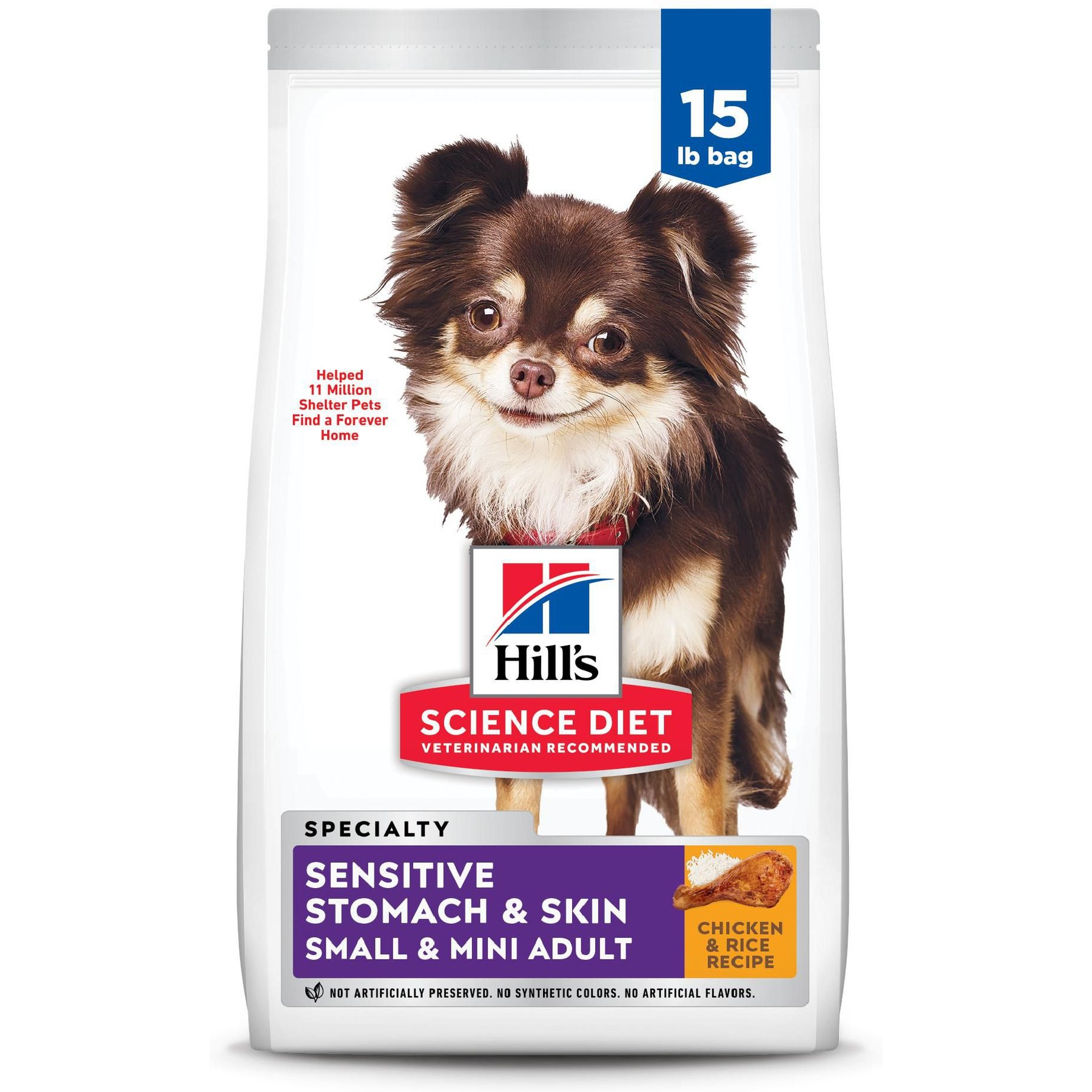
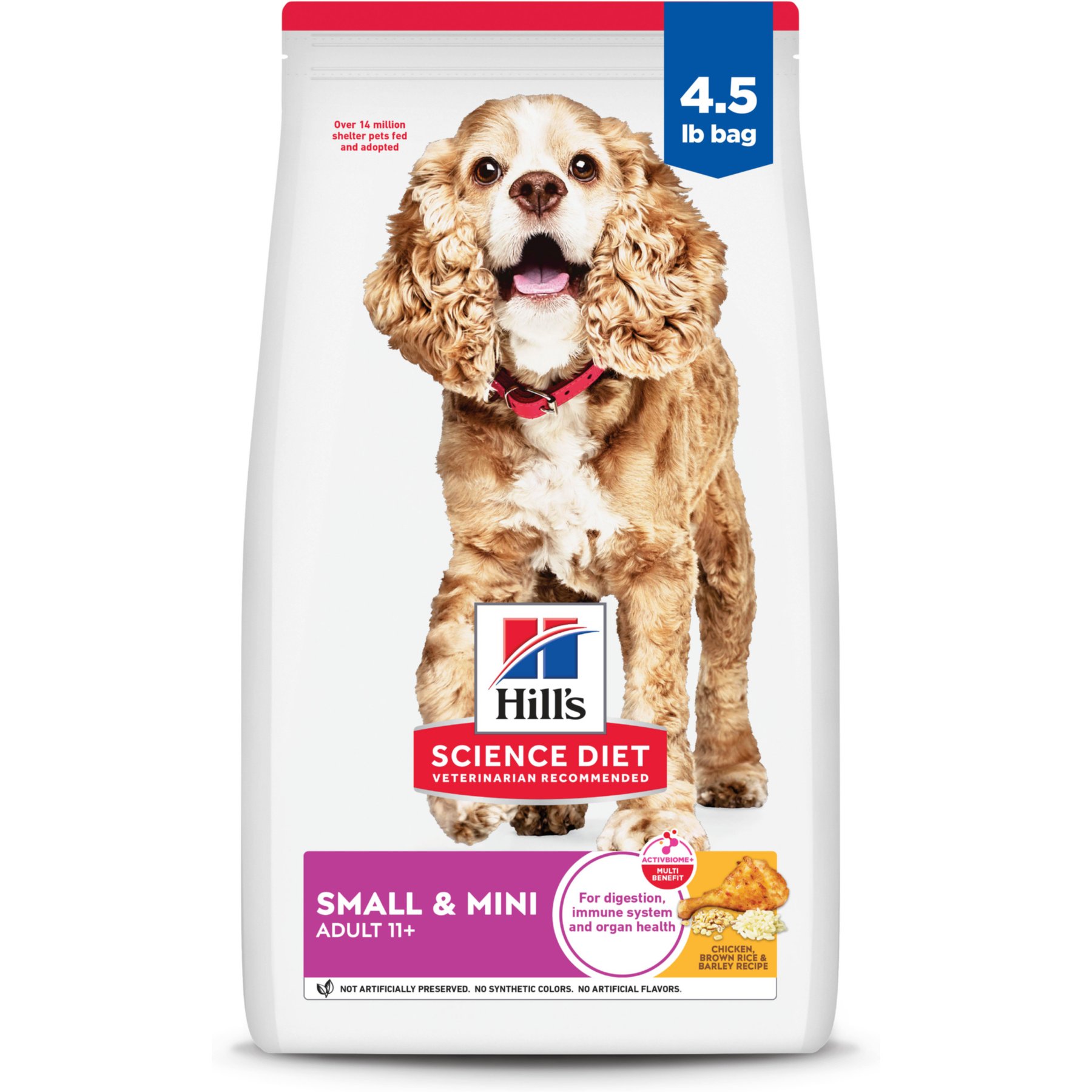
Hill's Science Diet Sensitive Stomach & Skin Small Breed
- Prebiotic fiber
- Omega fatty acids
- Easy to digest
Royal Canin Small Adult
- Tailored for small breeds
- EPA and DHA for skin
- Small kibble
Feeding Guidelines
| Weight | Daily Amount | Meals Per Day |
|---|---|---|
| 13-16 lbs | 0.75 - 1 cup | 2 |
| 16-18 lbs | 1 - 1.15 cups | 2 |
| 18-20 lbs | 1.15 - 1.33 cups | 2 |
Managing Westie Skin Issues
Dietary Strategies
- Focus on omega-3 fatty acids
- Try limited ingredient diets
- Consider novel proteins
- Avoid common allergens
- Consider fish oil supplementation
Signs of Food Allergies
- Itchy skin
- Ear infections
- Paw licking
- Red, irritated skin
- Hair loss
Feeding Tips
- Omega-rich food: Essential for skin
- Two meals daily: Consistent schedule
- Limited ingredients: Reduces allergic reactions
- No artificial additives: Can worsen skin issues
- Fresh water always: Supports skin health
- Consistent diet: Avoid frequent changes
Frequently Asked Questions
Why does my Westie have so many skin problems?
Westies are genetically predisposed to atopic dermatitis (skin allergies). Diet can help manage symptoms. Focus on omega fatty acids, consider limited ingredient diets, and avoid common allergens. Work with your vet for a comprehensive management plan.
What should I feed my Westie with allergies?
Try limited ingredient diets with novel proteins like fish, duck, or venison. Avoid chicken and beef if those seem to be triggers. Look for foods high in omega-3 fatty acids. Fish-based formulas often work well for Westies.
How much should I feed my Westie?
Most adult Westies need 500-700 calories daily. This translates to 3/4 to 1.25 cups of dry food daily, split into two meals.
Related Resources
- Feeding Calculator - Calculate calorie needs
- Small Breed Dog Food - More options
- Dog Food for Skin Allergies - Allergy options
- Compare Dog Foods - Side-by-side comparison