Siberian Huskies are striking, athletic dogs known for their wolf-like appearance, incredible endurance, and friendly, mischievous personalities. Originally bred to pull sleds across frozen landscapes, these energetic dogs have unique nutritional needs that differ significantly from many other breeds.
Nutritional Needs of Siberian Huskies
Siberian Huskies are a medium to large breed, typically weighing 35-60 pounds. Despite their size, they're remarkably efficient eaters—evolution designed them to work hard on relatively little food.
Key Nutritional Requirements
- High-quality protein (25-32%): Supports their lean, athletic build
- Higher fat content (15-20%): Traditional diet was fat-heavy; provides efficient energy
- Omega-3 fatty acids: Support their thick double coat
- Zinc: Huskies often need more zinc than other breeds
- Easily digestible ingredients: They have sensitive stomachs
- Moderate calories: Huskies eat less than you'd expect for their size
Common Health Concerns That Affect Diet
Siberian Huskies face several breed-specific health challenges:
- Zinc deficiency (zinc-responsive dermatosis): Common in Huskies; zinc supplementation may be needed
- Sensitive digestive systems: Huskies often have finicky stomachs
- Hip dysplasia: Joint support nutrients help
- Eye conditions: Antioxidants support eye health
- Hypothyroidism: Quality nutrition supports thyroid function
- Skin and coat issues: Their dense coat requires nutritional support
- Obesity (in less active Huskies): Portion control is important
What to Look for in Husky Food
Must-Have Features
- High-quality animal protein as first ingredient
- Higher fat content (15%+ for active Huskies)
- Omega-3 fatty acids for coat health
- Added zinc or zinc-rich ingredients
- Easily digestible formula
- No artificial preservatives, colors, or flavors
Beneficial Ingredients
- Fish or fish oil (omega-3s and protein)
- Eggs (protein and zinc)
- Red meat (zinc-rich)
- Flaxseed or salmon oil
- Pumpkin or digestible fiber sources
Top Recommended Products
Based on our database analysis, these products are excellent choices for Siberian Huskies:
Premium Options for Huskies
Purina Pro Plan Sport Performance 30/20
- 30% protein, 20% fat for active dogs
- Ideal for working Huskies
- Amino acids for muscle recovery
- EPA and glucosamine for joints
- Great for highly active Huskies
Purina Pro Plan Large Breed Adult
- Real chicken as first ingredient
- EPA and glucosamine for joints
- Live probiotics for digestion
- Omega fatty acids for coat
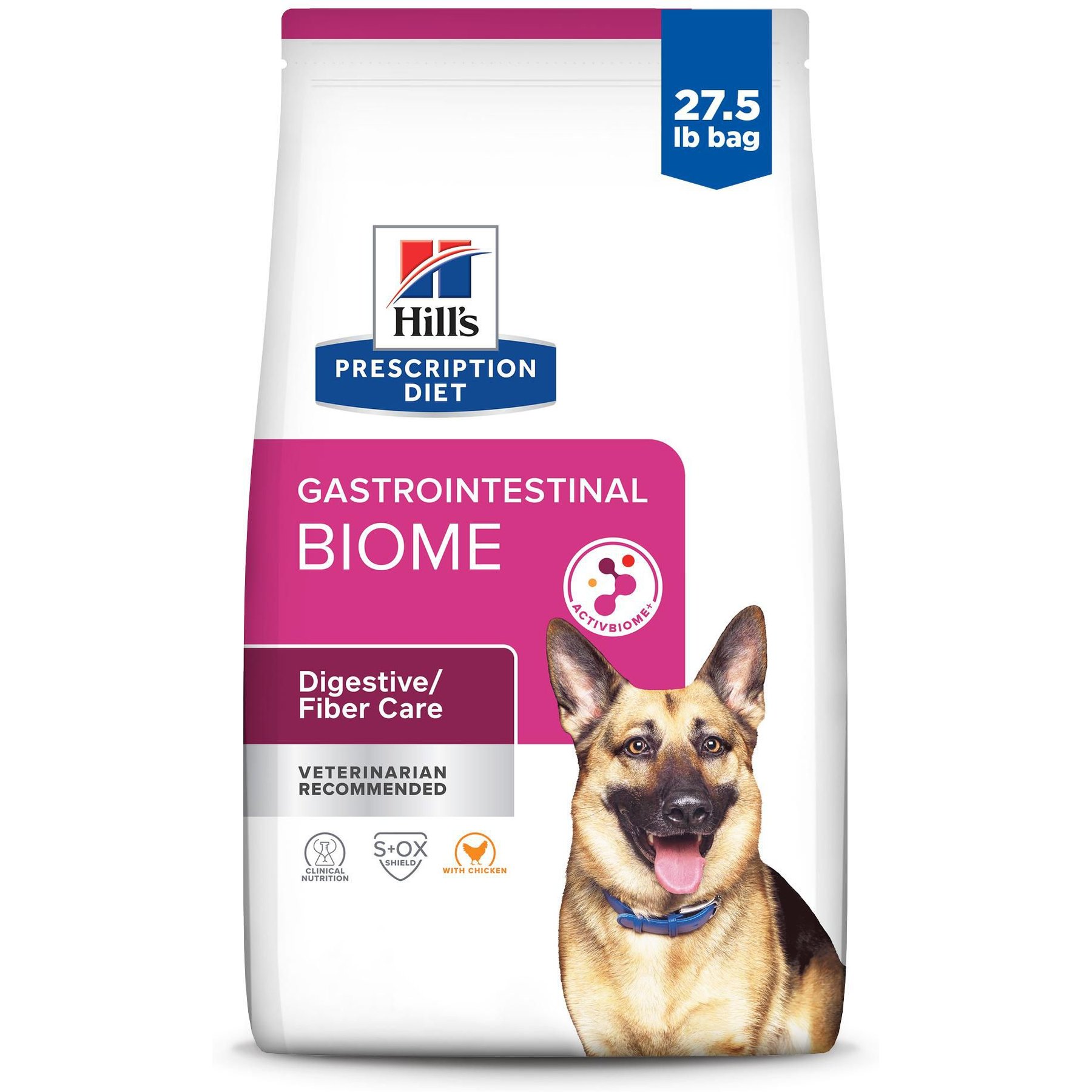
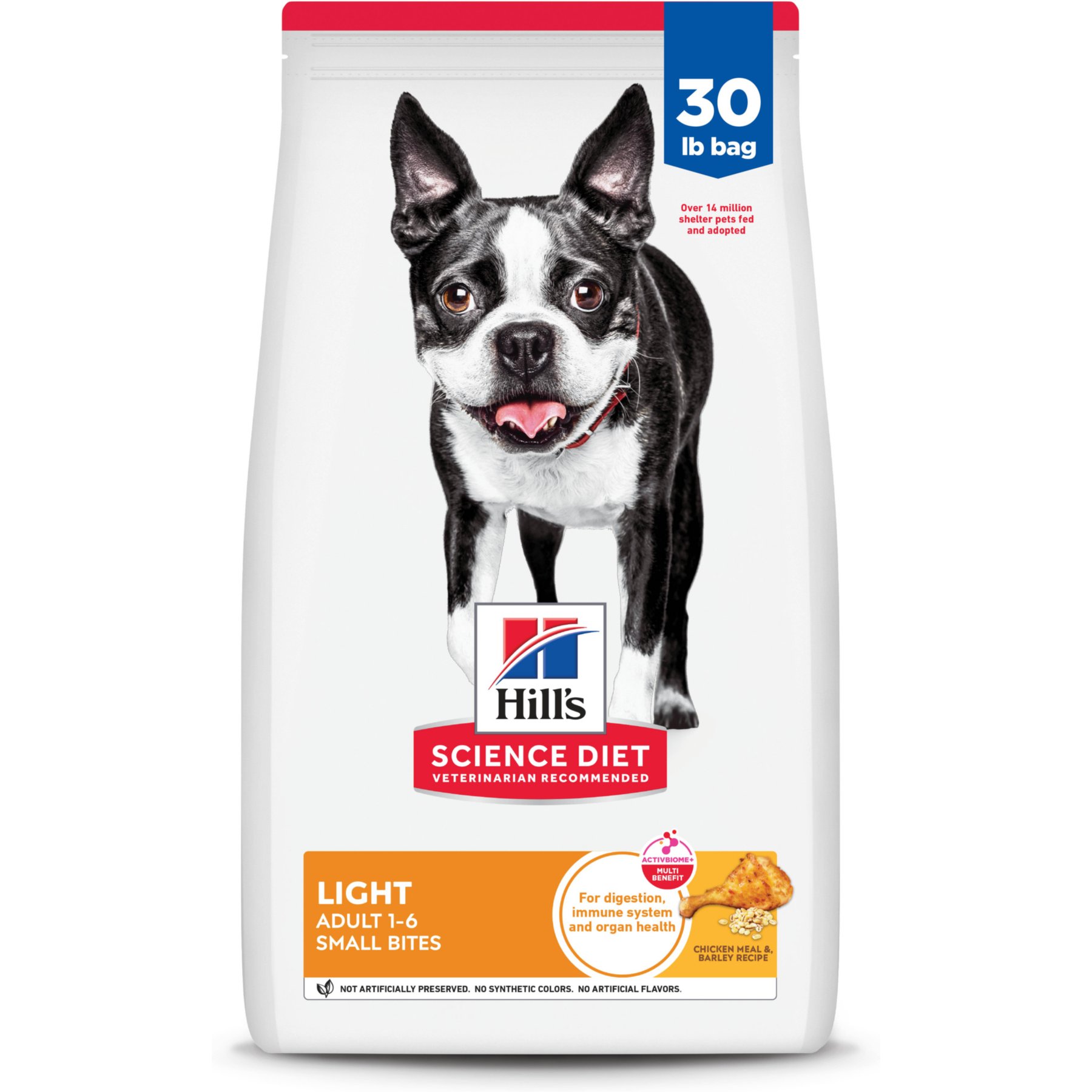
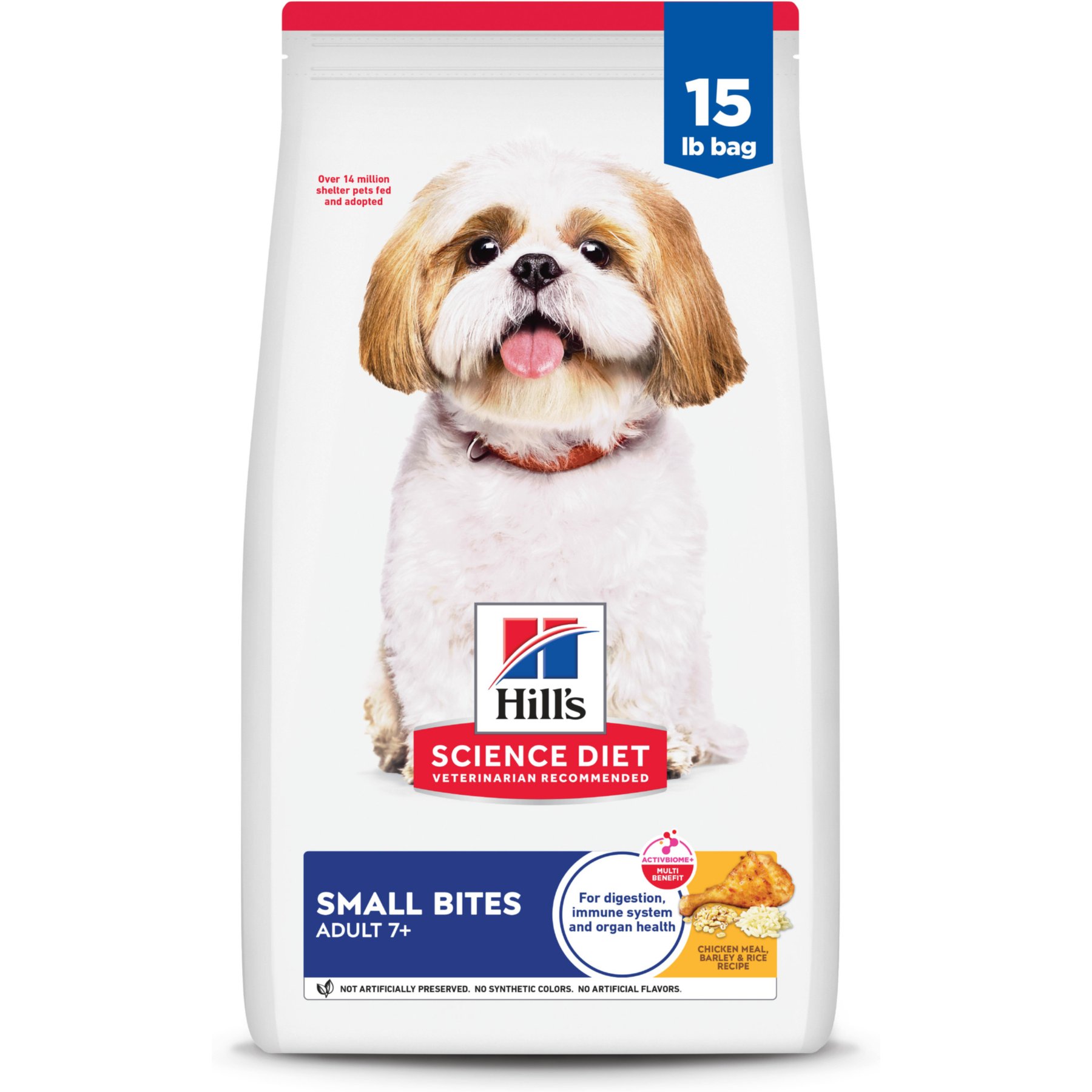
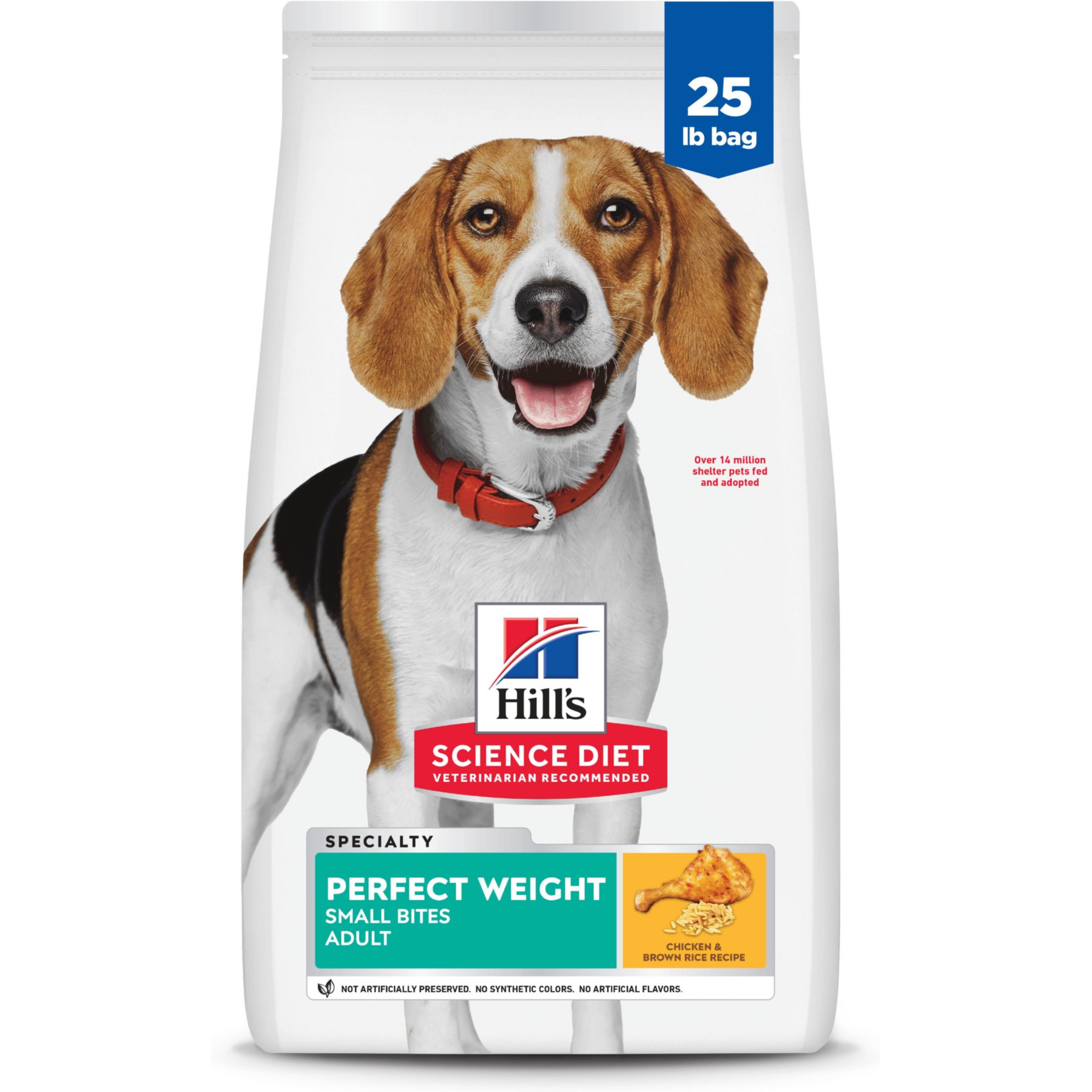
Hill's Science Diet Adult Large Breed
- Glucosamine and chondroitin
- Omega fatty acids for coat
- Easy-to-digest ingredients
- Made in the USA
For Sensitive Stomachs
Purina Pro Plan Sensitive Skin & Stomach
- Salmon as first ingredient
- Omega fatty acids for skin and coat
- Oatmeal for gentle digestion
- No corn, wheat, or soy
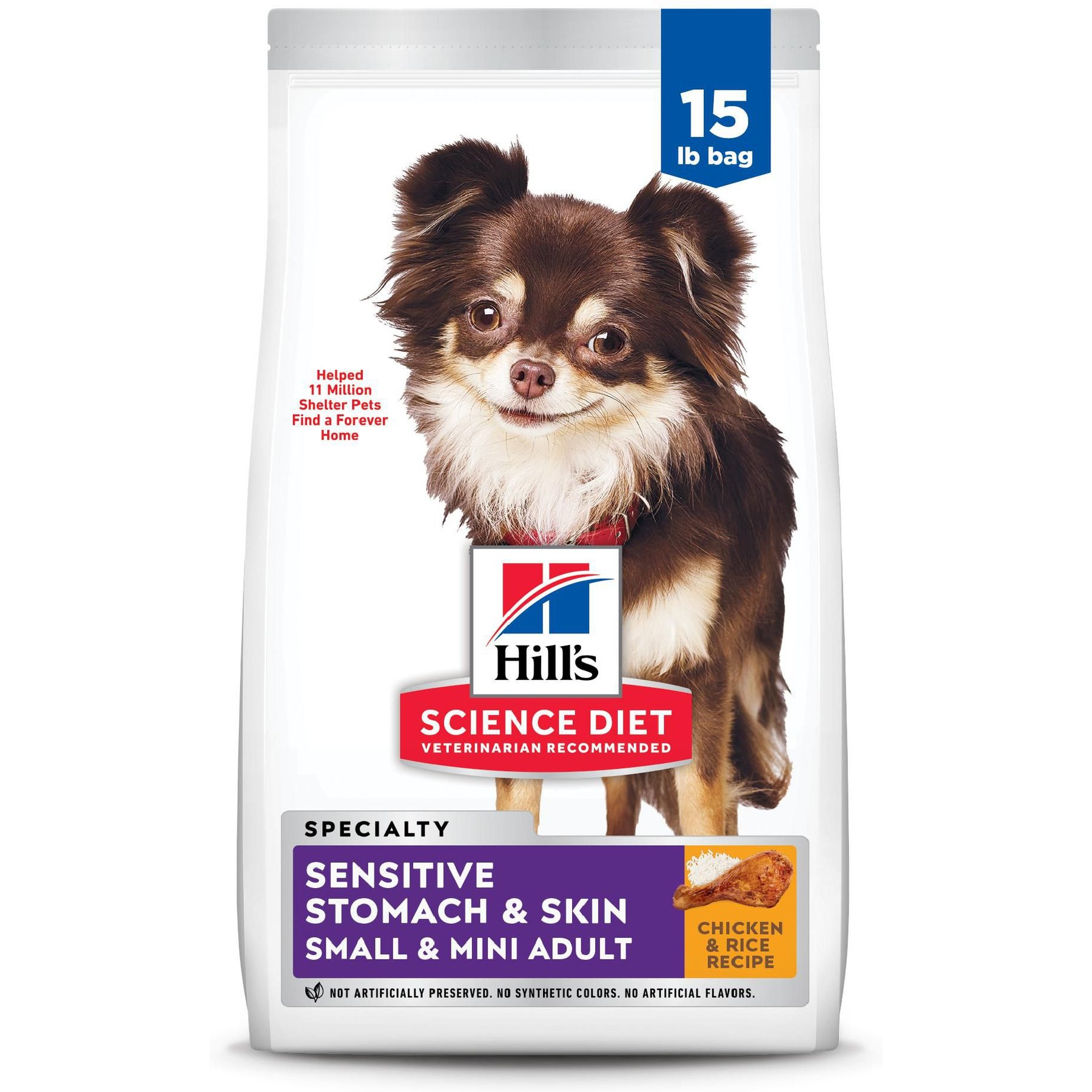
Hill's Science Diet Sensitive Stomach & Skin
- Rating: 4.77/5
- Prebiotic fiber for digestive health
- Omega fatty acids for skin
- Easy to digest
For Skin and Coat
Purina Pro Plan Sensitive Skin & Stomach with Salmon
- High omega-3 content from salmon
- Supports skin barrier
- Gentle on sensitive stomachs
- Good for Huskies with coat issues
Feeding Guidelines
| Weight | Daily Amount (Adult) | Activity Level |
|---|---|---|
| 35-45 lbs | 1.5 - 2 cups | Moderate |
| 45-55 lbs | 2 - 2.5 cups | Moderate |
| 55-60 lbs | 2.5 - 3 cups | Moderate |
Working/Highly Active Huskies: May need 40-60% more calories Sled Dogs in Training/Competition: May need 2-3x normal calories House Pet Huskies with Low Activity: May need less than guidelines
The Unique Husky Metabolism
Why Huskies Eat Less
Siberian Huskies evolved to work incredibly hard on minimal food in harsh Arctic conditions. Their metabolisms are remarkably efficient, meaning they need fewer calories than other dogs their size. This is not a problem—it's their nature.
Signs You're Feeding the Right Amount
- Can feel ribs with thin fat covering
- Visible waist from above
- Belly tucks up from side
- Energetic and active
- Healthy coat
Common Feeding Mistakes with Huskies
- Overfeeding based on size comparisons to other breeds
- Worrying when they skip meals (normal Husky behavior)
- Forcing food when not hungry
- Adding too many extras/treats
Zinc and Husky Skin Health
Siberian Huskies are prone to zinc-responsive dermatosis, a skin condition caused by zinc deficiency or poor zinc absorption.
Signs of Zinc Deficiency
- Crusty, scaly skin especially around eyes and muzzle
- Hair loss
- Dull coat
- Slow wound healing
- Thickened footpads
Zinc Solutions
- Choose zinc-rich foods (red meat, fish, eggs)
- Look for added zinc chelate in dog food
- Zinc supplements may be needed (vet recommended)
- Avoid foods high in phytates which block zinc absorption
When to See a Vet
If your Husky shows skin lesions around the face or paws, consult your vet. Zinc supplementation can dramatically improve this condition but should be done under veterinary guidance.
Feeding Active vs. Pet Huskies
Working Sled Dogs / Highly Active Huskies
- Need 1,500-2,500+ calories daily
- Higher fat content (18-25%)
- Higher protein (28-32%)
- Multiple meals during activity
- May benefit from performance formulas
Moderately Active Pet Huskies
- Need 900-1,200 calories daily
- Moderate fat (15-18%)
- Good quality protein (25-28%)
- 2 meals daily
Less Active or Senior Huskies
- May need only 800-1,000 calories
- Watch for weight gain
- May need weight management formula
- Adjust portions to activity level
Maintaining the Husky Coat
Key Nutrients for Coat Health
- Omega-3 fatty acids: From fish oil, critical for coat
- Omega-6 fatty acids: Support skin barrier
- Zinc: Essential for skin and coat
- Biotin: Supports hair health
- Protein: Coat is made of protein
Signs of Nutritional Coat Issues
- Excessive shedding beyond normal
- Dull, dry coat
- Skin flaking
- Patchy hair loss
- Slow coat regrowth after shedding
Feeding Tips for Siberian Huskies
- Don't force food: Huskies self-regulate; skipping meals is normal
- Two meals daily: Consistent schedule
- Quality over quantity: They need less food, so make it count
- Watch for picky eating: Huskies can be choosy
- Fresh water always: Especially important for active dogs
- Consider adding fish oil: Extra omega-3s support coat
Life Stage Considerations
Husky Puppies
- Feed large breed puppy formula until 12-14 months
- 3-4 meals daily until 4 months, then 3 meals, then 2 after 6 months
- Don't overfeed—Husky puppies should be lean
- Monitor growth rate
Adult Huskies (2-7 years)
- Match food to activity level
- Focus on coat and skin health
- Monitor for zinc deficiency signs
- Adjust portions seasonally
Senior Huskies (7+ years)
- May need senior formula
- Glucosamine for joint support
- May need reduced calories
- Continue coat and skin support
- More frequent health monitoring
Frequently Asked Questions
Why does my Husky eat so little?
Siberian Huskies evolved to work hard on minimal food in Arctic conditions. Their efficient metabolisms mean they genuinely need less food than other breeds their size. If your Husky is maintaining a healthy weight, has energy, and has a good coat, they're likely eating the right amount—even if it seems small.
My Husky skips meals. Is this normal?
Yes, it's very normal for Huskies to skip meals occasionally. Unlike many breeds, Huskies won't eat out of boredom. Don't leave food out hoping they'll eat more—it can lead to pickiness. Offer meals at regular times, remove uneaten food after 15-20 minutes, and don't worry unless they refuse food for more than 2-3 days.
Why does my Husky have scaly skin around the eyes?
This is often zinc-responsive dermatosis, a condition common in Huskies. Their bodies may not absorb zinc efficiently from normal food. Consult your vet—zinc supplementation often dramatically improves this condition. Foods rich in zinc and those with added zinc chelate can also help.
Should I feed my Husky grain-free food?
For most Huskies, grain-free food isn't necessary and may pose health risks. The FDA has investigated links between grain-free diets and heart disease. Unless your Husky has a diagnosed grain allergy, a high-quality grain-inclusive food is generally recommended.
How do I feed a working sled dog Husky?
Working sled dogs have dramatically different needs than pet Huskies. They may need 2-3 times normal calories during racing season, higher fat content (20-25%), and multiple feeding times. Many mushers use specialized performance foods. Consult with experienced mushers or veterinary nutritionists for working dog diets.
Related Resources
- Feeding Calculator - Calculate exact calorie needs for your Husky
- Large Breed Dog Food - More large breed options
- Dog Food for Skin Allergies - Coat health options
- High-Protein Dog Food - Performance options
- Compare Dog Foods - Side-by-side product comparison