French Bulldogs have become America's most popular breed, and for good reason. These compact, muscular companions are known for their affectionate personalities and distinctive bat ears. However, their unique physiology comes with specific nutritional requirements that every Frenchie owner should understand.
Nutritional Needs of French Bulldogs
French Bulldogs are a small breed, typically weighing between 16-28 pounds. Their compact, muscular build requires a carefully balanced diet that supports their energy needs without promoting excessive weight gain—a common concern for this breed.
Key Nutritional Requirements
- Moderate protein levels (25-30%): Supports lean muscle mass without overloading their digestive system
- Controlled fat content (12-16%): French Bulldogs are prone to obesity, so moderate fat is essential
- Omega fatty acids: Critical for skin health—Frenchies are notorious for skin allergies and sensitivities
- Easy-to-digest ingredients: Their flat faces (brachycephalic structure) can cause digestive issues
- Appropriate calorie density: 25-30 calories per pound of body weight for most adults
Common Health Concerns That Affect Diet
French Bulldogs are predisposed to several conditions that diet can help manage:
- Skin allergies: Many Frenchies suffer from environmental and food allergies. Limited ingredient diets often work best.
- Digestive sensitivity: Their compact digestive systems can struggle with low-quality ingredients
- Brachycephalic issues: Flat-faced dogs may swallow more air while eating, making easily digestible food important
- Joint stress: Despite their small size, their stocky build puts pressure on joints
- Weight management: These couch-loving dogs gain weight easily
What to Look for in French Bulldog Food
Must-Have Features
- Small breed formula with appropriately sized kibble
- High-quality animal protein as the first ingredient
- Named meat sources (chicken, beef, salmon) rather than generic "meat meal"
- Omega-3 and omega-6 fatty acids for coat and skin health
- Prebiotic fiber for digestive support
- No artificial preservatives, colors, or flavors
Ingredients to Consider Avoiding
- Common allergens if your Frenchie shows sensitivity (chicken, beef, wheat, corn, soy)
- By-product meals
- Excessive fillers
- Artificial additives
Top Recommended Products
Based on our database analysis, these products are well-suited for French Bulldogs:
Premium Options
Royal Canin Breed Health Nutrition French Bulldog Adult
- Specifically formulated for French Bulldogs
- Kibble shape designed for brachycephalic jaws
- Contains EPA and DHA for skin barrier support
- Rating: 4.78/5
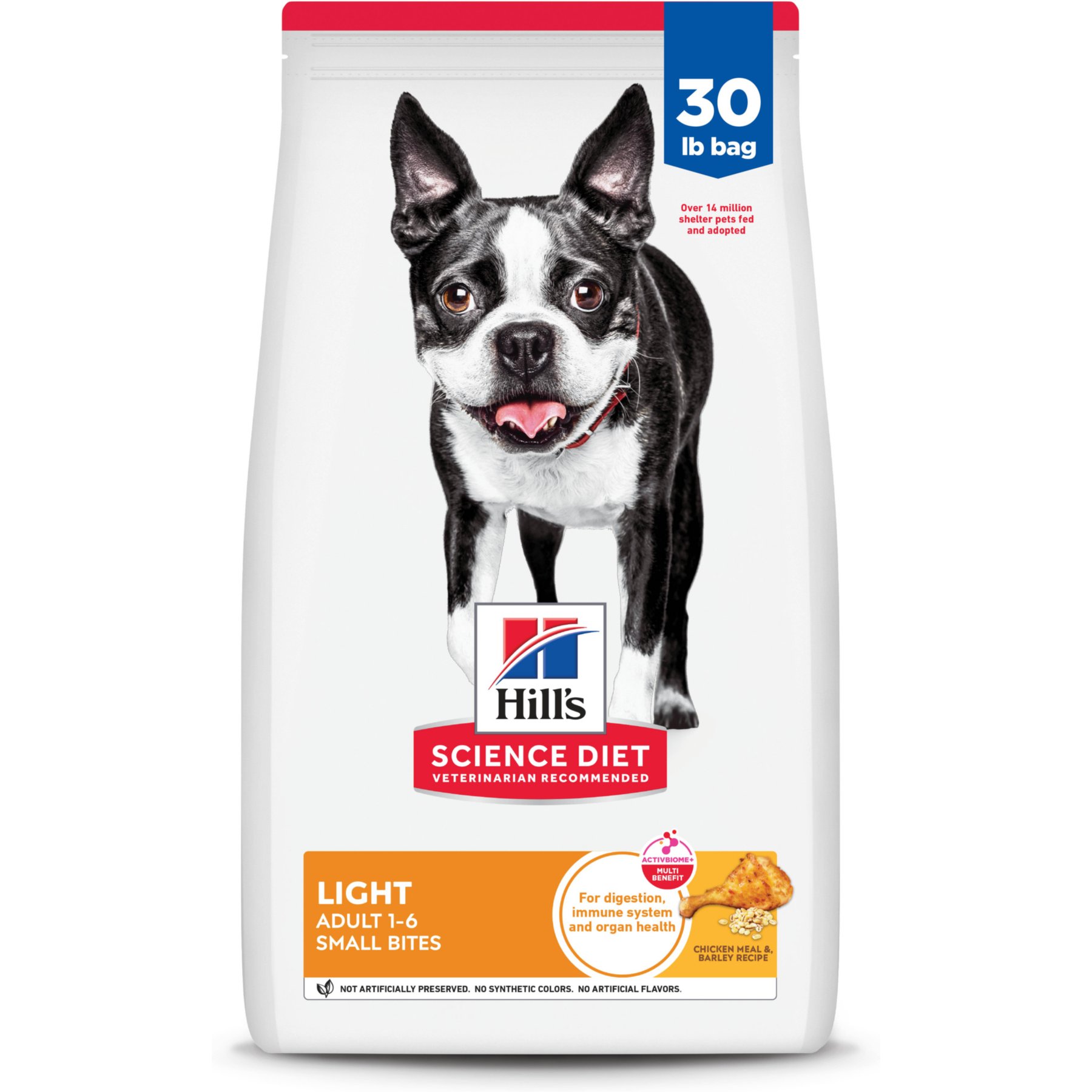
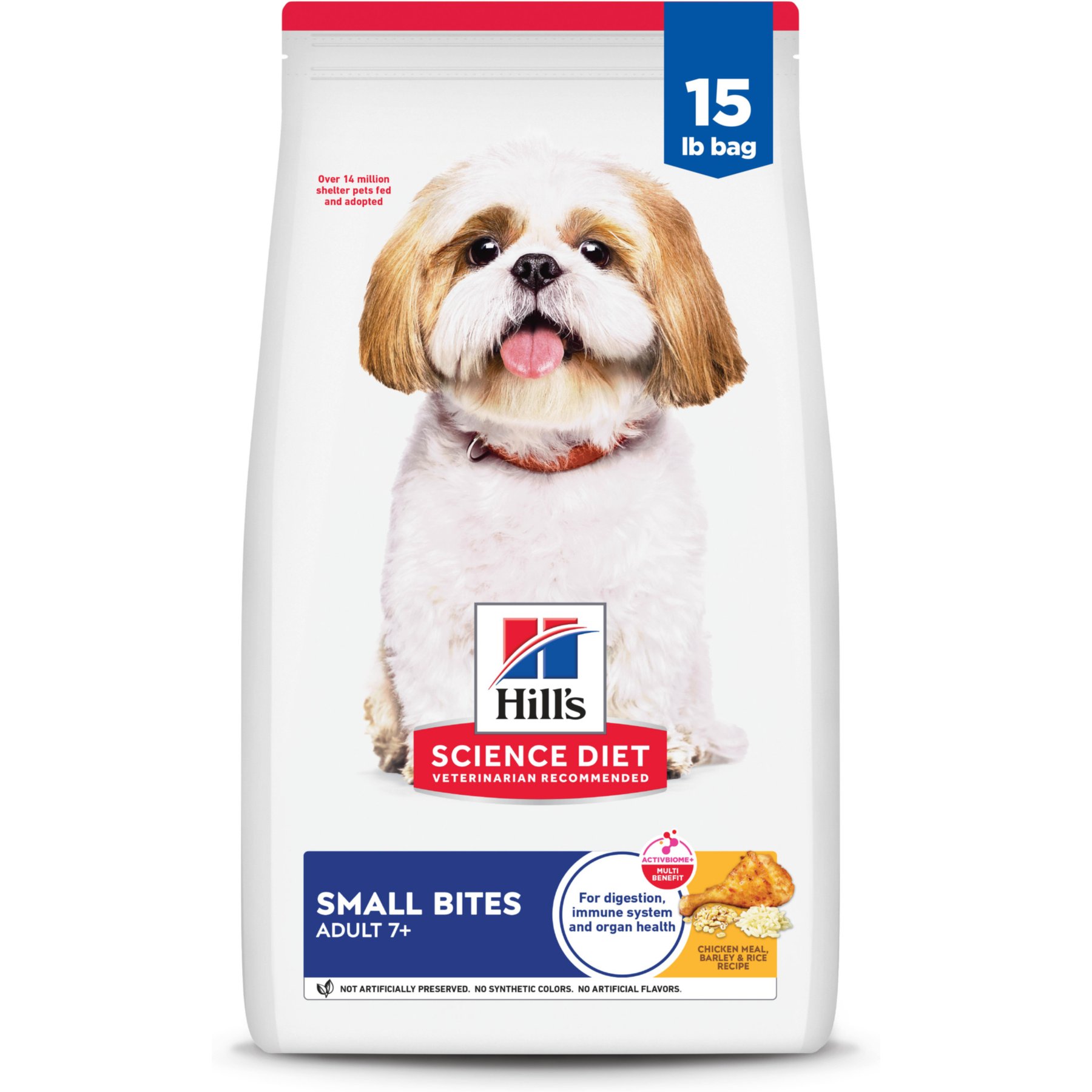
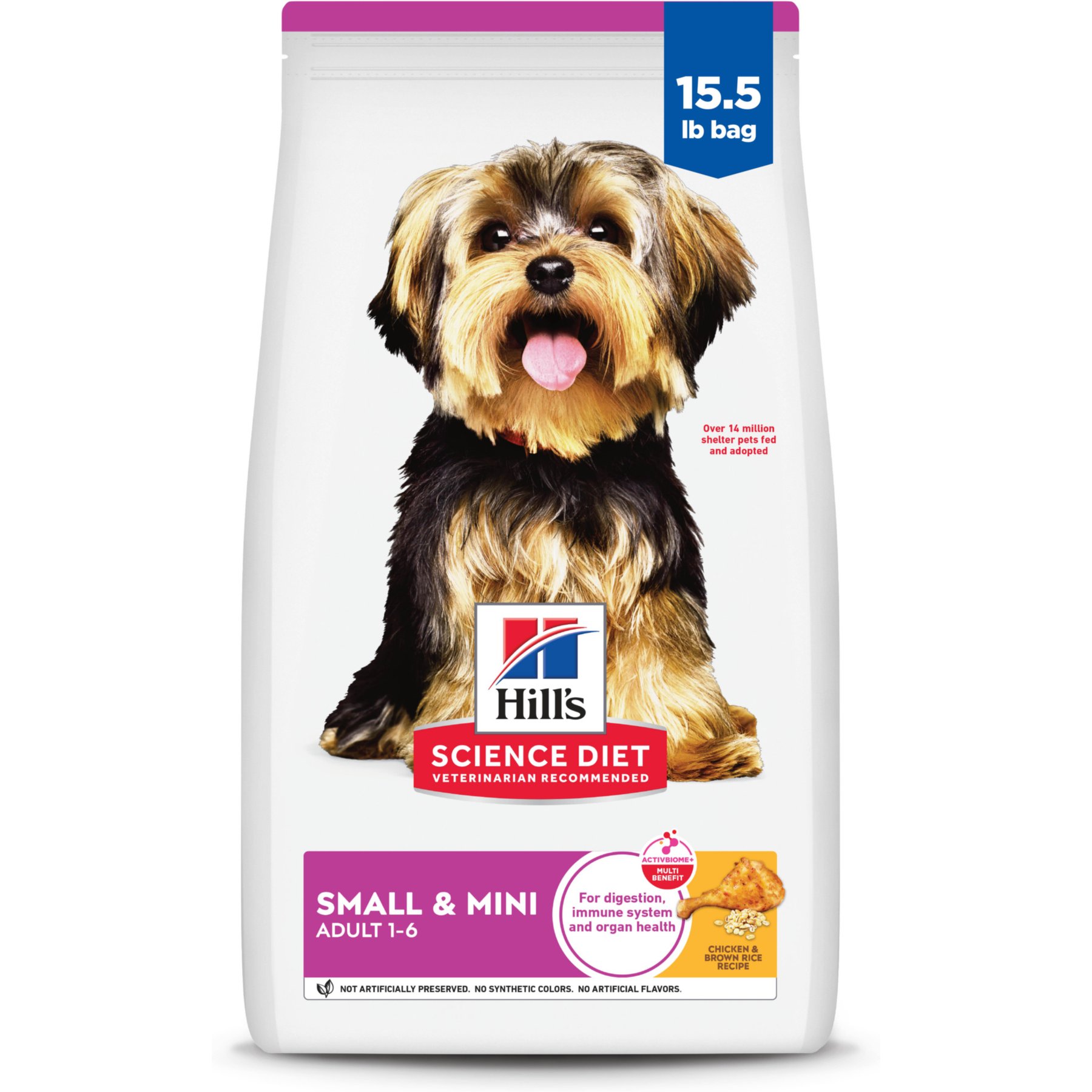
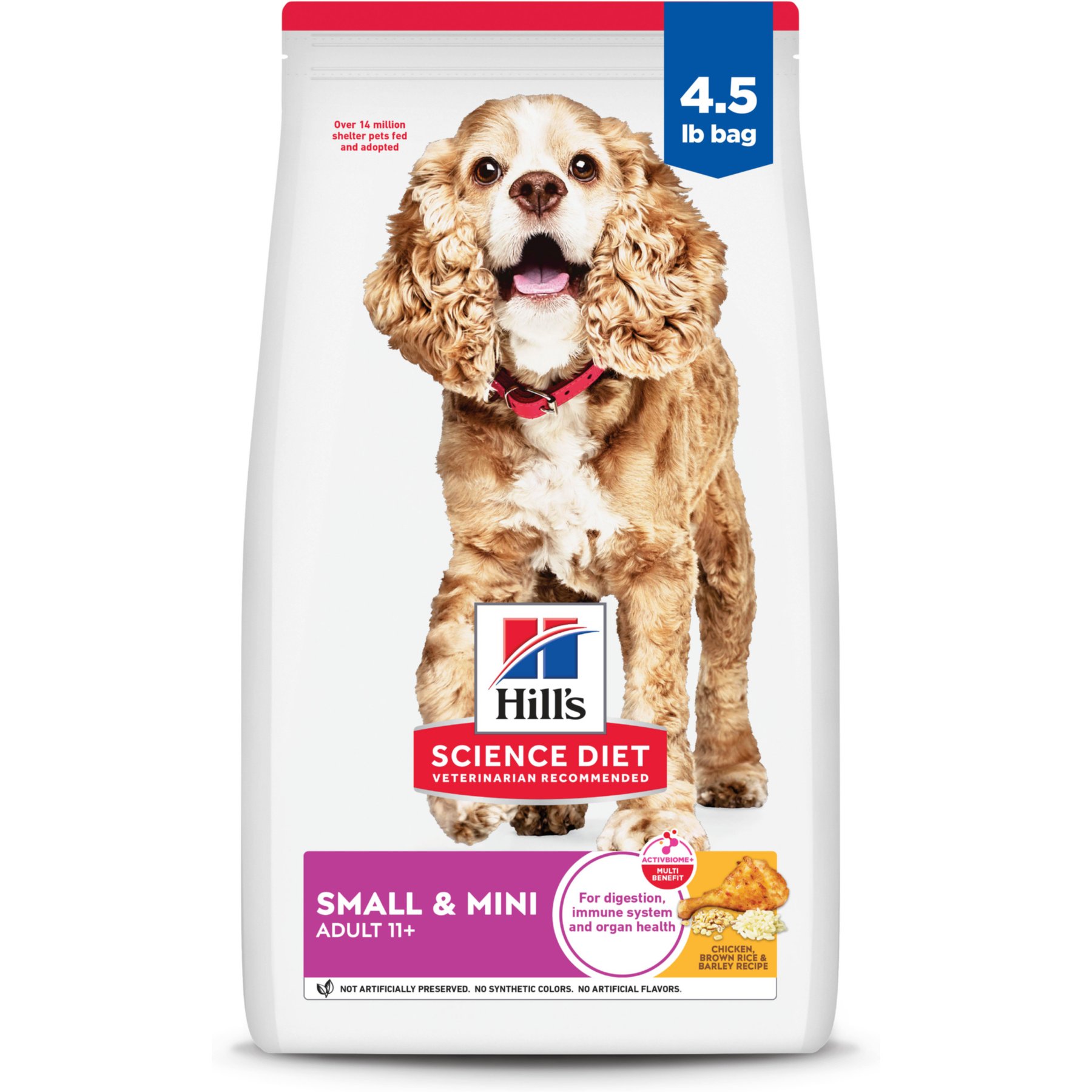
Hill's Science Diet Adult Small Breed
- Rating: 4.77/5 from over 3,000 reviews
- Easy-to-digest ingredients including pumpkin
- Supports healthy skin and coat
- Made in the USA
Purina Pro Plan Small Breed Adult
- High-protein formula with real chicken
- Contains live probiotics for digestive health
- Omega-6 fatty acids for skin and coat
- Rating: 4.78/5
For Sensitive Stomachs
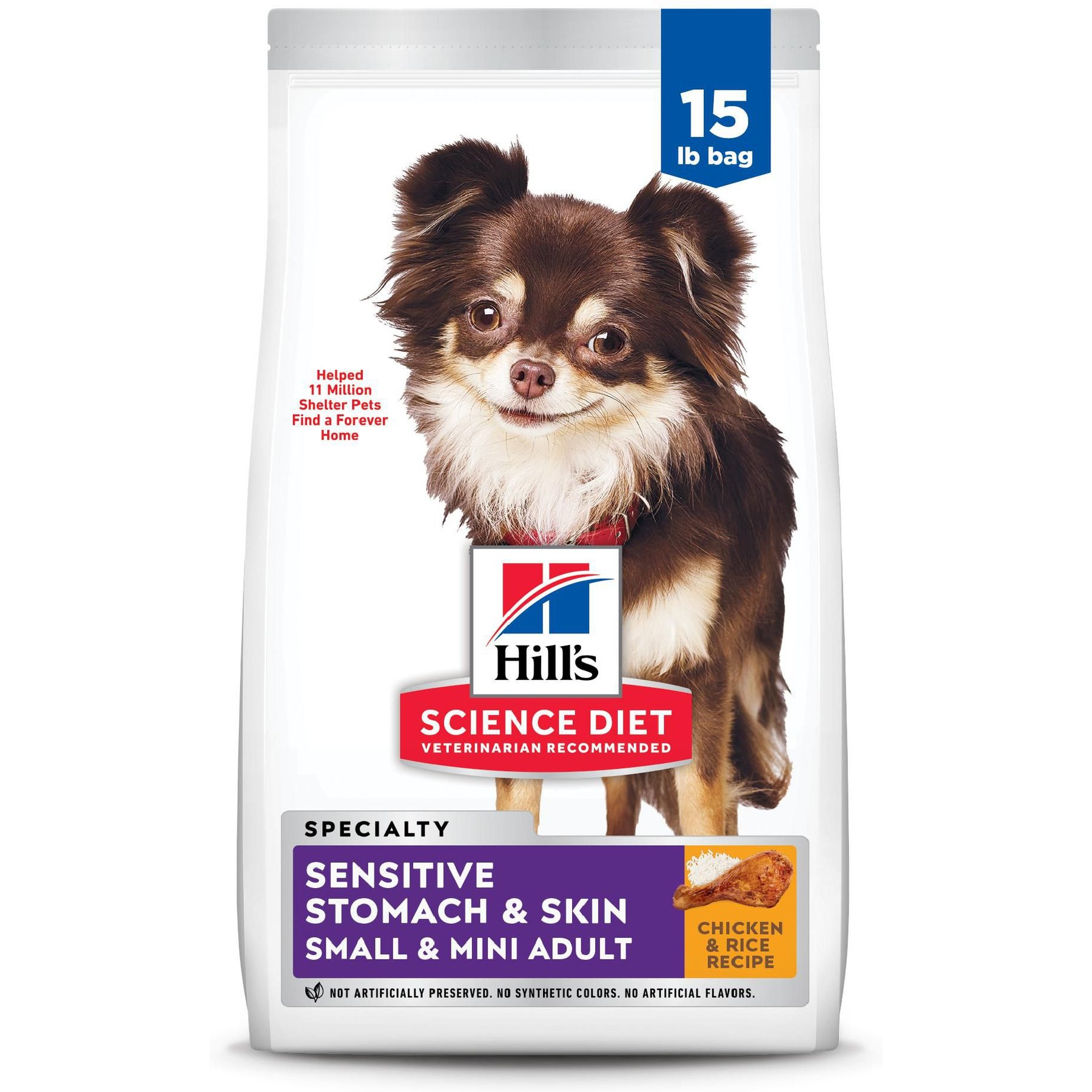
Hill's Science Diet Sensitive Stomach & Skin
- Prebiotic fiber for digestive health
- Omega fatty acids for skin support
- Highly digestible formula
For Allergies
Royal Canin Veterinary Diet Hydrolyzed Protein
- Ideal for Frenchies with food allergies
- Proteins broken down to reduce allergic reactions
- Veterinary recommended
Feeding Guidelines
| Weight | Daily Amount (Adult) | Meals Per Day |
|---|---|---|
| 16-20 lbs | 1 - 1.25 cups | 2 |
| 20-24 lbs | 1.25 - 1.5 cups | 2 |
| 24-28 lbs | 1.5 - 1.75 cups | 2 |
Note: These are general guidelines. Adjust based on your dog's activity level, age, and body condition. Senior and less active Frenchies may need 10-20% less.
Feeding Tips for French Bulldogs
- Use slow-feeder bowls: Helps prevent bloating and reduces air intake
- Elevate food bowls slightly: Can help brachycephalic dogs eat more comfortably
- Avoid exercise immediately after meals: Wait at least 30 minutes
- Monitor weight closely: Weigh monthly and adjust portions as needed
- Keep fresh water available: Especially important for dogs prone to overheating
When to Choose Wet vs. Dry Food
Dry kibble advantages for Frenchies:
- Helps with dental health
- More economical
- Easier portion control
Wet food advantages:
- Higher moisture content (good for hydration)
- Often more palatable for picky eaters
- Easier to eat for dogs with dental issues
Many owners find success with a combination—mostly dry kibble with occasional wet food toppers.
Frequently Asked Questions
How much should I feed my French Bulldog?
Most adult French Bulldogs need 25-30 calories per pound of body weight daily. For a typical 25-pound Frenchie, this translates to roughly 625-750 calories per day, usually split into two meals.
What's the best protein source for French Bulldogs with allergies?
Novel proteins like duck, venison, or fish are often recommended for Frenchies with food allergies, as they're less likely to trigger reactions compared to common proteins like chicken or beef.
Should French Bulldogs eat grain-free food?
Not necessarily. While some Frenchies with grain allergies benefit from grain-free formulas, recent FDA concerns about grain-free diets and heart disease mean you should consult your vet before switching. Many French Bulldogs do well on high-quality grain-inclusive foods.
How often should I feed my French Bulldog?
Adult French Bulldogs typically do best with two meals per day. Puppies under 6 months may need 3-4 smaller meals daily.
Why does my French Bulldog have so much gas?
Flatulence is common in French Bulldogs due to their brachycephalic anatomy—they swallow more air while eating. Using slow-feeder bowls, feeding smaller meals, and choosing highly digestible foods can help reduce gas.
Related Resources
- Feeding Calculator - Calculate exact portions for your Frenchie
- Compare Dog Foods - Side-by-side product comparison
- Dog Food for Sensitive Stomachs - Options for digestive issues
- Dog Food for Skin Allergies - Allergy-friendly options