Best Dog Food for Digestive Issues in 2026

Digestive problems can make life miserable for dogs and their owners. From chronic diarrhea to inflammatory bowel disease, the right diet is often the cornerstone of managing digestive conditions effectively.

Understanding Digestive Issues in Dogs

Digestive issues can range from mild, occasional upset to serious chronic conditions requiring veterinary management.

Common Digestive Problems

  • Chronic diarrhea: Persistent loose stools
  • Inflammatory bowel disease (IBD): Chronic intestinal inflammation
  • Colitis: Inflammation of the large intestine
  • Gastritis: Stomach inflammation
  • Pancreatitis: Inflamed pancreas
  • Exocrine pancreatic insufficiency (EPI): Inability to digest food properly
  • Small intestinal bacterial overgrowth (SIBO)

Symptoms to Watch For

  • Diarrhea (acute or chronic)
  • Vomiting
  • Excessive gas
  • Gurgling stomach sounds
  • Poor appetite
  • Weight loss despite eating
  • Poor coat quality
  • Mucus or blood in stool
  • Straining to defecate

What to Look for in Digestive-Support Dog Food

Must-Have Features

  • Highly digestible ingredients (85%+)
  • Prebiotic fiber for gut health
  • Probiotics for healthy gut bacteria
  • Limited, quality ingredients
  • Single or limited protein sources
  • Easily digestible carbohydrates
  • Moderate fat content (for most conditions)
  • No artificial additives

Beneficial Ingredients

  • Prebiotics: Chicory root, beet pulp, FOS
  • Probiotics: Live beneficial bacteria
  • Pumpkin: Soluble fiber, helps firm stools
  • Rice: Easily digestible carbohydrate
  • Oatmeal: Gentle on digestion
  • Omega-3s: Reduce gut inflammation

Top Recommended Products

Based on our database, these products support digestive health:

Veterinary Options

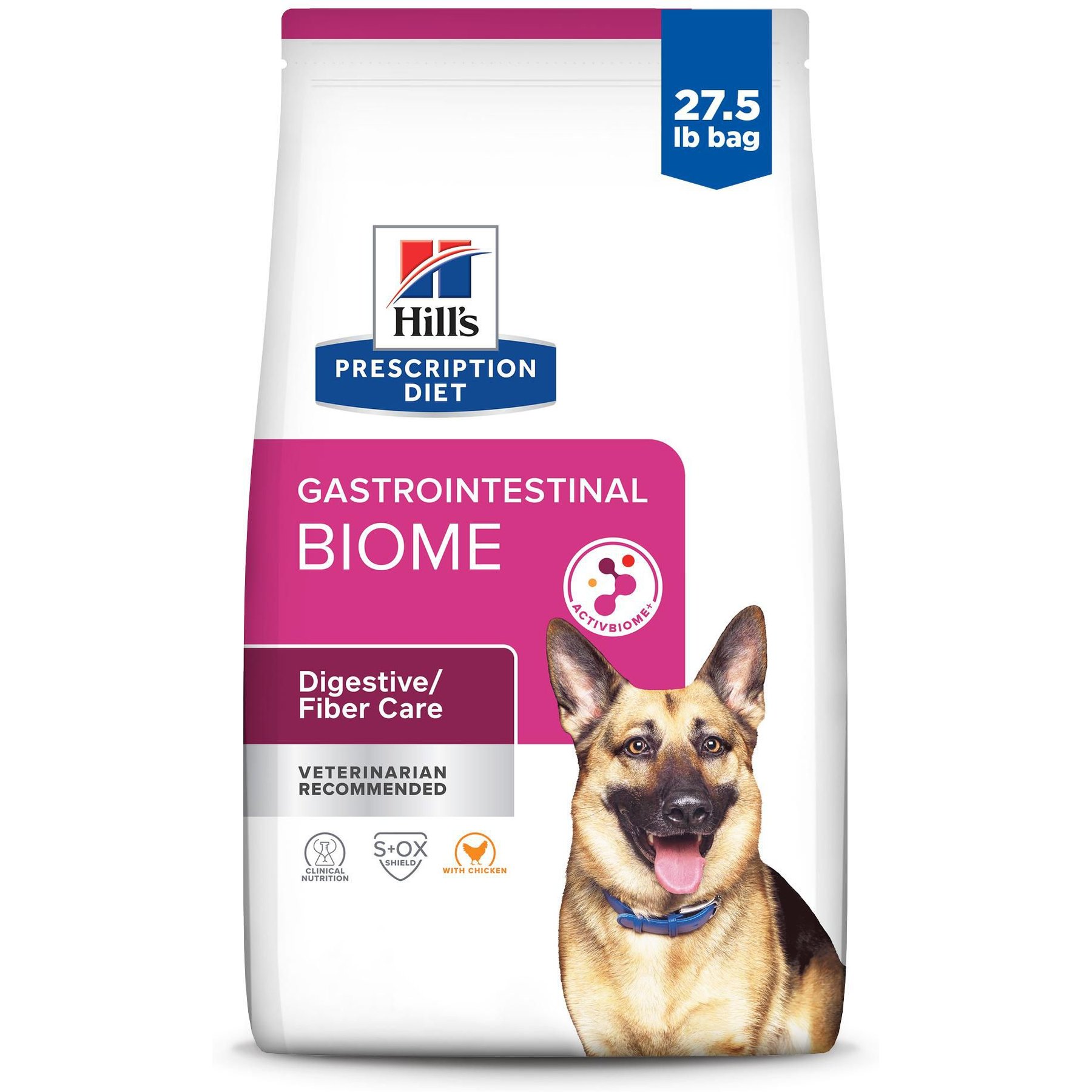
Hill's Prescription Diet Gastrointestinal Biome

  • Rating: 4.81/5 from over 4,800 reviews
  • Specifically formulated for digestive health
  • ActivBiome+ technology for gut bacteria
  • Prebiotic fiber blend
  • Highly digestible
  • Veterinary recommended

Royal Canin Veterinary Diet Gastrointestinal

  • Rating: 4.76/5 from nearly 7,000 reviews
  • Highly digestible proteins
  • Optimal fiber blend
  • Supports intestinal health
  • Veterinary exclusive

Royal Canin Gastrointestinal Low Fat

  • Very low fat for pancreatitis-prone dogs
  • Highly digestible
  • Supports digestive balance
  • Ideal for fat-sensitive conditions

Over-the-Counter Options

Purina Pro Plan Sensitive Skin & Stomach

  • Salmon as first ingredient
  • Prebiotic fiber
  • Oatmeal for gentle digestion
  • No corn, wheat, or soy

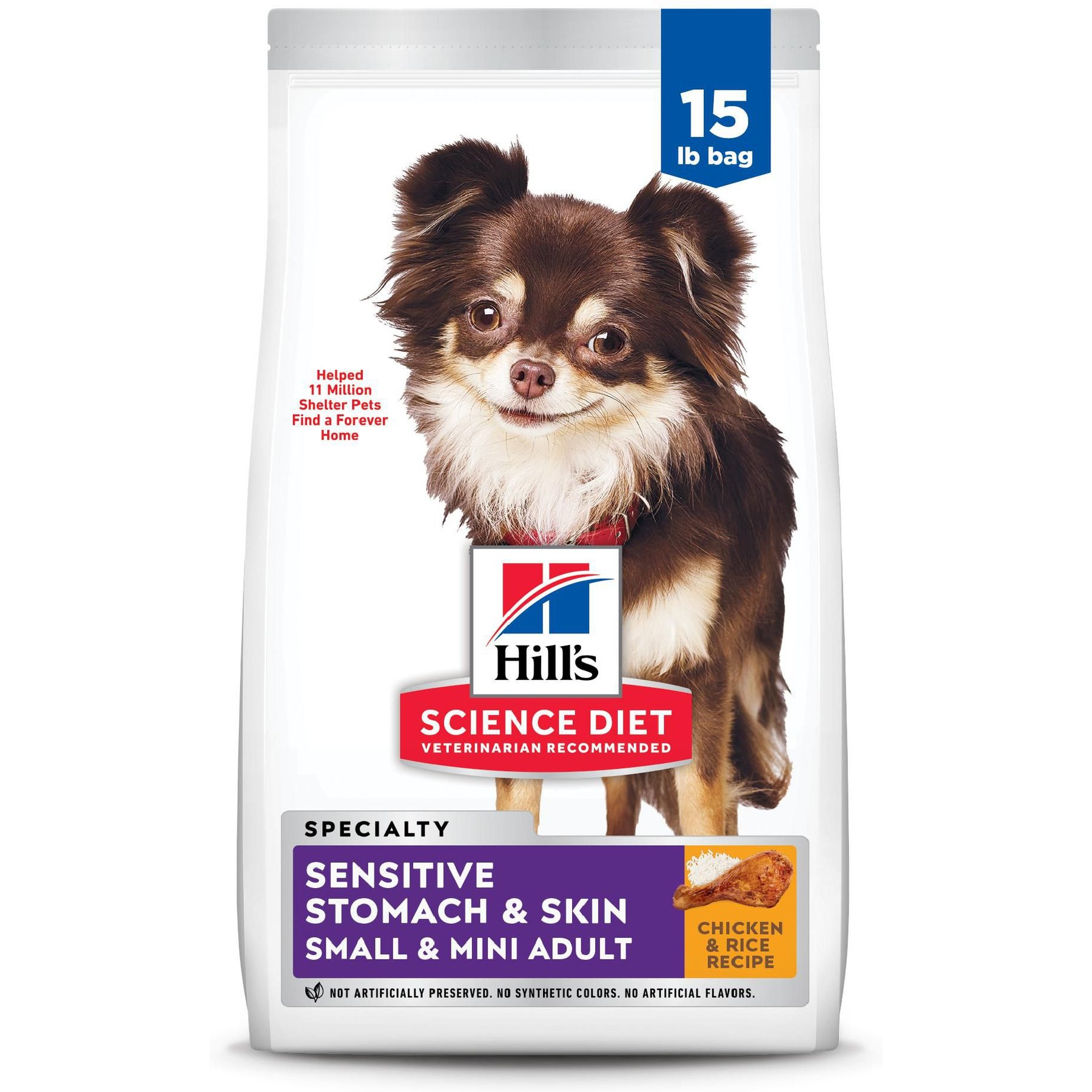
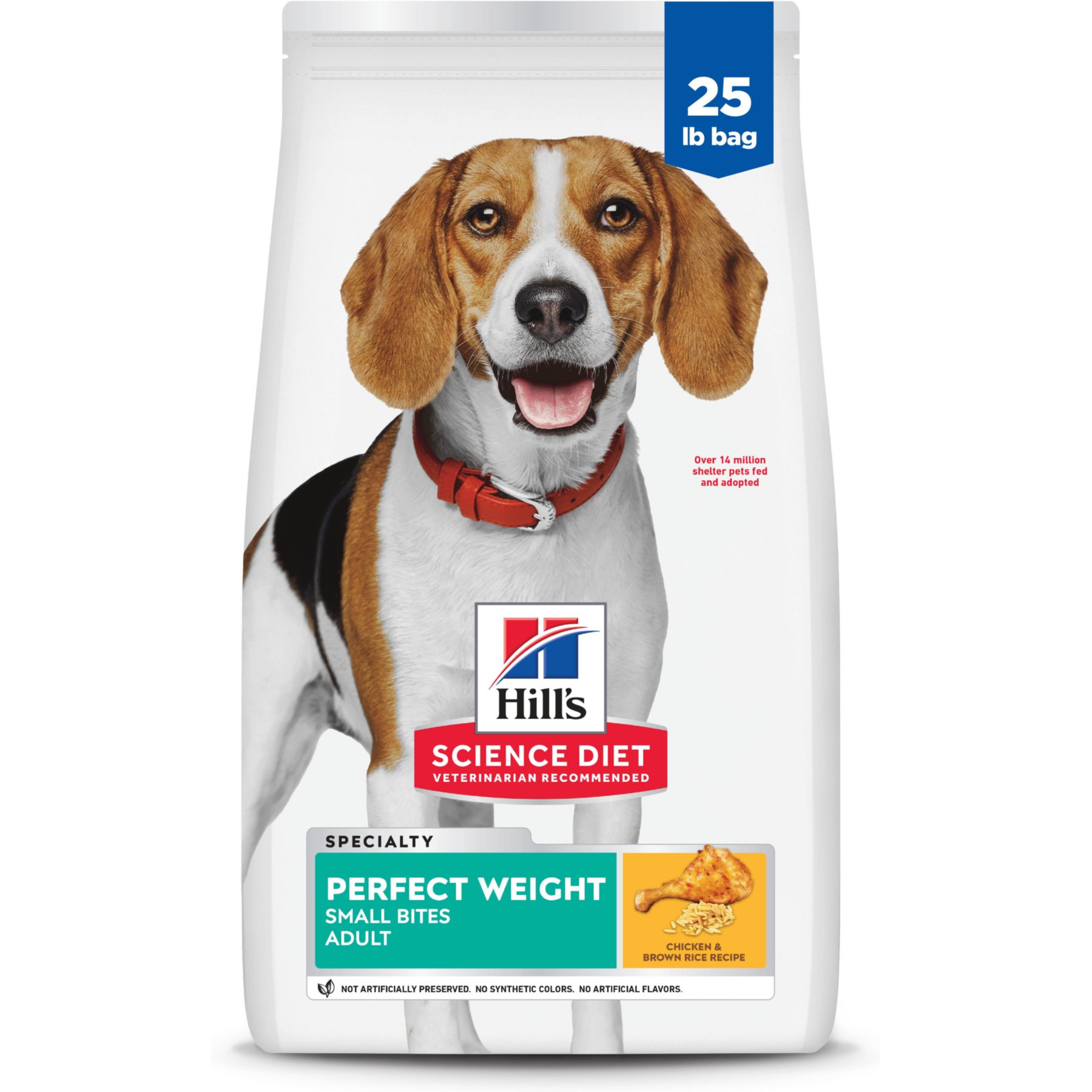
Hill's Science Diet Sensitive Stomach & Skin

  • Prebiotic fiber for digestive health
  • Easy-to-digest ingredients
  • Supports healthy stool quality
  • Made in the USA

Condition-Specific Recommendations

For Chronic Diarrhea

  • Highly digestible formula
  • High-quality protein
  • Moderate fiber
  • Probiotics
  • Consider prescription diet

For Pancreatitis

  • Very low fat (under 10%)
  • Highly digestible
  • Avoid fatty treats
  • Consider prescription low-fat diet

For IBD

  • Limited ingredient diet
  • Novel protein source
  • Highly digestible
  • Work with veterinarian
  • May require prescription diet

For Colitis

  • High-fiber formula
  • Easily digestible ingredients
  • Probiotics
  • Omega-3 fatty acids

Feeding Tips for Digestive Issues

  1. Feed smaller, frequent meals: 3-4 meals daily instead of 1-2
  2. Consistent schedule: Same times every day
  3. Slow feeder bowls: Prevent gulping
  4. Room temperature food: Easier to digest
  5. Slow food transitions: 14+ days when changing foods
  6. Keep food fresh: Store properly, don't leave out
  7. Reduce stress at mealtime: Calm environment

The Role of Fiber

Fiber is crucial for digestive health but must be balanced:

Soluble Fiber

  • Dissolves in water, forms gel
  • Slows digestion
  • Helps firm loose stools
  • Sources: Pumpkin, oatmeal, beet pulp

Insoluble Fiber

  • Adds bulk to stool
  • Speeds transit time
  • Helps with constipation
  • Sources: Whole grains, vegetables

Finding Balance

Different conditions require different fiber types. Work with your vet to determine the right approach for your dog.

When to See a Vet

Seek veterinary care for:

  • Diarrhea lasting more than 24-48 hours
  • Vomiting more than once or twice
  • Blood in stool or vomit
  • Signs of dehydration
  • Lethargy or weakness
  • Abdominal pain
  • Weight loss
  • Lack of appetite for more than 24 hours

Frequently Asked Questions

How long does it take for digestive food to work?

Most dogs show improvement in stool quality within 1-2 weeks on appropriate digestive-support food. Full gut healing can take 6-8 weeks. If no improvement in 2-4 weeks, consult your vet.

Can I give my dog with digestive issues treats?

Choose digestive-friendly treats carefully. Avoid fatty or rich treats. Simple, single-ingredient treats often work best. Some dogs with digestive issues do better with no treats during healing.

My dog has been on special digestive food but still has issues. Why?

Possibilities include: wrong diet for the specific condition, underlying disease requiring medication, food allergy rather than intolerance, other factors (stress, other foods, etc.). Work with your vet to investigate further.

Should I add probiotics to my dog's food?

Many digestive-support foods contain probiotics. If yours doesn't, supplemental probiotics can help many dogs. Look for products with multiple strains and high colony counts. Consult your vet for recommendations.

Is homemade food better for dogs with digestive issues?

Not necessarily. Commercial digestive diets are scientifically formulated and consistently manufactured. Homemade diets risk nutritional imbalance. If considering homemade, work with a veterinary nutritionist.

Related Resources

Recommended Products