Cavalier King Charles Spaniels are gentle, affectionate companions known for their sweet expression, silky coat, and loving temperament. These charming small dogs have specific nutritional needs, particularly related to their predisposition to heart disease and other breed-specific health concerns.
Nutritional Needs of Cavalier King Charles Spaniels
Cavaliers are a small breed, typically weighing 12-18 pounds. Their gentle nature means they're often less active than other small breeds, and they require nutrition that supports heart health above all else.
Key Nutritional Requirements
- Moderate protein (22-26%): Supports lean muscle without excess
- Moderate fat (10-14%): Cavaliers gain weight easily
- Taurine: Critical for heart health—Cavaliers are highly prone to heart disease
- L-carnitine: Supports heart muscle function
- Omega-3 fatty acids (EPA/DHA): Support heart and brain health
- Omega-6 fatty acids: For their beautiful silky coat
- Antioxidants: Support overall health and may help prevent disease
Common Health Concerns That Affect Diet
Cavaliers face several serious health challenges that nutrition can help manage:
- Mitral valve disease (MVD): Nearly all Cavaliers develop this heart condition; taurine and omega-3s are essential
- Syringomyelia (SM): Neurological condition; anti-inflammatory nutrients may help
- Obesity: Low activity levels make weight gain easy
- Hip dysplasia: Unusual for small breeds but common in Cavaliers
- Ear infections: Their long ears trap moisture; omega fatty acids support ear health
- Eye conditions: Antioxidants support eye health
- Skin allergies: Some Cavaliers develop sensitivities
What to Look for in Cavalier Food
Must-Have Features
- Small breed formula
- Added taurine for heart health
- L-carnitine for heart muscle support
- Omega-3 fatty acids (EPA/DHA)
- Moderate calorie density (they gain weight easily)
- High-quality animal protein
- No artificial colors, flavors, or preservatives
Critical for Cavaliers
- Choose grain-inclusive foods (NOT grain-free)
- Look for added taurine in ingredient list
- Fish-based proteins provide natural omega-3s
- Avoid foods linked to DCM risk
Top Recommended Products
Based on our database analysis, these products are excellent choices for Cavalier King Charles Spaniels:
Breed-Specific Option
Royal Canin Breed Health Nutrition Cavalier King Charles Adult
- Specifically designed for Cavaliers
- EPA, DHA, and taurine for heart health
- Exclusive kibble for Cavalier jaw
- Supports skin and coat health
Premium Small Breed Options
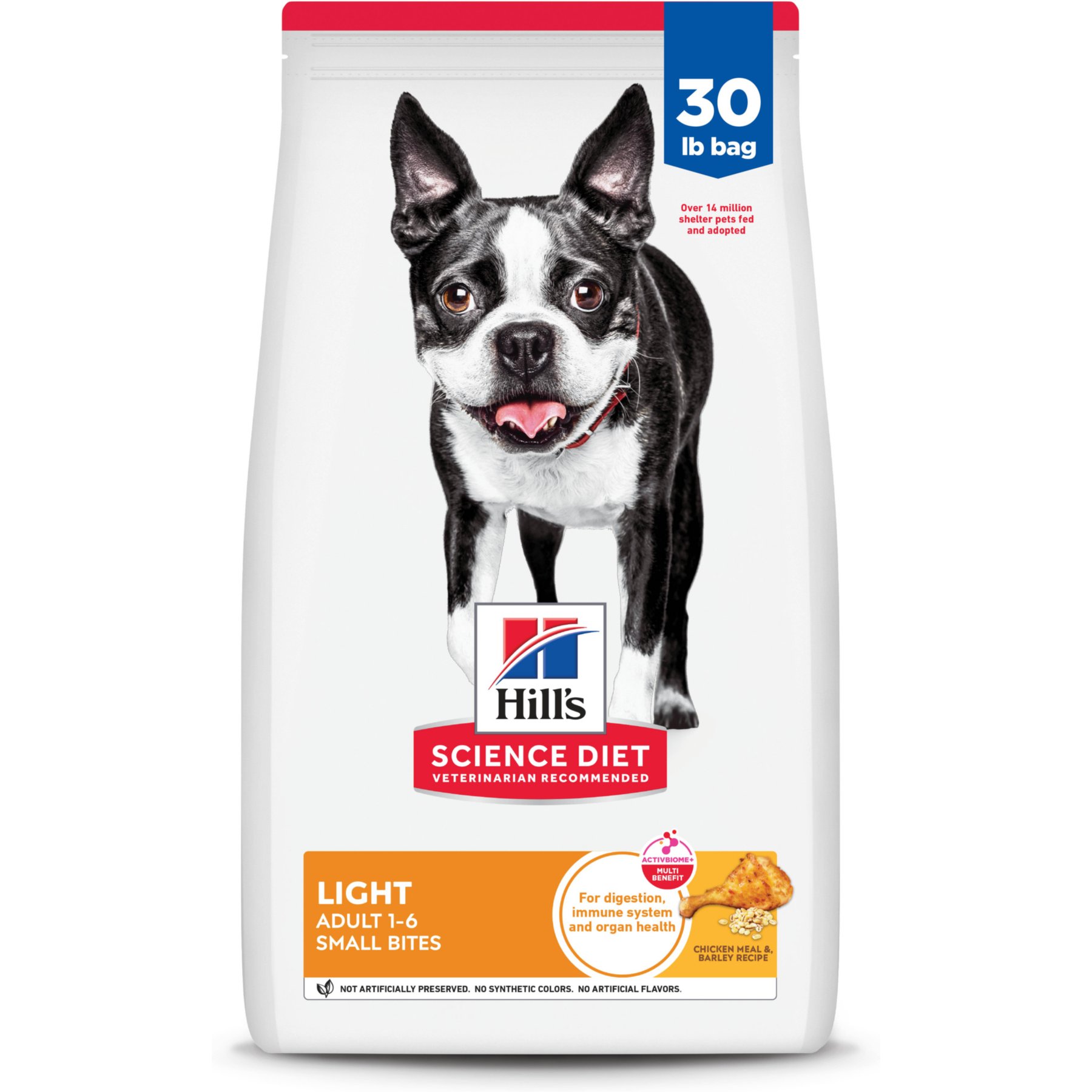
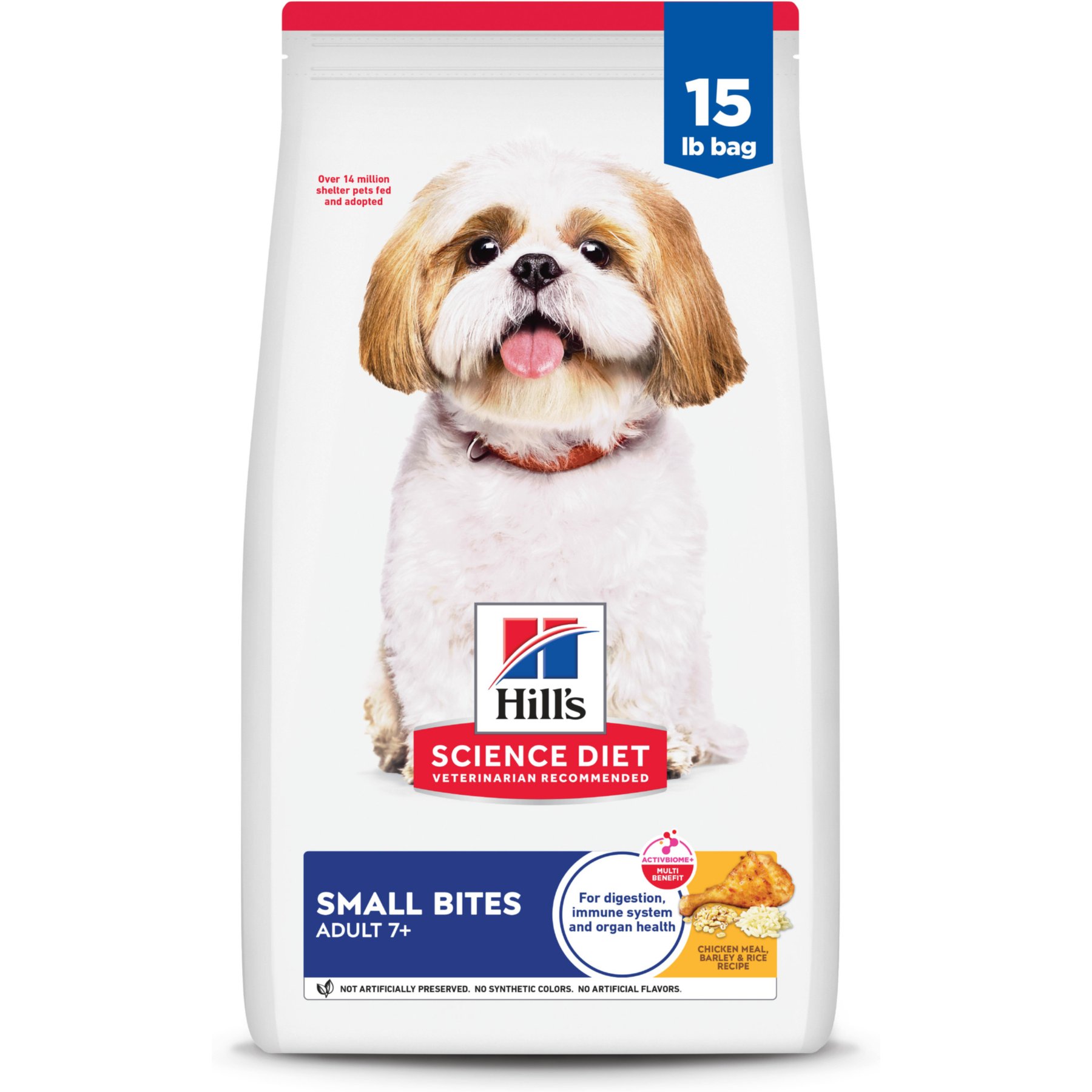
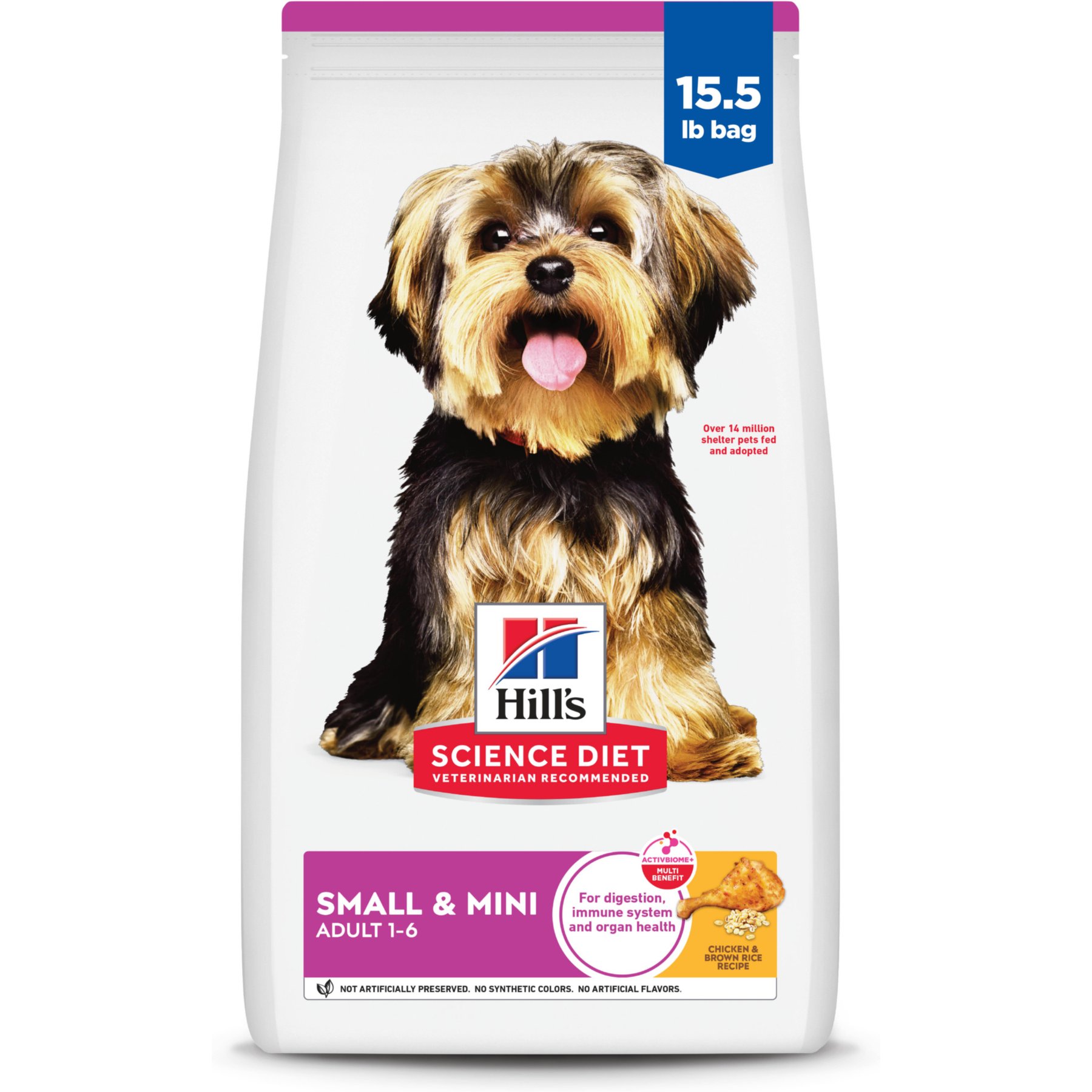
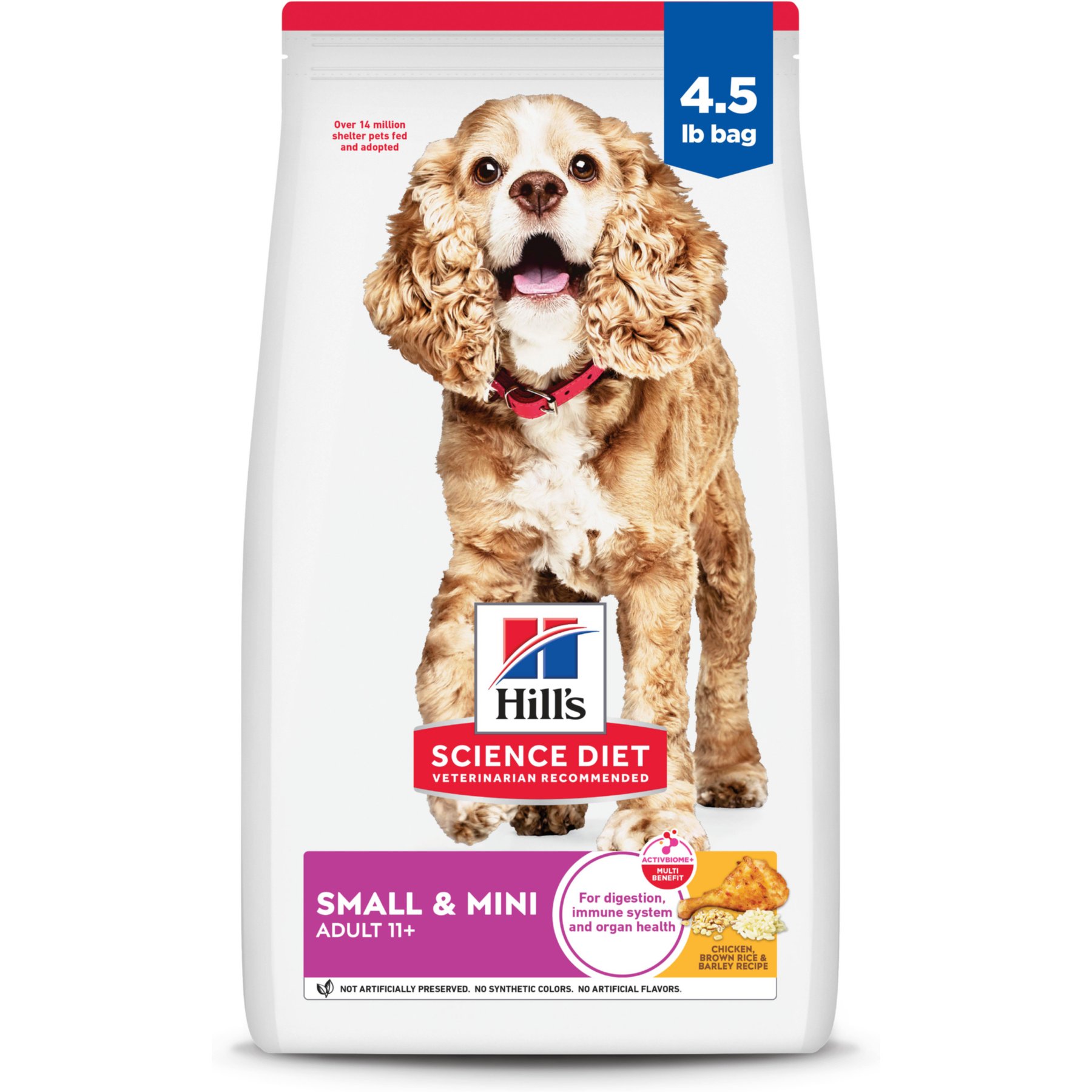
Hill's Science Diet Adult Small Breed
- Rating: 4.77/5 from over 3,000 reviews
- Easy-to-digest ingredients
- Omega-6 fatty acids for coat
- Small kibble for small mouths
- Made in the USA
Purina Pro Plan Small Breed Adult
- Real chicken as first ingredient
- Omega fatty acids for coat
- Probiotics for digestive health
- Calcium for strong bones
Royal Canin Small Adult
- For dogs up to 22 lbs
- L-carnitine for weight management
- EPA and DHA for skin and coat
- Highly digestible proteins
For Heart Health Focus
Look for foods that contain:
- Added taurine
- L-carnitine
- Fish oil or fish-based proteins
- Grain-inclusive formulas
For Weight Management
Royal Canin Small Weight Care
- Rating: 4.80/5
- L-carnitine for metabolism
- High fiber for satiety
- Helps maintain ideal weight
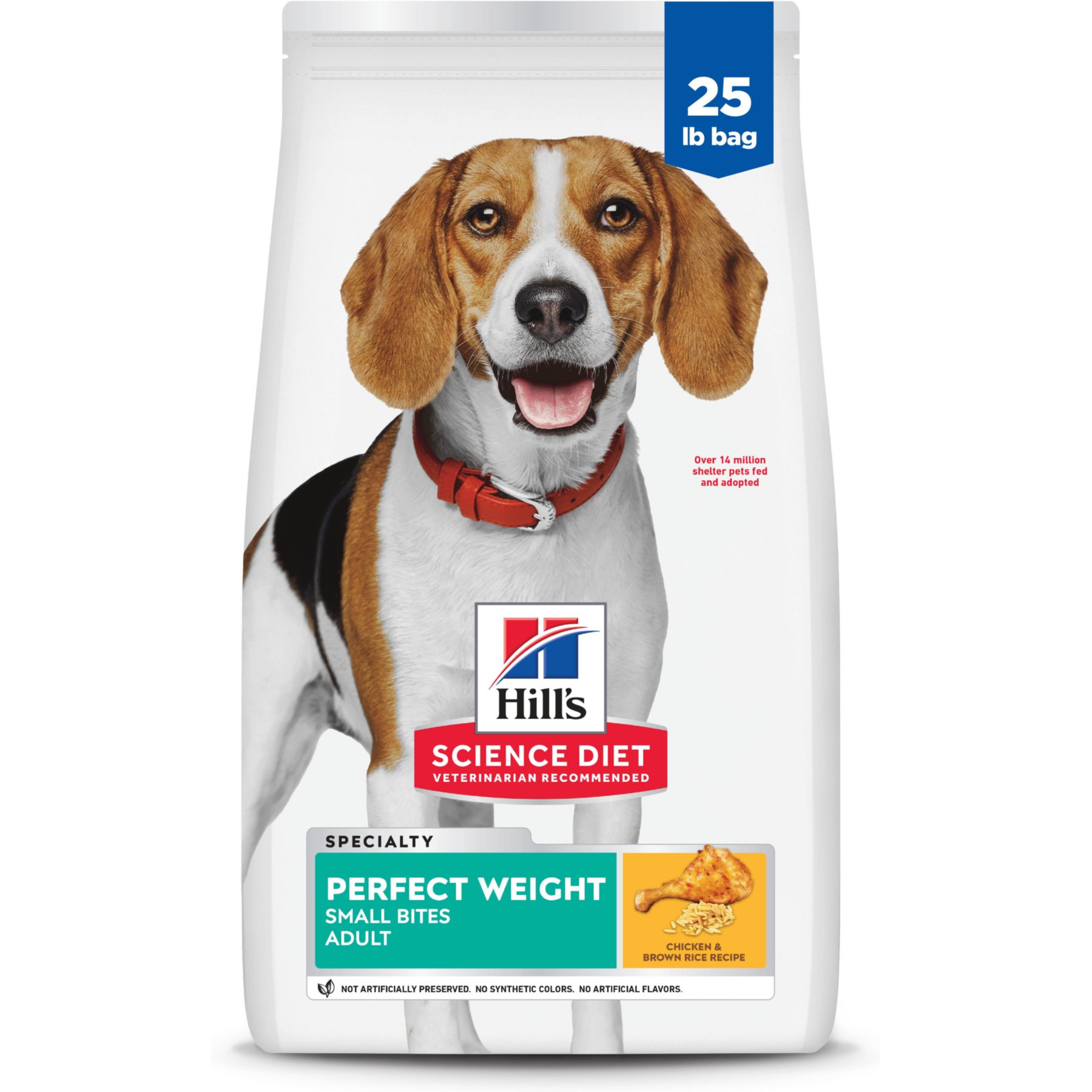
Hill's Science Diet Perfect Weight Small Breed
- Clinically proven weight management
- Real chicken as first ingredient
- Helps dogs feel full longer
Feeding Guidelines
| Weight | Daily Amount | Meals Per Day |
|---|---|---|
| 12-14 lbs | 0.66 - 0.85 cup | 2 |
| 14-16 lbs | 0.85 - 1 cup | 2 |
| 16-18 lbs | 1 - 1.15 cups | 2 |
Note: Cavaliers gain weight easily. If your dog is overweight, reduce portions by 15-20% and consult your vet.
Supporting Heart Health: The #1 Priority
Heart disease affects nearly every Cavalier King Charles Spaniel. By age 5, about 50% have mitral valve disease; by age 10, nearly 100% are affected. Nutrition can help support heart function.
Essential Heart-Healthy Nutrients
- Taurine: Critical amino acid for heart muscle function; deficiency linked to heart disease
- L-carnitine: Helps heart muscle use energy efficiently
- Omega-3 fatty acids (EPA/DHA): Reduce inflammation, support heart rhythm
- CoQ10: Supports heart cell energy production
- Magnesium: Helps maintain proper heart rhythm
Critical Dietary Guidelines
- Always choose grain-inclusive food—FDA has linked grain-free diets to increased heart disease
- Look for foods with added taurine
- Consider fish-based proteins for natural omega-3s
- Avoid boutique, exotic-ingredient, or grain-free (BEG) diets
- Regular cardiac check-ups alongside proper nutrition
Signs of Heart Problems
- Coughing, especially at night or after exercise
- Difficulty breathing or rapid breathing
- Exercise intolerance
- Fainting
- Loss of appetite
- Fluid retention
Seek veterinary care immediately if you notice these signs.
Weight Management for Cavaliers
Why Weight Matters
- Extra weight strains an already-vulnerable heart
- Increases joint stress
- Worsens breathing during exercise
- Reduces quality of life
- May shorten lifespan
Ideal Body Condition
- Ribs easily felt with thin fat covering
- Visible waist from above
- Belly tucks up from side
- Active and comfortable
If Your Cavalier is Overweight
- Consult your vet first
- Switch to weight management formula
- Reduce portions by 15-20%
- Increase gentle exercise (avoid overexertion)
- Use low-calorie treats
- Monthly weigh-ins to track progress
Maintaining the Cavalier Coat
Nutrients for Coat Health
- Omega-3 fatty acids: Add shine and reduce inflammation
- Omega-6 fatty acids: Support skin barrier
- Biotin: Strengthens coat
- Zinc: Essential for skin health
- Protein: Hair is made of keratin
Coat Care Tips
- Quality nutrition is the foundation
- Regular brushing (2-3 times weekly)
- Keep ears clean and dry
- Watch for signs of skin allergies
Feeding Tips for Cavaliers
- Two meals daily: Consistent schedule
- Precise portions: They gain weight easily
- No table scraps: Extra calories add up fast
- Heart-healthy treats: Use training treats wisely
- Fresh water always: Supports overall health
- Calm feeding environment: Cavaliers appreciate routine
Life Stage Considerations
Cavalier Puppies
- Feed puppy formula until 10-12 months
- 3-4 meals daily until 4 months, then 3 meals, then 2 after 6 months
- Establish healthy eating habits early
- Start heart-healthy nutrition from the beginning
Adult Cavaliers (1-7 years)
- Small breed adult formula
- Heart health is the priority
- Monitor weight closely
- Annual cardiac screening recommended
Senior Cavaliers (7+ years)
- Senior formula may be appropriate
- Enhanced joint support
- Continued heart health focus
- More frequent cardiac monitoring
- May need reduced calories
Frequently Asked Questions
Why is heart health so important for Cavaliers?
Cavalier King Charles Spaniels have an extremely high genetic predisposition to mitral valve disease (MVD). Studies show that by age 5, roughly half have heart murmurs, and by age 10, nearly all are affected. While nutrition can't prevent MVD, proper nutrients (taurine, omega-3s, L-carnitine) support heart function and may slow progression.
Should I feed my Cavalier grain-free food?
No—this is especially important for Cavaliers. The FDA has investigated a link between grain-free diets and dilated cardiomyopathy (DCM). Given Cavaliers' already high risk for heart disease, grain-inclusive foods with traditional ingredients are strongly recommended.
My Cavalier is a picky eater. What should I try?
Cavaliers can be choosy. Try warming food slightly to enhance aroma, adding a small amount of warm water, or mixing in a tiny amount of wet food. Stick to a consistent schedule and don't free-feed. Avoid frequent food changes, which can worsen pickiness.
How much exercise does a Cavalier need with proper diet?
Cavaliers need moderate exercise—30-60 minutes of walking and play daily. However, if your Cavalier has heart disease, exercise should be limited based on vet recommendations. Watch for signs of fatigue, coughing, or difficulty breathing during activity.
What supplements should I consider for my Cavalier?
Consult your vet, but commonly recommended supplements include:
- Fish oil (omega-3s for heart)
- CoQ10 (heart support)
- Glucosamine for joints (as they age)
- Probiotics for digestion
Related Resources
- Feeding Calculator - Calculate exact calorie needs for your Cavalier
- Small Breed Dog Food - More small breed options
- Dog Food for Heart Health - Heart-healthy options
- Dog Food for Weight Loss - Weight management formulas
- Compare Dog Foods - Side-by-side product comparison