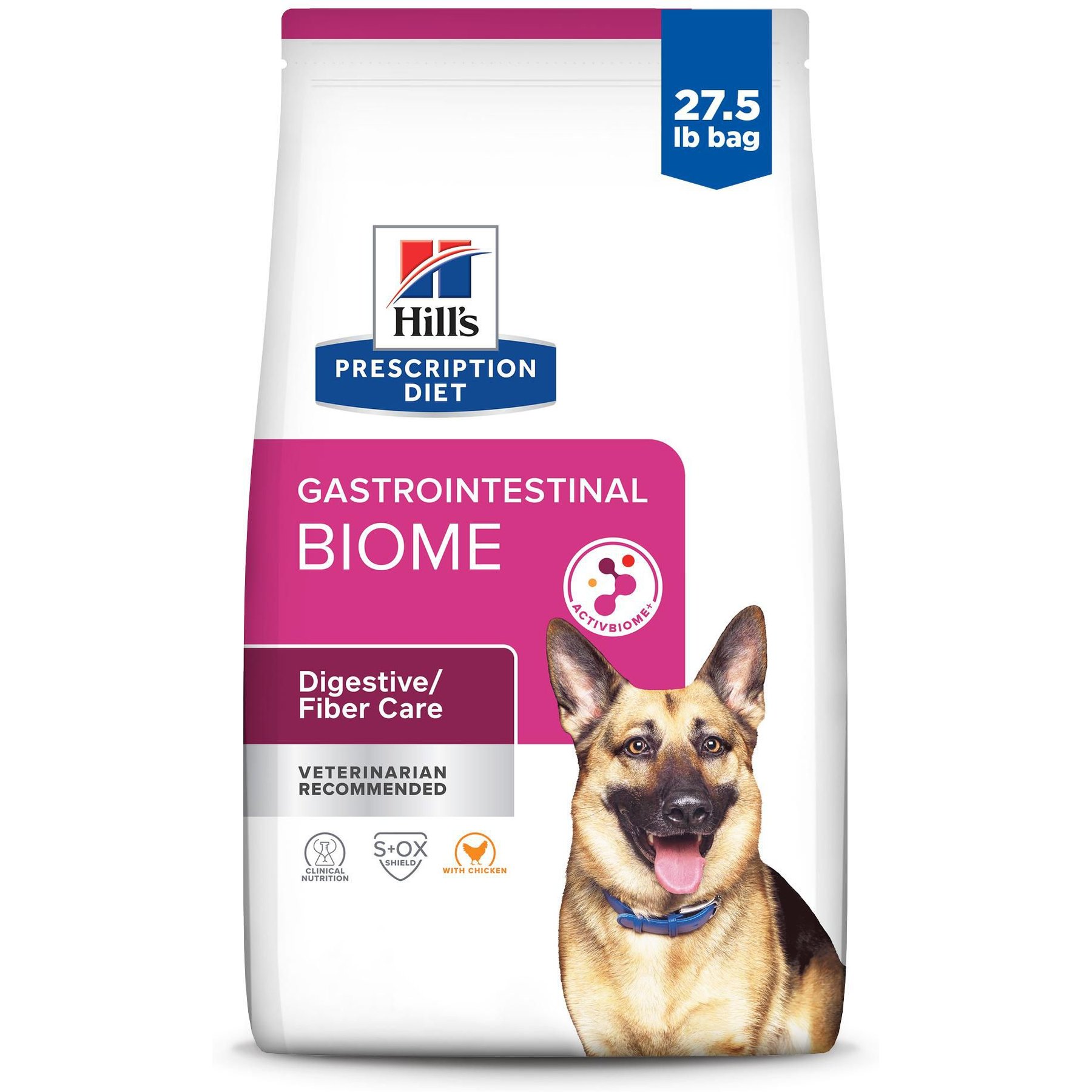
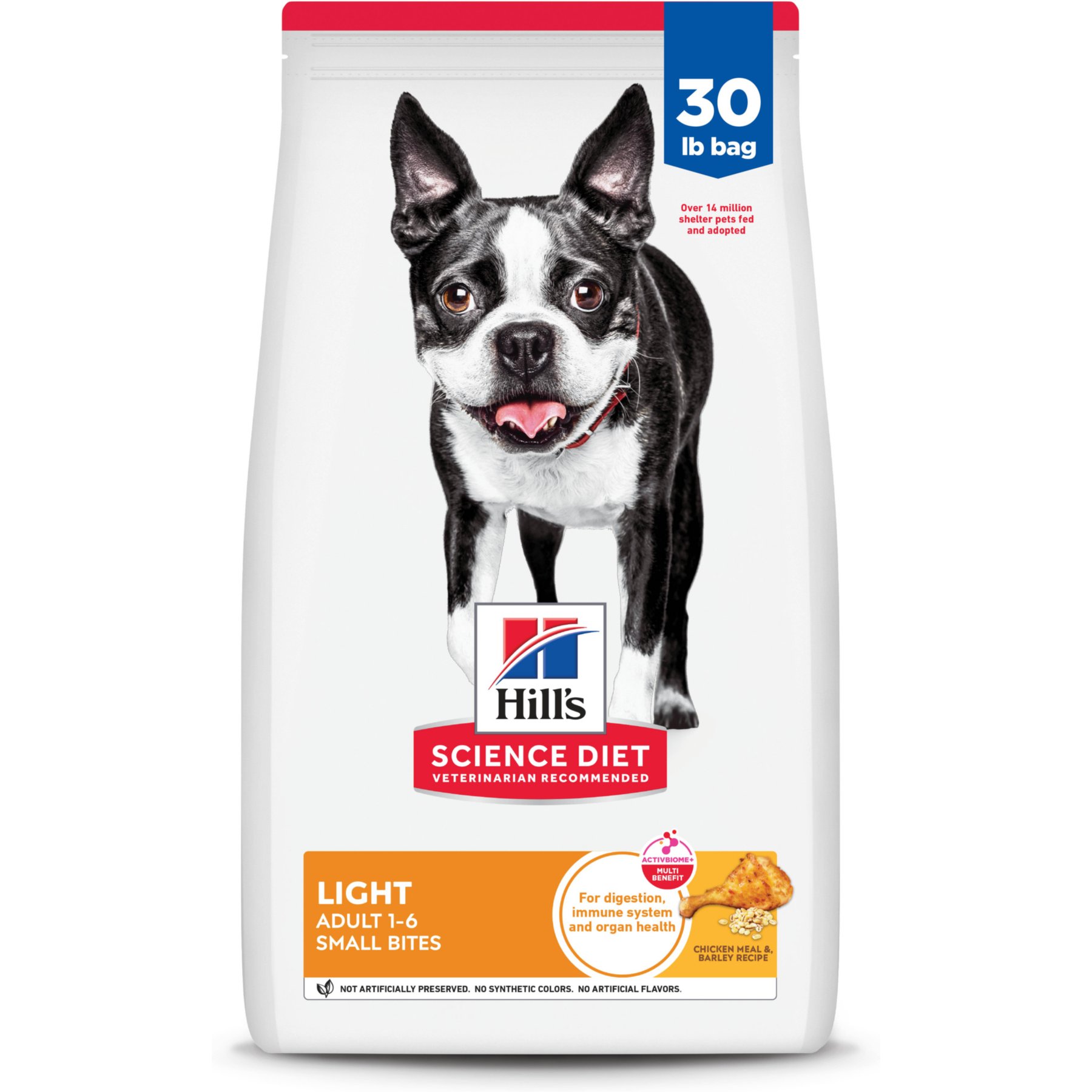
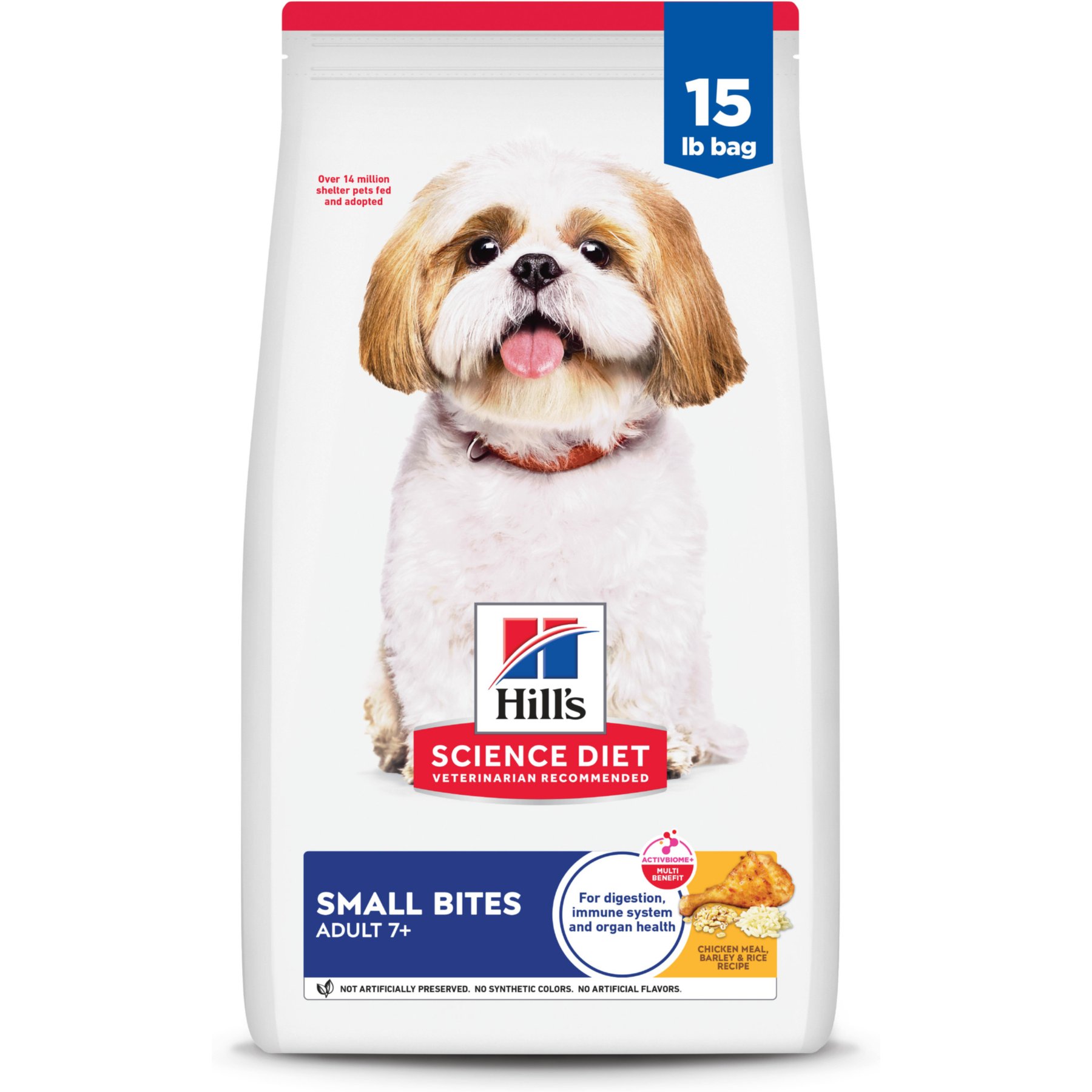
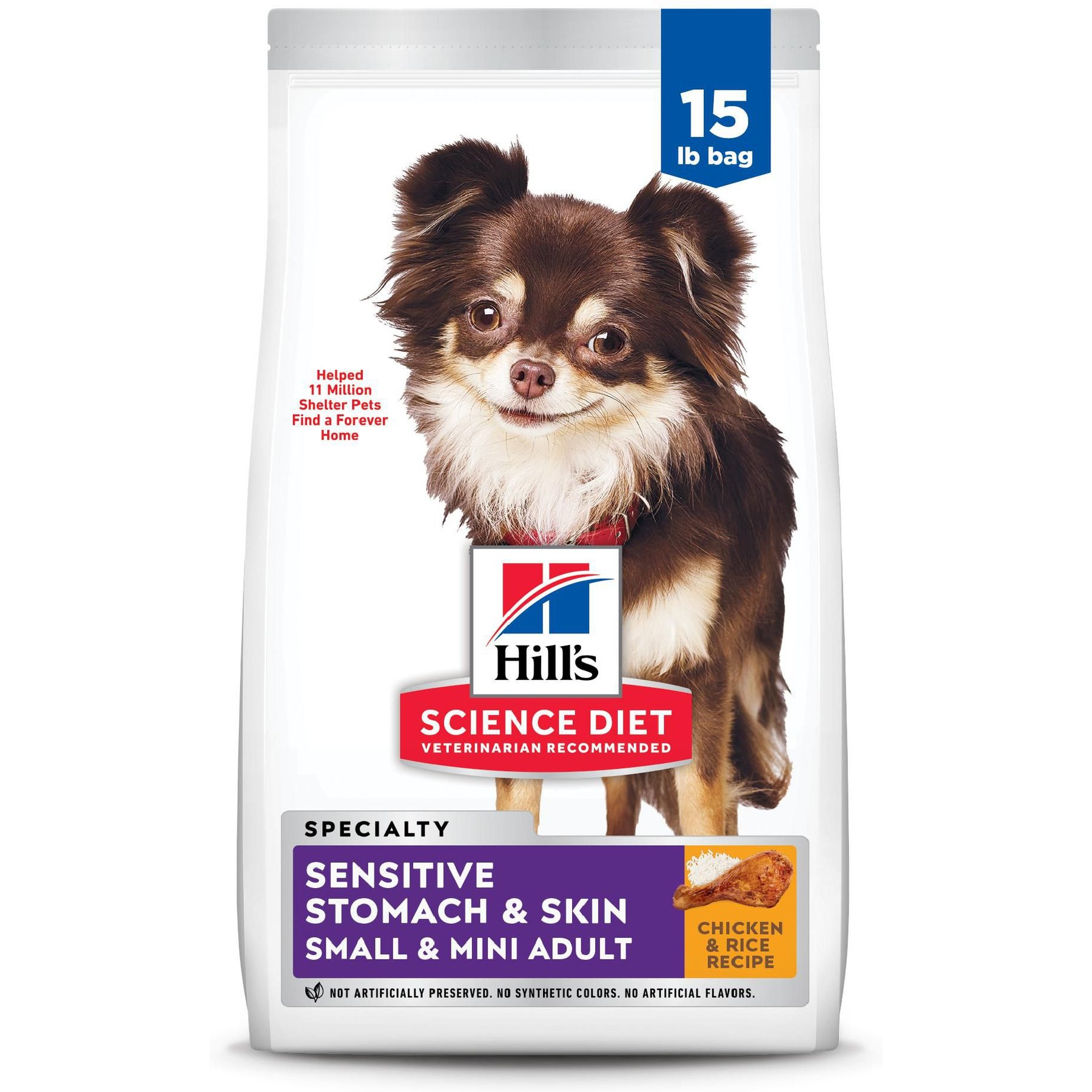
Bloodhounds are iconic scenthounds known for their extraordinary sense of smell, droopy features, and gentle disposition. These large dogs have specific nutritional needs shaped by their size, long ears, and tendency toward certain health conditions.
Nutritional Needs of Bloodhounds
Bloodhounds are a large breed, typically weighing 80-110 pounds. Despite their tracking abilities, most pet Bloodhounds are moderately active.
Key Nutritional Requirements
- Moderate protein (22-26%): Supports muscle without excess
- Moderate fat (12-16%): Provides energy
- Glucosamine and chondroitin: Joint support for large breed
- Omega fatty acids: Support skin and those famous ears
- Easily digestible ingredients: Bloodhounds can have sensitive stomachs
- Moderate fiber: Aids digestion
Common Health Concerns That Affect Diet
- Bloat (GDV): Deep-chested breeds are at highest risk
- Hip and elbow dysplasia: Joint support is important
- Ear infections: Their long ears need omega fatty acid support
- Eye conditions (entropion, ectropion): Antioxidants help
- Skin fold dermatitis: Omega fatty acids support skin
Top Recommended Products
Purina Pro Plan Large Breed Adult
- Real chicken as first ingredient
- EPA and glucosamine for joints
- Omega fatty acids
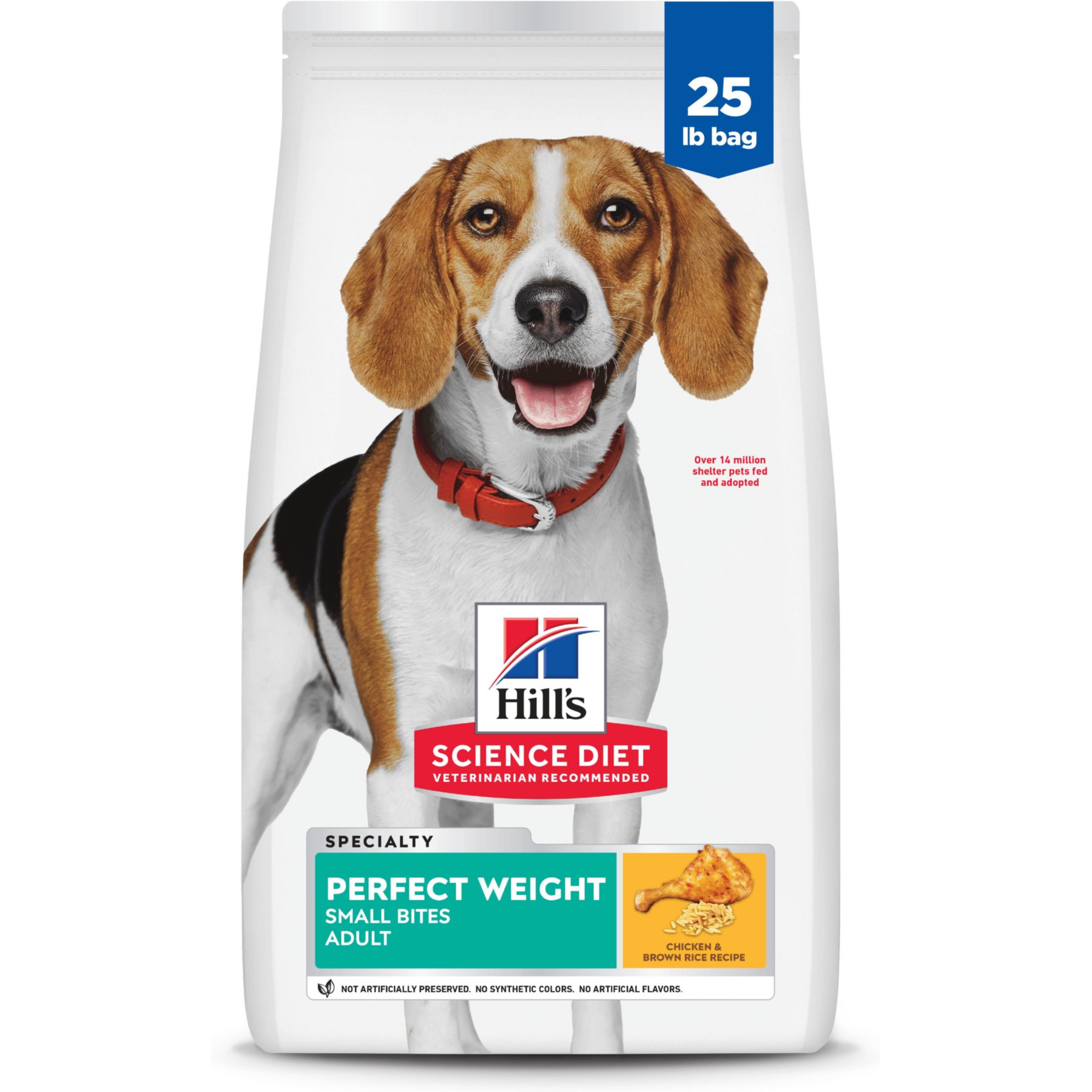
Hill's Science Diet Large Breed
- Glucosamine and chondroitin
- Omega fatty acids
- Made in the USA
Purina Pro Plan Sensitive Skin & Stomach
- Salmon as first ingredient
- High omega-3 content
- Gentle on digestion
Feeding Guidelines
| Weight | Daily Amount | Meals Per Day |
|---|---|---|
| 80-90 lbs | 4 - 5 cups | 2-3 |
| 90-100 lbs | 5 - 5.5 cups | 2-3 |
| 100-110 lbs | 5.5 - 6 cups | 2-3 |
Critical: Feed 2-3 meals daily—never one large meal (bloat prevention).
Preventing Bloat
Bloodhounds are at extremely high risk for bloat.
Prevention
- Feed 2-3 smaller meals daily
- Use slow-feeder bowls
- No exercise 1 hour around meals
- Consider prophylactic gastropexy
Ear Health
Those famous ears need nutritional support.
Dietary Support
- Omega-3 fatty acids support ear health
- Easily digestible foods reduce overall inflammation
Beyond Diet
- Clean ears weekly
- Dry after water exposure
- Check for infections regularly
Frequently Asked Questions
How much should I feed my Bloodhound?
Most adult Bloodhounds need 1,800-2,400 calories daily. This translates to 4-6 cups of dry food daily, always split into 2-3 meals for bloat prevention.
How do I keep my Bloodhound's ears healthy?
Omega fatty acids in food support ear health. Beyond diet: clean ears weekly, dry thoroughly after baths and swimming, and see your vet at first sign of infection.
My Bloodhound has a sensitive stomach. What should I try?
Choose easily digestible foods. Limited ingredient diets may help. Feed smaller, more frequent meals. If problems persist, consult your vet.
Related Resources
- Feeding Calculator - Calculate calorie needs
- Large Breed Dog Food - More options
- Dog Food for Sensitive Stomach - Digestive options
- Compare Dog Foods - Side-by-side comparison