Bichon Frises are cheerful, playful companion dogs known for their fluffy white coats, joyful personalities, and hypoallergenic qualities. These charming small dogs have specific nutritional needs focused on coat health, tear stain management, and allergy prevention.
Nutritional Needs of Bichon Frises
Bichons are a small breed, typically weighing 12-18 pounds. Their beautiful white coat and tendency toward allergies make nutrition especially important.
Key Nutritional Requirements
- Moderate protein (22-26%): Supports lean muscle
- Moderate fat (12-15%): Provides energy
- Omega fatty acids: Essential for their fluffy coat
- Limited ingredients: Bichons are prone to allergies
- No artificial colors: Helps reduce tear staining
- Small kibble: For small mouths
Common Health Concerns That Affect Diet
- Allergies: Both food and environmental
- Tear staining: Diet can affect severity
- Dental disease: Small mouths crowd teeth
- Bladder stones: Some are predisposed
- Luxating patella: Joint support helps
- Cushing's disease: Some lines are affected
Top Recommended Products
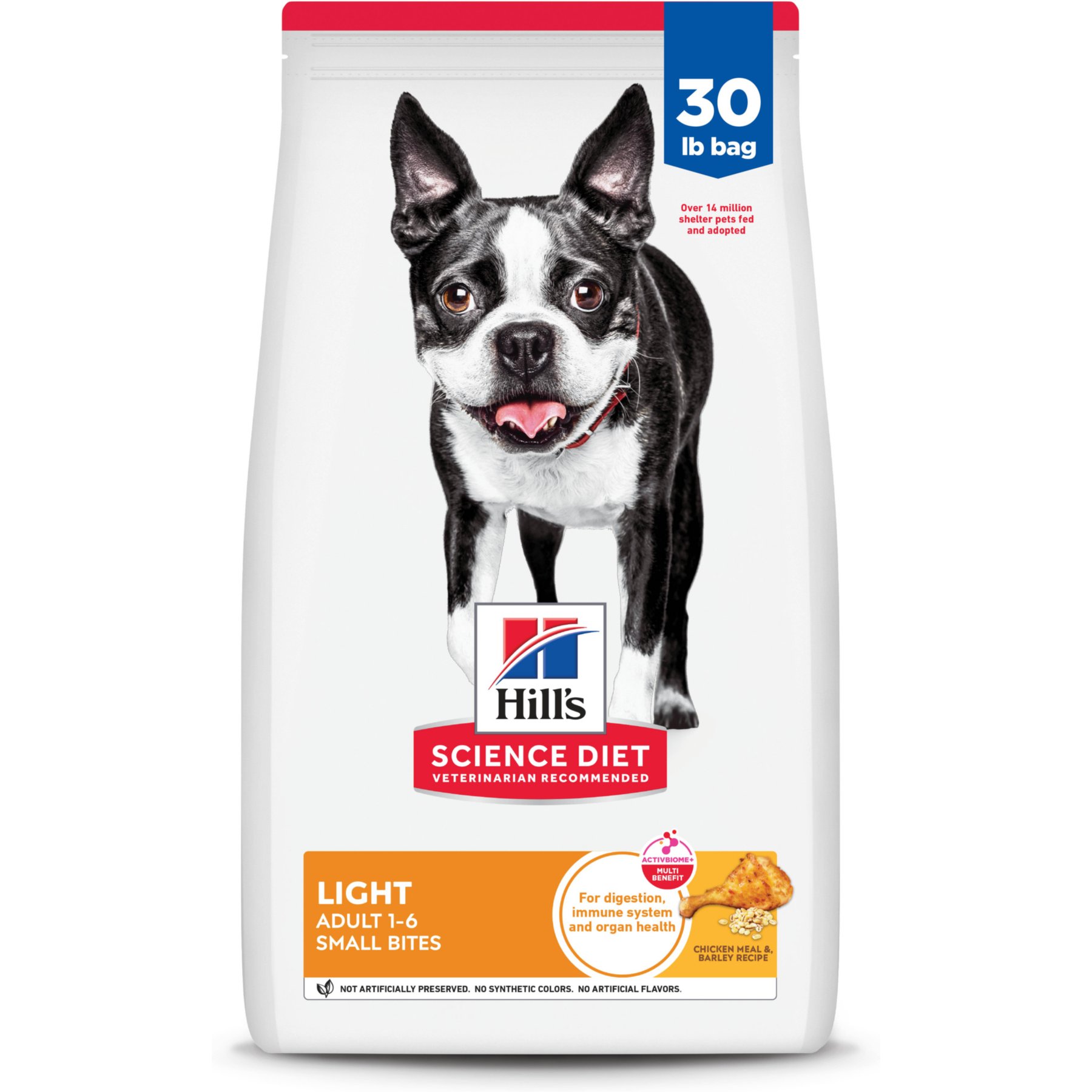
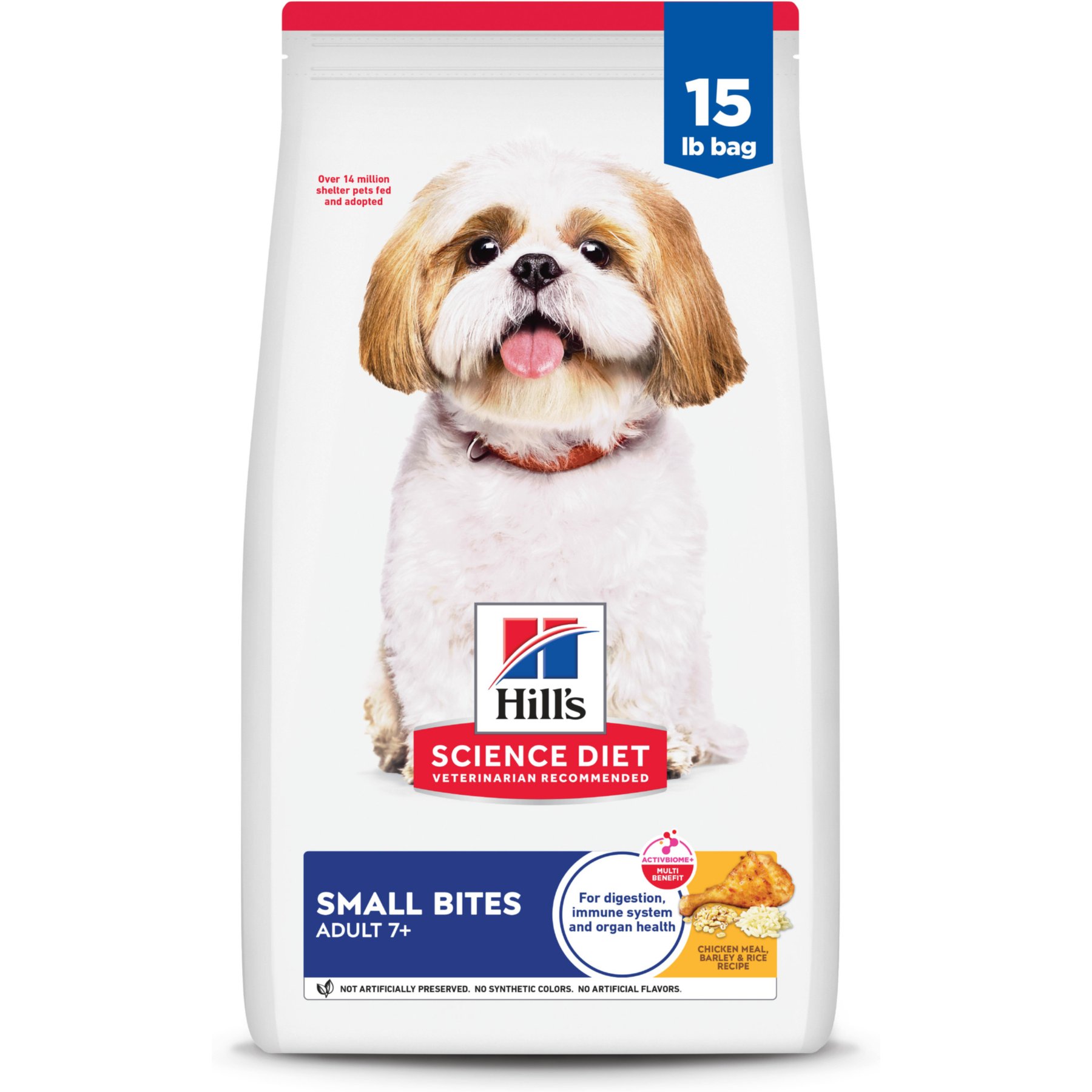
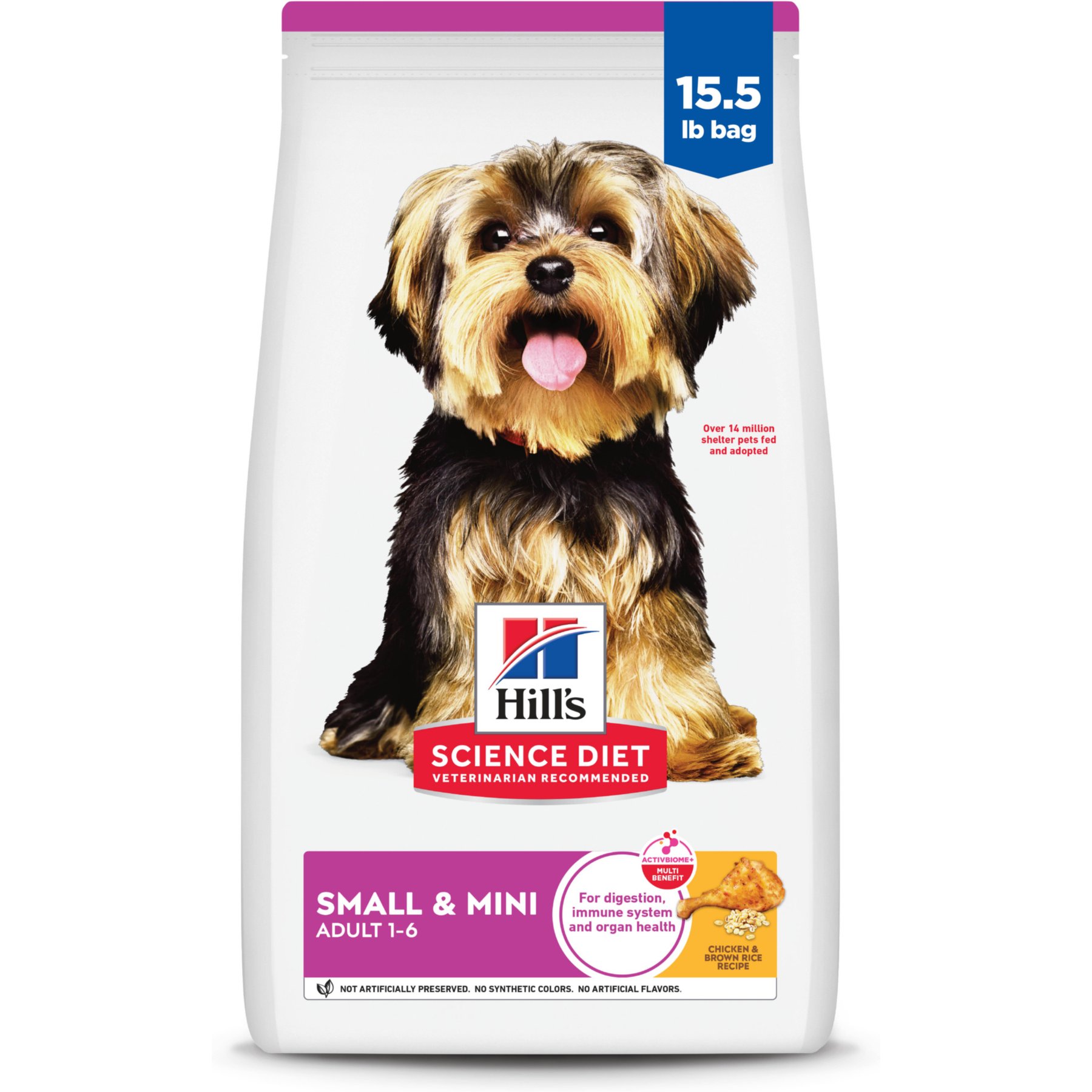
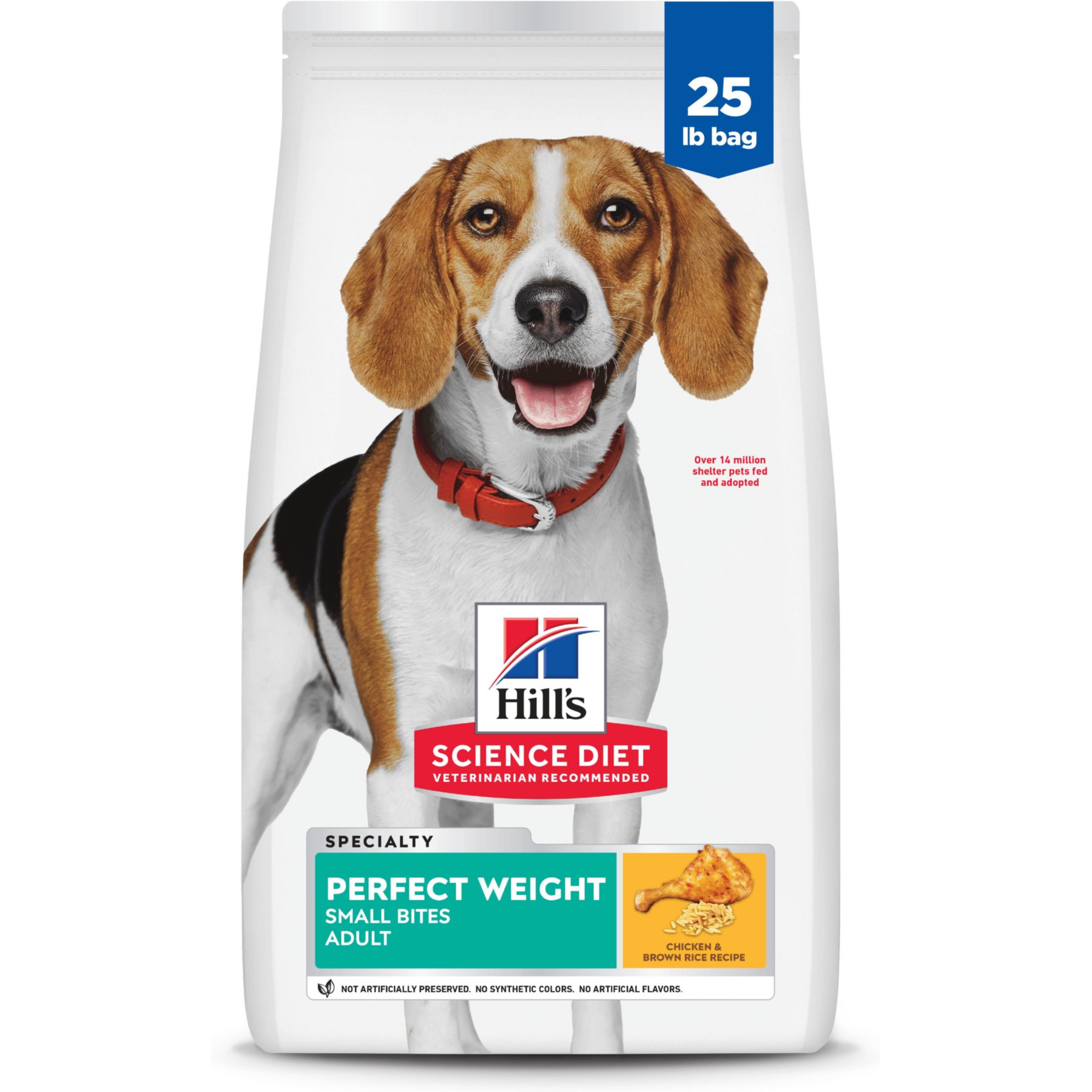
Hill's Science Diet Adult Small Breed
- Rating: 4.77/5
- Easy-to-digest ingredients
- Omega fatty acids
- Small kibble
Purina Pro Plan Sensitive Skin & Stomach
- Salmon as first ingredient
- Omega fatty acids
- No artificial colors
Royal Canin Small Adult
- Highly digestible proteins
- EPA and DHA for coat
- Small kibble
Feeding Guidelines
| Weight | Daily Amount | Meals Per Day |
|---|---|---|
| 10-13 lbs | 0.66 - 0.85 cup | 2 |
| 13-16 lbs | 0.85 - 1 cup | 2 |
| 16-18 lbs | 1 - 1.15 cups | 2 |
Reducing Tear Stains
Dietary Strategies
- Avoid artificial colors and dyes
- Avoid beet pulp
- Consider limited ingredient diets
- Ensure adequate hydration
- Some find avoiding chicken helps
Beyond Diet
- Keep face clean and dry
- Use filtered water
- Trim hair around eyes
Maintaining the Bichon Coat
Key Nutrients
- Omega-3 fatty acids
- Omega-6 fatty acids
- Biotin
- Zinc
- Quality protein
Coat Care Tips
- Quality nutrition first
- Daily brushing prevents mats
- Regular professional grooming
- Fish oil supplementation may help
Feeding Tips
- Limited ingredients: Reduces allergic reactions
- No artificial additives: Helps reduce tear stains
- Omega-rich food: Supports coat
- Two meals daily: Consistent schedule
- Fresh, filtered water: May reduce tear staining
- Small kibble: For dental health
Frequently Asked Questions
How do I reduce my Bichon's tear stains?
Avoid foods with artificial colors. Consider limited ingredient diets. Ensure adequate hydration with filtered water. Keep the face clean and dry. Some owners find that avoiding certain proteins helps.
What should I feed my Bichon with allergies?
Try limited ingredient diets with novel proteins (fish, duck, lamb). Avoid common allergens like chicken, beef, wheat, and corn. Look for foods high in omega fatty acids for skin support.
How much should I feed my Bichon Frise?
Most adult Bichons need 400-600 calories daily. This translates to 2/3 to 1 cup of dry food daily, split into two meals.
Related Resources
- Feeding Calculator - Calculate calorie needs
- Small Breed Dog Food - More options
- Dog Food for Skin Allergies - Allergy options
- Compare Dog Foods - Side-by-side comparison