Bernese Mountain Dogs are gentle giants known for their striking tri-colored coats, calm temperament, and unwavering loyalty. These large Swiss working dogs have specific nutritional needs shaped by their size, their beautiful thick coats, and unfortunately, their predisposition to certain health conditions.
Nutritional Needs of Bernese Mountain Dogs
Bernese Mountain Dogs are a large to giant breed, typically weighing 70-115 pounds. Despite their size, they're not overly active dogs, which means their calorie needs are more moderate than other large breeds.
Key Nutritional Requirements
- High-quality protein (23-26%): Supports lean muscle mass
- Moderate fat (12-16%): Provides energy without excess calories
- Glucosamine and chondroitin: Critical for joint health in this heavy breed
- Omega-3 fatty acids (EPA/DHA): Support joints, coat, and may have anti-cancer properties
- Taurine and L-carnitine: Support heart health
- Antioxidants: May help reduce cancer risk
- Calcium and phosphorus balance: For bone health
Common Health Concerns That Affect Diet
Bernese Mountain Dogs face several serious health challenges that proper nutrition may help address:
- Cancer: Unfortunately, Berners have very high cancer rates; antioxidant-rich diets may help
- Hip and elbow dysplasia: Joint support is essential
- Histiocytosis: A type of cancer common in Berners
- Bloat (GDV): Large, deep-chested dogs are at risk
- Dilated cardiomyopathy: Heart support nutrients are important
- Cruciate ligament issues: Maintaining healthy weight protects joints
- Hypothyroidism: Quality nutrition supports thyroid function
What to Look for in Bernese Mountain Dog Food
Must-Have Features
- Large breed formula
- High-quality animal protein as first ingredient
- Glucosamine and chondroitin for joints
- Omega-3 fatty acids from fish oil
- Antioxidant-rich ingredients
- Taurine and L-carnitine for heart health
- Grain-inclusive formula (avoid grain-free)
Beneficial Ingredients
- Fish or fish oil (omega-3s, may have anti-cancer properties)
- Blueberries, spinach (antioxidants)
- Sweet potatoes (digestible carbs)
- Eggs (protein and essential nutrients)
- Green-lipped mussel (joint support)
Top Recommended Products
Based on our database analysis, these products are excellent choices for Bernese Mountain Dogs:
Large Breed Options
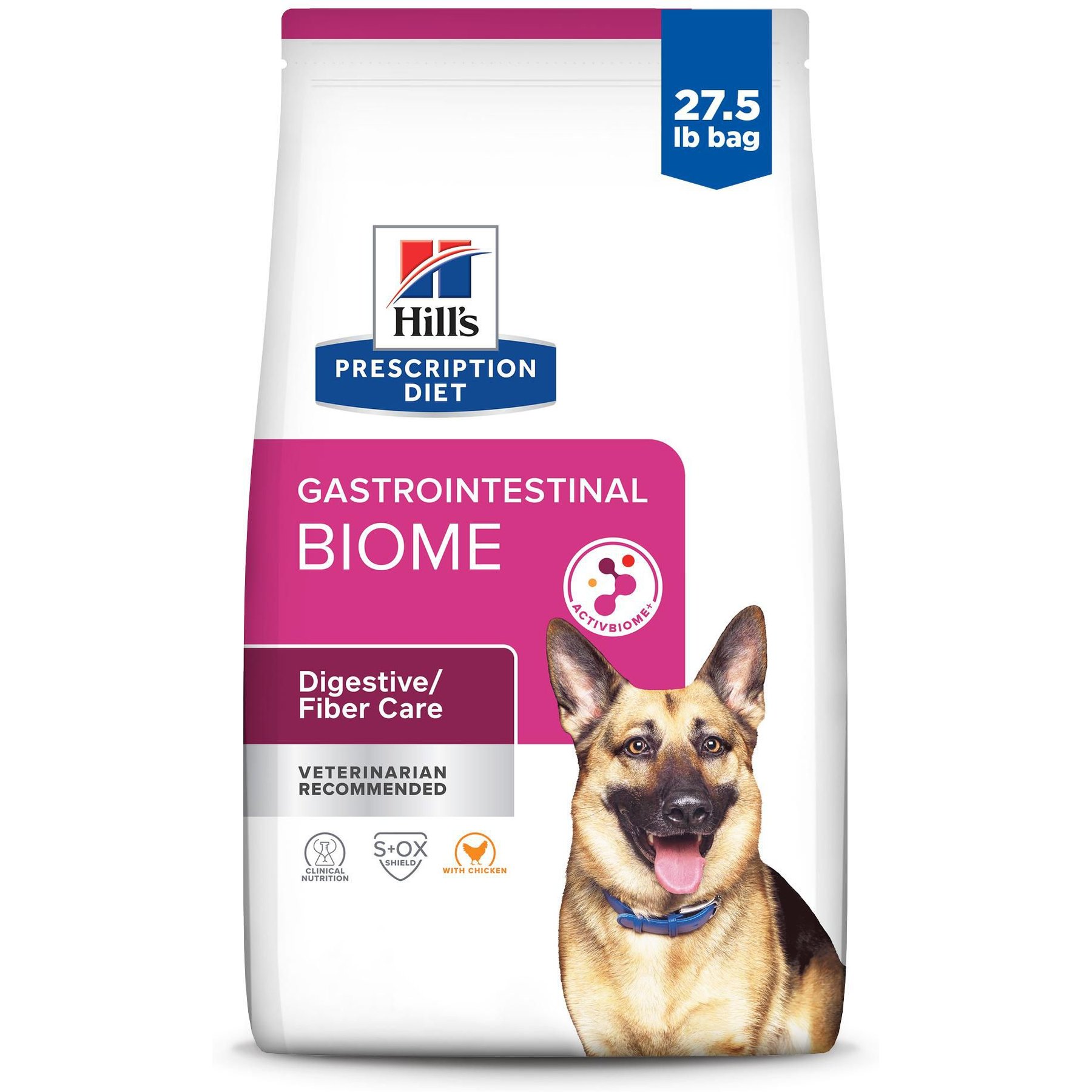
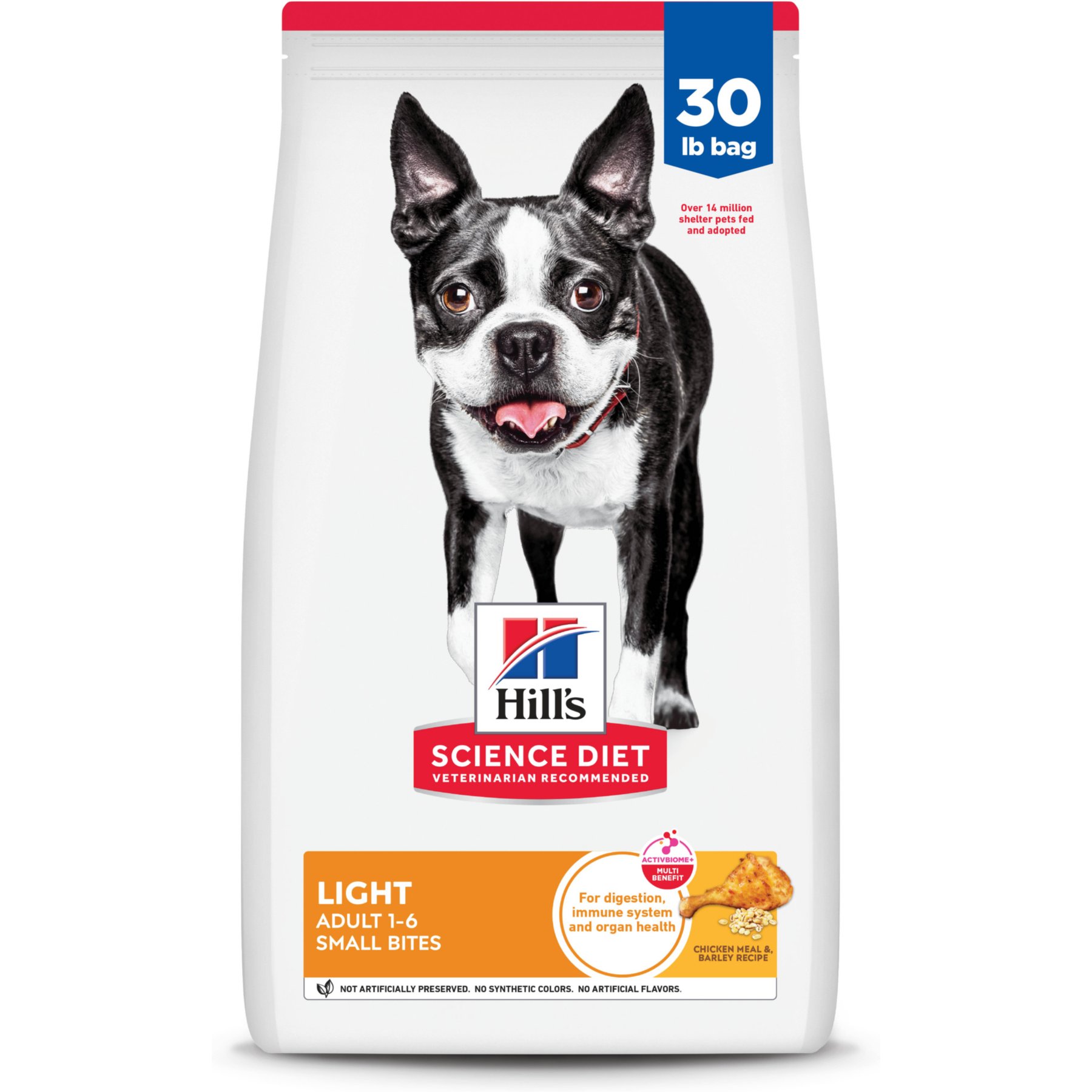
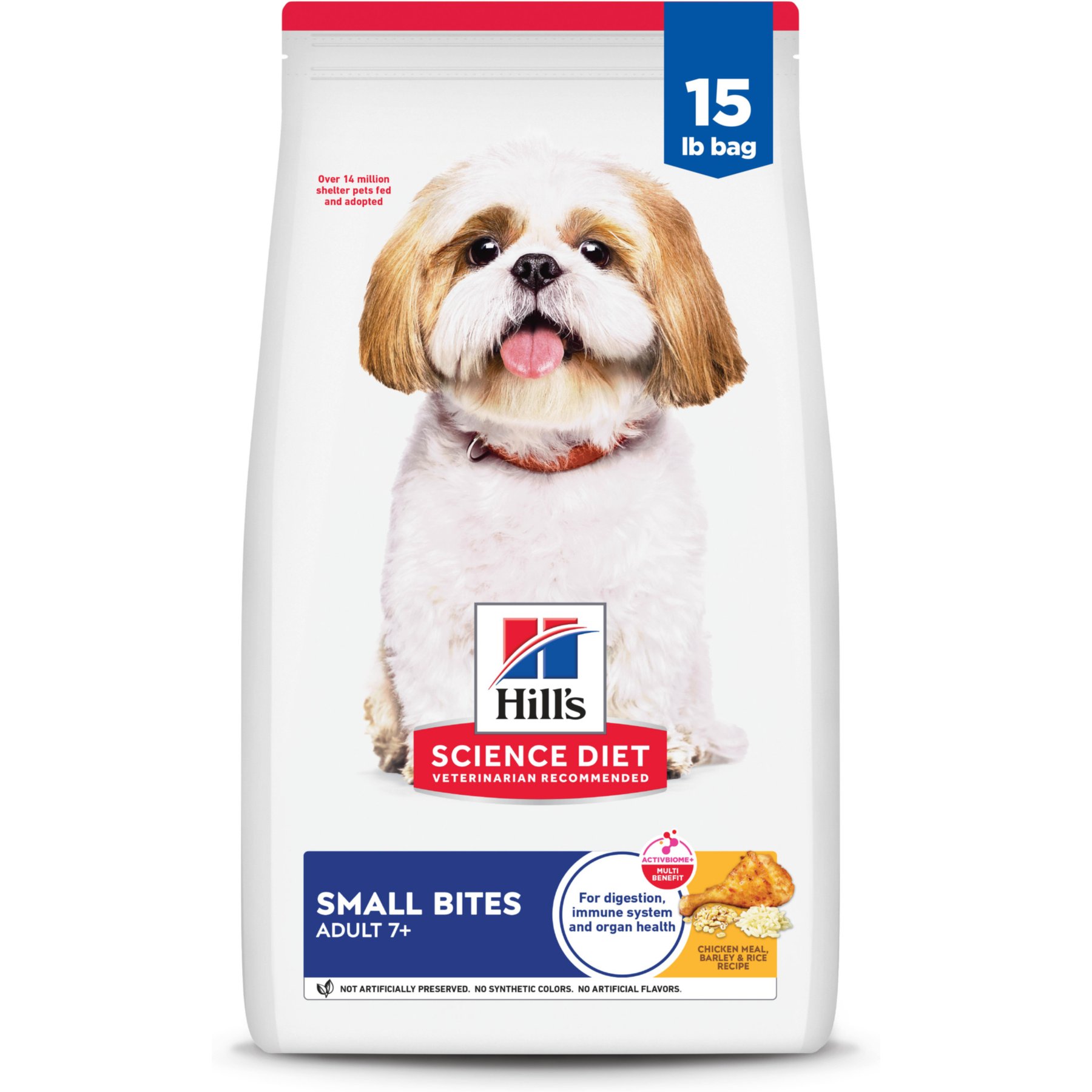
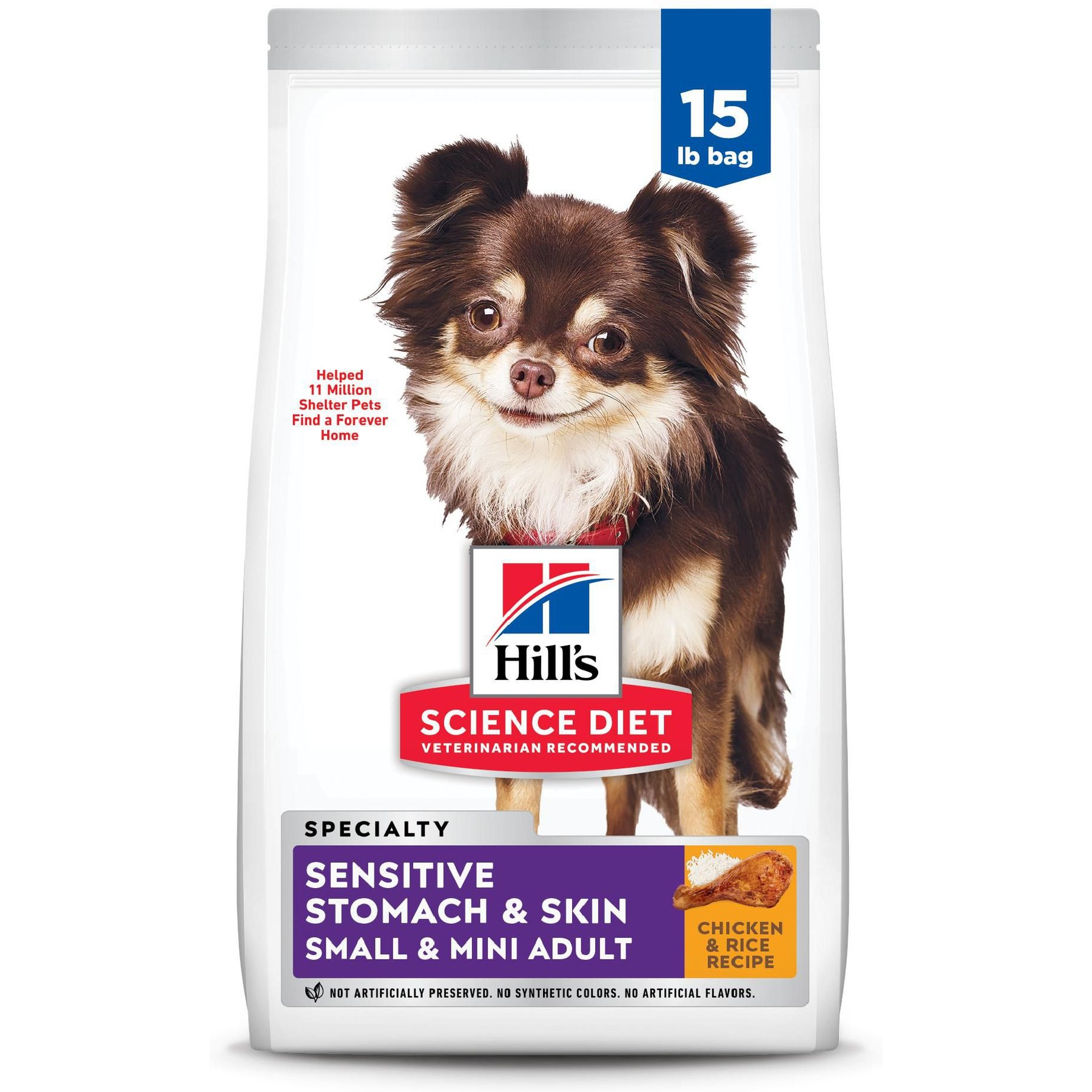
Hill's Science Diet Adult Large Breed
- Glucosamine and chondroitin from natural sources
- Omega fatty acids for coat
- L-carnitine for lean muscle
- Made in the USA
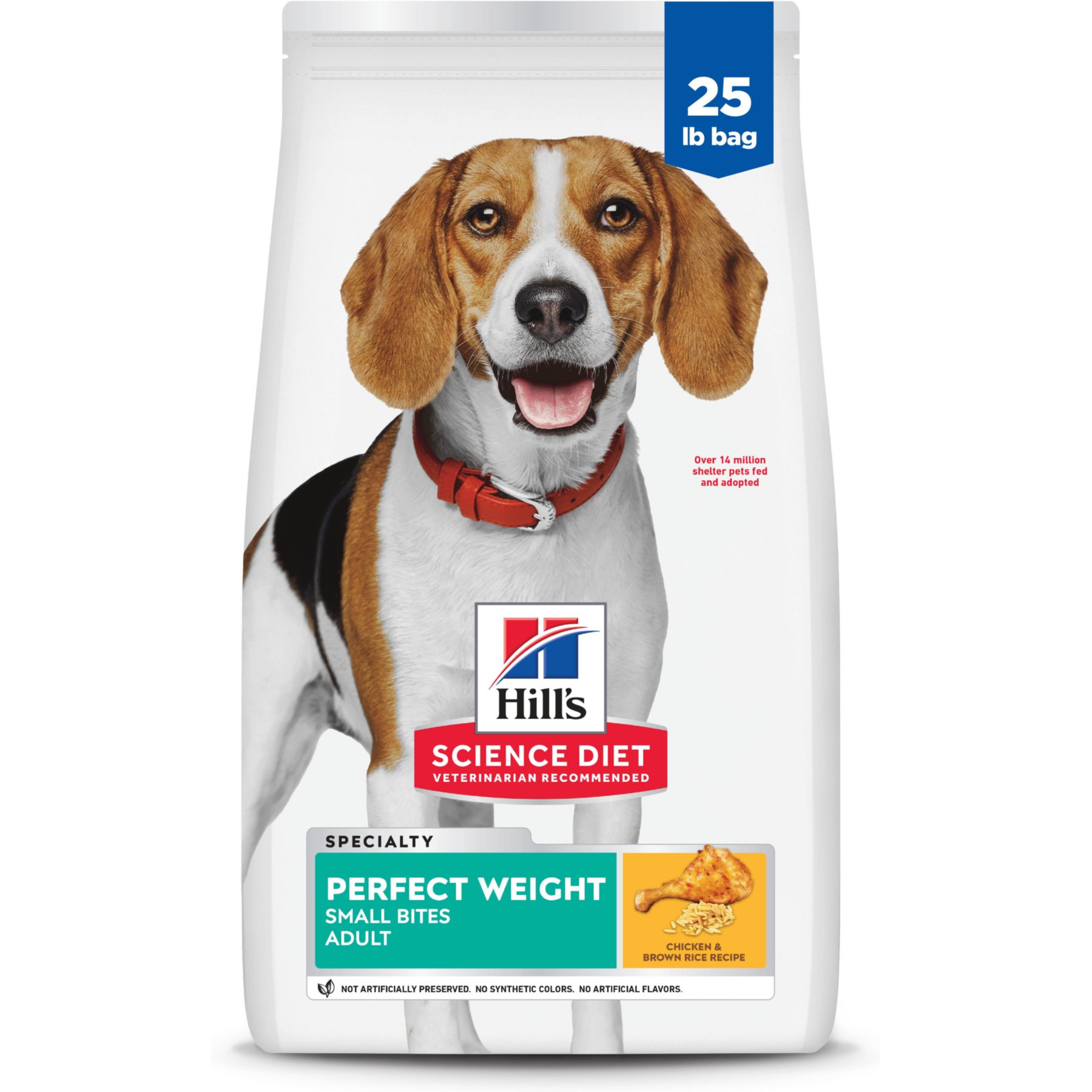
Hill's Science Diet Perfect Weight & Joint Support (Large Breed)
- Rating: 4.80/5
- Contains omega-3 EPA from fish oil
- Glucosamine for joint health
- Supports healthy weight
- Made in the USA
Purina Pro Plan Large Breed Adult
- Real chicken as first ingredient
- EPA and glucosamine for joints
- Live probiotics for digestion
- Omega fatty acids for coat
Royal Canin Size Health Nutrition Large Adult
- Tailored for dogs 56-100 lbs
- EPA and DHA for joints and coat
- L-carnitine for metabolism
- Highly digestible proteins
For Giant Berners (100+ lbs)
Royal Canin Giant Adult
- For dogs over 100 lbs
- EPA and DHA for joints
- L-carnitine for healthy weight
- Large kibble for giant breeds
For Joint Health Focus
Purina Pro Plan Large Breed Joint Health
- Enhanced EPA and glucosamine
- Real chicken as first ingredient
- Supports joint mobility
- Omega-3 fatty acids
Feeding Guidelines
| Weight | Daily Amount (Adult) | Activity Level |
|---|---|---|
| 70-85 lbs | 3.5 - 4.5 cups | Moderate |
| 85-100 lbs | 4.5 - 5.5 cups | Moderate |
| 100-115 lbs | 5.5 - 6.5 cups | Moderate |
Note: Berners are not overly active. Don't overfeed based on their size alone.
Cancer Prevention Through Nutrition
Bernese Mountain Dogs have one of the highest cancer rates of any breed. While nutrition can't prevent cancer, it may help support overall health.
Potentially Beneficial Nutrients
- Omega-3 fatty acids: Anti-inflammatory properties, may slow tumor growth
- Antioxidants: Combat cellular damage
- High-quality protein: Supports immune function
- Cruciferous vegetables: Some research suggests anti-cancer properties
- Avoid obesity: Excess weight is linked to increased cancer risk
Dietary Strategies
- Choose fish-based or fish-oil-rich foods
- Look for antioxidant-rich formulas
- Maintain lean body weight
- Minimize processed ingredients
- Consider supplements (consult vet first)
Important Notes
- No diet can guarantee cancer prevention
- Regular veterinary check-ups are essential
- Early detection improves outcomes
- Discuss cancer screening with your vet
Supporting Joint Health
Given their size and predisposition to joint issues, joint support is crucial for Berners.
Key Joint-Supporting Nutrients
- Glucosamine: Building block for cartilage
- Chondroitin: Supports cartilage health
- Omega-3 fatty acids (EPA/DHA): Reduce inflammation
- MSM: Supports joint comfort
- Vitamin E and C: Antioxidant support
Weight Management for Joints
- Every extra pound stresses joints
- Keep Berners lean—visible waist, feel ribs easily
- Moderate exercise protects joints
- Avoid high-impact activities in puppies
Preventing Bloat in Berners
Bernese Mountain Dogs have deep chests, putting them at risk for bloat.
Prevention Strategies
- Feed 2-3 smaller meals instead of one large meal
- Use slow-feeder bowls
- No exercise 1 hour before or after eating
- Keep feeding environment calm
- Avoid elevated food bowls
- Monitor water intake
Warning Signs of Bloat
- Distended, hard abdomen
- Unproductive retching
- Excessive drooling
- Restlessness
- Emergency—seek immediate veterinary care
Maintaining the Berner Coat
Nutrients for Coat Health
- Omega-3 fatty acids: Add shine and reduce inflammation
- Omega-6 fatty acids: Support skin barrier
- Biotin: Strengthens coat
- Zinc: Essential for skin health
- Protein: Coat is made of keratin protein
Coat Care Tips
- Quality nutrition is the foundation
- Regular brushing (2-3 times weekly minimum)
- More frequent during shedding season
- Omega-3 supplementation may reduce shedding
Feeding Tips for Bernese Mountain Dogs
- Multiple daily meals: 2-3 meals for bloat prevention
- Slow-feeder bowls: Prevent rapid eating
- No exercise around meals: Wait 1 hour before and after
- Monitor weight closely: Obesity worsens joint issues
- Quality matters: Invest in premium nutrition
- Fresh water always available: Supports all body functions
Life Stage Considerations
Berner Puppies (0-18 months)
- Large breed puppy formula until 12-18 months
- Controlled growth protects developing joints
- 3-4 meals daily until 6 months, then 2-3 meals
- Keep puppies lean—feel those ribs
- Don't over-exercise growing puppies
Adult Berners (2-6 years)
- Large breed adult formula
- Focus on joint health and cancer prevention
- Maintain lean body weight
- 2-3 meals daily
- Annual health screening
Senior Berners (6+ years)
- Berners age faster than smaller breeds
- Senior formula with enhanced joint support
- Continue antioxidant-rich diet
- May need calorie reduction
- More frequent health monitoring
- Watch for cancer signs
Frequently Asked Questions
How long do Bernese Mountain Dogs typically live?
Unfortunately, Berners have shorter lifespans than many breeds—typically 6-8 years, though some live longer. This is largely due to high cancer rates. Quality nutrition, maintaining healthy weight, and regular veterinary care may help optimize their years.
Should I give my Berner supplements?
Many Berner owners provide supplements including:
- Fish oil (omega-3s)
- Glucosamine/chondroitin (joint health)
- CoQ10 (heart support)
- Antioxidant blends
Consult your vet before adding supplements, especially if your dog has health conditions or takes medications.
How much should I feed my Bernese Mountain Dog?
Adult Berners typically need 1,800-2,500 calories daily depending on size and activity. This translates to roughly 3.5-6.5 cups of quality dry food daily, split into 2-3 meals. Berners are not highly active, so don't overfeed based on size alone. Maintain a lean body condition.
Why is my Berner always hungry?
Some Berners have hearty appetites, but they should be fed based on ideal weight, not appetite. If your Berner seems constantly hungry despite adequate portions, ensure they're getting enough fiber for satiety. If hunger persists, consult your vet to rule out issues like hypothyroidism.
Should I feed my Berner grain-free food?
No—grain-free food is not recommended for Bernese Mountain Dogs. The FDA has investigated links between grain-free diets and dilated cardiomyopathy (DCM), and Berners may already be predisposed to heart issues. Choose high-quality grain-inclusive foods from established brands.
Related Resources
- Feeding Calculator - Calculate exact calorie needs for your Berner
- Large Breed Dog Food - More large breed options
- Dog Food for Joint Health - Joint support formulas
- Dog Food for Heart Health - Heart-healthy options
- Compare Dog Foods - Side-by-side product comparison