Basset Hounds are charming, low-slung scenthounds known for their distinctive long ears, soulful eyes, and laid-back personalities. These short-legged dogs have unique nutritional needs shaped by their body structure and tendency toward weight gain.
Nutritional Needs of Basset Hounds
Basset Hounds are a medium breed, typically weighing 40-65 pounds. Their unique body structure—long spine, short legs, heavy bone—creates specific dietary priorities.
Key Nutritional Requirements
- Moderate protein (22-26%): Supports muscle without excess calories
- Controlled fat (10-14%): Bassets gain weight easily
- Glucosamine and chondroitin: Joint and spine support is critical
- L-carnitine: Supports metabolism
- Omega fatty acids: Support skin and ears
- Moderate fiber: Promotes satiety
Common Health Concerns That Affect Diet
- Obesity: Very common and dangerous for their spine
- Intervertebral disc disease: Their long backs are vulnerable
- Bloat (GDV): Deep-chested breeds are at risk
- Ear infections: Those long ears need omega fatty acid support
- Hip and elbow dysplasia: Joint support is important
- Glaucoma: Antioxidants support eye health
Top Recommended Products
Royal Canin Medium Weight Care
- Rating: 4.80/5
- L-carnitine for metabolism
- Fiber for satiety
- Helps maintain ideal weight
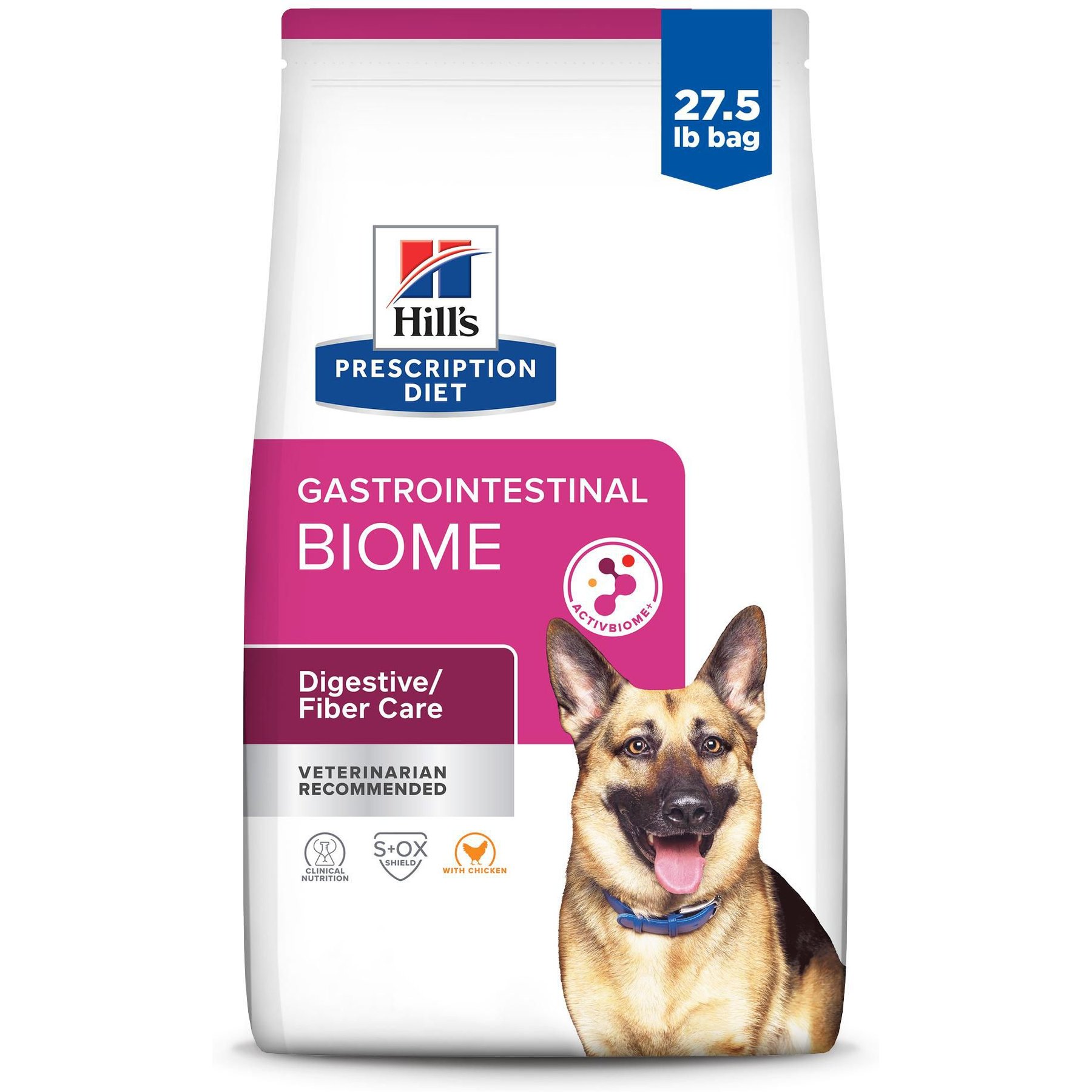
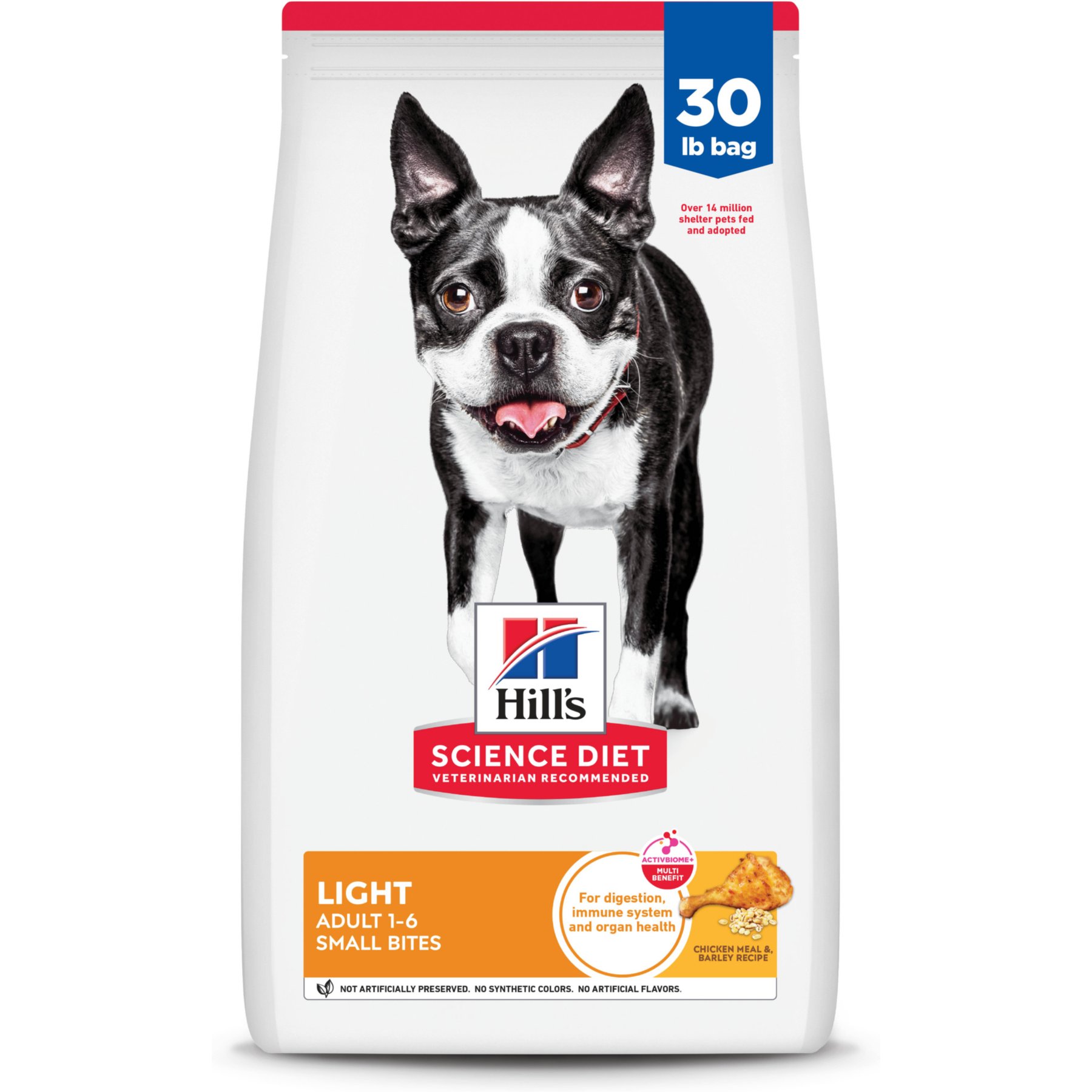
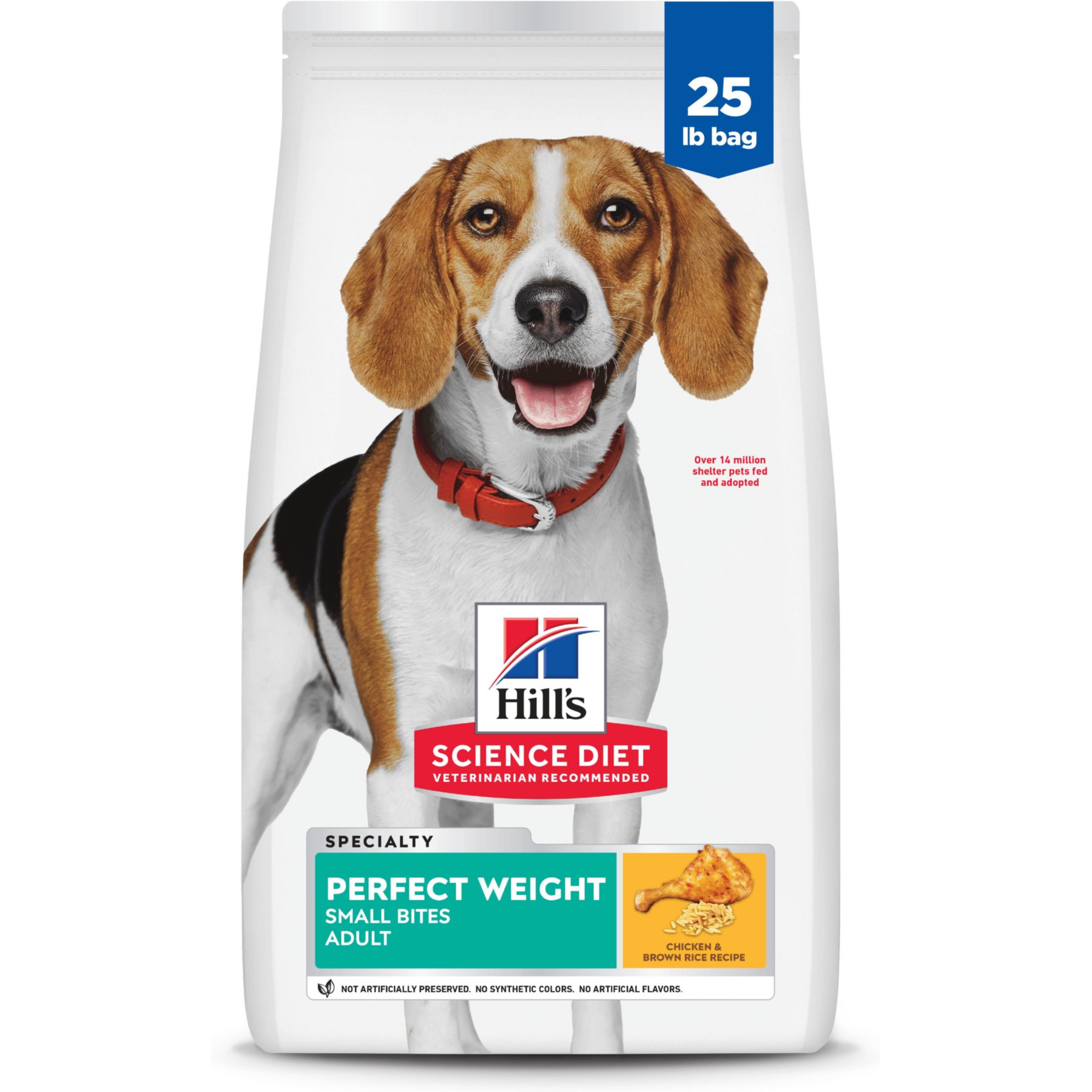
Hill's Science Diet Perfect Weight
- Clinically proven for weight management
- Helps dogs feel full
- Supports lean muscle
Purina Pro Plan Adult Complete
- Real chicken as first ingredient
- Probiotics for digestion
- Omega fatty acids
Feeding Guidelines
| Weight | Daily Amount | Meals Per Day |
|---|---|---|
| 40-50 lbs | 1.75 - 2.25 cups | 2-3 |
| 50-60 lbs | 2.25 - 2.75 cups | 2-3 |
| 60-65 lbs | 2.75 - 3 cups | 2-3 |
Note: Most Bassets are overweight. If you can't easily feel ribs, reduce portions. Feed 2-3 meals for bloat prevention.
Weight Management: The Critical Priority
Why Weight Matters for Bassets
- Extra weight stresses their long spine
- Increases risk of disc problems
- Makes joint issues worse
- Reduces quality of life
Ideal Body Condition
- Ribs easily felt
- Visible waist from above
- Belly tucks up (as much as possible with their build)
Preventing Bloat
Basset Hounds have deep chests and are at risk for bloat.
Prevention
- Feed 2-3 smaller meals—never one large meal
- Use slow-feeder bowls
- No exercise around meals
- Keep mealtimes calm
Feeding Tips
- Strict portion control: They always want more
- Multiple daily meals: Bloat prevention
- Slow-feeder bowls: Prevent rapid eating
- Low-calorie treats: Baby carrots, green beans
- No table scraps: Those soulful eyes are manipulative
- Monthly weigh-ins: Track weight closely
Frequently Asked Questions
How much should I feed my Basset Hound?
Most adult Bassets need 1,000-1,400 calories daily. This translates to 2-3 cups of dry food daily, split into 2-3 meals. Many Bassets are overfed—if overweight, reduce portions.
Why is my Basset always hungry?
Basset Hounds are very food-motivated. Their hunger doesn't mean they need more food. Stick to appropriate portions, use high-fiber foods for satiety, and resist those pleading eyes.
How do I help my Basset's ears?
Their long ears trap moisture and are prone to infections. Nutritionally, omega fatty acids support ear health. Beyond diet: clean ears weekly and dry thoroughly after baths.
Related Resources
- Feeding Calculator - Calculate calorie needs
- Dog Food for Weight Loss - Weight management
- Dog Food for Joint Health - Joint support
- Compare Dog Foods - Side-by-side comparison