Australian Shepherds are intelligent, athletic herding dogs known for their striking merle coats, intense work drive, and tireless energy. These versatile working dogs require nutrition that supports their high activity levels, cognitive function, and beautiful coats.
Nutritional Needs of Australian Shepherds
Aussies are a medium breed, typically weighing 40-65 pounds. Their exceptional energy levels and working heritage demand nutrition that provides sustained fuel for activity.
Key Nutritional Requirements
- High-quality protein (26-30%): Supports their muscular, athletic build
- Higher fat content (14-18%): Provides energy for sustained activity
- Omega-3 fatty acids: Support their beautiful coat and joint health
- Glucosamine and chondroitin: Joint support for active dogs
- Complex carbohydrates: Provide steady energy
- Antioxidants: Support cognitive function and eye health
Common Health Concerns That Affect Diet
Australian Shepherds face several breed-specific challenges:
- Hip and elbow dysplasia: Joint support nutrients are important
- MDR1 gene mutation: Drug sensitivity (doesn't affect diet directly but important to know)
- Epilepsy: Stable nutrition may help some dogs
- Eye conditions: Antioxidants support eye health
- Hypothyroidism: Quality nutrition supports thyroid function
- Allergies: Some develop food sensitivities
What to Look for in Australian Shepherd Food
Must-Have Features
- Medium to large breed formula
- High-quality animal protein as first ingredient
- Higher calorie content for energy needs
- Omega fatty acids for coat
- Joint support nutrients
- No artificial preservatives
Beneficial Ingredients
- Fish or fish oil (omega-3s)
- Glucosamine from natural sources
- Sweet potatoes (digestible energy)
- Blueberries (antioxidants)
- Probiotics (digestive support)
Top Recommended Products
For Active Australian Shepherds
Purina Pro Plan Sport Performance 30/20
- 30% protein, 20% fat
- For highly active dogs
- Amino acids for recovery
- EPA and glucosamine for joints
Purina Pro Plan Sport Active 26/16
- 26% protein, 16% fat
- Supports active lifestyle
- Glucosamine for joints
Premium Options
Purina Pro Plan Large Breed Adult
- Real chicken as first ingredient
- EPA and glucosamine for joints
- Probiotics for digestion
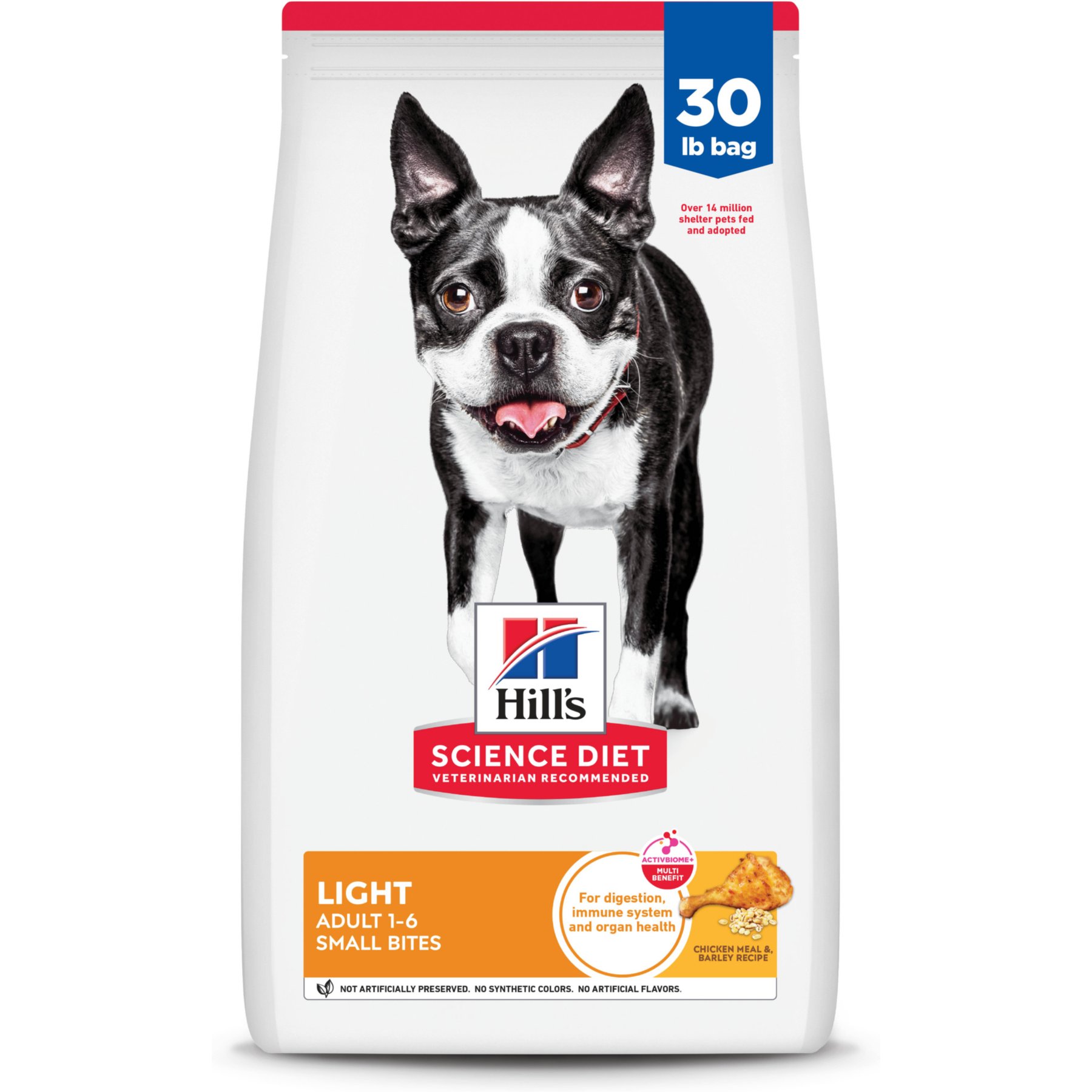
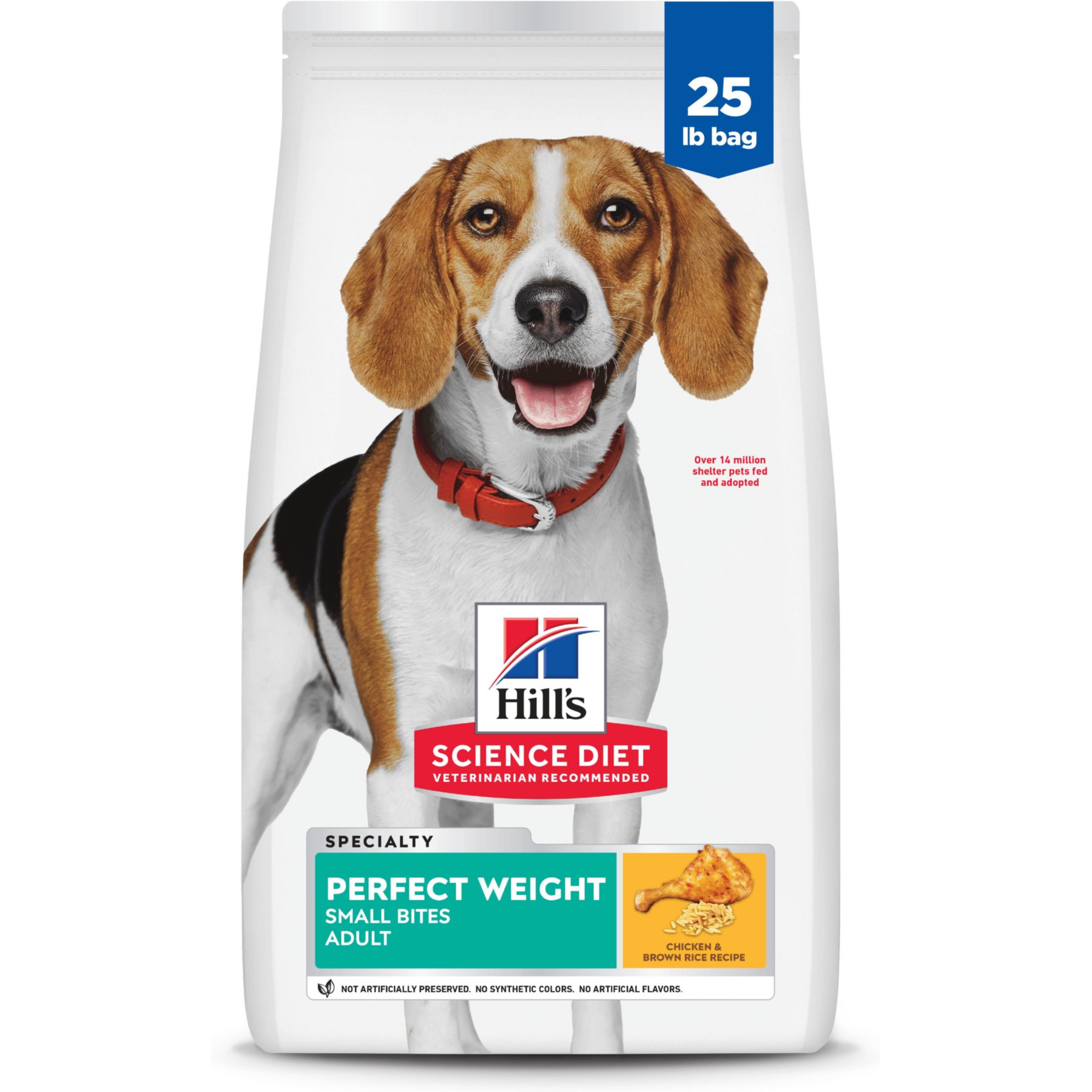
Hill's Science Diet Adult Large Breed
- Glucosamine and chondroitin
- Omega fatty acids for coat
- Made in the USA
For Sensitive Digestion
Purina Pro Plan Sensitive Skin & Stomach
- Salmon as first ingredient
- Omega fatty acids
- Gentle on digestion
Feeding Guidelines
| Weight | Daily Amount | Activity Level |
|---|---|---|
| 40-50 lbs | 2.5 - 3 cups | Active |
| 50-60 lbs | 3 - 3.5 cups | Active |
| 60-65 lbs | 3.5 - 4 cups | Active |
Working Aussies: May need 30-50% more Less Active Aussies: May need 15-20% less
Feeding the Active Aussie Brain
Australian Shepherds are highly intelligent and need mental stimulation.
Nutrition for Brain Health
- Omega-3 fatty acids (DHA): Support cognitive function
- Antioxidants: Protect brain cells
- Quality protein: Provides amino acids for neurotransmitters
- Complex carbohydrates: Provide steady glucose for brain
Beyond Food
- Puzzle feeders for mental stimulation
- Rotate feeding methods
- Use portion of kibble for training
Feeding Tips for Australian Shepherds
- Match food to activity: Critical for this breed
- Two meals daily: Supports energy needs
- Quality protein: Supports athletic build
- Joint support: Important for active dogs
- Fresh water always: Especially after exercise
- Adjust seasonally: More during working seasons
Life Stage Considerations
Aussie Puppies
- Large breed puppy formula until 12-14 months
- 3-4 meals daily until 4 months, then 3, then 2
- Controlled growth for joint health
- Don't over-exercise growing puppies
Adult Aussies (2-7 years)
- Match formula to activity level
- Performance formula for working dogs
- Focus on joint and coat health
- Regular weight monitoring
Senior Aussies (7+ years)
- May need senior formula
- Enhanced joint support
- May need calorie adjustment
- Continue brain-supporting nutrition
Frequently Asked Questions
How much should I feed my Australian Shepherd?
Active adult Aussies typically need 1,200-1,800 calories daily depending on activity. This translates to 2.5-4 cups of dry food daily. Working dogs may need significantly more. Adjust based on body condition.
Should I feed my Aussie performance food?
If your Aussie is highly active—herding, agility, hiking regularly—performance formulas with higher protein and fat are appropriate. House pet Aussies with moderate activity do fine on standard adult formulas.
My Aussie is always on the go. How do I know if they're getting enough food?
You should be able to feel (but not prominently see) ribs. There should be a visible waist. If your Aussie is losing weight despite adequate portions, increase food or try a higher-calorie formula. If maintaining healthy weight and energy, the amount is right.
What about the MDR1 gene mutation?
Many Aussies carry the MDR1 gene mutation affecting how they process certain drugs. This doesn't affect diet but is important to know for medications. You can have your Aussie tested. Food choices aren't impacted.
Should I give my Aussie supplements?
Active Aussies often benefit from:
- Glucosamine/chondroitin for joints
- Fish oil for coat and joints Consult your vet before adding supplements.
Related Resources
- Feeding Calculator - Calculate calorie needs
- High-Protein Dog Food - Performance options
- Dog Food for Joint Health - Joint support
- Compare Dog Foods - Side-by-side comparison