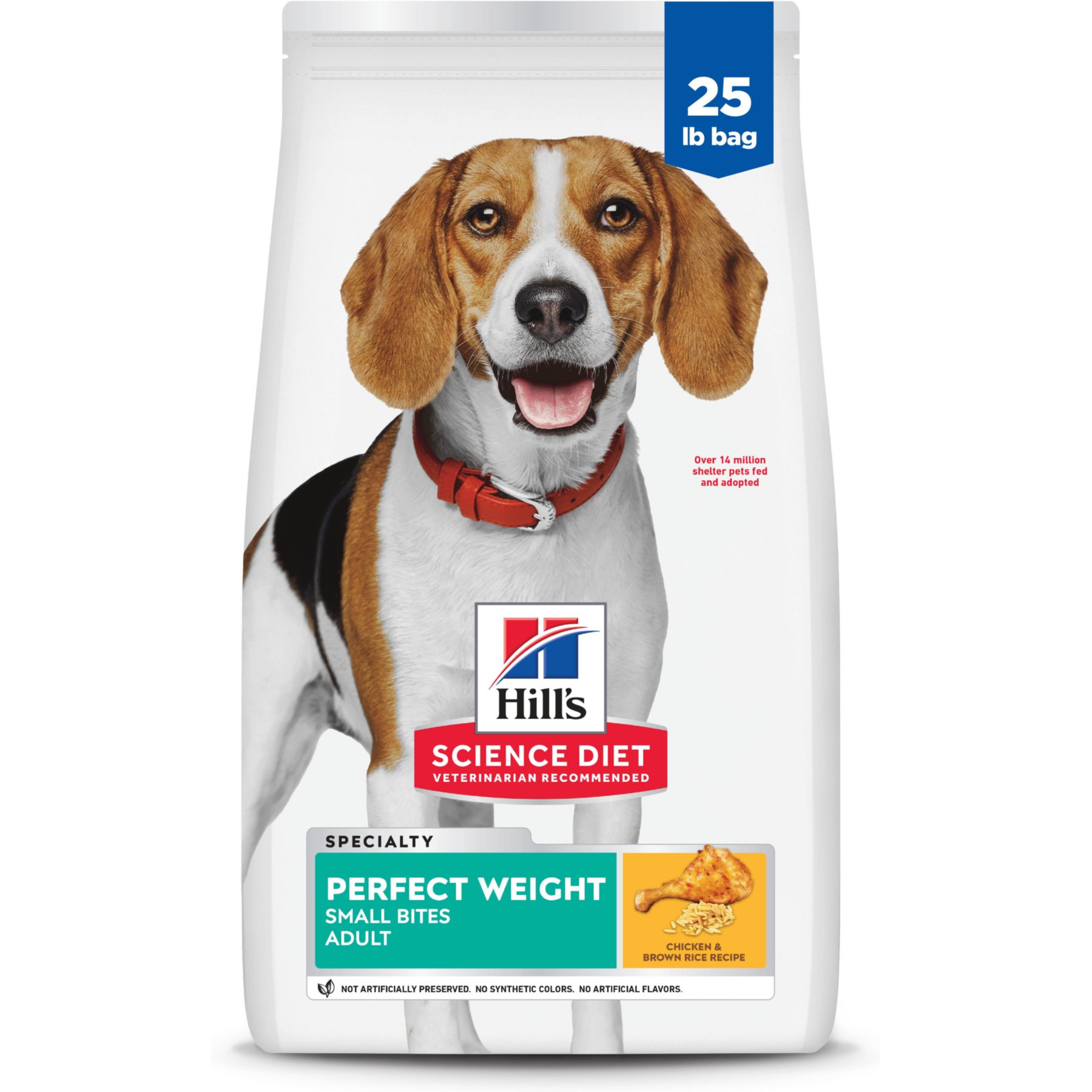
Wheat is a common ingredient in many dog foods, but some dogs develop sensitivities or simply do better without it. Whether your dog has a wheat allergy or you're looking for alternative carbohydrate sources, plenty of quality wheat-free options exist.
Why Go Wheat-Free?
Wheat Sensitivity in Dogs
While true wheat allergy is relatively uncommon in dogs (protein allergies are more prevalent), some dogs do experience issues with wheat-containing foods.
Signs of Wheat Sensitivity
- Itchy skin
- Ear infections
- Digestive upset
- Gas and bloating
- Loose stools
- Paw licking
- Hot spots
Wheat Allergy vs. Gluten Intolerance
- Wheat allergy: Immune reaction to wheat proteins
- Gluten intolerance: Sensitivity to gluten protein (rare in dogs, except some Irish Setters)
- Many wheat-free foods are also gluten-free
What to Look for in Wheat-Free Food
Wheat-Derived Ingredients
- Wheat
- Wheat flour
- Wheat gluten
- Wheat germ
- Wheat bran
- Wheat middlings
- Whole wheat
Alternative Carbohydrates
- Rice: Highly digestible
- Oatmeal: Gentle on digestion
- Barley: Whole grain alternative
- Potatoes/Sweet potatoes: Grain-free option
- Peas: Grain-free legume
- Tapioca: Grain-free starch
Quality Indicators
- Named carbohydrate sources
- Complete and balanced nutrition
- Quality protein as first ingredient
- No artificial fillers
Top Wheat-Free Dog Foods
Rice-Based Options
Purina Pro Plan Sensitive Skin & Stomach
- Rating: 4.71/5
- Rice as carb source
- No wheat, corn, or soy
- Gentle on digestion
- Salmon or lamb options
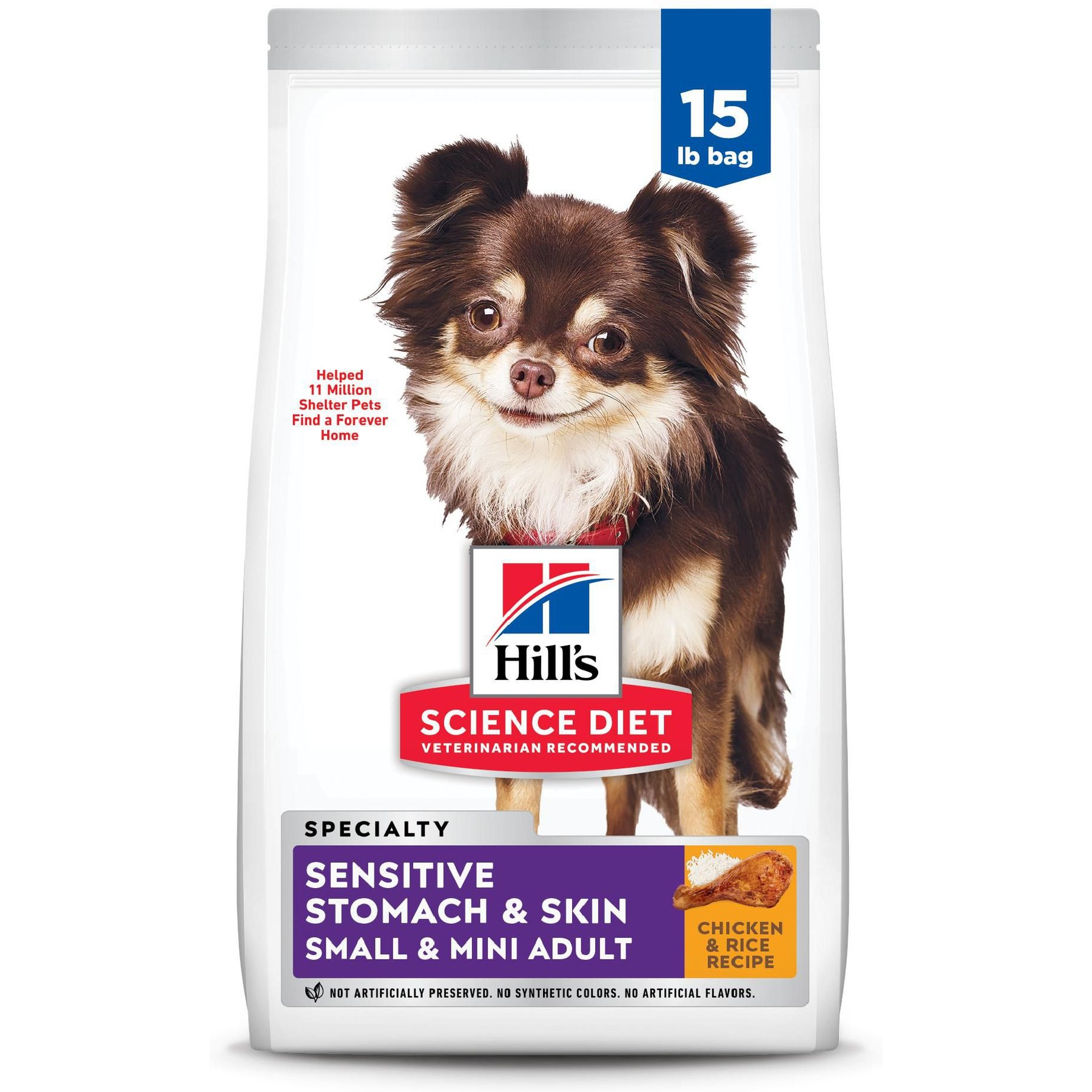
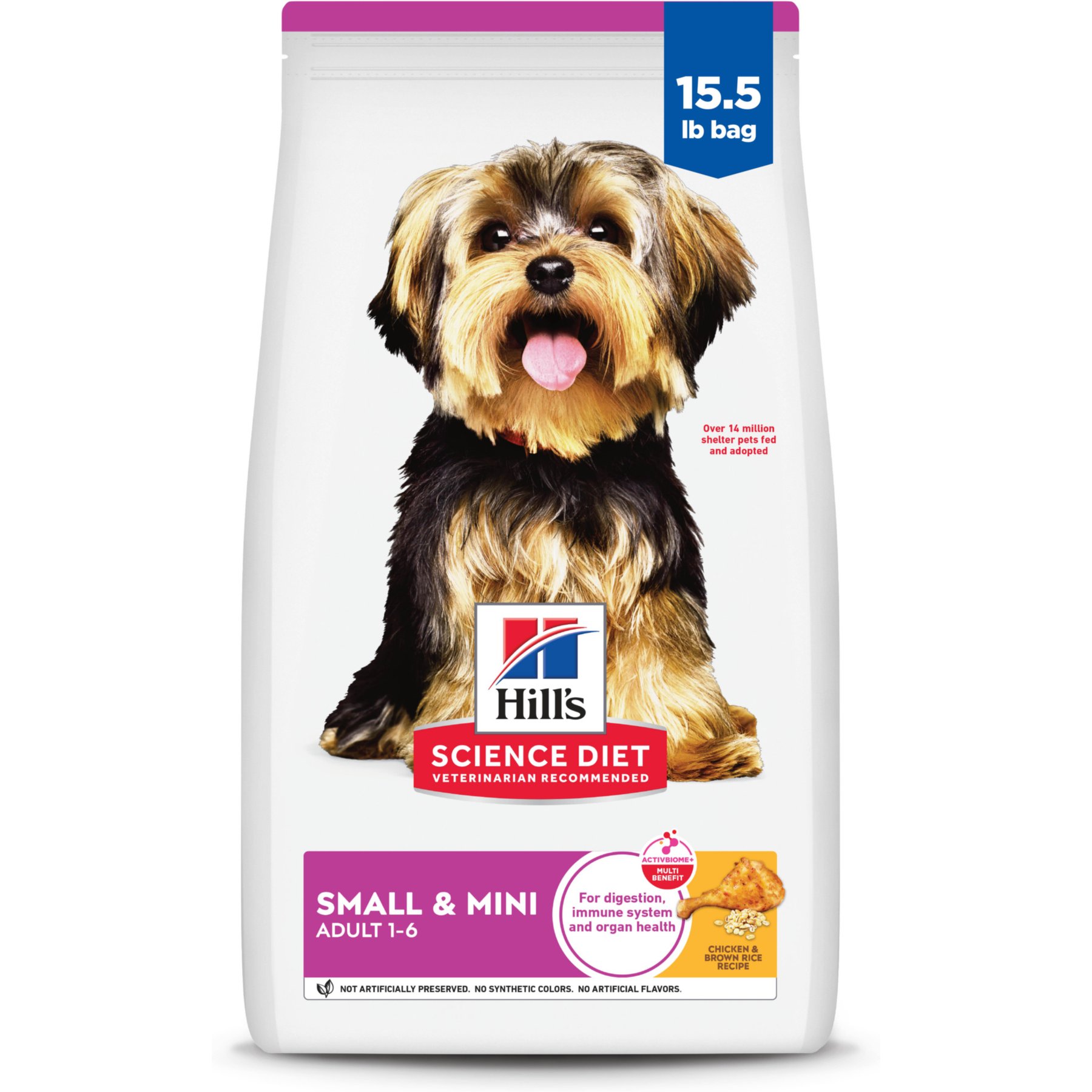
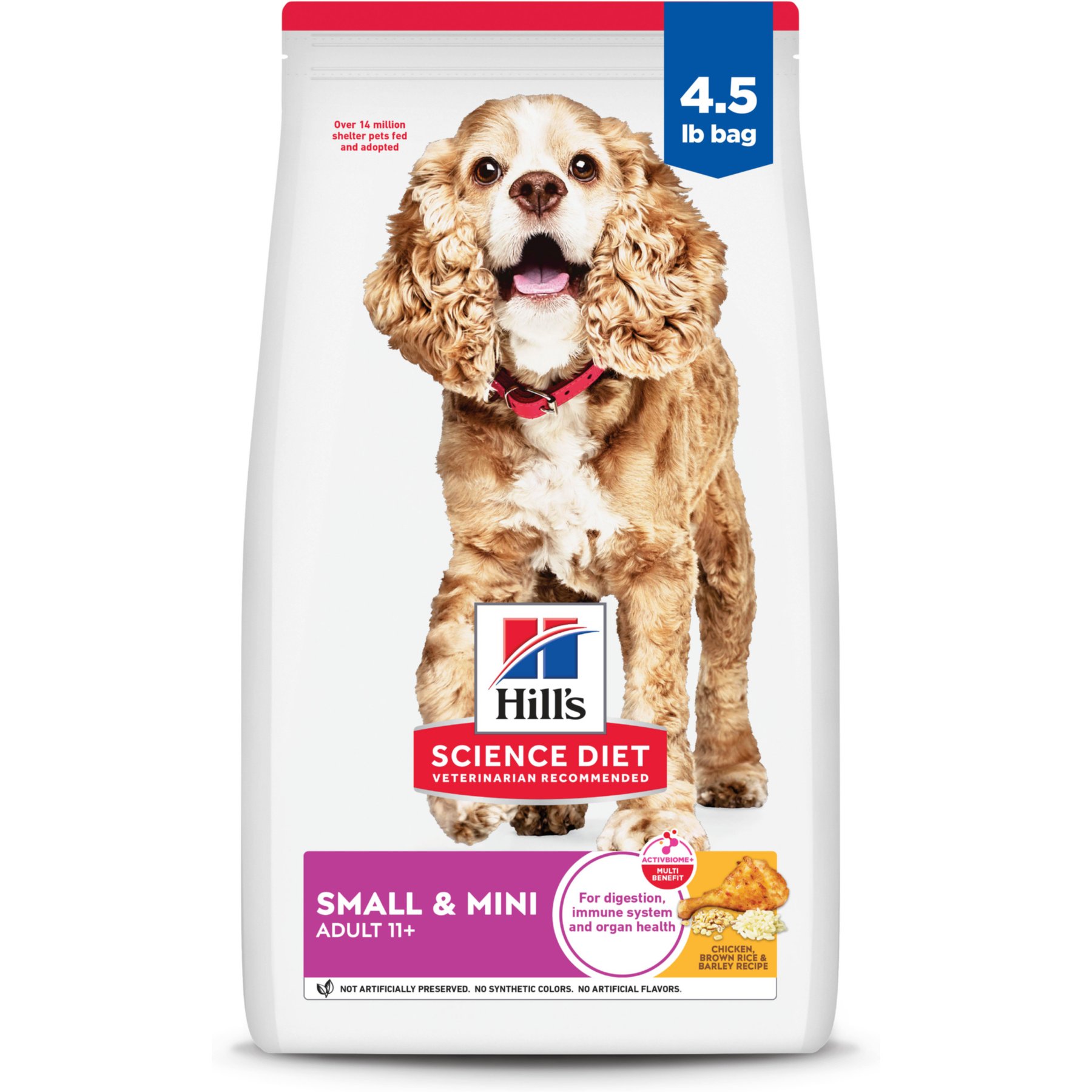
Hill's Science Diet Sensitive Stomach & Skin
- Easy-to-digest carbs
- No wheat
- Prebiotic fiber
- Made in USA
Oatmeal-Based Options
Blue Buffalo Life Protection
- Oatmeal included
- No wheat
- Quality protein first
- LifeSource Bits
Grain-Free Options (Also Wheat-Free)
Taste of the Wild
- Multiple formulas
- No grains including wheat
- Novel proteins available
- Sweet potato carbs
Wellness CORE
- Grain-free formulas
- High protein
- No wheat
- Quality ingredients
Wheat vs. Other Grains
Understanding the Differences
- Wheat: Contains gluten, common allergen concern
- Corn: Different grain, separate allergy
- Rice: Gluten-free, highly digestible
- Oats: Contains different gluten protein, usually well-tolerated
- Barley: Contains gluten
If Wheat-Free Isn't Enough
If symptoms persist after eliminating wheat:
- Consider all grains
- Try grain-free formula
- Protein may be the issue
- Consult veterinarian
Reading Labels for Wheat
Common Wheat Sources
- "Wheat" in any form
- "Flour" (often wheat-based unless specified)
- Some "cereals" or "grains"
Verification Steps
- Read complete ingredient list
- Look for wheat in any form
- Check for cross-contamination warnings
- Contact manufacturer if uncertain
The Grain-Free Consideration
FDA Investigation
The FDA investigated potential links between grain-free diets and heart disease (DCM) in dogs. Key points:
- Concern involves legume-heavy grain-free diets
- Not specifically wheat-free concern
- Grain-inclusive options (rice, oatmeal) are considered safe
- Wheat-free ≠ necessarily grain-free
Safest Approach
For wheat-sensitive dogs:
- Choose wheat-free with alternative grains (rice, oatmeal)
- If going grain-free, choose established brands
- Discuss with your veterinarian
Transitioning to Wheat-Free
Standard Transition
- Days 1-3: 75% old, 25% new
- Days 4-6: 50% old, 50% new
- Days 7-9: 25% old, 75% new
- Days 10+: 100% new
Timeline for Improvement
- Digestive issues: May improve within 1-2 weeks
- Skin issues: May take 6-8 weeks
Wheat-Free Treats
Treats to Check
- Biscuit-type treats (often contain wheat)
- Training treats
- Dental chews
Safe Options
- Meat-based treats
- Rice-based treats (verify label)
- Single-ingredient freeze-dried
- Fresh vegetables
Frequently Asked Questions
Is wheat bad for dogs?
Wheat isn't inherently bad for dogs. Most dogs digest it fine. However, some dogs have sensitivities or allergies that make wheat problematic. If your dog thrives on wheat-containing food, there's no need to switch.
What's the difference between wheat-free and grain-free?
Wheat-free means no wheat but may contain other grains (rice, oatmeal, barley). Grain-free means no grains at all, typically using potatoes or legumes instead. Wheat-free with alternative grains is often the safer choice.
How common is wheat allergy in dogs?
True wheat allergy is relatively uncommon. Protein allergies (chicken, beef) are much more common. If your dog has skin or digestive issues, the protein source is more likely the cause than wheat. However, wheat sensitivity does occur.
Should I avoid gluten too?
If your dog is wheat-sensitive, they may tolerate other gluten-containing grains (barley, rye) fine. True gluten intolerance is rare in dogs, except for a genetic condition in some Irish Setters. Most wheat-sensitive dogs do well with rice or oatmeal.
Can switching to wheat-free help my dog's itching?
If wheat is the cause, yes—but give it 6-8 weeks. However, protein allergies are more common causes of itching. If wheat-free doesn't help, consider an elimination diet focusing on protein sources.
Related Resources
- Grain-Free Dog Food - Grain-free options
- Limited Ingredient Dog Food - Simplified formulas
- Dog Food for Sensitive Stomach - Digestive support
- Dog Food for Skin Allergies - Allergy options
- Compare Dog Foods - Side-by-side comparison