"By-products" have become controversial in pet food, but their reputation may not match reality. Understanding what by-products actually are helps you make informed decisions about whether to avoid them.
Understanding By-Products
What Are By-Products?
By-products are secondary products from meat processing—parts not typically eaten by humans but nutritionally valuable for dogs:
- Organ meats (liver, heart, kidney)
- Lungs
- Spleen
- Blood
- Bone
- Excludes: hair, horns, teeth, hooves (contrary to myths)
AAFCO Definitions
AAFCO (Association of American Feed Control Officials) strictly defines by-products:
- Meat by-products: Non-rendered, clean parts (organs, blood, bone)
- Poultry by-products: Clean parts including heads, feet, organs, excluding feathers
The "Named" vs. "Generic" Distinction
- "Chicken by-products": From chickens specifically
- "Meat by-products": Could be from various animals
- Named sources are preferable if avoiding by-products concerns you
Why Some Avoid By-Products
Common Concerns
- Perception of lower quality
- Unknown source (if generic)
- Marketing influence
- Preference for muscle meat
- Potential inconsistency
The Marketing Factor
Much anti-by-product sentiment comes from marketing rather than nutrition science. "No by-products" became a selling point regardless of whether by-products are actually problematic.
The Case FOR By-Products
Nutritional Benefits
By-products, especially organ meats, are highly nutritious:
- Liver: Rich in vitamins A, B, iron
- Heart: Excellent taurine source
- Kidney: Vitamin B12, iron
- Higher in some nutrients than muscle meat
Wild Dogs Eat By-Products
Wild canids and wolves eat organs first—they're the most nutrient-dense parts. From an ancestral perspective, by-products are valuable.
Sustainability
Using by-products reduces food waste and makes use of nutritious parts that would otherwise be discarded.
What to Look for in By-Product-Free Food
Avoiding By-Products
If you prefer to avoid by-products, look for:
- "No by-products" statement
- Named muscle meats as primary proteins
- "Chicken," "beef," "lamb" (not "by-products")
Quality Indicators
- Named protein source first
- Whole meat or meat meal (not by-product meal)
- Clear ingredient list
- Reputable brand
Top By-Product-Free Dog Foods
Premium Brands (Typically By-Product-Free)
Purina Pro Plan
- Rating: 4.71/5
- Uses named meat proteins
- No by-products in most formulas
- Quality nutrition
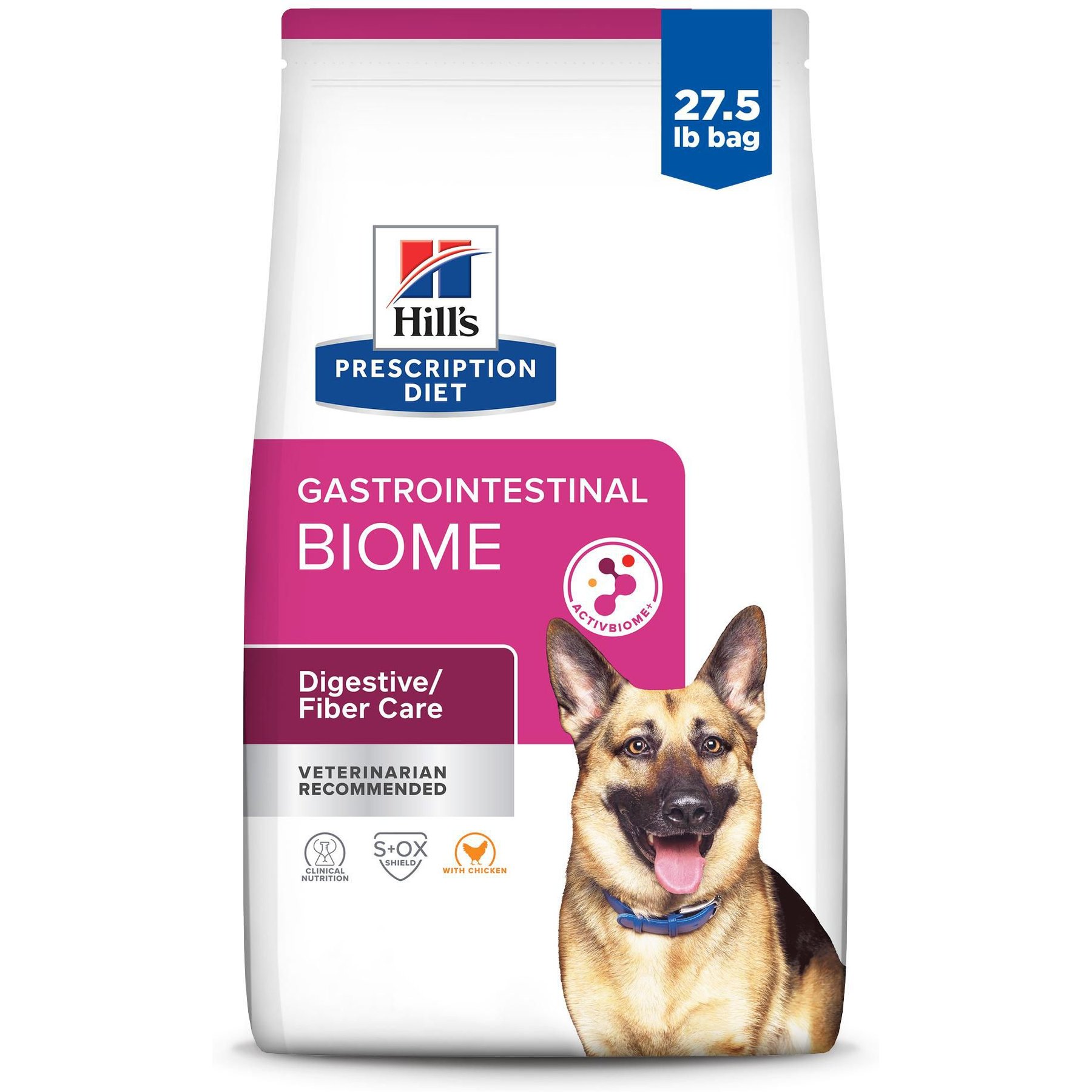
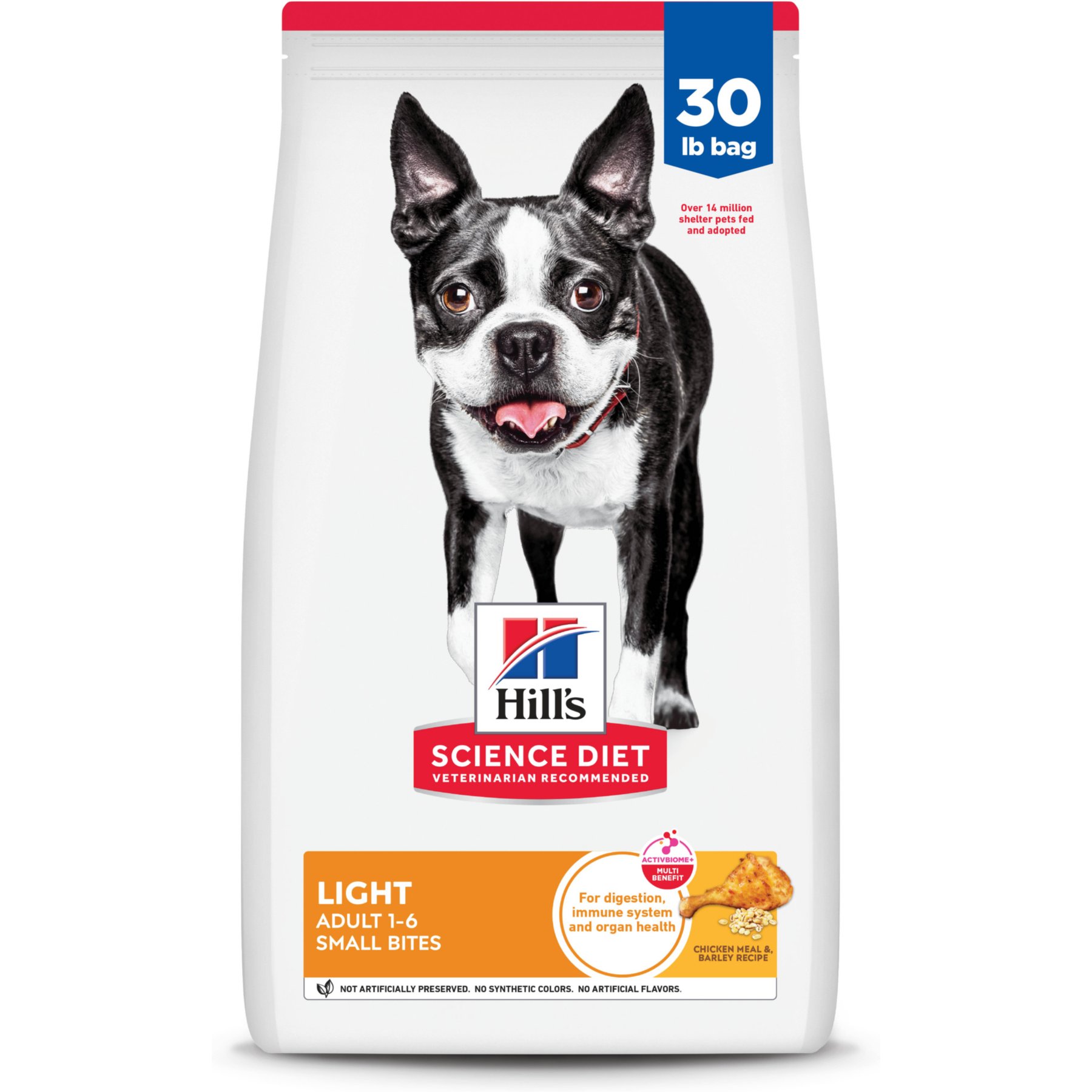
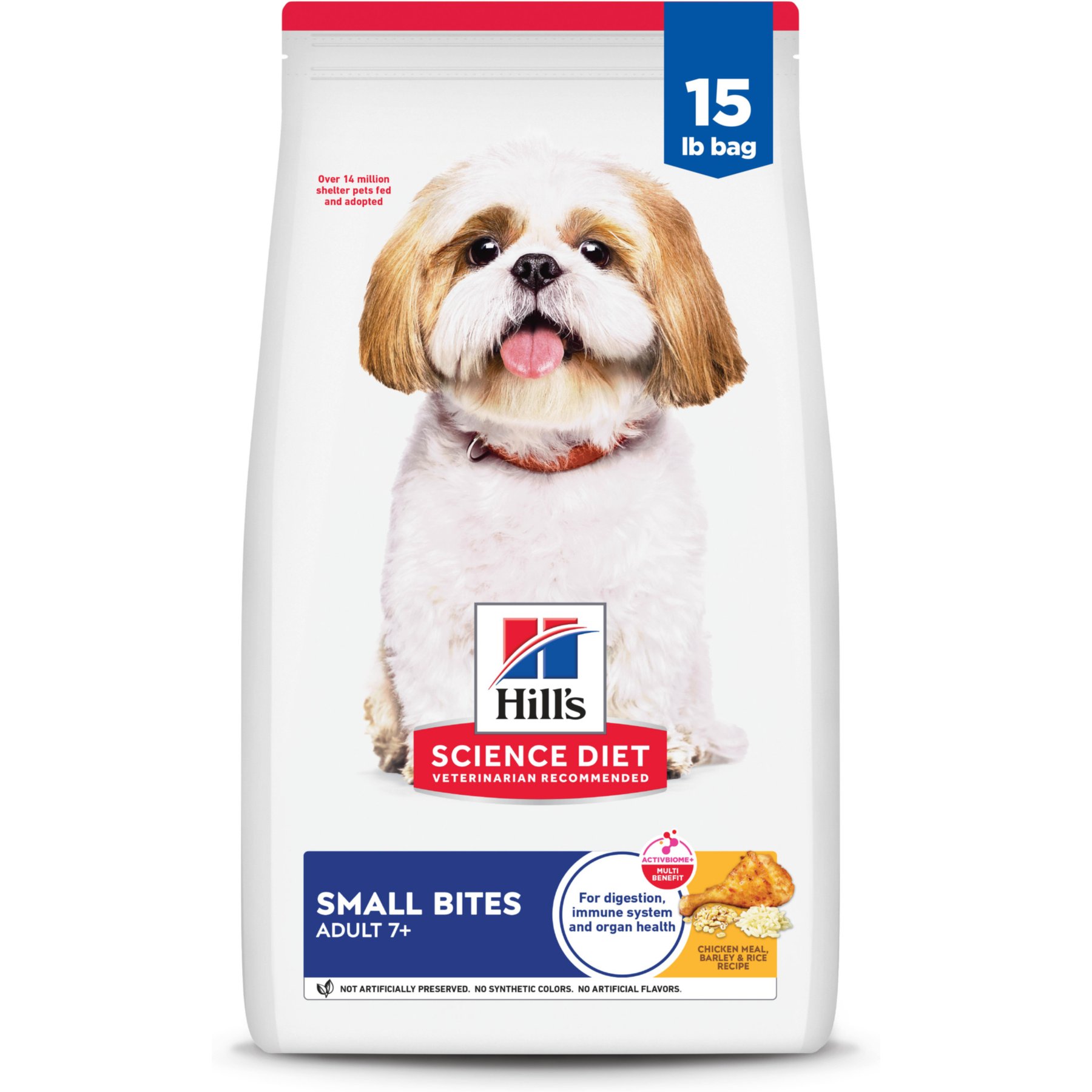
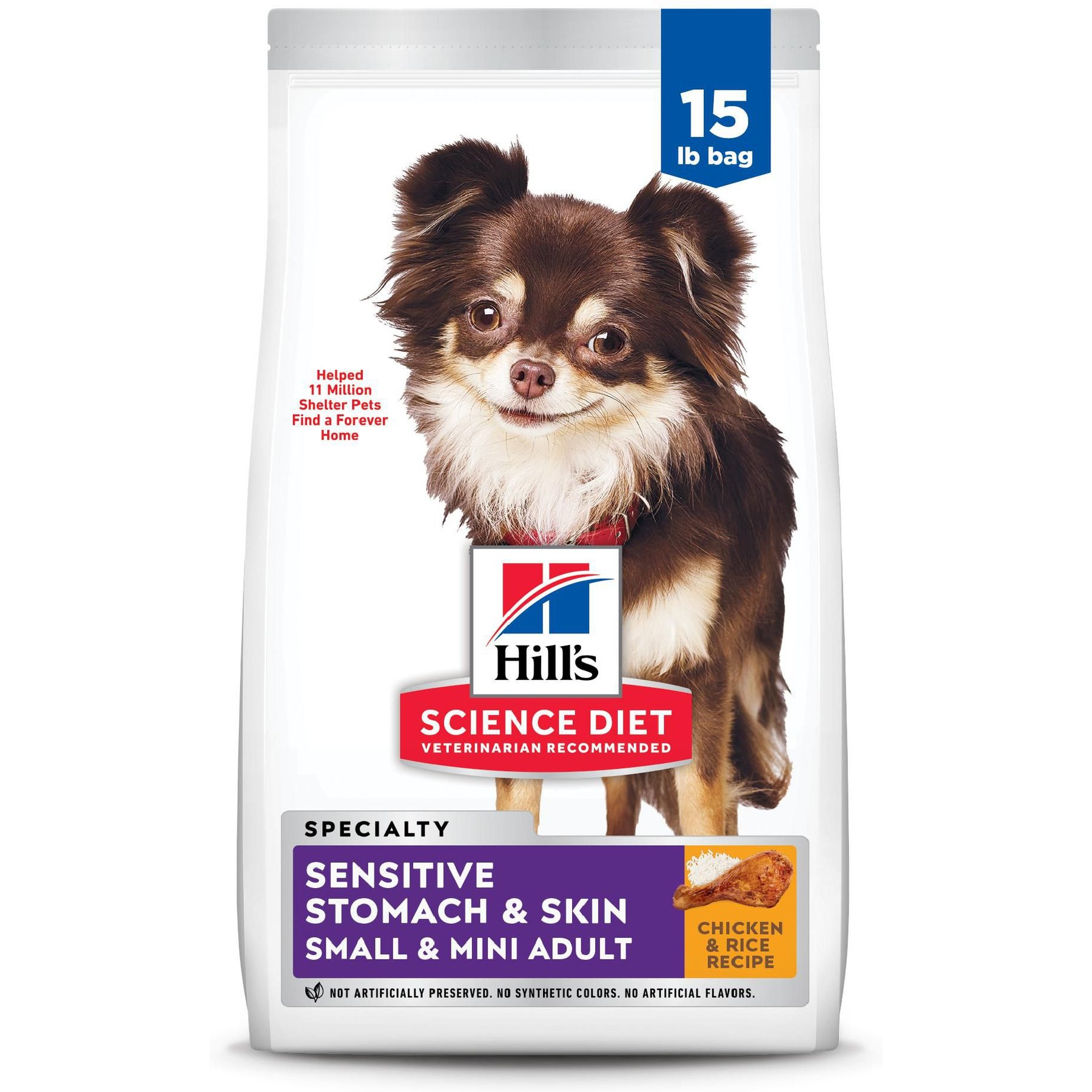
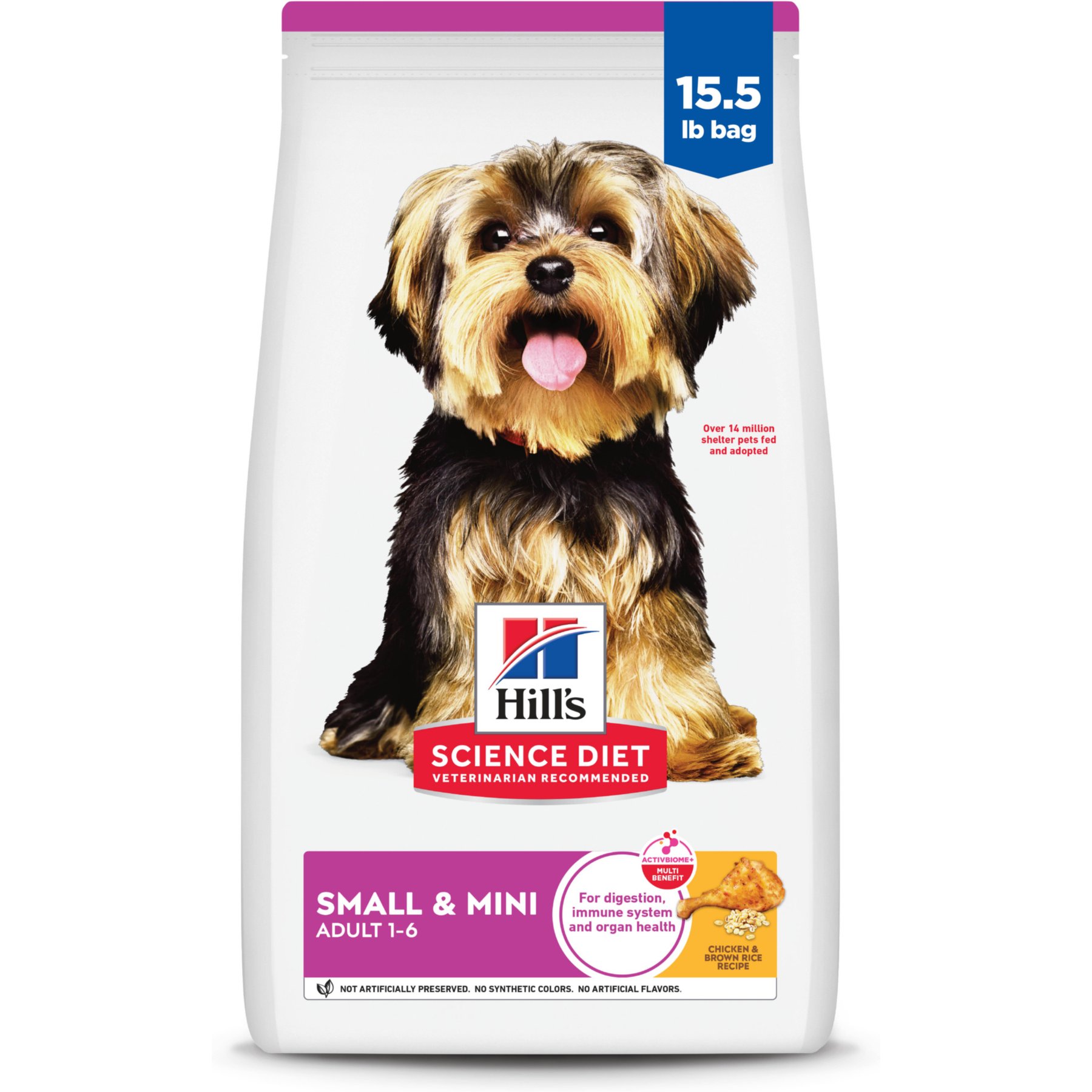
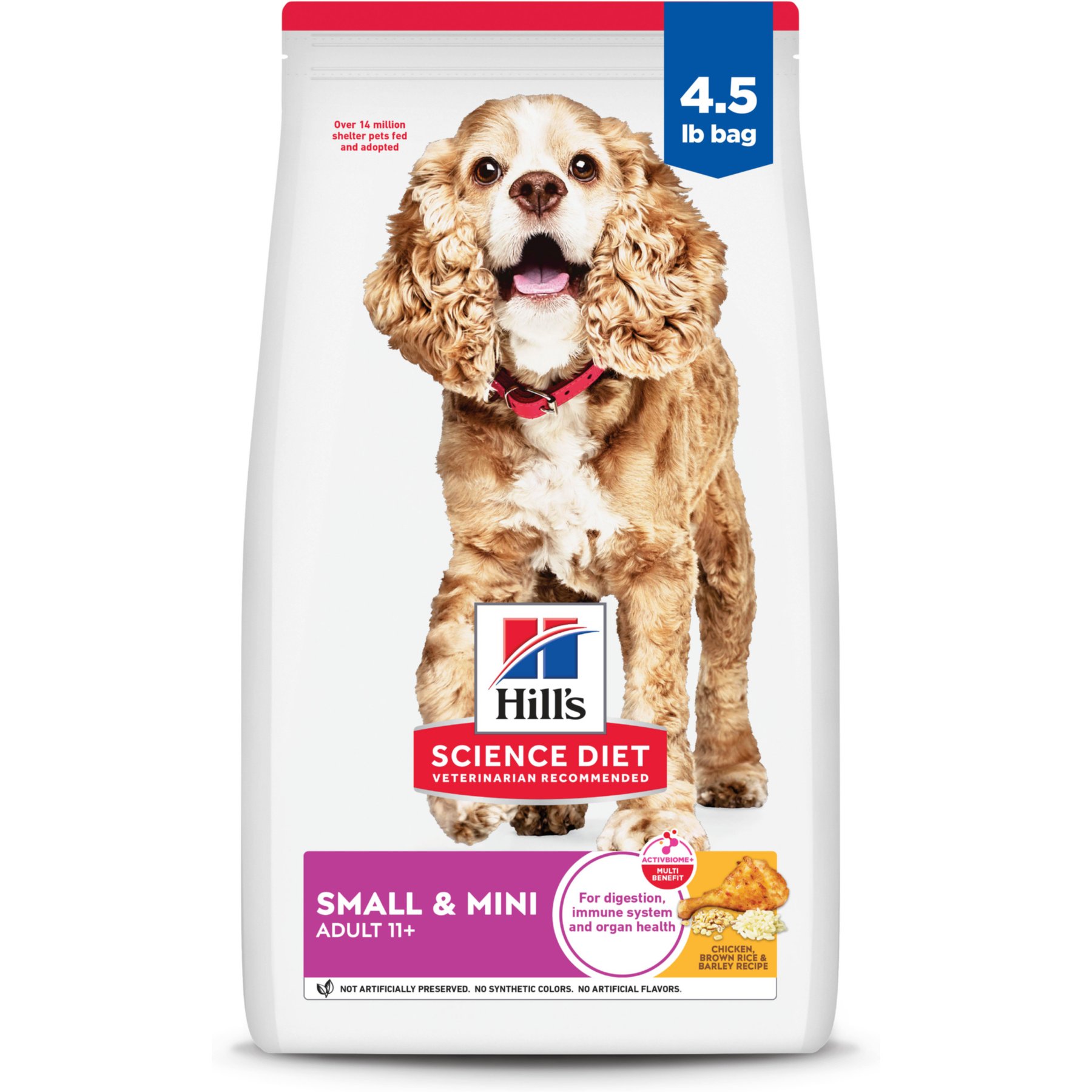
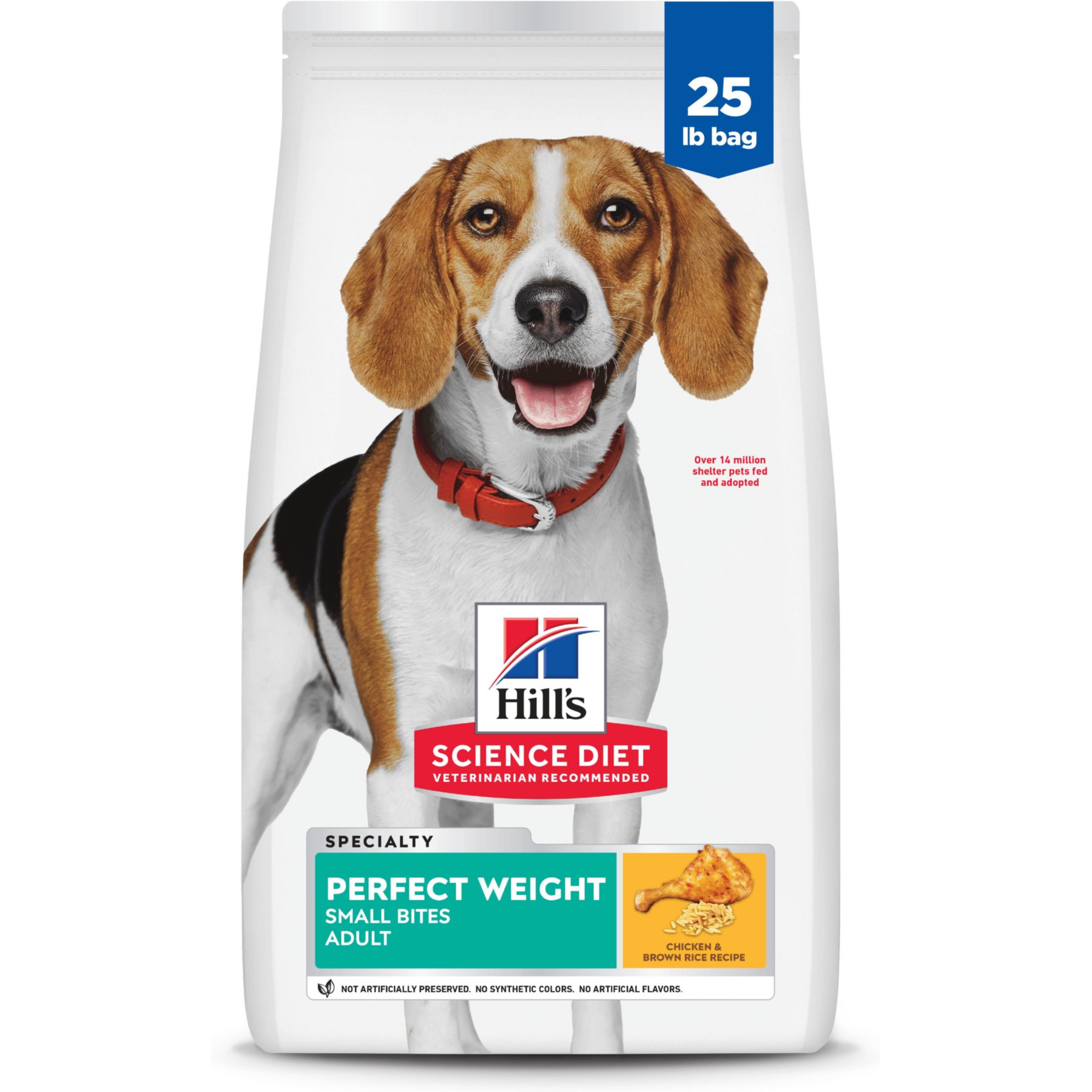
Hill's Science Diet
- Named protein sources
- No by-products
- Veterinarian recommended
- Research-backed nutrition
Blue Buffalo Life Protection
- "No poultry by-product meals"
- Named deboned meat first
- LifeSource Bits
- Quality ingredients
Wellness
- No by-products
- Named proteins
- Quality ingredients
- Multiple formulas
Limited Ingredient Options
Natural Balance L.I.D.
- No by-products
- Limited ingredients
- Single protein options
- Clear labeling
Understanding Labels
Terms That Mean By-Products
- Meat by-products
- Poultry by-products
- By-product meal
- Animal by-products
Terms That Aren't By-Products
- Chicken (muscle meat)
- Chicken meal (concentrated muscle meat)
- Deboned chicken
- Chicken liver (named organ—different from "by-products")
Named Organs vs. By-Products
"Chicken liver" or "beef heart" as named ingredients are different from generic "by-products." Named organs are specific and can be quality ingredients.
Making an Informed Choice
When By-Product-Free Makes Sense
- Personal preference for named ingredients
- Concern about generic/unknown sources
- Feeding dogs with sensitivities (easier to track ingredients)
When By-Products Are Fine
- From reputable brands
- Named by-products (chicken by-products vs. generic)
- Organ meats can be nutritionally valuable
- Cost consideration (by-products can make quality food affordable)
The Real Quality Question
What Matters More Than By-Products
- Overall formulation quality
- Company reputation and research
- AAFCO compliance
- Your dog's response to the food
- Appropriate nutrients for life stage
Don't Sacrifice Quality to Avoid By-Products
A by-product-free food isn't automatically better than one with by-products. Focus on overall quality, not single ingredient presence.
Transitioning Foods
Standard Transition
- Days 1-3: 75% old, 25% new
- Days 4-6: 50% old, 50% new
- Days 7-9: 25% old, 75% new
- Days 10+: 100% new
Frequently Asked Questions
Are by-products really that bad?
Not necessarily. By-products from reputable manufacturers are nutritious organ meats and other parts dogs naturally eat. The negative reputation comes largely from marketing, not nutrition science.
What's the difference between "chicken" and "chicken meal"?
"Chicken" is fresh meat with water content. "Chicken meal" is rendered, concentrated protein with moisture removed. Neither is by-products. Both can be quality ingredients.
Why do expensive brands avoid by-products?
Marketing response to consumer demand. "No by-products" sells better, so premium brands avoid them regardless of their nutritional value. It's about perception more than nutrition.
Are organ meats different from by-products?
Named organ meats (chicken liver, beef heart) listed individually are different from generic "by-products," which could include various parts. Named organs are specific and often valuable.
My dog is healthy on food with by-products. Should I switch?
If your dog is thriving, there's no need to switch. By-products from quality manufacturers are nutritious. Focus on your dog's health, not marketing claims.
Related Resources
- Limited Ingredient Dog Food - Clear ingredient lists
- Best Premium Dog Food - Quality options
- Dog Food for Sensitive Stomach - Gentle formulas
- Compare Dog Foods - Side-by-side comparison