Beef is a common protein source in dog food and unfortunately also one of the top food allergens for dogs. If your dog shows signs of beef sensitivity, eliminating it from their diet can bring significant relief.
Why Go Beef-Free?
Beef Allergy in Dogs
Beef ranks among the most common food allergens in dogs, alongside chicken, dairy, and wheat. Dogs develop allergies when their immune system overreacts to beef proteins.
Signs of Beef Allergy
- Persistent itching and scratching
- Red, inflamed skin
- Chronic ear infections
- Paw licking and chewing
- Hot spots
- Gastrointestinal upset
- Vomiting or diarrhea
- Skin infections
Why Beef Allergies Develop
- Prolonged exposure to same protein
- Genetic predisposition
- Immune system dysfunction
- Early or repeated exposure
What to Look for in Beef-Free Dog Food
Ingredients to Avoid
- Beef
- Beef meal
- Beef by-products
- Beef fat
- Beef liver
- Meat (undefined—may be beef)
- Meat by-products (may include beef)
Alternative Protein Sources
- Chicken: Most common (if no poultry allergy)
- Fish: Salmon, whitefish, excellent omega-3s
- Lamb: Classic alternative protein
- Duck: Novel protein option
- Turkey: Lean poultry alternative
- Venison: Novel protein
- Pork: Underutilized alternative
Quality Standards
- Named protein as first ingredient
- Clear ingredient list
- No ambiguous "meat" ingredients
- AAFCO complete and balanced
- Limited unnecessary fillers
Top Beef-Free Dog Foods
Chicken-Based Options
Purina Pro Plan Adult Complete Essentials
- Rating: 4.71/5
- Real chicken first ingredient
- No beef ingredients
- Complete nutrition
- Probiotics included
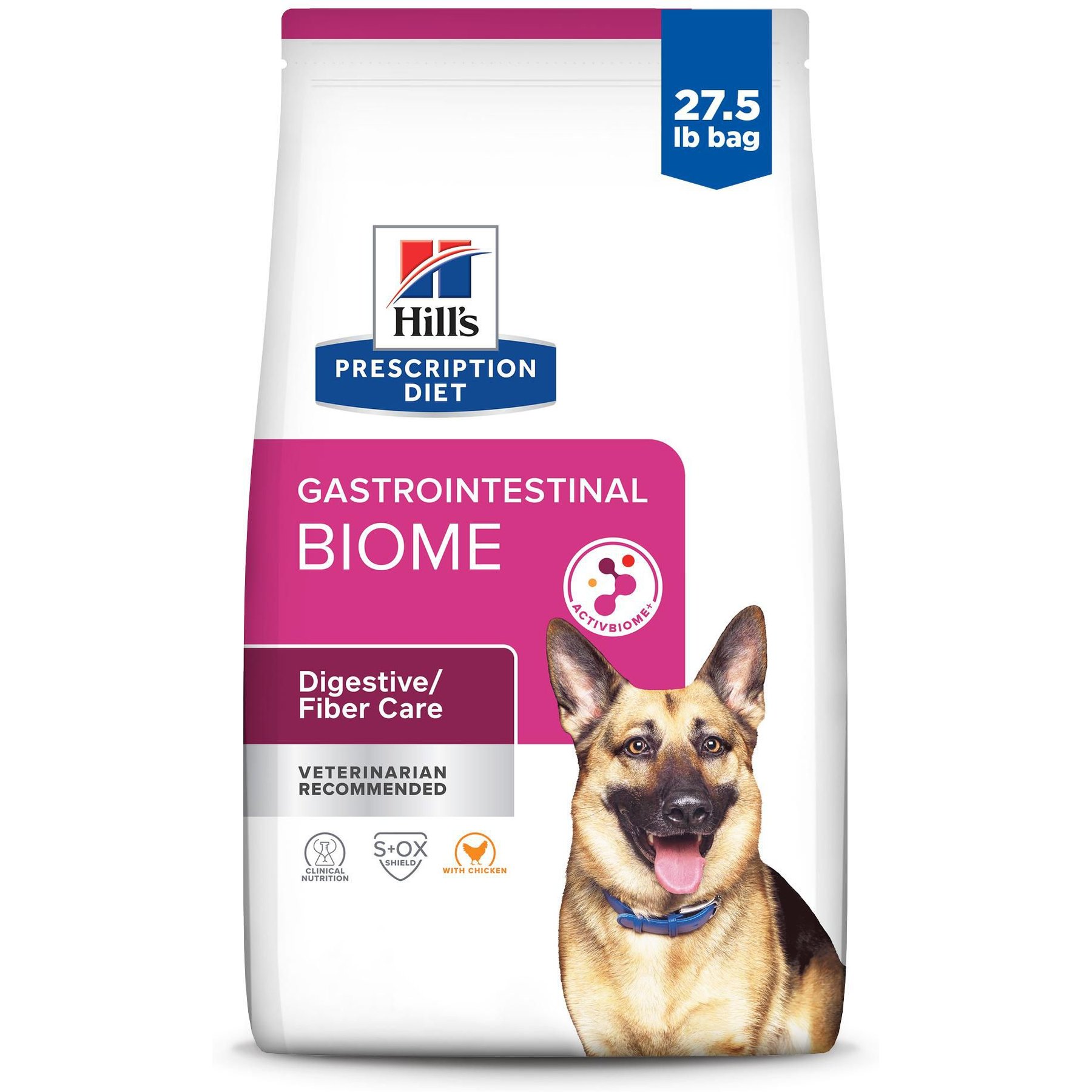
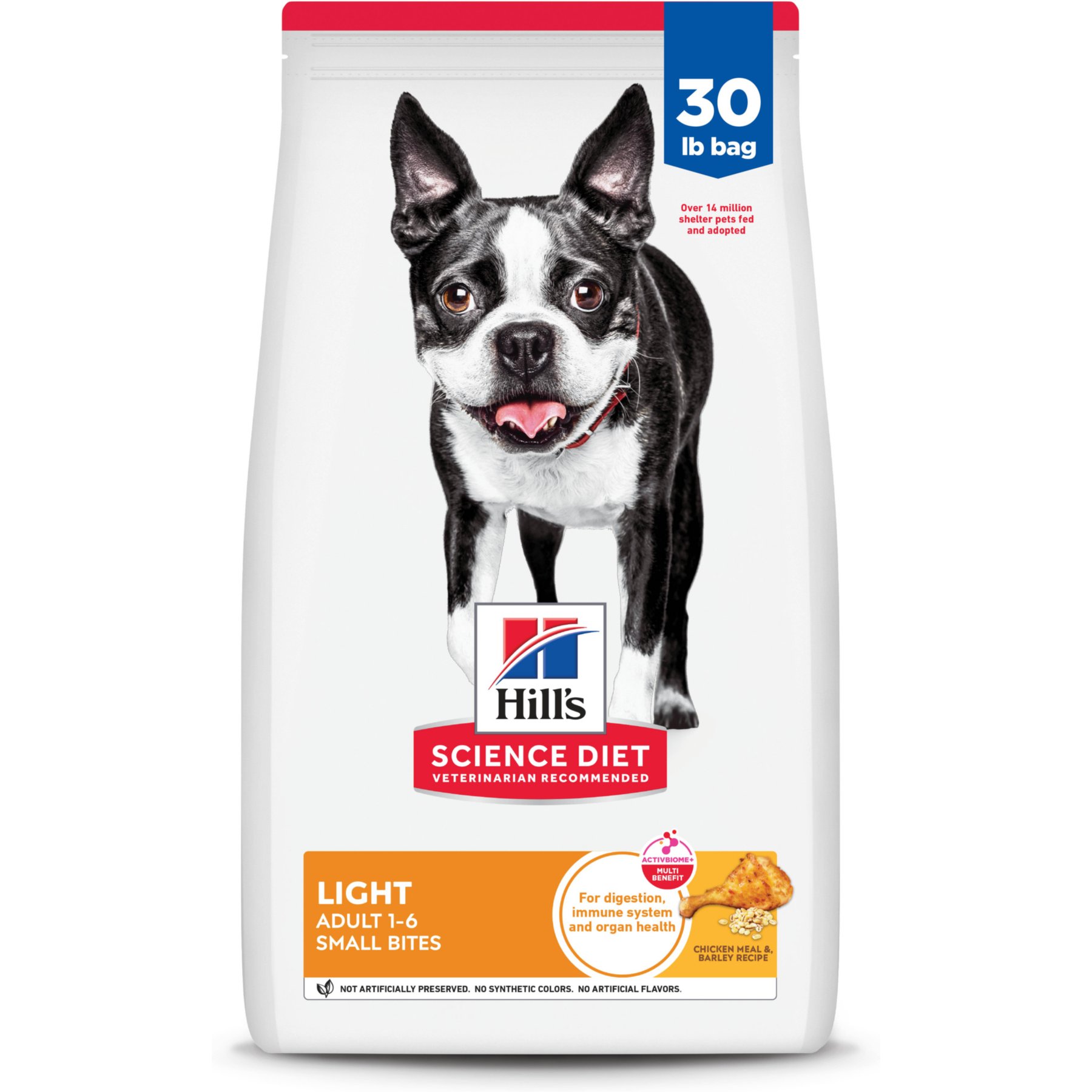
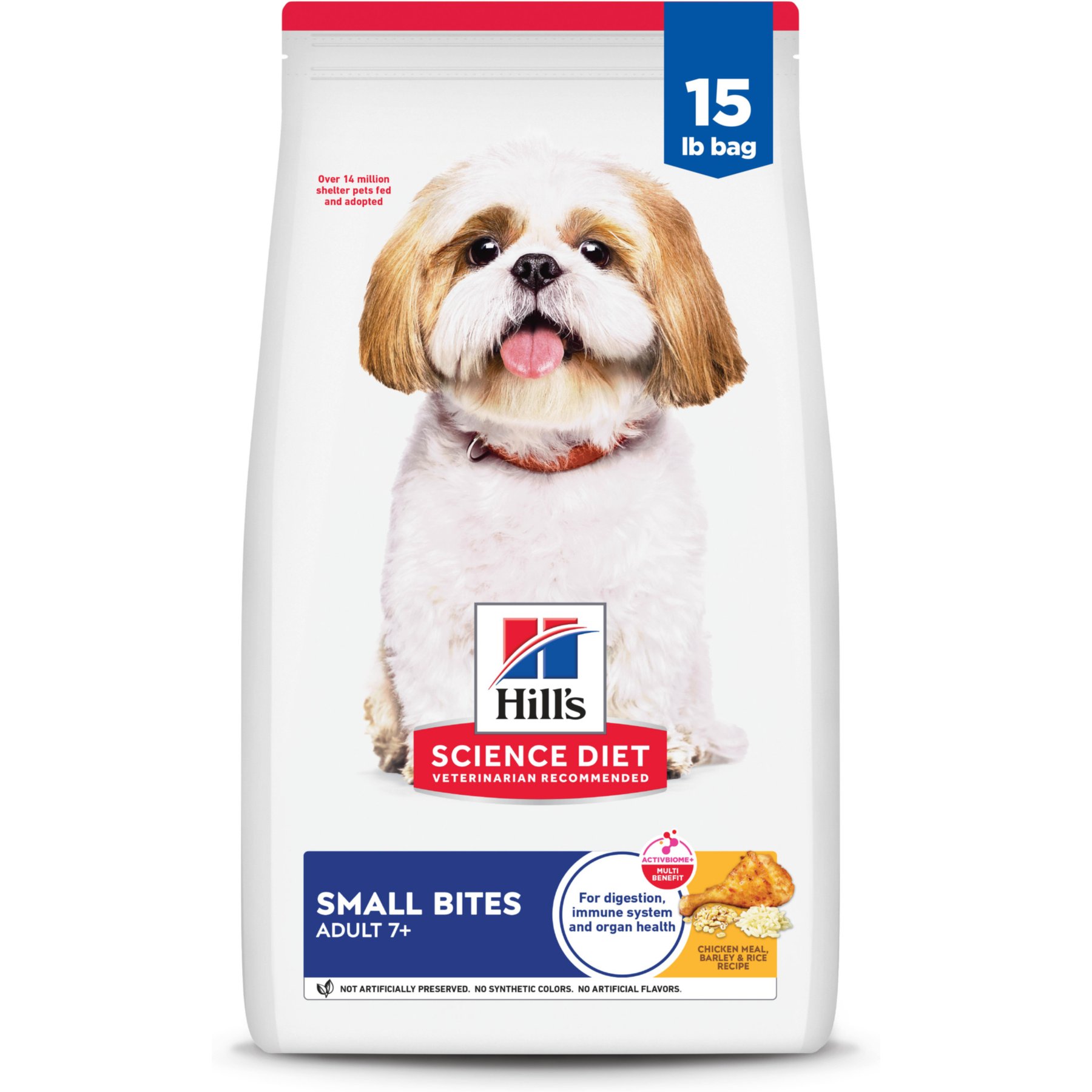
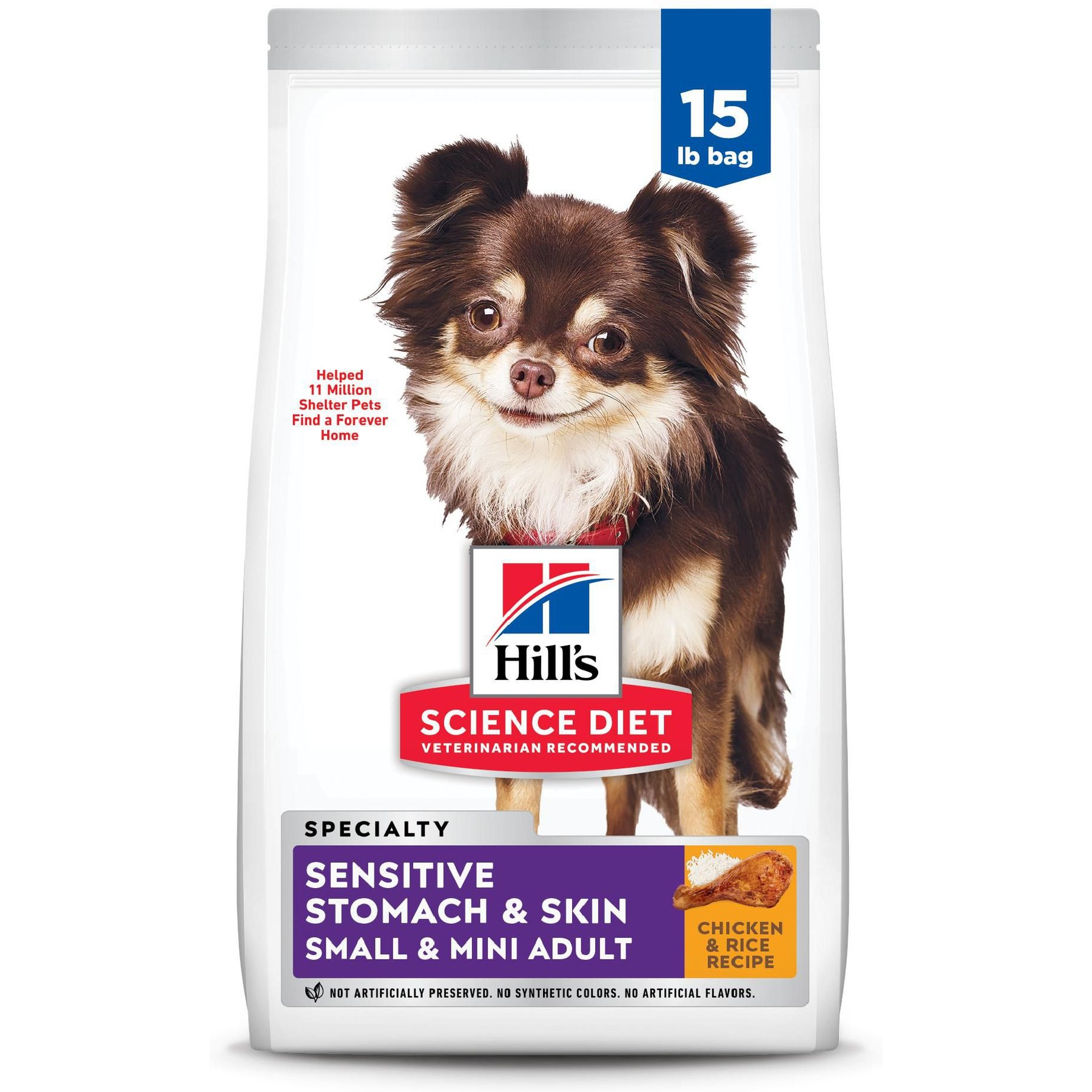
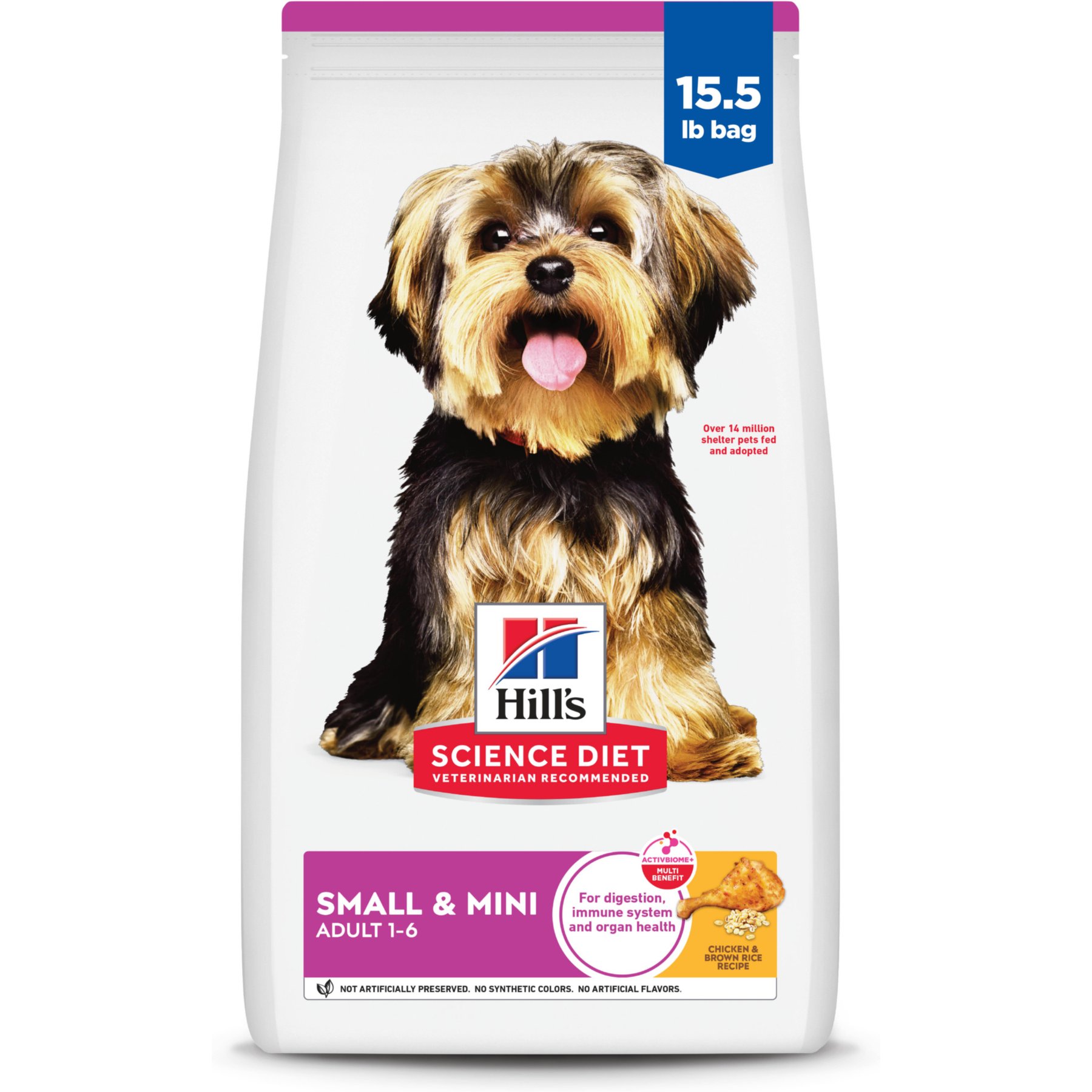
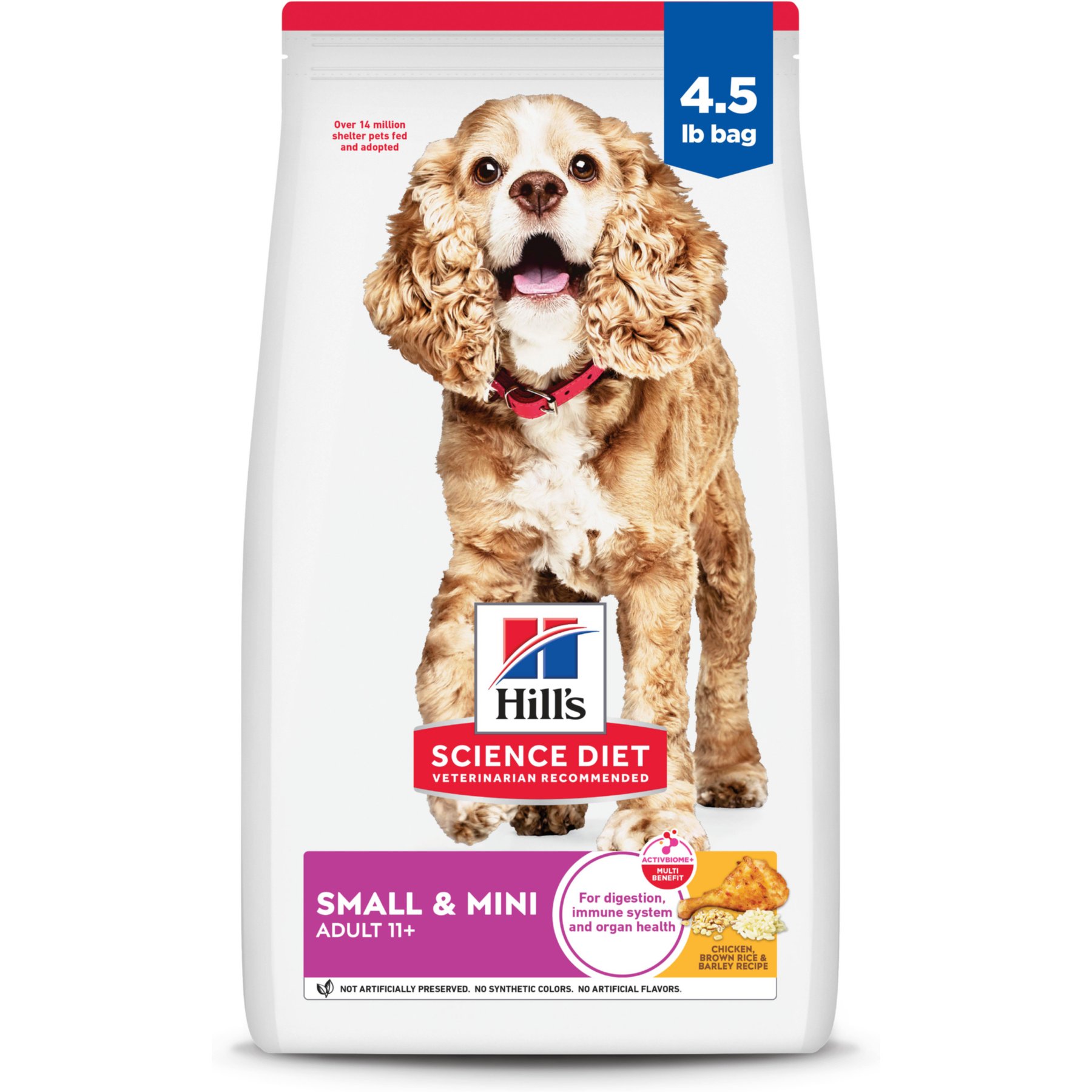
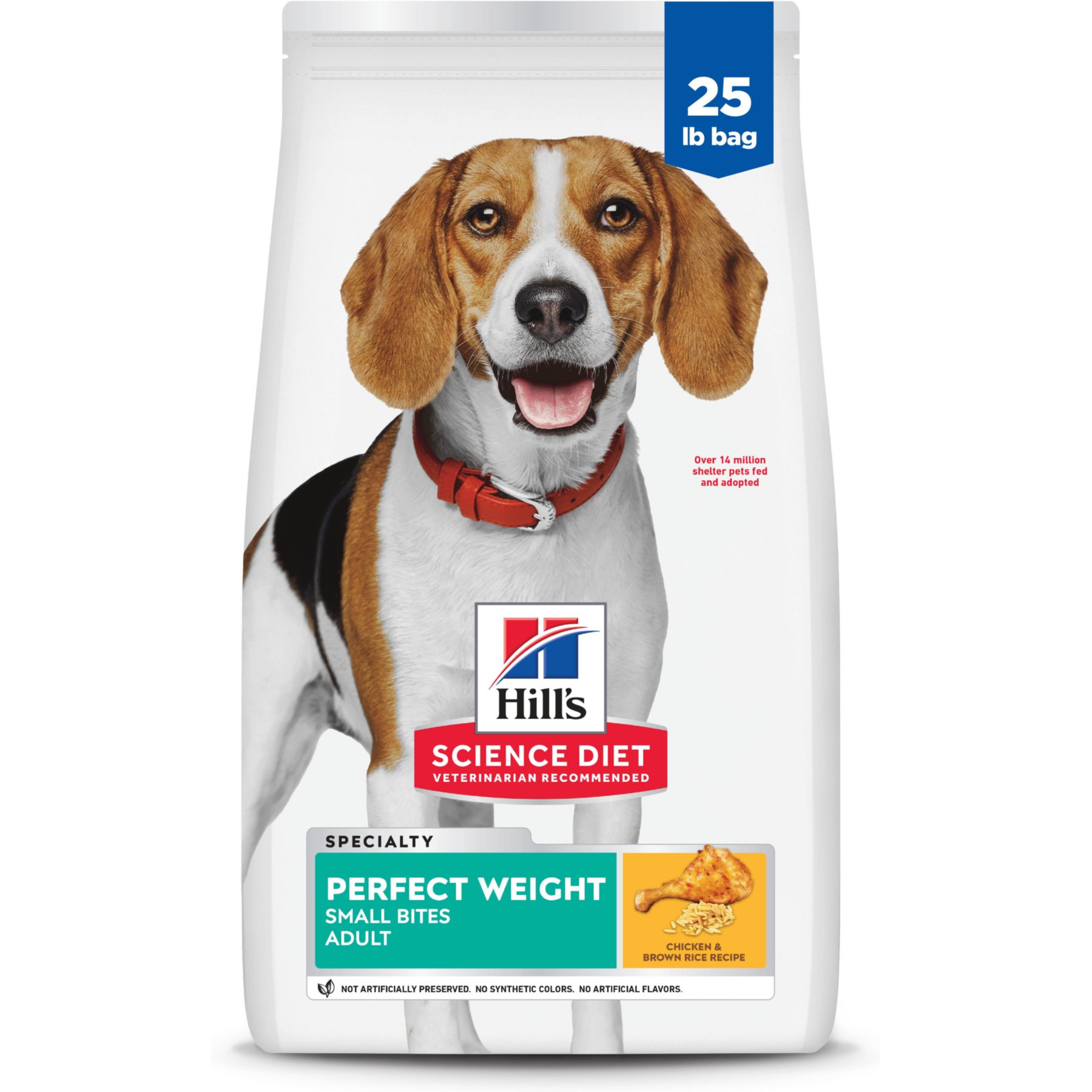
Hill's Science Diet Adult
- Chicken as primary protein
- No beef
- Made in the USA
- Quality nutrition
Fish-Based Options
Purina Pro Plan Sensitive Skin & Stomach (Salmon)
- Salmon first ingredient
- No beef or chicken
- Omega-rich formula
- Supports skin health
Wellness CORE Ocean
- Whitefish and herring
- High protein
- No beef
- Grain-free option
Lamb-Based Options
Blue Buffalo Life Protection (Lamb)
- Real lamb first ingredient
- No beef
- LifeSource Bits
- Wholesome grains
Natural Balance L.I.D. Lamb & Rice
- Limited ingredients
- Single animal protein
- No beef
- Good for sensitivities
Novel Proteins
Taste of the Wild Pacific Stream
- Smoked salmon
- Novel protein for most dogs
- No beef, no chicken
- Grain-free formula
Transitioning to Beef-Free Food
Standard Transition (7-10 Days)
- Days 1-2: 80% old food, 20% new
- Days 3-4: 60% old, 40% new
- Days 5-6: 40% old, 60% new
- Days 7-8: 20% old, 80% new
- Days 9-10: 100% new food
Elimination Diet Process
To confirm beef allergy:
- Remove all beef from diet for 8-12 weeks
- Include treats—must be beef-free
- Monitor symptom improvement
- Optionally rechallenge with beef
- If symptoms return, allergy confirmed
Hidden Beef Sources
Potential Problem Items
- Treats: Many use beef as primary ingredient
- Rawhides: Often made from beef hide
- Flavored supplements: May contain beef
- Table scraps: Even small amounts matter
- Other pets' food: Cross-contamination risk
Label Reading Tips
- "Meat" or "meat meal" may be beef
- "Animal fat" could include beef
- "Natural flavors" may contain beef
- Contact manufacturer if uncertain
Special Considerations
Multiple Protein Allergies
Some dogs allergic to beef also react to:
- Other red meats (lamb, venison)
- Dairy (related proteins)
If beef-free diet doesn't resolve symptoms, consider elimination diet with novel protein.
Cross-Contamination
For severe allergies:
- Choose brands with dedicated facilities
- Look for allergy-specific product lines
- Contact manufacturers about processing
Frequently Asked Questions
If my dog is allergic to beef, are they also allergic to dairy?
Not always, but sometimes. Beef and dairy come from the same animal (cows), and some proteins are similar. If beef-free diet doesn't fully resolve symptoms, try eliminating dairy too.
Is lamb a good alternative to beef?
For many dogs, yes. Lamb is a different animal protein. However, some dogs with beef allergies may also react to lamb or other red meats. Fish or poultry may be safer alternatives.
How do I know if my dog has a beef allergy vs. intolerance?
Both may present with similar symptoms. True allergies involve immune response (often skin symptoms). Intolerances typically cause digestive issues. An elimination diet helps identify the trigger; veterinary testing can confirm allergy vs. intolerance.
Can my dog ever eat beef again?
Allergies are typically lifelong, though some may lessen over time. Once diagnosed, it's generally safest to avoid beef permanently. Reintroducing beef usually triggers symptoms again.
Are beef-free foods less nutritious?
Not at all. Other protein sources (chicken, fish, lamb) provide excellent nutrition. Fish actually offers additional omega-3 benefits. The key is choosing high-quality food with appropriate protein levels.
Related Resources
- Limited Ingredient Dog Food - Simplified formulas
- Dog Food for Skin Allergies - Allergy support
- Chicken-Free Dog Food - For multiple allergies
- Fish Dog Food - Alternative proteins
- Compare Dog Foods - Side-by-side comparison