Soy is a plant-based protein and carbohydrate source used in some dog foods. Whether your dog has a soy allergy or you prefer to avoid it, finding quality soy-free food is straightforward since most premium brands don't rely on soy.
Why Go Soy-Free?
Concerns About Soy
- Allergies: Some dogs react to soy proteins
- Digestibility: May cause gas in some dogs
- Phytoestrogens: Plant compounds mimicking estrogen (controversial concern)
- GMO concerns: Most soy is genetically modified
- Quality perception: Associated with filler ingredients
Signs of Soy Sensitivity
- Digestive upset
- Gas and bloating
- Itchy skin
- Ear infections
- Loose stools
- Vomiting
Soy in Dog Food Context
Soy appears more often in economy brands as an inexpensive protein and carbohydrate source. Premium brands typically use higher-quality animal proteins instead.
What to Look for in Soy-Free Food
Soy-Derived Ingredients
- Soy
- Soybean meal
- Soy flour
- Soy protein
- Soy protein isolate
- Soybean hulls
- Soybean oil
- Textured vegetable protein (often soy)
Alternative Protein Sources
- Chicken, beef, lamb, fish (animal proteins)
- Eggs (animal protein)
- Peas, lentils (legume proteins, also plant-based)
Alternative Carbohydrates
- Rice
- Oatmeal
- Potatoes
- Sweet potatoes
- Barley
Top Soy-Free Dog Foods
Premium Brands (Typically Soy-Free)
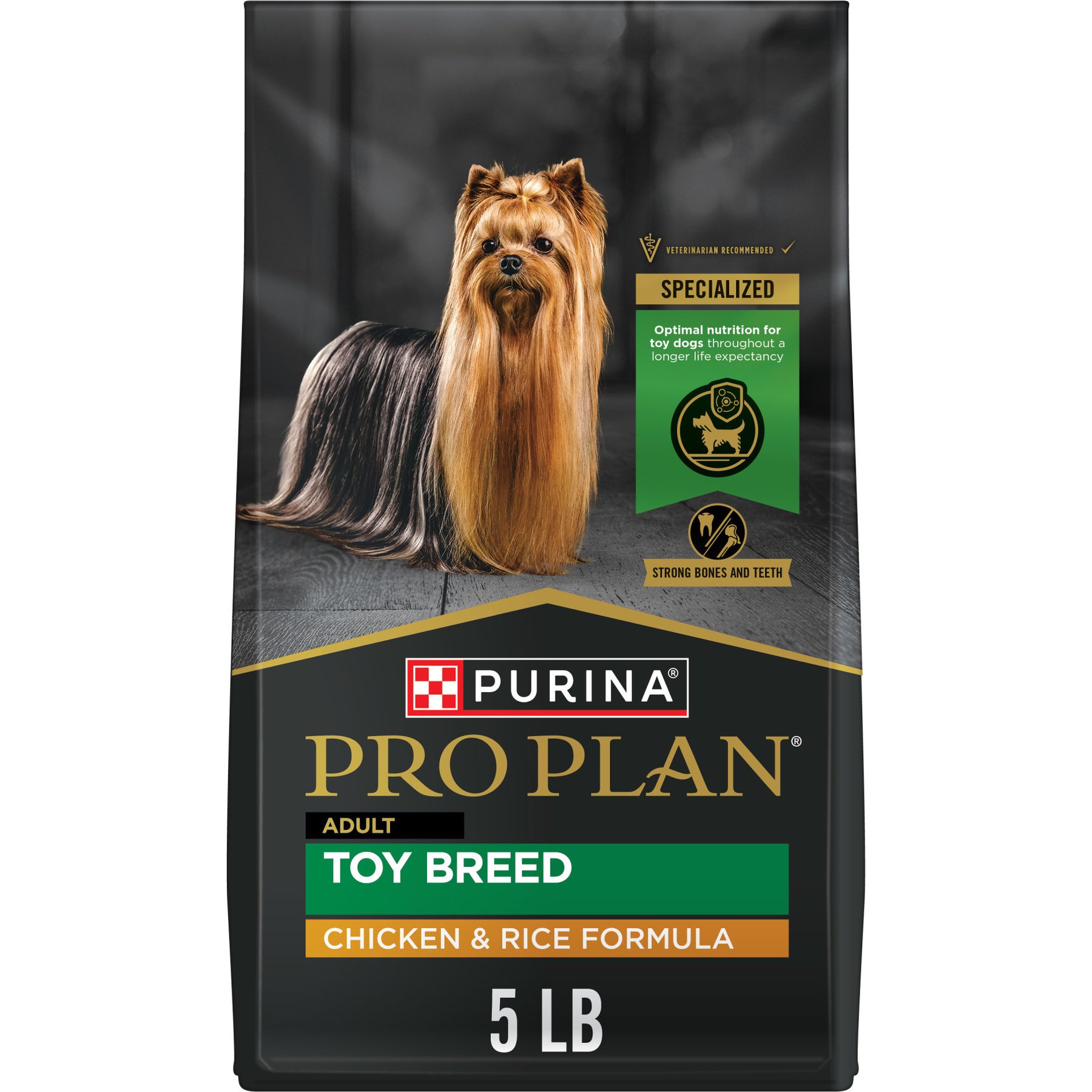
Purina Pro Plan
- Rating: 4.71/5
- No soy ingredients
- Quality animal protein
- Multiple formulas
- Complete nutrition
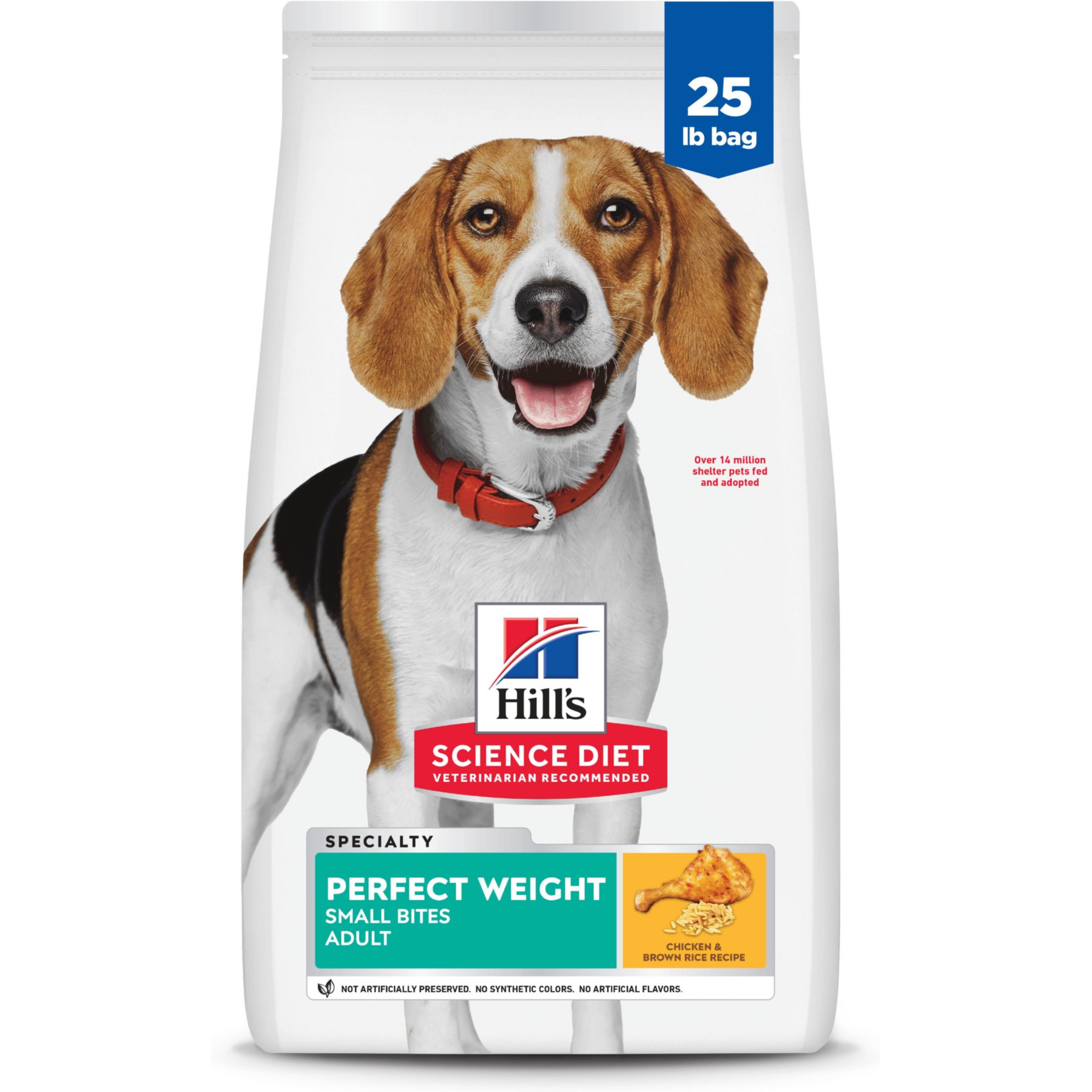
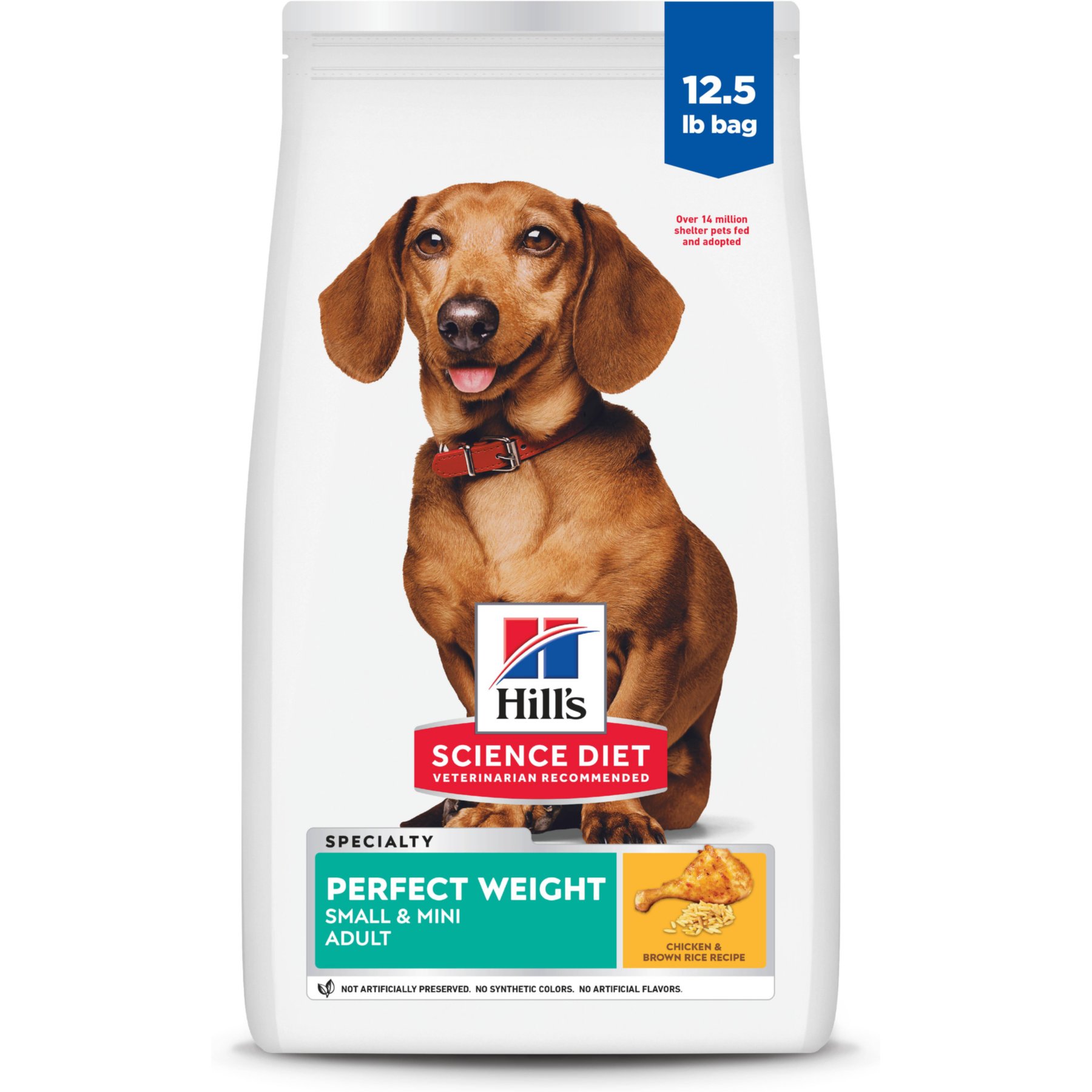
Hill's Science Diet
- No soy
- Veterinarian recommended
- Made in USA
- Various life stages
Blue Buffalo Life Protection
- No soy, corn, or wheat
- Quality ingredients
- LifeSource Bits
- Multiple proteins
Sensitive Stomach Options
Purina Pro Plan Sensitive Skin & Stomach
- No corn, wheat, or soy
- Easily digestible
- Omega fatty acids
- Prebiotic fiber
Hill's Science Diet Sensitive Stomach & Skin
- No soy
- Gentle formula
- Prebiotic fiber
- Quality ingredients
Limited Ingredient Options
Natural Balance L.I.D.
- Limited ingredients
- No soy
- Single protein options
- Multiple formulas
Soy in Vegetarian Dog Foods
Note for Vegetarian Diets
Some vegetarian/vegan dog foods rely heavily on soy as a primary protein source. If you're feeding vegetarian and need soy-free, options are very limited. Consult a veterinary nutritionist.
Reading Labels for Soy
Where Soy Hides
- Main ingredients
- As protein supplement
- As fat source (soybean oil)
- In some "vegetable" ingredients
Tips for Verification
- Check complete ingredient list
- Look for any soy-derived terms
- Most premium brands are naturally soy-free
- Contact manufacturer if uncertain
The Soy Controversy
Arguments Against Soy
- Lower quality protein than meat
- Phytoestrogen concerns
- Digestibility issues for some dogs
- GMO-related concerns
Arguments For Soy
- Complete plant protein
- Affordable nutrition
- Environmental sustainability
- Well-tolerated by many dogs
The Bottom Line
Most premium dog foods don't use soy anyway, making this an easy ingredient to avoid if desired.
Transitioning to Soy-Free
If Currently on Soy-Containing Food
- Days 1-3: 75% old, 25% new
- Days 4-6: 50% old, 50% new
- Days 7-9: 25% old, 75% new
- Days 10+: 100% new
What to Expect
- Digestive symptoms may improve within 1-2 weeks
- Gas and bloating often resolve quickly
- Skin issues may take 6-8 weeks
Soy-Free Treats
Treats to Check
- Some budget treats contain soy
- Training treats (check labels)
- Some dental chews
Safe Options
- Meat-based treats
- Single-ingredient treats
- Most premium treat brands
- Fresh vegetables and fruits
Frequently Asked Questions
Is soy bad for dogs?
Soy isn't inherently bad. Many dogs digest it fine, and it provides plant-based protein. However, some dogs are sensitive, and soy is considered a lower-quality protein source than meat. Most premium foods don't use it anyway.
How common is soy allergy in dogs?
Soy allergy exists but is less common than protein allergies to chicken, beef, or dairy. If your dog has allergy symptoms, animal proteins are more likely culprits than soy.
Is soy used to boost protein content cheaply?
Sometimes, yes. Soy protein isolate can increase protein percentages inexpensively. This is one reason premium brands prefer meat proteins—they're higher quality and more appropriate for dogs.
Should I avoid soybean oil too?
For true soy allergy, yes—avoid all soy-derived ingredients. For general soy avoidance, soybean oil is highly refined and may be tolerated, but if you're avoiding soy, it's easiest to skip the oil too.
Do premium dog foods contain soy?
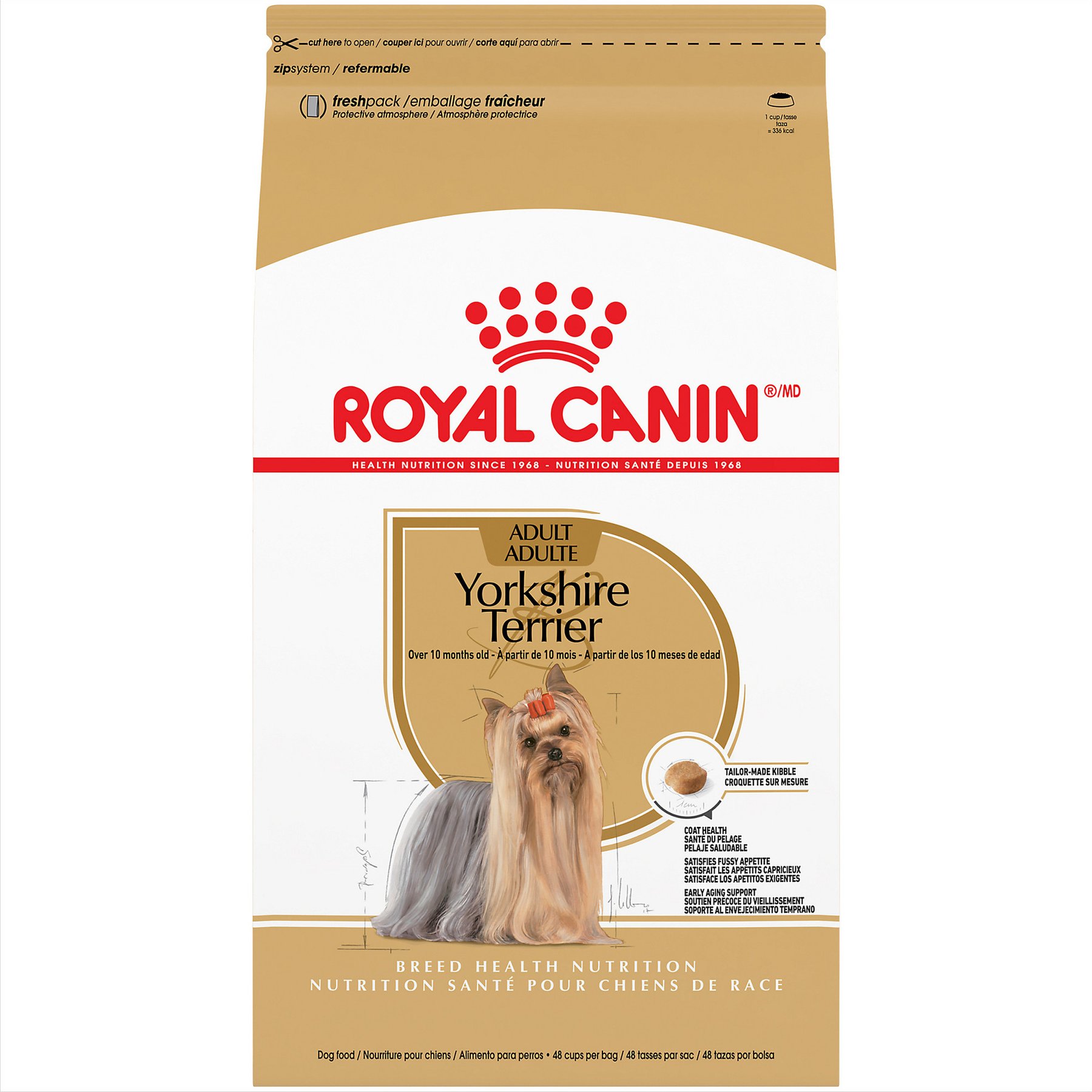
Most don't. Premium brands like Purina Pro Plan, Hill's, Royal Canin, and Blue Buffalo typically use animal proteins rather than soy. Soy is more common in economy or vegetarian formulas.
Related Resources
- Limited Ingredient Dog Food - Simplified formulas
- Dog Food for Sensitive Stomach - Digestive support
- Corn-Free Dog Food - Multiple exclusions
- Wheat-Free Dog Food - Grain concerns
- Compare Dog Foods - Side-by-side comparison