While less common than chicken or beef allergies, pork sensitivities do occur in dogs. Whether your dog has a diagnosed pork allergy or you're avoiding it as a precaution, finding quality pork-free options is straightforward.
Why Go Pork-Free?
Pork in Dog Food
Pork isn't as common as chicken or beef in dog food, but it appears in:
- Single-protein pork formulas
- Mixed-protein recipes
- Treats and chews
- Flavoring ingredients
Signs of Pork Allergy
- Skin itching and irritation
- Ear infections
- Paw licking
- Gastrointestinal upset
- Vomiting or diarrhea
- Hot spots
- Skin infections
Who Should Avoid Pork
- Dogs with diagnosed pork allergy
- Dogs with multiple protein sensitivities
- Dogs on elimination diets
- Some religious/personal preferences
What to Look for in Pork-Free Food
Pork-Derived Ingredients
- Pork
- Pork meal
- Pork by-products
- Pork fat/lard
- Pork liver
- Ham
- Bacon flavoring
Alternative Proteins
Most dog foods don't use pork as primary protein, so alternatives are plentiful:
- Chicken: Most common protein
- Beef: Traditional alternative
- Fish: Salmon, whitefish, herring
- Lamb: Quality alternative
- Turkey: Lean poultry
- Duck: Novel protein
- Venison: Novel protein
Quality Standards
- Named protein source
- Clear ingredient list
- No "meat" or "animal" without specification
- Complete nutrition
Top Pork-Free Dog Foods
Chicken-Based Options
Purina Pro Plan Adult (Chicken)
- Rating: 4.71/5
- Real chicken first
- No pork ingredients
- Complete nutrition
- Live probiotics
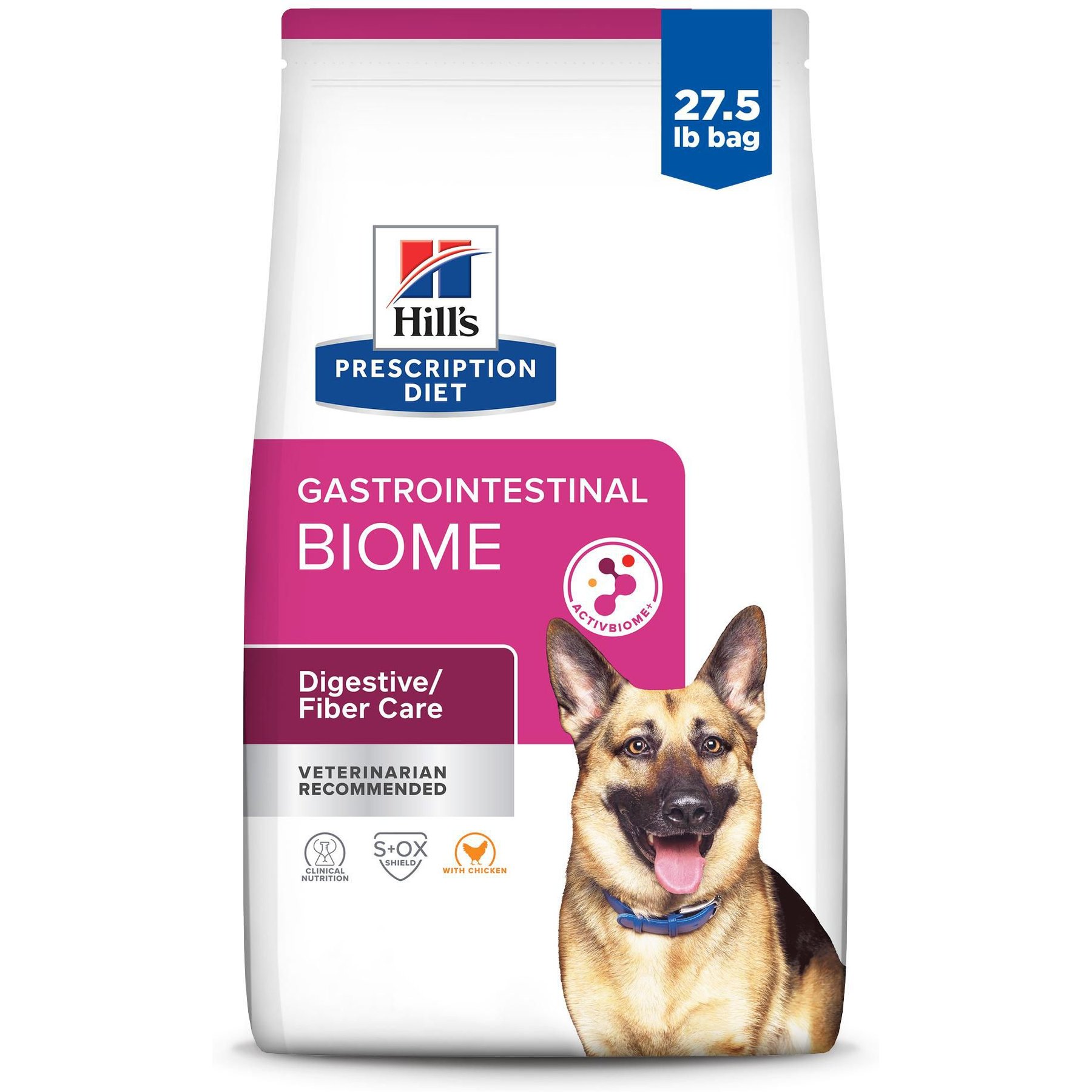
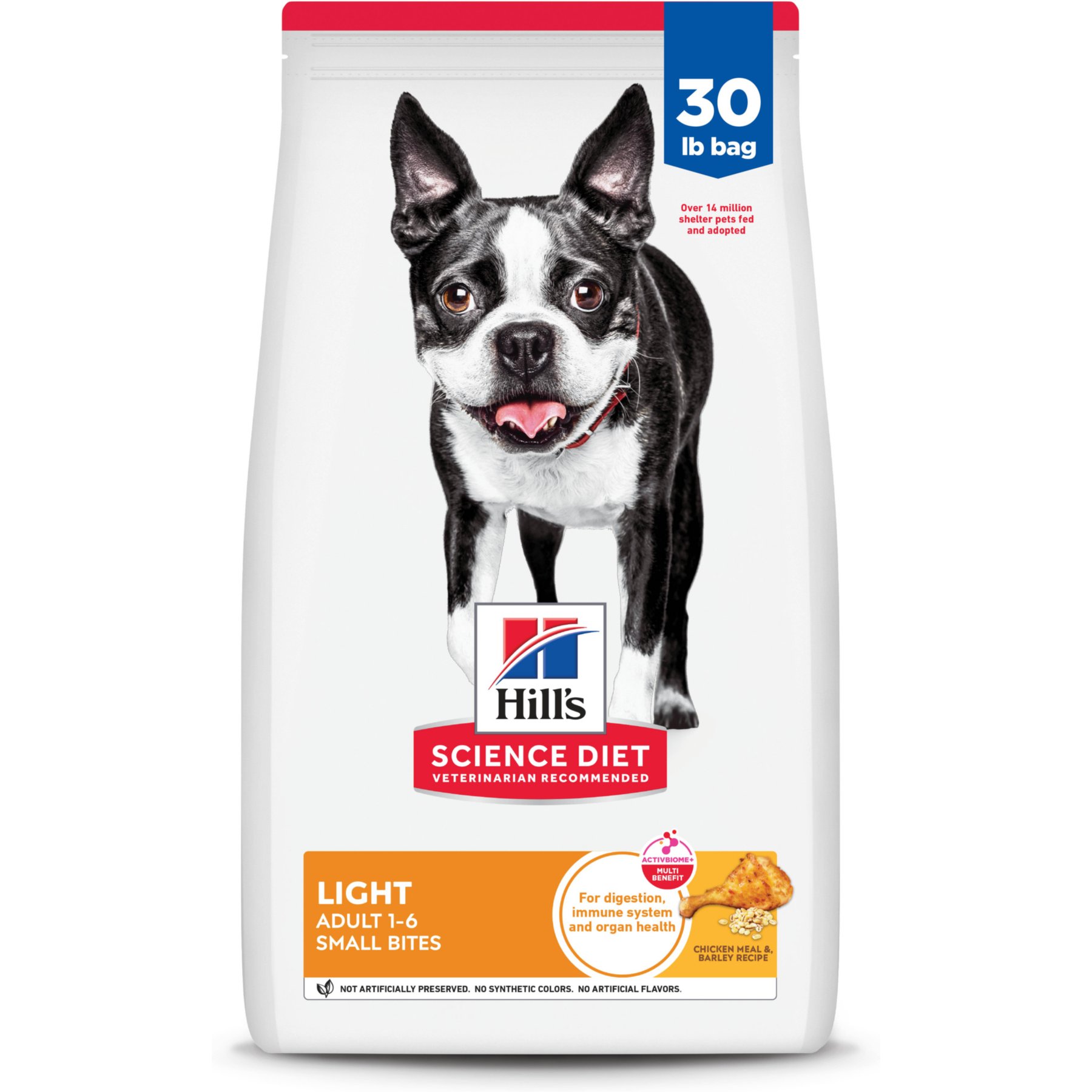
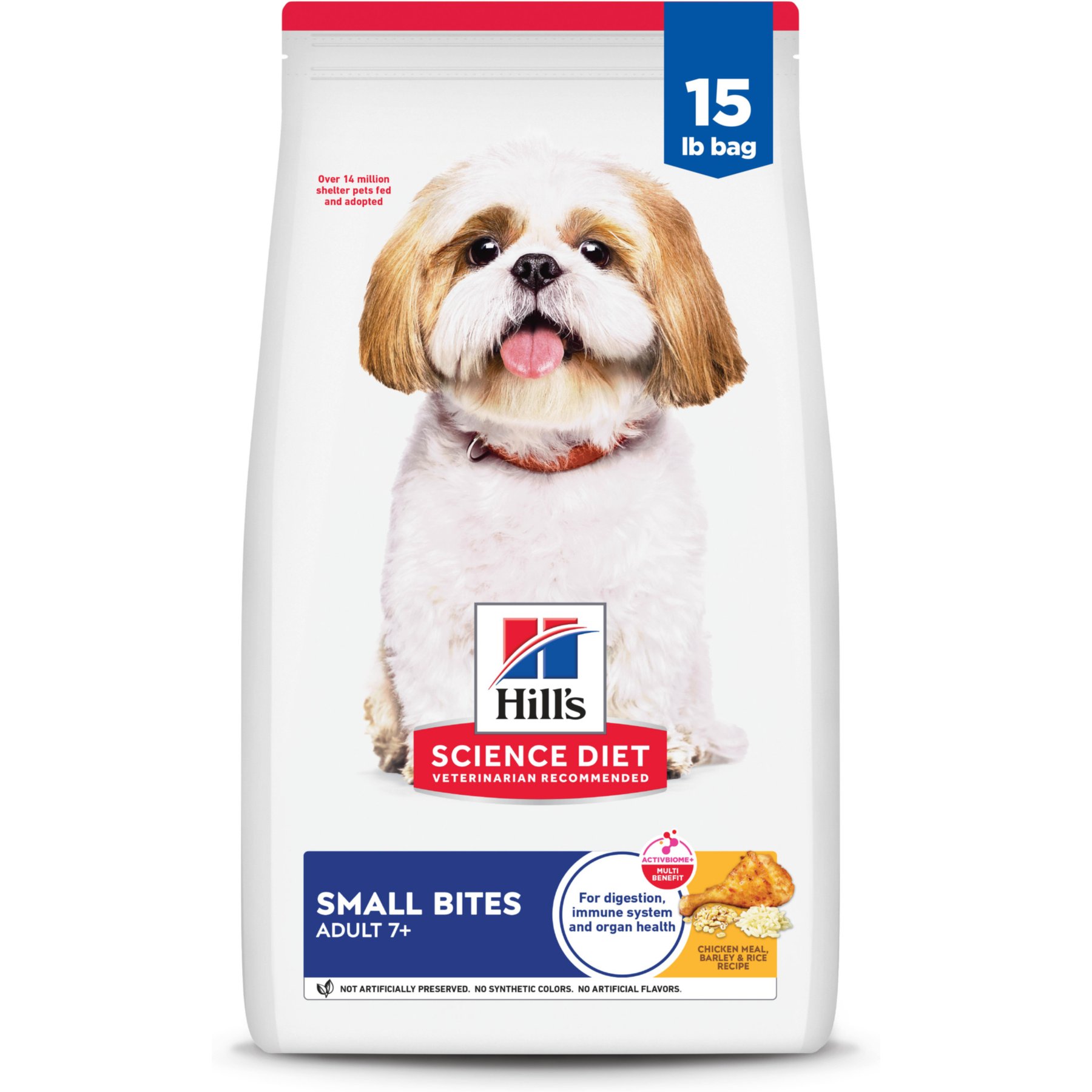
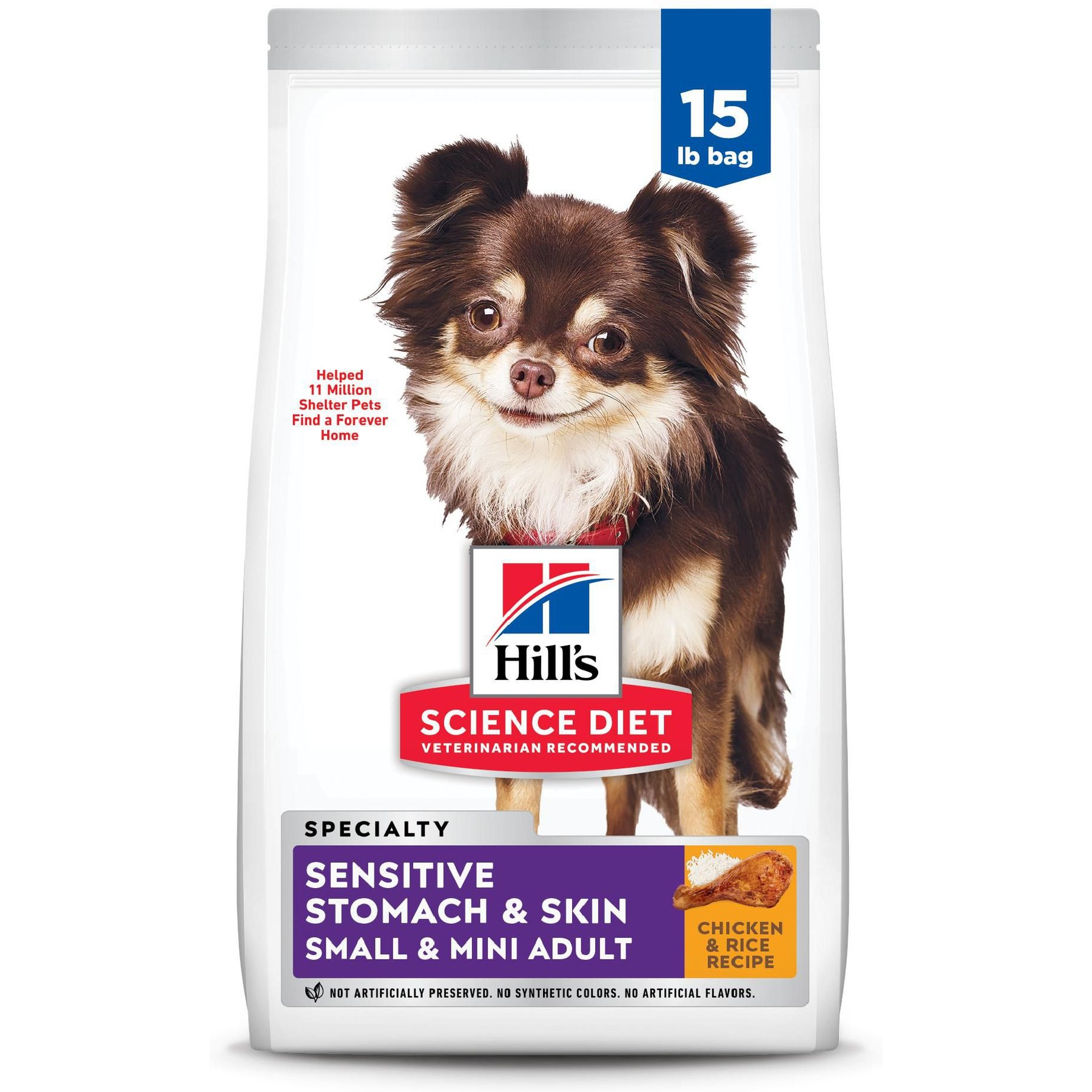
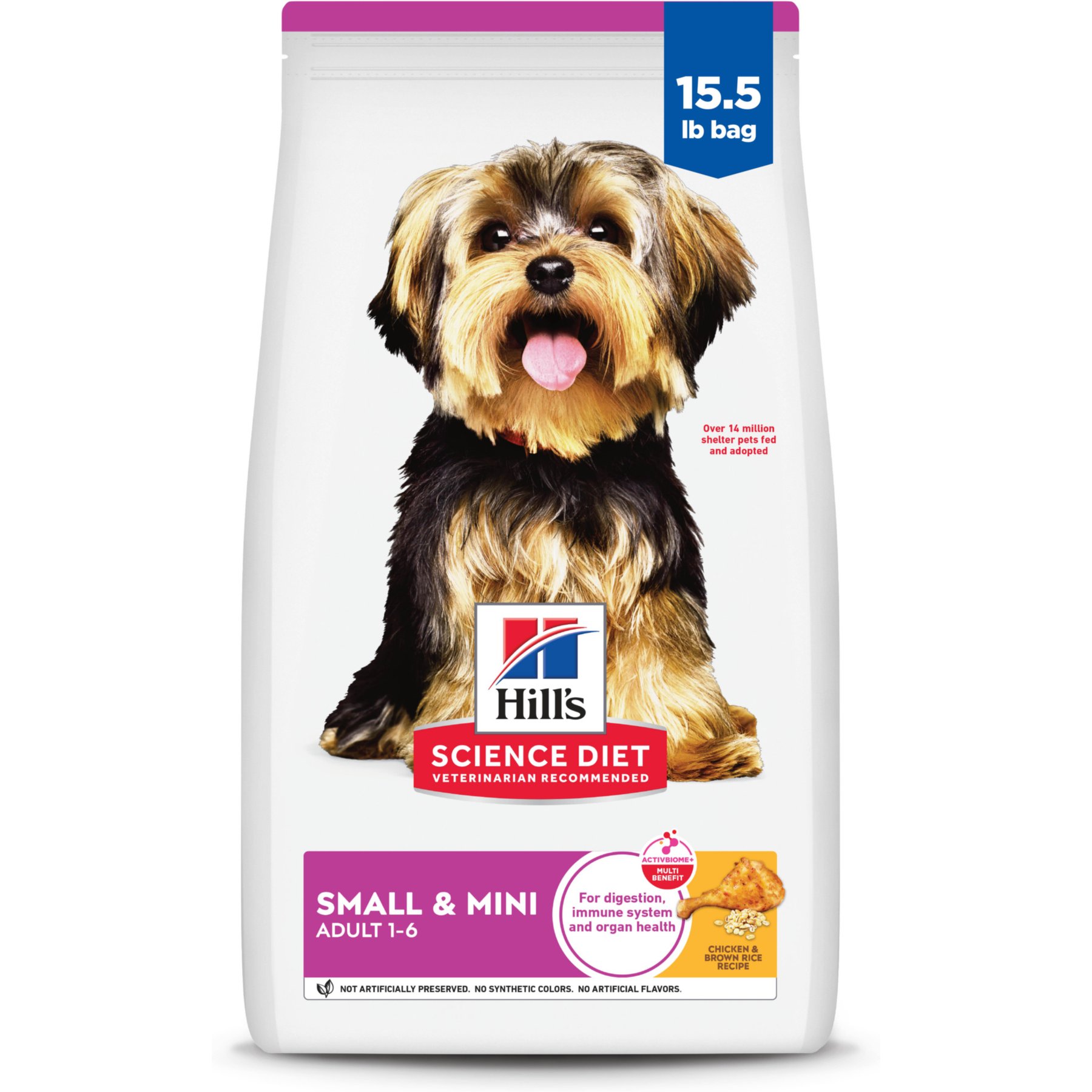
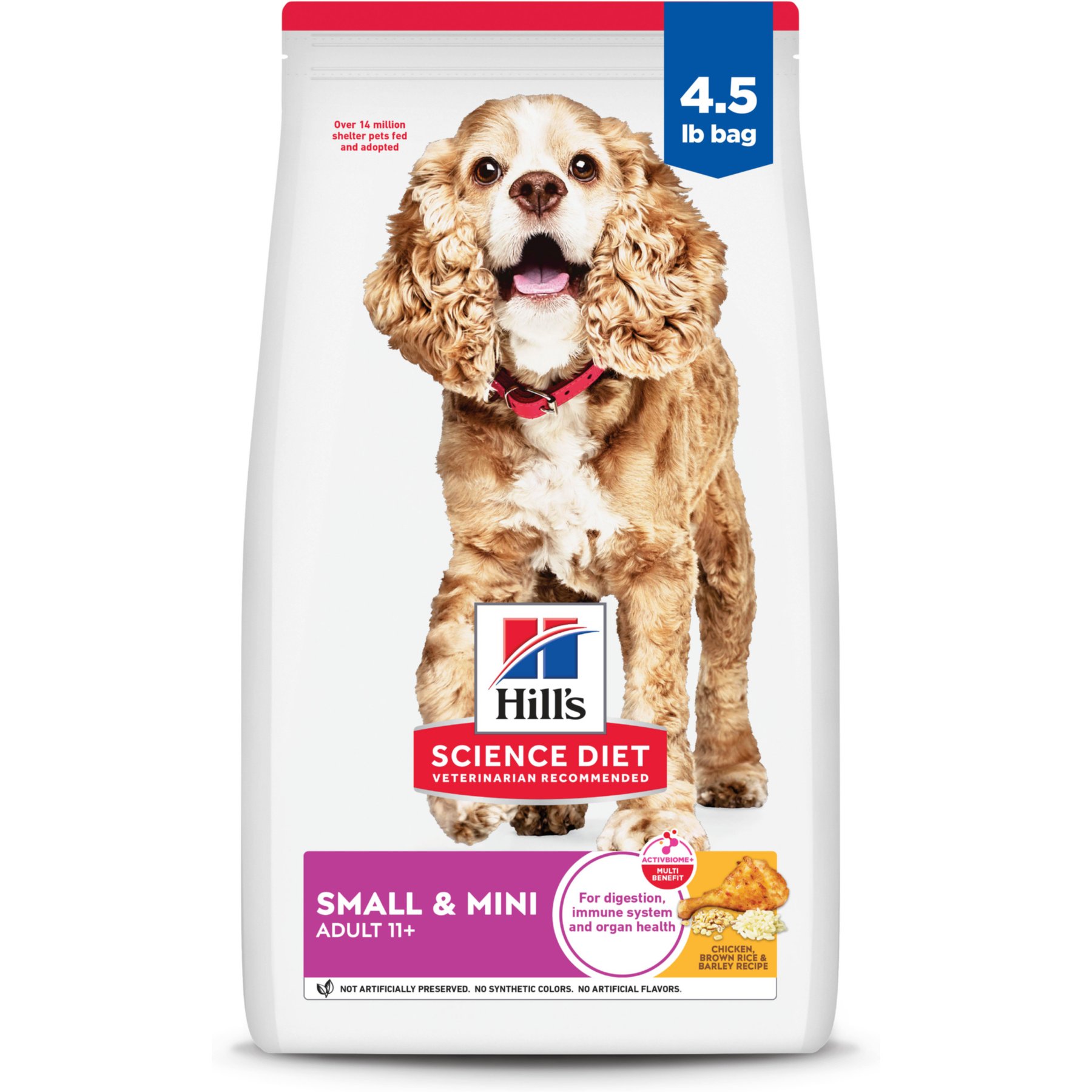
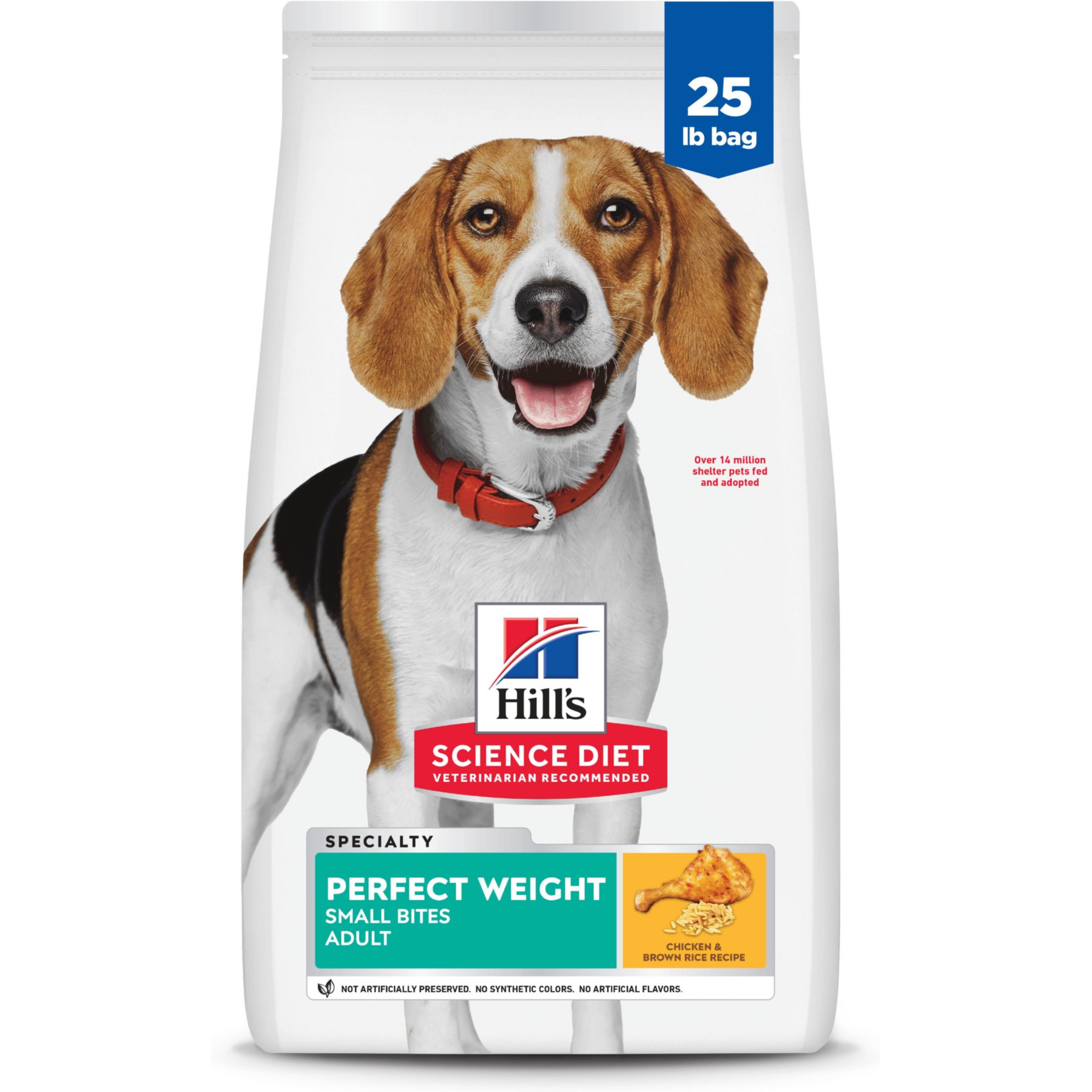
Hill's Science Diet Adult
- Quality chicken protein
- No pork
- Made in USA
- Veterinarian trusted
Fish-Based Options
Purina Pro Plan Sensitive Skin & Stomach (Salmon)
- Salmon first ingredient
- No pork, no poultry
- Omega-3 rich
- Great for skin health
Wellness CORE Ocean
- Whitefish and herring
- High protein
- No pork
- Grain-free
Beef-Based Options
Blue Buffalo Life Protection (Beef)
- Real beef first
- No pork ingredients
- LifeSource Bits
- Wholesome recipe
Lamb-Based Options
Natural Balance L.I.D. Lamb & Rice
- Limited ingredients
- Single animal protein
- No pork
- Gentle on digestion
Reading Labels for Pork
What to Watch For
- Primary ingredients: Check first 5 ingredients
- Fat sources: Pork fat sometimes used
- Flavoring: "Natural flavors" may include pork
- Multiple proteins: Some formulas mix proteins
Generally Safe Choices
Most chicken, fish, and lamb-based foods don't contain pork. However, always verify:
- Read complete ingredient list
- Contact manufacturer if uncertain
- Check for cross-contamination info
Pork in Treats and Chews
Common Pork Products
- Pig ears
- Pork skin chews
- Bacon-flavored treats
- Some dental chews
- Training treats
Pork-Free Treat Options
- Chicken jerky
- Fish-based treats
- Beef chews
- Lamb treats
- Vegetable-based treats
- Single-ingredient freeze-dried proteins
Transitioning to Pork-Free Diet
If Currently on Pork-Based Food
- Days 1-3: 75% old, 25% new
- Days 4-6: 50% old, 50% new
- Days 7-9: 25% old, 75% new
- Days 10+: 100% new
Elimination Diet
If confirming pork allergy:
- Remove all pork for 8-12 weeks
- Include treats in elimination
- Monitor symptom changes
- Rechallenge if desired to confirm
Frequently Asked Questions
Is pork allergy common in dogs?
Pork allergy is less common than chicken, beef, or dairy allergies in dogs. However, it does occur, and symptoms are similar to other food allergies. If your dog has multiple allergies, pork sensitivity is worth considering.
Why is pork less common in dog food?
Historically, pork was more expensive than chicken or beef for pet food production. Chicken is widely available and economical, making it the dominant protein. Pork appears more in specialty or single-protein formulas.
Are pig ear treats safe for dogs without pork allergy?
For dogs without pork allergy, pig ears are controversial for other reasons: bacterial contamination risk, potential choking hazard, and high fat content. They're not recommended by many veterinarians regardless of allergies.
If my dog is allergic to pork, can they eat bacon?
No. Bacon is pork, plus it contains high levels of fat and sodium that are unhealthy for dogs. Dogs with pork allergies should avoid all pork products including bacon, ham, and pork-derived treats.
How do I know if pork is causing my dog's issues?
The best way is an elimination diet: feed a pork-free diet for 8-12 weeks and monitor for improvement. If symptoms resolve and return upon reintroducing pork, you've identified the culprit.
Related Resources
- Limited Ingredient Dog Food - Simplified formulas
- Dog Food for Skin Allergies - Allergy support
- Chicken-Free Dog Food - Multiple allergy options
- Fish Dog Food - Alternative proteins
- Compare Dog Foods - Side-by-side comparison