Gluten sensitivity in dogs is rare, but it does exist—particularly in Irish Setters. Whether your dog has a diagnosed gluten intolerance or you prefer gluten-free feeding, understanding your options helps you make informed choices.
Why Go Gluten-Free?
What Is Gluten?
Gluten is a protein found in certain grains:
- Wheat
- Barley
- Rye
- Triticale
Gluten Sensitivity in Dogs
True gluten intolerance (celiac-like disease) is rare in dogs, primarily documented in Irish Setters as a genetic condition. However, some dogs may be sensitive to gluten-containing grains.
Signs of Gluten Sensitivity
- Chronic diarrhea
- Weight loss
- Poor coat condition
- Failure to thrive
- Digestive issues
- Skin problems (less common)
Irish Setter Gluten Sensitivity
Irish Setters can inherit gluten-sensitive enteropathy, causing:
- Severe diarrhea
- Weight loss
- Malnutrition
- Poor growth in puppies
- Lifelong dietary management needed
What to Look for in Gluten-Free Food
Grains Containing Gluten
- Wheat (all forms)
- Barley
- Rye
- Triticale
- Some oats (cross-contaminated)
Gluten-Free Grains
- Rice
- Corn
- Oats (certified gluten-free)
- Sorghum
- Millet
Gluten-Free Carbohydrates
- Potatoes
- Sweet potatoes
- Tapioca
- Peas
- Lentils
- Chickpeas
Top Gluten-Free Dog Foods
Rice-Based Options
Purina Pro Plan Sensitive Skin & Stomach
- Rating: 4.71/5
- Rice-based (gluten-free)
- No wheat, corn, or soy
- High-quality protein
- Omega fatty acids
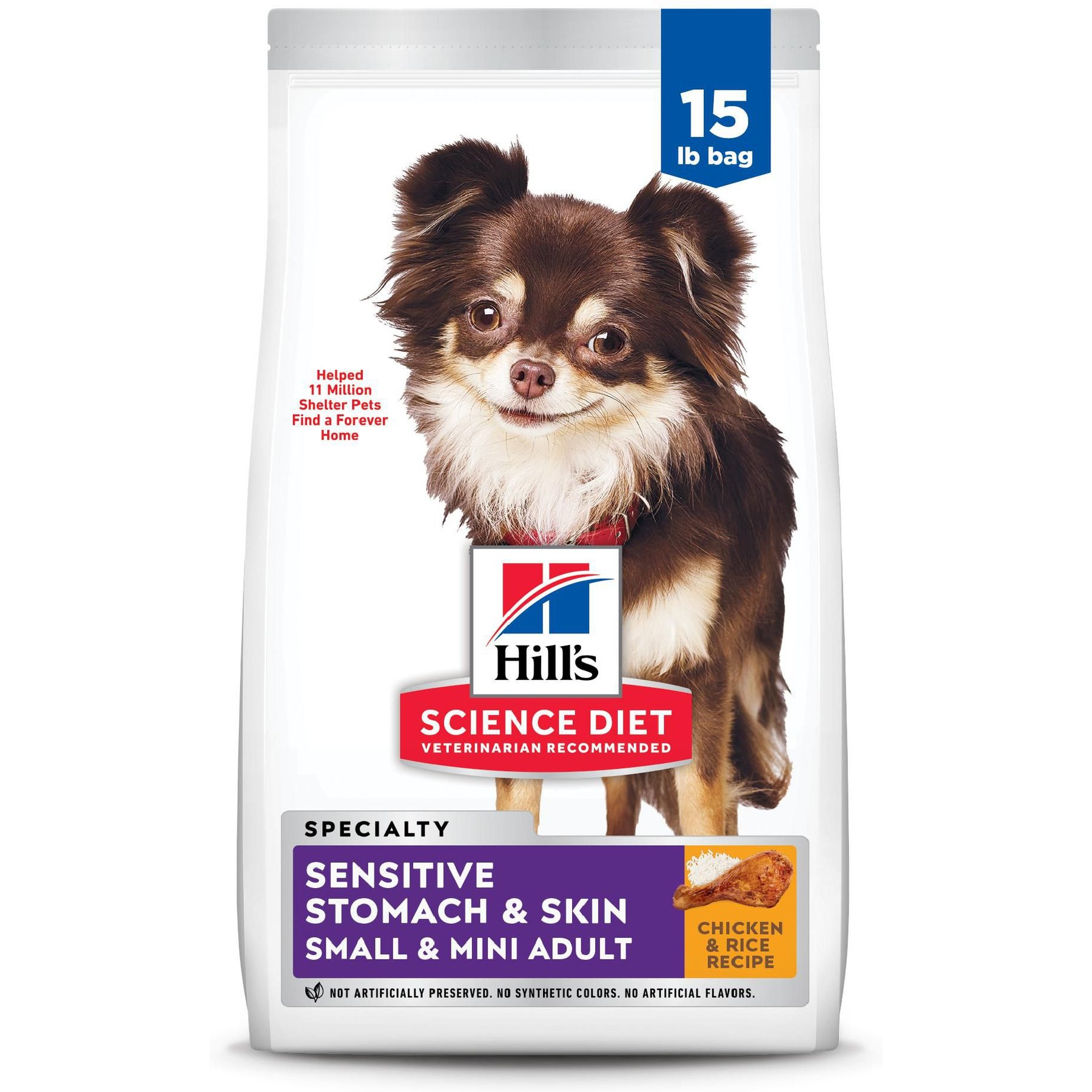
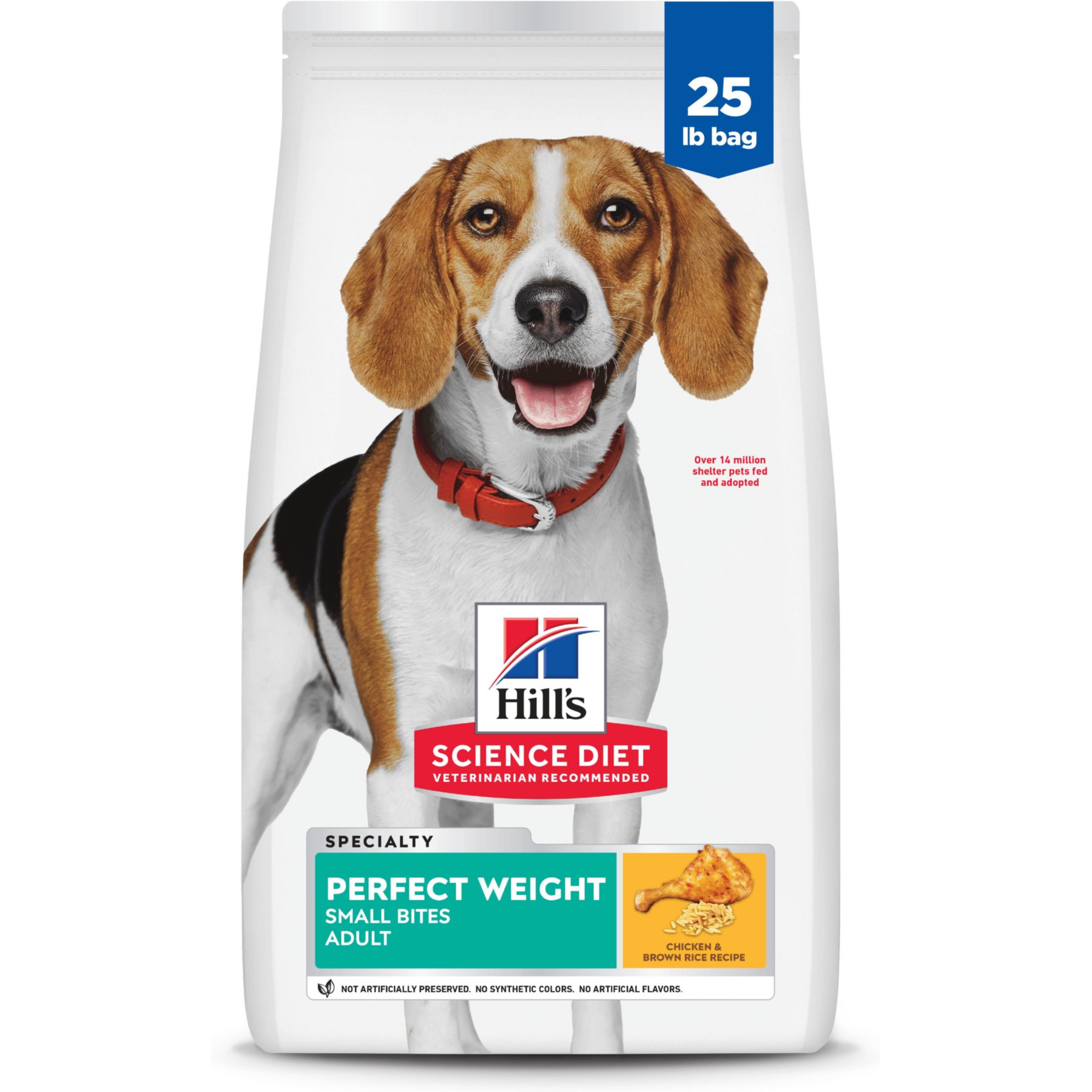
Hill's Science Diet Sensitive Stomach & Skin
- Gluten-free carbs
- Easy to digest
- Prebiotic fiber
- Made in USA
Grain-Free Options (All Gluten-Free)
Taste of the Wild
- No grains, no gluten
- Multiple formulas
- Novel proteins available
- Sweet potato carbs
Wellness CORE
- Grain-free (gluten-free)
- High protein
- Quality ingredients
- Multiple options
Blue Buffalo Wilderness
- Grain-free formula
- No gluten
- High protein
- Quality ingredients
Limited Ingredient Options
Natural Balance L.I.D.
- Multiple gluten-free formulas
- Limited ingredients
- Single protein options
- Good for sensitivities
Understanding Gluten-Free Labels
What "Gluten-Free" Means
- No wheat, barley, rye, or their derivatives
- May contain rice, corn, oats (if certified)
- Check for potential cross-contamination
Label Reading Tips
- Look for rice, potato, or legume carbs
- Avoid wheat, barley, rye
- "Grain-free" is always gluten-free
- Some oat-containing foods may have cross-contamination
Gluten-Free vs. Grain-Free
Key Differences
- Gluten-free: No wheat, barley, rye (rice okay)
- Grain-free: No grains at all (uses potatoes, legumes)
Which to Choose?
- For true gluten sensitivity: Gluten-free sufficient
- Grain-free goes further than necessary for gluten issues
- Grain-inclusive (rice) may be safer given FDA concerns about grain-free
FDA and Grain-Free Diets
The FDA investigated potential links between grain-free diets and heart disease (DCM). For dogs needing gluten-free (not necessarily grain-free), rice-based formulas are a safer choice.
Special Considerations
Irish Setters
If you have an Irish Setter:
- Consider genetic testing
- Strict gluten-free if diagnosed
- Work with veterinarian
- Monitor growth and condition
- Lifelong management needed
Cross-Contamination
For severe gluten sensitivity:
- Check manufacturing practices
- Look for dedicated gluten-free facilities
- Contact manufacturers about protocols
- Consider certified gluten-free products
Transitioning to Gluten-Free
Standard Transition
- Days 1-3: 75% old, 25% new
- Days 4-6: 50% old, 50% new
- Days 7-9: 25% old, 75% new
- Days 10+: 100% new
Timeline for Improvement
- Digestive issues: May improve within 1-4 weeks
- Weight gain: Gradual over weeks to months
- Coat improvement: 4-8 weeks
Gluten-Free Treats
Treats to Avoid
- Wheat-based biscuits
- Many commercial treats contain wheat
- Barley-containing treats
Safe Options
- Meat-based treats
- Rice-based treats
- Grain-free treats
- Fresh vegetables
- Single-ingredient freeze-dried
Frequently Asked Questions
How do I know if my dog needs gluten-free food?
True gluten sensitivity is rare outside Irish Setters. If your dog has chronic digestive issues, an elimination diet under veterinary guidance can identify the cause. Most dogs with food sensitivities react to proteins (chicken, beef), not gluten.
Is gluten-free the same as grain-free?
No. Gluten-free means no wheat, barley, or rye (rice is okay). Grain-free means no grains at all. For gluten-sensitive dogs, gluten-free (with rice) is sufficient and may be safer than grain-free.
Can any dog breed have gluten sensitivity?
While documented genetic gluten sensitivity exists primarily in Irish Setters, individual dogs of any breed could potentially be sensitive. However, it's rare. Chronic symptoms are more likely from other causes.
Are oats gluten-free?
Oats don't naturally contain gluten, but they're often cross-contaminated during processing. For dogs with severe gluten sensitivity, choose certified gluten-free oats or avoid oats entirely.
My dog isn't an Irish Setter but has digestive issues. Should I try gluten-free?
You can try, but protein allergies are more common causes of digestive issues. If gluten-free doesn't help, consider an elimination diet focusing on protein sources. Consult your veterinarian for guidance.
Related Resources
- Grain-Free Dog Food - Grain-free options
- Wheat-Free Dog Food - Wheat avoidance
- Dog Food for Sensitive Stomach - Digestive support
- Limited Ingredient Dog Food - Simplified formulas
- Compare Dog Foods - Side-by-side comparison