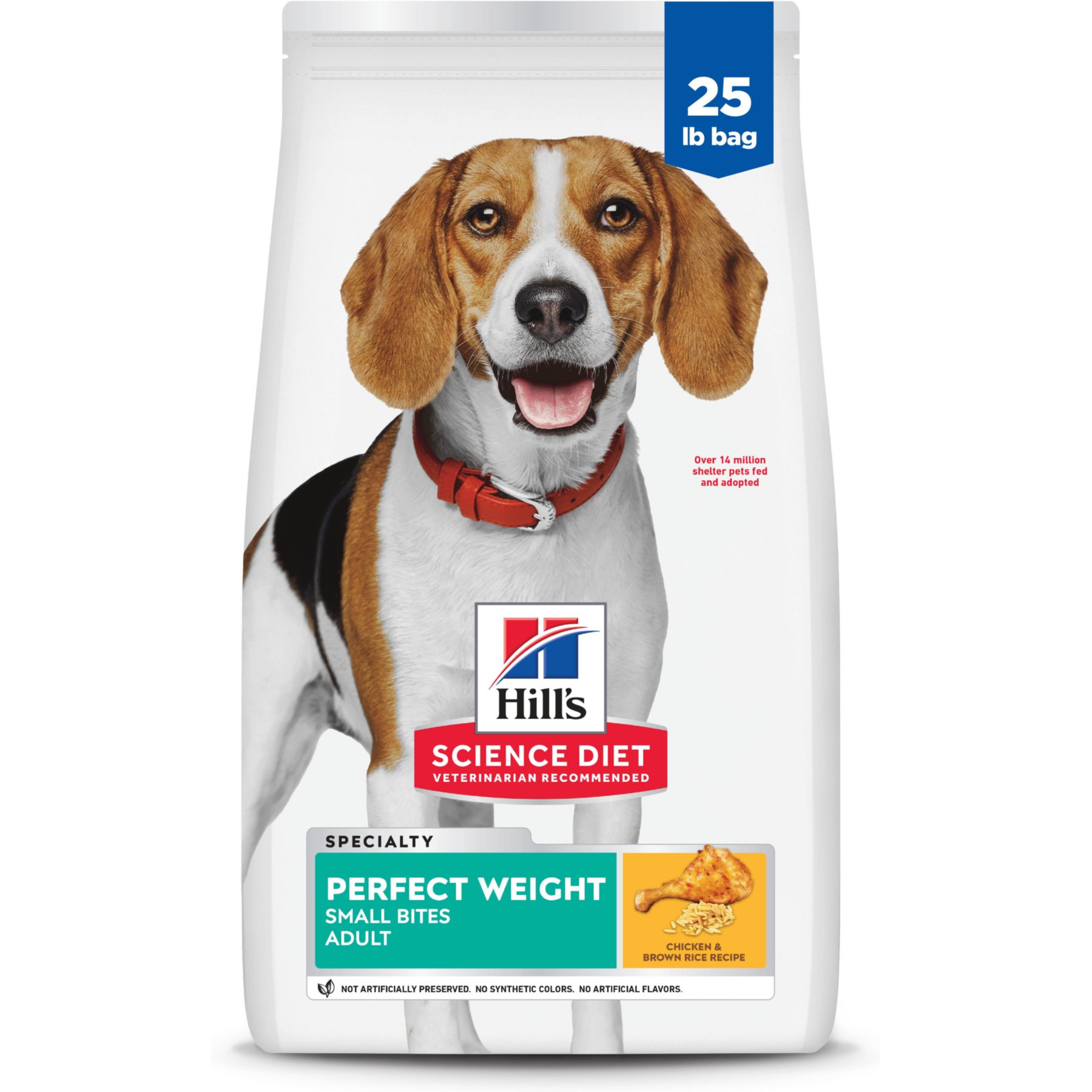
Salmon is a premium protein prized for its omega-3 fatty acids and benefits for skin and coat. This guide covers everything about salmon-based dog food.
Why Salmon Stands Out
Nutritional Benefits
- High-quality protein: Complete amino acids
- Rich in omega-3s: EPA and DHA
- Excellent for skin/coat: Visible improvement
- Natural taurine: Heart health
- Highly digestible: Easy on stomachs
Unique Advantages
- Best natural source of omega-3 fatty acids
- Often a novel protein for allergy-prone dogs
- Supports brain development (DHA)
- Anti-inflammatory properties
Omega-3 Benefits
EPA (Eicosapentaenoic Acid)
- Reduces inflammation
- Supports joint health
- Benefits skin conditions
- Heart health support
DHA (Docosahexaenoic Acid)
- Brain development (puppies)
- Cognitive function (seniors)
- Eye health
- Neural function
Why Salmon Beats Supplements
- Natural omega-3 source
- Better absorption than supplements
- Comes with complete protein
- No separate supplementation needed
Salmon Forms in Dog Food
Fresh Salmon / Deboned Salmon
- Whole salmon muscle
- High moisture content
- Quality protein source
- Excellent omega-3 delivery
Salmon Meal
- Dried, concentrated salmon
- Higher protein per weight
- Concentrated omega-3s
- Quality ingredient
Salmon Oil
- Added for omega-3 boost
- Very concentrated EPA/DHA
- Enhances any formula
- Look for on ingredient list
Whole Salmon (including organs)
- Uses entire fish
- Maximum nutrient extraction
- Common in premium foods
Best Salmon Dog Foods
For Skin and Coat
Salmon-first formulas excel here:
- Visible coat improvement
- Reduced itching
- Healthier skin
- Shiny fur
Budget Salmon Options
- Diamond Naturals Salmon
- Purina ONE SmartBlend Salmon
- Rachael Ray Nutrish Salmon
Premium Salmon Options
- Wellness Complete Health Salmon
- Blue Buffalo Life Protection Fish & Brown Rice
- Canidae PURE Salmon
High-Protein Salmon
- Orijen Six Fish
- Taste of the Wild Pacific Stream
- Acana Pacifica
Salmon for Allergies
Novel Protein Potential
- Less common than chicken or beef
- Good for dogs with common allergies
- May work for elimination diets
- Not truly "novel" for all dogs
When Salmon Helps
- Chicken or beef allergies
- Need omega-3 anti-inflammatory benefits
- Skin conditions with allergy component
- Digestive sensitivities
When Salmon Won't Help
- Already sensitized to fish
- Non-food allergies (environmental)
- Specific salmon allergy (rare)
Salmon vs Other Fish
Salmon vs Whitefish
| Factor | Salmon | Whitefish |
|---|---|---|
| Omega-3 | Higher | Lower |
| Fat | Higher | Lower |
| Protein | Similar | Similar |
| Cost | Higher | Lower |
Salmon vs Other Fish Proteins
- Herring: Similar omega-3, often mixed with salmon
- Menhaden: Common in fish meals, good omega-3
- Mackerel: High omega-3, smaller fish
- Sardines: Small, sustainable, good omega-3
Quality Considerations
Wild-Caught vs Farm-Raised
Wild-Caught:
- Often higher omega-3
- No antibiotics
- Natural diet
- Premium positioning
Farm-Raised:
- More consistent supply
- May have added omega-3 (diet controlled)
- Environmental concerns vary
- Still nutritious
Sustainability
- Look for sustainably sourced claims
- MSC certification indicates sustainable fishing
- Farm-raised can be sustainable
- Company transparency matters
Salmon for Different Dogs
Puppies
- DHA supports brain development
- Quality protein for growth
- May help with puppy skin issues
- Excellent choice
Adults
- Maintains healthy coat
- Supports overall health
- Good for active dogs
- Anti-inflammatory benefits
Seniors
- DHA supports cognitive function
- Joint health from omega-3s
- Easy to digest
- Excellent senior protein
Dogs with Skin Issues
- Omega-3s reduce inflammation
- Visible coat improvement
- Helps itchy skin (non-allergy)
- Often recommended by vets
Potential Concerns
Mercury and Contaminants
- Large fish accumulate more mercury
- Salmon is moderate-size, lower risk
- Reputable manufacturers test for contaminants
- Not a significant concern in commercial foods
Fishy Smell
- Some owners dislike the odor
- Food and treats may smell strong
- Dog breath may be fishier
- Trade-off for benefits
Cost
- Salmon foods typically cost more
- Omega-3 benefits justify premium for some
- Budget salmon options exist
- Value depends on your dog's needs
Frequently Asked Questions
Is salmon good for dogs?
Excellent. Salmon provides high-quality protein, omega-3 fatty acids, and is highly digestible. It's particularly beneficial for skin, coat, and brain health.
Will salmon dog food make my dog smell like fish?
Possibly a mild fish odor to breath or coat. Most owners don't find it problematic. The omega-3 benefits usually outweigh minor odor concerns.
Is wild-caught salmon better than farm-raised?
Slightly, perhaps. Wild-caught may have higher omega-3 and no antibiotics. But quality farm-raised salmon is still nutritious. Overall food quality matters more than this distinction.
Can salmon dog food help with shedding?
Often, yes. Omega-3 fatty acids support healthy skin and coat, which can reduce excessive shedding. Results typically visible within 4-6 weeks.
How much omega-3 should my dog get?
General guidelines suggest 20-55 mg EPA+DHA per pound of body weight for skin benefits. Quality salmon foods provide this naturally without supplementation.