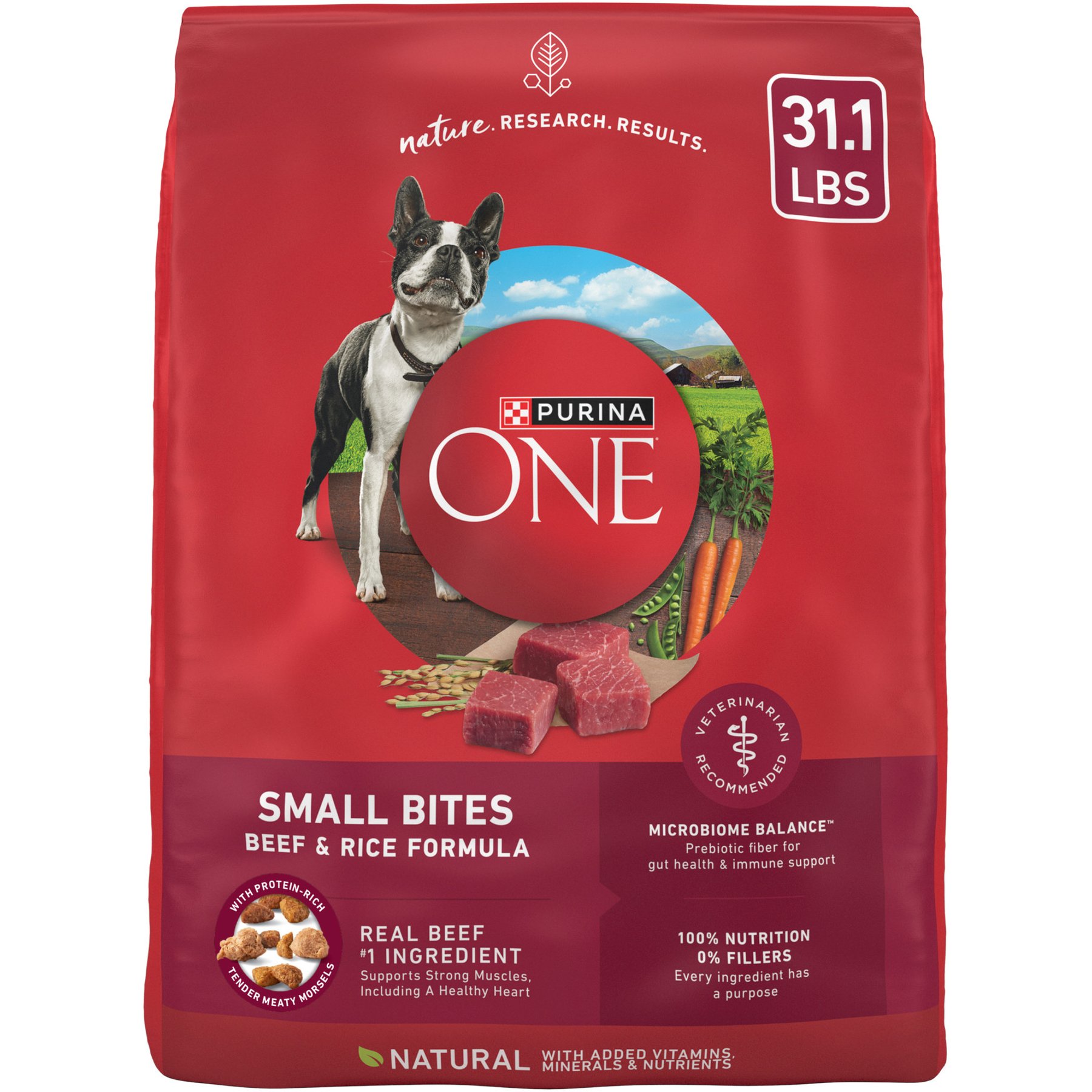
Beef Dog Food: Complete Guide 2026

Beef is a classic protein choice that dogs love. Rich in nutrients and highly palatable, beef-based dog food offers excellent nutrition—though it's also the most common allergen.

Why Choose Beef

Nutritional Benefits

  • High-quality protein: Complete amino acids
  • Rich in iron: More than chicken or fish
  • Excellent B vitamins: B12, niacin, B6
  • Zinc content: Immune and skin health
  • Natural flavor: Highly palatable

Unique Advantages

  • Red meat provides nutrients less common in poultry
  • Higher fat content (good for energy)
  • Contains natural glucosamine (cartilage)
  • Strong palatability for picky eaters

Beef Forms in Dog Food

Fresh Beef / Deboned Beef

  • Muscle meat from cattle
  • High moisture (70%)
  • Quality protein source
  • Look for as first ingredient

Beef Meal

  • Rendered, dried beef
  • Concentrated protein
  • More protein per weight than fresh
  • Quality ingredient

Beef By-Products

  • Organs, tripe, etc.
  • Variable quality
  • Can be nutritious (liver, heart)
  • Named source preferred

Beef Fat

  • High energy density
  • Good for palatability
  • Omega-6 fatty acids
  • Quality fat source

Best Beef Dog Foods

Quality Indicators

  • Beef or deboned beef as first ingredient
  • Beef meal for protein concentration
  • Named beef fat
  • No artificial additives

Budget Beef Options

  • Purina ONE SmartBlend Beef
  • Diamond Naturals Beef
  • Rachael Ray Nutrish Beef

Premium Beef Options

  • Wellness Complete Health Beef
  • Blue Buffalo Life Protection Beef
  • Merrick Classic Beef

High-Protein Beef

  • Orijen Regional Red
  • Taste of the Wild High Prairie
  • Acana Red Meat

The Beef Allergy Factor

Most Common Allergen

  • 34% of food-allergic dogs react to beef
  • Most common dog food allergen
  • Develops with repeated exposure

Allergy Symptoms

  • Chronic itching
  • Ear infections
  • Hot spots
  • Digestive upset
  • Paw licking

If You Suspect Beef Allergy

  1. Consult your veterinarian
  2. Proper elimination diet (8-12 weeks)
  3. Novel protein trial
  4. Don't self-diagnose

Beef vs Other Proteins

Beef vs Chicken

Factor Beef Chicken
Protein Similar Similar
Fat Higher Lower
Iron Higher Lower
Allergen Risk Highest High
Cost Higher Lower

Beef vs Lamb

  • Both red meats with similar profiles
  • Lamb less common (fewer allergies)
  • Beef more affordable
  • Similar nutrient content

Beef vs Fish

  • Beef higher in iron and zinc
  • Fish higher in omega-3s
  • Different amino acid profiles
  • Fish often novel protein

Choosing Quality Beef Dog Food

What to Look For

  1. Beef as first ingredient
  2. Named beef sources
  3. AAFCO statement
  4. No artificial colors
  5. Quality supporting ingredients

Red Flags

  • "Meat" without specification
  • Beef low in ingredient list
  • Unnamed "animal" sources
  • Excessive fillers

Beef for Different Dogs

Puppies

  • Good protein for growth
  • Higher fat supports development
  • Palatable for picky puppies
  • Watch for early allergy signs

Adults

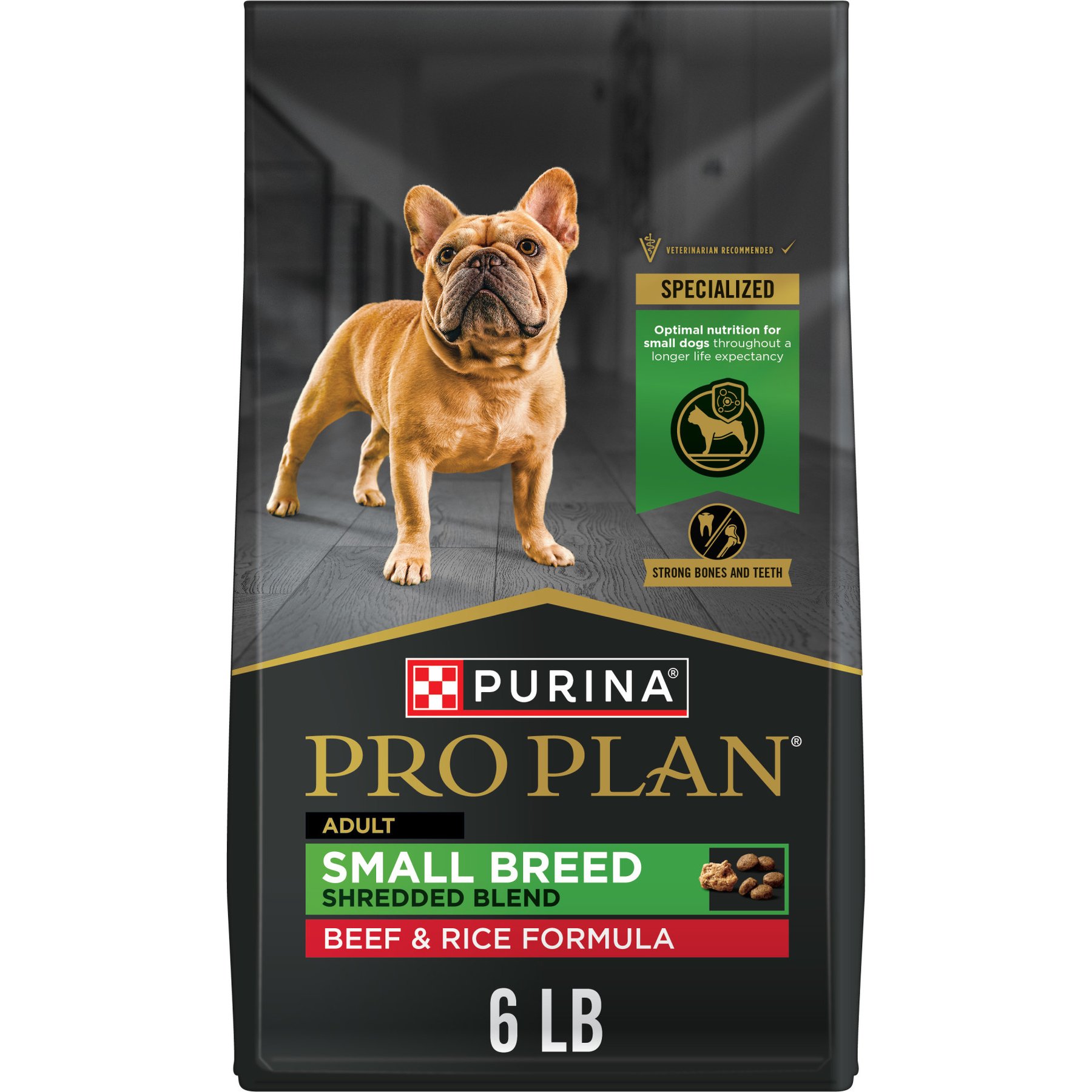
  • Excellent maintenance protein
  • Good for active dogs
  • High palatability
  • Monitor weight (higher fat)

Seniors

  • Can be good if tolerated
  • Higher fat may be concern
  • Consider leaner formulas
  • Watch for developing sensitivities

Active/Working Dogs

  • Great energy source
  • Higher fat fuels activity
  • Red meat for endurance
  • Popular with working dog owners

Grass-Fed vs Conventional Beef

Grass-Fed Claims

  • May have slightly different fat profile
  • Marketing premium
  • Often higher cost
  • Minimal proven difference for dogs

What Actually Matters

  • Overall food quality
  • Company reputation
  • Complete nutrition
  • Your dog's response

Frequently Asked Questions

Is beef good for dogs?

Yes, beef is nutritious and most dogs love it. It's high in protein, iron, and B vitamins. The main concern is that beef is the most common allergen—problematic only for allergic dogs.

Why is beef the most common allergen?

Beef has been in dog food for decades, giving high exposure. Allergies develop with repeated exposure over time. The prevalence of beef in foods means more dogs become sensitized.

Is grass-fed beef better for dogs?

Marginally, perhaps. Grass-fed may have slightly better omega-3 to omega-6 ratio. For most dogs, the difference is minimal. Focus on overall food quality rather than grass-fed specifically.

Can beef dog food cause red stool?

Beef itself doesn't cause red stool. Red or bloody stool is a medical concern requiring veterinary attention. Some beet pulp (common ingredient) can cause reddish tint, which is harmless.

Should I avoid beef to prevent allergies?

Not necessarily. There's no proof that avoiding beef prevents allergies. If your dog does well on beef, continue. Only avoid if there's a diagnosed allergy.

Related Resources

Top Dog Foods

Other Protein Sources