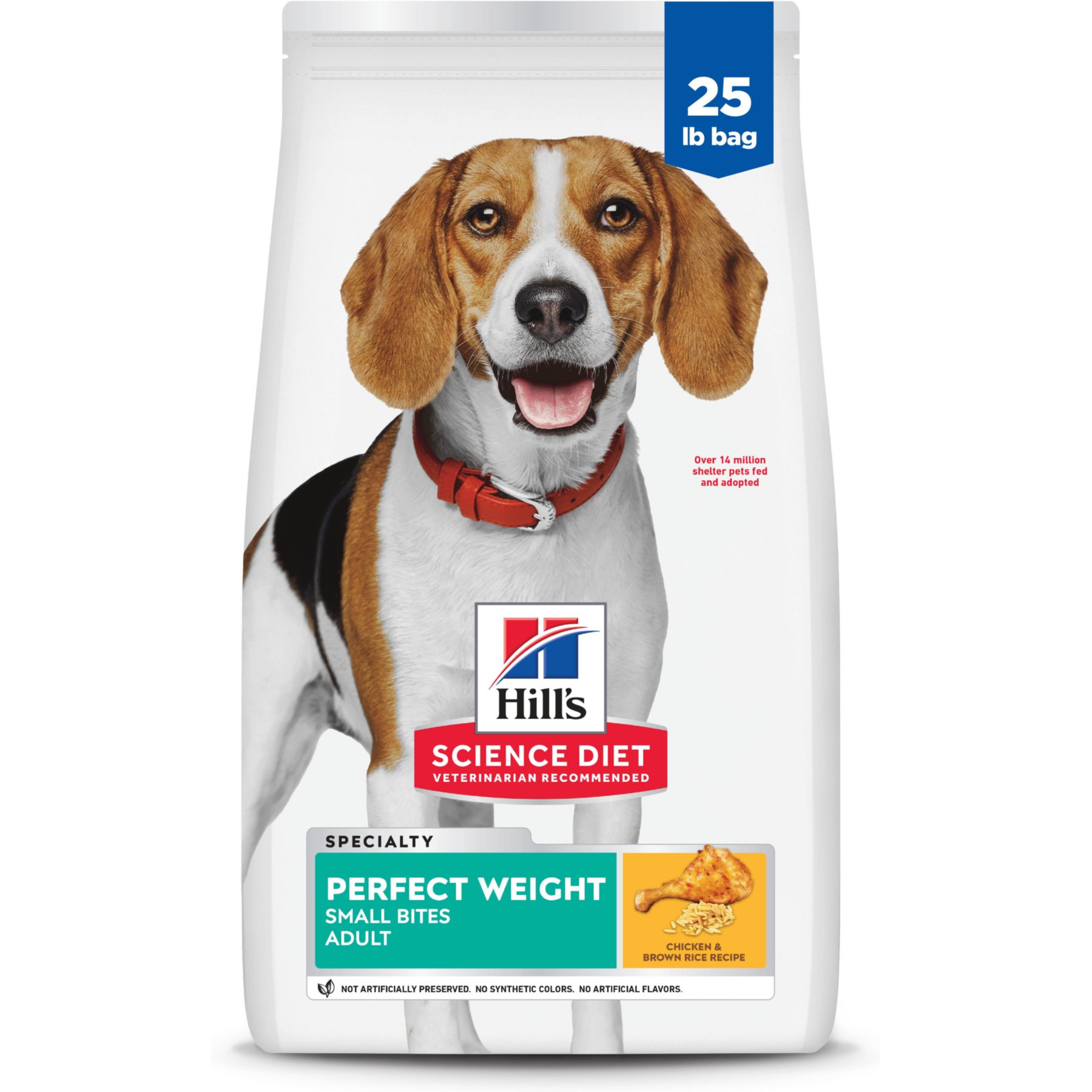
Lamb has long been considered a premium protein choice, often recommended for dogs with sensitivities. This guide covers everything about lamb-based dog food.
Why Choose Lamb
Nutritional Benefits
- High-quality protein: Complete amino acids
- Rich in iron: More than chicken
- B vitamin content: B12, niacin
- Zinc: Immune and skin support
- Natural fat: Energy dense
Traditional Benefits
- Historically less common (fewer allergies)
- Red meat nutrition
- Palatable flavor
- Premium positioning
Lamb as "Novel Protein"
The History
- Lamb was once truly novel in dog food
- Recommended for allergies
- Less exposure meant fewer sensitizations
- Premium alternative to chicken/beef
Current Reality
- Now common in dog food
- No longer "novel" for most dogs
- Some dogs still benefit
- Not automatic allergy solution
Lamb Forms in Dog Food
Fresh Lamb / Deboned Lamb
- Muscle meat from sheep
- High moisture content
- Quality protein source
- Premium ingredient
Lamb Meal
- Rendered, dried lamb
- Concentrated protein
- Higher protein per weight
- Quality ingredient
Lamb Fat
- Energy source
- Flavor enhancement
- Omega-6 fatty acids
Lamb Liver/Organs
- Nutrient-dense
- Added to some formulas
- Vitamins and minerals
Best Lamb Dog Foods
Quality Indicators
- Lamb or deboned lamb first
- Lamb meal for concentration
- Limited other proteins (for allergies)
- Quality supporting ingredients
Budget Lamb Options
- Diamond Naturals Lamb
- Purina ONE Lamb & Rice
- Iams Lamb & Rice
Premium Lamb Options
- Wellness Complete Health Lamb
- Blue Buffalo Life Protection Lamb
- Nutro Lamb & Brown Rice
Limited Ingredient Lamb
For dogs with sensitivities:
- Natural Balance L.I.D. Lamb
- Blue Buffalo Basics Lamb
- Canidae PURE Lamb
Lamb vs Other Proteins
Lamb vs Chicken
| Factor | Lamb | Chicken |
|---|---|---|
| Fat | Higher | Lower |
| Iron | Higher | Lower |
| Allergen Risk | Moderate | High |
| Cost | Higher | Lower |
| Novel Status | Somewhat | No |
Lamb vs Beef
- Similar nutrient profiles (both red meat)
- Lamb less common (fewer allergies historically)
- Beef usually cheaper
- Similar palatability
Lamb vs Novel Proteins
- Duck, venison, bison are more novel now
- Lamb is "semi-novel"
- True novel proteins for severe allergies
- Lamb may work for mild sensitivities
Lamb and Allergies
When Lamb Helps
- Dogs allergic to chicken or beef
- Dogs who've never eaten lamb
- Mild food sensitivities
- Elimination diet option
When Lamb Doesn't Help
- Already sensitized to lamb
- True novel protein needed
- Multiple protein allergies
- Non-food allergies
The Allergy Reality
- About 5% of food-allergic dogs react to lamb
- Much lower than beef (34%) or chicken (15%)
- But no longer truly "hypoallergenic"
- Individual response varies
Lamb for Different Dogs
Puppies
- Good protein for growth
- Higher fat supports development
- Palatable option
- Quality choice
Adults
- Excellent maintenance protein
- Good for dogs with chicken sensitivities
- Rich flavor
- Monitor weight (higher fat)
Seniors
- Can be good choice
- Higher fat may need monitoring
- Palatable for picky seniors
- Easy to digest
Active Dogs
- Higher fat provides energy
- Red meat for working dogs
- Good for high-activity needs
- Popular choice
Quality Considerations
Sourcing
- New Zealand and Australian lamb popular
- USA lamb available
- Country of origin varies by brand
- Quality matters more than origin
Lamb Quality Grades
- Premium foods use quality lamb
- By-products vary in quality
- Named sources preferred
- Company reputation matters
Common Lamb Formulas
Lamb and Rice
Classic combination:
- Easy to digest
- Gentle on stomachs
- Common sensitive stomach formula
- Well-tolerated by most dogs
Lamb and Sweet Potato (Grain-Free)
- Alternative carbohydrate
- Grain-free option
- Be aware of FDA concerns
- Choose wisely
Lamb Limited Ingredient
- Minimal ingredients
- For allergy-prone dogs
- Single protein source
- Carefully formulated
Frequently Asked Questions
Is lamb hypoallergenic for dogs?
Not truly hypoallergenic—no protein is. Lamb is less commonly allergenic than chicken or beef, but dogs can still develop lamb allergies. It may help dogs with common protein allergies.
Is lamb easy to digest?
Yes, lamb is generally easy to digest. Lamb and rice formulas have been used for sensitive stomachs for decades. Quality lamb foods digest well for most dogs.
Why is lamb dog food more expensive?
Lamb is a premium meat with higher production costs than chicken. Smaller supply than chicken or beef. Premium positioning also contributes to pricing.
Is New Zealand lamb better?
Not necessarily better, but it's a common quality source. New Zealand has a strong lamb industry with good practices. However, quality lamb from other sources is equally nutritious.
Should I choose lamb over chicken?
Depends on your dog. If your dog does well on chicken, no need to switch. If you suspect chicken sensitivity, lamb is a reasonable alternative. Let your dog's response guide the decision.