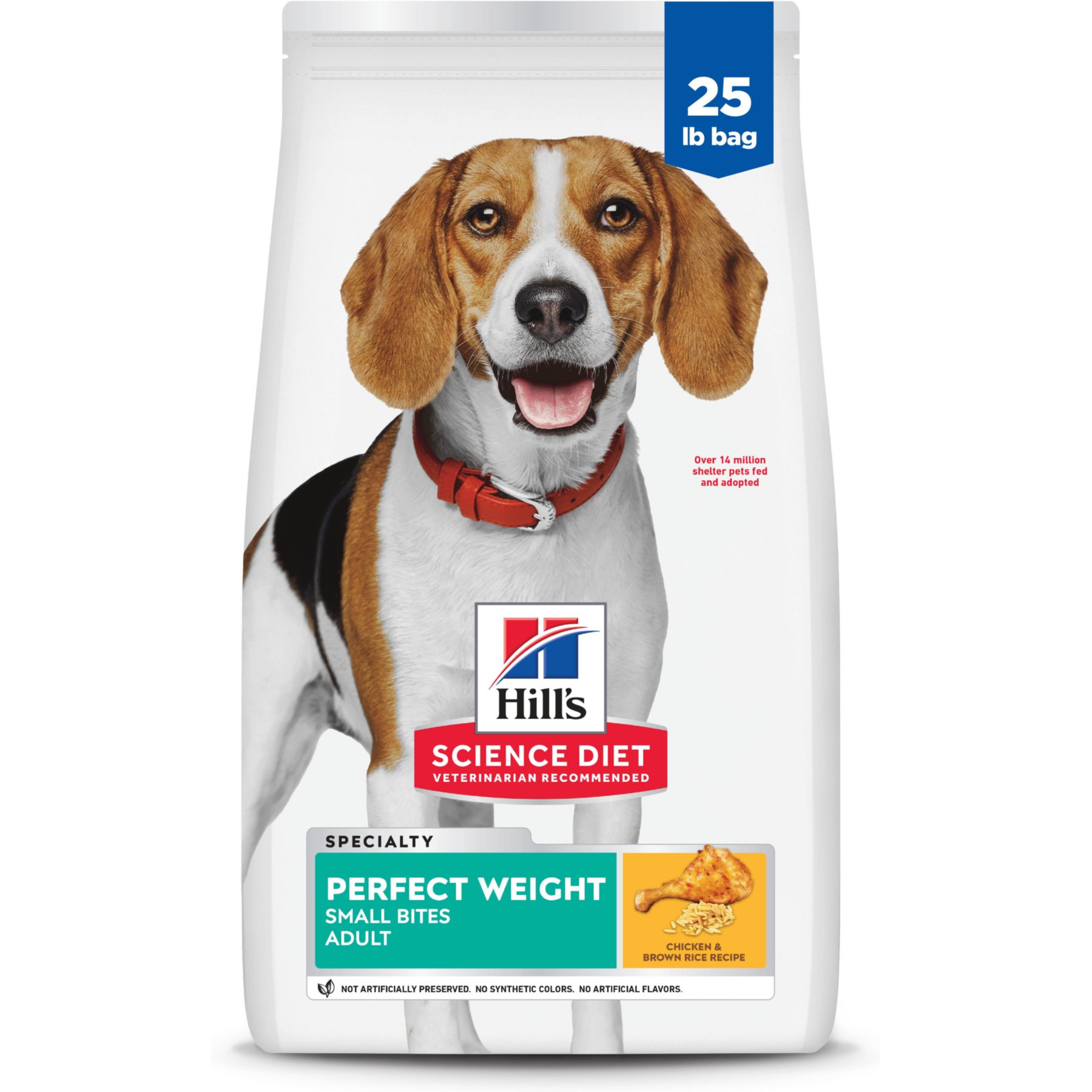
Some dogs struggle to maintain a healthy weight, whether due to illness, recovery, high activity levels, or naturally fast metabolisms. The right high-calorie diet can help underweight dogs reach and maintain a healthy body condition.
Understanding Underweight Dogs
An underweight dog typically has visible ribs, spine, and hip bones with little fat covering. While some breeds are naturally lean, unintended weight loss or inability to gain weight warrants attention.
When Dogs Need to Gain Weight
- Recovery from illness or surgery
- Nursing mothers
- Highly active working dogs
- Dogs with fast metabolisms
- Rescued dogs (malnourished)
- Picky eaters
- Senior dogs losing weight
- Dogs with absorption issues
Signs Your Dog Is Underweight
- Easily visible ribs, spine, hip bones
- No palpable fat layer
- Loss of muscle mass
- Dull coat
- Low energy
- Body condition score below 4 (on 9-point scale)
Rule Out Medical Issues
Before changing diet, have your vet check for:
- Parasites (worms)
- Dental problems
- Digestive disorders
- Cancer
- Diabetes
- Thyroid issues
- Exocrine pancreatic insufficiency
What to Look for in Weight Gain Dog Food
Must-Have Features
- High calorie density (400+ kcal/cup)
- High-quality protein (25%+ for adults)
- Higher fat content (15-20%+)
- Highly digestible ingredients
- Nutrient-dense formula
Ideal Nutrient Profile
- Protein: 25-30%+ from quality animal sources
- Fat: 15-20%+ for calorie density
- Digestibility: Easily absorbed nutrients
- DHA/Omega fatty acids: Support healthy weight gain
Beneficial Ingredients
- Named meat as first ingredient
- Animal fats (chicken fat, salmon oil)
- Eggs (highly digestible protein)
- Easily digestible carbs
- Added omega fatty acids
Top Recommended Products
High-Calorie Adult Foods
Purina Pro Plan Sport 30/20 Formula
- 496 kcal/cup
- 30% protein, 20% fat
- For active and sporting dogs
- Supports muscle development
- Highly digestible
Bully Max High Performance
- High calorie formula
- Designed for muscle building
- Quality protein sources
- For dogs needing weight gain
Puppy Foods for Adults Needing Weight
Puppy formulas are calorie-dense and can help underweight adults:
Purina Pro Plan Puppy
- Higher calorie than adult formulas
- DHA for development
- Quality protein
- Consult vet for adult use
Veterinary Options
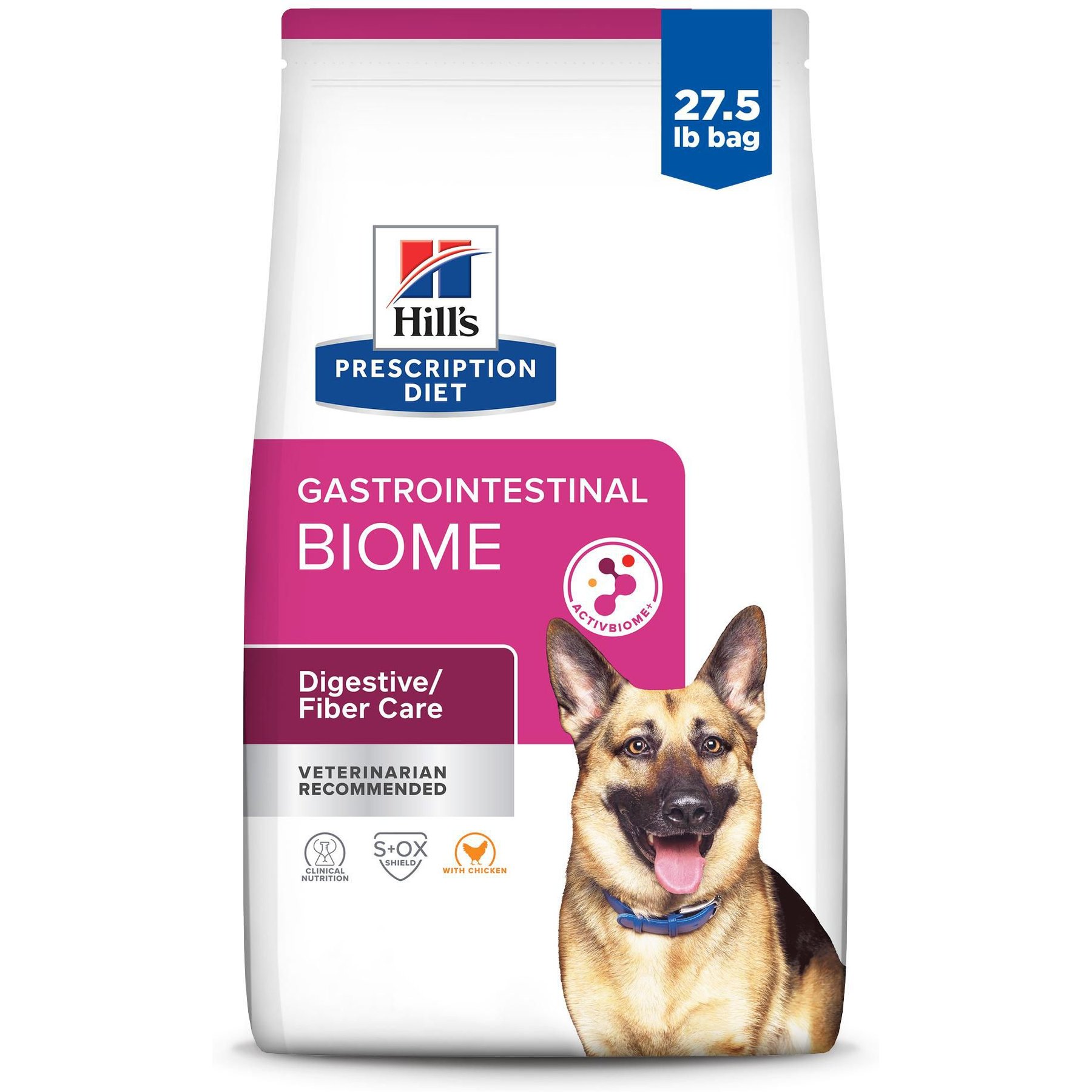
Hill's Prescription Diet a/d
- Highly digestible
- Calorie-dense
- For recovery and critical care
- Veterinarian recommended
Royal Canin Recovery
- High energy density
- Easy to digest
- For convalescing dogs
- Veterinary diet
Feeding Strategies for Weight Gain
Increase Calorie Intake
Method 1: Increase Portion Size
- Gradually increase by 10-15%
- Monitor for digestive upset
- Weigh weekly to track progress
Method 2: More Frequent Meals
- 3-4 meals per day instead of 2
- Easier to digest smaller portions
- Allows greater total daily intake
Method 3: Higher Calorie Food
- Switch to calorie-dense formula
- Transition gradually over 7-10 days
- May need less volume for same calories
Healthy Calorie Boosters
- Plain cooked eggs
- Unsalted cottage cheese
- Cooked lean meats
- Fish oil
- Plain pumpkin (small amounts)
What NOT to Do
- Don't overfeed suddenly (causes GI upset)
- Avoid excessive treats
- Don't add table scraps
- Don't ignore underlying health issues
Weight Gain Timeline
Realistic Expectations
- Healthy weight gain: 1-2% body weight per week
- 10 lb dog: 0.1-0.2 lbs/week
- 50 lb dog: 0.5-1 lb/week
- Too-fast gain can cause health issues
Monitoring Progress
- Weigh weekly at same time
- Track body condition score
- Feel ribs (should have light covering)
- Take photos for comparison
- Adjust food amount as needed
Special Considerations
Nursing Mothers
- Need 2-4x normal calories
- Feed puppy food or performance diet
- Free-feed if needed
- Ensure adequate water
Working/Sporting Dogs
- Sport formulas designed for high activity
- May need 1.5-2x maintenance calories
- Time meals around activity
- Monitor body condition
Rescue Dogs
- Start with small, frequent meals
- Don't overfeed initially
- Gradual calorie increase
- Veterinary guidance essential
Senior Dogs
- Rule out medical causes first
- Choose highly digestible formulas
- May need added supplements
- Monitor dental health
Frequently Asked Questions
How much should I feed my underweight dog?
Start by increasing current portions by 10-15% or switching to a higher-calorie food. If using calorie-dense food, calculate based on goal weight, not current weight. Divide into 3-4 meals daily. Adjust based on weekly weigh-ins.
Is it okay to feed puppy food to an adult dog for weight gain?
Puppy food can be used short-term for weight gain in adults due to its higher calorie density. However, the calcium and phosphorus levels are designed for growing dogs, so it's not ideal for long-term use. Performance or sport formulas are better long-term options.
Why isn't my dog gaining weight despite eating more?
Possible reasons include: parasites, dental issues preventing proper chewing, digestive disorders affecting absorption, underlying illness, or the food may not be calorie-dense enough. A veterinary exam can identify issues. Consider switching to a more digestible, calorie-dense food.
How do I know when my dog has reached a healthy weight?
At healthy weight, you should be able to easily feel (but not prominently see) ribs with a light fat covering. There should be a visible waist when viewed from above and a tummy tuck from the side. Your vet can assess body condition score.
Related Resources
- Feeding Calculator - Calculate calorie needs
- Dog Food for High Energy Dogs - Active dog options
- Puppy Food - High-calorie growth formulas
- Compare Dog Foods - Side-by-side comparison