Best Dog Food for Upset Stomach in 2026

An upset stomach can strike any dog at any time. Whether it's an occasional bout or a recurring issue, choosing the right food can help soothe your dog's digestive system and prevent future episodes.

Understanding Upset Stomach in Dogs

Upset stomach (dyspepsia) in dogs can manifest as nausea, vomiting, loss of appetite, or general discomfort. While often temporary, recurring issues may signal the need for dietary changes.

Common Signs

  • Loss of appetite
  • Vomiting
  • Excessive gas
  • Gurgling stomach sounds
  • Grass eating
  • Lip licking
  • Lethargy
  • Drooling

Common Causes

  • Eating too fast
  • Dietary indiscretion
  • Sudden food changes
  • Food intolerance
  • Stress or anxiety
  • Motion sickness
  • Medication side effects
  • Underlying health conditions

When to See a Vet

Seek veterinary care if:

  • Vomiting persists more than 24 hours
  • Blood in vomit or stool
  • Signs of dehydration
  • Abdominal pain or bloating
  • Lethargy or weakness
  • Known toxin ingestion

What to Look for in Food for Upset Stomachs

Must-Have Features

  • Highly digestible ingredients
  • Limited, simple ingredient list
  • Single protein source
  • Gentle carbohydrates
  • Prebiotic fiber
  • Added probiotics

Beneficial Ingredients

  • Rice (easily digestible)
  • Oatmeal (gentle, soothing)
  • Chicken or turkey (lean, digestible)
  • Pumpkin (fiber for digestion)
  • Ginger (natural stomach soother)
  • Prebiotics (FOS, chicory root)

Ingredients to Avoid

  • High-fat content
  • Multiple protein sources
  • Artificial additives
  • Spicy or heavily seasoned foods
  • Common allergens (if sensitivity suspected)

Top Recommended Products

Sensitive Stomach Formulas

Purina Pro Plan Sensitive Skin & Stomach

  • Rating: 4.71/5
  • Salmon as first ingredient
  • Oatmeal for gentle digestion
  • Prebiotic fiber
  • No corn, wheat, or soy

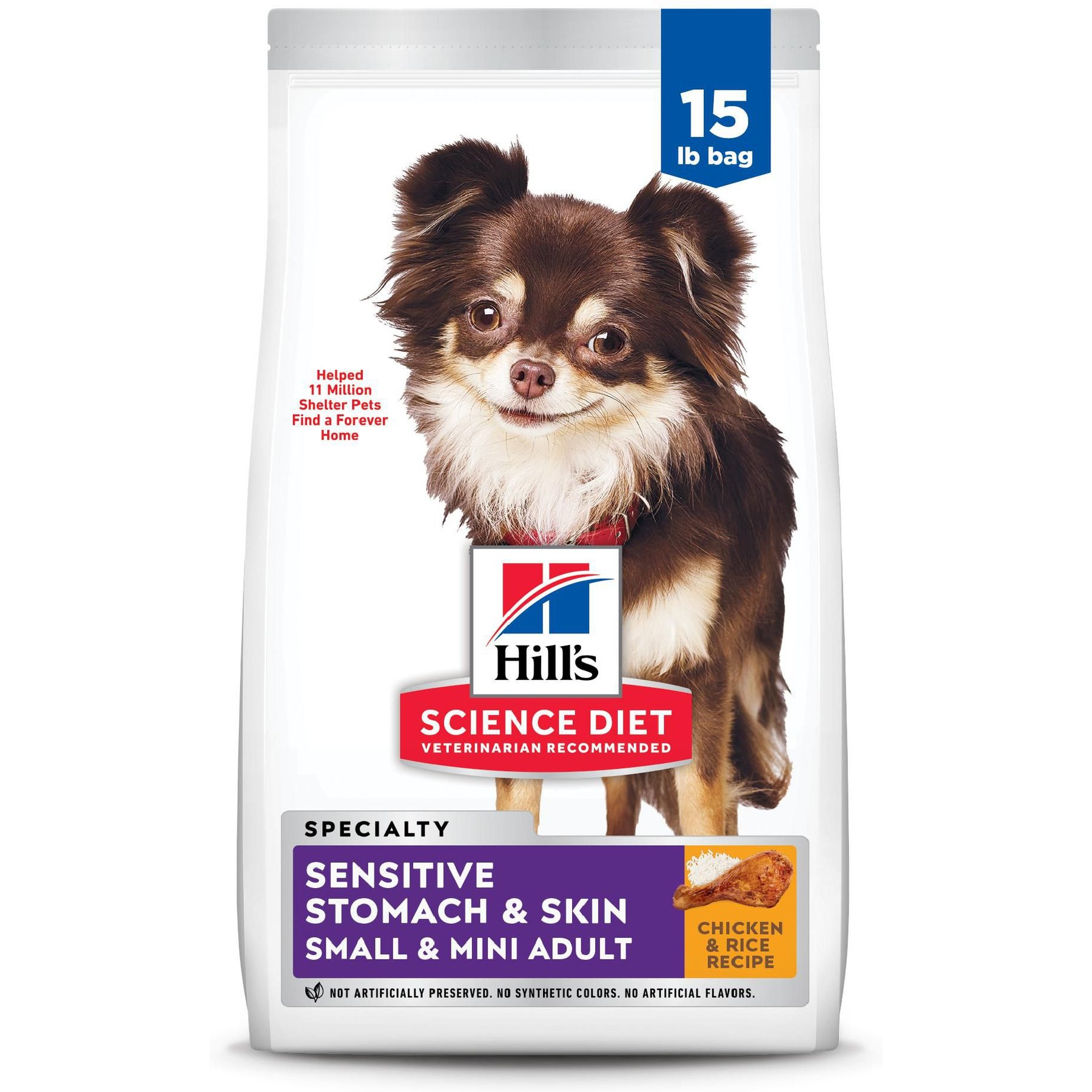
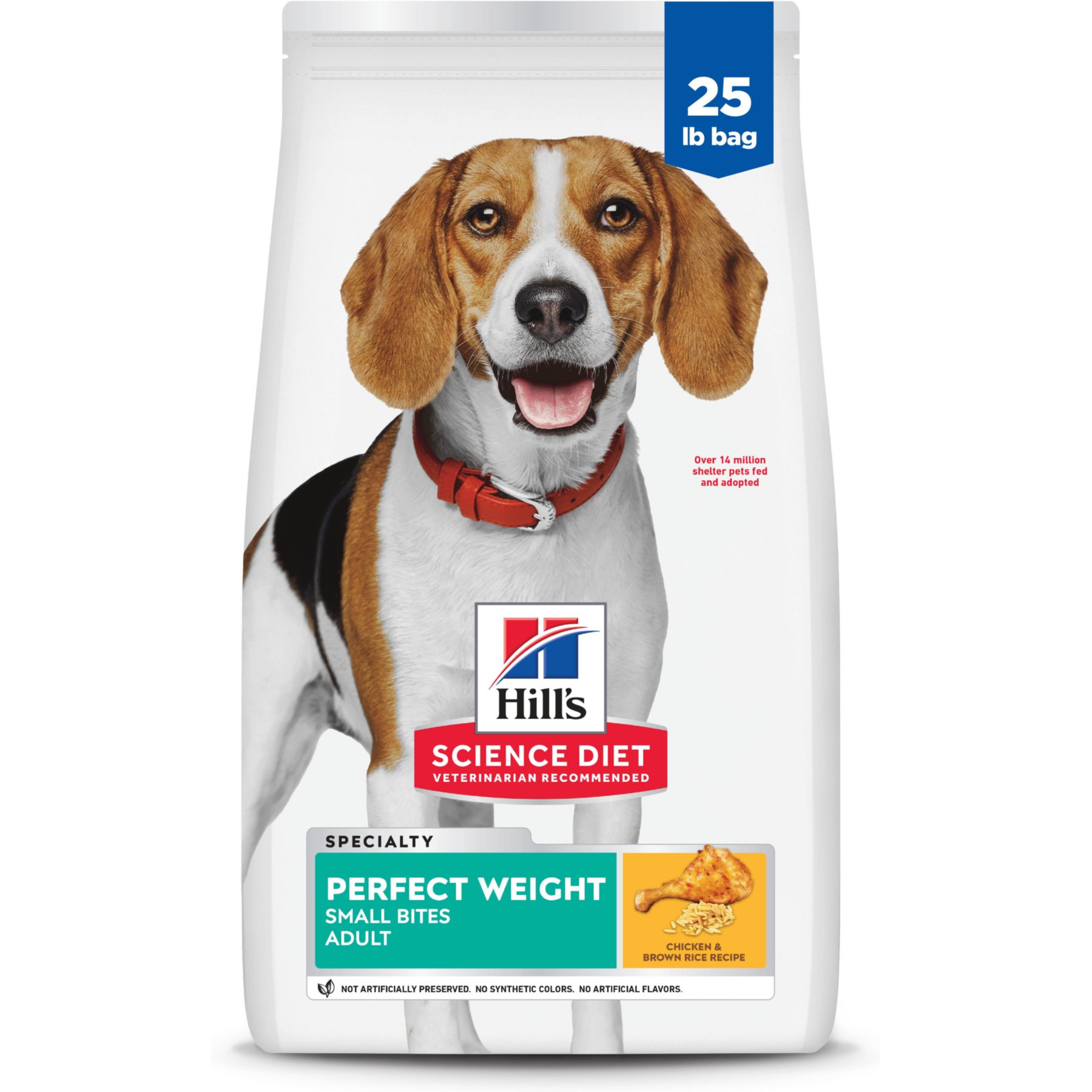
Hill's Science Diet Sensitive Stomach & Skin

  • Easy-to-digest ingredients
  • Prebiotic fiber blend
  • Supports healthy stool
  • Made in the USA

Limited Ingredient Options

Natural Balance Limited Ingredient Diet

  • Fewer ingredients reduce triggers
  • Single protein source
  • Grain-free options available
  • Good for food sensitivities

Feeding Strategies for Upset Stomachs

During Acute Episodes

  1. Brief fasting: 12-24 hours for adults (consult vet for puppies)
  2. Small, frequent meals: 4-6 small portions daily
  3. Bland diet temporarily: Plain chicken and rice
  4. Gradual return: Slowly reintroduce regular food

Long-Term Management

  1. Consistent diet: Same food, same schedule
  2. Slow transitions: 10-14 days for any changes
  3. Measured portions: Avoid overfeeding
  4. Slow feeding: Use puzzle bowls if eating too fast
  5. Limit treats: Keep to 10% of daily calories

The Role of Probiotics

Probiotics support digestive health by:

  • Maintaining healthy gut bacteria
  • Supporting immune function
  • Helping nutrient absorption
  • Reducing digestive upset

Many sensitive stomach foods contain probiotics, or they can be supplemented separately.

Preventing Upset Stomachs

Feeding Habits

  • Feed at consistent times
  • Use slow-feeder bowls
  • Don't exercise right after eating
  • Keep food and water fresh
  • Avoid sudden diet changes

Environmental Factors

  • Reduce mealtime stress
  • Prevent garbage access
  • Secure trash cans
  • Supervise outdoor eating
  • Keep toxic plants away

Frequently Asked Questions

Should I withhold food if my dog has an upset stomach?

A brief fast (12-24 hours for adults) can help settle the stomach, but ensure water is available. Puppies should not fast—consult your vet. After fasting, introduce bland food in small amounts.

Is chicken and rice good for upset stomach?

Yes, plain boiled chicken and white rice is a classic bland diet that's easy to digest. However, it's not nutritionally complete for long-term feeding. Use it for 2-3 days during acute episodes, then gradually transition back to regular food.

Can stress cause upset stomach in dogs?

Absolutely. Stress affects the gut-brain connection in dogs just as in humans. Changes in routine, travel, new environments, or anxiety can all trigger digestive upset. Managing stress and maintaining routine helps.

How do I transition my dog to new food without upsetting their stomach?

Transition over 10-14 days: Start with 90% old food/10% new, gradually shifting ratios every 2-3 days until feeding 100% new food. Slower transitions are better for sensitive dogs.

Related Resources

Recommended Products