Best Dog Food for Allergies 2026
Food allergies affect up to 10% of dogs, with beef, dairy, and chicken being the most common triggers. We've analyzed 262+ limited ingredient and hypoallergenic formulas featuring novel proteins to help you find relief for your dog's itching, ear infections, and digestive issues.
Understanding Food Allergies in Dogs
Food allergies occur when a dog's immune system mistakenly identifies a protein in their food as harmful. Unlike environmental allergies that cause seasonal symptoms, food allergies persist year-round and typically develop after prolonged exposure to a specific ingredient—often one your dog has eaten for years.
The most common allergens in dogs are proteins: beef (34%), dairy (17%), chicken (15%), wheat, eggs, lamb, and soy. Notice that the most common dog food proteins are also the most common allergens—this isn't because these proteins are inherently problematic, but because dogs are exposed to them most frequently.
Symptoms typically appear as skin problems (itching, redness, hot spots), ear infections, and paw licking. Some dogs also experience gastrointestinal symptoms like vomiting or diarrhea. The key to managing food allergies is identifying the trigger through an elimination diet, then switching to a food that avoids that specific protein.
What to look for
- • Single or novel protein (lamb, salmon, duck, venison, rabbit)
- • Limited ingredient list (fewer potential triggers)
- • Named protein sources (avoid generic "meat" or "poultry")
- • No artificial colors, flavors, or preservatives
- • Omega-3 fatty acids for skin and coat repair
- • Single carbohydrate source if carb sensitivity suspected
Allergy management tips
- • Work with your vet to conduct proper elimination diet
- • Commit to 8-12 weeks minimum for results
- • Eliminate ALL other foods, treats, and flavored meds
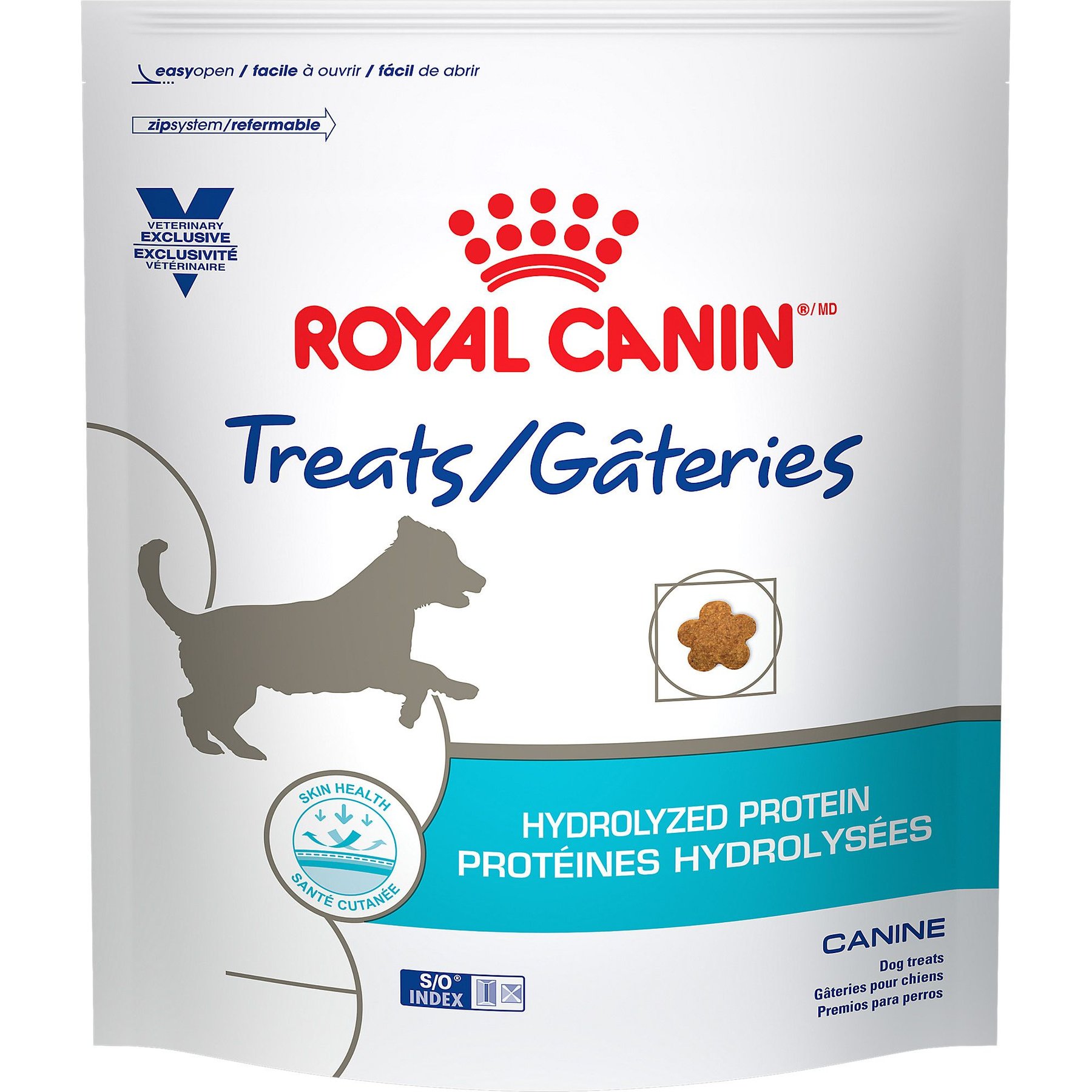
- • Check treats and chews for hidden allergens
- • Rule out environmental allergies first
- • Keep a food diary to track reactions
How to Choose Hypoallergenic Dog Food
Step 1: Identify the Trigger
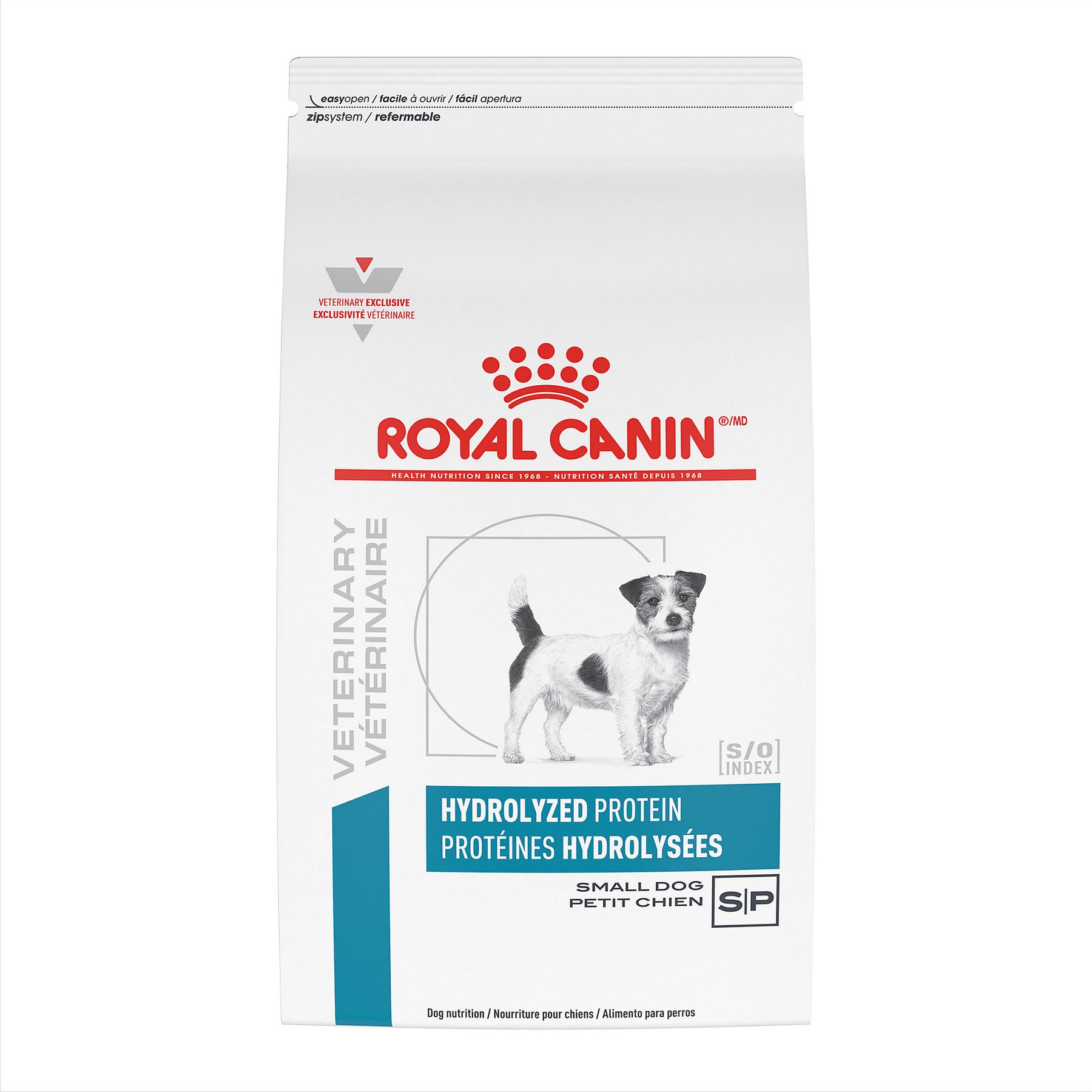
Work with your vet to conduct an elimination diet. Start with a protein your dog has never eaten (novel protein) like venison, duck, or kangaroo. Hydrolyzed protein diets are another option—the proteins are broken down so small the immune system can't recognize them.
Step 2: Choose a Limited Ingredient Diet
Look for foods with a single protein source and limited ingredients overall. Avoid foods with multiple protein sources or vague ingredients like "meat meal" or "animal digest." The simpler the ingredient list, the easier it is to identify triggers.
Step 3: Transition Slowly & Monitor
Gradually switch over 7-10 days by mixing increasing amounts of new food with old. Keep a symptom diary noting itching, ear health, stool quality, and energy. It takes 8-12 weeks to see full improvement, so be patient and consistent.
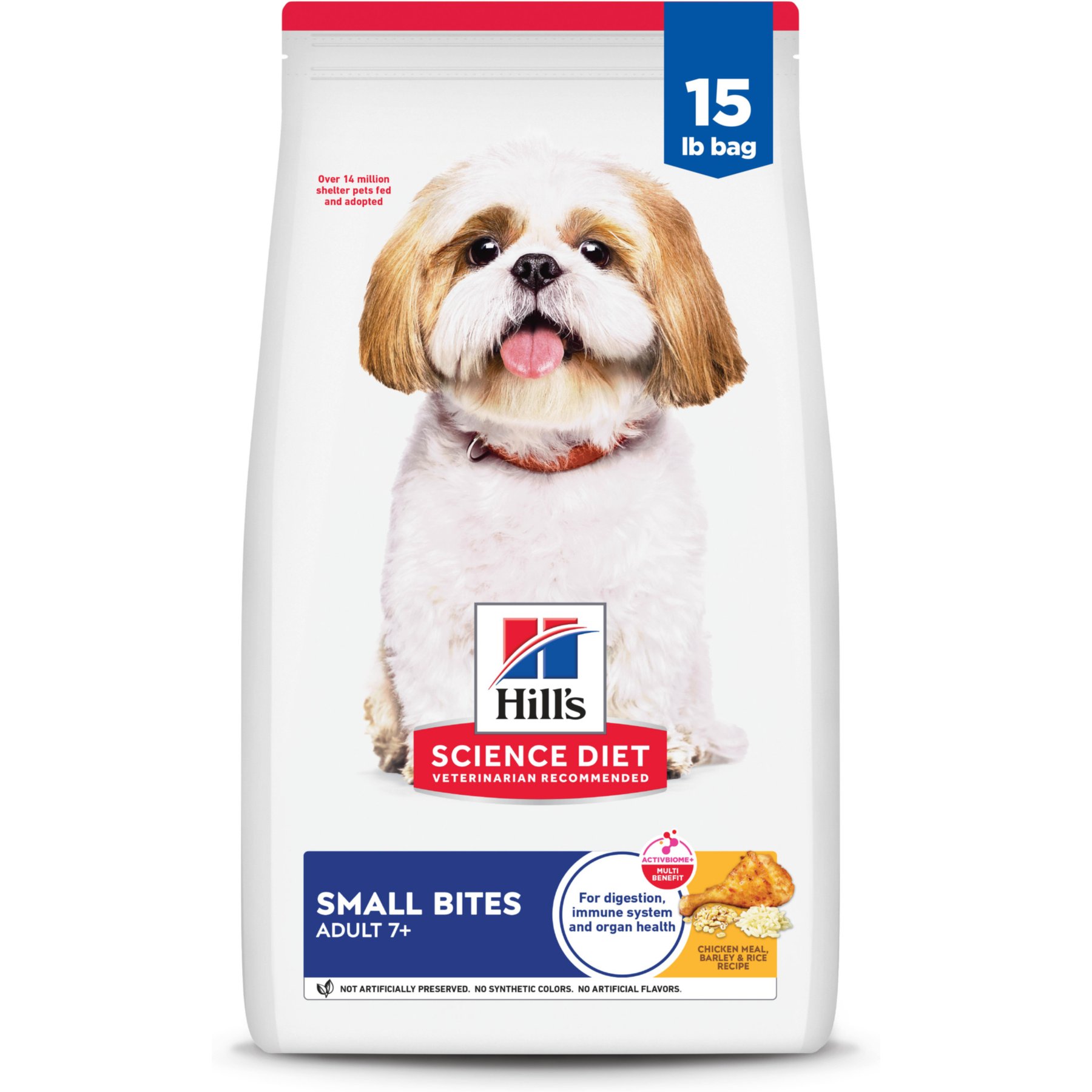
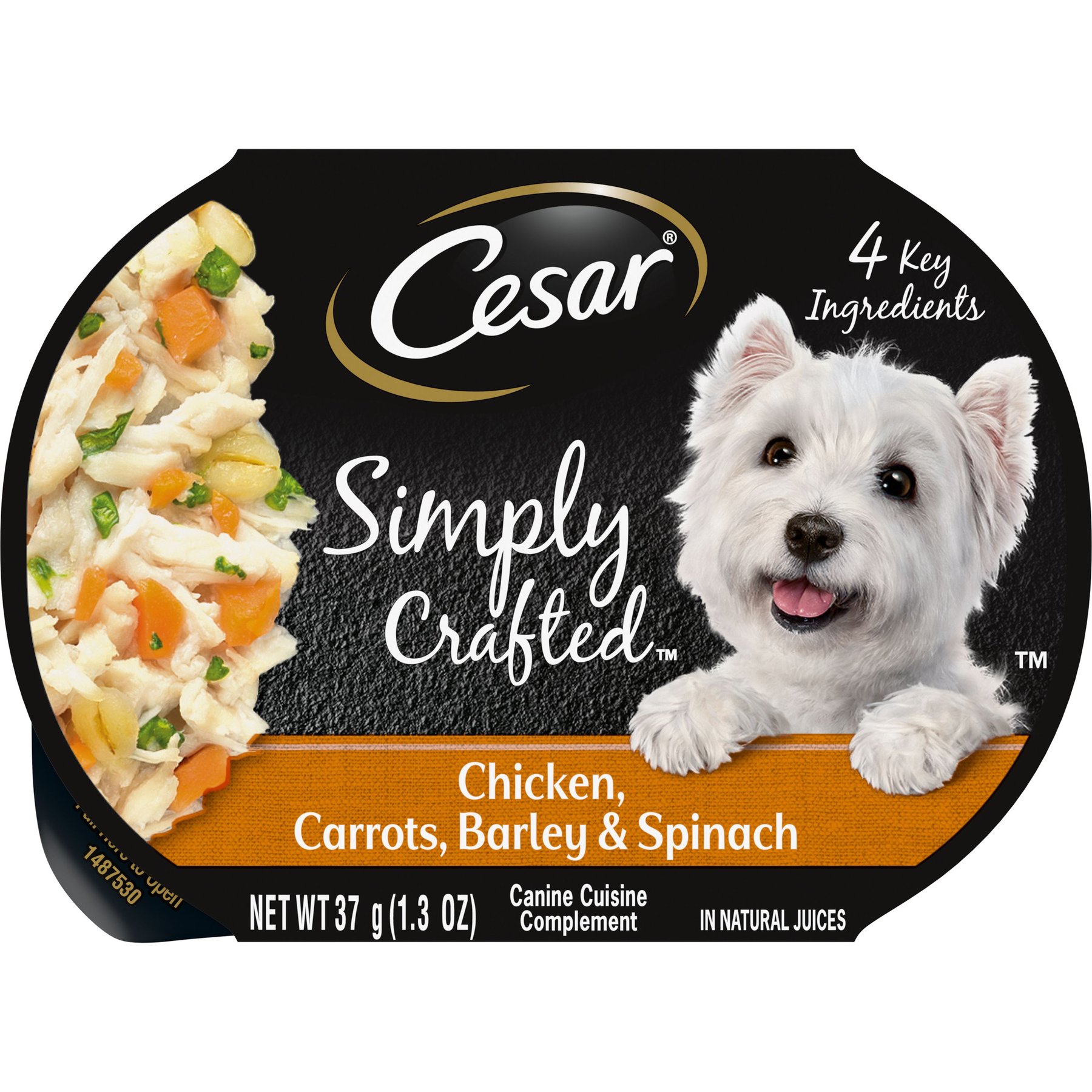
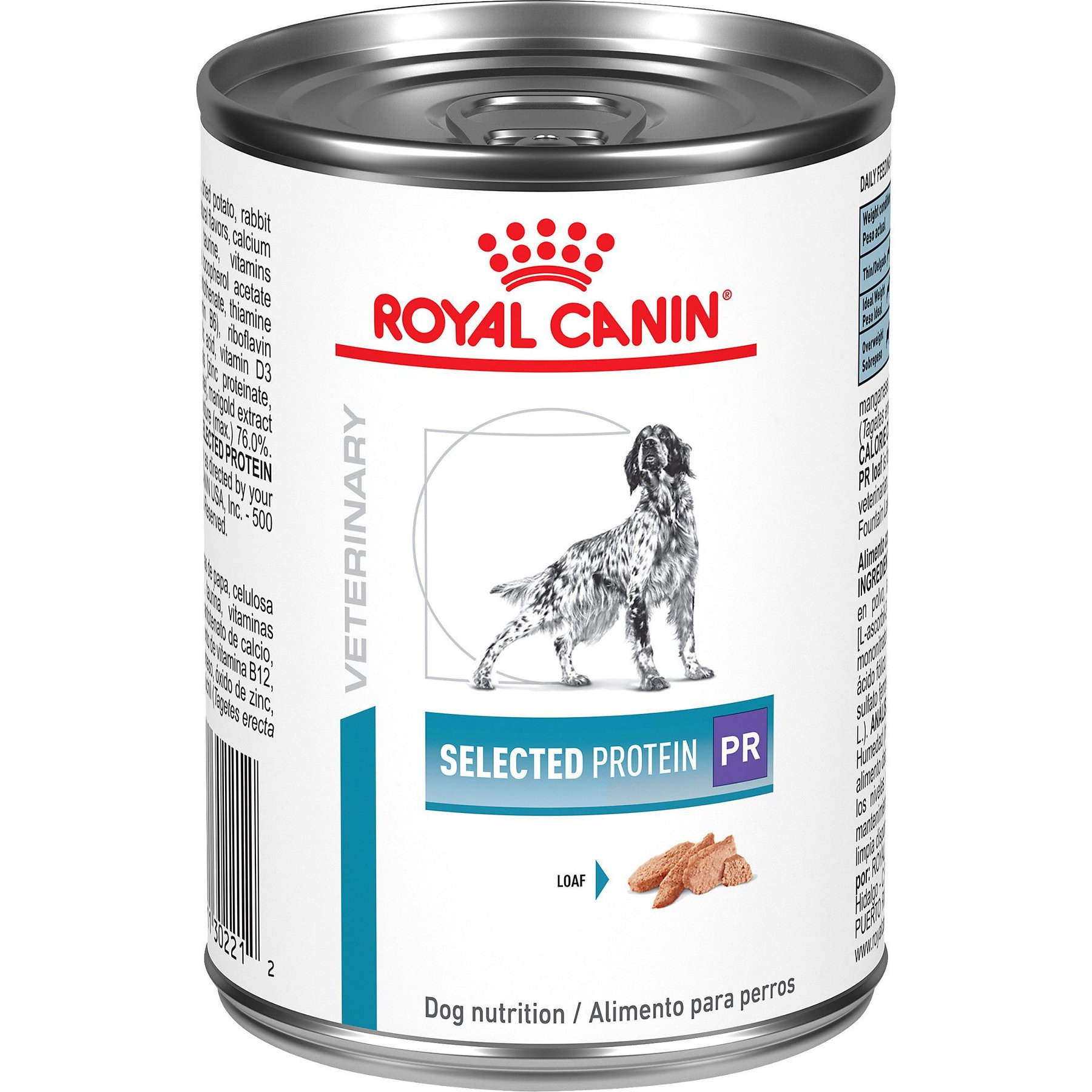
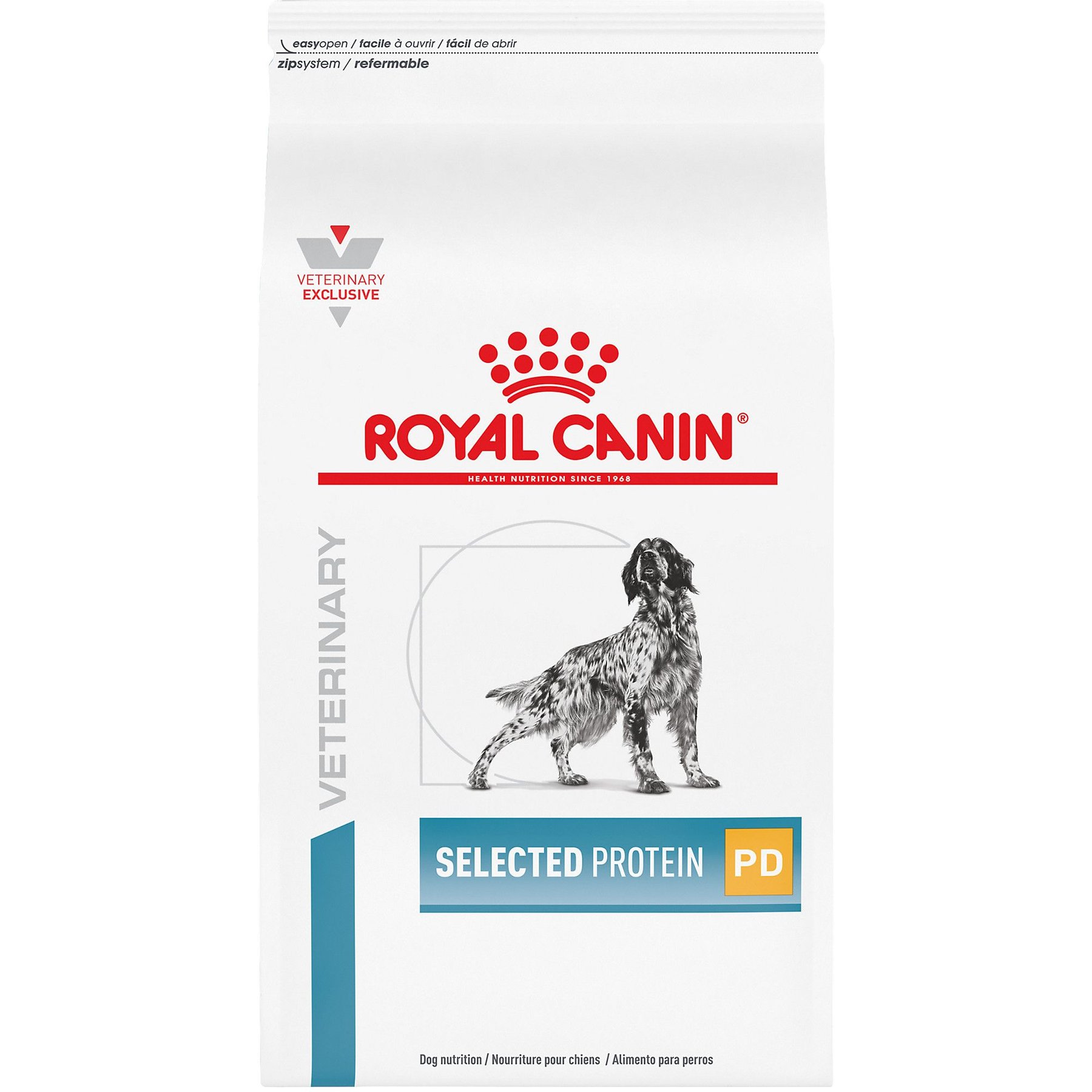
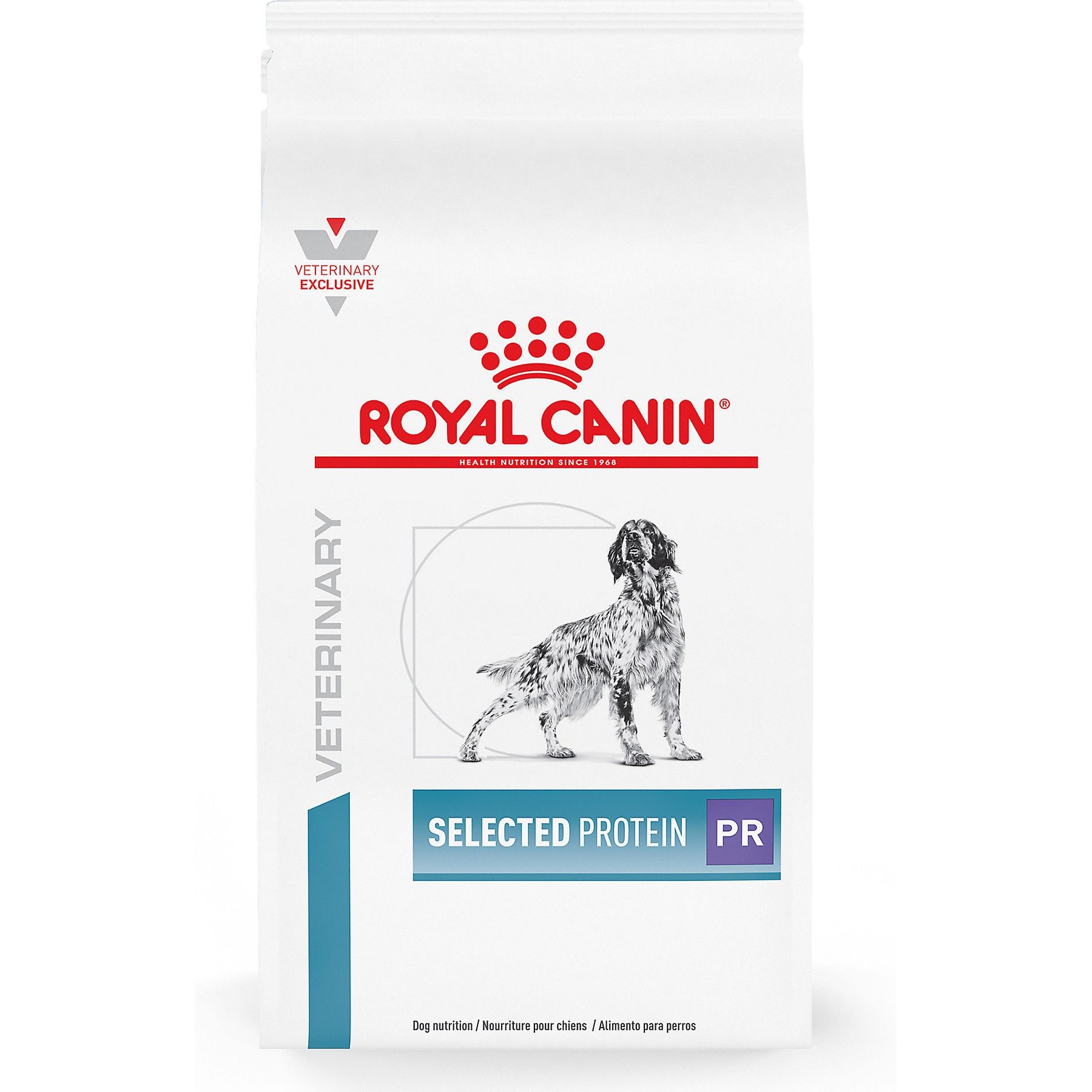
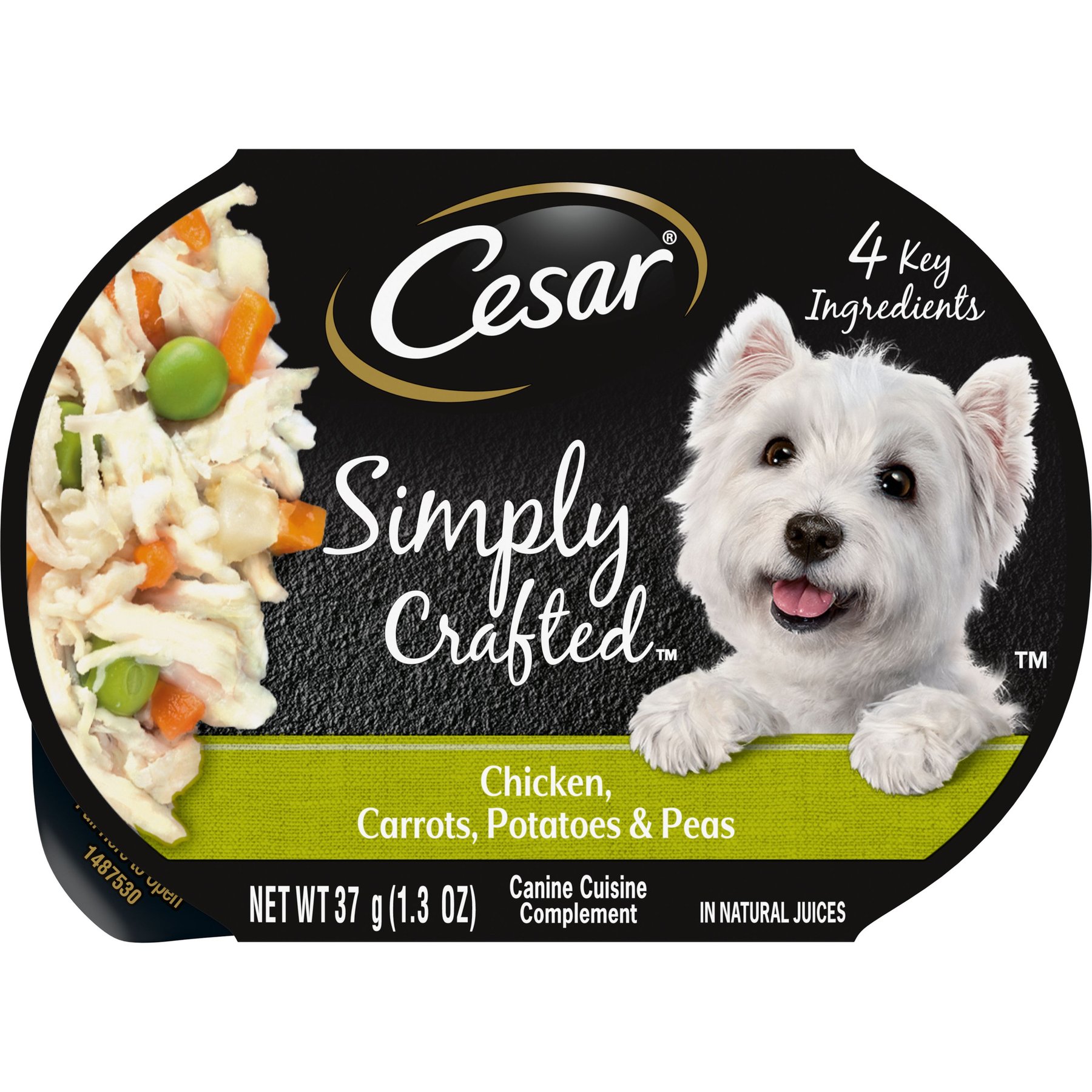
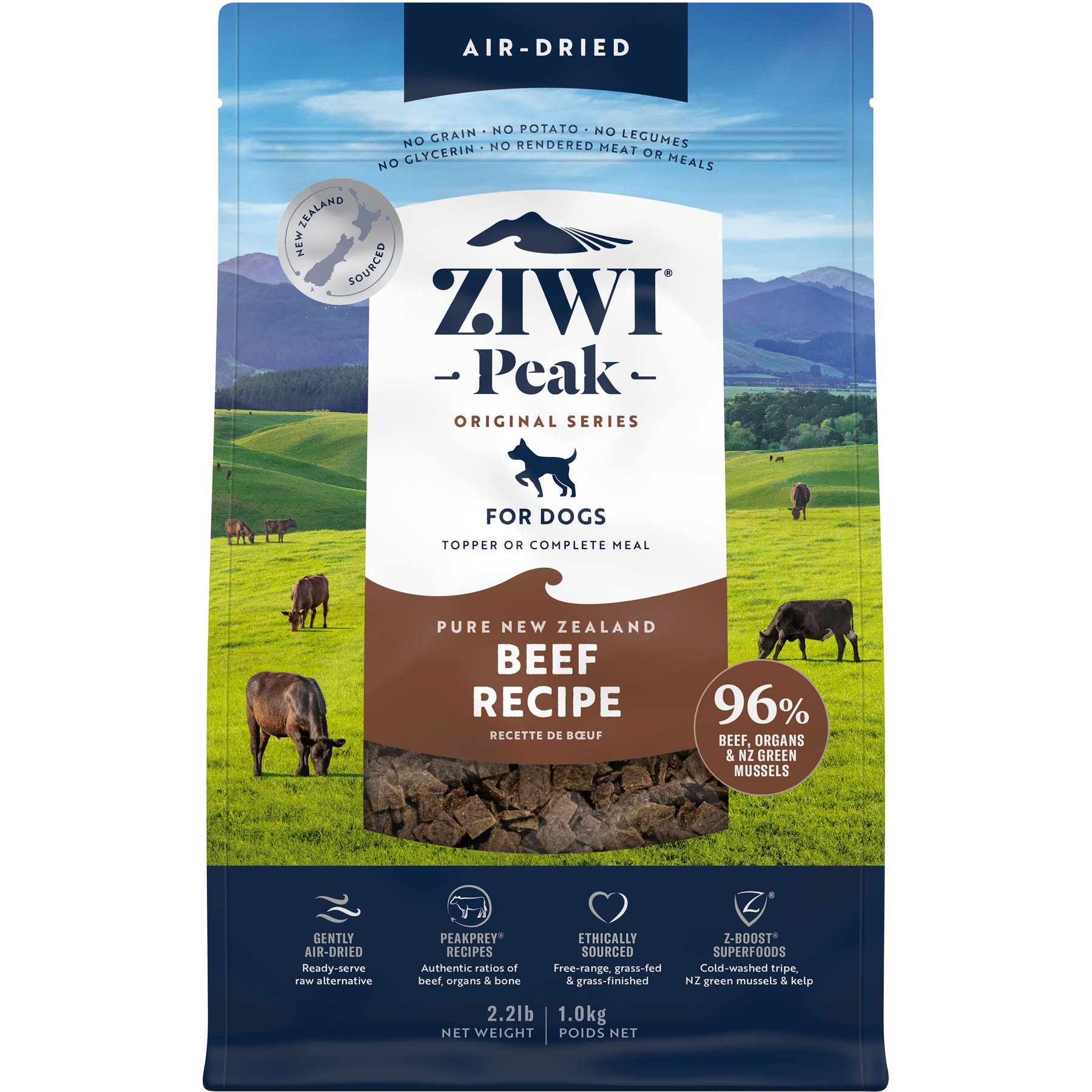
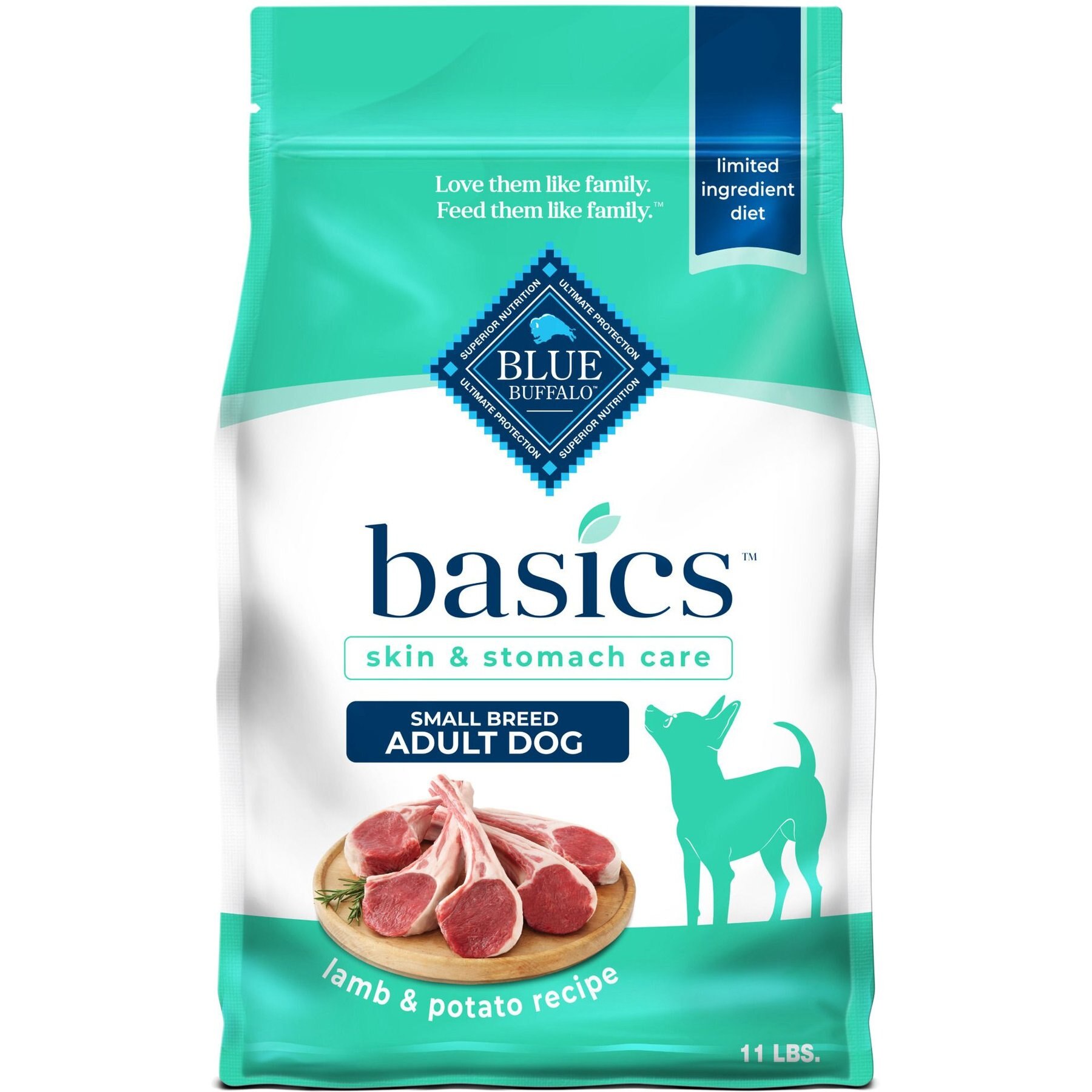
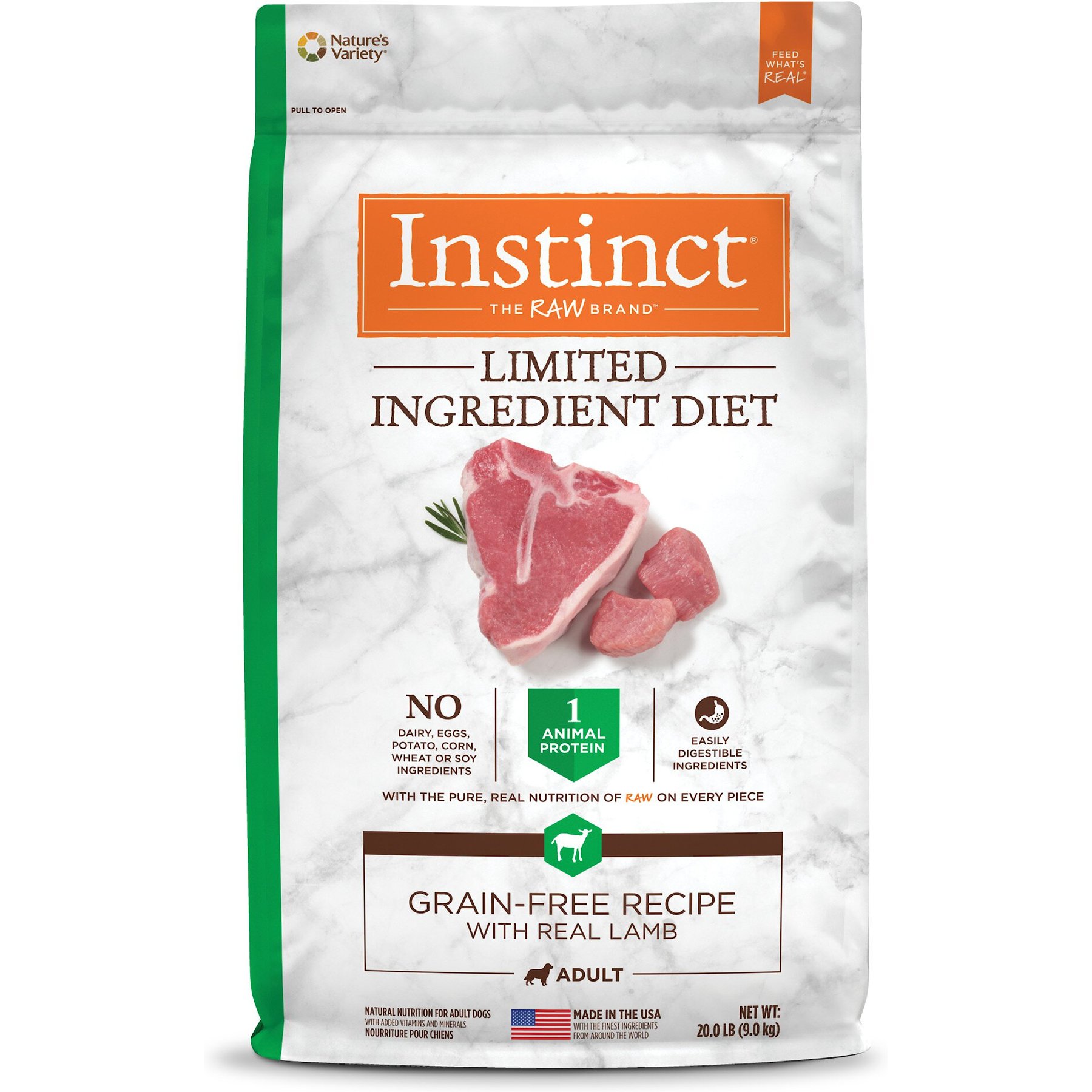
Top-Rated Dog Food for Allergiess

Frequently Asked Questions
How do I know if my dog has a food allergy?
Common signs include chronic itching (especially ears, paws, and rear end), recurring ear infections, skin rashes or hot spots, digestive issues like vomiting or diarrhea, and excessive licking. Unlike seasonal allergies, food allergies cause year-round symptoms. The only definitive way to diagnose a food allergy is through an elimination diet supervised by your veterinarian.
What's the difference between food allergies and food intolerances?
Food allergies involve an immune system response to specific proteins, causing skin and ear problems. Food intolerances are digestive issues (like lactose intolerance) that cause GI symptoms without immune involvement. Allergies typically cause itching and ear infections, while intolerances cause vomiting, diarrhea, and gas. Both require dietary changes but have different underlying causes.
How long does an elimination diet take to work?
An elimination diet requires 8-12 weeks of strict adherence to see results. During this time, your dog eats only the novel protein food with absolutely no treats, table scraps, or flavored medications. It takes this long because the immune system needs time to calm down and existing allergens need to clear from the body. Most dogs show improvement within 4-6 weeks if the allergen has been eliminated.
Are grain-free diets better for dogs with allergies?
Not necessarily. True grain allergies are rare in dogs—protein allergies (chicken, beef, dairy) are far more common. Unless your dog has a confirmed grain sensitivity, grain-free diets offer no allergy benefit and may pose DCM (heart disease) risks according to FDA investigations. Focus on identifying the specific protein trigger rather than eliminating grains.