Shih Tzus are charming, affectionate companion dogs known for their flowing coats, friendly personalities, and distinctive flat faces. These ancient lap dogs have specific nutritional needs shaped by their brachycephalic (flat-faced) anatomy and their famously luxurious coat.
Nutritional Needs of Shih Tzus
Shih Tzus are a small breed, typically weighing 9-16 pounds. Their compact bodies, flat faces, and long coats create unique nutritional requirements.
Key Nutritional Requirements
- Moderate protein (22-26%): Supports lean muscle in this low-activity breed
- Moderate fat (10-14%): Provides energy without promoting weight gain
- Omega-3 and omega-6 fatty acids: Essential for their long, flowing coat
- Easily digestible ingredients: Their flat faces cause digestive challenges
- Biotin and zinc: Support coat health
- Small, easy-to-grasp kibble: Designed for their short muzzles
- Appropriate calorie density: They're not very active
Common Health Concerns That Affect Diet
Shih Tzus face several breed-specific health challenges:
- Brachycephalic syndrome: Flat-faced anatomy affects eating and breathing
- Dental problems: Crowded teeth in small mouths
- Eye issues: Their prominent eyes are vulnerable; omega fatty acids help
- Allergies: Many Shih Tzus develop food sensitivities
- Kidney problems: Prone to renal dysplasia; hydration is important
- Obesity: Low activity makes weight gain easy
- Skin conditions: Their coat traps moisture and debris
What to Look for in Shih Tzu Food
Must-Have Features
- Small breed formula with appropriate kibble size
- Easy-to-grasp kibble shape for flat-faced dogs
- High-quality animal protein as first ingredient
- Omega fatty acids for coat health
- Highly digestible ingredients
- No artificial colors, flavors, or preservatives
Beneficial Ingredients
- Fish oil or salmon (omega fatty acids)
- Biotin (coat health)
- Probiotics (digestive support)
- Pumpkin or sweet potato (digestible fiber)
- Eggs (protein and coat support)
Top Recommended Products
Based on our database analysis, these products are excellent choices for Shih Tzus:
Breed-Specific Option
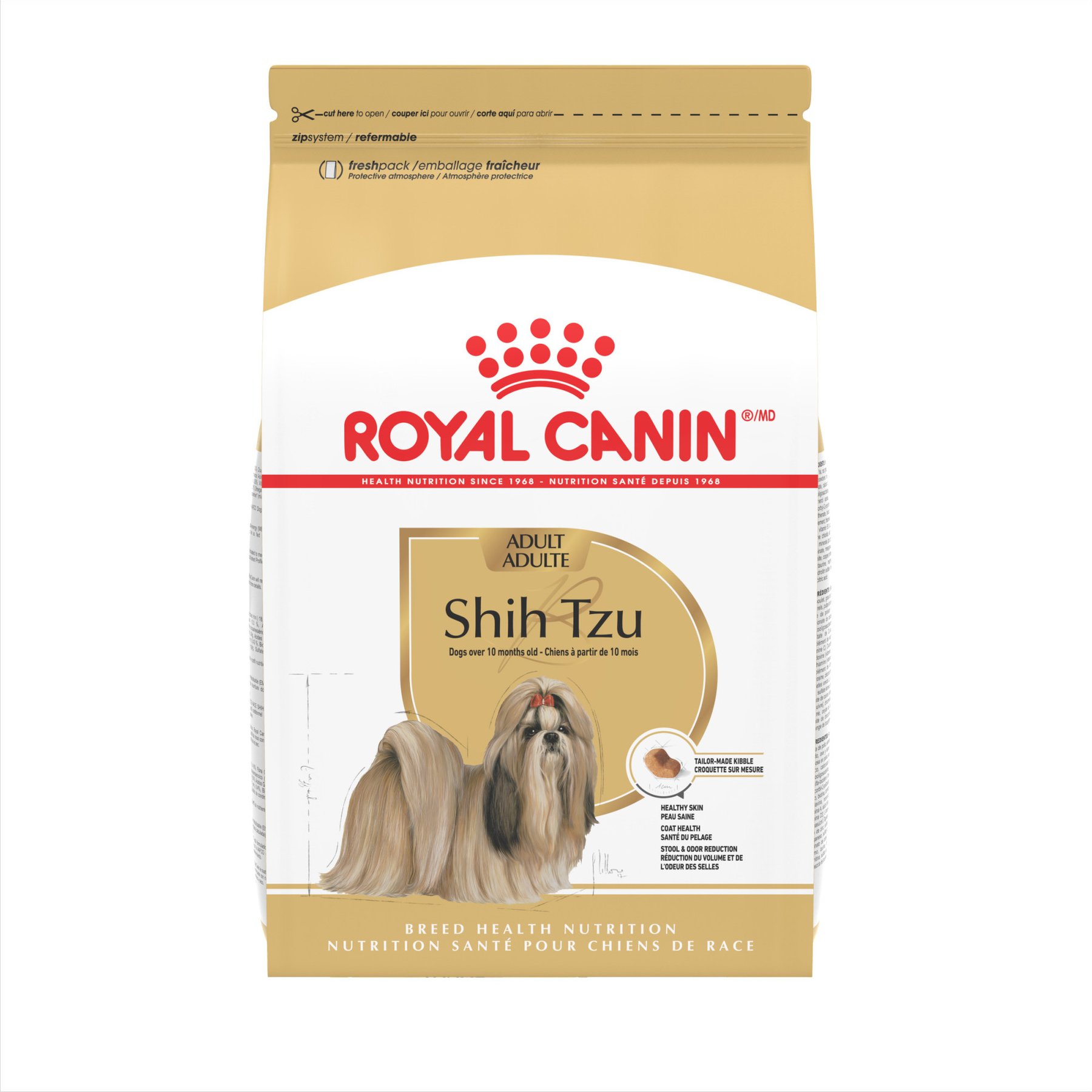
Royal Canin Breed Health Nutrition Shih Tzu Adult
- Rating: 4.78/5 from 1,475 reviews
- Specifically designed for Shih Tzus
- Unique kibble shape for flat-faced dogs
- Omega fatty acids for coat
- Supports skin health with biotin
Premium Small Breed Options
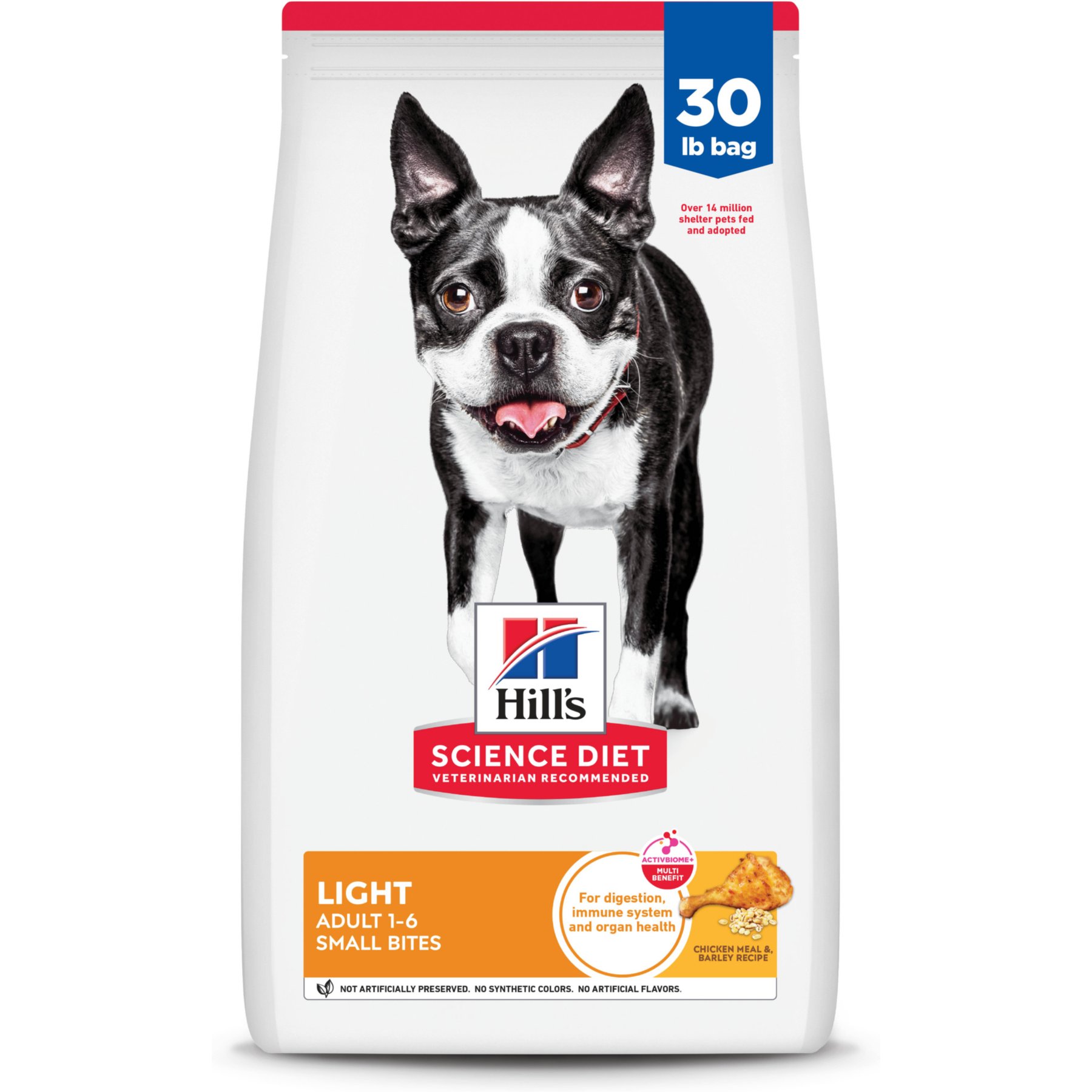
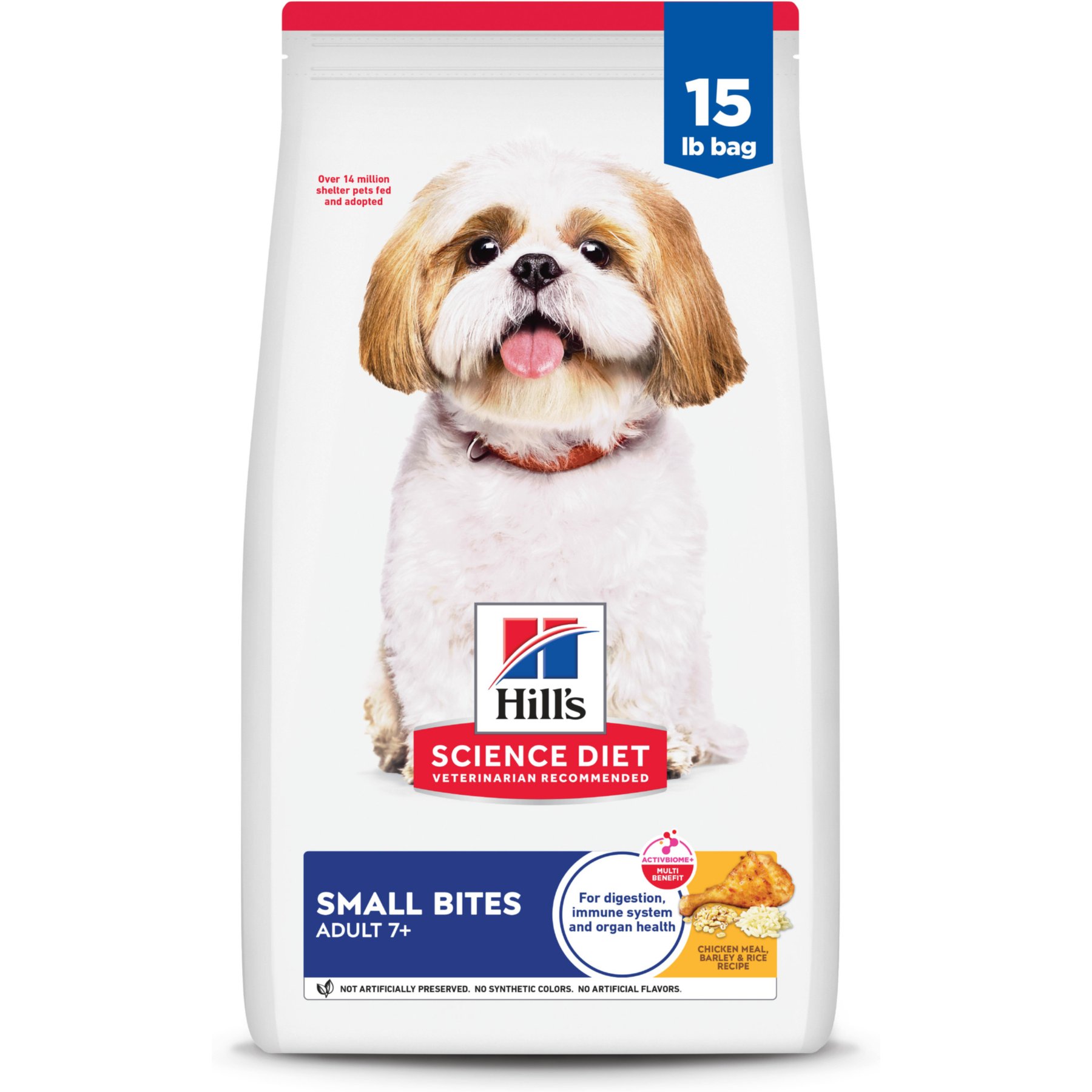
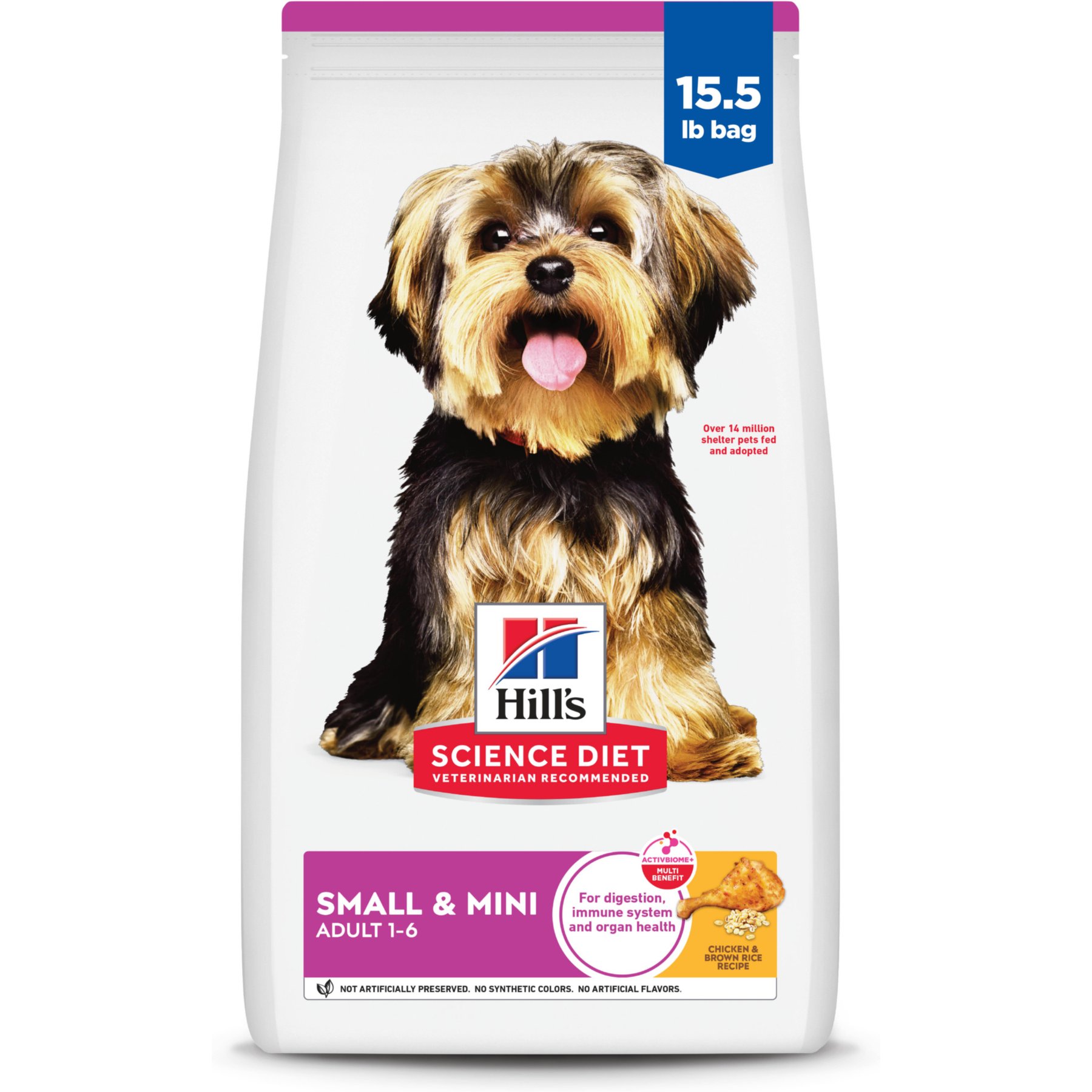
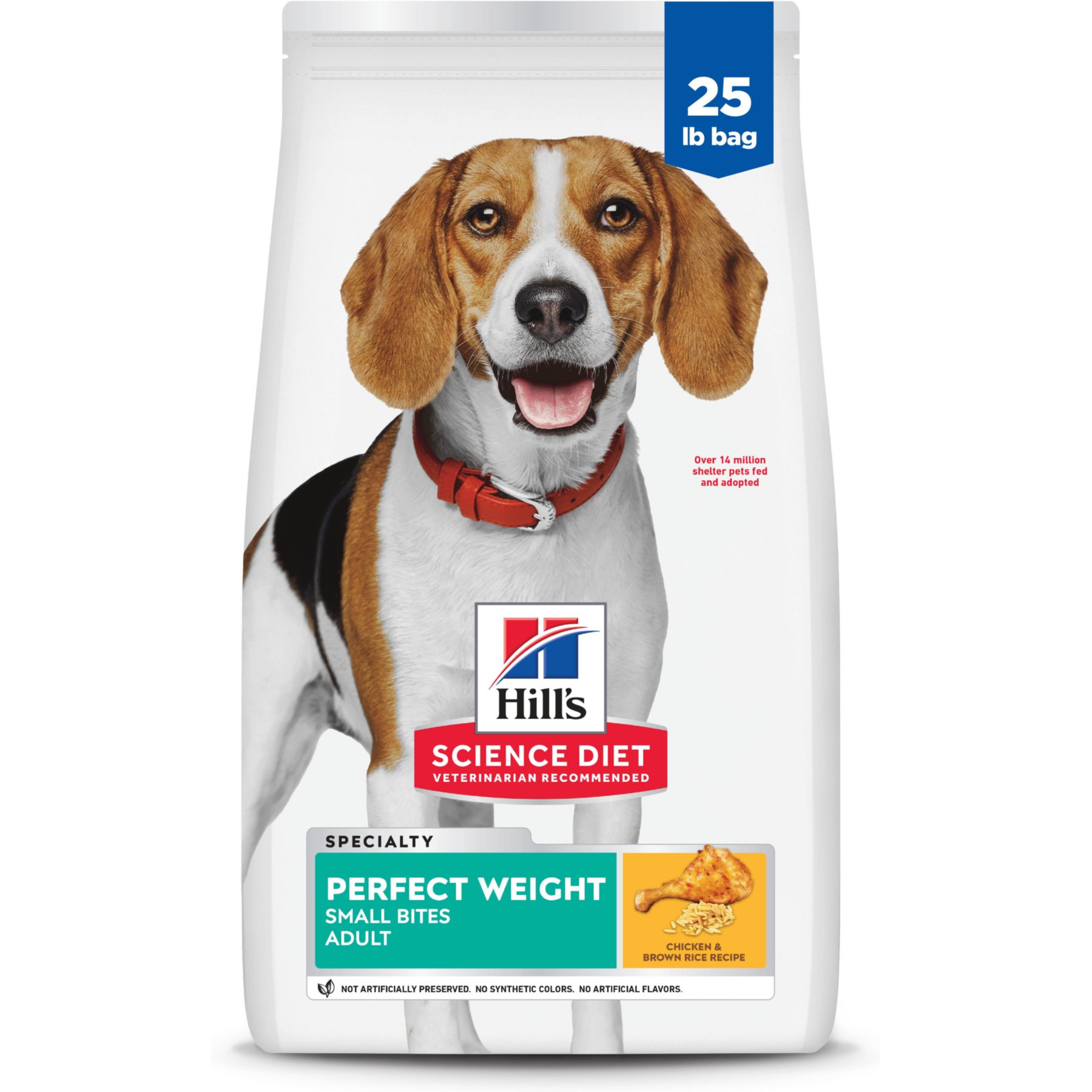
Hill's Science Diet Adult Small Breed
- Rating: 4.77/5 from over 3,000 reviews
- Easy-to-digest ingredients including pumpkin
- Omega fatty acids for skin and coat
- Small kibble for small mouths
- Made in the USA
Purina Pro Plan Small Breed Adult
- Real chicken as first ingredient
- Omega fatty acids for skin and coat
- Probiotics for digestive health
- Small kibble size
Royal Canin Small Adult
- For dogs up to 22 lbs
- Highly digestible proteins
- EPA and DHA for skin and coat
- Small, easy-to-pick-up kibble
For Sensitive Stomachs
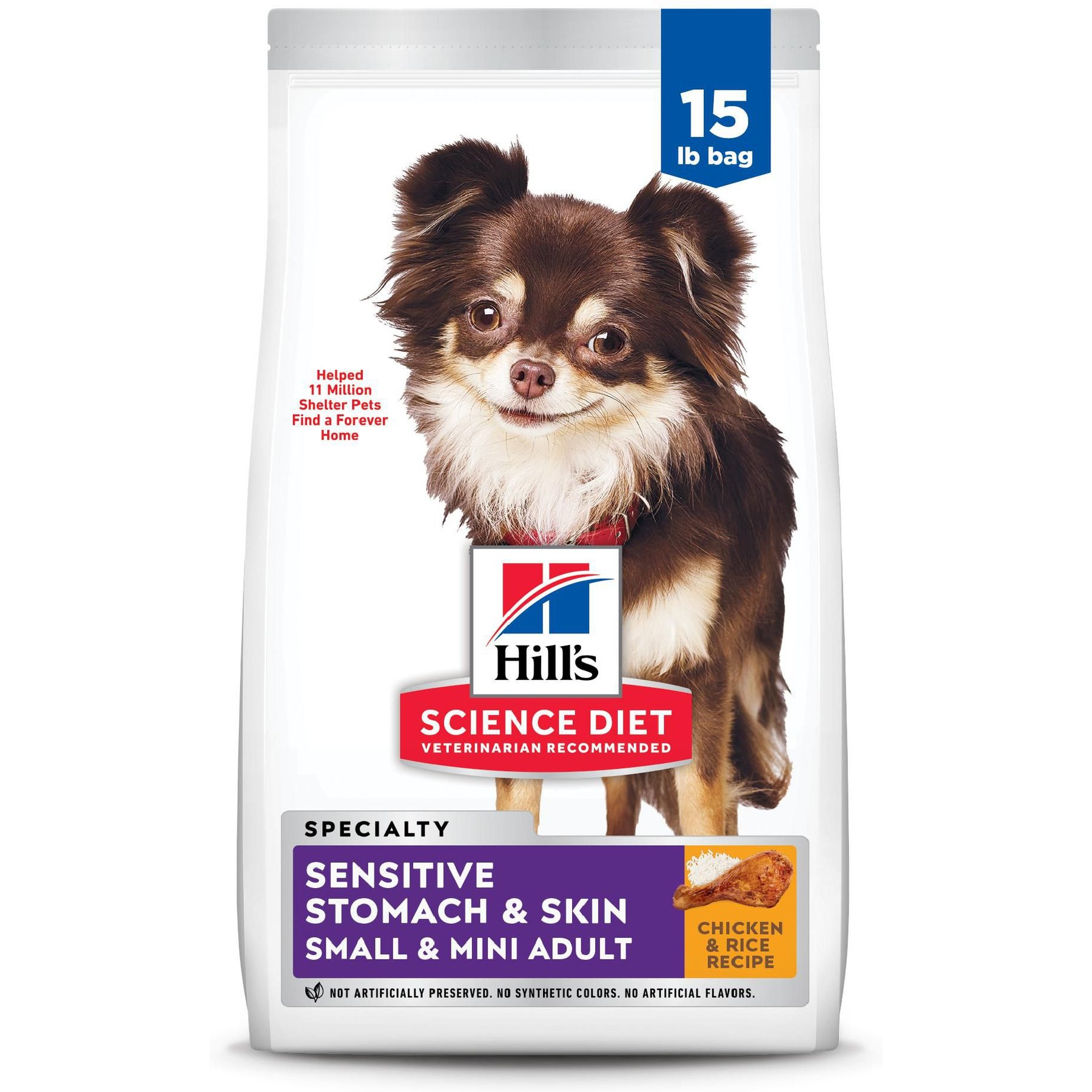
Hill's Science Diet Sensitive Stomach & Skin Small Breed
- Prebiotic fiber for digestive health
- Omega fatty acids for skin
- Easy to digest
- Small kibble
For Allergies
Purina Pro Plan Sensitive Skin & Stomach
- Salmon as first ingredient
- Omega fatty acids
- No corn, wheat, or soy
- Gentle on sensitive stomachs
Feeding Guidelines
| Weight | Daily Amount | Meals Per Day |
|---|---|---|
| 9-11 lbs | 0.5 - 0.66 cup | 2 |
| 11-13 lbs | 0.66 - 0.85 cup | 2 |
| 13-16 lbs | 0.85 - 1 cup | 2 |
Note: Shih Tzus are prone to obesity. If your dog is overweight, reduce portions and consult your vet.
Maintaining the Shih Tzu Coat
The Shih Tzu's flowing coat is their crowning glory and requires significant nutritional support.
Key Nutrients for Coat Health
- Omega-3 fatty acids: Add shine and reduce inflammation
- Omega-6 fatty acids: Support skin barrier
- Biotin: Strengthens hair
- Zinc: Essential for skin health
- Protein: Hair is made of keratin protein
- Vitamin A: Supports hair follicle health
Signs of Nutritional Deficiency
- Dull, dry coat
- Excessive shedding
- Brittle, breaking hair
- Matting issues
- Dry, flaky skin underneath
Coat Care Beyond Nutrition
- Daily brushing prevents mats
- Regular professional grooming
- Keep eyes clean and dry
- Clean facial wrinkles
Feeding a Flat-Faced Dog
Shih Tzus are brachycephalic, which affects how they eat.
Feeding Adaptations
- Use shallow, wide bowls
- Consider kibble designed for flat-faced breeds
- Room temperature or slightly warm food may be easier
- Allow extra time for meals
- Keep feeding environment calm
- Watch for choking or gagging
Signs of Eating Difficulties
- Frequent gagging while eating
- Dropping food repeatedly
- Taking much longer than usual to eat
- Avoiding food altogether
- Making unusual sounds while eating
If your Shih Tzu struggles to eat, consult your vet about food options.
Weight Management for Shih Tzus
Why Weight Matters
- Extra weight worsens breathing difficulties
- Increases heat sensitivity
- Stresses joints
- Makes exercise harder
- Reduces quality of life
Ideal Body Condition
- Ribs easily felt with thin fat covering
- Visible waist from above (when coat is wet or trimmed)
- Belly tucks up from side
- Alert and active
Preventing Obesity
- Measure food precisely
- Limit treats (10% of calories max)
- Don't free-feed
- Short daily walks help
- Regular weigh-ins
Dental Health for Shih Tzus
Small breeds like Shih Tzus are prone to dental disease.
Nutritional Dental Support
- Crunchy kibble helps reduce tartar
- Dental-specific formulas available
- Avoid primarily soft, sticky foods
- Dental treats in moderation
Beyond Food
- Daily teeth brushing is ideal
- Professional dental cleanings
- Dental toys
- Annual dental exams
Feeding Tips for Shih Tzus
- Shallow, wide bowls: Easier for flat-faced dogs
- Two meals daily: Consistent schedule
- Measure precisely: They gain weight easily
- Room temperature food: May be easier to eat
- Quiet feeding environment: Less stress while eating
- Fresh water always: Especially important for kidney health
Life Stage Considerations
Shih Tzu Puppies
- Feed puppy formula until 10-12 months
- 3-4 meals daily until 4 months, then 3 meals, then 2 after 6 months
- Monitor growth—avoid obesity
- Establish good eating habits
Adult Shih Tzus (1-8 years)
- Small breed adult formula
- Focus on coat and dental health
- Monitor weight closely
- Regular eye and skin checks
Senior Shih Tzus (8+ years)
- Senior formula may be appropriate
- Kidney-supportive nutrition
- Dental-friendly options
- May need softer food as teeth age
- More frequent health monitoring
Wet Food vs. Dry Food for Shih Tzus
Dry Kibble Benefits
- Supports dental health
- More economical
- Easier portion control
- Longer shelf life
Wet Food Benefits
- Easier for flat-faced dogs to eat
- Higher moisture (good for kidneys)
- Often more palatable
- Good for seniors with dental issues
Best Approach
Many Shih Tzu owners use a combination—dry kibble as the base with wet food mixed in or as a topper. This provides dental benefits while making meals easier to eat.
Frequently Asked Questions
Why does my Shih Tzu have trouble eating?
Shih Tzus are brachycephalic (flat-faced), which can make eating difficult. Their short muzzles and underbite make picking up and chewing food challenging. Use shallow bowls, consider flat-faced breed-specific kibble, and give them time to eat at their pace.
How do I keep my Shih Tzu's coat healthy through diet?
Focus on foods rich in omega-3 and omega-6 fatty acids, biotin, and high-quality protein. Fish-based foods or those with added fish oil are excellent. If the coat is dull despite good nutrition, consult your vet—it could indicate an underlying issue.
My Shih Tzu has allergies. What should I feed?
Common allergens include chicken, beef, wheat, and corn. Try a limited ingredient diet with novel proteins like fish, duck, or venison. Elimination diets under vet guidance can help identify specific triggers. Omega fatty acids also support skin affected by allergies.
How much exercise does a Shih Tzu need alongside proper diet?
Shih Tzus need only moderate exercise—20-30 minutes of walking or play daily. They're prone to overheating, so avoid exercise in hot weather. Their low activity level means they don't need as many calories as more active breeds.
Should I worry about my Shih Tzu's kidneys?
Shih Tzus can be prone to kidney issues. Support kidney health through:
- Adequate hydration (wet food helps)
- Quality protein in appropriate amounts
- Regular vet check-ups including bloodwork
- Fresh water always available
Related Resources
- Feeding Calculator - Calculate exact calorie needs for your Shih Tzu
- Small Breed Dog Food - More small breed options
- Dog Food for Skin Allergies - Allergy-friendly options
- Dog Food for Sensitive Stomach - Digestive health options
- Compare Dog Foods - Side-by-side product comparison