Shetland Sheepdogs—affectionately known as Shelties—are intelligent, active herding dogs known for their beautiful double coats, keen alertness, and strong bonds with their families. These miniature collies have specific nutritional needs shaped by their active nature and luxurious coat.
Nutritional Needs of Shetland Sheepdogs
Shelties are a small to medium breed, typically weighing 15-25 pounds. Despite their moderate size, they're athletic and energetic, requiring nutrition that supports their active lifestyle and magnificent coat.
Key Nutritional Requirements
- Moderate to high protein (24-28%): Supports their active, athletic lifestyle
- Moderate fat (12-16%): Provides sustained energy
- Omega-3 and omega-6 fatty acids: Essential for their abundant double coat
- Glucosamine: Joint support for active herding breeds
- Easily digestible ingredients: Shelties can have sensitive stomachs
- Quality carbohydrates: Provide steady energy for activity
Common Health Concerns That Affect Diet
Shelties face several breed-specific health challenges:
- Dermatomyositis: Inflammatory skin/muscle disease; omega fatty acids help
- Collie eye anomaly (CEA): Inherited eye condition
- Von Willebrand's disease: Bleeding disorder
- Hip dysplasia: Joint support is beneficial
- Thyroid problems: Quality nutrition supports thyroid function
- Drug sensitivities (MDR1 gene): Doesn't directly affect diet but important to know
- Dental disease: Regular dental care important
What to Look for in Sheltie Food
Must-Have Features
- Small to medium breed formula
- High-quality animal protein as first ingredient
- Omega fatty acids for coat health
- Easily digestible ingredients
- Moderate calorie content for activity
- No artificial colors, flavors, or preservatives
Beneficial Ingredients
- Fish or fish oil (omega-3s)
- Eggs (protein and coat support)
- Flaxseed (omega-3 and fiber)
- Sweet potatoes (digestible energy)
- Blueberries (antioxidants)
Top Recommended Products
Based on our database analysis, these products are excellent choices for Shetland Sheepdogs:
Premium Options for Shelties
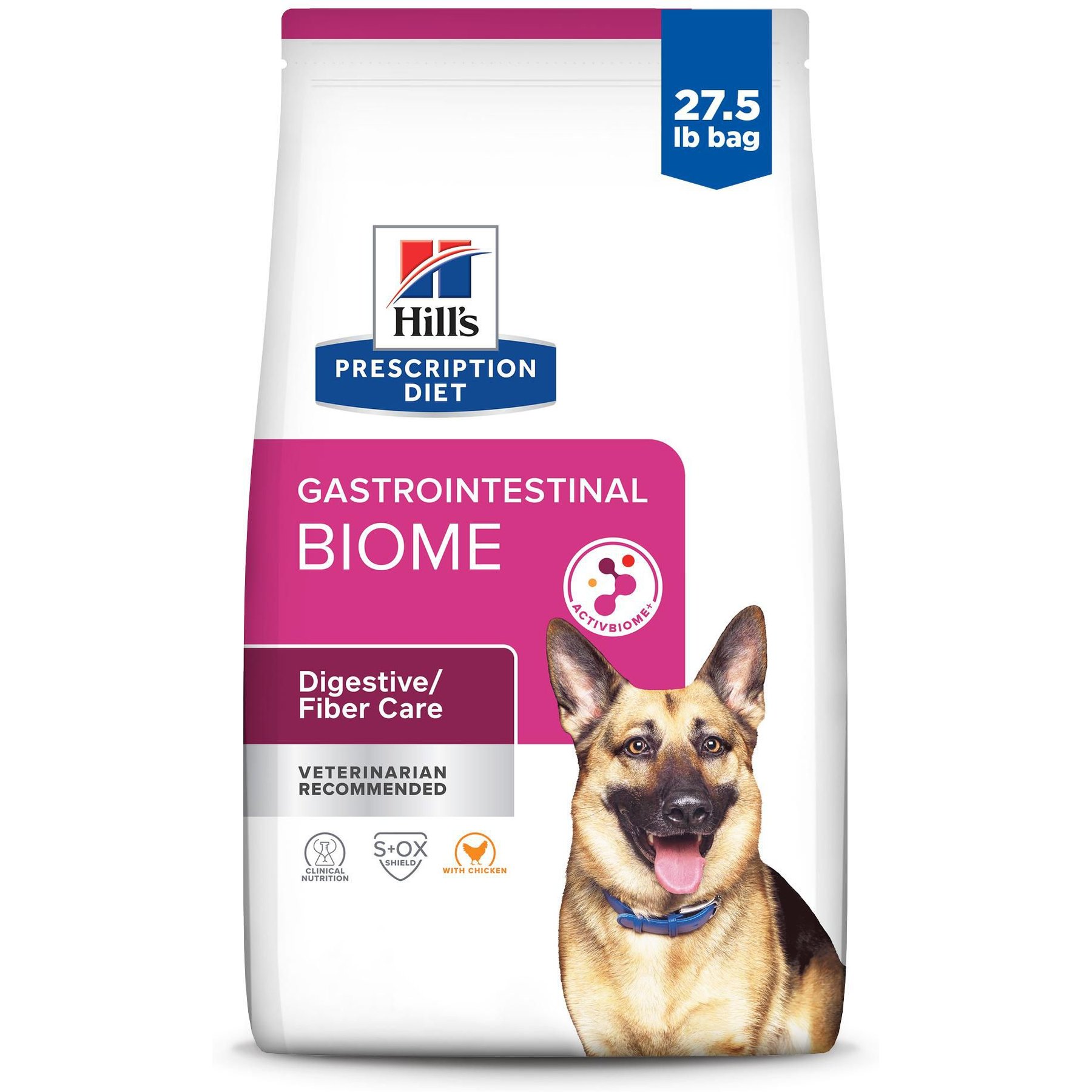
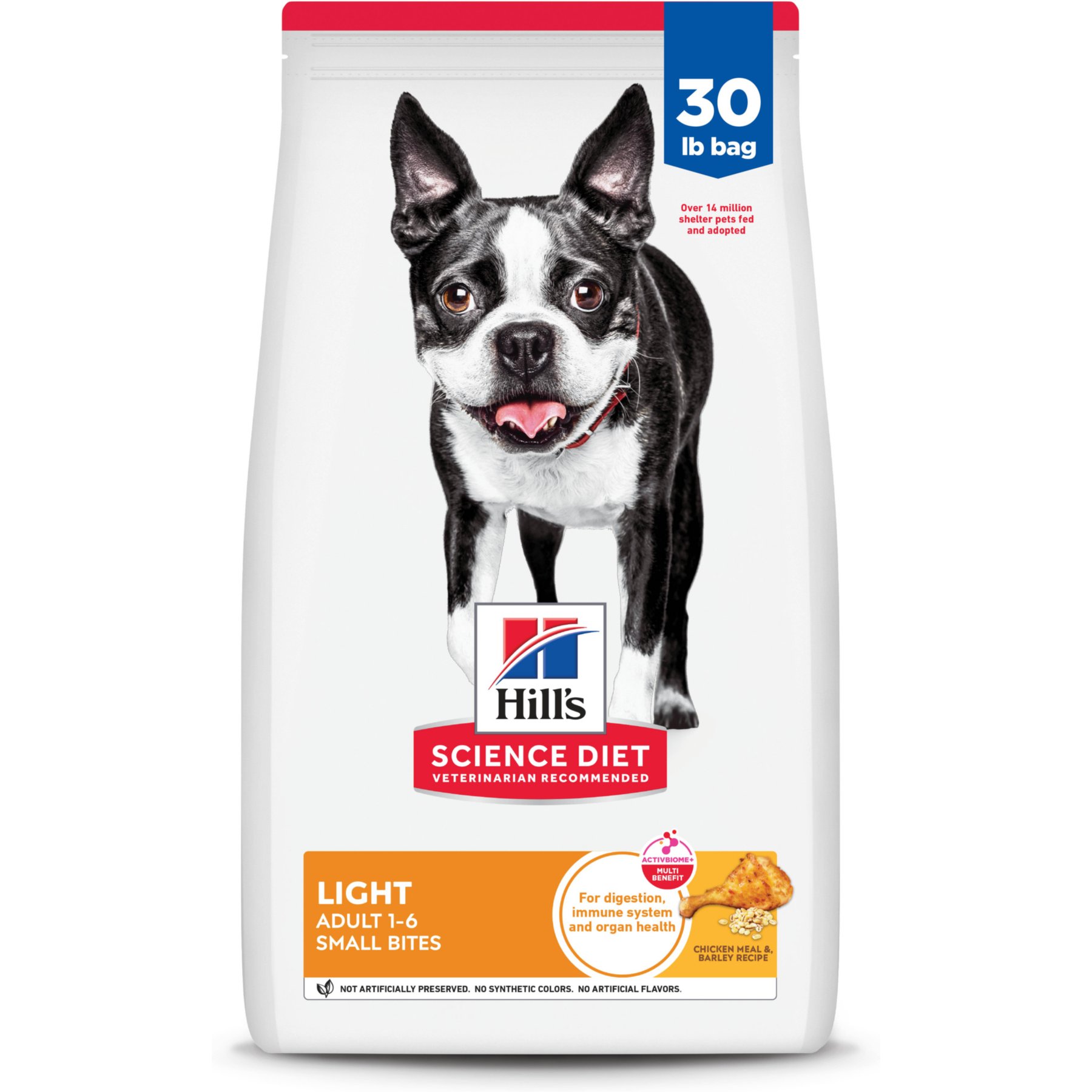
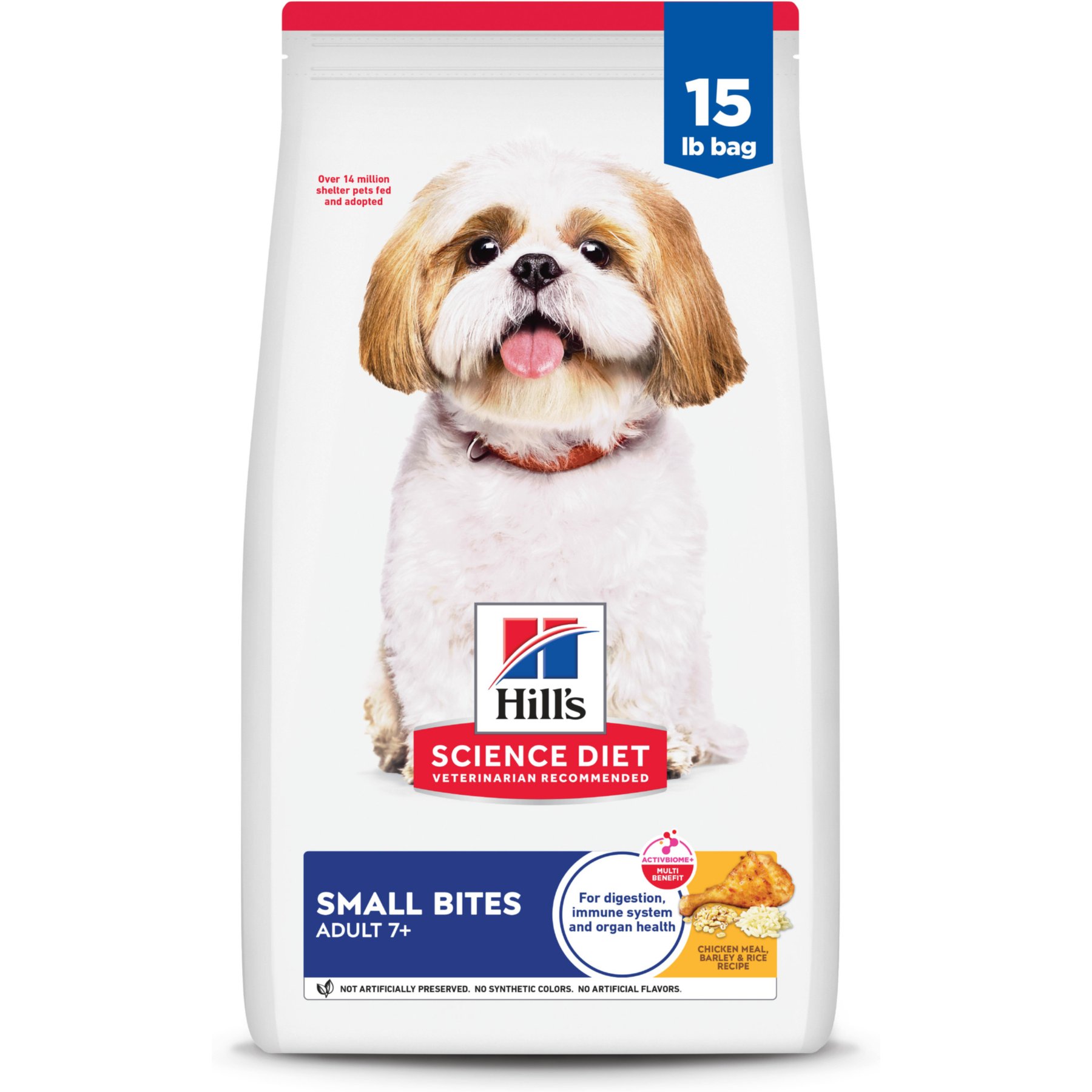
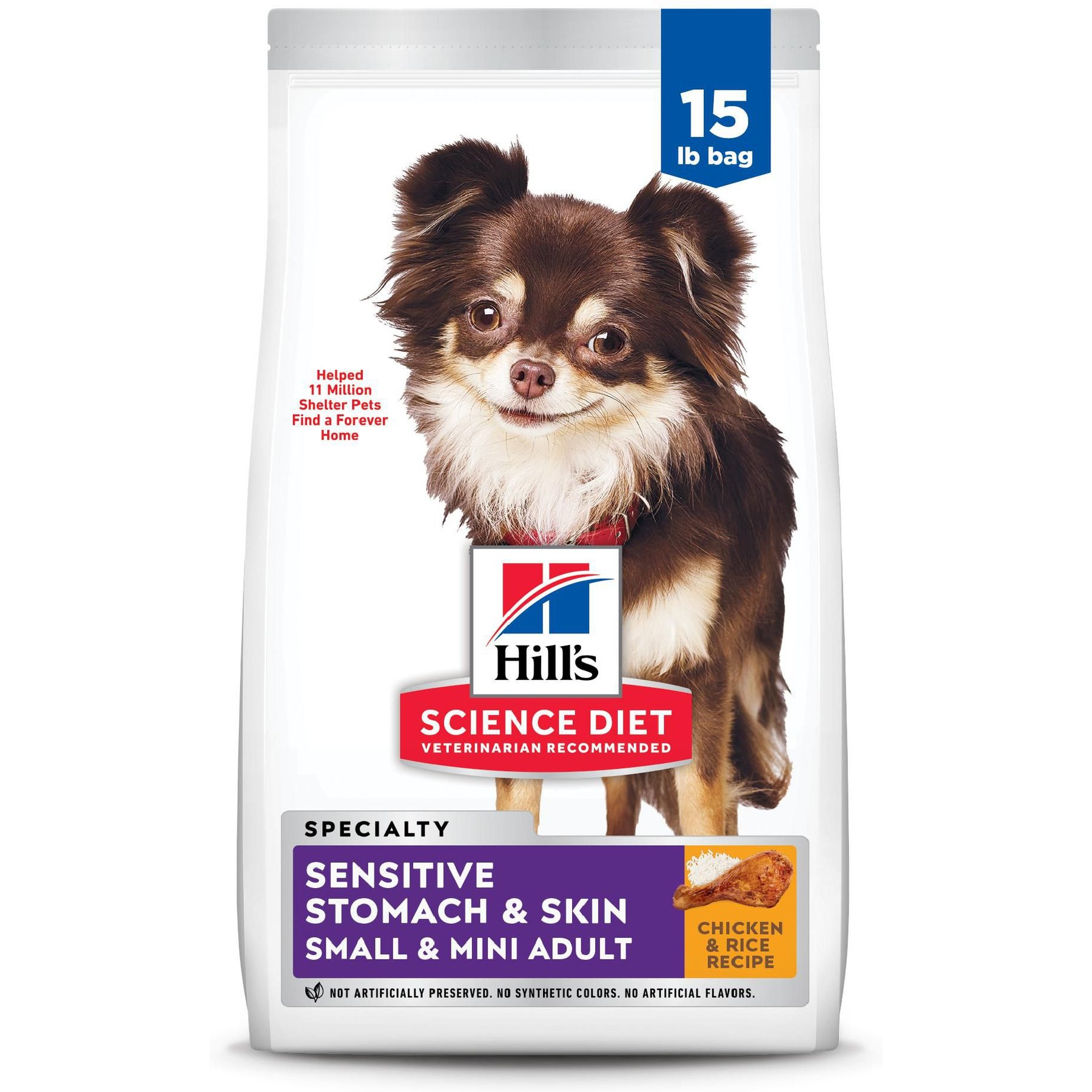
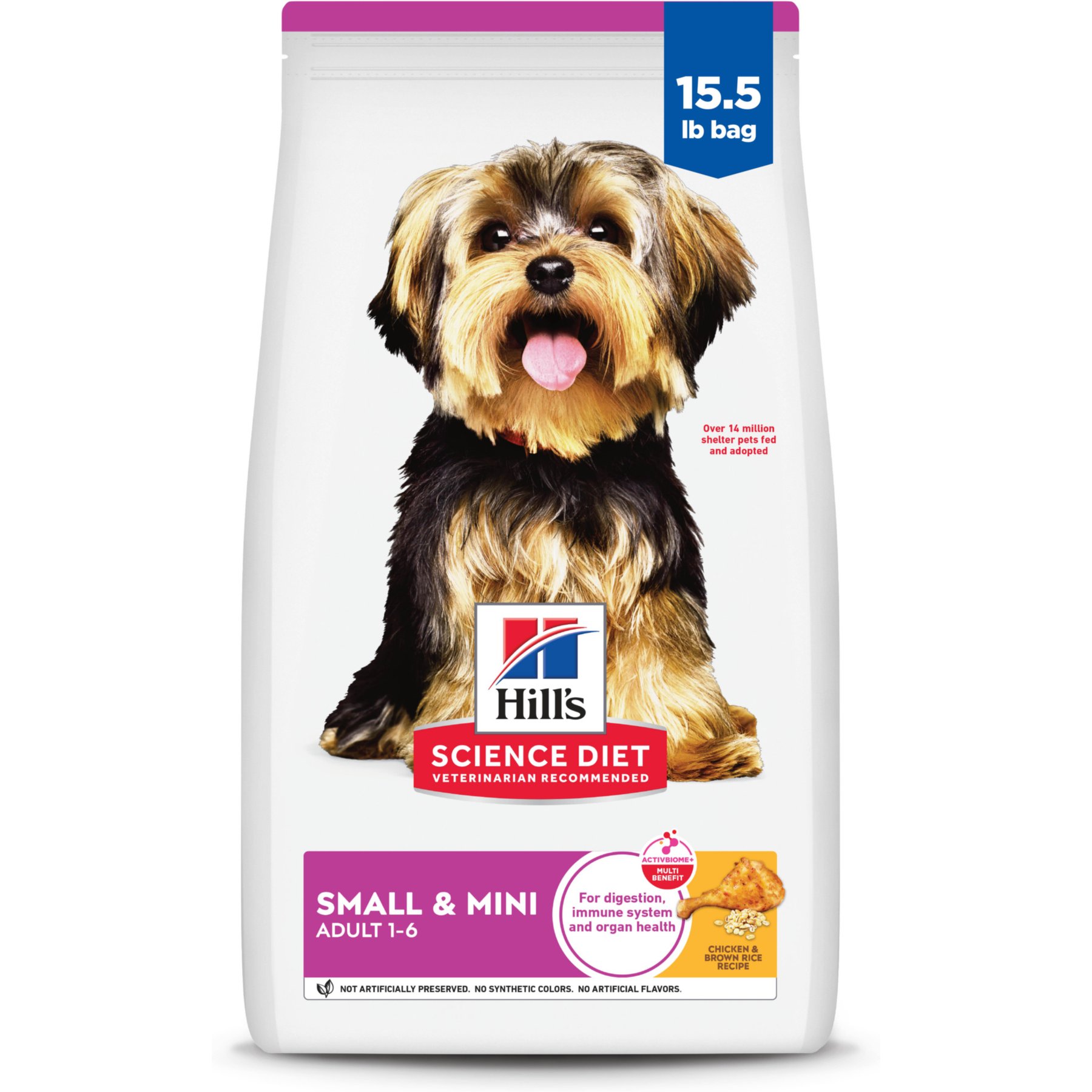
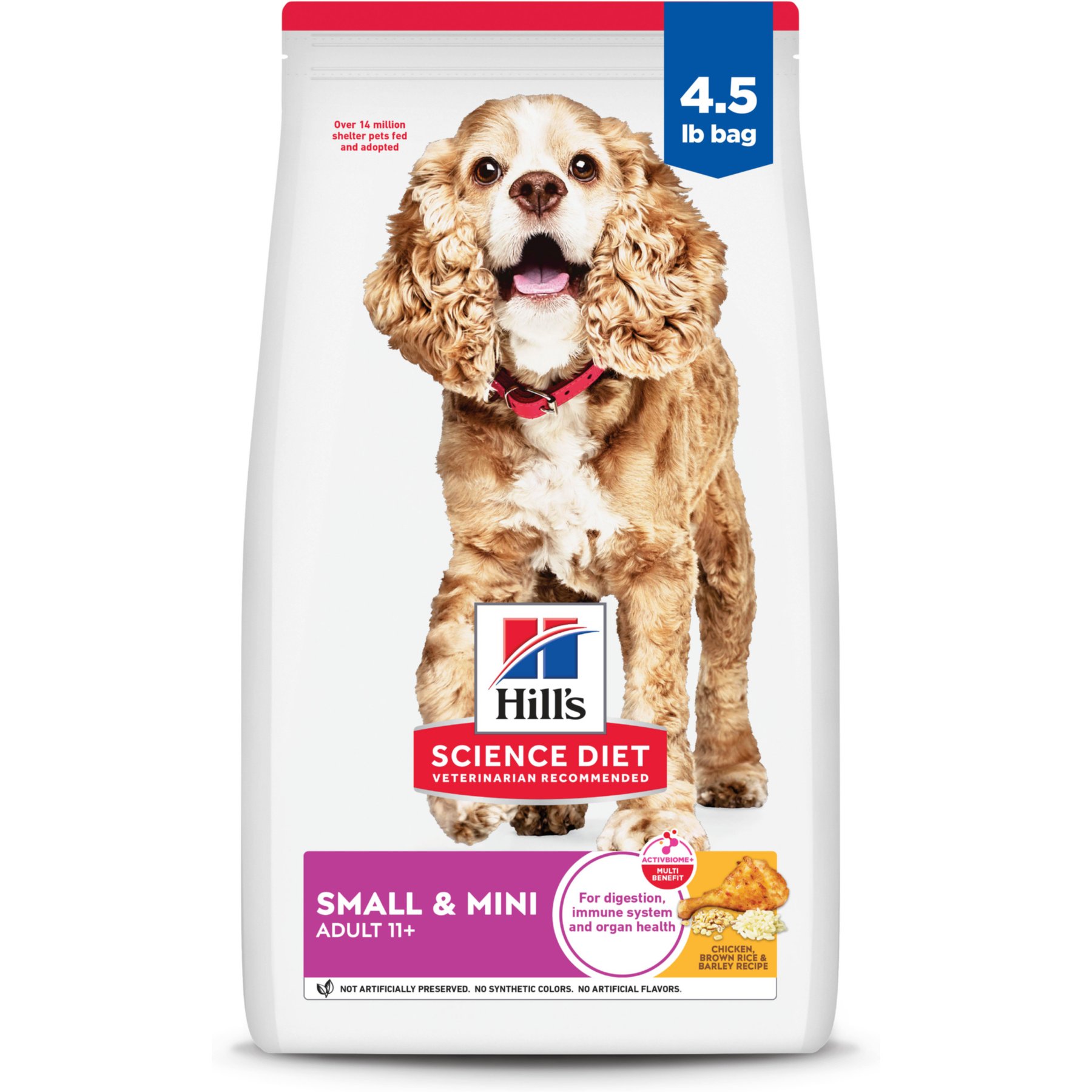
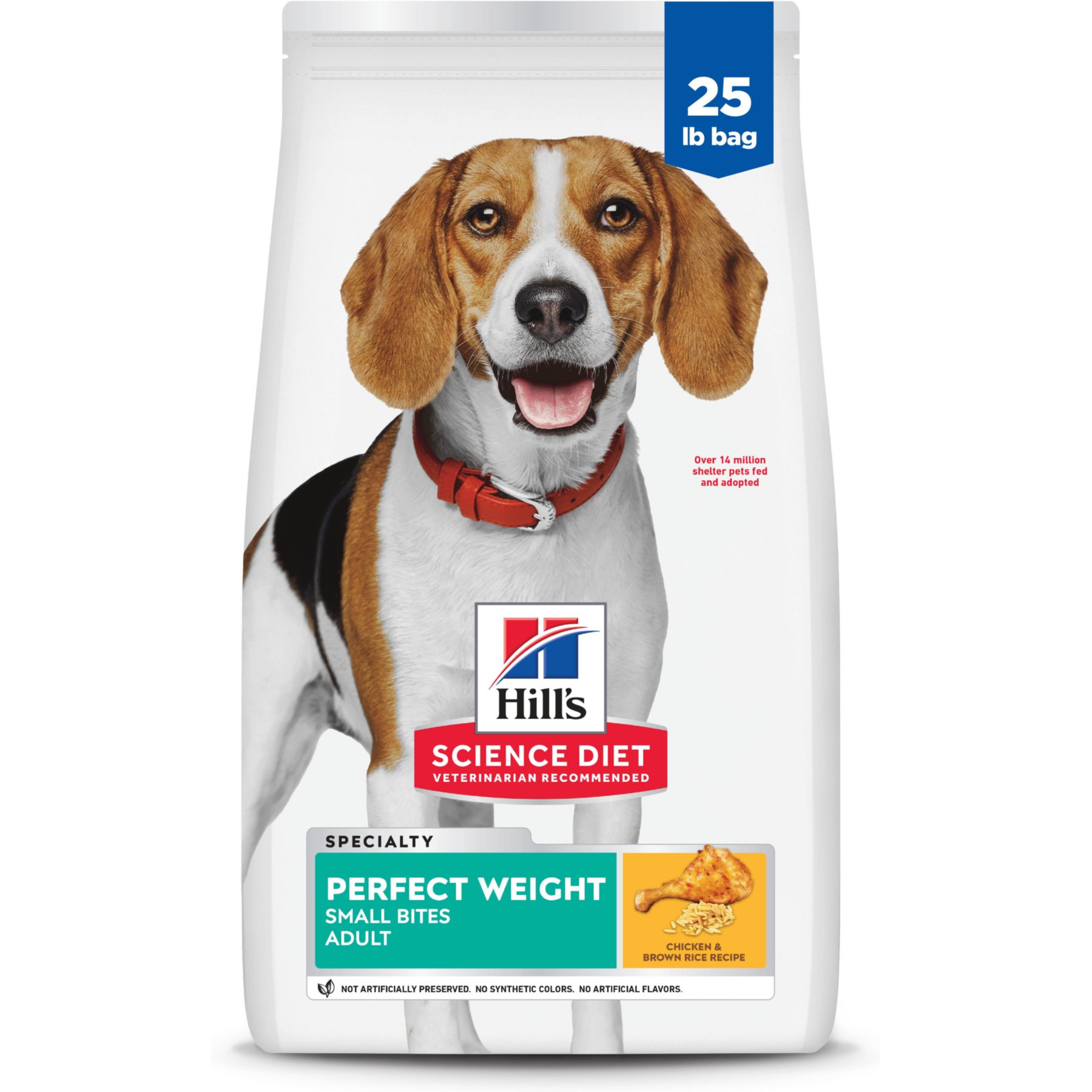
Hill's Science Diet Adult Small Breed
- Rating: 4.77/5 from over 3,000 reviews
- Easy-to-digest ingredients
- Omega fatty acids for coat
- Made in the USA
Purina Pro Plan Small Breed Adult
- Real chicken as first ingredient
- Omega fatty acids for skin and coat
- Probiotics for digestion
Purina Pro Plan Sensitive Skin & Stomach
- Salmon as first ingredient
- High omega-3 content
- Supports skin and coat
- Gentle on digestion
For Active Shelties
Purina Pro Plan Sport Active
- 26% protein, 16% fat
- Supports active lifestyle
- Amino acids for muscle
- Great for agility or herding Shelties
Feeding Guidelines
| Weight | Daily Amount | Meals Per Day |
|---|---|---|
| 15-18 lbs | 1 - 1.25 cups | 2 |
| 18-22 lbs | 1.25 - 1.5 cups | 2 |
| 22-25 lbs | 1.5 - 1.75 cups | 2 |
Active Shelties (agility, herding): May need 20-30% more Less Active Shelties: May need 10-15% less
Maintaining the Sheltie Coat
Key Nutrients for Coat Health
- Omega-3 fatty acids: Add shine, reduce shedding
- Omega-6 fatty acids: Support skin barrier
- Biotin: Strengthens coat
- Zinc: Essential for skin health
- Protein: Coat is made of keratin
Signs of Nutritional Coat Issues
- Dull, flat coat
- Excessive shedding
- Dry, flaky skin
- Matting issues
- Slow coat regrowth
Coat Care Tips
- Quality nutrition first
- Regular brushing (2-3 times weekly minimum)
- More during shedding season
- Fish oil supplementation may help
Feeding Tips for Shelties
- Two meals daily: Consistent schedule
- Omega-rich food: Essential for coat
- Measure portions: Active dogs still need portion control
- Fresh water always: Especially after exercise
- Quality matters: Better food = better coat
- Adjust for activity: More food on active days
Life Stage Considerations
Sheltie Puppies
- Puppy formula until 12 months
- 3-4 meals daily until 4 months, then 3, then 2
- Controlled growth for joint health
- Focus on coat nutrition early
Adult Shelties (1-8 years)
- Small/medium breed adult formula
- Match food to activity level
- Focus on coat and skin health
- Regular dental care
Senior Shelties (8+ years)
- Senior formula may be appropriate
- Joint support becomes more important
- May need adjusted calories
- Continue coat nutrition focus
Frequently Asked Questions
How do I keep my Sheltie's coat healthy?
Focus on foods rich in omega-3 and omega-6 fatty acids. Fish-based foods or those with fish oil are excellent. Regular brushing removes dead hair and distributes oils. Consider fish oil supplements if coat is dull despite good nutrition.
My Sheltie is very active (agility). What should I feed?
Active Shelties may benefit from performance formulas with higher protein and fat content. Increase portions by 20-30% on training days. Ensure adequate hydration. Consider foods with glucosamine for joint support.
How much should I feed my Shetland Sheepdog?
Most adult Shelties need 600-900 calories daily depending on activity. This typically translates to 1-1.75 cups of dry food daily, split into two meals. Active Shelties need more; couch potato Shelties need less.
Are Shelties prone to food allergies?
Some Shelties develop food sensitivities. Common allergens include chicken, beef, wheat, and corn. If you notice skin issues, ear infections, or digestive upset, consider a limited ingredient diet with novel proteins. Consult your vet for guidance.
Should I be concerned about the MDR1 gene mutation?
Many Shelties carry the MDR1 gene mutation, which affects how they process certain drugs. While this doesn't directly affect diet, it's important to know for medication purposes. You can have your Sheltie tested. This doesn't impact food choices.
Related Resources
- Feeding Calculator - Calculate exact calorie needs
- Small Breed Dog Food - More options
- Dog Food for Skin Allergies - Coat health
- Compare Dog Foods - Side-by-side comparison