Rottweilers are powerful, confident dogs with a loyal and protective nature. These large, muscular guardians require premium nutrition to support their substantial build, maintain joint health, and fuel their active lifestyle.
Nutritional Needs of Rottweilers
Rottweilers are a large to giant breed, typically weighing 80-135 pounds. Their muscular build, rapid growth rate as puppies, and susceptibility to joint issues make nutrition particularly important.
Key Nutritional Requirements
- High-quality protein (24-28%): Essential for building and maintaining their powerful musculature
- Moderate fat (12-16%): Provides energy without promoting excess weight
- Glucosamine and chondroitin: Critical for joint health in this large breed
- Omega-3 fatty acids (EPA/DHA): Support joint health, coat quality, and reduce inflammation
- L-carnitine: Supports heart health—important given Rottweiler cardiac concerns
- Controlled calcium and phosphorus: Especially critical during growth phases
- Taurine: Supports heart muscle function
Common Health Concerns That Affect Diet
Rottweilers face several health challenges that proper nutrition can help address:
- Hip and elbow dysplasia: One of the most common issues; joint-supporting nutrients are essential
- Aortic stenosis/cardiomyopathy: Heart conditions make taurine and omega-3s important
- Obesity: Extra weight significantly stresses joints and heart
- Osteochondritis dissecans (OCD): Controlled growth in puppies helps prevent this
- Bloat (GDV): Large, deep-chested breeds are at highest risk
- Cancer: Rottweilers have higher rates; antioxidant-rich diets may help
What to Look for in Rottweiler Food
Must-Have Features
- Large breed formula designed for dogs 50+ lbs
- High-quality animal protein as the first ingredient
- Glucosamine and chondroitin for joint support
- Omega-3 fatty acids from fish oil
- L-carnitine and taurine for heart health
- Appropriate calorie density to prevent rapid weight gain
Ingredients to Avoid
- Excessive calcium (especially in puppies)
- Artificial preservatives, colors, and flavors
- Low-quality fillers
- By-product meals without specific animal source
- Excess salt
Top Recommended Products
Based on our database analysis, these products are excellent choices for Rottweilers:
Premium Large Breed Options
Hill's Science Diet Adult Large Breed
- Formulated for dogs 55-100+ lbs
- Glucosamine and chondroitin from natural sources
- Omega-6 fatty acids and vitamin E for coat health
- Supports lean muscle with high-quality protein
- Made in the USA
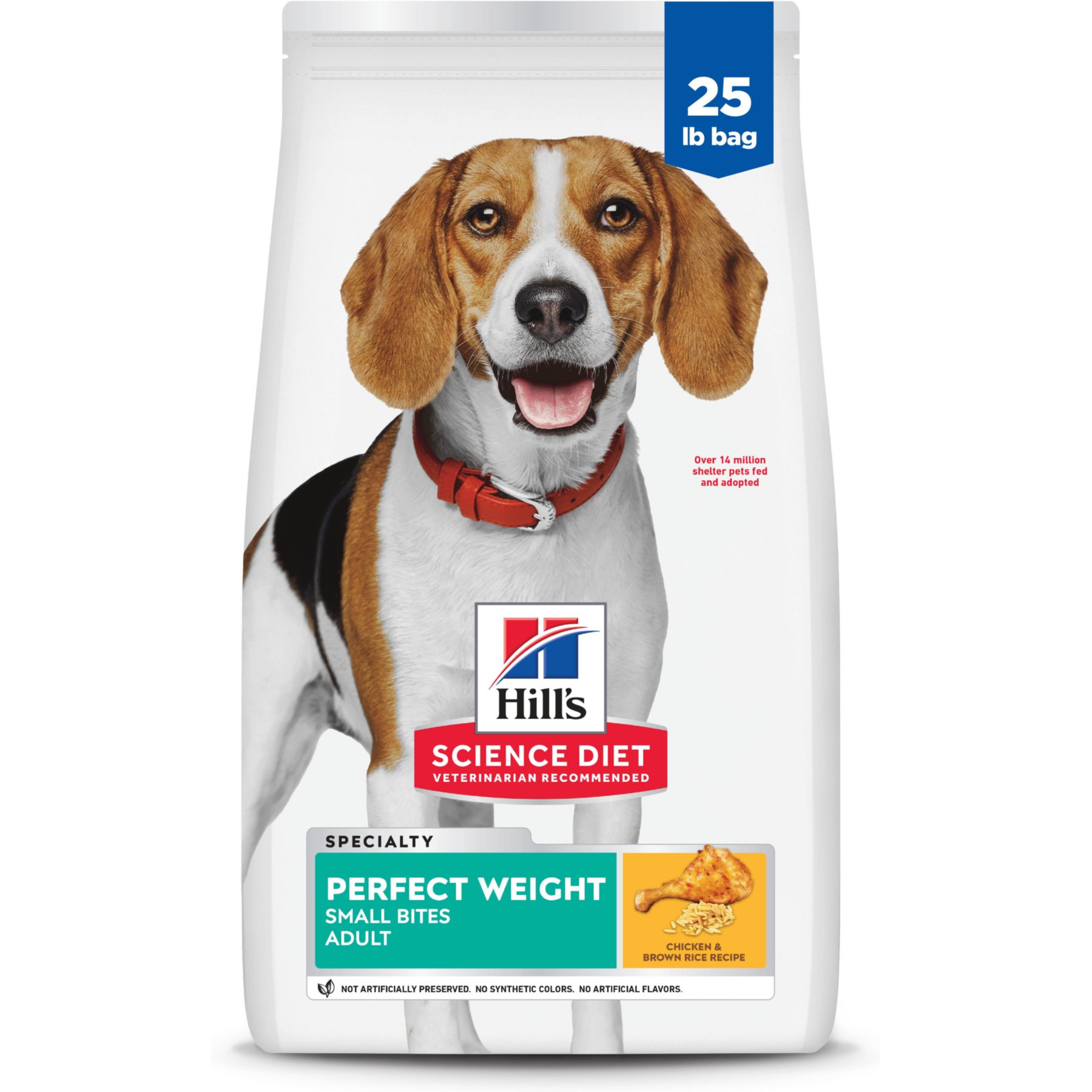
Hill's Science Diet Perfect Weight & Joint Support (Large Breed)
- Rating: 4.80/5 from 732 reviews
- Contains omega-3 EPA from fish oil for joint support
- Helps maintain ideal body weight
- Supports healthy joints and mobility
- L-carnitine for metabolism
Purina Pro Plan Large Breed Adult
- Real chicken as the first ingredient
- EPA and glucosamine for joint health
- Live probiotics for digestive support
- Omega fatty acids for skin and coat
Royal Canin Size Health Nutrition Large Adult
- Tailored nutrition for dogs 56-100 lbs
- EPA and DHA for joint support
- L-carnitine for healthy metabolism
- Highly digestible proteins
For Joint Health
Purina Pro Plan Large Breed Joint Health
- Enhanced with EPA and glucosamine
- Real chicken as first ingredient
- Supports joint mobility
- Omega-3 fatty acids for joint lubrication
For Giant Rottweilers (100+ lbs)
Royal Canin Giant Adult
- For dogs over 100 lbs
- Supports bone and joint health
- EPA and DHA from fish oil
- L-carnitine for healthy weight
Feeding Guidelines
| Weight | Daily Amount (Adult) | Activity Level |
|---|---|---|
| 80-95 lbs | 3.5 - 4.5 cups | Moderate |
| 95-110 lbs | 4.5 - 5.5 cups | Moderate |
| 110-125 lbs | 5.5 - 6.5 cups | Moderate |
| 125-135+ lbs | 6.5 - 7.5 cups | Moderate |
Active Rottweilers: May need 20-30% more calories Senior Rottweilers: Typically need 15-25% fewer calories
Preventing Bloat (GDV)
Rottweilers are among the breeds at highest risk for bloat, a life-threatening emergency. Dietary practices that may help:
Feeding Practices
- Feed 2-3 smaller meals instead of one large meal
- Use slow-feeder bowls to prevent rapid eating
- Wait at least 1 hour before and after exercise for meals
- Keep fresh water available but monitor gulping
- Feed on a regular schedule
What to Avoid
- One large daily meal
- Exercise immediately before or after eating
- Stress during mealtimes
- Elevated bowls (research is mixed)
- Rapid consumption of food or water
Know the Signs
- Distended, hard abdomen
- Unproductive retching
- Restlessness and pacing
- Excessive drooling
- This is an emergency—get to a vet immediately
Supporting Heart Health
Rottweilers are prone to cardiac conditions, making heart-healthy nutrition important:
Key Nutrients for Heart Health
- Taurine: Amino acid essential for heart muscle function
- L-carnitine: Helps the heart use energy efficiently
- Omega-3 fatty acids: Support cardiovascular health
- Antioxidants: Protect heart tissue from damage
- Magnesium and potassium: Support proper heart rhythm
Signs to Watch For
- Exercise intolerance
- Coughing, especially at night
- Shortness of breath
- Fainting or collapse
- Swollen abdomen
- Consult your vet if you notice any of these
Life Stage Considerations
Rottweiler Puppies (Critical Phase)
- Use large breed puppy formula only—this controls calcium and phosphorus for proper bone development
- Feed 3-4 meals daily until 4 months, then 3 meals, then 2 after 6 months
- Never overfeed—rapid growth increases joint problems significantly
- Avoid adult food until at least 12-18 months
- Keep puppies lean—you should easily feel ribs
Adult Rottweilers (2-6 years)
- Transition to large breed adult formula
- Monitor weight carefully—monthly weigh-ins recommended
- Joint support nutrients become important
- Regular exercise essential for muscle maintenance
Senior Rottweilers (6+ years)
- Consider senior formula with enhanced joint support
- Glucosamine and chondroitin crucial
- May need reduced calories
- Heart-supporting nutrients become more important
- More frequent vet monitoring recommended
Weight Management for Rottweilers
Why Weight Matters
- Every extra pound increases stress on joints
- Obesity worsens hip dysplasia symptoms
- Extra weight strains the heart
- Overweight dogs have shorter lifespans
- Lean Rottweilers are more comfortable and active
Ideal Body Condition
- Ribs easily felt with slight fat covering
- Visible waist when viewed from above
- Belly tucks up when viewed from side
- Muscular and athletic appearance
Weight Loss Tips
- Consult your vet first
- Switch to weight management formula
- Reduce portions gradually
- Increase exercise slowly (protect joints)
- Replace treats with low-calorie options
- Weigh monthly to track progress
Feeding Tips for Rottweilers
- Multiple daily meals: 2-3 meals reduce bloat risk
- Slow-feeder bowls: Prevent rapid eating
- Scheduled feeding: Same times daily
- No exercise around mealtimes: Wait 1 hour before and after
- Monitor water intake: Fresh water always available, but watch for gulping
- Quality over quantity: Better nutrition means less food needed
Frequently Asked Questions
How much should I feed my Rottweiler?
Adult Rottweilers typically need 2,000-2,800 calories daily depending on size and activity. This translates to roughly 4-7 cups of high-quality dry food daily, split into 2-3 meals. Use your specific food's guidelines and adjust based on body condition.
What's the best protein source for Rottweilers?
High-quality animal proteins like chicken, beef, fish, and lamb are all excellent. Fish-based proteins provide beneficial omega-3s for joint and heart health. Some owners rotate proteins for variety. The key is named animal protein as the first ingredient.
Should I give my Rottweiler supplements?
Many Rottweilers benefit from:
- Glucosamine/chondroitin: For joint health
- Fish oil: For omega-3s supporting joints and heart
- Probiotics: For digestive health
Consult your vet before adding supplements, especially if feeding a complete diet.
Is grain-free food good for Rottweilers?
For most Rottweilers, grain-free food is not recommended. The FDA has investigated a link between grain-free diets and dilated cardiomyopathy (DCM), a heart condition Rottweilers may already be prone to. Unless your vet specifically recommends grain-free for allergies, choose a grain-inclusive food.
At what age should I switch my Rottweiler puppy to adult food?
Rottweilers should stay on large breed puppy food until 12-18 months old. Their slower growth rate compared to smaller breeds means they need the controlled nutrition of puppy food longer. Consult your vet for the right timing for your individual dog.
Related Resources
- Feeding Calculator - Calculate exact calorie needs for your Rottweiler
- Large Breed Dog Food - More large breed options
- Dog Food for Joint Health - Joint support formulas
- Dog Food for Heart Health - Heart-healthy options
- Compare Dog Foods - Side-by-side product comparison