Poodles are among the most intelligent and elegant dog breeds, coming in three size varieties: Standard (45-70 lbs), Miniature (15-17 lbs), and Toy (6-9 lbs). Despite their reputation as pampered show dogs, Poodles were originally bred as water retrievers and maintain an athletic nature that requires proper nutrition.
Nutritional Needs of Poodles
Poodles have unique nutritional requirements influenced by their size variety, high intelligence, and distinctive coat.
Key Nutritional Requirements
- High-quality protein (25-30%): Supports lean muscle and coat health
- Healthy fats (12-18%): Provides energy and keeps their curly coat lustrous
- Omega-3 and omega-6 fatty acids: Essential for skin health and coat quality
- B vitamins and zinc: Support the continuous growth of their unique hair
- Antioxidants: Support cognitive function in this highly intelligent breed
- Easily digestible ingredients: Poodles can have sensitive stomachs
Size-Specific Considerations
Standard Poodles (45-70 lbs)
- Large breed formula with joint support
- Glucosamine and chondroitin for joint health
- Moderate calorie density to prevent weight gain
Miniature Poodles (15-17 lbs)
- Small to medium breed formula
- More calorie-dense food (smaller dogs have faster metabolisms)
- Smaller kibble size for comfort
Toy Poodles (6-9 lbs)
- Small breed or toy breed formula
- Highest calorie density per cup
- Tiny kibble designed for small mouths
- Blood sugar regulation support
Common Health Concerns That Affect Diet
Poodles face several health challenges that nutrition can help address:
- Addison's disease: Standard Poodles are predisposed; proper nutrition supports adrenal function
- Bloat (GDV): Standard Poodles are at risk; feeding practices matter
- Skin conditions and allergies: Common across all sizes; omega fatty acids are critical
- Dental issues: Especially in Miniature and Toy varieties
- Hip dysplasia: Primarily in Standard Poodles
- Hypoglycemia: Risk in Toy Poodles, especially puppies
- Eye conditions: Antioxidants may provide support
What to Look for in Poodle Food
Must-Have Features
- Size-appropriate formula (Standard, Small, or Toy breed)
- High-quality animal protein as the first ingredient
- Omega fatty acids for coat and skin health
- Biotin for coat health
- Easily digestible ingredients
- No artificial colors, flavors, or preservatives
Beneficial Ingredients
- Fish oil or salmon (omega-3s)
- Eggs (protein and biotin)
- Flaxseed (omega-3 and fiber)
- Sweet potatoes (digestible carbs and fiber)
- Blueberries (antioxidants)
Top Recommended Products
Based on our database analysis, these products are excellent choices for Poodles:
For Standard Poodles
Hill's Science Diet Adult Large Breed
- Formulated for dogs 55-100 lbs
- Glucosamine and chondroitin for joints
- Omega fatty acids for coat health
- Easy-to-digest ingredients
Purina Pro Plan Large Breed Adult
- Real chicken as the first ingredient
- EPA and glucosamine for joint health
- Live probiotics for digestive support
- Supports overall health and immunity
For Miniature Poodles
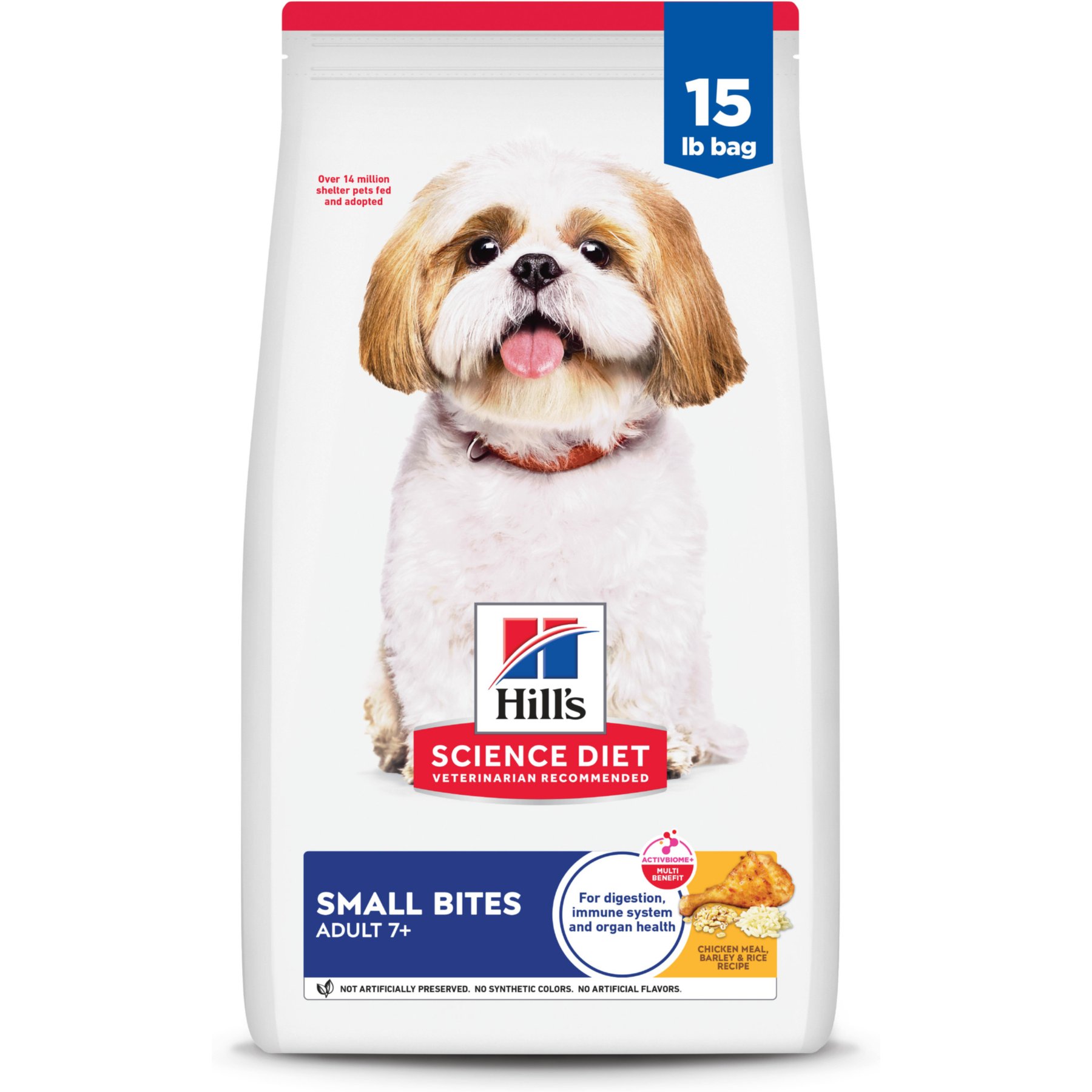
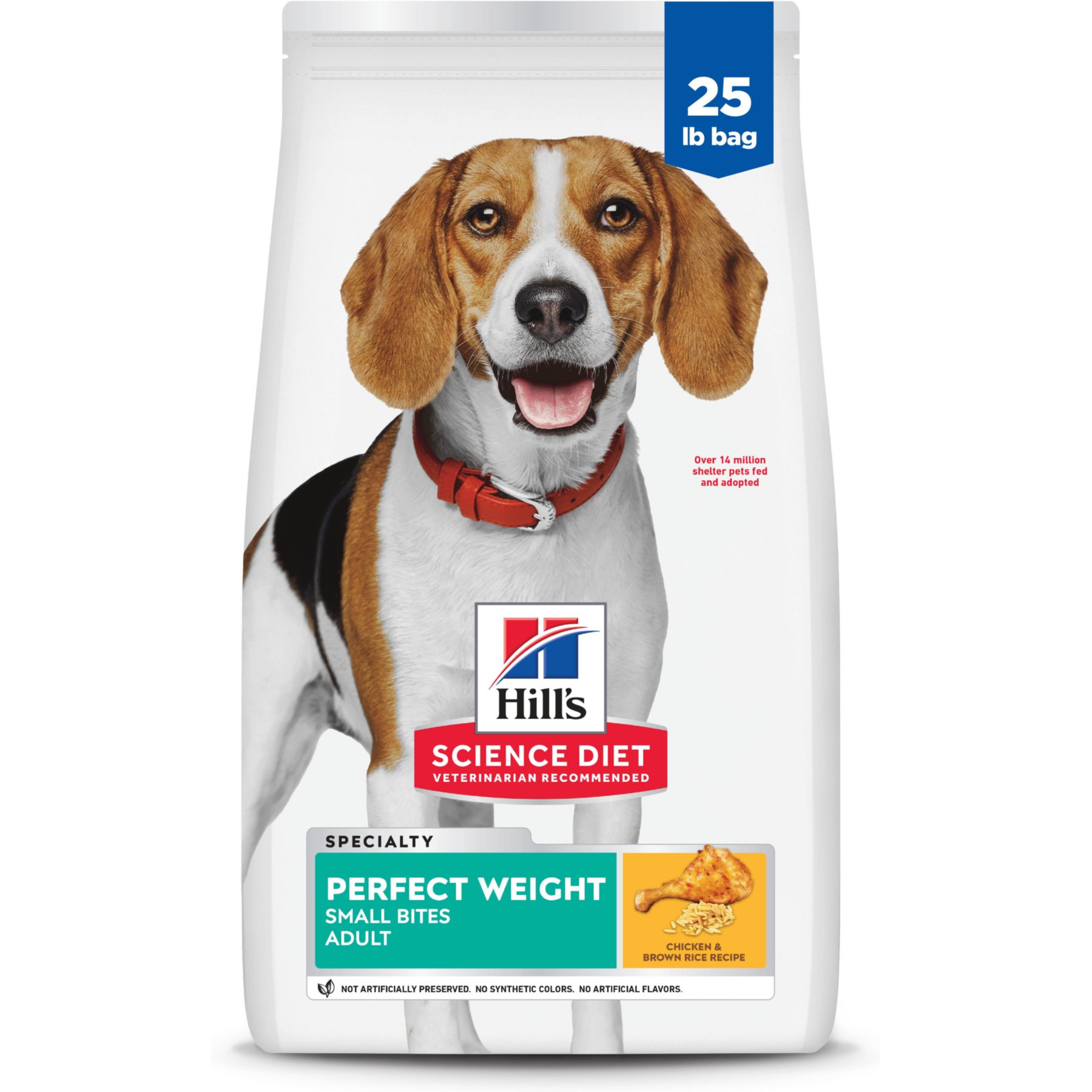
Hill's Science Diet Adult Small Breed
- Rating: 4.77/5 from over 3,000 reviews
- Easy-to-digest ingredients including pumpkin
- Omega-6 fatty acids for healthy skin and coat
- Small kibble size for smaller mouths
- Made in the USA
Purina Pro Plan Small Breed Adult
- Real chicken as the first ingredient
- Crunchy kibble for dental health
- Omega fatty acids for skin and coat
- Probiotics for digestive health
For Toy Poodles
Royal Canin Breed Health Nutrition Poodle Adult
- Specifically designed for Poodles
- Unique kibble shape for Poodle jaw structure
- EPA and DHA for skin and coat health
- Supports healthy muscles
Purina Pro Plan Adult Toy Breed
- Rating: 4.78/5 from 794 reviews
- High-protein formula with real chicken
- Includes minerals for strong bones and teeth
- Guaranteed live probiotics
- Made in the USA
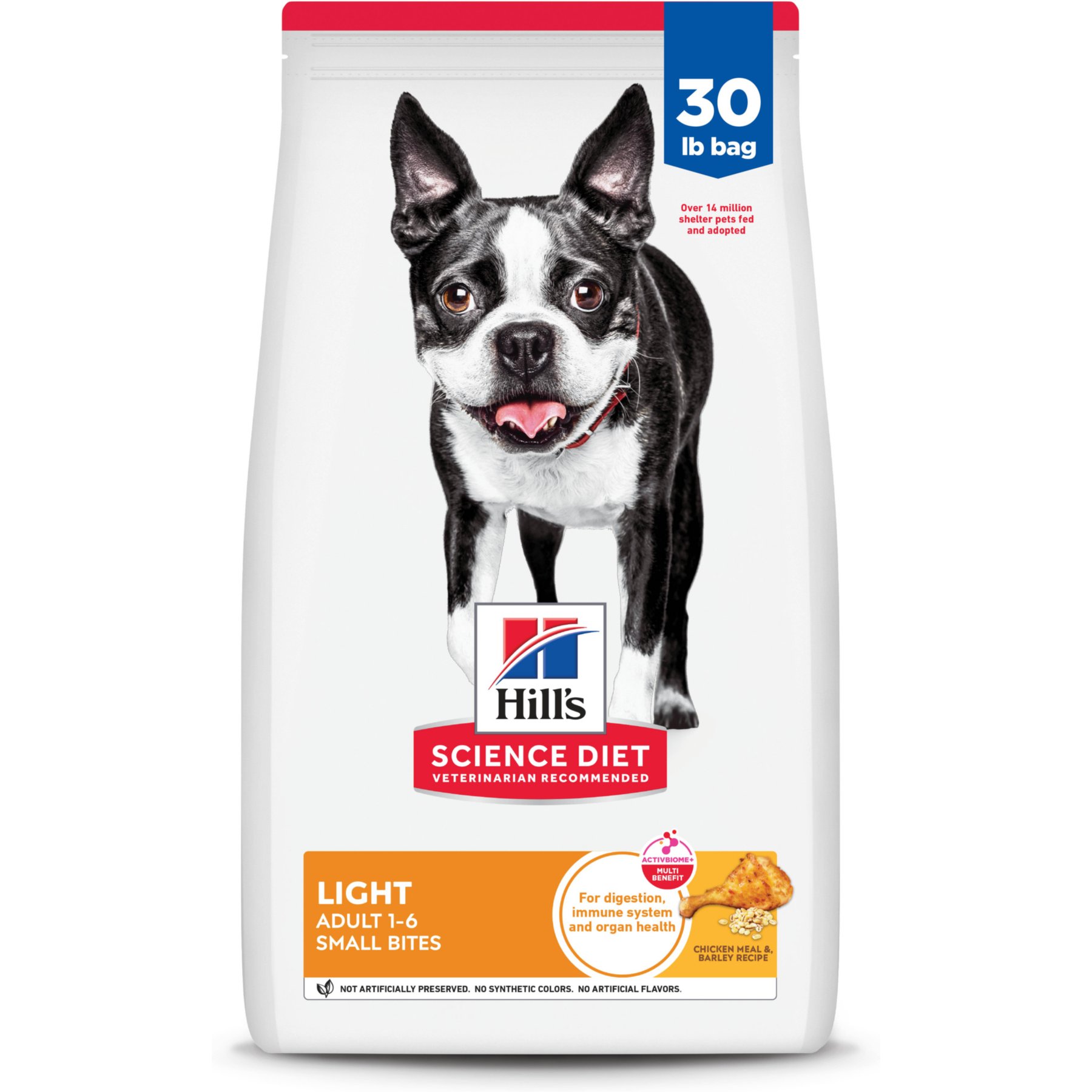
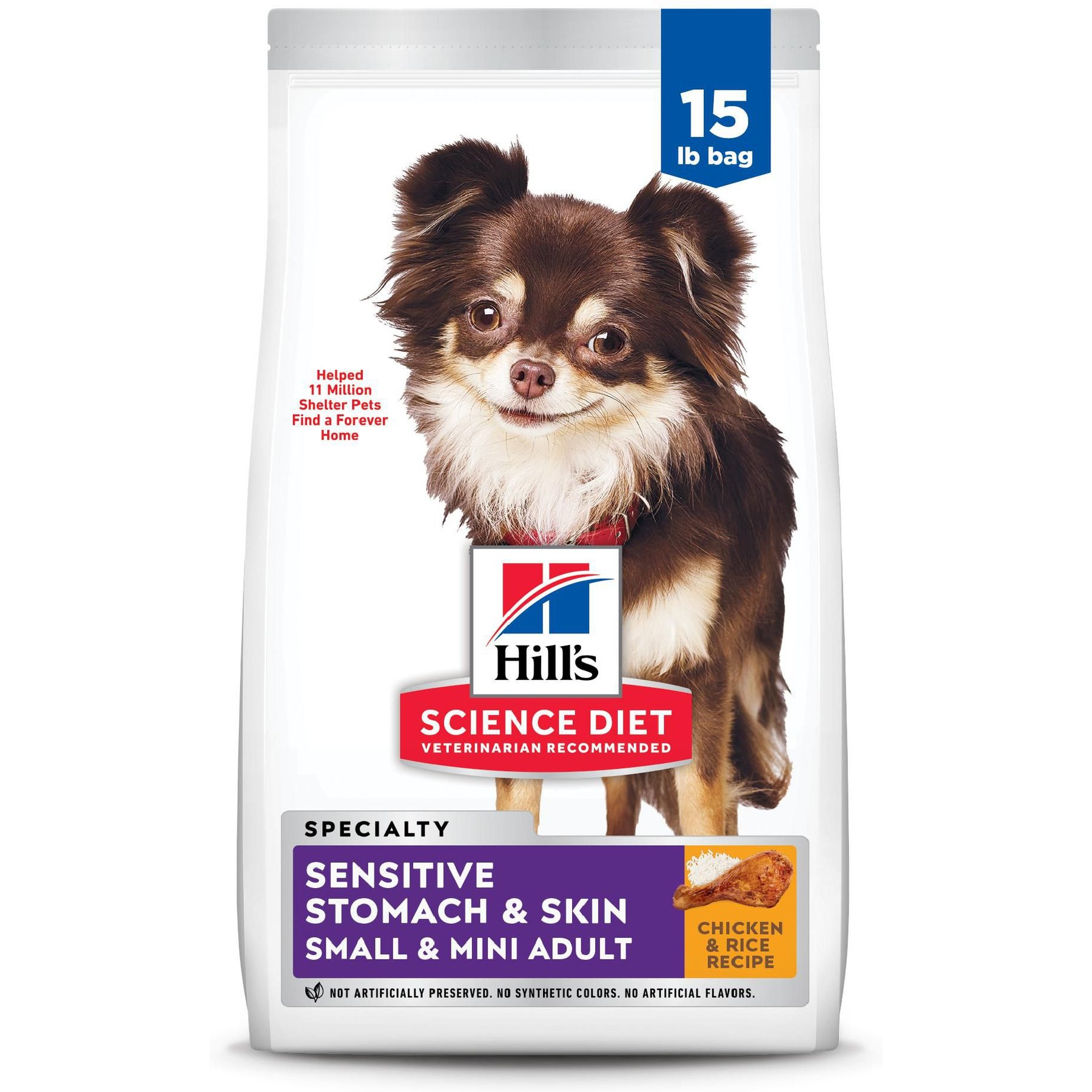
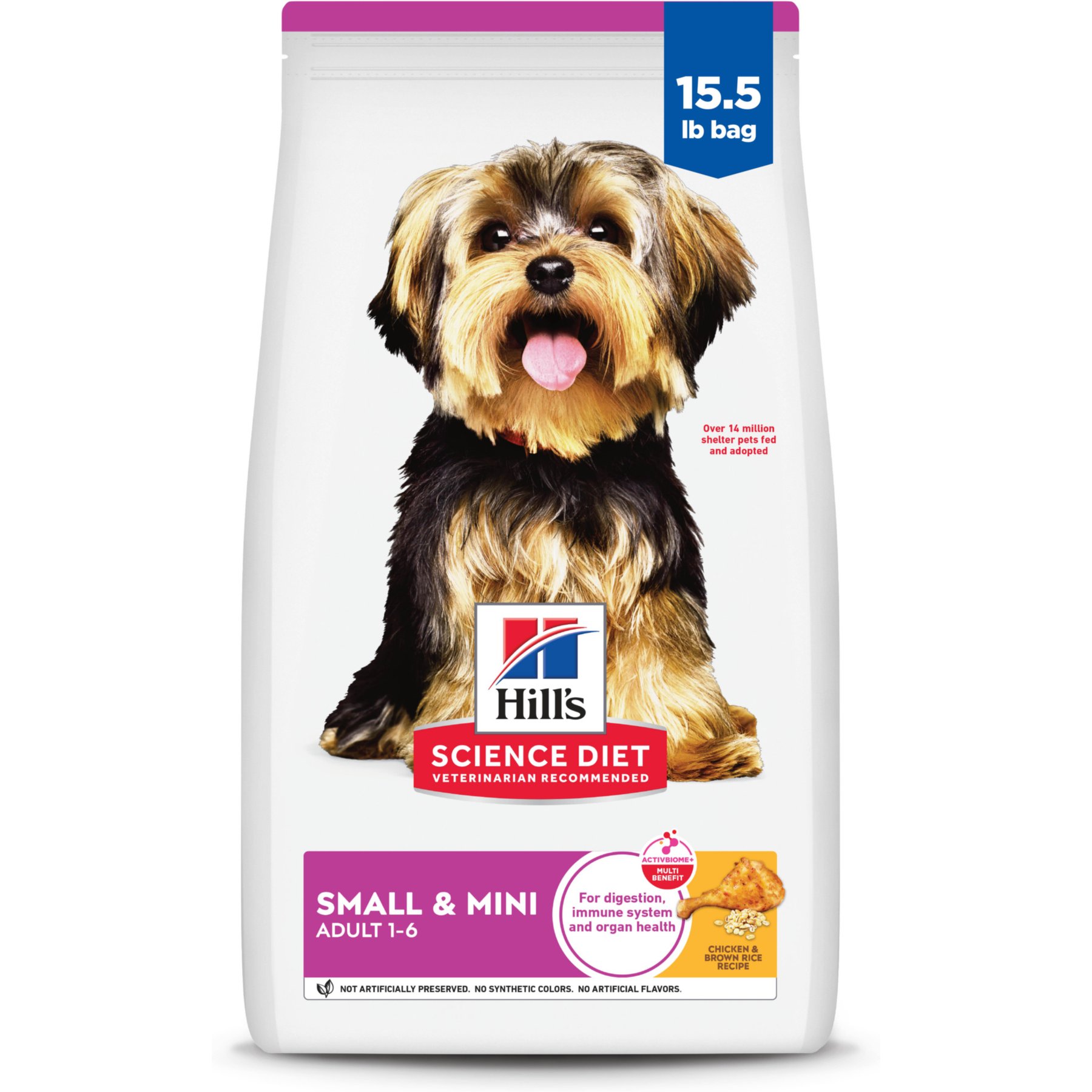
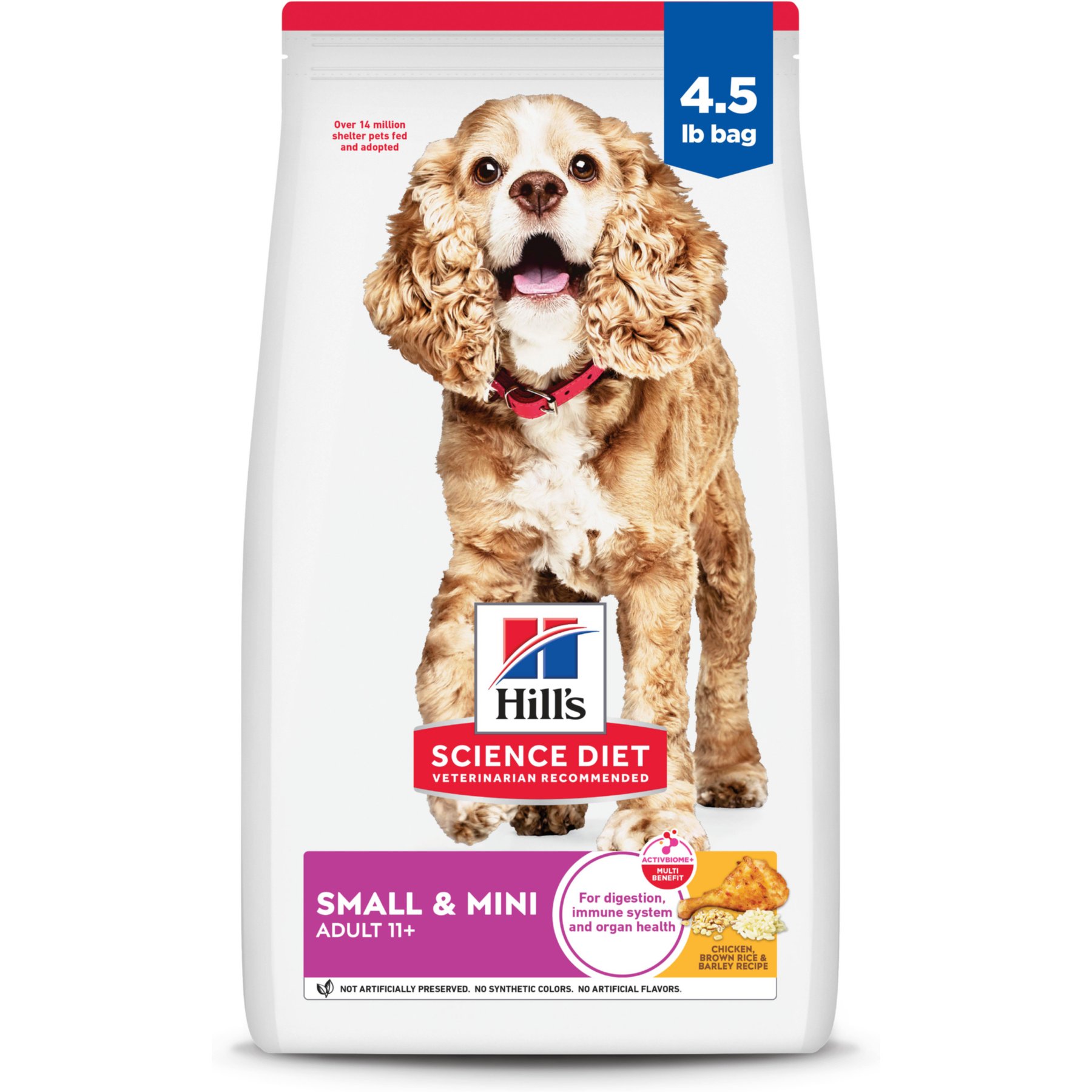
Hill's Science Diet Adult Small & Mini Breed
- Precisely balanced nutrition for small dogs
- High-quality protein for lean muscle
- Antioxidants for immune support
For Sensitive Skin and Coat
Purina Pro Plan Sensitive Skin & Stomach
- Salmon as the first ingredient
- Rich in omega fatty acids
- Oatmeal for gentle digestion
- No corn, wheat, or soy
Feeding Guidelines by Size
Standard Poodles (45-70 lbs)
| Weight | Daily Amount | Meals Per Day |
|---|---|---|
| 45-55 lbs | 2.25 - 2.75 cups | 2 |
| 55-65 lbs | 2.75 - 3.25 cups | 2 |
| 65-70 lbs | 3.25 - 3.5 cups | 2 |
Miniature Poodles (15-17 lbs)
| Weight | Daily Amount | Meals Per Day |
|---|---|---|
| 14-16 lbs | 0.75 - 1 cup | 2 |
| 16-18 lbs | 1 - 1.25 cups | 2 |
Toy Poodles (6-9 lbs)
| Weight | Daily Amount | Meals Per Day |
|---|---|---|
| 5-7 lbs | 0.33 - 0.5 cup | 2-3 |
| 7-9 lbs | 0.5 - 0.66 cup | 2-3 |
Note: Toy Poodles may benefit from 3 smaller meals to maintain stable blood sugar.
Maintaining the Poodle Coat Through Nutrition
The Poodle's distinctive curly coat requires special nutritional attention. Unlike most dogs, Poodles have hair that grows continuously like human hair, making nutrition essential for coat health.
Nutrients for a Healthy Poodle Coat
- Omega-3 fatty acids: Reduce inflammation and add shine
- Omega-6 fatty acids: Support skin barrier function
- Protein: Hair is made of keratin protein
- Biotin: Supports hair growth and strength
- Zinc: Essential for healthy skin and coat
- Vitamin A: Supports skin cell production
Signs of Nutritional Deficiency in the Coat
- Dull, lackluster curls
- Brittle, breaking hair
- Thinning coat
- Dry, flaky skin underneath
- Excessive matting despite grooming
Size-Specific Feeding Tips
Standard Poodles
- Feed 2 meals daily to reduce bloat risk
- Use slow-feeder bowls
- Wait 30-60 minutes after meals before exercise
- Monitor weight carefully—Standards can gain weight easily
Miniature Poodles
- 2 meals daily works well for most
- Choose small breed formulas for appropriate kibble size
- Monitor dental health
- Keep treats to ≤10% of daily calories
Toy Poodles
- Consider 3 smaller meals daily to prevent hypoglycemia
- Keep food available if your Toy Poodle is prone to low blood sugar
- Extra small kibble or wet food may be easier to eat
- Monitor weight carefully—even a few ounces matter at this size
Frequently Asked Questions
Should different Poodle sizes eat different food?
Yes. Standard Poodles benefit from large breed formulas with joint support. Miniature Poodles do well on small breed formulas with smaller kibble. Toy Poodles need extra small breed formulas with high calorie density and small kibble designed for their tiny mouths.
Why is my Poodle a picky eater?
Poodles are known for being particular about food. This may be due to their intelligence and sensitivity. Try warming food slightly to enhance aroma, adding warm water or low-sodium broth, or offering food at consistent times. Avoid switching foods too frequently, which can worsen pickiness.
How do I prevent my Standard Poodle from getting bloat?
Feed 2-3 smaller meals instead of one large meal. Use a slow-feeder bowl to prevent rapid eating. Avoid vigorous exercise 30-60 minutes before and after meals. Don't use elevated bowls (research is mixed). Ensure your dog has access to fresh water but doesn't gulp large amounts at once.
What's causing my Poodle's skin problems?
Poodles are prone to skin allergies and sensitivities. Common culprits include:
- Food allergies (often chicken, beef, wheat, or corn)
- Environmental allergies
- Insufficient omega fatty acids in diet
- Poor-quality ingredients
Try a limited ingredient diet or a food with novel proteins. Ensure adequate omega-3 intake. Consult your vet if problems persist.
My Toy Poodle sometimes seems weak or shaky. What's wrong?
Toy Poodles are prone to hypoglycemia (low blood sugar), especially puppies. Signs include shakiness, weakness, confusion, or collapse. Feed small, frequent meals throughout the day. Keep honey or corn syrup on hand for emergencies. If this occurs regularly, consult your vet immediately.
Related Resources
- Feeding Calculator - Calculate exact calorie needs for your Poodle
- Small Breed Dog Food - More small breed options
- Large Breed Dog Food - Options for Standard Poodles
- Dog Food for Skin Allergies - Allergy-friendly options
- Compare Dog Foods - Side-by-side product comparison