Pomeranians are spirited, fluffy companions known for their fox-like faces, abundant double coats, and bold personalities that belie their tiny size. These small but mighty dogs have specific nutritional needs shaped by their fast metabolism, luxurious coat, and vulnerability to certain health conditions.
Nutritional Needs of Pomeranians
Pomeranians are a toy breed, typically weighing just 3-7 pounds. Despite their small size, they have high energy levels and fast metabolisms that require nutrient-dense food.
Key Nutritional Requirements
- High-quality protein (26-30%): Supports lean muscle in this active toy breed
- Higher calorie density: Small dogs need more calories per pound than larger breeds
- Omega-3 and omega-6 fatty acids: Essential for their magnificent double coat
- Small kibble size: Their tiny mouths need appropriately sized food
- Easily digestible ingredients: Toy breeds can have sensitive stomachs
- Consistent energy sources: Helps prevent hypoglycemia
Common Health Concerns That Affect Diet
Pomeranians face several breed-specific health challenges:
- Hypoglycemia: Low blood sugar is common, especially in puppies and small adults
- Dental disease: Tiny mouths crowd teeth
- Luxating patella: Joint support helps
- Tracheal collapse: Weight management reduces pressure on airways
- Coat problems: Their double coat needs nutritional support
- Heart disease: Quality nutrition supports heart health
- Hypothyroidism: Quality nutrition supports thyroid function
What to Look for in Pomeranian Food
Must-Have Features
- Toy breed or extra small breed formula
- Very small kibble size
- High-quality animal protein as first ingredient
- Calorie-dense for their fast metabolism
- Omega fatty acids for coat
- Easily digestible ingredients
Beneficial Ingredients
- Chicken, fish, or lamb (quality proteins)
- Fish oil or flaxseed (omega fatty acids)
- Sweet potato (digestible carbs)
- Biotin and zinc (coat health)
- Probiotics (digestive support)
Top Recommended Products
Based on our database analysis, these products are excellent choices for Pomeranians:
Premium Toy/Small Breed Options
Purina Pro Plan Adult Toy Breed
- Rating: 4.78/5 from 794 reviews
- High-protein formula with real chicken
- Minerals for strong bones and teeth
- Guaranteed live probiotics
- Extra small kibble size
- Made in the USA
Royal Canin X-Small Adult
- For dogs under 9 lbs
- Extra small kibble for tiny mouths
- Supports digestive health
- EPA and DHA for skin and coat
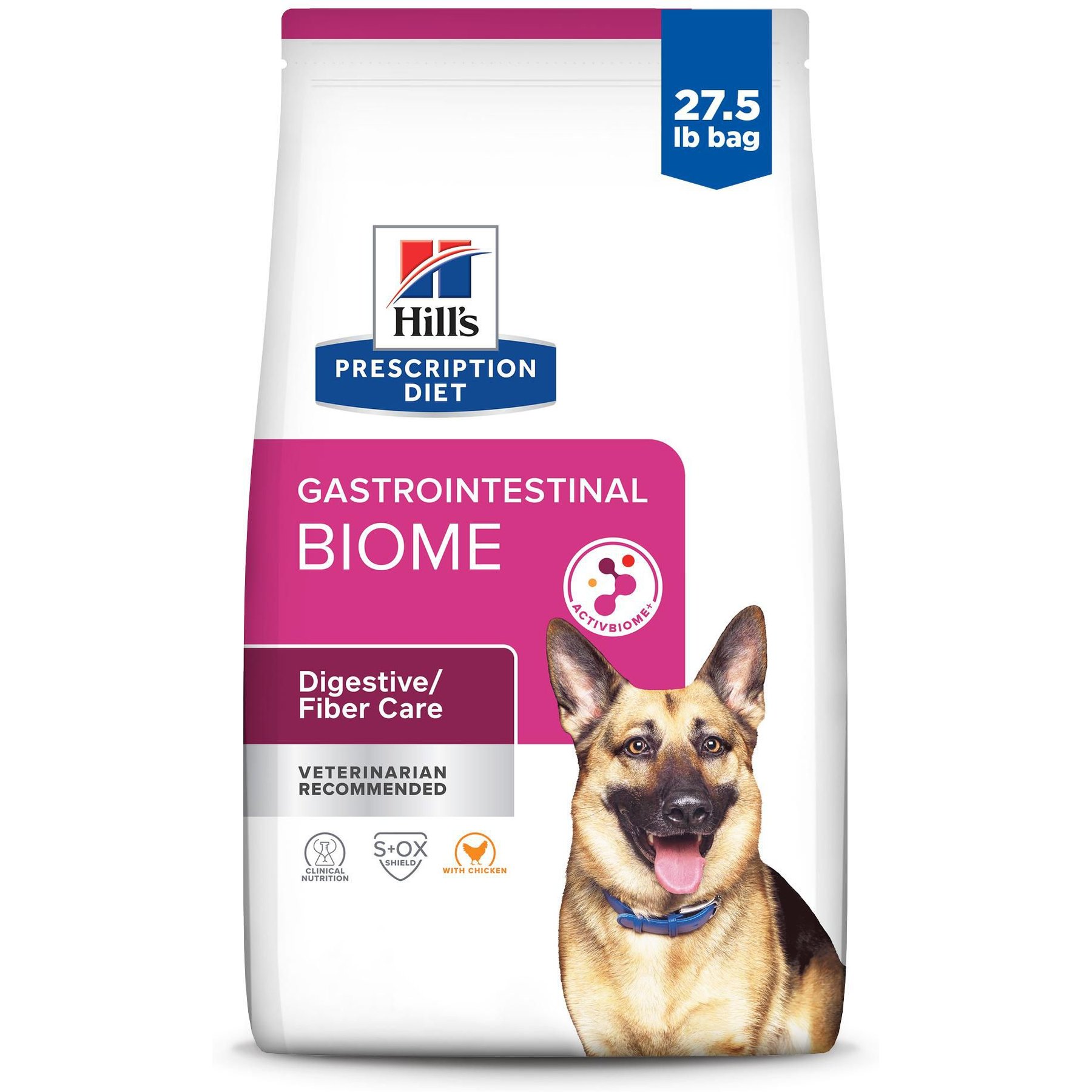
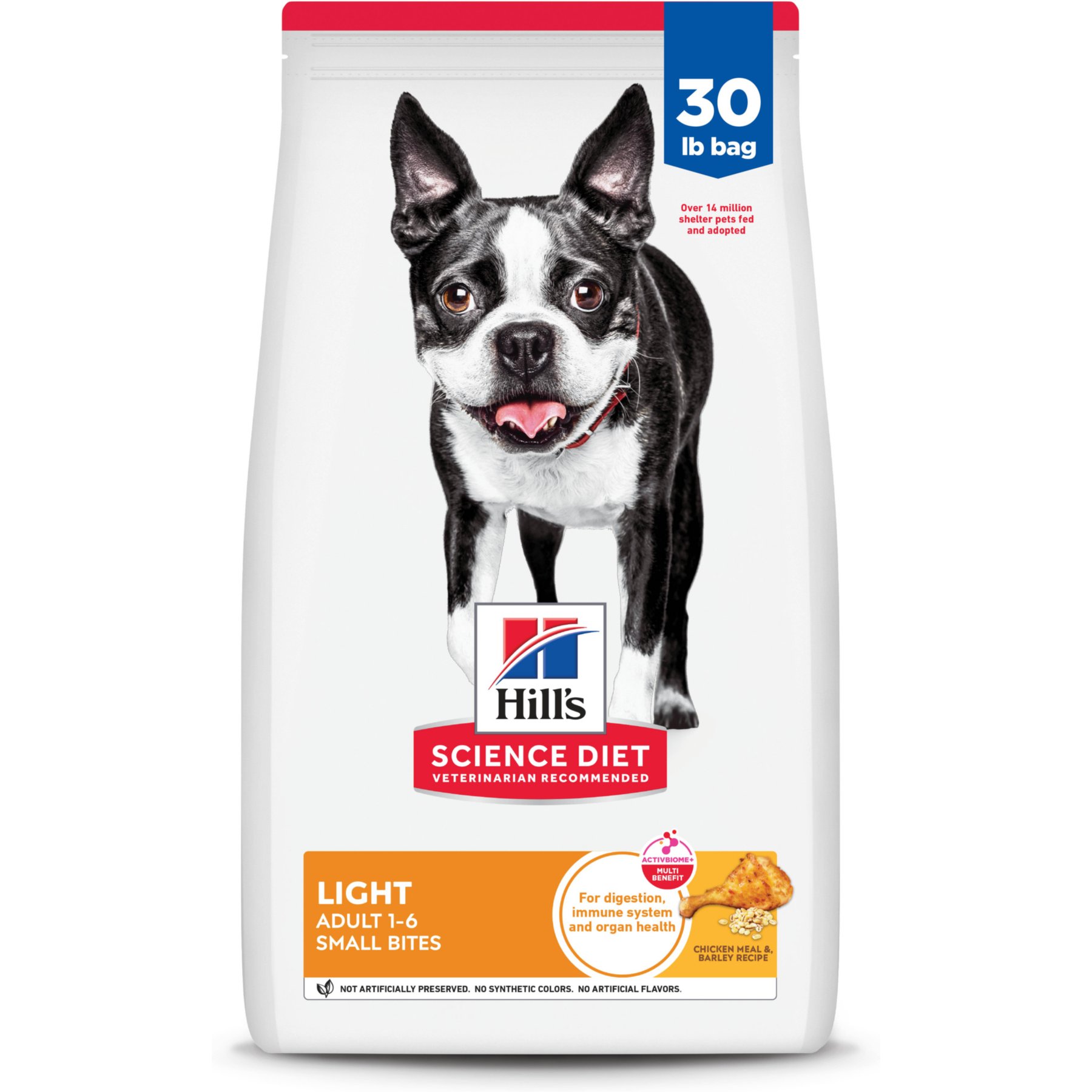
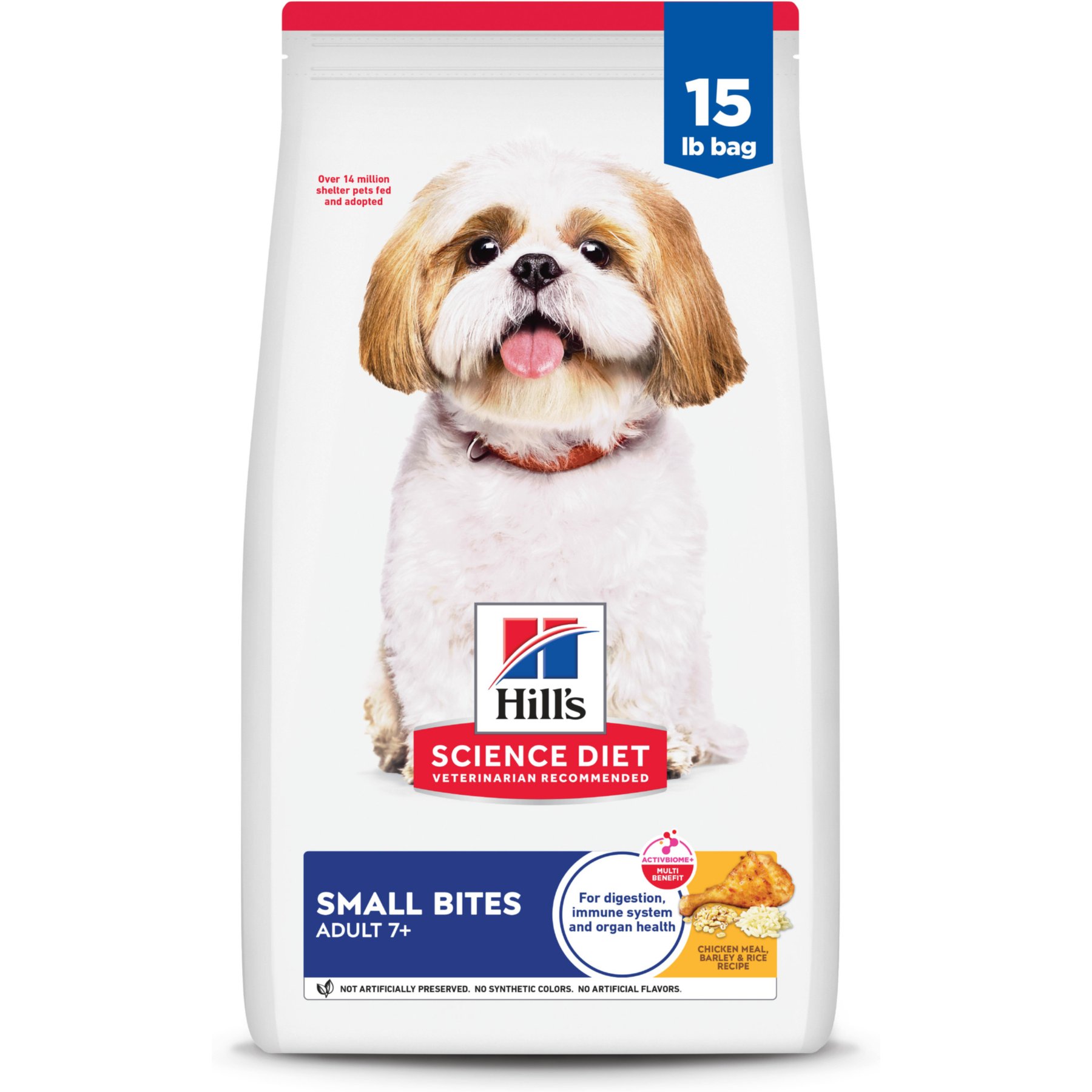
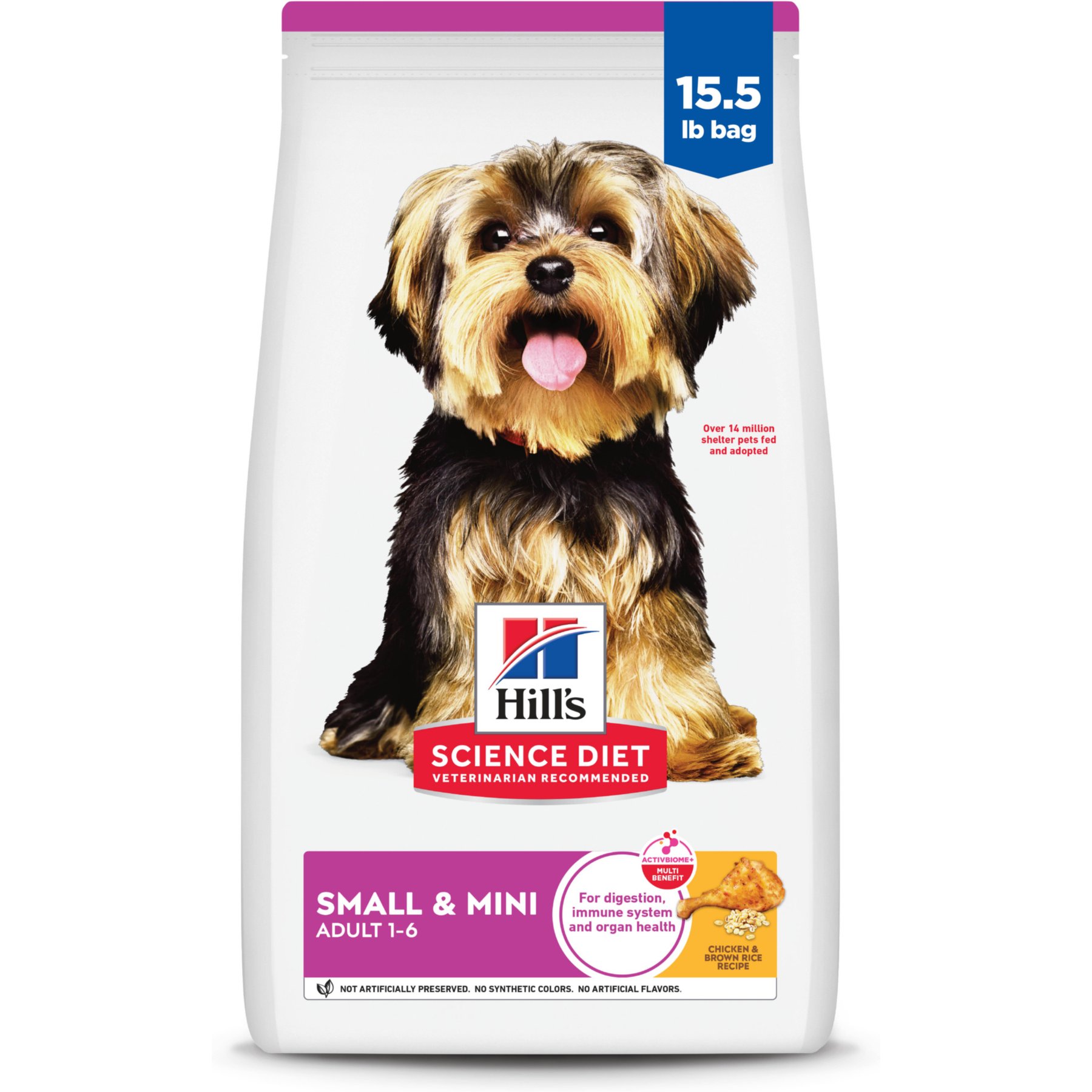
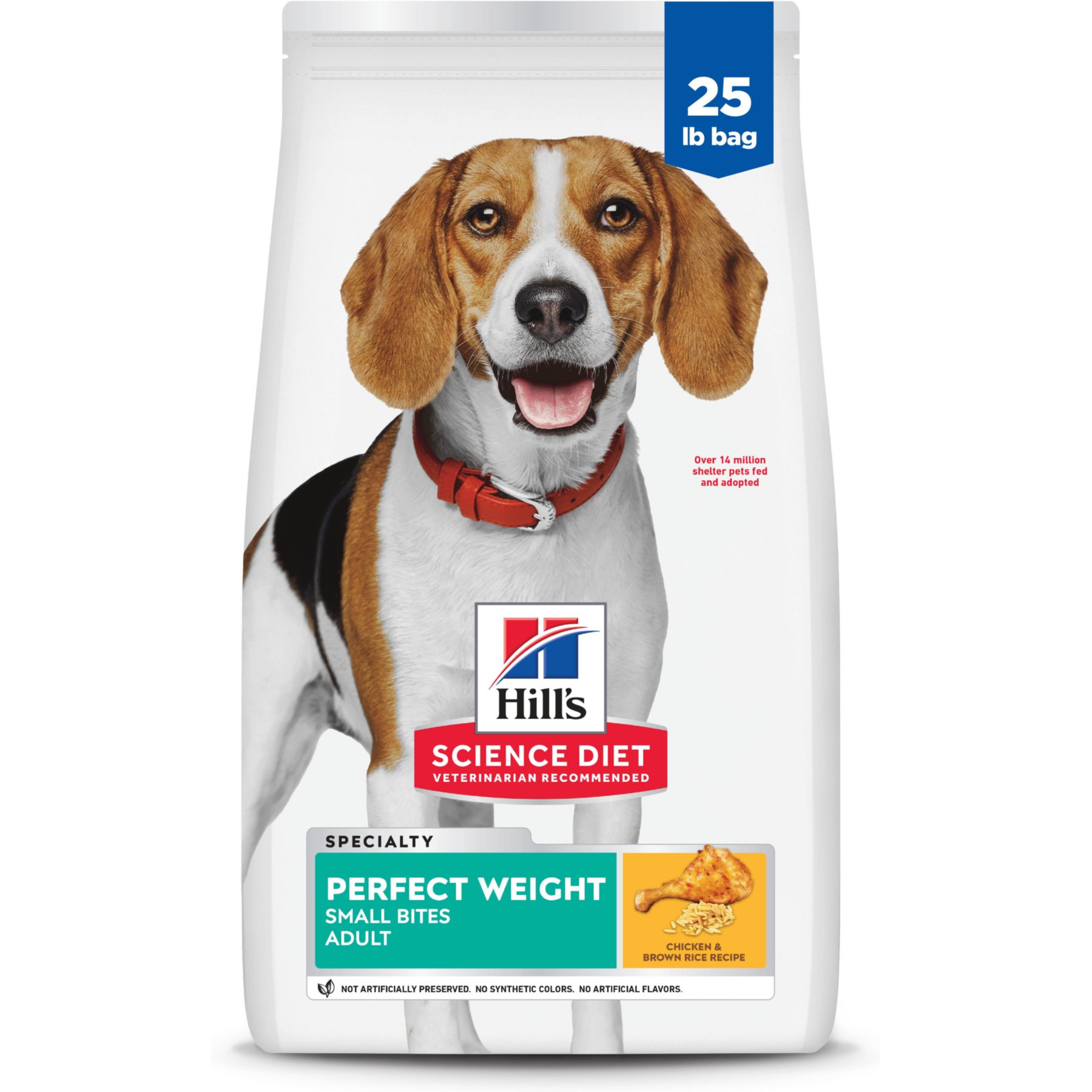
Hill's Science Diet Adult Small & Mini Breed
- Rating: 4.77/5 from over 3,000 reviews
- Easy-to-digest ingredients
- Omega fatty acids for coat
- Small kibble size
- Made with real chicken
For Sensitive Stomachs
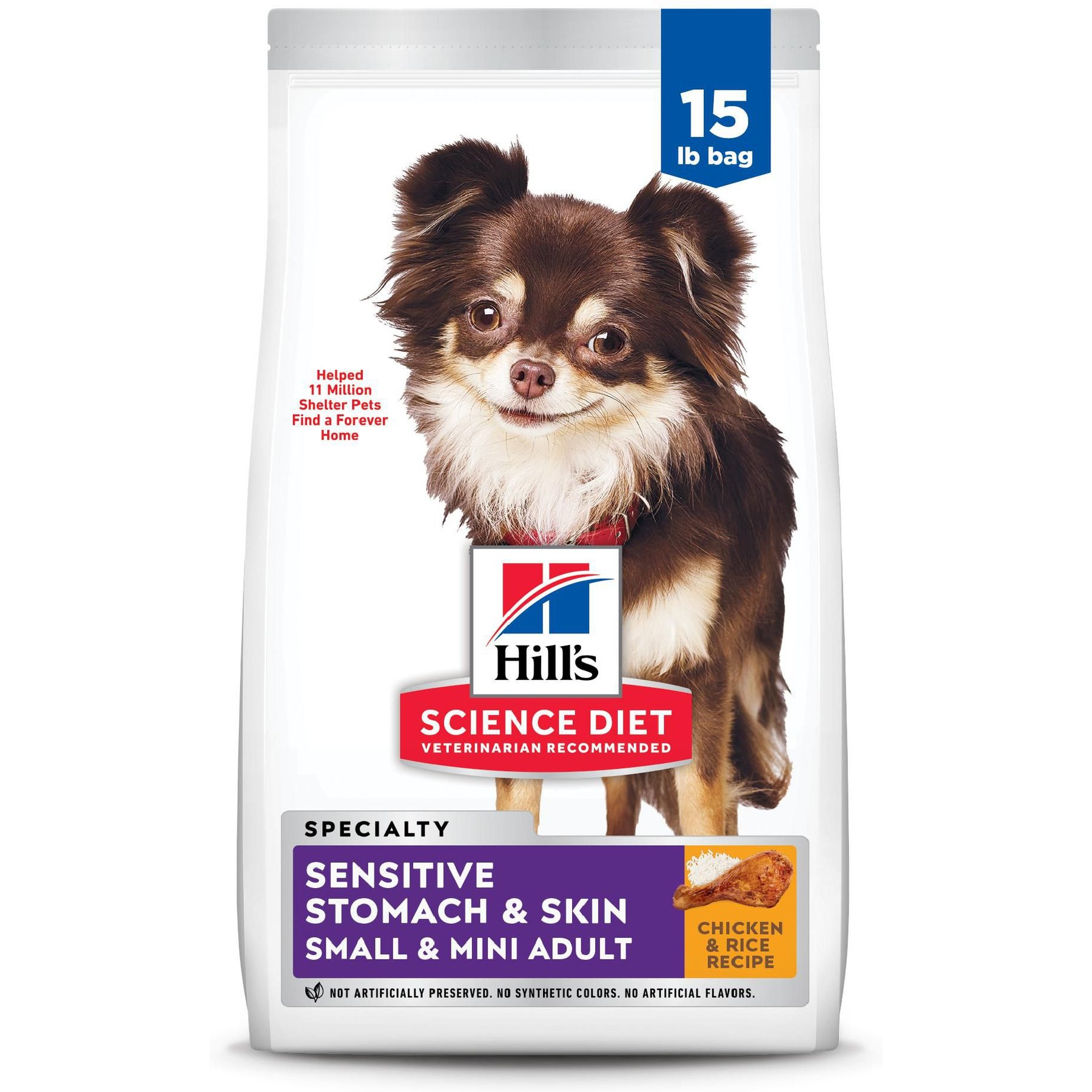
Hill's Science Diet Sensitive Stomach & Skin Small Breed
- Prebiotic fiber for digestive health
- Omega fatty acids for skin and coat
- Easy to digest
- Small kibble
Feeding Guidelines
| Weight | Daily Amount | Meals Per Day |
|---|---|---|
| 3-4 lbs | 0.25 - 0.33 cup | 2-3 |
| 4-5 lbs | 0.33 - 0.40 cup | 2-3 |
| 5-7 lbs | 0.40 - 0.50 cup | 2-3 |
Note: Very small Poms may need 3 smaller meals to maintain stable blood sugar.
Preventing Hypoglycemia
Low blood sugar is a serious concern for toy breeds like Pomeranians.
Prevention Strategies
- Feed 3-4 small meals daily (especially for puppies and very small adults)
- Use calorie-dense toy breed food
- Never skip meals
- Keep honey or Karo syrup on hand for emergencies
- Monitor for symptoms after play or stress
Warning Signs
- Weakness or lethargy
- Trembling or shaking
- Confusion or disorientation
- Wobbly gait
- Seizures (severe cases)
Emergency Action: Rub honey or Karo syrup on gums and get to a vet immediately.
Maintaining the Pomeranian Coat
Key Nutrients for Coat Health
- Omega-3 fatty acids: Add shine and reduce inflammation
- Omega-6 fatty acids: Support skin barrier
- Biotin: Strengthens hair
- Zinc: Essential for skin health
- Protein: Coat is made of keratin protein
Signs of Poor Coat Nutrition
- Dull, flat coat
- Excessive shedding
- Brittle hair
- Skin flaking
- Thinning coat
Feeding Tips for Pomeranians
- Small, frequent meals: Prevents hypoglycemia
- Extra small kibble: Appropriate for tiny mouths
- Consistent schedule: Same times daily
- Quiet feeding environment: Reduces stress
- Room temperature food: More palatable
- Fresh water always: Supports all functions
Life Stage Considerations
Pomeranian Puppies (Critical Phase)
- 4-5 very small meals daily until 4 months
- 3-4 meals until 6 months
- 2-3 meals for adults
- Puppy formula until 12 months
- Monitor closely for hypoglycemia
Adult Pomeranians (1-8 years)
- 2-3 meals daily
- Toy breed adult formula
- Focus on coat and dental health
- Regular weight monitoring
Senior Pomeranians (8+ years)
- Senior formula may be appropriate
- Dental-friendly options important
- Joint support as they age
- More frequent health monitoring
Frequently Asked Questions
How much should I feed my Pomeranian?
Most adult Pomeranians need 200-350 calories daily depending on size and activity. This typically translates to 1/4 to 1/2 cup of dry food daily, split into 2-3 meals. Their tiny stomachs can't handle large meals.
Why is my Pomeranian a picky eater?
Pomeranians can be finicky. Try warming food slightly, adding warm water, or mixing in a small amount of wet food. Avoid frequent food changes, which can worsen pickiness. If appetite loss is sudden, consult your vet.
My Pomeranian shakes after playing. Is this hypoglycemia?
It could be. Small, active Pomeranians can experience blood sugar drops after exercise. If shaking is accompanied by weakness or confusion, rub honey on their gums and offer food. If symptoms persist or worsen, seek veterinary care immediately.
Should I give my Pomeranian supplements?
A high-quality toy breed food should provide complete nutrition. Some Pomeranians benefit from fish oil for coat health. Consult your vet before adding supplements.
What foods are dangerous for Pomeranians?
The same foods toxic to all dogs are especially dangerous for tiny Pomeranians because of their size: chocolate, grapes/raisins, onions, garlic, xylitol, and others. Even small amounts can be harmful to a 5-pound dog.
Related Resources
- Feeding Calculator - Calculate exact calorie needs for your Pom
- Small Breed Dog Food - More small breed options
- Dog Food for Skin Allergies - Coat health options
- Compare Dog Foods - Side-by-side product comparison