Pembroke Welsh Corgis are spirited, intelligent herding dogs known for their distinctive long bodies, short legs, and larger-than-life personalities. These sturdy little dogs have specific nutritional needs shaped by their unique body structure and active herding heritage.
Nutritional Needs of Pembroke Welsh Corgis
Corgis are a small to medium breed, typically weighing 25-30 pounds. Their long spine and short legs create unique nutritional priorities centered on weight management and joint health.
Key Nutritional Requirements
- Moderate protein (22-26%): Supports lean muscle
- Controlled fat (10-14%): Weight management is critical
- Glucosamine and chondroitin: Essential for spine and joint health
- L-carnitine: Supports metabolism and lean body mass
- Omega fatty acids: Support coat and skin health
- High-quality fiber: Promotes satiety to prevent overeating
Common Health Concerns That Affect Diet
Corgis face several breed-specific challenges directly related to their body structure:
- Intervertebral disc disease (IVDD): Long spine + short legs = back problems; weight control is crucial
- Obesity: Extra weight dramatically increases back injury risk
- Hip dysplasia: Joint support nutrients are important
- Degenerative myelopathy: Neurological condition; proper nutrition supports overall health
- Von Willebrand's disease: Bleeding disorder in some lines
- Progressive retinal atrophy: Antioxidants support eye health
What to Look for in Corgi Food
Must-Have Features
- Small to medium breed formula
- Joint support (glucosamine and chondroitin)
- Moderate calorie density
- L-carnitine for metabolism
- High-quality protein
- No artificial preservatives
Critical for Corgis
- Weight management formulas are often appropriate
- Joint support is essential
- Avoid overfeeding—their back health depends on it
Top Recommended Products
Premium Options for Corgis
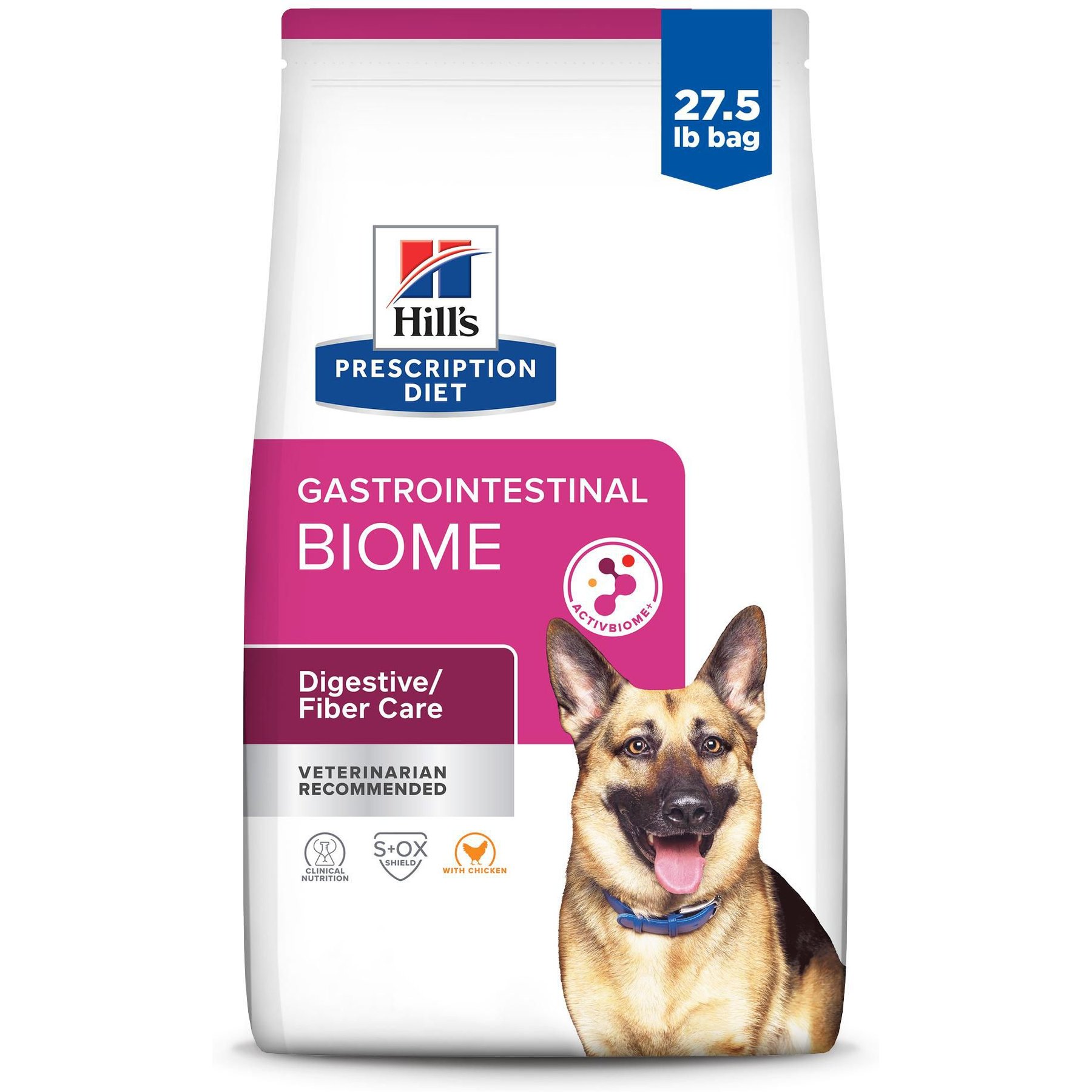
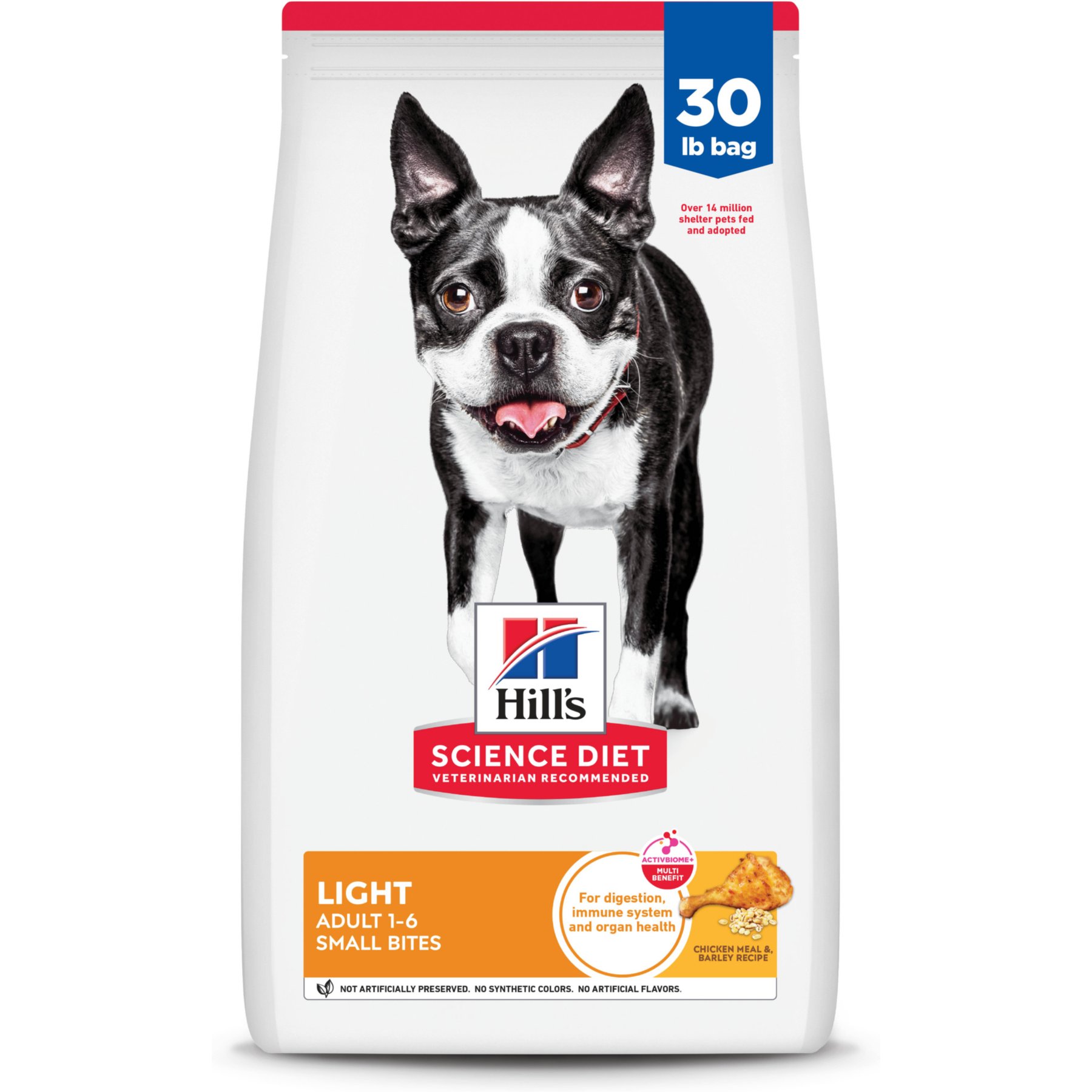
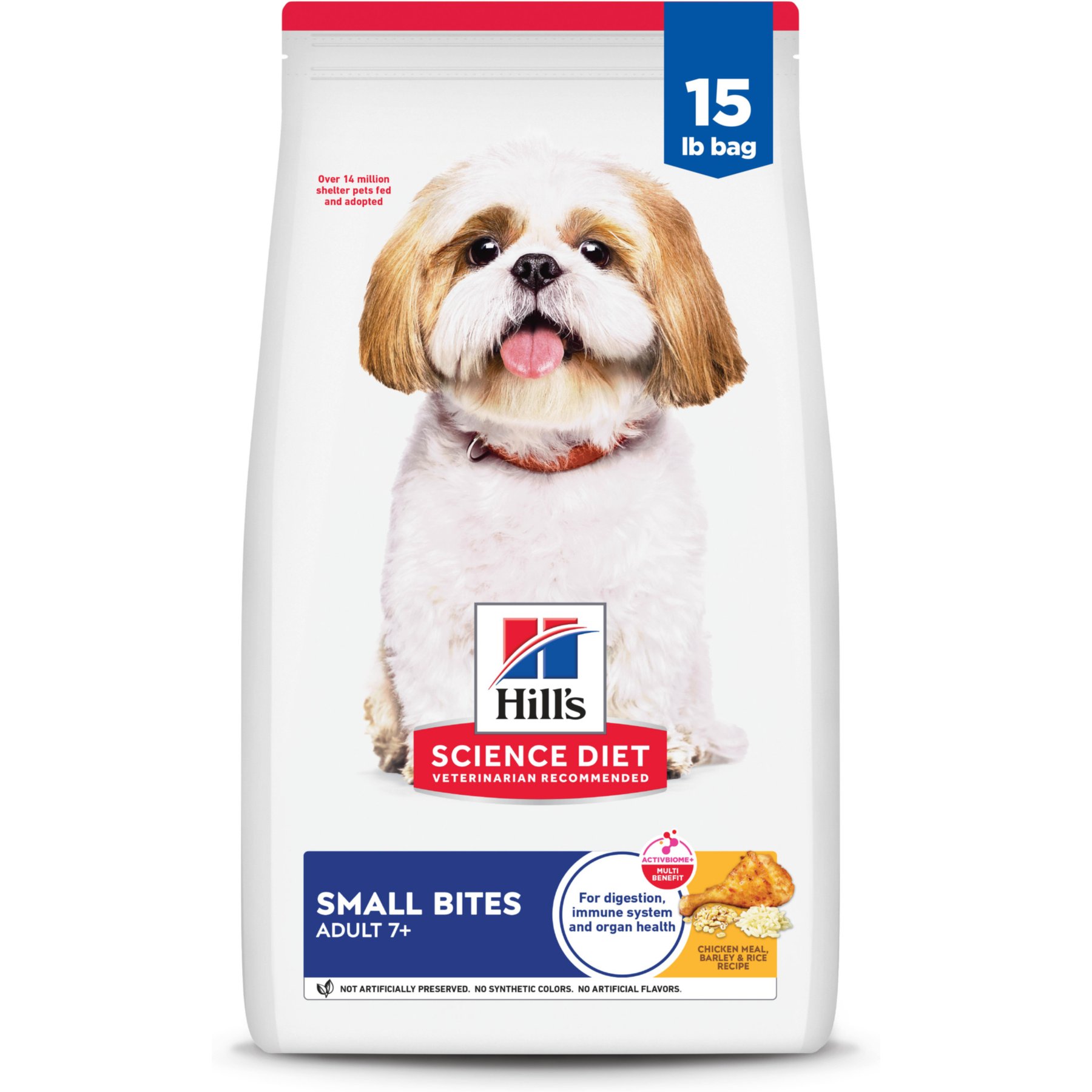
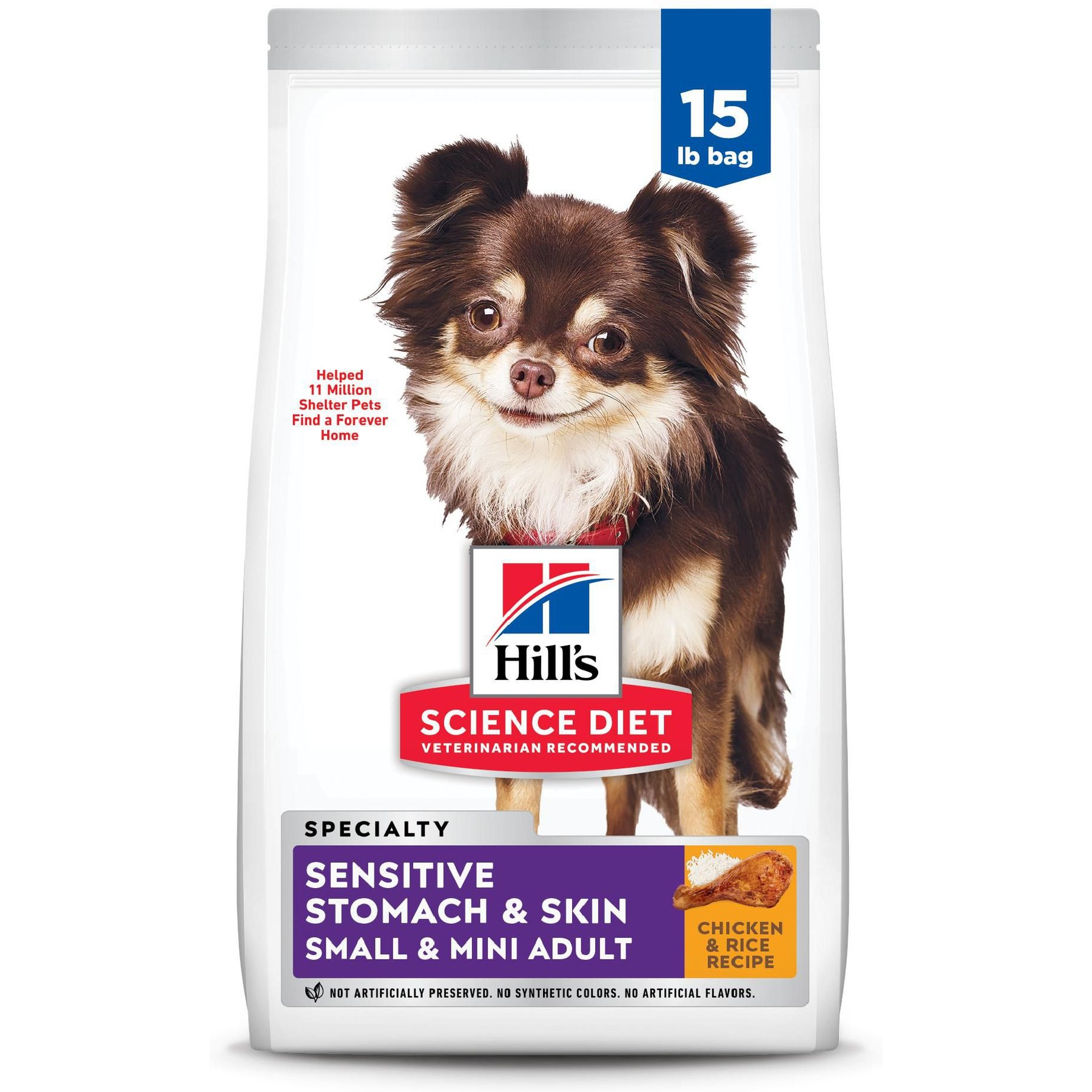
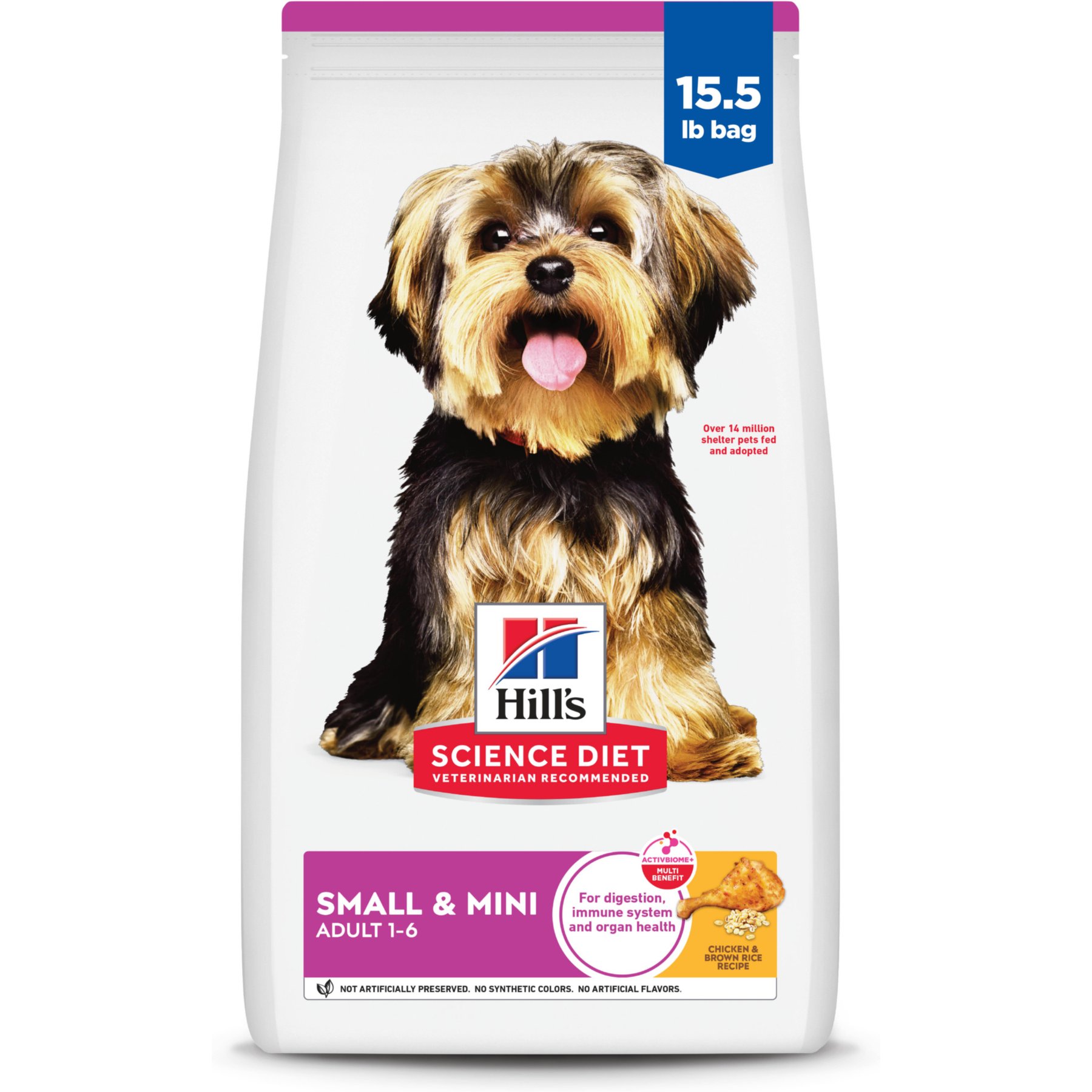
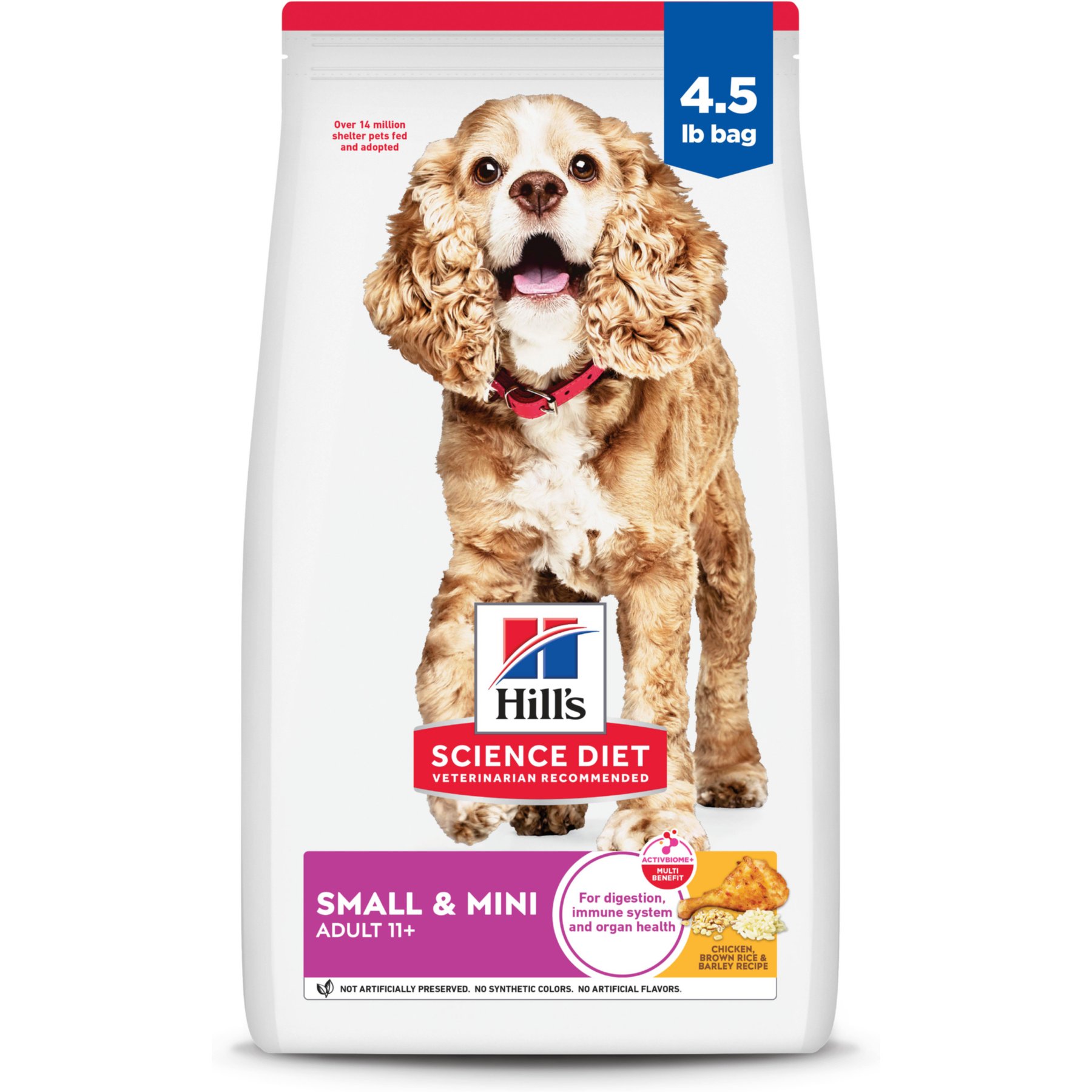
Hill's Science Diet Adult Small Breed
- Rating: 4.77/5 from over 3,000 reviews
- Easy-to-digest ingredients
- Omega fatty acids
- Made in the USA
Royal Canin Small Weight Care
- Rating: 4.80/5
- L-carnitine for metabolism
- Fiber for satiety
- Helps maintain ideal weight
Purina Pro Plan Small Breed Adult
- Real chicken as first ingredient
- Omega fatty acids for coat
- Probiotics for digestion
For Weight Management
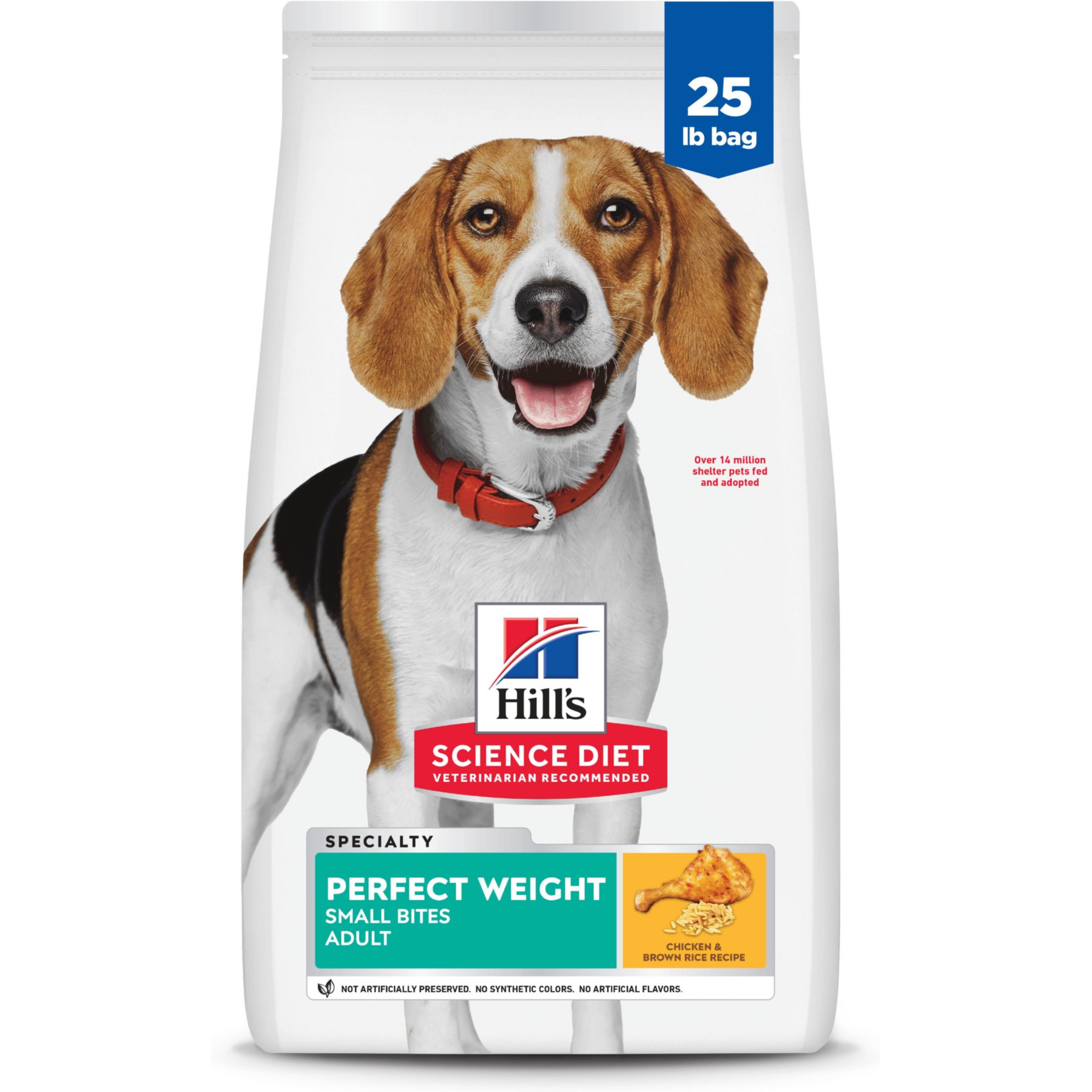
Hill's Science Diet Perfect Weight Small Breed
- Clinically proven for weight management
- Helps dogs feel full longer
- Supports lean muscle
For Joint Support
Purina Pro Plan Large Breed with Joint Health
- EPA and glucosamine for joints
- Works well for Corgis despite being "large breed"
- Supports mobility
Feeding Guidelines
| Weight | Daily Amount | Activity Level |
|---|---|---|
| 24-27 lbs | 1 - 1.25 cups | Moderate |
| 27-30 lbs | 1.25 - 1.5 cups | Moderate |
Critical Note: Most Corgis are overweight. If you can't easily feel ribs, reduce portions.
Weight Management: The Most Important Factor
For Corgis, weight isn't just cosmetic—it's about preventing painful, debilitating back injuries.
Why Weight is Critical for Corgis
- Their long spine is already vulnerable
- Extra weight dramatically increases IVDD risk
- Even 2-3 extra pounds is significant
- Lean Corgis live longer, healthier lives
Ideal Body Condition
- Ribs easily felt with minimal fat
- Visible waist when viewed from above
- Belly tucks up from side
- Active and agile movement
Signs Your Corgi is Overweight
- Can't feel ribs easily
- No visible waist
- Rounded belly
- Reluctance to jump or play
- Waddling gait
Weight Loss Tips
- Measure every meal precisely
- Use weight management formula
- Low-calorie treats only
- No table scraps
- Regular but moderate exercise
- Monthly weigh-ins
Protecting the Corgi Back
Nutrition for Spinal Health
- Glucosamine: Supports disc health
- Chondroitin: Works with glucosamine
- Omega-3s: Reduce inflammation
- Maintain lean weight: Most important!
Beyond Nutrition
- Use ramps instead of stairs when possible
- Don't let them jump on/off furniture
- Support entire body when lifting
- Moderate, consistent exercise
Feeding Tips for Corgis
- Strict portion control: Their health depends on it
- Two meals daily: Consistent schedule
- No free-feeding: Ever
- Low-calorie treats: Baby carrots, green beans
- Measure, don't estimate: Use actual measuring cups
- Monthly weigh-ins: Track weight trends
Life Stage Considerations
Corgi Puppies
- Puppy formula until 12 months
- 3-4 meals daily until 4 months, then 3, then 2
- Don't overfeed—establish portion control early
- Keep puppies lean
Adult Corgis (1-8 years)
- Small/medium breed adult formula
- Weight management is priority #1
- Joint support important
- Regular weight monitoring
Senior Corgis (8+ years)
- Senior formula
- Enhanced joint support
- May need reduced calories
- Watch for back problems
Frequently Asked Questions
How much should I feed my Corgi?
Most adult Corgis need 650-850 calories daily. This typically translates to 1-1.5 cups of dry food daily, split into two meals. Many Corgis are overfed—if you can't easily feel ribs, reduce portions.
Why is my Corgi always hungry?
Corgis have hearty appetites like many herding breeds. Their hunger doesn't mean they need more food. Stick to appropriate portions based on ideal weight. Use high-fiber foods for satiety. Distract with play instead of treats.
How do I protect my Corgi's back?
Maintain a lean body weight—this is the most important factor. Choose foods with glucosamine for joint support. Avoid activities that stress the spine (jumping, stairs). Use ramps when possible. Support the entire body when lifting.
What treats are safe for Corgis?
Given their weight-management needs, opt for low-calorie treats:
- Baby carrots
- Green beans
- Apple slices (no seeds)
- Small pieces of lean chicken
- Commercial low-cal treats
Keep treats to 10% of daily calories maximum.
At what age do Corgis typically develop back problems?
IVDD can occur at any age but is more common as Corgis get older. Prevention starts early: keep your Corgi lean throughout life, provide joint-supporting nutrition, and avoid activities that stress the spine.
Related Resources
- Feeding Calculator - Calculate calorie needs
- Dog Food for Weight Loss - Weight management options
- Dog Food for Joint Health - Joint support
- Compare Dog Foods - Side-by-side comparison