Canine obesity is an epidemic, with over 50% of dogs in the US classified as overweight or obese. Extra weight puts tremendous strain on your dog's body, but the right diet combined with portion control can help your dog achieve a healthier weight.
Understanding Canine Obesity
Obesity isn't just a cosmetic concern—it's a serious health condition that can shorten your dog's life and reduce their quality of life.
Health Risks of Excess Weight
- Joint problems: Arthritis, hip dysplasia worsening
- Diabetes: Increased risk significantly
- Heart disease: Extra strain on cardiovascular system
- Respiratory issues: Difficulty breathing
- Reduced lifespan: Up to 2+ years shorter
- Decreased mobility: Difficulty moving, playing
- Increased surgical risk: Complications more likely
- Heat intolerance: Harder to regulate temperature
How to Tell If Your Dog Is Overweight
- Ribs difficult to feel under fat layer
- No visible waist from above
- Sagging belly
- Fat deposits on neck and limbs
- Difficulty walking or exercising
- Body condition score 6+ (on 9-point scale)
Common Causes
- Overfeeding
- Too many treats
- Lack of exercise
- Spaying/neutering (reduces metabolism)
- Age-related metabolism slowdown
- Certain breeds predisposed
- Medical conditions (hypothyroidism)
What to Look for in Weight Loss Dog Food
Must-Have Features
- Reduced calorie density
- High protein to preserve muscle
- Increased fiber for satiety
- L-carnitine (fat metabolism)
- Complete nutrition despite fewer calories
Ideal Nutrient Profile
- Protein: 25-35%+ (higher than maintenance)
- Fat: 8-12% (reduced from standard)
- Fiber: 8-15% (increased for fullness)
- Calories: 250-300 kcal/cup (reduced)
- L-carnitine: Added for fat burning
Key Ingredients
- Lean proteins (chicken breast, turkey)
- High-fiber vegetables
- Whole grains for sustained energy
- Added L-carnitine
- No unnecessary fillers
Top Recommended Products
Weight Management Formulas
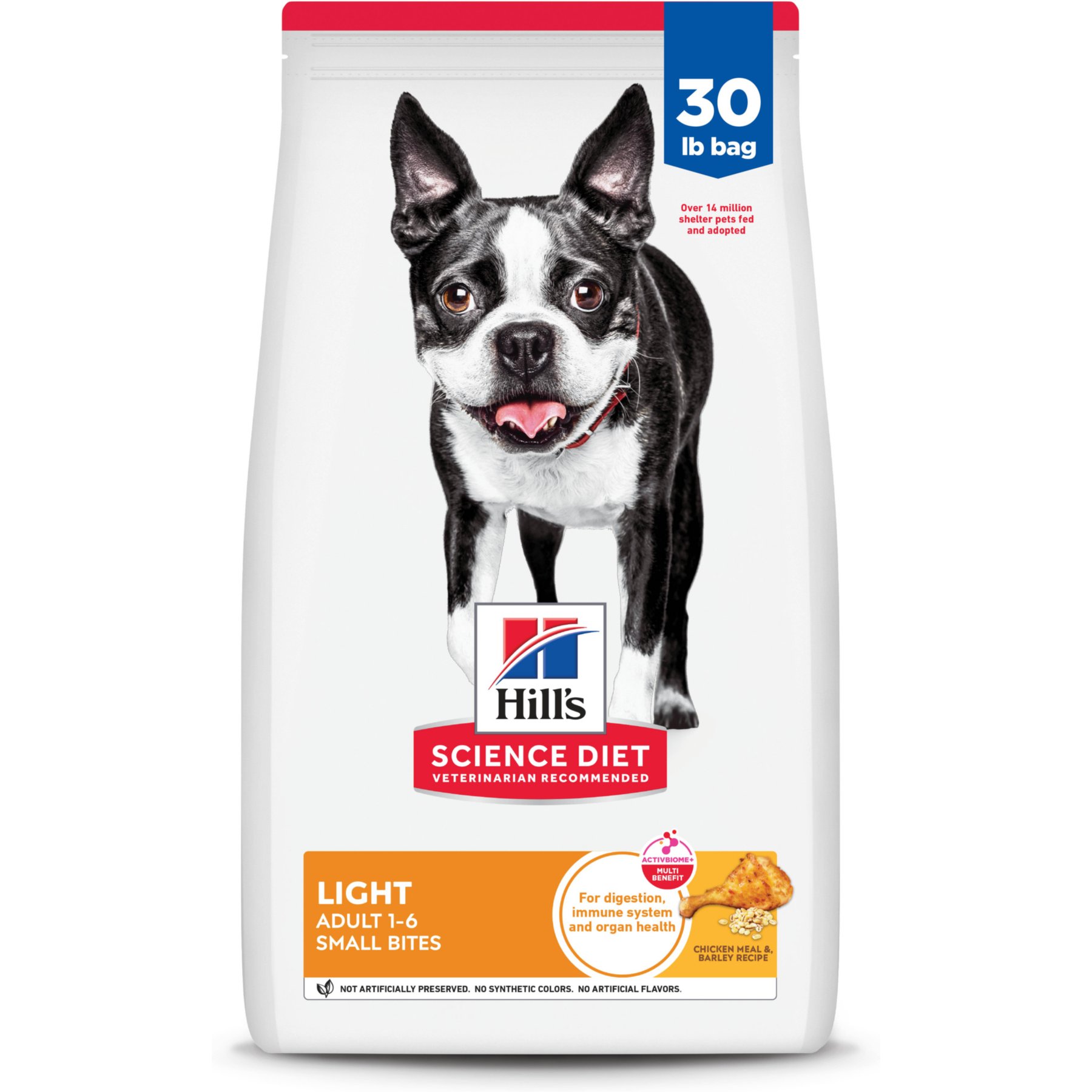
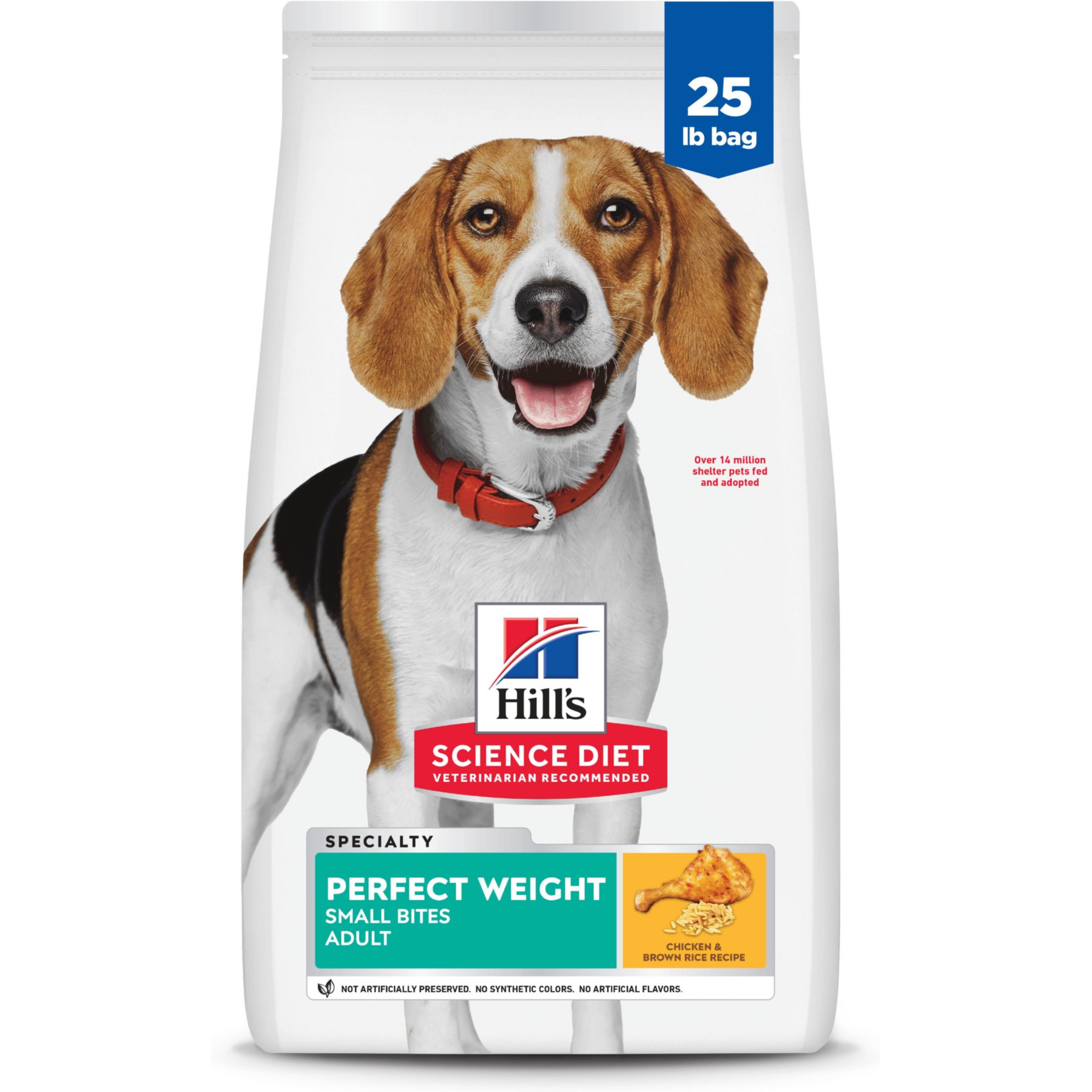
Hill's Science Diet Perfect Weight
- Clinically proven weight loss
- High protein, low fat
- Helps dogs feel full
- Made in the USA
Purina Pro Plan Weight Management
- Rating: 4.63/5
- High protein formula
- Supports metabolism
- Real chicken first ingredient
- Helps maintain muscle during weight loss
Blue Buffalo Life Protection Healthy Weight
- LifeSource Bits antioxidant blend
- L-carnitine included
- No poultry by-products
- Quality protein sources
Prescription Options
For dogs needing significant weight loss:
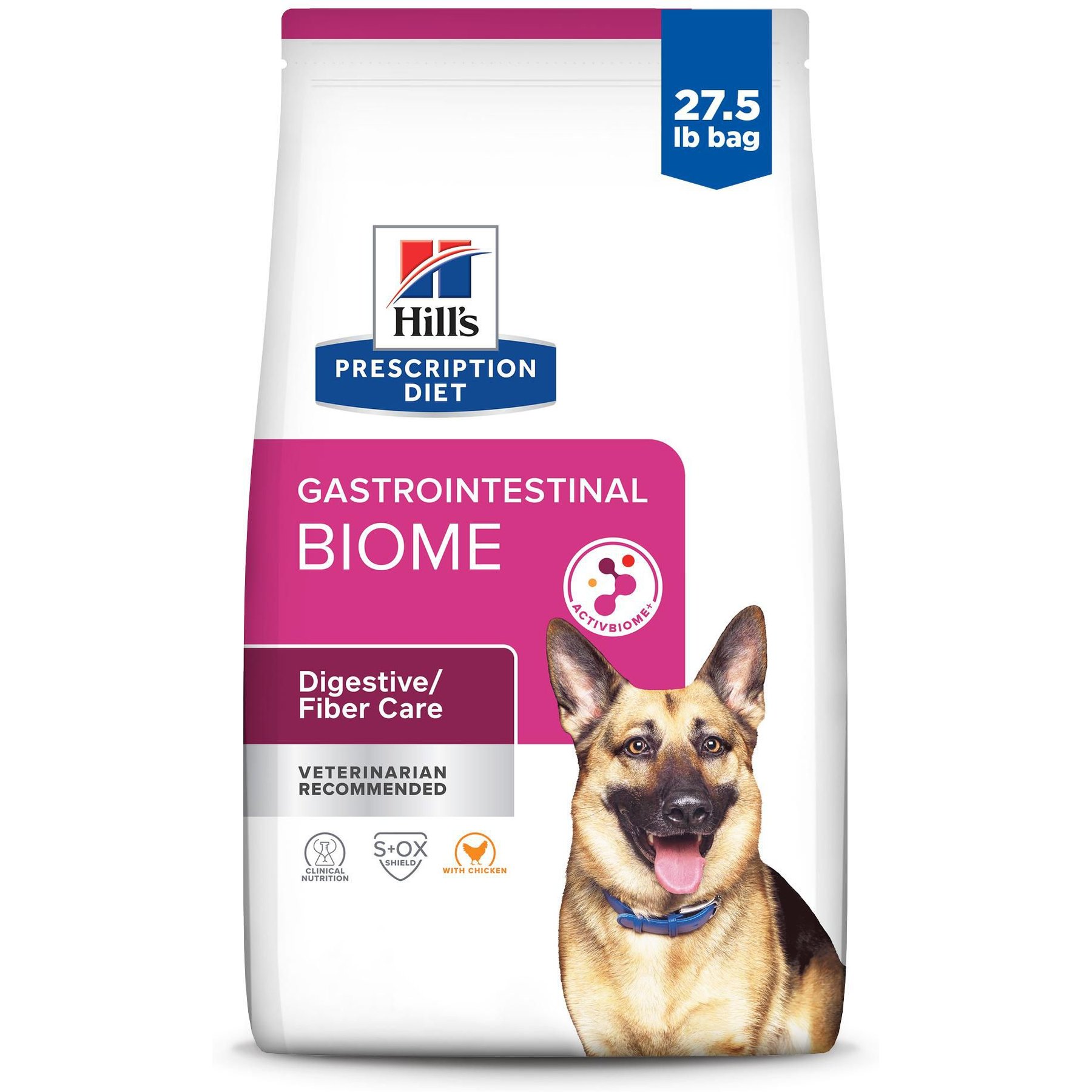
Hill's Prescription Diet Metabolic
- Clinically proven to burn fat
- Supports metabolism
- Veterinary supervised
- Most effective for obese dogs
Royal Canin Satiety Support
- High fiber for fullness
- Supports weight loss
- Veterinary diet
- Maintains muscle mass
Safe Weight Loss Strategy
Calculate Target Calories
- Determine ideal weight (consult vet)
- Calculate calories for ideal weight
- Feed 80-90% of that amount
- Or use weight loss food at recommended amounts
Weight Loss Timeline
- Safe rate: 1-2% body weight per week
- 50 lb dog: 0.5-1 lb/week
- Total loss timeline: 3-6 months typically
- Slow and steady is healthiest
Feeding Tips
- Measure every meal: Use measuring cup or scale
- Feed 2-3 meals daily: Reduces hunger
- Eliminate free-feeding: No food left out
- Count all calories: Treats included
- Use low-calorie treats: Vegetables, lean meats
- Slow down eating: Use puzzle feeders
Exercise for Weight Loss
Diet is most important, but exercise helps:
Safe Exercise Ideas
- Start with short walks
- Gradually increase duration
- Swimming (low impact)
- Play sessions
- Mental stimulation toys
Precautions
- Don't overdo it with obese dogs
- Watch for overheating
- Avoid high-impact activities initially
- Let dog set pace
- Consult vet about appropriate activity
Treats and Weight Loss
The Treat Problem
- Treats often add 10-30% extra calories
- Many owners underestimate treat calories
- This can sabotage weight loss efforts
Better Treat Options
- Baby carrots (5 calories each)
- Green beans (plain)
- Apple slices (no seeds)
- Frozen blueberries
- Small pieces of lean meat
- Portion of daily kibble
The 10% Rule
Treats should be no more than 10% of daily calories. For a dog eating 800 calories, that's only 80 treat calories.
Maintaining Weight Loss
Once goal weight is reached:
- Gradually increase calories to maintenance
- Continue measuring portions
- Weigh monthly
- Adjust if weight creeps up
- Maintain exercise routine
Frequently Asked Questions
How much should I feed my overweight dog?
Calculate based on ideal (not current) weight. Feed 80-90% of maintenance calories for that ideal weight, or follow weight loss food guidelines. Your vet can help calculate specific amounts. Most dogs need fewer calories than owners expect.
Are weight management foods effective?
Yes, when fed properly. They provide complete nutrition with fewer calories and more fiber to help dogs feel full. Studies show dogs on weight management diets lose weight more successfully than those on reduced portions of regular food.
How long will it take for my dog to lose weight?
Safe weight loss is 1-2% of body weight per week. A dog needing to lose 10 lbs should take 10-20 weeks. Faster loss can cause health problems. Patience and consistency are key.
My dog seems hungry on a diet. What can I do?
Try: Splitting food into more meals (3-4 instead of 2), adding low-calorie vegetables for bulk, using puzzle feeders to slow eating, ensuring plenty of water, and sticking to the plan—begging often decreases over time.
Should I exercise my obese dog?
Yes, but carefully. Start with gentle, short walks and gradually increase. Swimming is excellent (low impact). Avoid jumping or running initially. Exercise aids weight loss but diet is more important—you can't out-exercise a bad diet.
Related Resources
- Feeding Calculator - Calculate calorie needs
- Dog Food for Weight Loss - Weight loss options
- Dog Food for Low Activity Dogs - Lower calorie options
- Compare Dog Foods - Side-by-side comparison