Miniature Schnauzers are spirited, intelligent dogs known for their distinctive bearded appearance, alert demeanor, and big personalities packed into a small frame. These active little dogs have specific nutritional needs shaped by their tendency toward certain health conditions and their energetic nature.
Nutritional Needs of Miniature Schnauzers
Miniature Schnauzers are a small breed, typically weighing 11-20 pounds. Despite their small size, they're active and alert, requiring nutrition that supports their energy levels while addressing breed-specific health concerns.
Key Nutritional Requirements
- Moderate to high protein (24-28%): Supports their active lifestyle
- Low to moderate fat (8-12%): Schnauzers are prone to pancreatitis and hyperlipidemia
- Easily digestible ingredients: Reduces risk of digestive upset
- Omega fatty acids: Support skin and their distinctive wiry coat
- Complex carbohydrates: Provide steady energy
- Adequate fiber: Supports digestive health
- Antioxidants: Support overall health
Common Health Concerns That Affect Diet
Miniature Schnauzers face several breed-specific health challenges that diet can significantly impact:
- Pancreatitis: Very common in Schnauzers; low-fat diet is essential
- Hyperlipidemia: High blood fats; dietary fat must be controlled
- Diabetes mellitus: More common in this breed; complex carbs help
- Urinary stones: Some Schnauzers are prone to bladder stones
- Dental disease: Small mouths crowd teeth
- Cataracts and eye conditions: Antioxidants may help
- Skin conditions: Omega fatty acids support skin health
What to Look for in Miniature Schnauzer Food
Must-Have Features
- Small breed formula
- Low to moderate fat content (under 12%)—critical for this breed
- High-quality animal protein as first ingredient
- Easily digestible ingredients
- Omega fatty acids for coat
- No artificial colors, flavors, or preservatives
What to Avoid
- High-fat foods (>15% fat is too high for most Schnauzers)
- Greasy or fatty treats
- Foods with excessive animal fat
- Table scraps (especially fatty ones)
Top Recommended Products
Based on our database analysis, these products are excellent choices for Miniature Schnauzers:
Breed-Specific Option
Royal Canin Breed Health Nutrition Miniature Schnauzer Adult
- Specifically designed for Miniature Schnauzers
- Moderate fat content
- Omega-3 and omega-6 fatty acids
- Kibble shape for Schnauzer jaw
- Supports skin and coat health
Low-Fat Options (Critical for This Breed)
Royal Canin Veterinary Diet Gastrointestinal Low Fat
- Rating: 4.76/5 from nearly 7,000 reviews
- Very low fat content
- Highly digestible proteins
- Ideal for Schnauzers prone to pancreatitis
- Veterinary recommended
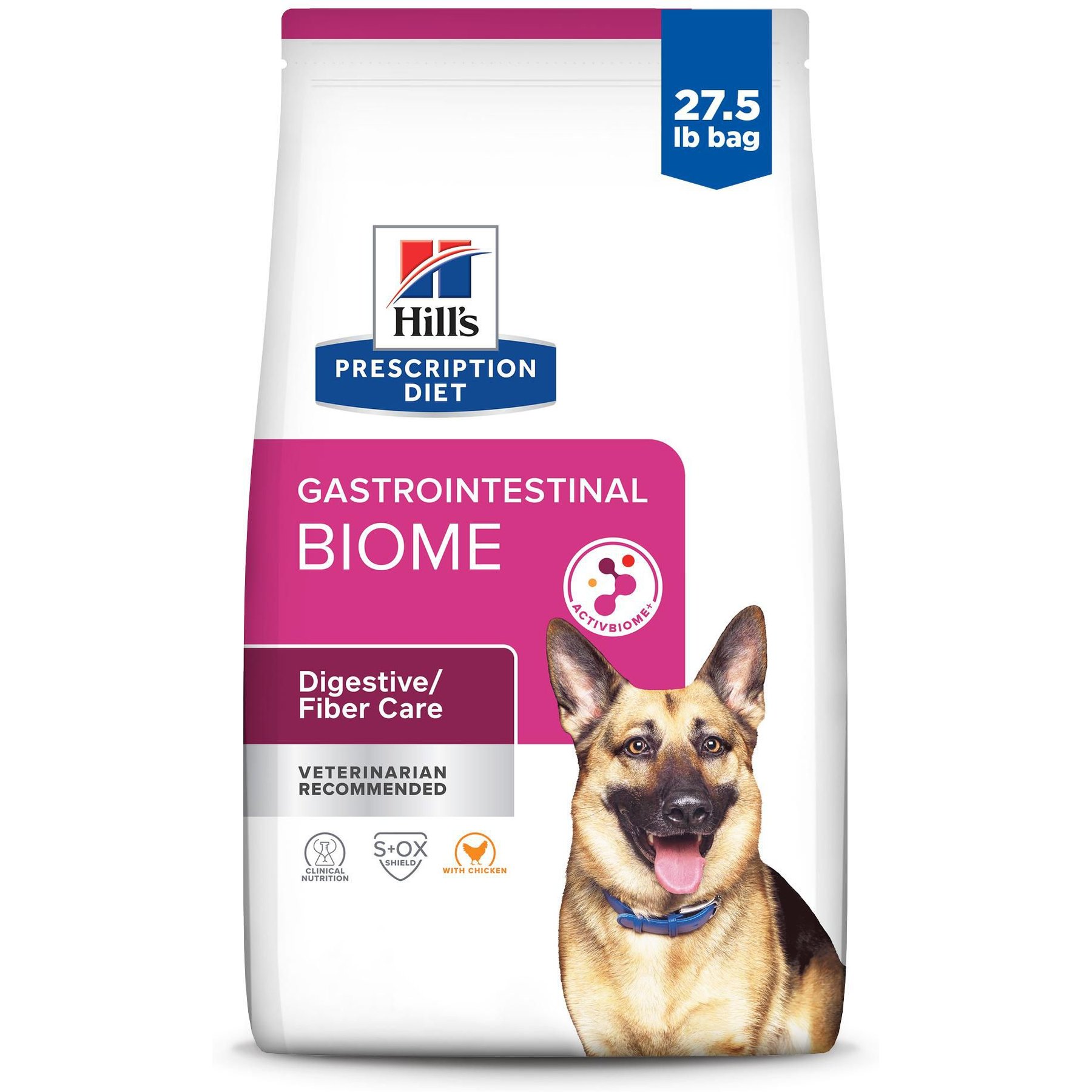
Hill's Prescription Diet i/d Low Fat
- For digestive care
- Low fat for sensitive stomachs
- Highly digestible
- Veterinary recommended
Premium Small Breed Options
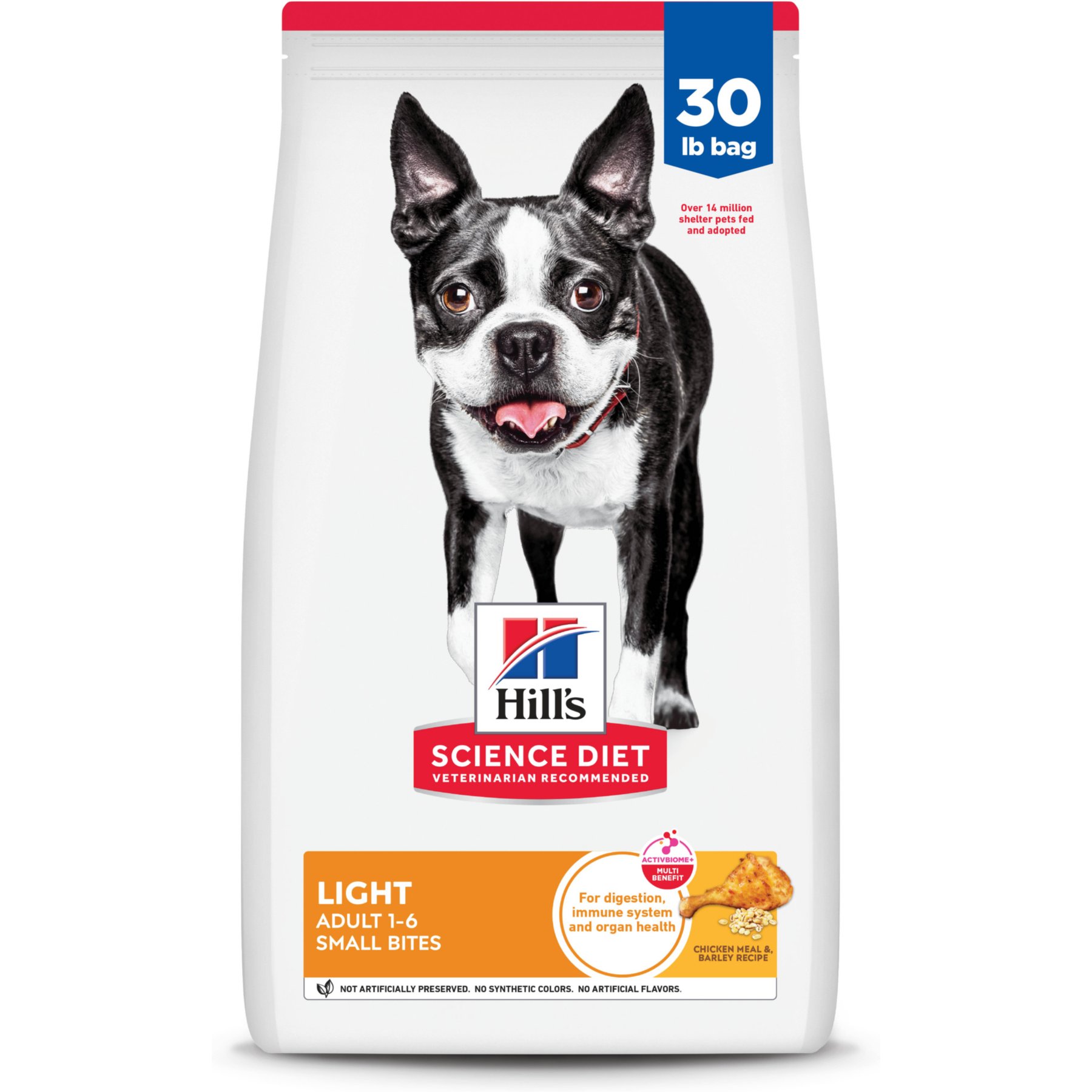
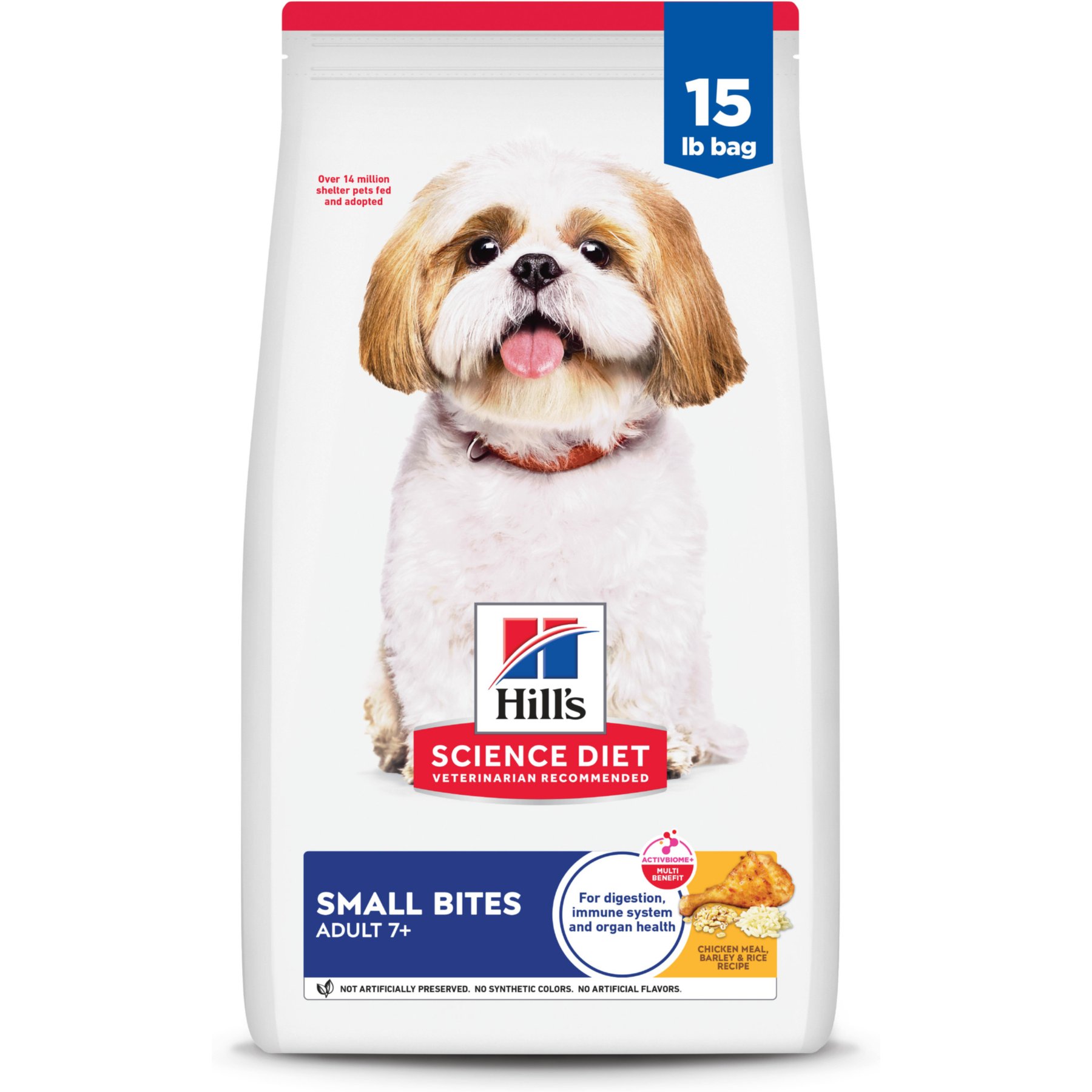
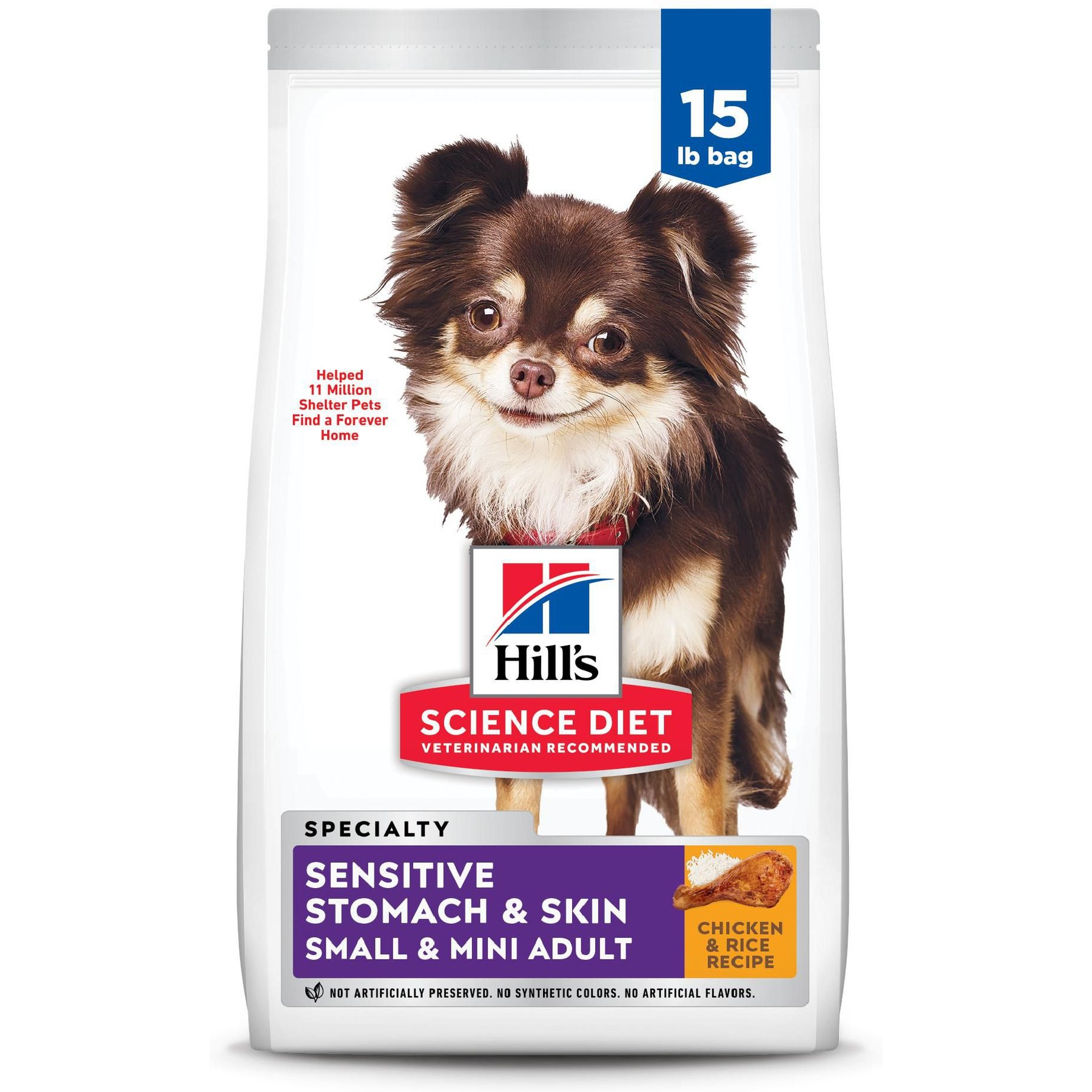
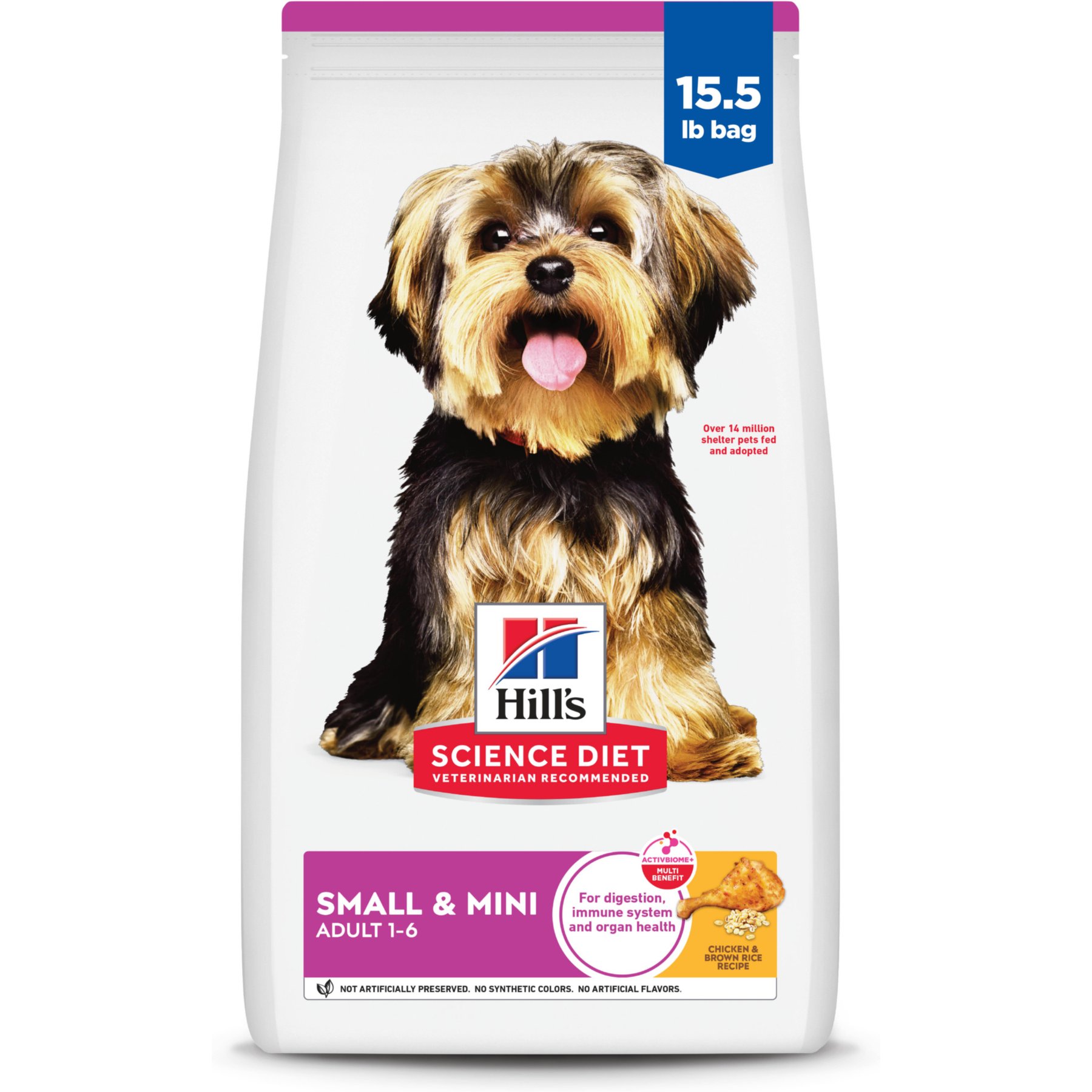
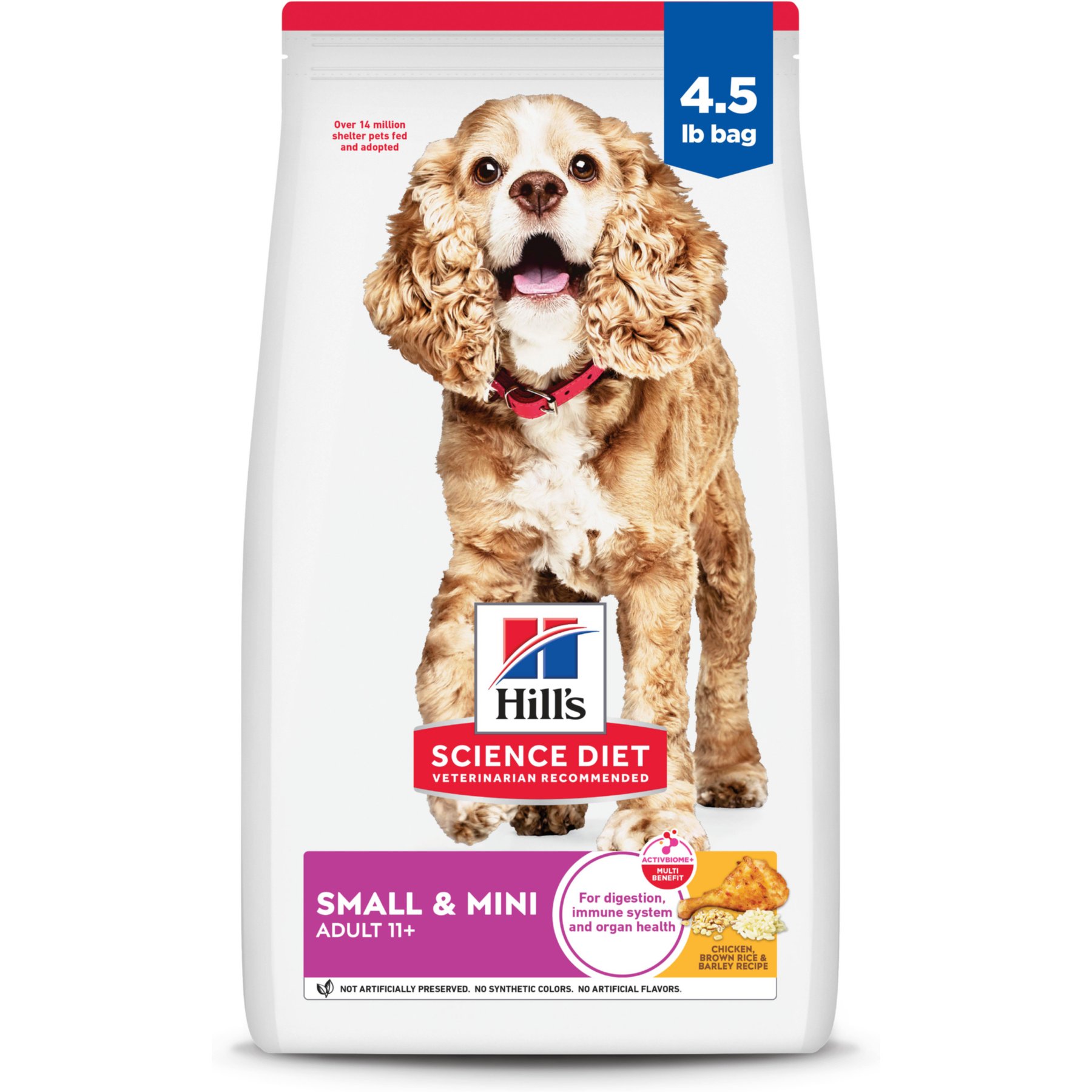
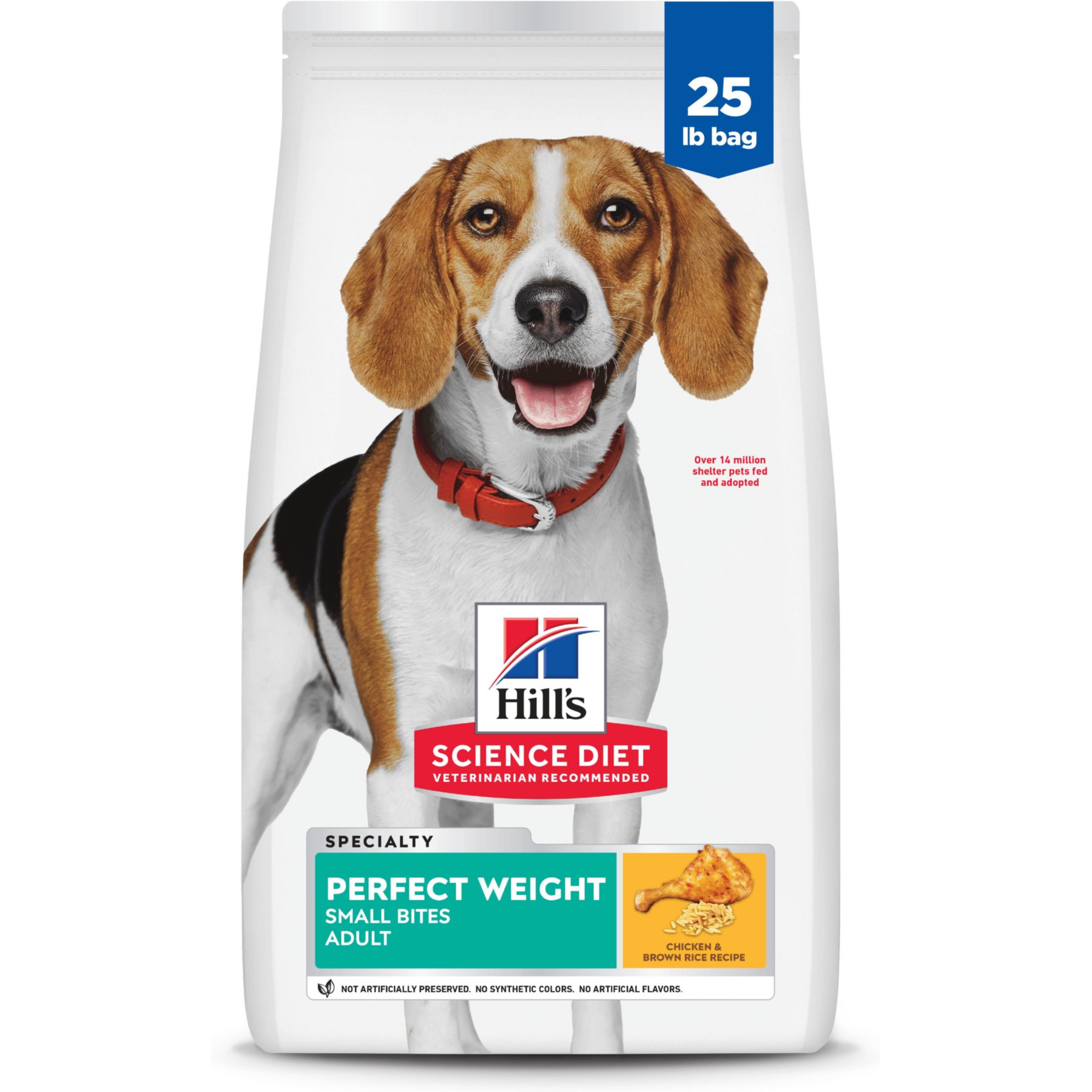
Hill's Science Diet Adult Small Breed
- Rating: 4.77/5 from over 3,000 reviews
- Moderate fat content
- Easy-to-digest ingredients
- Omega fatty acids for coat
- Small kibble for small mouths
Purina Pro Plan Small Breed Adult
- Real chicken as first ingredient
- Moderate fat levels
- Probiotics for digestive health
- Omega fatty acids for skin
For Weight Management
Royal Canin Small Weight Care
- Rating: 4.80/5
- L-carnitine for metabolism
- Lower fat and calorie content
- High fiber for satiety
Feeding Guidelines
| Weight | Daily Amount | Meals Per Day |
|---|---|---|
| 11-13 lbs | 0.66 - 0.85 cup | 2 |
| 13-17 lbs | 0.85 - 1 cup | 2 |
| 17-20 lbs | 1 - 1.25 cups | 2 |
Note: These are guidelines for ideal weight. Adjust based on your specific food's calorie content and your dog's activity level.
Managing Fat Intake: Critical for Schnauzers
Miniature Schnauzers have a genetic predisposition to hyperlipidemia (high blood fats) and pancreatitis. Fat management is one of the most important aspects of Schnauzer nutrition.
Why Low-Fat Matters
- High-fat foods can trigger painful pancreatitis attacks
- Hyperlipidemia increases risk of diabetes and other conditions
- Even occasional high-fat treats can cause problems
- Prevention is far better than treatment
Fat Guidelines for Schnauzers
- Daily food: Look for foods with 8-12% fat
- At-risk Schnauzers: May need foods under 8% fat
- Treats: Choose low-fat options
- Table scraps: Avoid entirely, especially fatty foods
Foods That Can Trigger Pancreatitis
- Fatty meats (bacon, sausage, fatty beef)
- Fried foods
- Cheese and dairy
- Butter or oily foods
- High-fat commercial treats
- Table scraps in general
Preventing Pancreatitis
Warning Signs of Pancreatitis
- Vomiting
- Diarrhea
- Hunched posture
- Abdominal pain
- Loss of appetite
- Fever
- Seek veterinary care immediately if you see these signs
Prevention Through Diet
- Feed a low-fat diet consistently
- Avoid all table scraps
- Use low-fat treats only
- Multiple small meals daily
- Don't let them eat garbage or steal food
- Regular blood panels to monitor lipid levels
Dental Health for Schnauzers
Small breeds are prone to dental problems, and Schnauzers are no exception.
Nutritional Dental Support
- Crunchy kibble helps reduce tartar
- Dental-specific formulas available
- Avoid sticky, soft foods primarily
- Dental treats (low-fat ones)
Beyond Food
- Daily teeth brushing is ideal
- Regular professional cleanings
- Dental toys
- Annual dental exams
Feeding Tips for Miniature Schnauzers
- Consistent low-fat diet: Most important factor
- Two meals daily: Helps with digestion
- Measure precisely: Prevent overfeeding
- No table scraps: Especially avoid fatty foods
- Low-fat treats only: Even for training
- Fresh water always: Supports urinary health
Life Stage Considerations
Schnauzer Puppies
- Feed puppy formula until 10-12 months
- 3-4 meals daily until 4 months, then 3 meals, then 2 after 6 months
- Establish good eating habits early
- Avoid high-fat puppy foods
Adult Schnauzers (1-8 years)
- Small breed adult formula
- Low to moderate fat content
- Monitor weight carefully
- Annual blood panels recommended
Senior Schnauzers (8+ years)
- Senior formula may be appropriate
- Continued fat restriction
- More frequent health monitoring
- Watch for diabetes signs
- Dental health even more critical
Urinary Health Considerations
Some Miniature Schnauzers are prone to urinary stones.
Supporting Urinary Health
- Fresh water always available
- Adequate moisture in diet
- Avoid excess minerals (some stone types)
- Consider urinary health formulas if prone to stones
- Regular urination opportunities
Signs of Urinary Problems
- Straining to urinate
- Frequent small urinations
- Blood in urine
- Inappropriate urination
- Consult vet if you notice these signs
Frequently Asked Questions
Why do Miniature Schnauzers need low-fat food?
Miniature Schnauzers have a genetic predisposition to hyperlipidemia (high blood fats) and pancreatitis. High-fat diets can trigger painful and potentially life-threatening pancreatitis attacks. Keeping fat intake low is one of the most important nutritional considerations for this breed.
How much fat is too much for a Schnauzer?
Most Miniature Schnauzers do best with foods containing 8-12% fat. Foods over 15% fat are generally too high for this breed. Schnauzers with a history of pancreatitis may need even lower fat content (under 8%). Always check the guaranteed analysis on your dog food.
My Schnauzer had pancreatitis. What should I feed now?
After a pancreatitis episode, your vet will likely recommend a prescription low-fat diet such as Royal Canin Gastrointestinal Low Fat or Hill's i/d Low Fat. These should be fed long-term, as Schnauzers with pancreatitis history are at high risk for recurrence. Avoid all fatty treats and table scraps.
What treats are safe for Miniature Schnauzers?
Choose low-fat treats:
- Dehydrated chicken or turkey (no fat added)
- Baby carrots
- Green beans
- Apple slices (no seeds)
- Commercial low-fat training treats
- Ice cubes (many Schnauzers love them!)
Avoid: cheese, hot dogs, fatty commercial treats, and table scraps.
Should I have my Schnauzer's blood fats tested?
Yes. Annual blood panels that include cholesterol and triglycerides are recommended for Miniature Schnauzers. This helps detect hyperlipidemia before it causes problems. Your vet may recommend more frequent testing if levels are elevated.
Related Resources
- Feeding Calculator - Calculate exact calorie needs for your Schnauzer
- Small Breed Dog Food - More small breed options
- Dog Food for Sensitive Stomach - Digestive health options
- Low-Fat Dog Food - Low-fat options
- Compare Dog Foods - Side-by-side product comparison