Mastiffs are gentle giants known for their massive size, calm demeanor, and protective nature. As one of the largest dog breeds, these imposing but sweet-natured dogs have very specific nutritional needs shaped by their enormous size and slow metabolism.
Nutritional Needs of Mastiffs
Mastiffs are a giant breed, typically weighing 120-230 pounds. Their massive size creates unique nutritional demands focused on joint support, controlled growth, and heart health.
Key Nutritional Requirements
- Moderate protein (23-26%): Supports muscle without promoting too-rapid growth
- Moderate fat (12-15%): Mastiffs are not highly active despite their size
- Glucosamine and chondroitin: Essential for joints carrying enormous weight
- Omega-3 fatty acids: Support joints and heart
- Taurine and L-carnitine: Heart health is critical
- Controlled calcium: Especially during growth
- Large kibble: Designed for giant breed mouths
Common Health Concerns That Affect Diet
Mastiffs face several serious health challenges related to their size:
- Bloat (GDV): Giant, deep-chested breeds are at highest risk
- Hip and elbow dysplasia: Joint support is crucial
- Heart disease: Cardiomyopathy is common; heart nutrients are important
- Osteosarcoma (bone cancer): More common in giant breeds
- Obesity: Extra weight devastates their joints
- Developmental orthopedic disease: Growth must be controlled in puppies
Top Recommended Products
Giant Breed Options
Royal Canin Giant Adult
- For dogs over 100 lbs
- EPA and DHA for joints
- L-carnitine for weight management
- Large kibble
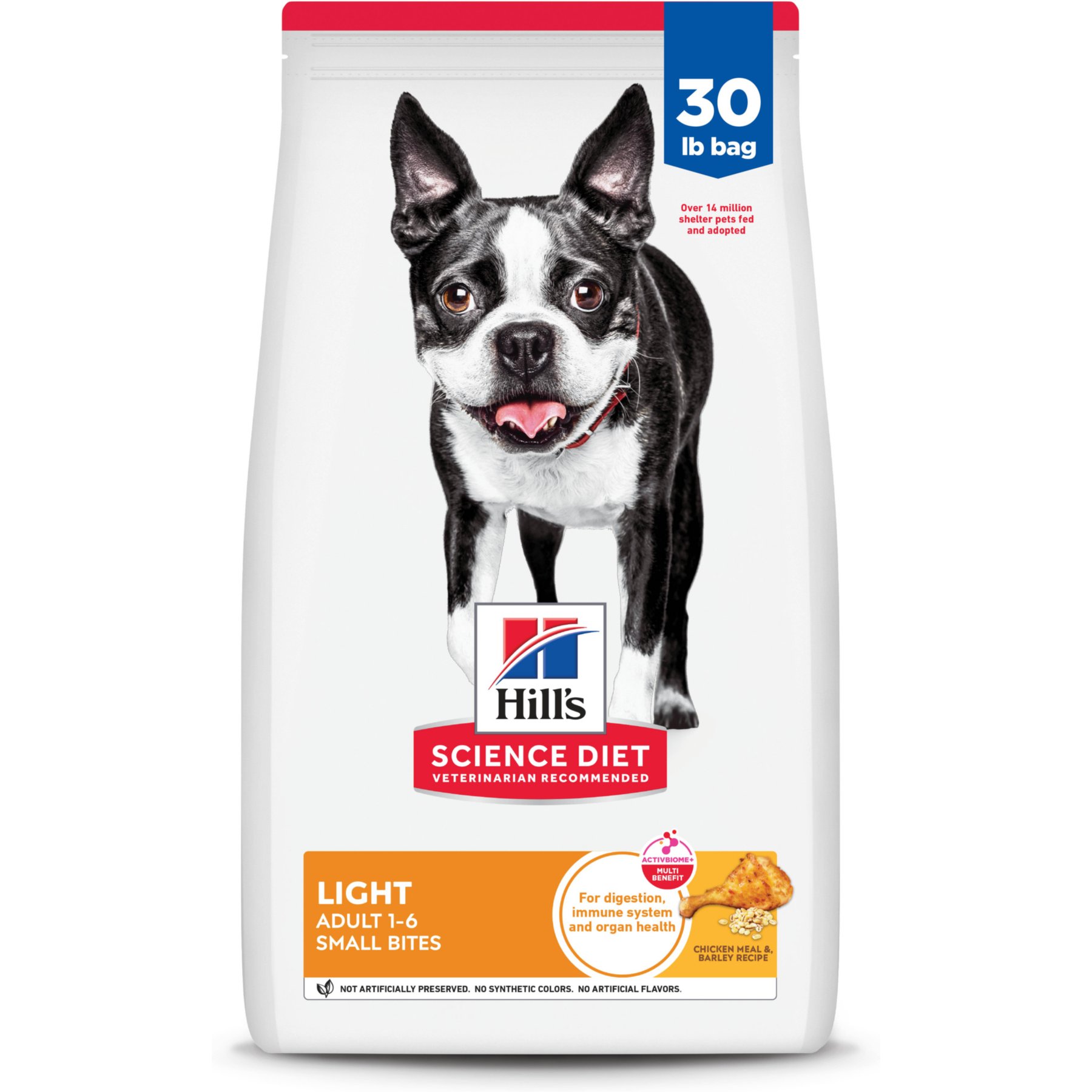
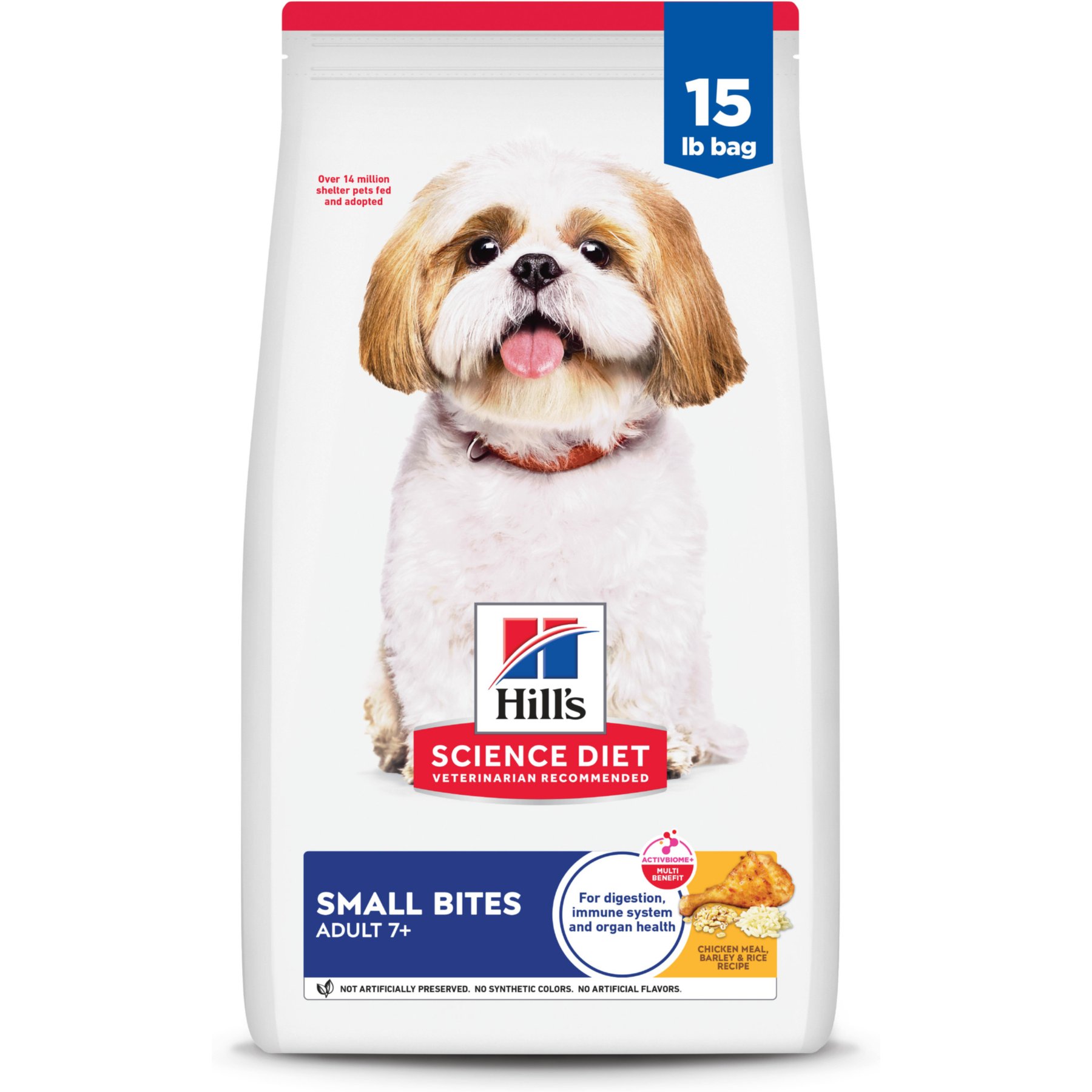
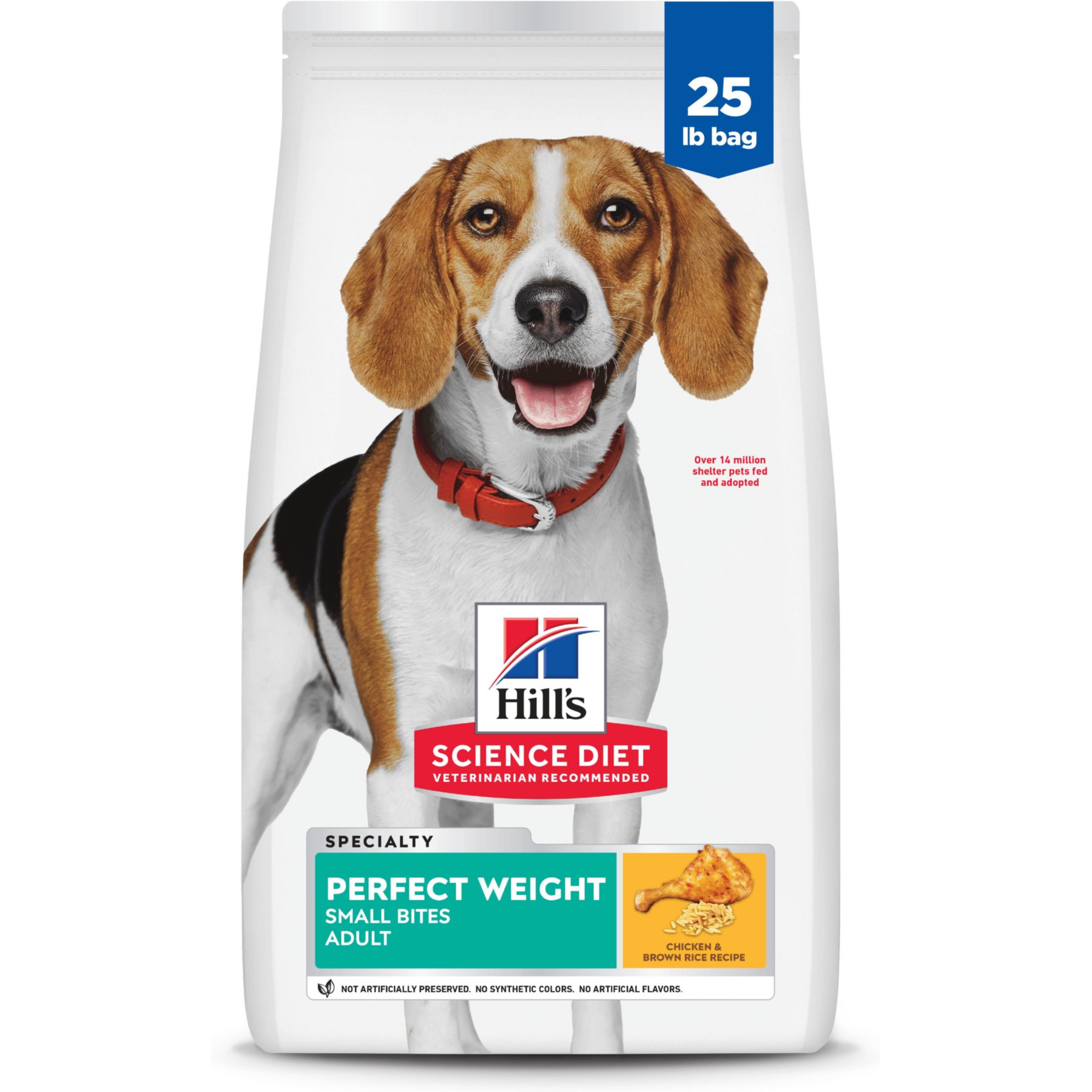
Hill's Science Diet Large Breed
- Glucosamine and chondroitin
- L-carnitine for lean muscle
- Made in the USA
For Puppies (Critical)
Royal Canin Giant Puppy
- Controlled calories and minerals
- Supports skeletal development
- Large kibble for giant puppies
Feeding Guidelines
| Weight | Daily Amount | Meals Per Day |
|---|---|---|
| 120-150 lbs | 6 - 8 cups | 2-3 |
| 150-180 lbs | 8 - 10 cups | 2-3 |
| 180-230 lbs | 10 - 12 cups | 2-3 |
Critical: Always feed 2-3 meals daily—never one large meal (bloat prevention).
Preventing Bloat (GDV)
Mastiffs are among the breeds at highest risk for bloat.
Prevention Strategies
- Feed 2-3 smaller meals—never one large meal
- Use slow-feeder bowls
- No exercise 1-2 hours before or after meals
- Avoid elevated bowls
- Keep mealtimes calm
- Consider prophylactic gastropexy
Warning Signs (Emergency!)
- Distended, hard abdomen
- Unproductive retching
- Excessive drooling
- Restlessness
- Seek immediate emergency care
Growing Mastiff Puppies
Puppy Feeding Guidelines
- Giant breed puppy formula until 18-24 months
- Controlled growth prevents joint problems
- Keep puppies lean—you should easily feel ribs
- Never supplement calcium
What NOT to Do
- Don't overfeed (rapid growth = joint problems)
- Don't use adult food too early
- Don't add calcium supplements
- Don't let puppies become overweight
Feeding Tips for Mastiffs
- Multiple smaller meals: 2-3 daily for bloat prevention
- Slow-feeder bowls: Prevent rapid eating
- No exercise around meals: Wait 1-2 hours
- Floor-level bowls: Avoid elevated feeders
- Fresh water always: Monitor for gulping
- Weight monitoring: Essential for joint health
Frequently Asked Questions
How much should I feed my Mastiff?
Adult Mastiffs typically need 2,500-4,000+ calories daily depending on size. This translates to 6-12+ cups of dry food daily, always split into 2-3 meals. Never feed one large meal.
How long should Mastiff puppies stay on puppy food?
Mastiff puppies should stay on giant breed puppy food until 18-24 months. Their slow maturity requires extended time on controlled-growth puppy food.
Should I have my Mastiff's stomach tacked?
Prophylactic gastropexy (stomach tacking) is a surgical procedure that prevents the life-threatening twist in bloat. Many Mastiff owners and vets recommend this procedure, often done during spay/neuter.
Related Resources
- Feeding Calculator - Calculate calorie needs
- Large Breed Dog Food - More options
- Dog Food for Joint Health - Joint support
- Compare Dog Foods - Side-by-side comparison