Not every dog is a high-energy athlete. Senior dogs, couch potato breeds, dogs with mobility issues, or simply less active companions have different nutritional needs than their more active counterparts. The right food prevents unwanted weight gain while still providing complete nutrition.
Understanding Low Activity Dogs
Low activity dogs require fewer calories but still need complete, balanced nutrition. Feeding them like active dogs leads to weight gain.
Types of Low Activity Dogs
- Senior dogs: Naturally slowing down
- Laid-back breeds: Basset Hounds, Bulldogs, Pugs
- Apartment dwellers: Limited exercise opportunity
- Dogs with mobility issues: Arthritis, injuries
- Post-surgery recovery: Temporary reduced activity
- Indoor-only dogs: Limited space for activity
Why Activity Level Matters
- Active dogs: May need 1.5-2x maintenance calories
- Low activity dogs: May need 20-30% fewer calories
- Same food amount → weight gain for inactive dogs
- Metabolism adjusts to activity level
Breeds Prone to Low Activity
- English Bulldog
- French Bulldog
- Basset Hound
- Pug
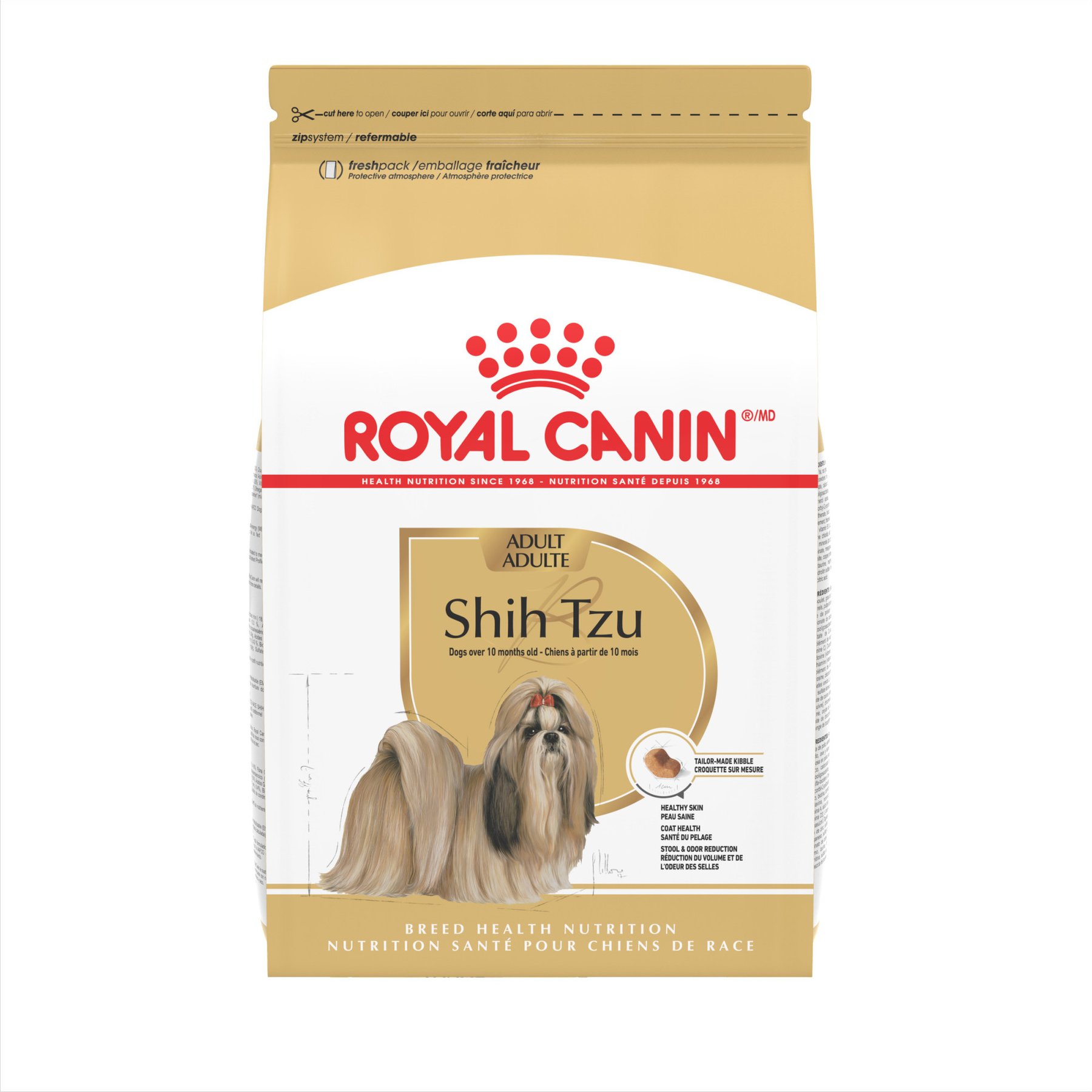
- Shih Tzu
- Cavalier King Charles Spaniel
- Chow Chow
- Clumber Spaniel
- Many senior dogs of any breed
What to Look for in Food for Less Active Dogs
Must-Have Features
- Lower calorie density (300-350 kcal/cup)
- Moderate to high protein (to maintain muscle)
- Moderate fat (10-14%)
- Added fiber (for satiety)
- Complete nutrition
- L-carnitine (supports lean body mass)
Ideal Nutrient Profile
- Protein: 22-28% (moderate to high)
- Fat: 10-14% (moderate)
- Fiber: 4-8% (moderate)
- Calories: 300-350 kcal/cup
Beneficial Ingredients
- Lean proteins (chicken, turkey, fish)
- Whole grains (for sustained energy)
- Vegetables (fiber, nutrients, low calories)
- L-carnitine (fat metabolism)
- Glucosamine/chondroitin (joint support)
Top Recommended Products
Adult Maintenance (Lower Activity)
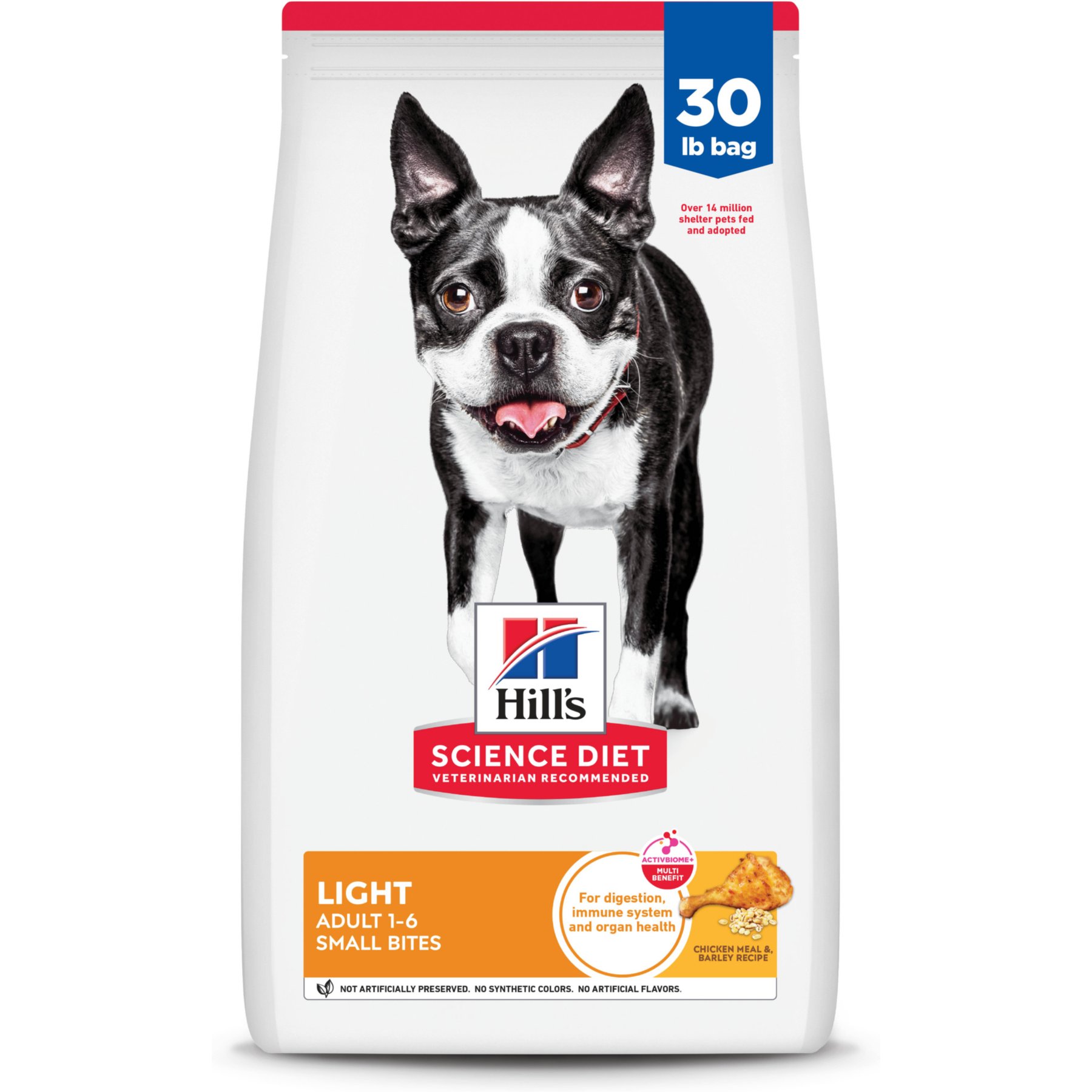
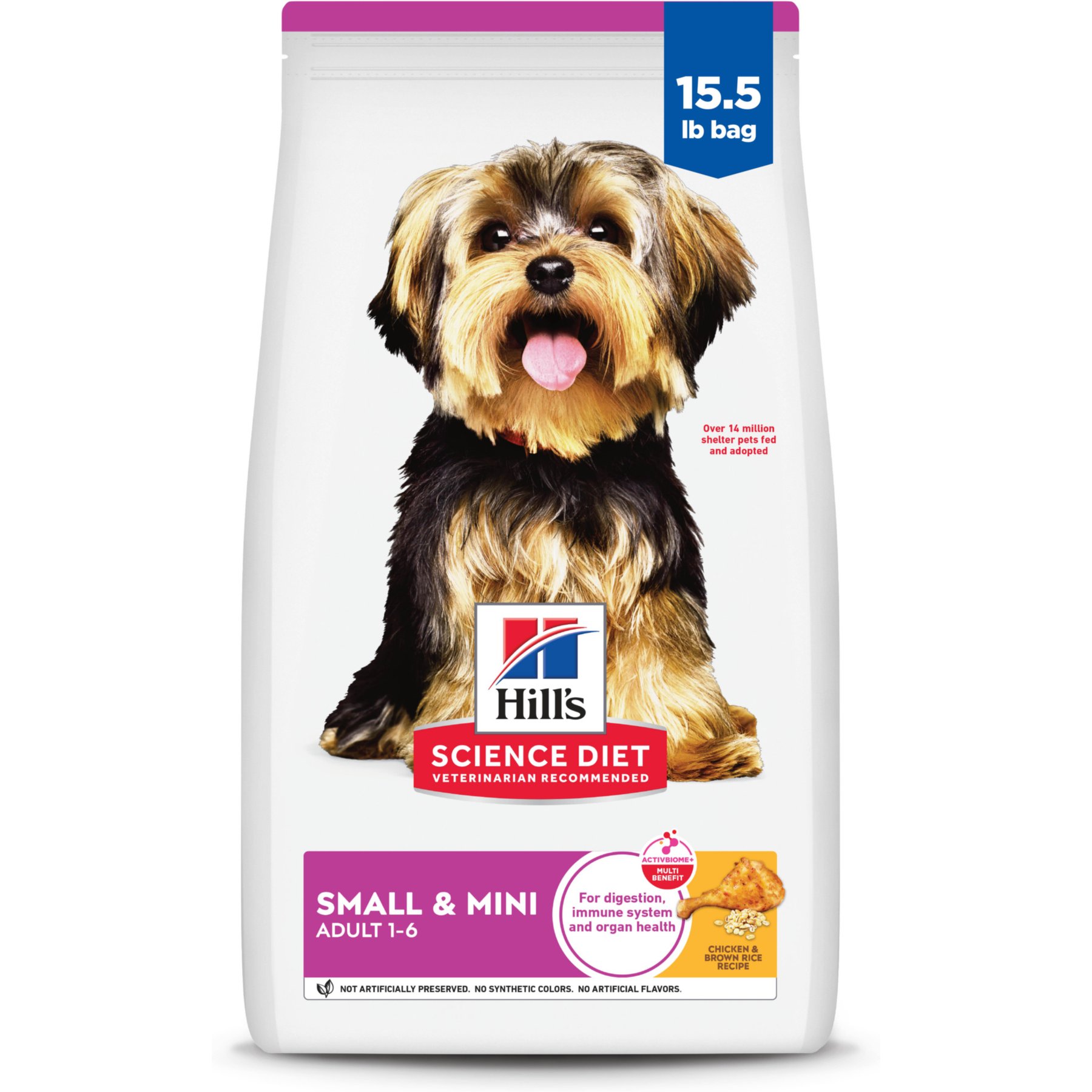
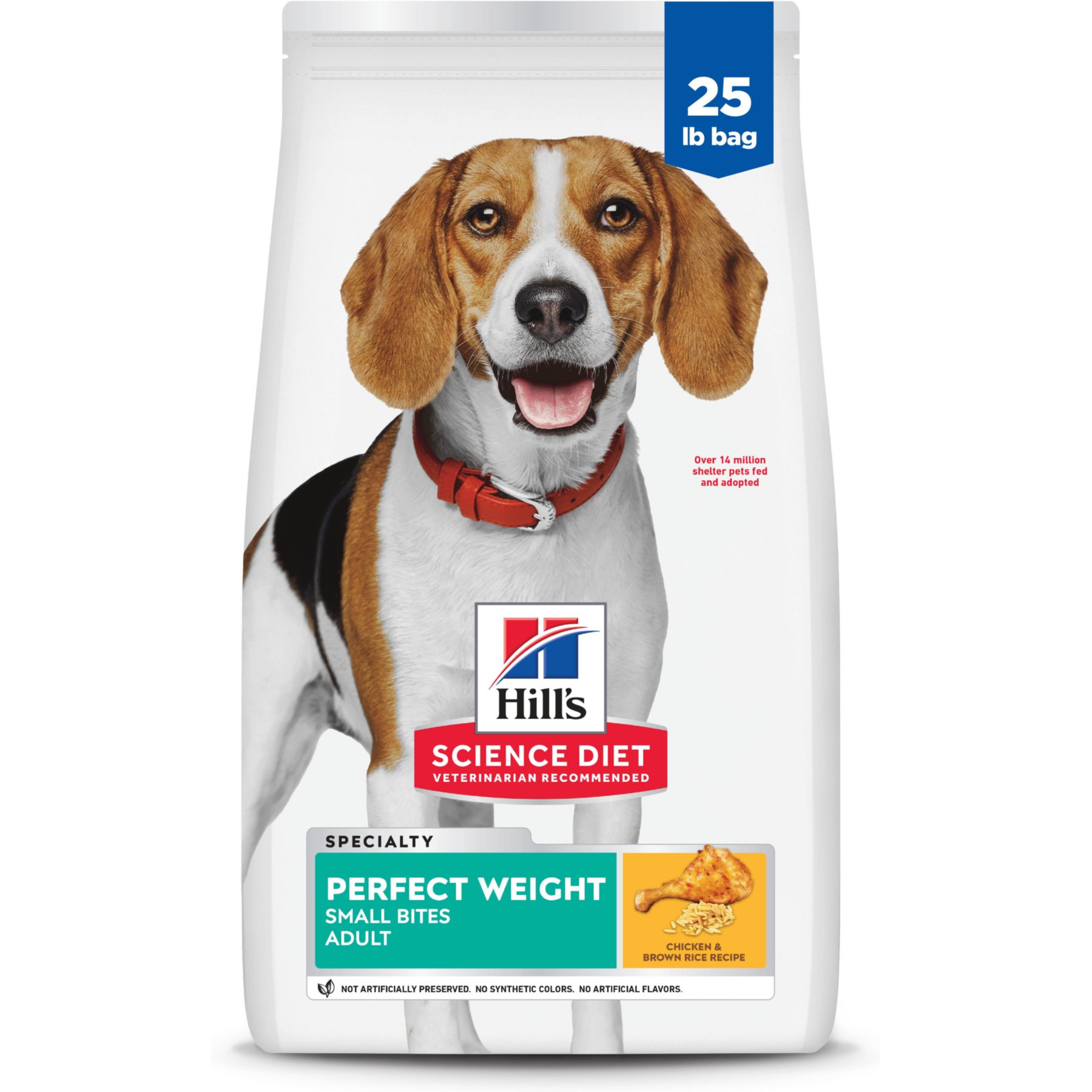
Hill's Science Diet Adult Light
- Clinically proven weight management
- L-carnitine for lean muscle
- High-quality protein
- Made in the USA
Purina Pro Plan Adult Weight Management
- Rating: 4.63/5
- Real chicken first ingredient
- 27% protein
- Supports metabolism
- Helps maintain ideal weight
Blue Buffalo Life Protection Healthy Weight
- L-carnitine included
- LifeSource Bits
- No poultry by-products
- Quality ingredients
Senior/Less Active Formulas
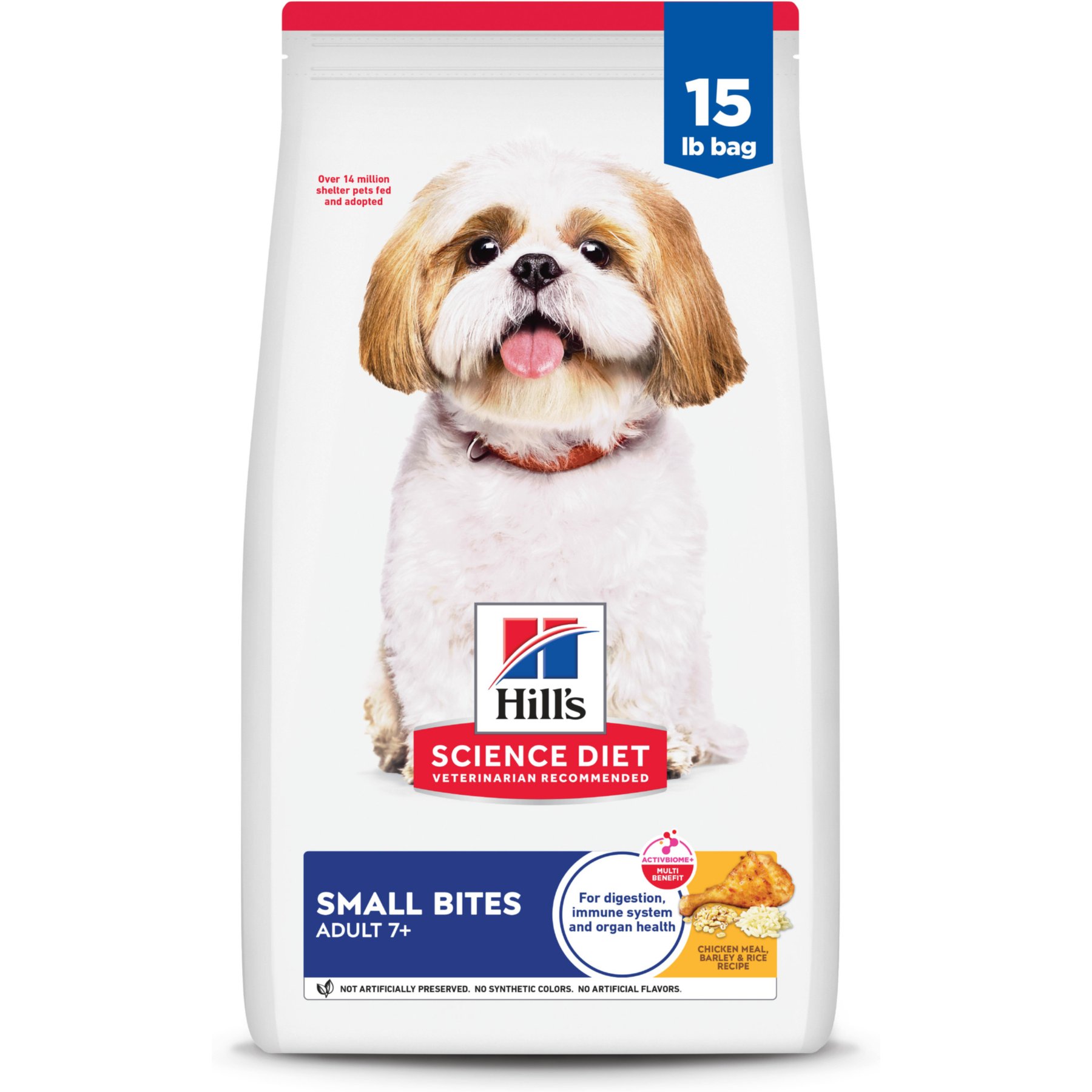
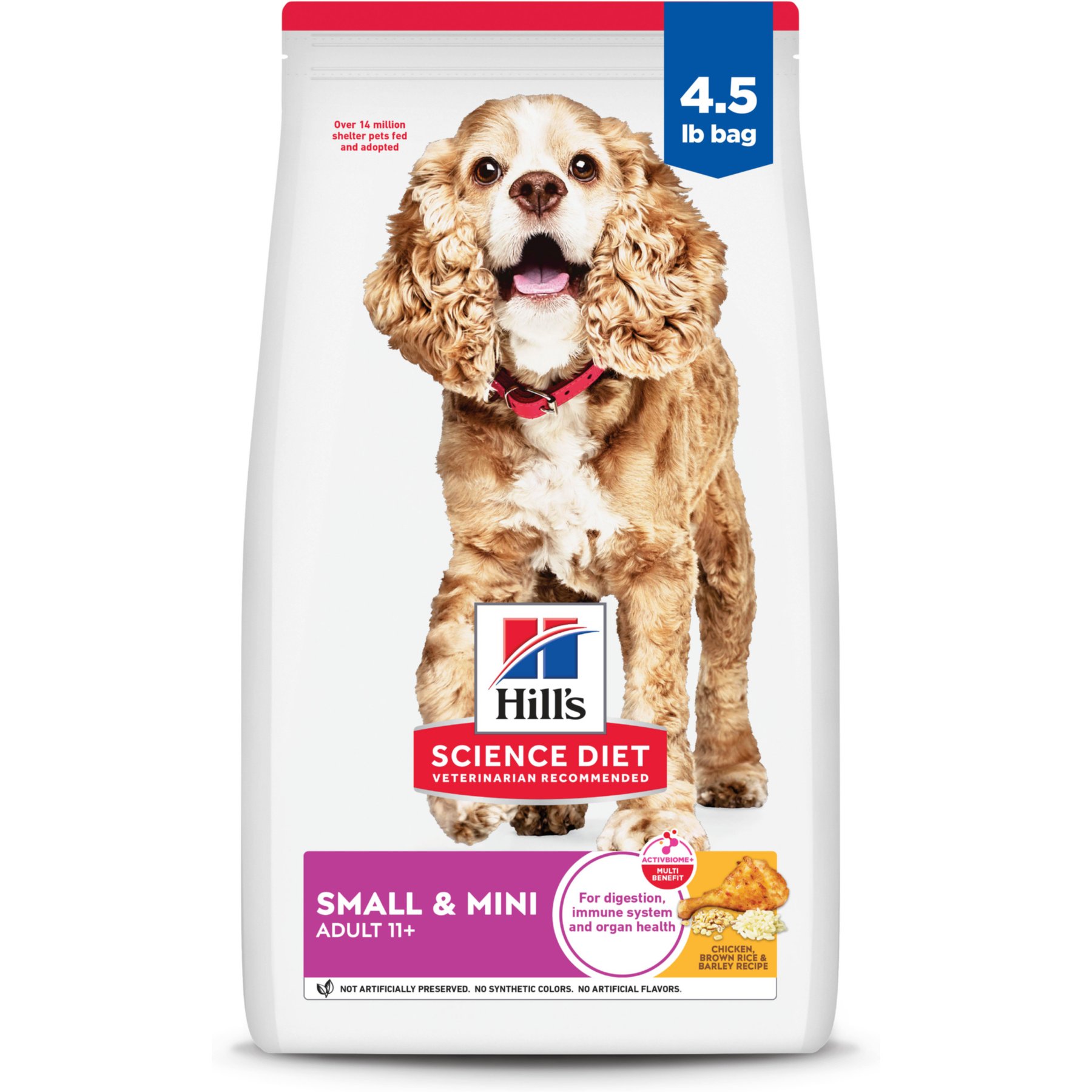
Hill's Science Diet Adult 7+ Active Longevity
- For dogs 7+ years
- Easy to digest
- Supports mobility
- Appropriate calories for less active seniors
Purina Pro Plan Adult 7+ Complete Essentials
- Live probiotics
- Supports aging well
- Quality protein
- Appropriate for less active seniors
Feeding Guidelines for Low Activity Dogs
Calculating Calories
Less active dogs typically need:
- 25-30 calories per pound of ideal body weight
- (vs. 35-40+ for active dogs)
Example: 40 lb low-activity dog
- 40 x 25-30 = 1000-1200 calories/day
- Active 40 lb dog might need 1400-1600+
Portion Control Tips
- Measure precisely: Use measuring cups or scale
- Don't eyeball: Easy to overfeed
- Account for treats: Part of daily calories
- Weigh monthly: Adjust portions accordingly
- Follow package guidelines: For less active dogs
Feeding Schedule
- 2 meals per day (most adults)
- Consistent times
- No free-feeding
- Remove uneaten food after 20 minutes
Preventing Weight Gain
Signs of Overfeeding
- Weight gain over time
- Difficulty feeling ribs
- Loss of waist definition
- Reluctance to exercise
- Lethargy
Strategies
- Choose appropriate calorie food
- Measure every meal
- Limit treats (10% of calories max)
- Regular weigh-ins
- Adjust portions proactively
Low-Calorie Treat Options
- Baby carrots
- Green beans
- Cucumber slices
- Apple pieces (no seeds)
- Watermelon (seedless)
- Small amounts of lean meat
Keeping Low Activity Dogs Healthy
Exercise (Even for Less Active Dogs)
- Short, regular walks
- Indoor play sessions
- Mental stimulation (puzzle toys)
- Swimming (if possible)
- Play at their pace
Mental Stimulation
Low activity doesn't mean low mental needs:
- Puzzle feeders
- Training sessions
- Sniff walks
- Interactive toys
- Social interaction
Health Monitoring
- Monthly weigh-ins
- Annual vet checkups
- Watch for mobility changes
- Monitor eating habits
- Track water intake
Frequently Asked Questions
How do I know if my dog is low activity?
Low activity dogs sleep more (12-14+ hours), are content with short walks, don't seek vigorous play, prefer lounging, and maintain weight easily (or gain weight easily). Compare to breed standards—some breeds are naturally less active.
Should I switch to senior food for my less active adult dog?
Not necessarily based on activity alone. Senior foods are formulated for age-related changes, not just lower activity. For a healthy adult who's simply less active, an adult weight management or "light" formula may be more appropriate. Consult your vet.
My low activity dog is always hungry. What should I do?
Try: Splitting daily food into more meals, adding low-calorie vegetables for bulk, using slow feeders, ensuring enough fiber in diet, and ruling out medical issues. Some dogs are food-motivated regardless of hunger—mental enrichment can help redirect this.
Is it okay to just feed less of regular food instead of buying special formula?
You can reduce portions of regular food, but you may also reduce nutrients. Weight management or light formulas are designed to provide complete nutrition with fewer calories. They also often have added fiber for satiety. If reducing regular food significantly, the special formula is better.
Related Resources
- Feeding Calculator - Calculate calorie needs
- Dog Food for Overweight Dogs - Weight management
- Senior Dog Food - Senior formulas
- Compare Dog Foods - Side-by-side comparison