Labrador Retrievers consistently rank among America's most beloved breeds, known for their friendly temperament, intelligence, and boundless enthusiasm. These athletic dogs have specific nutritional needs that support their active lifestyle while managing their notorious tendency to overeat.
Nutritional Needs of Labrador Retrievers
Labrador Retrievers are a large breed, typically weighing 55-80 pounds for adult dogs. Originally bred as working dogs for retrieving game, they have high energy levels and require nutrition that supports muscle maintenance, joint health, and sustained energy.
Key Nutritional Requirements
- High-quality protein (26-30%): Essential for maintaining lean muscle mass in this athletic breed
- Moderate fat content (12-16%): Labs love food and gain weight easily, so fat should be controlled
- Glucosamine and chondroitin: Joint support is critical—Labs are prone to hip and elbow dysplasia
- Omega-3 fatty acids (EPA/DHA): Support joint health, coat quality, and cognitive function
- L-carnitine: Helps with fat metabolism and maintaining lean body mass
- Fiber: Promotes satiety to help Labs feel full and avoid overeating
Common Health Concerns That Affect Diet
Labrador Retrievers are predisposed to several conditions that proper nutrition can help address:
- Obesity: Labs have a gene mutation that makes them constantly hungry. Weight management formulas are often necessary.
- Hip and elbow dysplasia: Large breed formulas with joint support nutrients are essential
- Exercise-induced collapse (EIC): Some Labs carry this genetic condition—proper nutrition supports overall muscle health
- Ear infections: Omega fatty acids support skin and ear health
- Allergies: Some Labs develop food sensitivities, particularly to chicken or grains
What to Look for in Labrador Retriever Food
Must-Have Features
- Large breed formula designed for dogs over 50 pounds
- Named animal protein as the first ingredient
- Added glucosamine and chondroitin for joint support
- Omega-3 fatty acids from fish oil
- Appropriate calorie density to prevent weight gain
- AAFCO approved for adult maintenance or all life stages
Ingredients to Consider Avoiding
- Excessive calories without nutritional value
- Artificial preservatives and colors
- Generic meat by-products
- Excessive salt or sugar
- Fillers like corn syrup
Top Recommended Products
Based on our database analysis, these products are excellent choices for Labrador Retrievers:
Premium Large Breed Options
Hill's Science Diet Perfect Weight Management & Joint Support (Large Breed)
- Rating: 4.80/5 from 732 reviews
- Specifically designed for large breeds needing weight management
- Contains omega-3 EPA from fish oil for joint support
- Antioxidants for immune health
- Made in the USA
Purina Pro Plan Large Breed Adult
- High-quality chicken as first ingredient
- Glucosamine for joint health
- Live probiotics for digestive support
- EPA and glucosamine for joint health and mobility
Royal Canin Size Health Nutrition Large Adult
- Tailored nutrition for dogs 56-100 lbs
- L-carnitine for healthy metabolism
- Supports digestive health with specialized fibers
- Kibble size designed for large breed jaws
For Weight Management
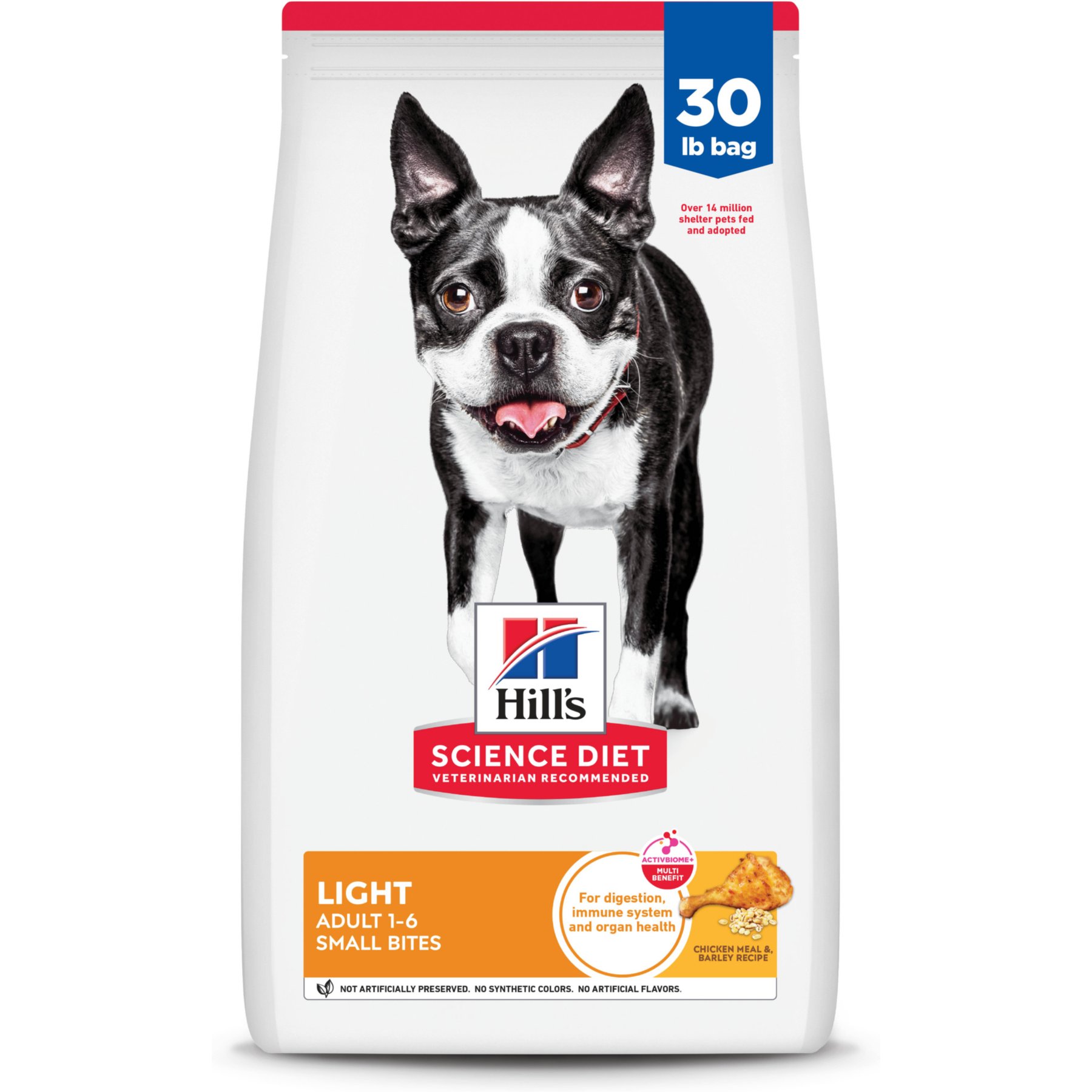
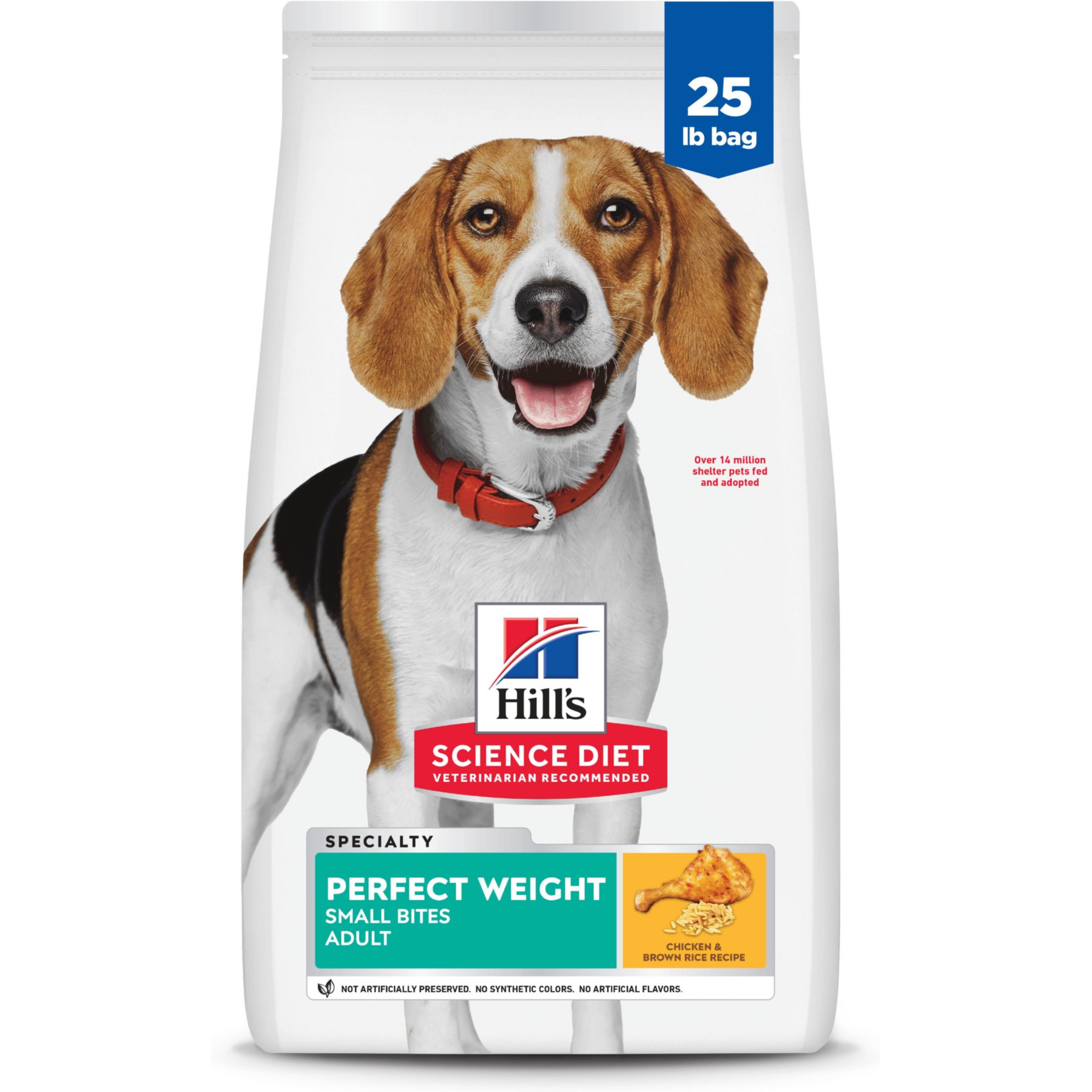
Hill's Science Diet Perfect Weight
- Clinically proven to help dogs achieve healthy weight
- Real chicken as the first ingredient
- Supports lean muscle maintenance
- High fiber for satiety
For Active Labs
Purina Pro Plan Sport Performance
- 30% protein, 20% fat for active dogs
- Amino acids for muscle recovery
- Enhanced with EPA and glucosamine
- Ideal for Labs that swim, run, or work regularly
Feeding Guidelines
| Weight | Daily Amount (Adult) | Activity Level |
|---|---|---|
| 55-65 lbs | 2.5 - 3 cups | Moderate |
| 65-75 lbs | 3 - 3.5 cups | Moderate |
| 75-85 lbs | 3.5 - 4 cups | Moderate |
Active Labs: Increase portions by 20-30% for highly active dogs Senior Labs: Decrease by 10-20% for less active older dogs
Important: Labs are prone to overeating. Use a measuring cup, not estimates, and weigh your dog monthly.
Feeding Tips for Labrador Retrievers
- Use slow-feeder bowls: Labs are notorious for gulping food, which can lead to bloat
- Measure every meal: Their appetite is essentially limitless, so precise portions matter
- Limit treats: Treats should be no more than 10% of daily calories
- Avoid free-feeding: Scheduled meals help control intake
- Consider puzzle feeders: Mental stimulation while eating slows consumption
Life Stage Considerations
Labrador Puppies (8 weeks - 12 months)
- Feed large breed puppy formula with controlled calcium and phosphorus
- 3-4 meals daily until 6 months, then transition to 2-3 meals
- Controlled growth prevents developmental joint problems
- Avoid adult food until at least 12 months old
Adult Labradors (1-7 years)
- Transition to large breed adult formula
- Monitor weight closely—ideal body condition shows visible waist
- Adjust portions based on activity level
- Annual vet checks to monitor joint health
Senior Labradors (7+ years)
- Consider senior formula with enhanced joint support
- May need reduced calories as activity decreases
- Glucosamine and chondroitin become even more important
- More frequent health monitoring recommended
Frequently Asked Questions
Why is my Labrador always hungry?
Research has identified a gene mutation (POMC) common in Labradors that affects hunger regulation. This isn't just behavior—it's genetic. Managing a Lab's diet through measured portions and scheduled meals is essential, not optional.
How do I know if my Lab is overweight?
You should be able to feel (but not prominently see) your Lab's ribs without pressing hard. From above, there should be a visible waist behind the ribs. From the side, the belly should tuck up. If you can't feel ribs or there's no waist visible, your Lab may be overweight.
Should I feed my Labrador grain-free food?
For most Labradors, grain-free food is unnecessary and may even pose health risks. The FDA has investigated a potential link between grain-free diets and dilated cardiomyopathy (DCM) in dogs. Unless your Lab has a diagnosed grain allergy, a high-quality grain-inclusive food is generally recommended.
How much exercise does a Lab need alongside proper nutrition?
Adult Labradors typically need 1-2 hours of exercise daily. Proper nutrition supports this active lifestyle, and exercise helps manage their weight. Swimming is particularly excellent for Labs—it's easy on joints and most Labs love water.
What's the best food for a Labrador with joint problems?
Look for large breed formulas with added glucosamine (minimum 300mg/kg) and chondroitin. Foods containing omega-3 fatty acids from fish oil also support joint health. Hill's Science Diet Joint Support and similar formulas are specifically designed for dogs with mobility concerns.
Related Resources
- Feeding Calculator - Calculate exact calorie needs for your Lab
- Large Breed Dog Food - More large breed options
- Dog Food for Joint Health - Joint support formulas
- Dog Food for Weight Loss - Weight management options
- Compare Dog Foods - Side-by-side product comparison