Joint problems are incredibly common in dogs, particularly as they age or in breeds predisposed to conditions like hip dysplasia. The right nutrition can help maintain healthy joints, reduce inflammation, and improve mobility throughout your dog's life.
Understanding Joint Health in Dogs
Dogs' joints undergo constant stress from daily activities. Over time, cartilage can break down, leading to arthritis and mobility issues. Proper nutrition can help protect joints and slow deterioration.
Common Joint Conditions
- Hip dysplasia: Malformed hip joint (common in large breeds)
- Elbow dysplasia: Abnormal elbow development
- Osteoarthritis: Degenerative joint disease
- Luxating patella: Slipping kneecap (common in small breeds)
- Cruciate ligament issues: Knee instability
Signs of Joint Problems
- Limping or lameness
- Difficulty rising from rest
- Reluctance to climb stairs or jump
- Stiffness, especially after rest
- Decreased activity or playfulness
- Muscle loss in hindquarters
- Licking or chewing at joints
- Behavior changes (irritability, withdrawal)
What to Look for in Joint-Supporting Dog Food
Must-Have Features
- Added glucosamine (minimum 300mg/kg food)
- Chondroitin sulfate
- Omega-3 fatty acids (EPA/DHA)
- L-carnitine for muscle support
- Appropriate calorie content (maintaining healthy weight is crucial)
Key Joint-Supporting Nutrients
Glucosamine
- Building block for cartilage
- Supports cartilage repair
- Look for 300-500mg/kg in food
Chondroitin Sulfate
- Works synergistically with glucosamine
- Helps cartilage retain water
- Supports joint cushioning
Omega-3 Fatty Acids (EPA/DHA)
- Reduce inflammation
- Found in fish oil
- Critical for joint comfort
MSM (Methylsulfonylmethane)
- Supports joint comfort
- Anti-inflammatory properties
Green-Lipped Mussel
- Natural source of glucosamine and omega-3s
- Unique anti-inflammatory compounds
Top Recommended Products
Based on our database, these products support joint health:
Large Breed Joint Support
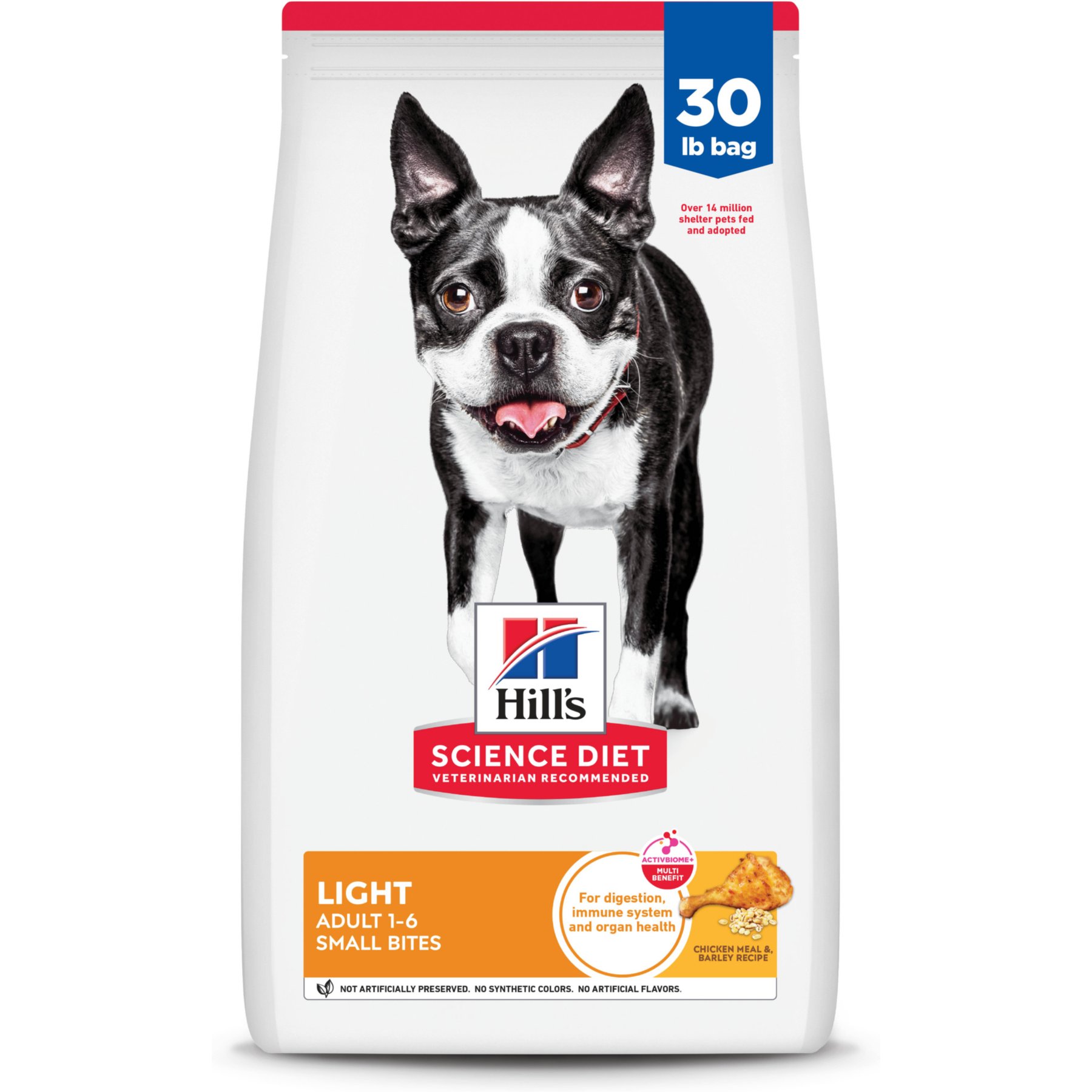
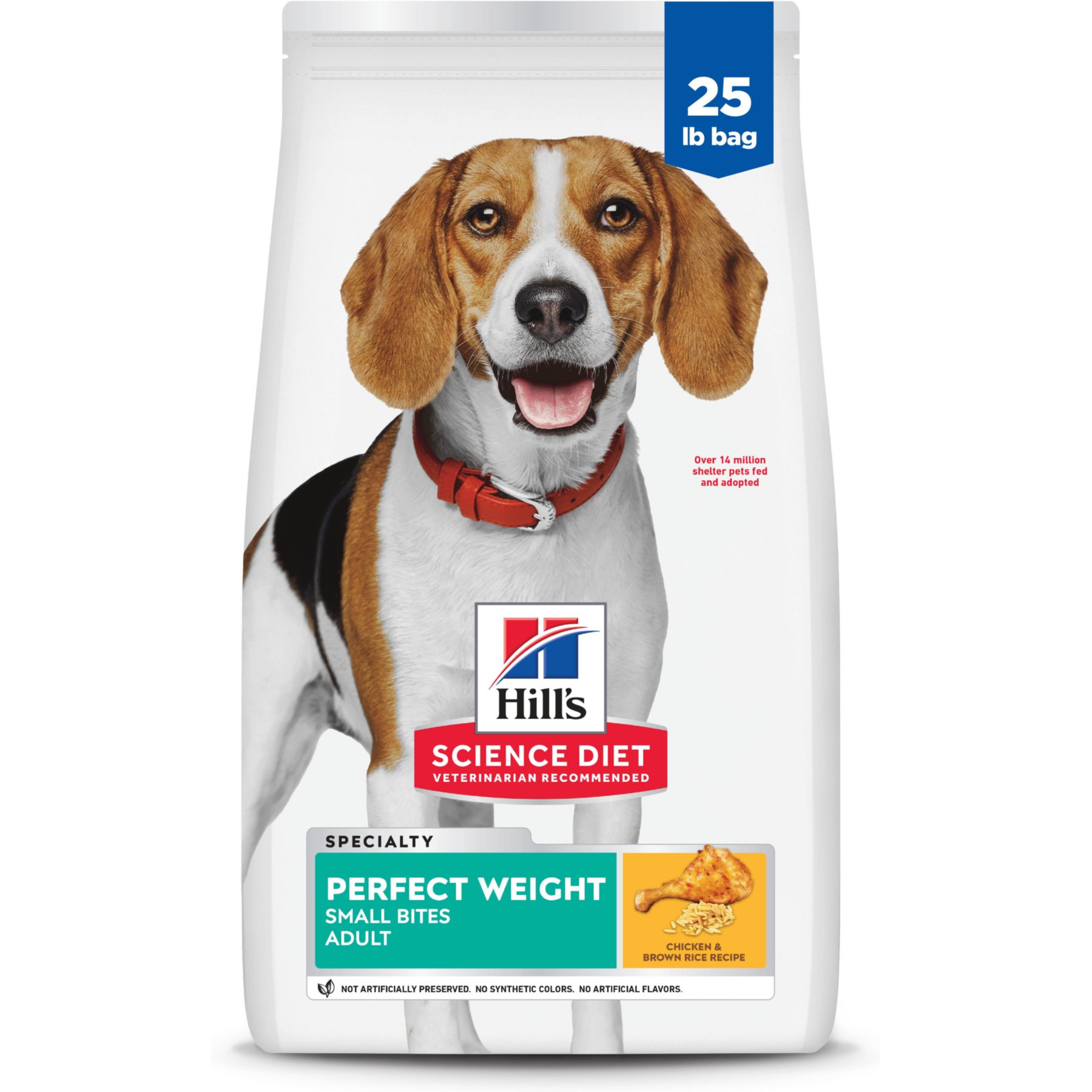
Hill's Science Diet Perfect Weight & Joint Support (Large Breed)
- Rating: 4.80/5 from 732 reviews
- Contains omega-3 EPA from fish oil
- Glucosamine for joint support
- Helps maintain healthy weight
- Made in the USA
Purina Pro Plan Large Breed Adult
- EPA and glucosamine for joint health
- Real chicken as first ingredient
- Omega fatty acids
- Live probiotics
Senior Joint Support
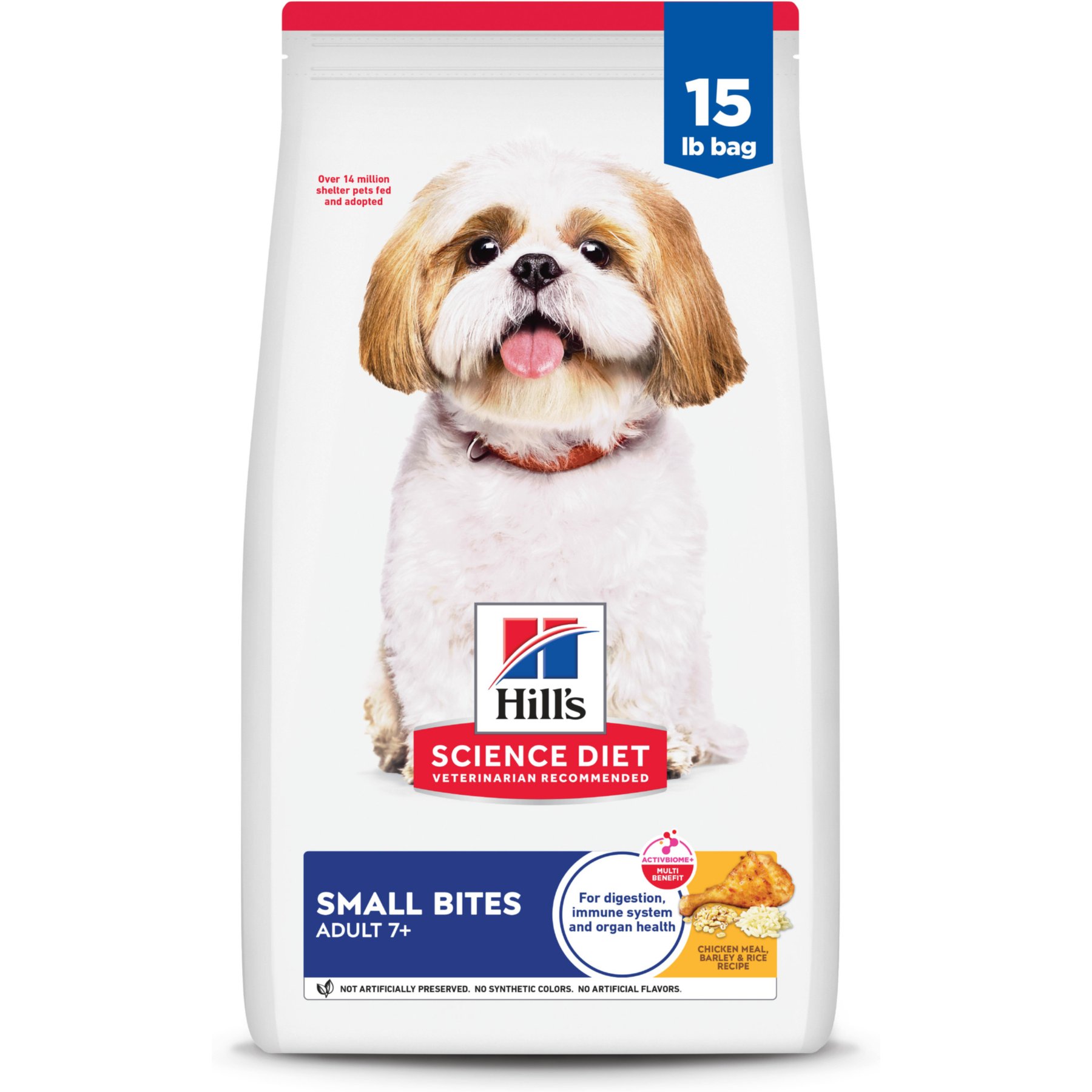
Hill's Science Diet Senior 7+
- Glucosamine and chondroitin
- EPA from fish oil
- Supports mobility in older dogs
- Easy-to-digest ingredients
Veterinary Options
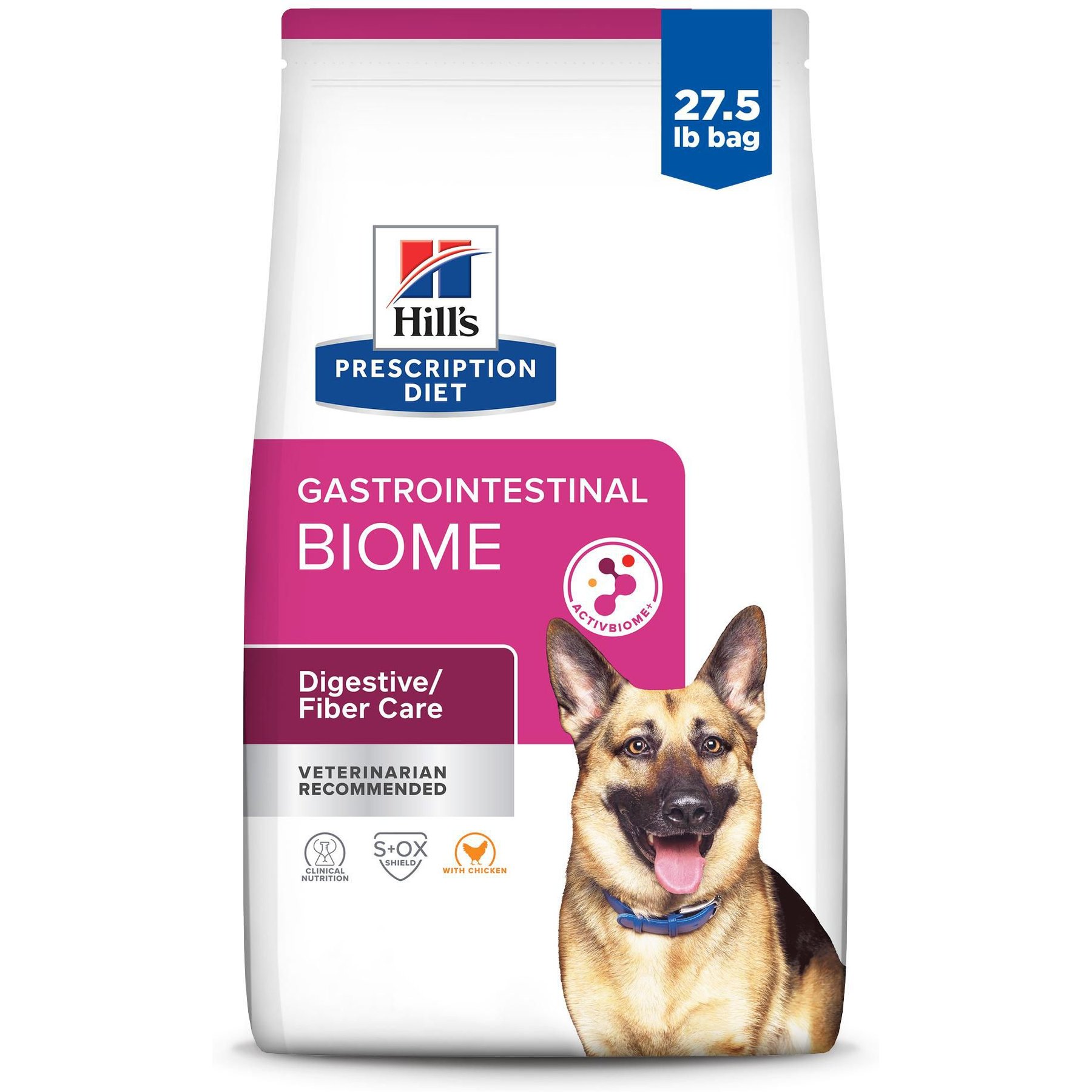
Hill's Prescription Diet j/d
- Clinically proven to improve mobility
- High levels of omega-3s
- L-carnitine for muscle support
- Veterinary recommended
The Importance of Weight Management
Perhaps the most important factor for joint health is maintaining a healthy weight.
Why Weight Matters
- Every pound of extra weight = 4 pounds of stress on joints
- Overweight dogs develop arthritis earlier
- Weight loss can dramatically improve mobility
- Lean dogs live longer, healthier lives
Achieving Healthy Weight
- Use feeding calculator for accurate portions
- Choose weight management formula if needed
- Limit treats to 10% of calories
- Regular, appropriate exercise
Feeding Tips for Joint Health
- Maintain healthy weight: Most important factor
- Choose joint-supporting formulas: Added glucosamine/chondroitin
- Consider fish-based foods: Natural omega-3s
- Feed consistently: Same times daily
- Supplement if needed: Fish oil, glucosamine supplements
- Regular vet check-ups: Monitor joint health over time
Beyond Diet: Supporting Joint Health
Exercise
- Regular, low-impact exercise (walking, swimming)
- Avoid high-impact activities (jumping, sudden stops)
- Keep muscles strong to support joints
- Consistency is better than intensity
Environment
- Orthopedic dog beds
- Ramps instead of stairs
- Non-slip floor surfaces
- Elevated food bowls if helpful
Supplements (Consult Your Vet)
- Glucosamine/chondroitin supplements
- Fish oil
- Green-lipped mussel
- Turmeric (curcumin)
Breeds Prone to Joint Issues
Prioritize joint nutrition for these breeds:
- Labrador Retriever
- Golden Retriever
- German Shepherd
- Rottweiler
- Great Dane
- Bernese Mountain Dog
- Bulldogs
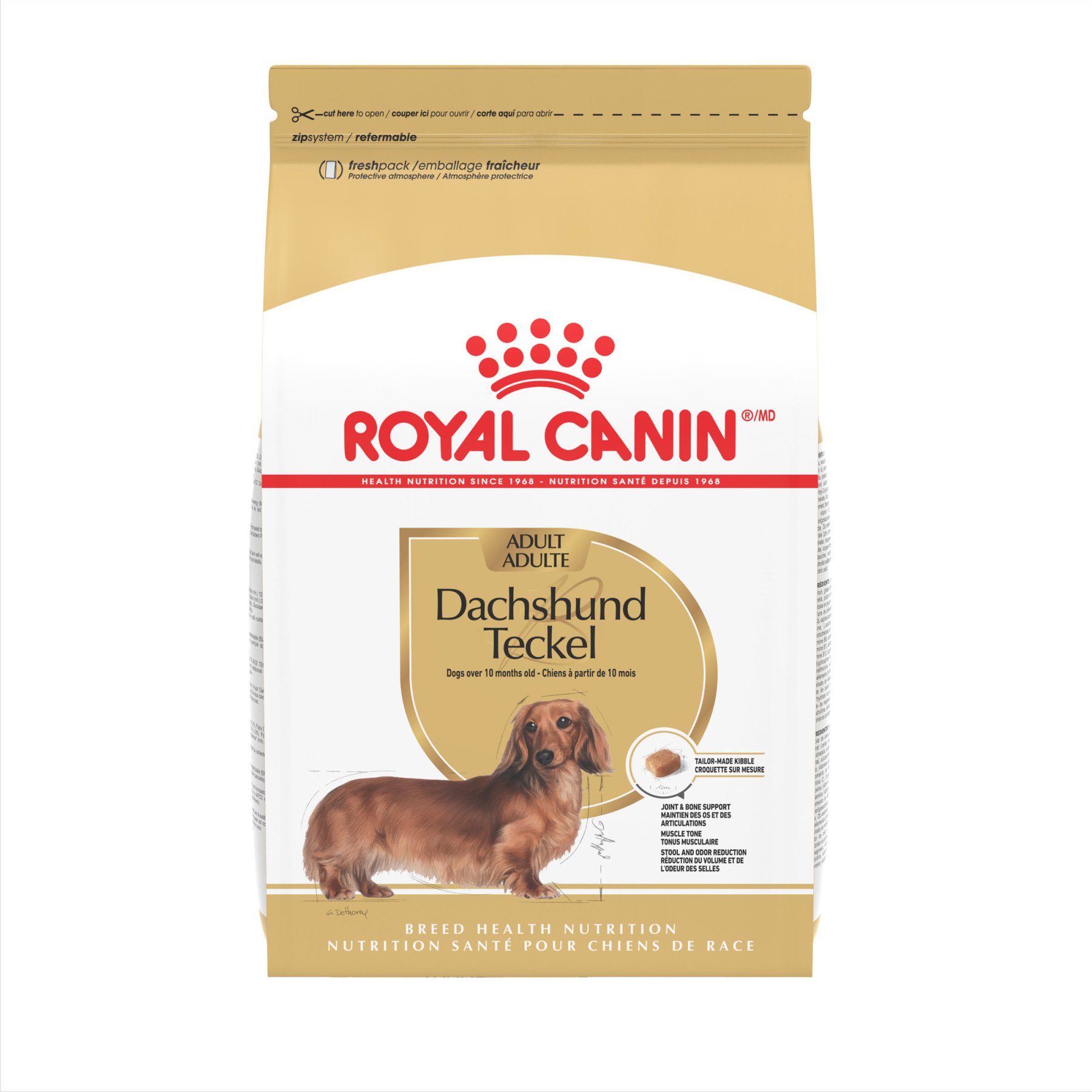
- Dachshund (spinal)
- Corgis (spinal)
Frequently Asked Questions
When should I start feeding joint-support food?
For breeds prone to joint issues, start with large breed puppy food (controlled growth) and transition to joint-supporting adult food by age 2. All dogs can benefit from joint nutrition as they enter middle age (around 5-7 years).
Can diet actually help with arthritis?
Yes. Studies show that omega-3 fatty acids reduce inflammation and can decrease the need for anti-inflammatory medications. Glucosamine and chondroitin support cartilage health. Proper nutrition combined with weight management can significantly improve mobility.
How long until I see improvement?
Joint-supporting nutrients take time to work. Most dogs show improvement in 4-8 weeks. Omega-3s may work faster than glucosamine/chondroitin, which can take 6-8 weeks for full effect. Weight loss benefits are often noticed sooner.
Should I give supplements in addition to joint-support food?
If feeding a quality joint-support food, additional supplements may not be necessary. However, dogs with significant joint issues may benefit from additional supplementation. Consult your vet for recommendations—they can advise on appropriate dosages.
My small dog has joint issues. Are large breed formulas appropriate?
Not necessarily. Look for small breed formulas with added glucosamine and omega-3s, or supplement a regular small breed food. Small dogs have different calorie needs than large breeds.
Related Resources
- Feeding Calculator - Calculate calorie needs
- Large Breed Dog Food - Large breed options
- Senior Dog Food - Senior options
- Dog Food for Hip Dysplasia - Hip-specific options
- Compare Dog Foods - Side-by-side comparison