Best Dog Food for Hot Spots in 2026

Hot spots (acute moist dermatitis) are painful, inflamed skin lesions that can appear suddenly and spread rapidly. While hot spots require immediate treatment, the right diet can help prevent recurrence by supporting skin health and reducing inflammation.

Understanding Hot Spots in Dogs

Hot spots are localized areas of skin inflammation and bacterial infection. They're intensely itchy and painful, causing dogs to lick, chew, and scratch—which makes them worse.

What Hot Spots Look Like

  • Red, moist, oozing lesions
  • Hair loss in affected area
  • Swollen, inflamed skin
  • Pus or discharge
  • Foul odor
  • Well-defined borders
  • Can spread rapidly (hours to days)

Common Locations

  • Under ears
  • On hips and rump
  • Along the neck
  • Near base of tail
  • On legs

Common Causes

  • Allergies: Food or environmental
  • Flea bites: Flea allergy dermatitis
  • Moisture: Trapped moisture from swimming, rain
  • Matted fur: Traps moisture and bacteria
  • Underlying skin conditions: Seborrhea, yeast
  • Ear infections: Lead to scratching
  • Boredom/stress: Excessive licking
  • Poor grooming: Dirty, matted coat

The Diet-Hot Spot Connection

Diet plays a role in hot spot prevention through:

Reducing Inflammation

  • Omega-3 fatty acids reduce inflammatory response
  • Anti-inflammatory diet may reduce flare-ups
  • Balanced omega-6/omega-3 ratio important

Supporting Skin Barrier

  • Quality nutrition supports healthy skin
  • Essential fatty acids maintain skin integrity
  • Proper nutrients help skin resist infection

Addressing Food Allergies

  • Food allergies cause itching
  • Itching leads to scratching
  • Scratching can trigger hot spots
  • Eliminating allergens breaks the cycle

What to Look for in Food to Prevent Hot Spots

Must-Have Features

  • High omega-3 fatty acid content
  • Quality protein sources
  • No common allergens (if food allergy suspected)
  • Limited, identifiable ingredients
  • No artificial additives

Key Anti-Inflammatory Nutrients

  • Omega-3s (EPA/DHA): Primary anti-inflammatory
  • Vitamin E: Antioxidant, skin health
  • Zinc: Wound healing, skin integrity
  • Biotin: Skin and coat health

Ideal Food Characteristics

  • Fish as primary protein (natural omega-3s)
  • Added fish oil
  • Limited ingredient list
  • High-quality, digestible ingredients

Top Recommended Products

For General Hot Spot Prevention

Purina Pro Plan Sensitive Skin & Stomach (Salmon)

  • Rating: 4.71/5
  • Salmon first ingredient
  • High omega-3 content
  • Supports skin barrier
  • No corn, wheat, or soy

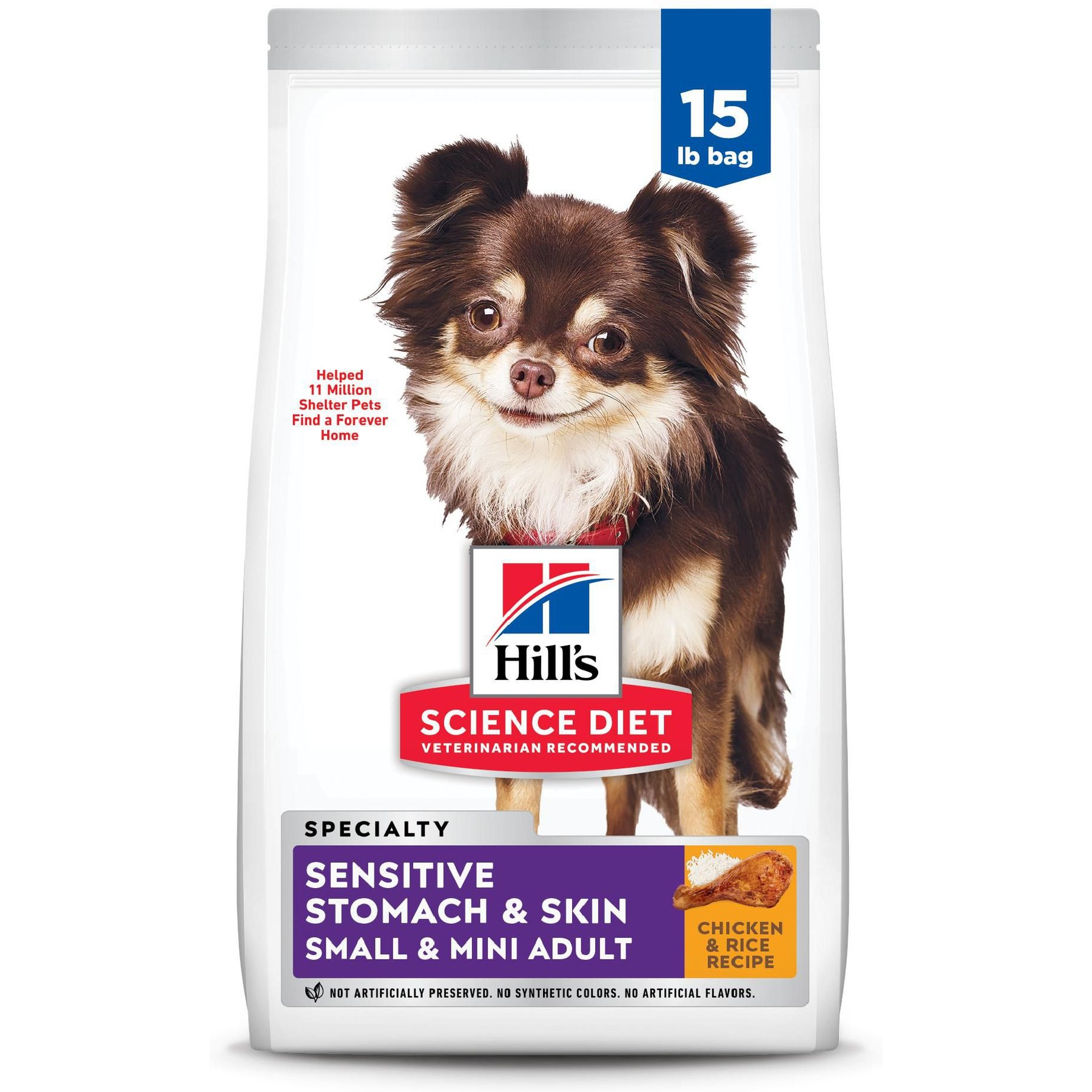
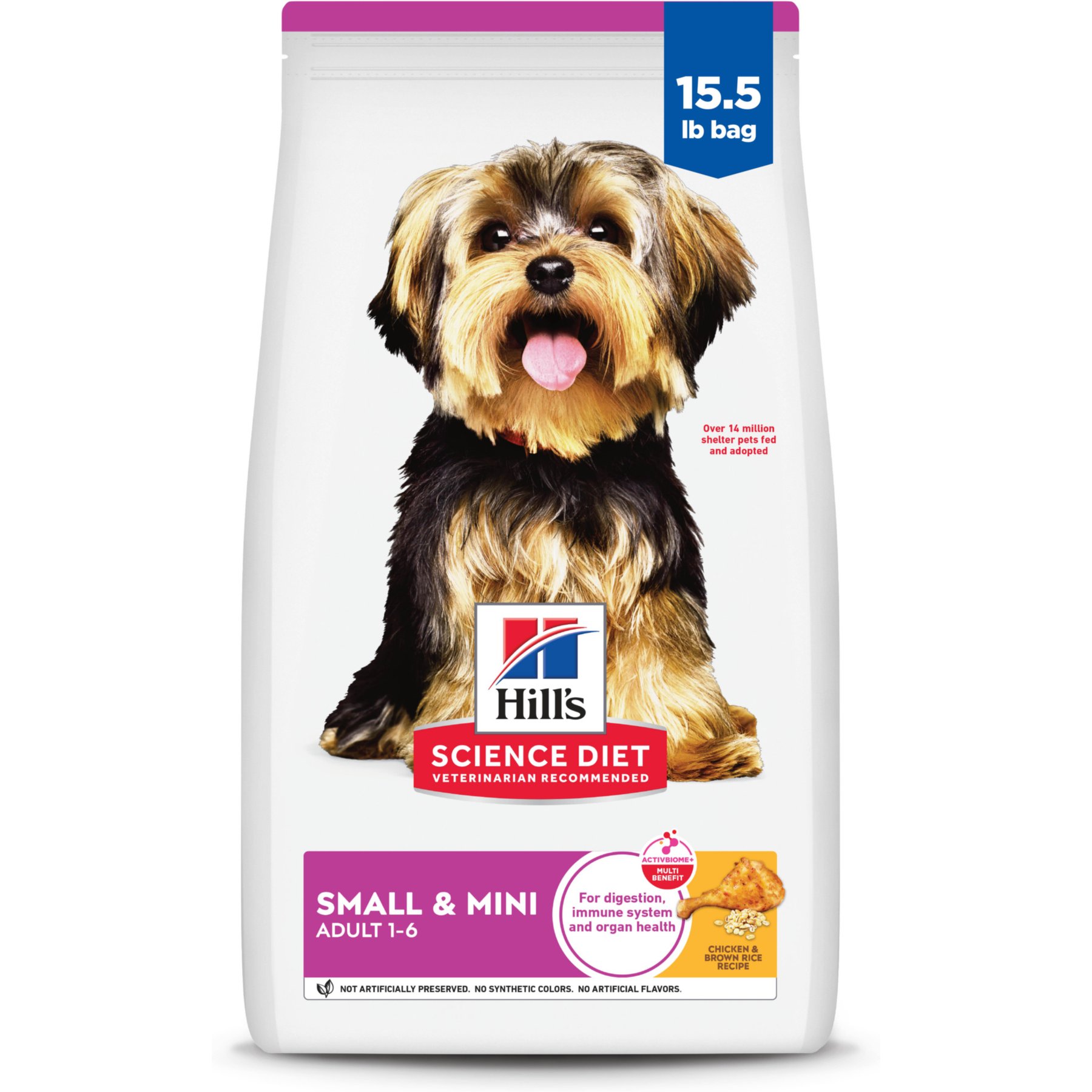
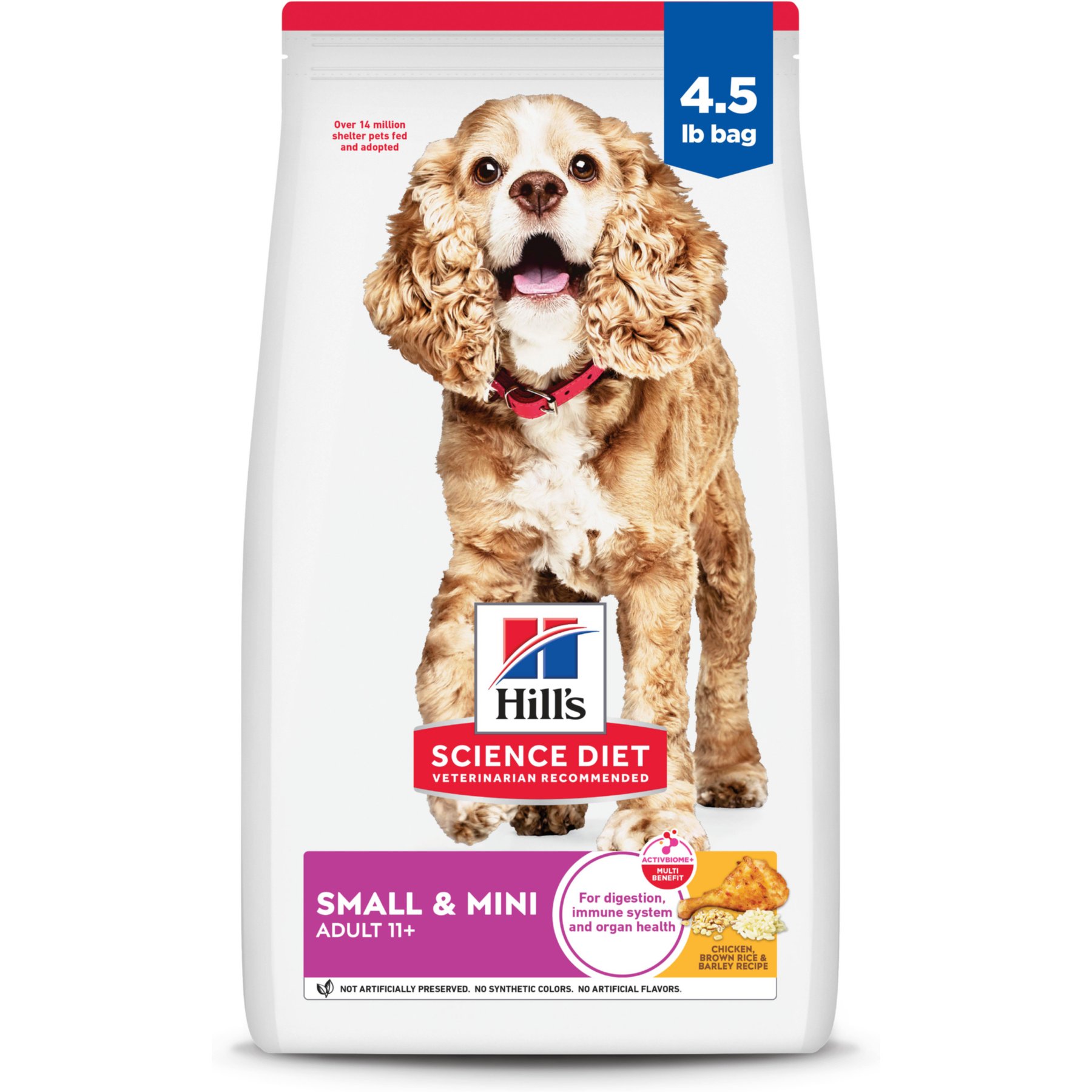
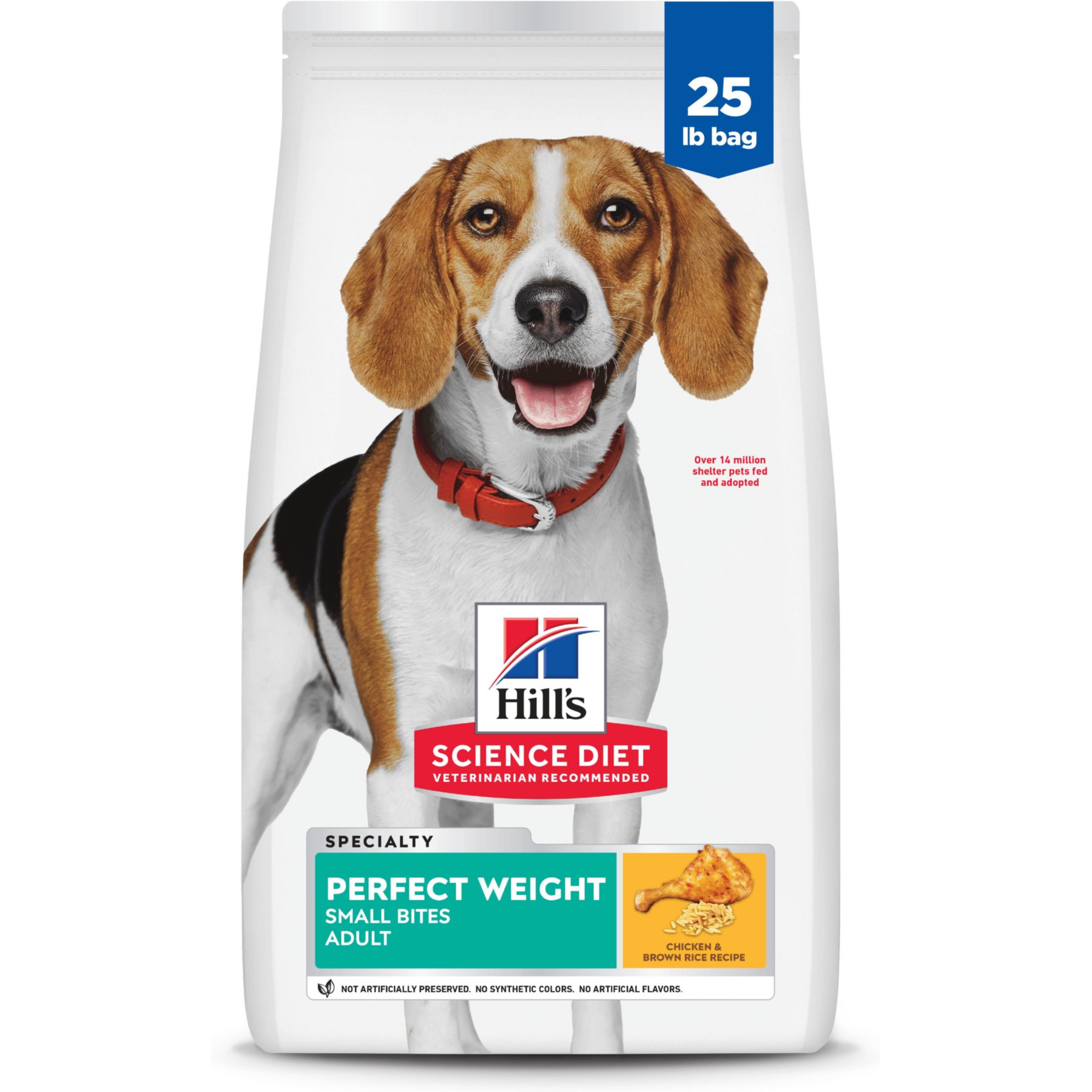
Hill's Science Diet Sensitive Stomach & Skin

  • Omega-6 fatty acids
  • Vitamin E for skin health
  • Easy-to-digest ingredients
  • Made in the USA

For Suspected Food Allergies

Natural Balance Limited Ingredient Diet (Fish)

  • Limited ingredients reduce triggers
  • Fish-based for omega-3s
  • Single protein source
  • Good for elimination diets

Royal Canin Veterinary Diet Hydrolyzed Protein

  • Hydrolyzed protein reduces allergic response
  • For dogs with multiple allergies
  • Supports skin health
  • Veterinary recommended

Omega-Rich Options

Wellness CORE Ocean

  • Whitefish and herring based
  • High omega-3 content
  • Grain-free formula
  • Quality ingredients

Feeding Strategies for Hot Spot Prevention

Increase Omega-3 Fatty Acids

  1. Choose fish-based foods
  2. Add fish oil supplement
  3. Look for EPA/DHA in guaranteed analysis
  4. Balance with omega-6s

Consider Elimination Diet

If food allergies suspected:

  1. Feed novel protein for 8-12 weeks
  2. No treats or extras
  3. Monitor for improvement
  4. Reintroduce foods one at a time

Maintain Consistent Diet

  • Sudden changes can trigger issues
  • Stick with food that works
  • Transition slowly if changes needed

Beyond Diet: Hot Spot Prevention

Grooming

  • Regular brushing prevents matting
  • Keep coat clean and dry
  • Dry thoroughly after swimming/bathing
  • Trim long coats in humid weather

Flea Prevention

  • Year-round flea control essential
  • Flea allergy is major hot spot cause
  • Treat all pets in household
  • Treat environment too

Environmental Management

  • Identify and reduce allergens
  • Regular cleaning
  • Air filtration
  • Manage humidity

Address Underlying Issues

  • Treat ear infections promptly
  • Manage allergies proactively
  • Address anxiety/boredom
  • Regular vet check-ups

Treating Existing Hot Spots

Immediate Care

  1. Clip hair around the lesion
  2. Clean gently with antiseptic
  3. Keep area dry
  4. Prevent licking (cone/e-collar)
  5. See vet if severe

Veterinary Treatment May Include

  • Antibiotics (topical or oral)
  • Anti-inflammatory medications
  • Medicated shampoos
  • Pain relief
  • Addressing underlying cause

When to See a Vet Immediately

  • Large or multiple hot spots
  • Spreading rapidly
  • Deep or severe lesions
  • Dog is in significant pain
  • Signs of systemic illness
  • Not improving with home care

Frequently Asked Questions

Can diet alone prevent hot spots?

Diet supports skin health and reduces inflammation, which helps prevent hot spots. However, diet alone may not prevent them if the underlying cause is environmental allergies, flea bites, or moisture. A multi-faceted approach is best.

How do omega-3 fatty acids help with hot spots?

Omega-3s (EPA/DHA) have anti-inflammatory properties that support skin health and reduce the inflammatory response that contributes to hot spots. They also strengthen the skin barrier, making it more resistant to infection.

My dog gets hot spots every summer. What should I do?

Summer hot spots often relate to allergies, humidity, or swimming. Strategies: increase omega-3s before summer, keep coat shorter, dry thoroughly after water exposure, maintain flea prevention, and consider allergy testing if severe.

Should I use a grain-free diet for hot spots?

Not necessarily. Grain allergies are rare in dogs. If food allergy is contributing to hot spots, the protein source (chicken, beef) is more likely the issue than grains. Focus on omega-3 content and limited ingredients rather than grain-free specifically.

How long until diet changes help prevent hot spots?

Skin health improvements from diet typically take 4-8 weeks to become apparent. For food allergy elimination diets, 8-12 weeks is needed to fully assess results. Be patient and consistent with dietary changes.

Related Resources

Recommended Products