Hip dysplasia is one of the most common orthopedic conditions in dogs, particularly in large and giant breeds. While the condition is largely genetic, proper nutrition plays a crucial role in managing symptoms and supporting joint health.
Understanding Hip Dysplasia
Hip dysplasia is a developmental condition where the hip joint doesn't fit together properly, leading to abnormal wear, arthritis, and pain.
How It Develops
- Genetic predisposition is the primary cause
- Environmental factors influence severity
- Improper nutrition during growth can worsen the condition
- Obesity dramatically accelerates joint deterioration
Breeds at Highest Risk
- German Shepherd
- Labrador Retriever
- Golden Retriever
- Rottweiler
- Great Dane
- Saint Bernard
- Bernese Mountain Dog
- Bulldog
- Mastiff breeds
Signs of Hip Dysplasia
- "Bunny hopping" gait
- Difficulty rising from rest
- Reluctance to climb stairs or jump
- Swaying or wobbly hindquarters
- Pain when touched around hips
- Muscle loss in rear legs
- Decreased activity
- Stiffness after exercise
Nutritional Management of Hip Dysplasia
For Puppies (Prevention)
Large breed puppy food is essential:
- Controlled calcium and phosphorus
- Moderate calorie content
- Prevents rapid growth that stresses joints
- Continued until 12-18 months (longer for giant breeds)
For Adult Dogs (Management)
Joint-supporting nutrition becomes critical:
- Omega-3 fatty acids for inflammation
- Glucosamine and chondroitin
- Weight management
- High-quality, easily digestible protein
What to Look for in Food for Hip Dysplasia
Must-Have Features
- Glucosamine (minimum 300mg/kg)
- Chondroitin sulfate
- Omega-3 fatty acids (EPA/DHA)
- L-carnitine for lean muscle
- Appropriate calorie content for weight management
- Large breed formula
Key Nutrients
Glucosamine and Chondroitin
- Support cartilage health and repair
- Help maintain joint fluid
- Slow cartilage breakdown
Omega-3 Fatty Acids
- Reduce joint inflammation
- May reduce need for pain medications
- Support overall joint comfort
L-Carnitine
- Supports lean muscle maintenance
- Helps with fat metabolism
- Important for weight management
Top Recommended Products
Large Breed Joint Support
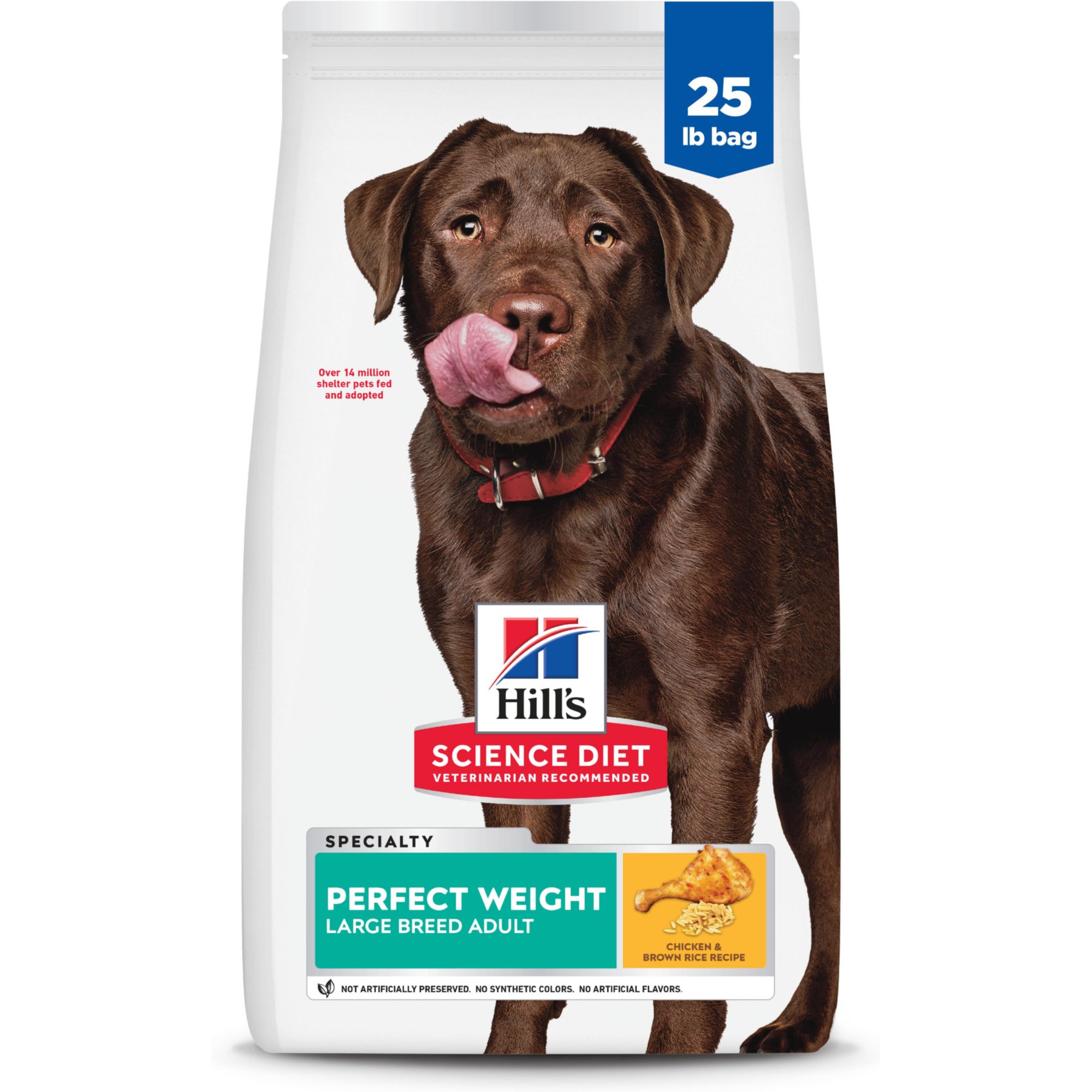
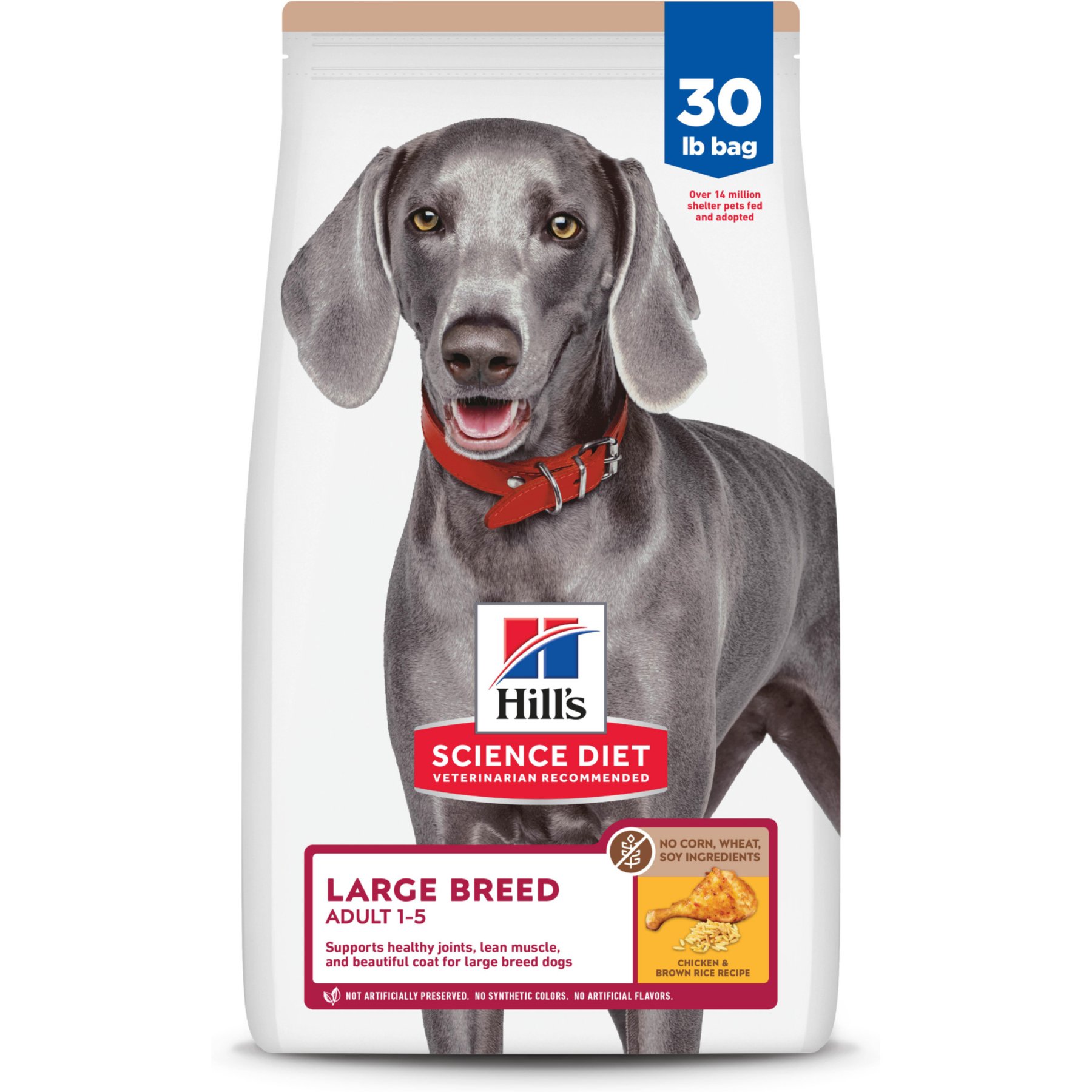
Hill's Science Diet Perfect Weight & Joint Support (Large Breed)
- Rating: 4.80/5
- Omega-3 EPA from fish oil
- Glucosamine for joints
- Helps maintain healthy weight
- Made in the USA
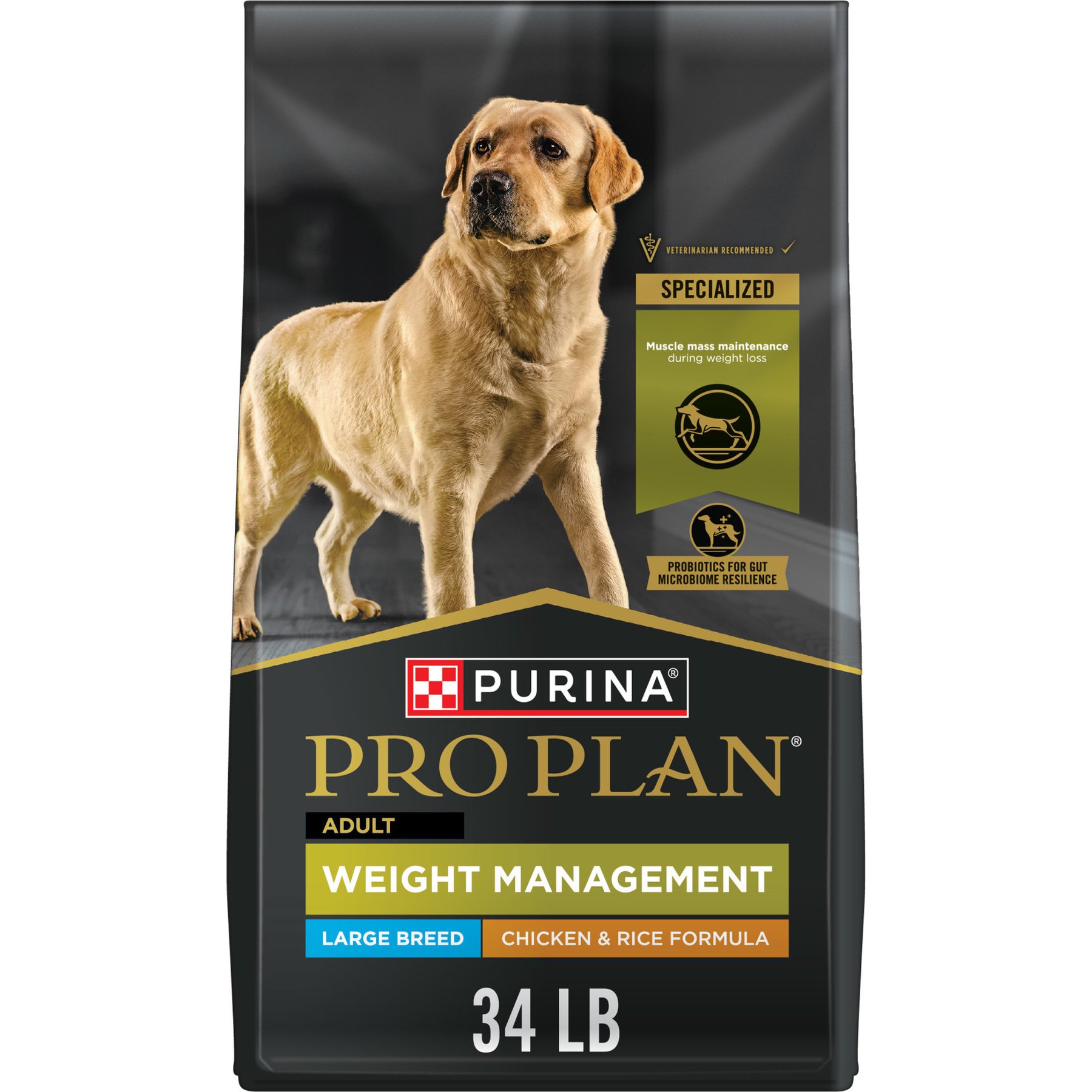
Purina Pro Plan Large Breed Adult
- EPA and glucosamine for joint health
- Real chicken as first ingredient
- Probiotics for digestion
- Complete nutrition for large breeds
Veterinary Options
Hill's Prescription Diet j/d Large Breed
- Clinically proven to improve mobility
- High levels of EPA
- Glucosamine and chondroitin
- For dogs with significant joint issues
Royal Canin Veterinary Diet Mobility Support
- Supports joint health
- EPA/DHA for inflammation
- Glucosamine and chondroitin
For Large Breed Puppies
Royal Canin Large Breed Puppy
- Controlled calcium and phosphorus
- Supports skeletal development
- Prevents too-rapid growth
Hill's Science Diet Large Breed Puppy
- Controlled minerals for proper bone development
- DHA for brain and eye development
- Made in the USA
The Critical Importance of Weight
Weight management is the single most impactful thing you can do for a dog with hip dysplasia.
Why Every Pound Matters
- Each extra pound = 4 pounds of stress on hips
- Overweight dogs have worse dysplasia symptoms
- Weight loss often dramatically reduces pain
- Lean dogs have better surgical outcomes if needed
- Maintaining healthy weight can delay or prevent surgery
Achieving Ideal Weight
- Work with your vet to determine target weight
- Choose weight management formula if needed
- Measure food precisely—no estimating
- Limit treats to 10% of daily calories
- Use low-calorie treats (carrots, green beans)
Feeding Tips for Dogs with Hip Dysplasia
- Maintain lean body condition: Top priority
- Choose large breed formula: Designed for joint support
- Fish-based or fish oil-enriched: Omega-3s reduce inflammation
- Elevated food bowls: May help dogs stand more comfortably
- Non-slip feeding area: Prevents slipping while eating
- Consistent feeding schedule: Same times daily
Large Breed Puppy Nutrition (Prevention)
Proper nutrition during growth is critical for preventing the worst effects of hip dysplasia.
Key Principles
- Feed large breed puppy formula only
- Controlled calcium and phosphorus levels
- Don't overfeed—keep puppies lean
- Don't supplement calcium (it's balanced in food)
- Continue puppy food until at least 12 months (18-24 months for giant breeds)
What to Avoid
- Regular (non-large-breed) puppy food
- Adult food before appropriate age
- Calcium supplements
- Overfeeding
- High-calorie, rapid-growth diets
Frequently Asked Questions
Can diet cure hip dysplasia?
No—hip dysplasia is a structural/genetic condition that diet cannot cure. However, proper nutrition can significantly reduce symptoms, slow progression, support joint health, and improve quality of life. Weight management through diet is one of the most effective interventions.
When should I start feeding joint-support food?
For breeds at risk of hip dysplasia:
- Puppies: Large breed puppy formula from the start
- Adults: Transition to joint-supporting formula by age 2
- All large breed adults benefit from glucosamine and omega-3s
My puppy was diagnosed with hip dysplasia. What should I feed?
Continue large breed puppy food with controlled minerals. Keep your puppy lean (feel those ribs). Don't over-exercise. When transitioning to adult food, choose a formula with added joint support. Your vet may recommend specific diets.
Should I give my dysplastic dog supplements?
Dogs with hip dysplasia often benefit from:
- Fish oil (omega-3s)
- Glucosamine/chondroitin supplements
- Green-lipped mussel
Quality joint-support foods may provide adequate amounts. Consult your vet for specific supplement recommendations.
Related Resources
- Feeding Calculator - Calculate calorie needs
- Dog Food for Joint Health - Joint support options
- Large Breed Dog Food - Large breed options
- Dog Food for Weight Loss - Weight management
- Compare Dog Foods - Side-by-side comparison