Best Dog Food for Heart Health in 2026

Heart disease affects many dogs, particularly certain breeds predisposed to cardiac conditions. Proper nutrition can support heart function, potentially slow disease progression, and improve quality of life for dogs with cardiac concerns.

Understanding Heart Disease in Dogs

Heart disease in dogs can be congenital (present at birth) or acquired over time. Nutrition plays an important supportive role alongside veterinary treatment.

Common Heart Conditions

  • Dilated cardiomyopathy (DCM): Weakened, enlarged heart muscle
  • Mitral valve disease: Leaky heart valve (common in small breeds)
  • Arrhythmias: Irregular heartbeat
  • Congestive heart failure: Advanced heart disease with fluid buildup
  • Aortic/pulmonic stenosis: Narrowed heart valves

Breeds at Higher Risk

  • Doberman Pinscher (DCM)
  • Boxer (arrhythmias)
  • Cavalier King Charles Spaniel (MVD)
  • Great Dane (DCM)
  • Irish Wolfhound (DCM)
  • Newfoundland (DCM)
  • Standard Schnauzer (DCM)

What to Look for in Heart-Healthy Dog Food

Must-Have Features

  • Added taurine (amino acid essential for heart function)
  • L-carnitine (supports heart energy metabolism)
  • Omega-3 fatty acids (EPA/DHA)
  • Moderate sodium (especially for dogs with heart disease)
  • High-quality protein
  • Grain-inclusive formula (very important!)

Critical: Avoid Grain-Free Diets

The FDA has investigated a potential link between grain-free diets and dilated cardiomyopathy (DCM) in dogs. Key findings:

  • Cases often involved boutique, exotic-ingredient, or grain-free (BEG) diets
  • Many contained peas, lentils, or potatoes as main ingredients
  • Taurine deficiency may play a role
  • Many cases improved when switched to grain-inclusive diets

For heart health, choose grain-inclusive foods from established brands.

Key Heart-Supporting Nutrients

Taurine

  • Essential amino acid for heart muscle function
  • Deficiency linked to DCM
  • Found in animal proteins
  • Some foods add supplemental taurine

L-Carnitine

  • Helps heart use energy efficiently
  • May benefit dogs with DCM
  • Often added to heart-healthy formulas

Omega-3 Fatty Acids (EPA/DHA)

  • Reduce inflammation
  • May help with arrhythmias
  • Support overall cardiovascular health
  • Found in fish and fish oil

Magnesium and Potassium

  • Support proper heart rhythm
  • Important electrolytes

Top Recommended Products

Choose grain-inclusive foods from established brands:

Purina Pro Plan Large Breed Adult

  • Grain-inclusive formula
  • Real chicken as first ingredient
  • Omega fatty acids
  • From established brand with nutritional research

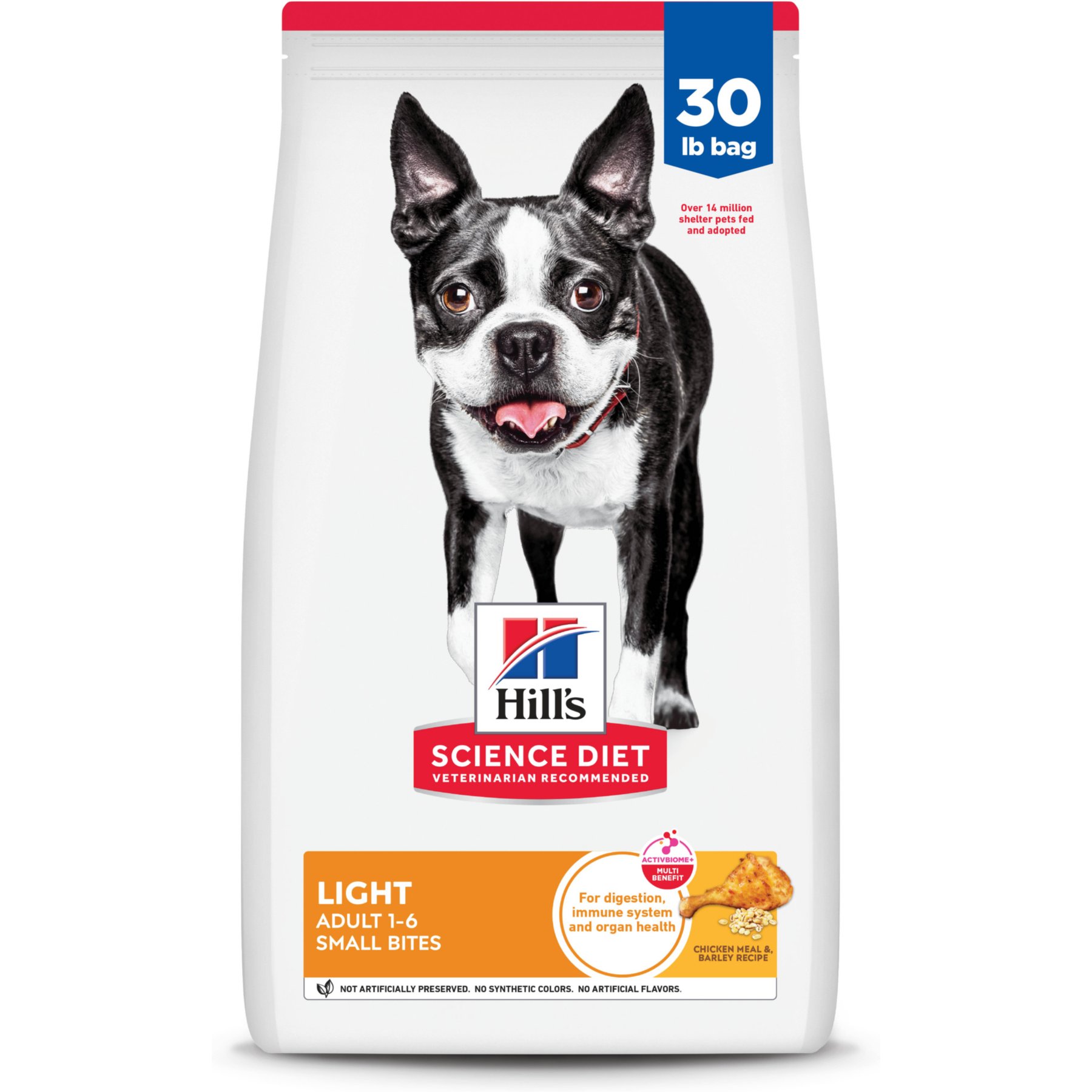
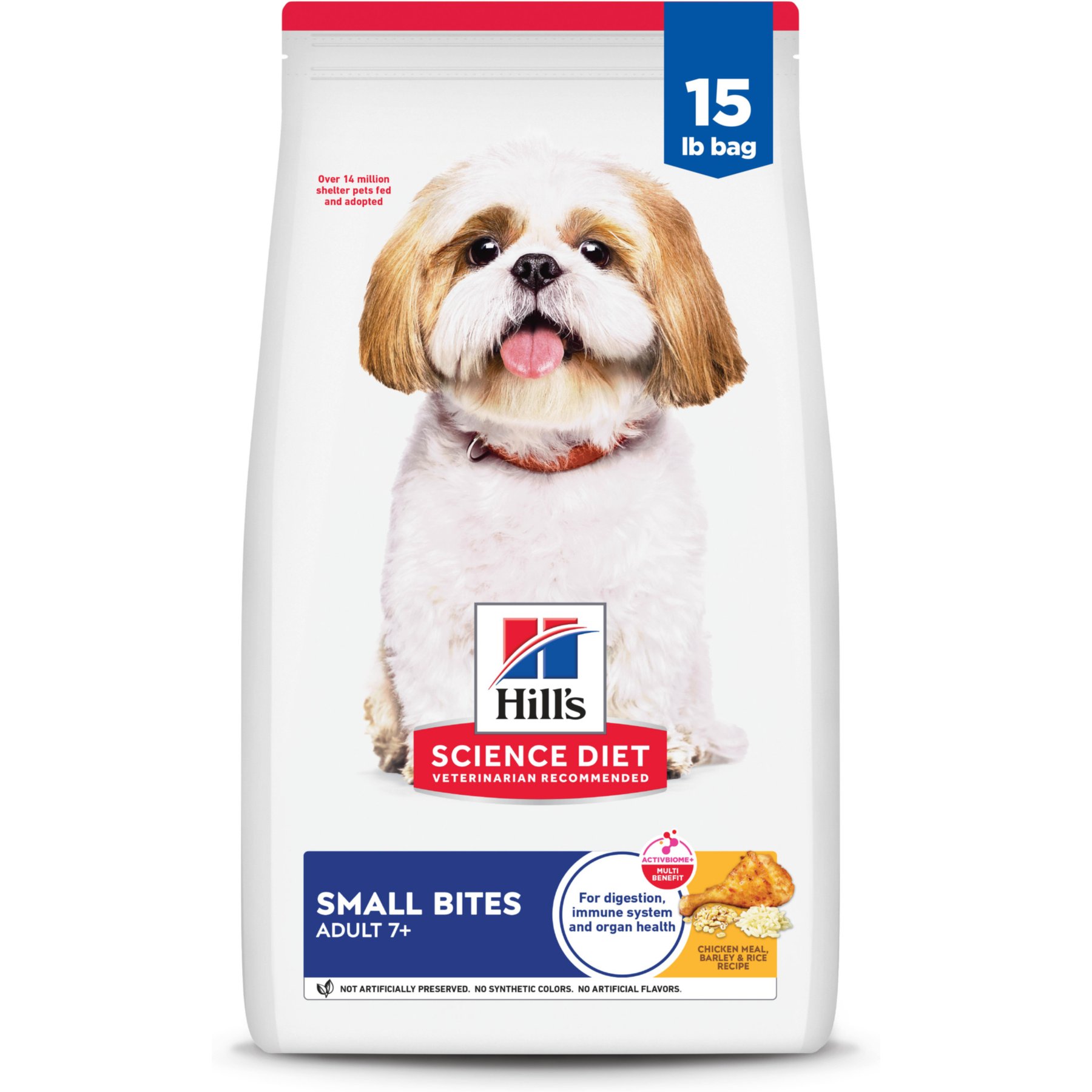
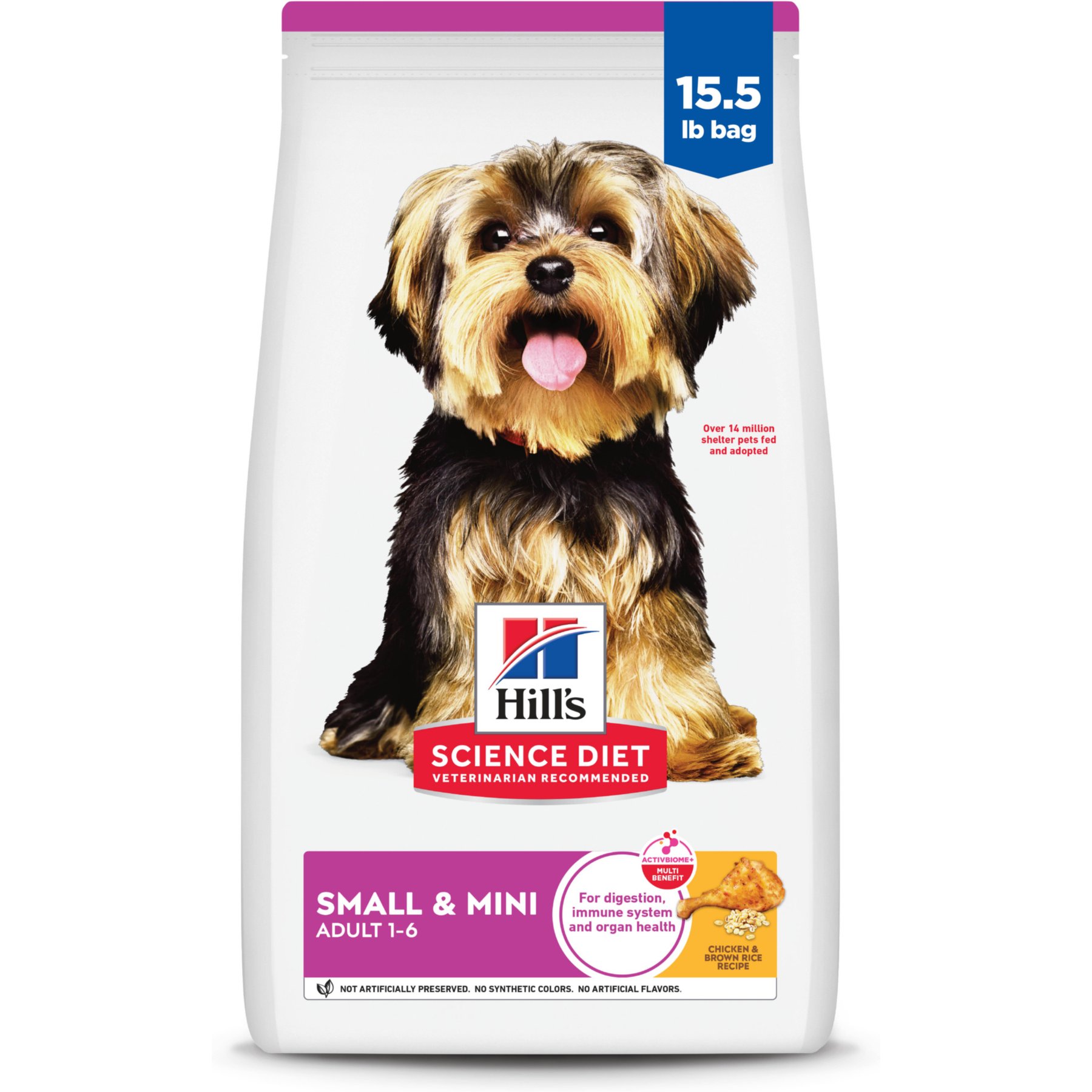
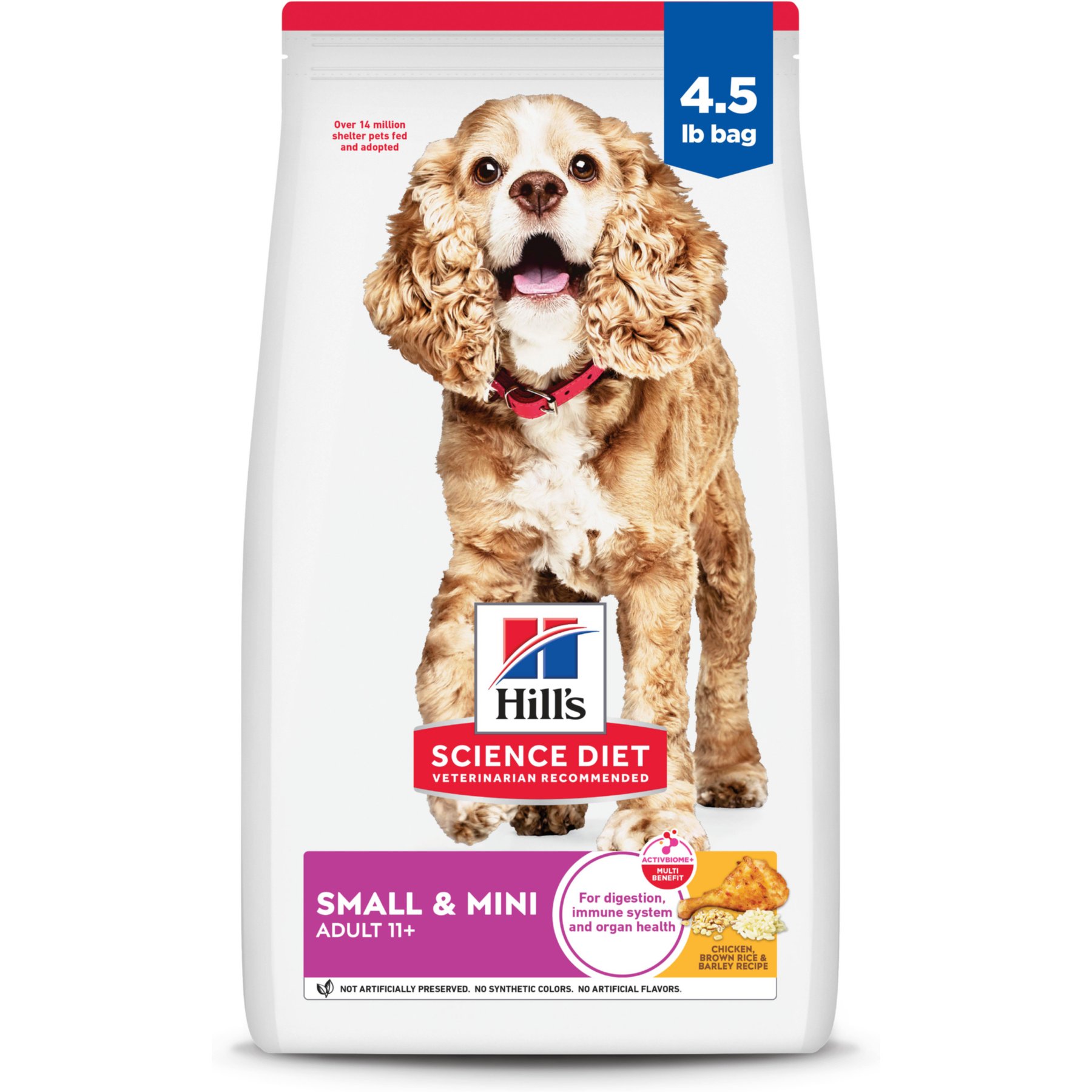
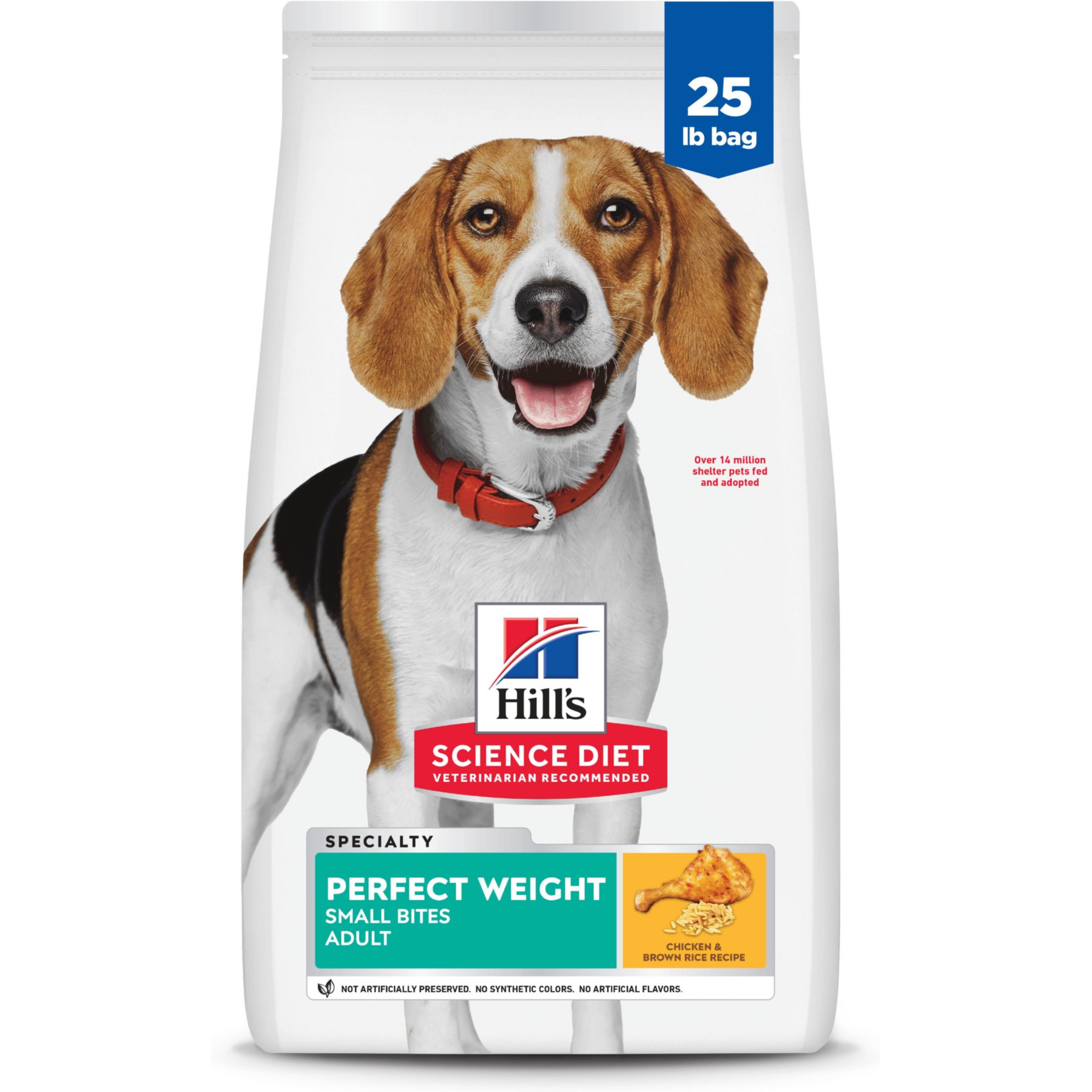
Hill's Science Diet Adult Large Breed

  • Grain-inclusive
  • L-carnitine for lean muscle
  • Omega fatty acids
  • Made in the USA

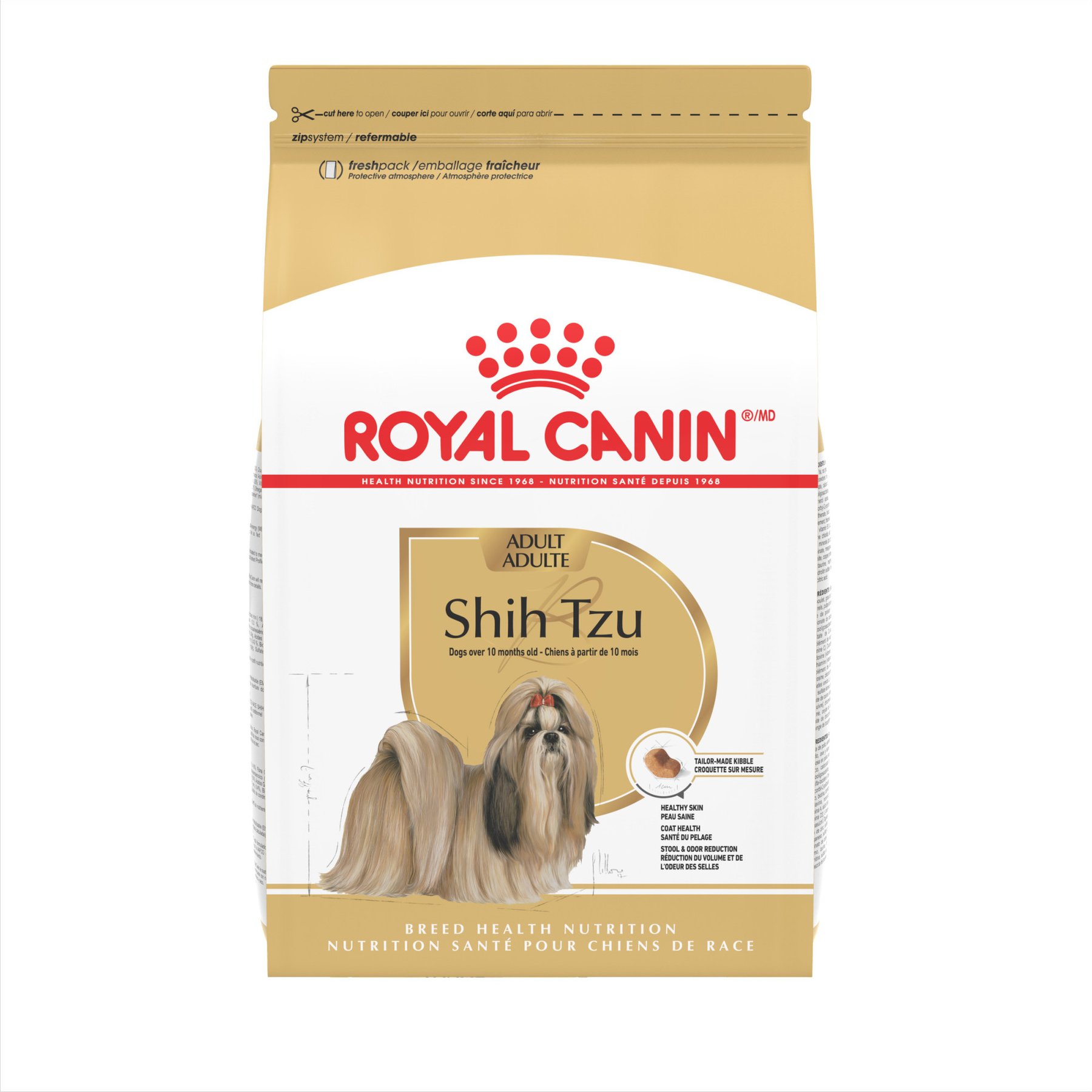
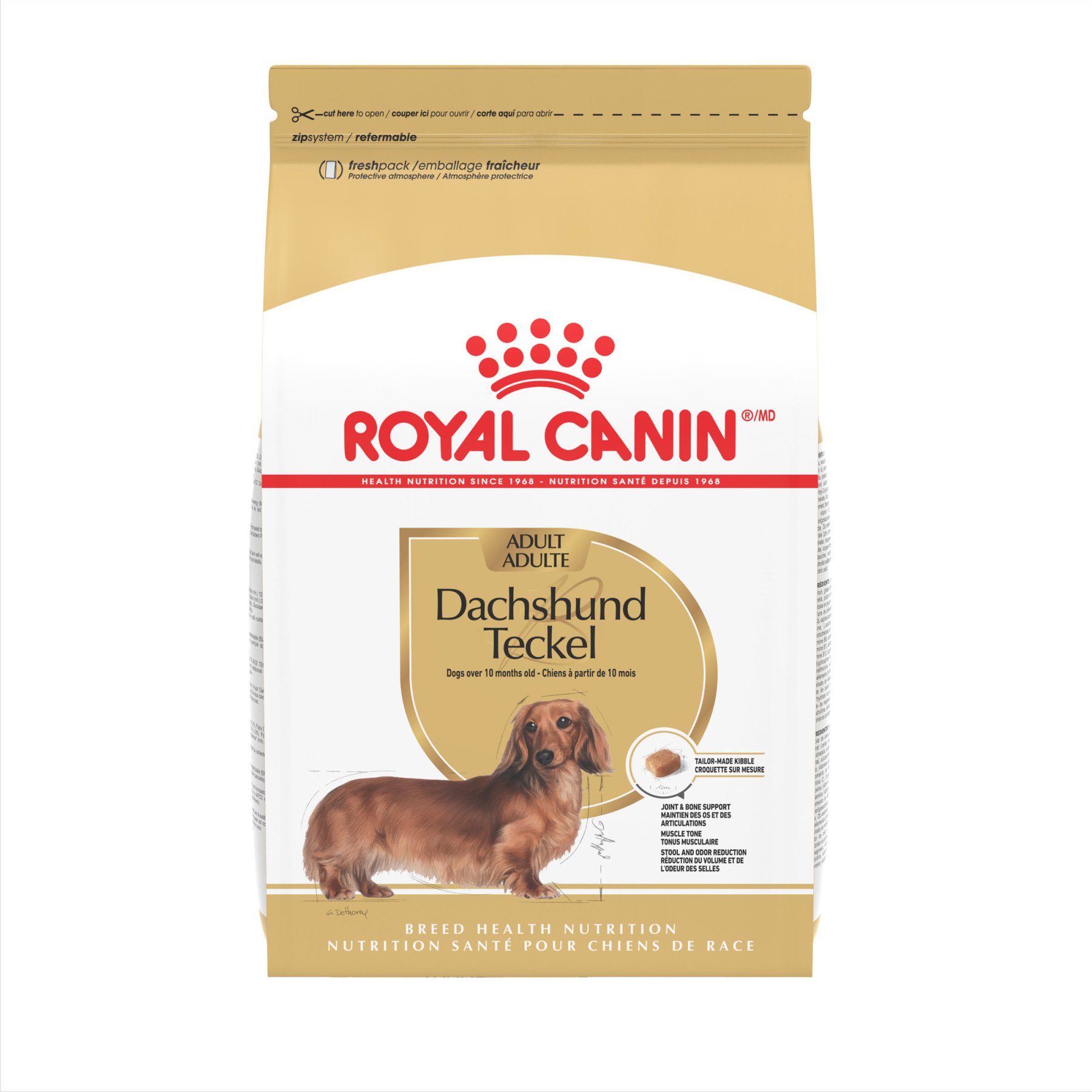
Royal Canin Size Health Nutrition

  • Grain-inclusive formulas
  • L-carnitine included
  • EPA and DHA for heart health
  • Research-backed nutrition

For Dogs Diagnosed with Heart Disease

Work With Your Veterinarian

Dogs with diagnosed heart disease need:

  • Veterinary nutritional guidance
  • Possible prescription diets
  • Sodium restriction (especially with heart failure)
  • Regular monitoring

Prescription Options

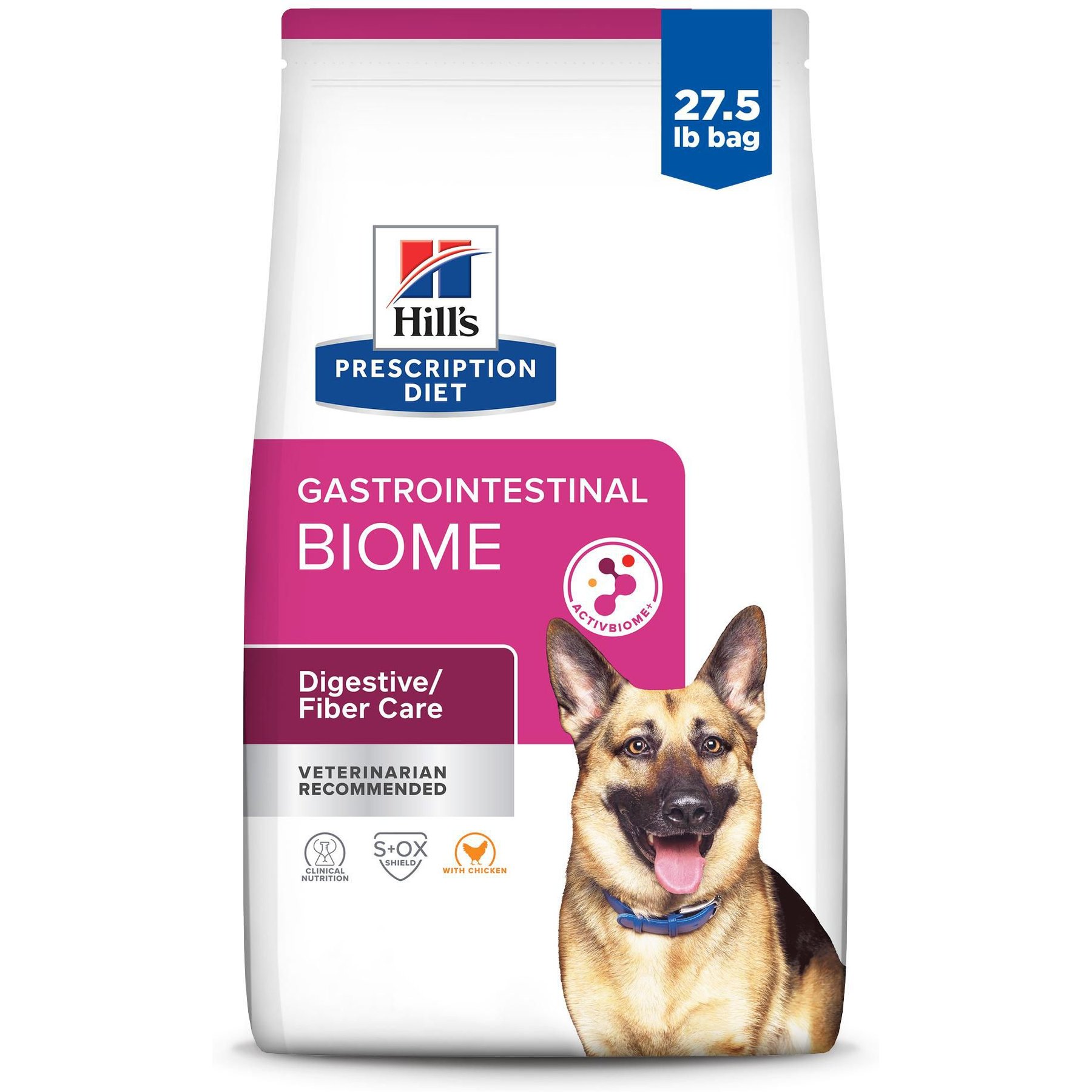
  • Hills Prescription Diet h/d
  • Royal Canin Cardiac
  • Purina Pro Plan Veterinary Diets CC CardioCareLow sodium, enhanced cardiac nutrients

Feeding Tips for Heart Health

  1. Choose grain-inclusive food: Avoid grain-free diets
  2. Look for added taurine and L-carnitine: Support heart function
  3. Include omega-3s: From fish or fish oil
  4. Maintain healthy weight: Extra weight strains the heart
  5. Moderate exercise: As recommended by your vet
  6. Regular cardiac check-ups: Especially for at-risk breeds

Supplements for Heart Health (Consult Your Vet)

  • Fish oil (omega-3s): Anti-inflammatory, may help arrhythmias
  • Taurine: Especially if diet may be deficient
  • L-carnitine: Supports heart energy
  • CoQ10: Antioxidant, supports heart cell function

Always consult your veterinarian before adding supplements.

Frequently Asked Questions

Why are grain-free diets a concern for heart health?

The FDA has investigated a potential link between grain-free diets (especially those with peas, lentils, or potatoes as main ingredients) and dilated cardiomyopathy in dogs. The exact mechanism is unclear, but taurine deficiency and other nutritional factors may play roles. Until more is known, grain-inclusive diets are recommended.

My dog is on grain-free food and seems fine. Should I switch?

Consult your veterinarian. Many dogs on grain-free diets don't develop problems, but the risk exists. For breeds predisposed to heart disease, switching to grain-inclusive food is especially important. Your vet can help assess your dog's individual risk.

How do I know if my dog has heart disease?

Early signs may include: coughing (especially at night or after exercise), exercise intolerance, breathing changes, fainting, and weight loss. However, early heart disease often has no symptoms. Regular veterinary exams and breed-specific cardiac screening can detect issues before symptoms appear.

Can diet reverse heart disease?

Diet alone cannot cure heart disease, but proper nutrition supports heart function and may slow progression. Some dogs with DCM potentially linked to diet have improved after switching to appropriate food. Diet is part of a comprehensive treatment plan that may include medications.

Related Resources

Recommended Products