Great Danes are gentle giants known for their towering stature, friendly demeanor, and surprisingly calm disposition. As one of the largest dog breeds in the world, Great Danes have unique nutritional requirements that support their massive frame while addressing the health challenges that come with their size.
Nutritional Needs of Great Danes
Great Danes are a giant breed, typically weighing 110-175 pounds and standing 28-32 inches tall. Their enormous size and rapid growth as puppies create very specific nutritional demands.
Key Nutritional Requirements
- Moderate protein (23-26%): Supports lean muscle without promoting too-rapid growth
- Moderate fat (12-15%): Provides energy without excess calories
- Glucosamine and chondroitin: Essential for joint health in this heavy breed
- Omega-3 fatty acids (EPA/DHA): Support joints, heart, and coat
- Controlled calcium and phosphorus: Critical during growth phase
- Taurine and L-carnitine: Support heart health
- Large kibble size: Designed for their giant mouths
Common Health Concerns That Affect Diet
Great Danes face several health challenges directly related to their size:
- Bloat (GDV): The #1 killer of Great Danes; feeding practices are critical
- Dilated cardiomyopathy (DCM): Heart support nutrients are essential
- Hip dysplasia: Joint support is crucial
- Wobbler syndrome: Cervical vertebrae issues; proper nutrition during growth matters
- Bone cancer (osteosarcoma): More common in giant breeds
- Hypothyroidism: Quality nutrition supports thyroid function
- Developmental orthopedic disease: Growth must be carefully managed
What to Look for in Great Dane Food
Must-Have Features
- Giant breed or large breed formula
- Appropriate calcium and phosphorus levels (especially for puppies)
- Glucosamine and chondroitin for joints
- Omega-3 fatty acids from fish oil
- Added taurine and L-carnitine for heart health
- Large kibble designed for giant breed mouths
- Grain-inclusive formula (avoid grain-free)
Critical Considerations
- Never feed grain-free—DCM risk in giant breeds
- Choose foods from companies with nutritional research
- Ensure appropriate calorie density to prevent obesity
- Look for AAFCO statement for large/giant breeds
Top Recommended Products
Based on our database analysis, these products are excellent choices for Great Danes:
Giant Breed Options
Royal Canin Giant Adult
- For dogs over 100 lbs
- EPA and DHA for joint support
- L-carnitine for healthy metabolism
- Supports bone and joint health
- Large kibble size for giant breeds
Royal Canin Giant Puppy (for puppies)
- Controlled calories and minerals for proper growth
- Supports developing skeleton
- EPA and DHA for development
- Large kibble for giant puppies
Large Breed Options
Hill's Science Diet Adult Large Breed
- Glucosamine and chondroitin from natural sources
- L-carnitine for lean muscle
- Omega fatty acids for coat
- Made in the USA
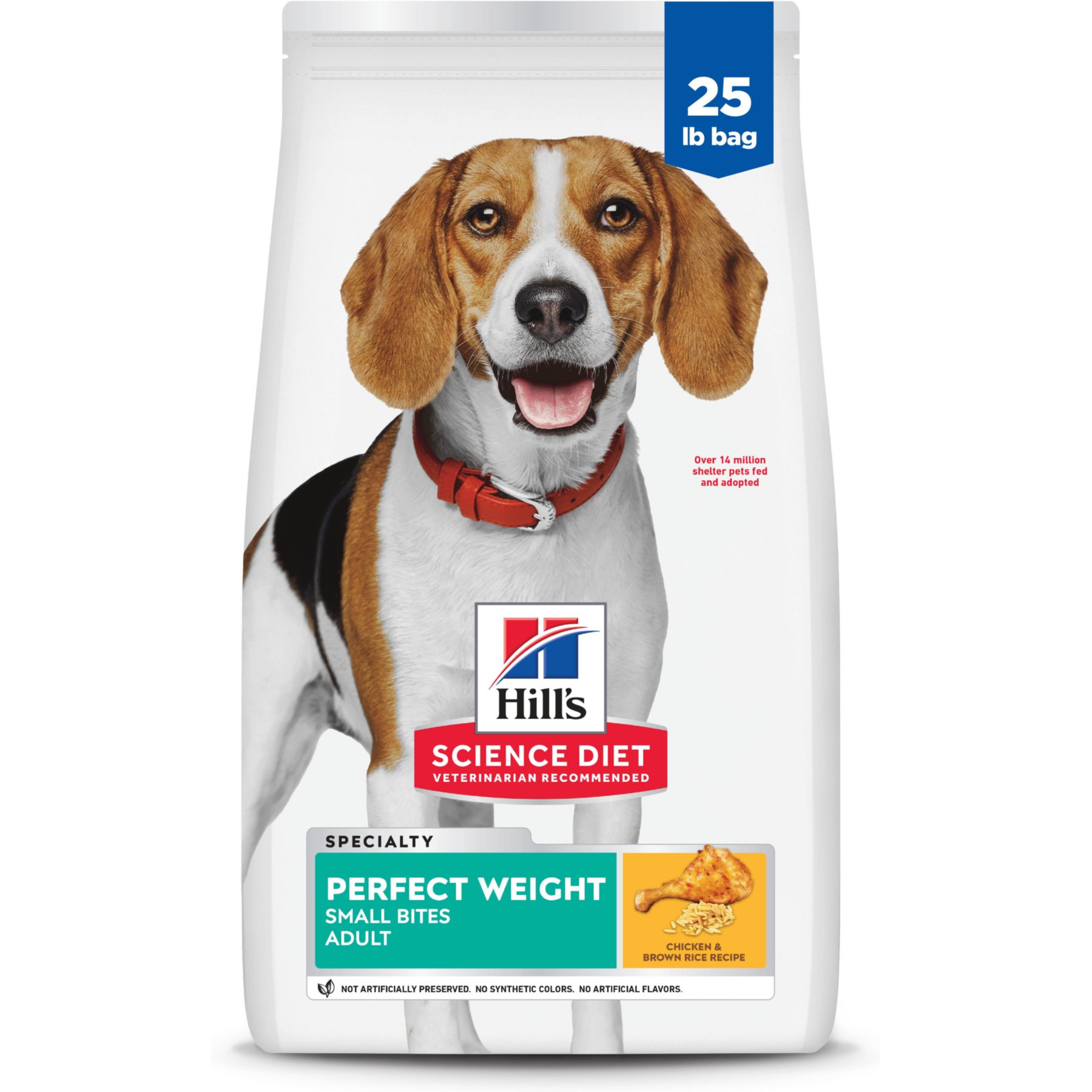
Hill's Science Diet Perfect Weight & Joint Support (Large Breed)
- Rating: 4.80/5
- Contains omega-3 EPA from fish oil
- Glucosamine for joint health
- Supports healthy weight
- Made in the USA
Purina Pro Plan Large Breed Adult
- Real chicken as first ingredient
- EPA and glucosamine for joints
- Live probiotics for digestion
- Complete nutrition for large breeds
Feeding Guidelines
| Weight | Daily Amount (Adult) | Meals Per Day |
|---|---|---|
| 110-130 lbs | 6 - 8 cups | 2-3 |
| 130-150 lbs | 8 - 9 cups | 2-3 |
| 150-175 lbs | 9 - 11 cups | 2-3 |
Critical: Split daily food into 2-3 meals—never feed one large meal (bloat prevention).
Preventing Bloat (GDV): The Most Critical Topic
Bloat is the leading cause of death in Great Danes. This life-threatening condition can kill within hours.
Essential Prevention Practices
- Feed 2-3 smaller meals daily—never one large meal
- Use slow-feeder bowls to prevent rapid eating
- No exercise 1-2 hours before or after meals
- Keep mealtimes calm and stress-free
- Avoid elevated food bowls (research suggests they may increase risk)
- Monitor water intake—prevent gulping large amounts
- Seriously consider prophylactic gastropexy surgery
What is Gastropexy?
Many Great Dane owners opt for prophylactic gastropexy, a surgery that attaches the stomach to the abdominal wall to prevent it from twisting. This can be done during spay/neuter surgery. Discuss this option with your veterinarian.
Warning Signs of Bloat
- Distended, hard abdomen
- Unproductive retching or gagging
- Excessive drooling
- Restlessness and pacing
- Difficulty breathing
- Pale gums
- Collapse
- THIS IS AN ABSOLUTE EMERGENCY—EVERY MINUTE COUNTS
Growing Great Dane Puppies Properly
Improper nutrition during growth is a major cause of health problems in adult Great Danes. This is one of the most critical periods.
Puppy Feeding Guidelines
- Always use giant breed puppy formula—controlled calcium and phosphorus
- Never overfeed—keep puppies lean
- 3-4 meals daily until 4 months
- 3 meals until 8-12 months
- 2-3 meals as adults
- Continue puppy food until 18-24 months
The Dangers of Overfeeding Puppies
- Rapid growth increases joint problems
- Too much calcium causes developmental issues
- Obesity as puppies leads to skeletal abnormalities
- "Chunky" puppies are NOT healthy puppies
Growth Targets
- You should always be able to feel ribs easily
- Puppies should be lean, almost "ribby"
- Slow, steady growth is ideal
- Never supplement calcium
Heart Health for Great Danes
Great Danes are prone to dilated cardiomyopathy (DCM). Nutritional support is important.
Heart-Healthy Nutrients
- Taurine: Essential for heart muscle function
- L-carnitine: Supports heart energy metabolism
- Omega-3 fatty acids: Support cardiovascular health
- Magnesium: Supports heart rhythm
Important Dietary Guidelines
- Never feed grain-free diets—linked to increased DCM
- Choose foods with added taurine
- Include fish or fish oil for omega-3s
- Stick to established brands with research
- Regular cardiac screening recommended
Feeding Tips for Great Danes
- Multiple smaller meals: 2-3 daily for bloat prevention
- Slow-feeder bowls: Prevent rapid eating
- No exercise around meals: 1-2 hours before and after
- Floor-level bowls: Avoid elevated feeders
- Calm feeding environment: Reduce stress
- Fresh water always available: Monitor for gulping
Life Stage Considerations
Great Dane Puppies (0-24 months)
- Giant breed puppy formula only
- Extended puppy phase—don't rush to adult food
- Controlled growth is absolutely critical
- Keep puppies lean—feel those ribs
- 3-4 meals daily, reducing to 2-3
- Regular growth monitoring
Adult Great Danes (2-6 years)
- Giant or large breed adult formula
- Heart health focus (taurine, omega-3s)
- Joint support nutrients critical
- 2-3 meals daily
- Regular weight monitoring
Senior Great Danes (6+ years)
- Senior formula may be appropriate
- Enhanced joint support crucial
- Continued heart health focus
- May need adjusted calories
- More frequent health monitoring
- Great Danes are seniors earlier than smaller breeds
Frequently Asked Questions
How much should I feed my Great Dane?
Adult Great Danes typically need 2,500-4,000+ calories daily depending on size and activity. This translates to roughly 6-11 cups of quality dry food daily, always split into 2-3 meals. Never feed one large meal. Use your specific food's guidelines and adjust based on body condition.
Why is bloat so dangerous for Great Danes?
Great Danes have deep, narrow chests—the highest-risk body type for bloat. In bloat (gastric dilatation-volvulus), the stomach fills with gas and can twist, cutting off blood supply. This can be fatal within hours. Bloat is the leading cause of death in Great Danes.
Should I have my Great Dane's stomach tacked?
Prophylactic gastropexy is a surgery that attaches the stomach to the body wall, preventing the twist that makes bloat deadly. Many Great Dane owners and veterinarians recommend this procedure, often done during spay/neuter. Discuss the pros and cons with your vet.
How long should Great Dane puppies stay on puppy food?
Great Dane puppies should stay on giant breed puppy food until 18-24 months old. Their slow maturity means they need the controlled nutrition of puppy food longer than smaller breeds. Never transition early, and never use regular (non-giant breed) puppy food.
Should I feed my Great Dane raw food?
While some giant breed owners use raw diets, they carry risks including bacterial contamination and nutritional imbalances. If considering raw, work with a veterinary nutritionist. High-quality commercial giant breed formulas are designed to meet all nutritional needs safely.
Related Resources
- Feeding Calculator - Calculate exact calorie needs for your Great Dane
- Large Breed Dog Food - More large breed options
- Dog Food for Joint Health - Joint support formulas
- Dog Food for Heart Health - Heart-healthy options
- Compare Dog Foods - Side-by-side product comparison